Microsoft MAI-Image-2.6

Microsoft — AI image generator review
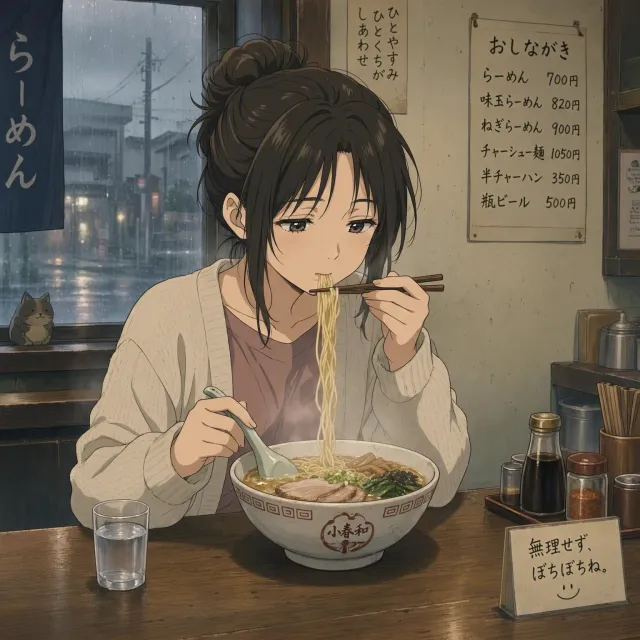
Best image by Microsoft MAI-Image-2.6
#12 OF 45 MODELS
1115 ELO ±42
Full leaderboard →

Best images by Microsoft MAI-Image-2.6

Summary for MAI-Image-2.6

MAI-Image-2.6 is most compelling for atmospheric illustration and visually rich concepts. It is less dependable when exact wording, functional interactions, or technical correctness determine success.

  • Overall position: 12th of 45 models at 1115 Elo, with a reported interval of approximately 1072–1159 Elo. For context, the overall leader, GPT Image 2.6 Sunburst, has 1410 Elo.
  • Quality versus availability: Completed images average 6.73/10, but only 85 of 100 requests delivered an image. The 15% refusal share is the highest reported in this snapshot.
  • Clearest stylistic strength: Anime & Cartoon Style reaches 1267 Elo, seventh by category rating. However, only six of ten prompts completed.
  • More dependable creative coverage: Surreal & Creative Prompts achieves 1233 Elo, with all ten requests completed. Elaborate materials and cinematic settings are recurring strengths.
  • The misleading headline result: Ghibli style places second numerically at 1486 Elo, but that rating rests on one completed image and nine refusals. It is not evidence of a dependable category-leading service.
  • Main risks: Soft or overprocessed photographic detail, ambiguous hand/object contact, exact-text mistakes, and attractive scenes that miss a crucial conceptual requirement.

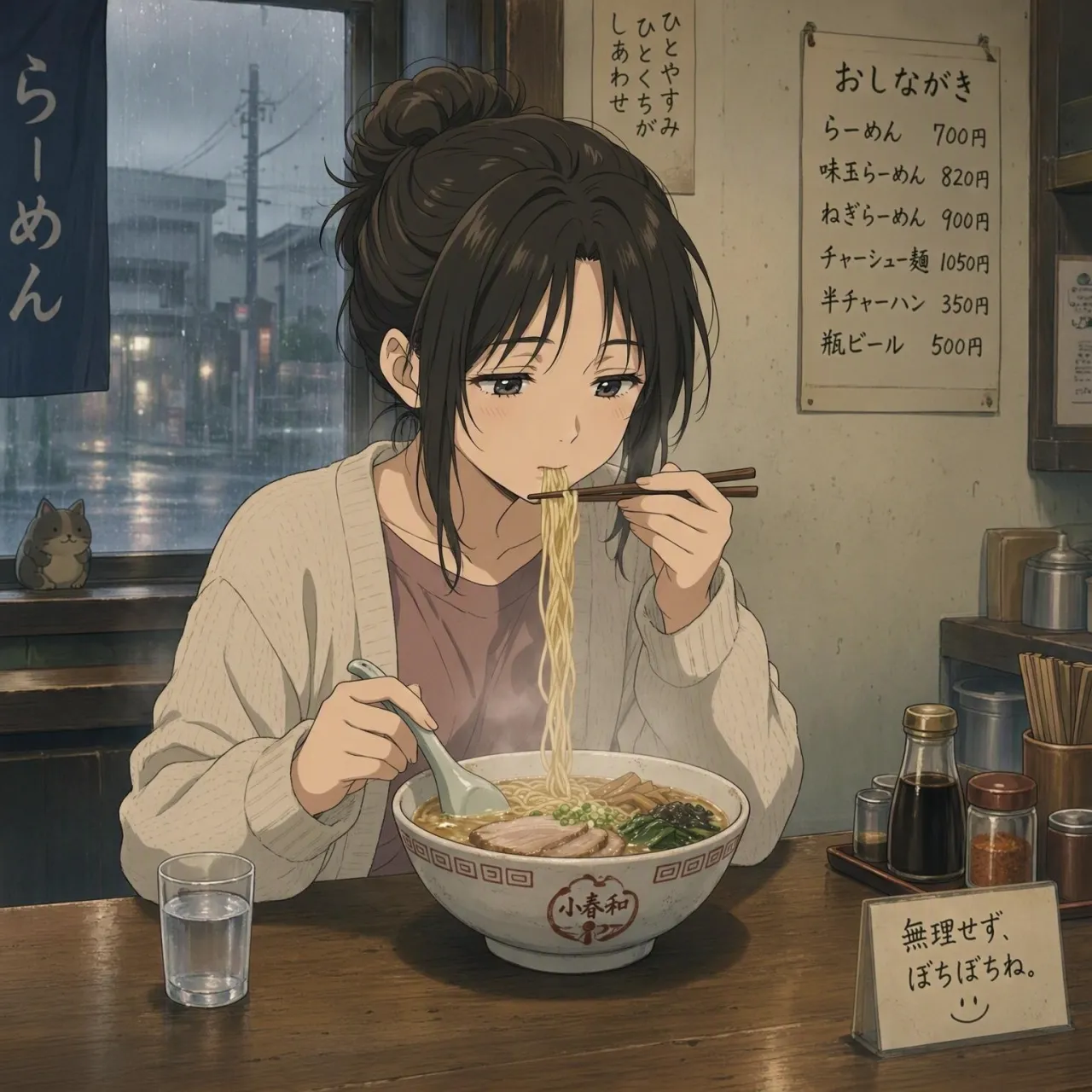
Image highlights: Eating ramen at a small shop scores 10/10; Robot painting a self-portrait scores 9/10.

Quick recommendation: Use it for illustrated storytelling, cinematic concept development, and selected social or interface graphics. Require close review for documentary realism, exact typography, educational diagrams, historical reconstructions, and engineering-oriented imagery.

General Analysis & Useful Insights

1. Competitive position: respectable, but close to its neighbors

At 1115 Elo, MAI-Image-2.6 sits in the upper third of this 45-model leaderboard by point estimate. Its immediate advantages over several nearby models are small:

Nearby model Overall Elo MAI-Image-2.6 advantage
Seedream 5.0 Pro 1102 13 points
Nano Banana Pro 1100 15 points
Nano Banana 2 1088 27 points

These are close ratings, not decisive separations. The supplied uncertainty intervals also overlap. The useful distinction is therefore the model's task profile, rather than a few positions in the overall table.

Its ceiling is substantially higher than its typical result: 24 of 85 completed images—about 28%—score at least 8/10. That supports selective use and review, rather than assuming a strong first result on every request.

2. Atmosphere and scene-building are genuine strengths

The model repeatedly succeeds at balancing a foreground subject with an evocative environment:

  • Nighttime neon portrait, 8/10: Colored facial illumination corresponds convincingly with the surrounding street lighting. Wool, stubble, curls, and wet pavement remain materially distinct.
  • The Last Sunrise movie poster, 9/10: Accurate title typography, restrained gold lettering, coastal depth, and consistent wind and lighting produce a cohesive design.
  • Eating ramen at a small shop, 10/10: Rain, warm shelter, differentiated materials, and readable utensil interactions reinforce an unusually persuasive everyday narrative.
  • Robot painting a self-portrait, 9/10: Metal, paint, wood, and studio supplies are convincingly separated, while the painted subject recognizably matches the robot.

These examples suggest a productive niche: images where mood, material variety, and environmental storytelling carry much of the value.

The strength is not simply adding detail. In the strongest results, details support the subject. In weaker ones, they compete with it.

3. Broad adherence is stronger than photographic fidelity

Across the 85 completed images, the per-image criterion averages are:

Criterion Average /10
Prompt adherence 7.88
Artistic merit 7.53
Technical quality 7.48
Detail execution 7.25
Realism/coherence 6.87

These are diagnostic scores, not an alternative model ranking. They describe a recurring pattern: the requested ingredients are often present, but their finish or relationships are less convincing.

That gap is especially clear in Photorealistic People & Portraits: 9.0/10 adherence, versus 6.5 detail execution and 6.6 realism/coherence.

The businesswoman headshot includes the required glasses and blurred office, but scores 6/10 overall because hair, skin, and optical fittings are insufficiently resolved. The freckled monochrome portrait also scores 6/10: atmosphere and gaze outperform the actual rendering of freckles and facial texture.

Recurring photographic weaknesses include:

  • Airbrushed or waxy skin transitions.
  • Eyes that appear more enhanced than the surrounding face.
  • Fine hair and fabric resolving into soft or repetitive texture.
  • Compressed dark regions that obscure construction and separation.

Stylized work is generally a more forgiving fit for this rendering profile than close-up photographic scrutiny.

4. Attractive context can displace the central task

A recurring tendency is to create a complete scene when the brief needs a concentrated subject or reusable asset.

The hand drawing with a pencil scores 8/10, with excellent architectural sketch detail. Yet the wider desk composition makes the hand-and-pencil-tip contact less immediate than requested. Several portraits similarly devote more space to clothing and setting than their headshot or close-up briefs require.

In graphic work, this tendency can change the deliverable:

Practical implication: Specify the deliverable boundary explicitly—standalone symbol, no tagline, no additional wording, no surrounding scene. This is a sensible mitigation, but its effectiveness was not tested in this dataset.

5. Local correctness is less reliable than visual polish

The most consequential failures often occupy a small part of an otherwise competent image.

Anatomy and contact: The laptop typing scene scores 3/10 because three hands appear in a single-user workspace. In the family cooking scene, the boy's fingers, grater, and missing visible cheese block undermine the implied action despite strong kitchen rendering.

Relational instructions: The mirror portrait is physically plausible but reverses the requested arrangement: the back is outside the mirror and the front is reflected. This is an instruction failure, not principally an anatomical one.

Meaningful gestures: The ASL thank-you portrait receives 9/10 for anatomical coherence, yet only 6/10 overall because hand placement makes the intended sign ambiguous. A convincing hand is not necessarily a correct communicative gesture.

Conceptual fusion: The musical-note skyline presents notation above a city rather than making the skyline form the notes. It scores 6/10 despite polished rendering.

Complexity alone does not explain performance. The model correctly establishes the unusual reversed relationship in a horse riding an astronaut, scoring 8/10, while failing the much more ordinary typing scene. The key risk is exact relationship handling, not simply a large number of objects.

6. Text capability is useful, but not dependable enough for unchecked publication

The model can render prominent conventional wording well. Examples include Open 24/7 neon, 8/10, The Last Sunrise, 9/10, and the STOP sign, 8/10.

But central text errors remain severe:

There is also a distinction between readable symbols and valid information. The university AI lecture includes readable headings and branding, but arbitrary mathematics reduces detail execution to 4/10.

Use generated lettering as a draft. Verify every required character, numeral, and equation independently.

7. Decorative richness does not establish functional or historical accuracy

In Complex Scenes, adherence averages 8.44/10, while realism/coherence averages only 5.78/10. In Architecture & Interiors, artistic merit averages 7.56/10, versus 6.0 coherence.

Representative contradictions include:

These are suitable starting points for art direction, but not authoritative references.

8. Availability and latency materially affect usability

Thirteen of the 15 blocks occur in Anime & Cartoon Style and Ghibli style. The other two affect the multi-activity beach scene and desert modernist home.

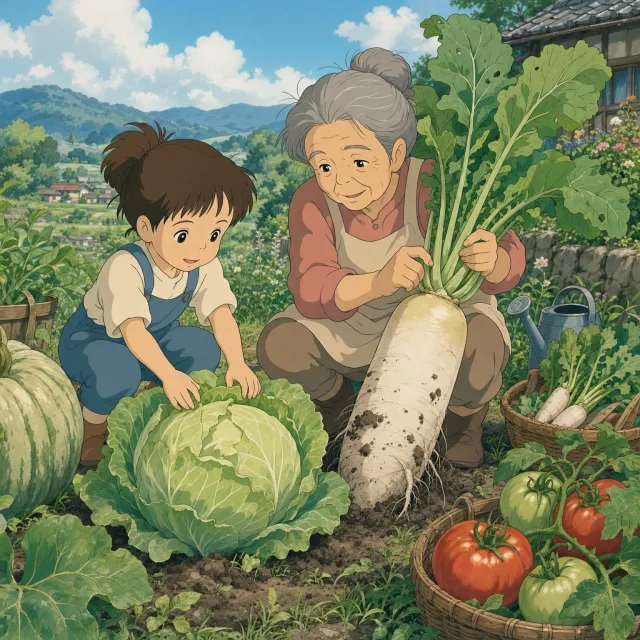
This is a delivery limitation, not proof that blocked subjects would have rendered poorly. Nor does the evidence establish a universal style prohibition: the mushroom village and child and elder gardening completed despite related stylistic wording elsewhere being blocked.

For completed generations, recorded time is approximately:

  • Median: 62 seconds.
  • Mean: 110 seconds.
  • Range: 36–409 seconds.

The long tail matters for interactive workflows. A longer wait also does not ensure correctness: GROWTH vine lettering took approximately 254 seconds and still scored 4/10. These timings support allowing background processing and review time, rather than promising a fixed turnaround.
Best Uses by Category

The table separates competitive position, completed-image quality, and delivery coverage. Category ranks are point estimates among the 45 supplied models. Small rating differences remain close, and category ratings are not a calibrated measure of absolute task difficulty.

Category Elo Category rank Completed-image mean /10 Delivered
Anime & Cartoon Style 1267 7th 8.17 6/10
Surreal & Creative Prompts 1233 10th 7.00 10/10
Ultra Hard 1206 11th 6.60 10/10
Text in Images 1085 13th 6.80 10/10
Hands & Anatomy 1094 14th 6.50 10/10
Complex Scenes 1072 16th 6.33 9/10
Architecture & Interiors 1098 16th 6.22 9/10
Graphic Design 1055 17th 6.60 10/10
Photorealistic People & Portraits 1049 Joint 18th 6.70 10/10
Ghibli style 1486 2nd* 8.00 1/10

The Ghibli-style position is based on one completed image. It should not drive a reliability-sensitive model choice.

Strongest fits

1. Atmospheric anime and original fantasy illustration

The samurai under cherry blossoms and sleeping chibi dragon both score 9/10. The ramen-shop illustration reaches 10/10, with unusually strong everyday atmosphere and object interaction.

Use these strengths for character illustrations, illustrated stories, cozy environments, and fantasy scenes. Allow for the category's substantial blocking rate, especially when a workflow depends on a particular named-style request.

2. Cinematic editorial and imaginative concept work

The android Mona Lisa, 8/10, miniature planet cake, 8/10, and Journey to Mars cover, 8/10, demonstrate appealing combinations of subject design, materials, and setting.

These are good fits for mood boards, pitch imagery, speculative product concepts, and cover exploration. Check the central transformation: an attractive image can still substitute decoration for the requested concept.

3. Selected interface and promotional graphics

The banking icon set, spring-sale graphic, and weather app icon all score 8/10. This is a useful pocket of strength inside a less competitive overall graphic-design category.

Best applications are drafts and visual exploration. Before release, test icon consistency, thumbnail contrast, offer legibility, and unwanted added copy. The weather icon's pale cloud edge and the sale graphic's fine supporting text particularly need small-size inspection.

4. Carefully reviewed action and unusual interactions

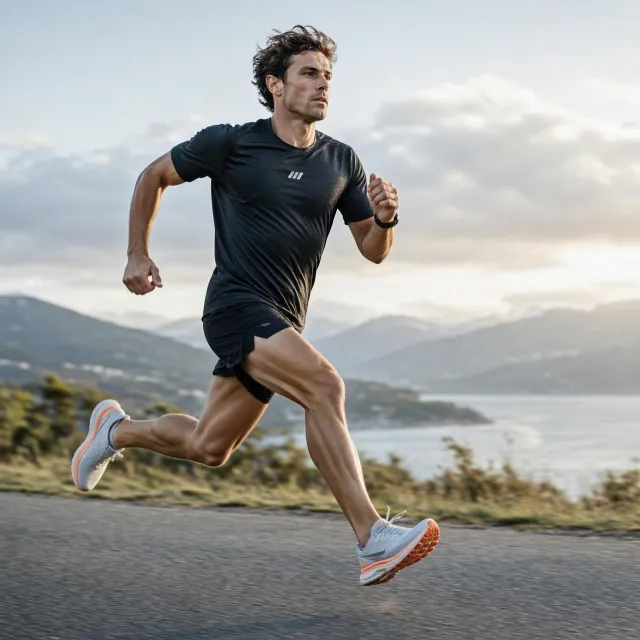
The yoga balance, runner mid-stride, and horse riding an astronaut each score 8/10. The robot self-portrait scene scores 9/10.

The model can solve difficult poses and relationships. Use it when manual selection is acceptable—not when every hand, grip, or contact point must be correct on the first attempt.

Conditional fits

Environmental portraits, rather than forensic photographic close-ups

The elderly woman with landscape-reflecting glasses and neon-lit man both score 8/10. They benefit from setting and lighting. Corporate headshots, freckles, skin microtexture, and subtle emotional realism are less convincing across the sample.

Choose it when mood matters more than close-range photographic authenticity. For high-stakes portrait publication, inspect skin, eyes, glasses, hair edges, and facial material consistency.

Architectural atmosphere, not dependable technical documentation

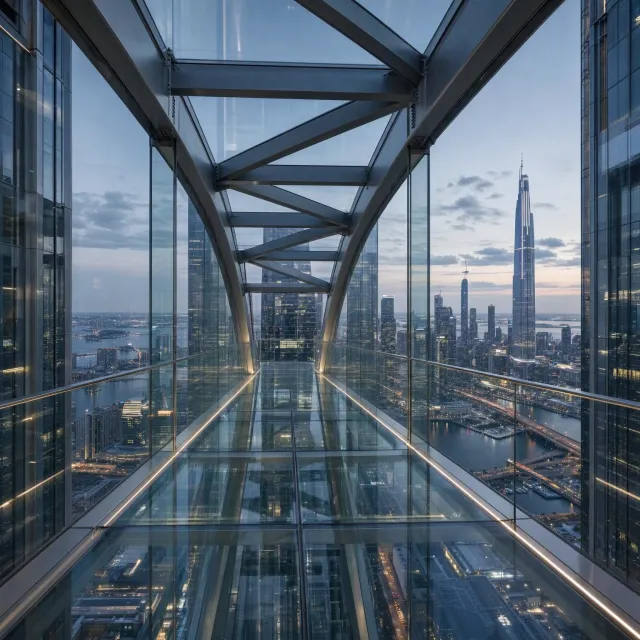
The space-habitat interior and glass skybridge score 7/10 and are useful concept references. The machiya cutaway and underground bunker section, both 6/10, are more convincing as presentation graphics than as resolved technical explanations.

Use architectural outputs for design discussion. Do not treat circulation, structural systems, dimensions, historical reconstruction, or mechanical infrastructure as verified.

Crowded scenes where atmosphere outweighs individual interaction

The medieval battlefield, 8/10, is more successful than scenes depending on many precise everyday exchanges. The market, 6/10, and classroom, 5/10, expose weaknesses in small faces, gestures, and functional object orientation.

For crowds, budget time to inspect foreground exchanges and background repetitions—not just the overall composition.

Avoid relying on it without specialist or production checks

  • Exact-copy assets: Verify every word and numeral. For final logos, garments, signage, and offers, adding approved typography after image generation is safer than trusting the generated copy.
  • Instructional gestures and technical education: The ASL thank-you gesture and AI mathematics lecture show that plausible appearance does not guarantee correct meaning. Use qualified review.
  • Seamless print patterns and final vector deliverables: The Art Deco pattern, 6/10, has questionable boundary continuity. Test it in a tiled grid. A vector-like image is not evidence of an editable vector file.
  • Historically exact imagery: Review chronology, equipment, and architectural details independently, as illustrated by ancient Rome and the Apple II system.
  • Reliable named-style batch delivery: Nine of ten requests were blocked in Ghibli style. A strong surviving image cannot compensate for that operational failure rate.

Practical workflow

  1. Define one primary success condition. State what must be exact and what must not be added.
  2. Keep the focal task prominent. Request tight framing when hands, lettering, expressions, or contact points are the test.
  3. Review in two passes: First the overall composition, then the critical details at full size.
  4. Finish externally where precision matters. Typeset approved copy, rebuild vector geometry, test pattern edges, and obtain domain review for instructional or technical content.

Bottom line: Choose MAI-Image-2.6 for atmosphere, illustrated storytelling, and rich visual development. Treat exactness as something to verify—not something its polished surface guarantees.

Compare Microsoft MAI-Image-2.6 with