Performance by Category and Use Case
Category scorecard
Ranks are nominal positions among the 45 supplied models. Small Elo differences should be treated as close. The 1–10 means describe completed outputs only; they do not determine rank.
Category ratings have different competitive distributions. Their numerical magnitudes should not be read as a direct measure of task difficulty or compared as though they were image-quality scores. Some competing models also have very limited completed coverage, particularly in style-specific categories.
Best fit: typography-led commercial graphics
Use for: Promotional posts, book-cover concepts, movie posters, editorial layouts, and quotation graphics.
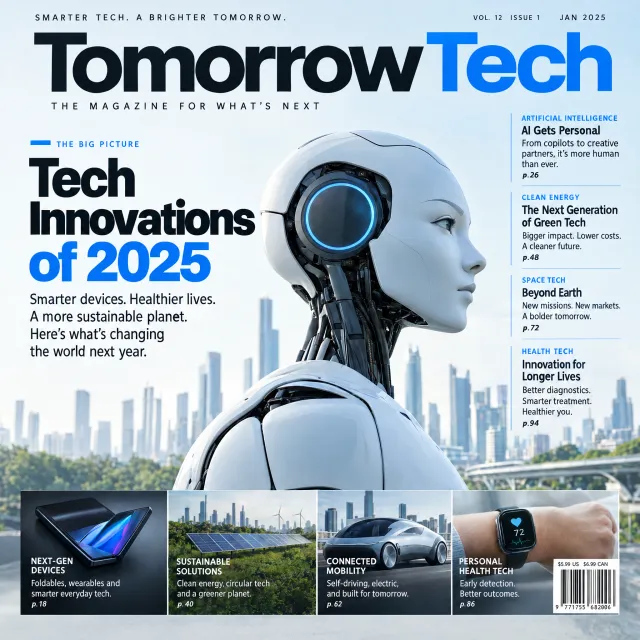
This is the clearest recommendation. Dream Big, Work Hard poster, Journey to Mars book cover, The Last Sunrise movie poster, and Technology magazine cover each score 9/10. Their strengths include accurate principal text, controlled hierarchy, and imagery that supports the typography.
The Spring sale graphic, also 9/10, delivers the complete offer, a suitable square format, and unobstructed central text. Evergreen Brew logo and Banking-app icon set, both 8/10, show useful brand and interface concept capabilities.
Where to be cautious:
- Seamless Art Deco pattern, 6/10, fails vertical continuation. Do not send it directly into repeating print production.
- Plant-vine GROWTH lettering, 6/10, is recognizable but crowded and optically uneven.
- Several vector-style outputs introduce subtle shading or gradients. Vector appearance does not establish an editable vector deliverable.
Recommendation: Use the generated composition as a strong starting point. Verify spelling and small-size readability, rebuild production logos where necessary, and test patterns across a tiled canvas.
Good fit: architectural visualization and interior concepts
Use for: Moodboards, residential concepts, atmospheric interiors, and speculative living environments.
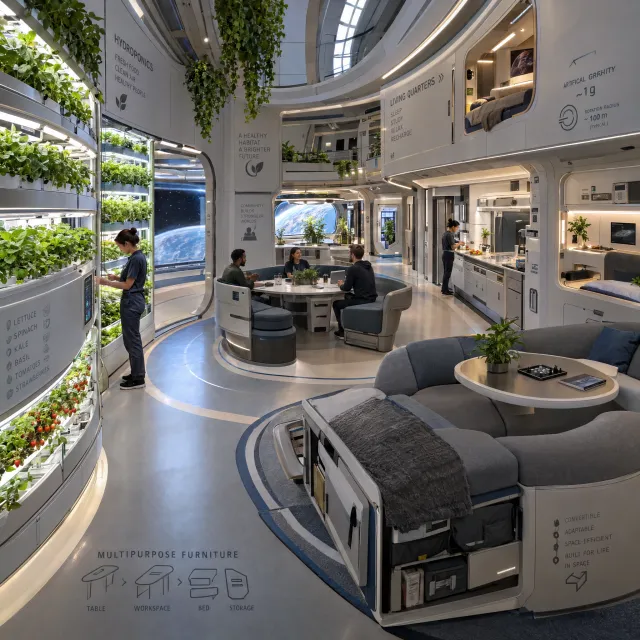
The Scandinavian living room, Roman bathhouse, Desert Fallingwater adaptation, Gothic cathedral interior, and Space-habitat interior all score 8/10. Material variety, daylight, atmospheric depth, and broad spatial organization are recurring strengths.
Avoid treating these as authoritative technical documents. The evaluation identifies:
Recommendation: Choose it for communicating an architectural idea, not proving engineering, historical accuracy, or buildability. Technical diagrams need specialist review even when the labels look convincing.
Selective fit: cinematic fantasy and unusual visual concepts
Use for: Environment development, science-fiction illustration, narrative concept art, and retro game-inspired imagery.
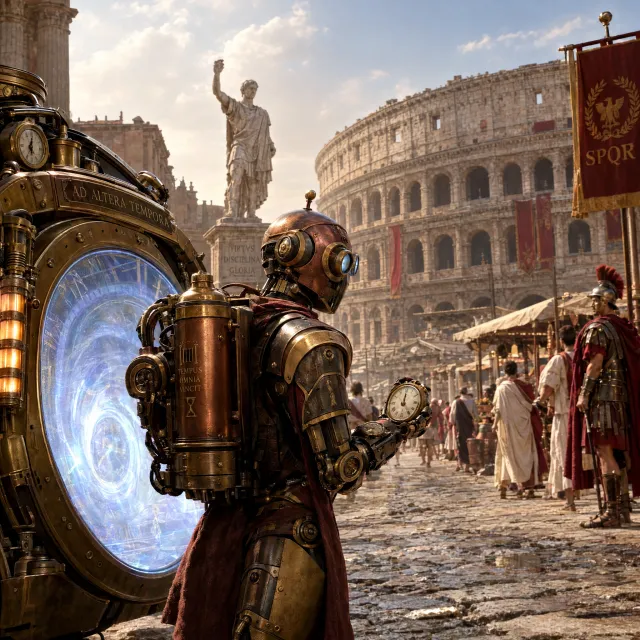
Steampunk robot in ancient Rome, 9/10, is a standout because the portal, pocket watch, machinery, and historical setting explain the story together. The Cosmic waterfall, 8/10, offers rich texture variety and clear subject recognition, although peripheral celestial objects compete for attention.
Within Ultra Hard, the Orbital Earth photograph and Isometric San Francisco game screen each score 9/10. The Horse riding an astronaut, 8/10, also establishes the reversed premise clearly, despite crowded contact points.
Recommendation: Favor concepts with a strong silhouette, a clear action, or an understandable physical mechanism. Treat symbolic fusion and precise object-to-object relationships as approval checkpoints. The fifth-place standing in surreal imagery should not obscure that six of its ten surreal outputs score only 6/10.
Selective fit: adult portraits and simple hand poses
Use for: Approachable lifestyle imagery, straightforward adult headshots, and isolated, easily inspected gestures.
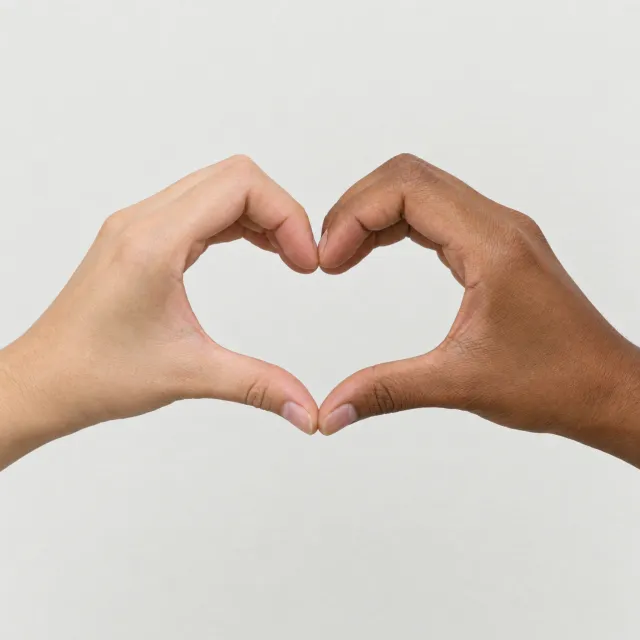
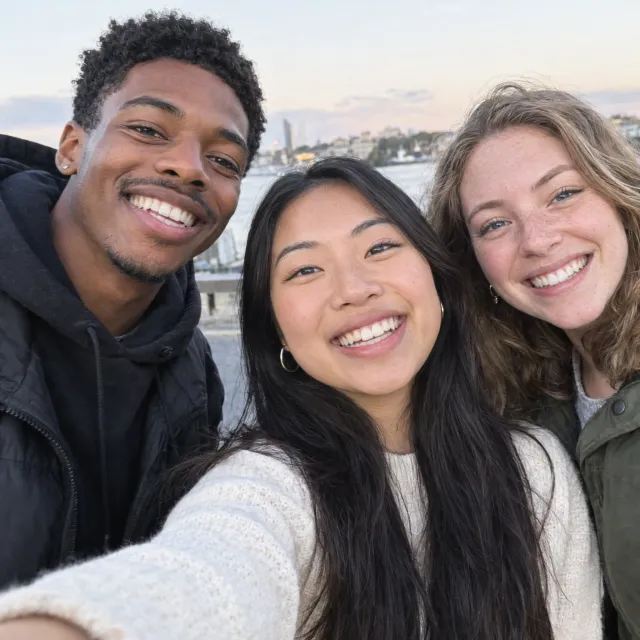
The Heterochromia studio headshot and Three-friend selfie both score 9/10, with particularly strong naturalism. The Heart-shaped hands, also 9/10, is ranked first within its supplied side-by-side set. Typing on a laptop, 8/10, is another coherent everyday interaction.
These successes do not extend reliably to all anatomy. High-fiving hands, 5/10, have conspicuously elongated proportions. The Yoga balance and Runner in motion, both 6/10, show limb-proportion problems.
Avoid for: Unreviewed exercise instruction, sign-language education, or imagery whose credibility depends on exact finger placement and body mechanics.
Recommendation: Inspect joints, digit separation, pressure/contact points, and complete limb paths—not just skin texture. Correct anatomy and correct meaning are separate checks.
Moderate fit: busy scenes and simultaneous activities
Use for: Establishing shots, atmosphere-led illustrations, and scenes where fine individual interactions are secondary.
The model includes most requested elements reliably: category prompt adherence averages 8.9/10, but detail and coherence each average 6.7/10.
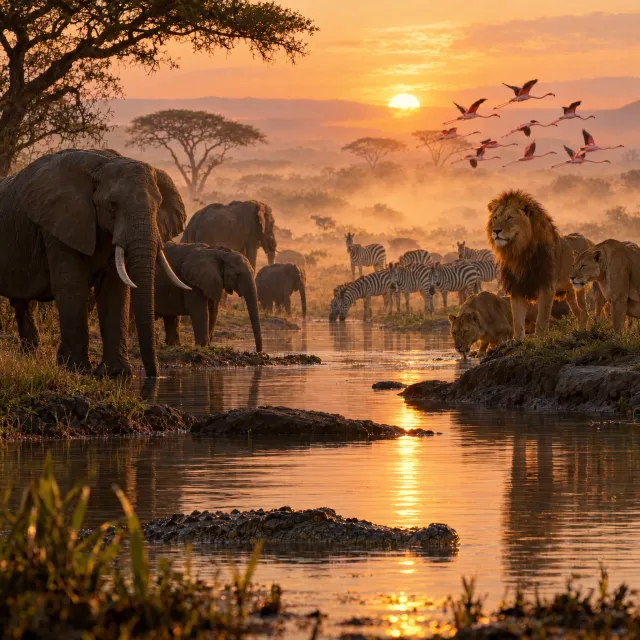
The Savanna watering hole, 8/10, is the strongest example, using separate animal groups and a receding water channel to organize the scene. By contrast, the Nighttime festival, 6/10, has attractive staging but less convincing crowd anatomy. The Classroom of different activities, 6/10, repeats activities rather than making every student's task distinct.
Avoid for: Close inspection of dense crowds, many simultaneous hand-object interactions, or scenes requiring strict one-person/one-task assignment.
Recommendation: Ask for fewer critical interactions and clearer activity zones. Review each required participant or action separately; overall busyness can conceal omissions and repetition.
Environment-led animation is safer than demanding character action
Use for: Painterly fantasy settings, warm domestic scenes, pastoral illustrations, and environmental storytelling.
The difference between Ghibli style and broad Anime & Cartoon Style is notable. The former has stronger relative standing and better completed-image results, while the latter combines lower standing with three rejections.
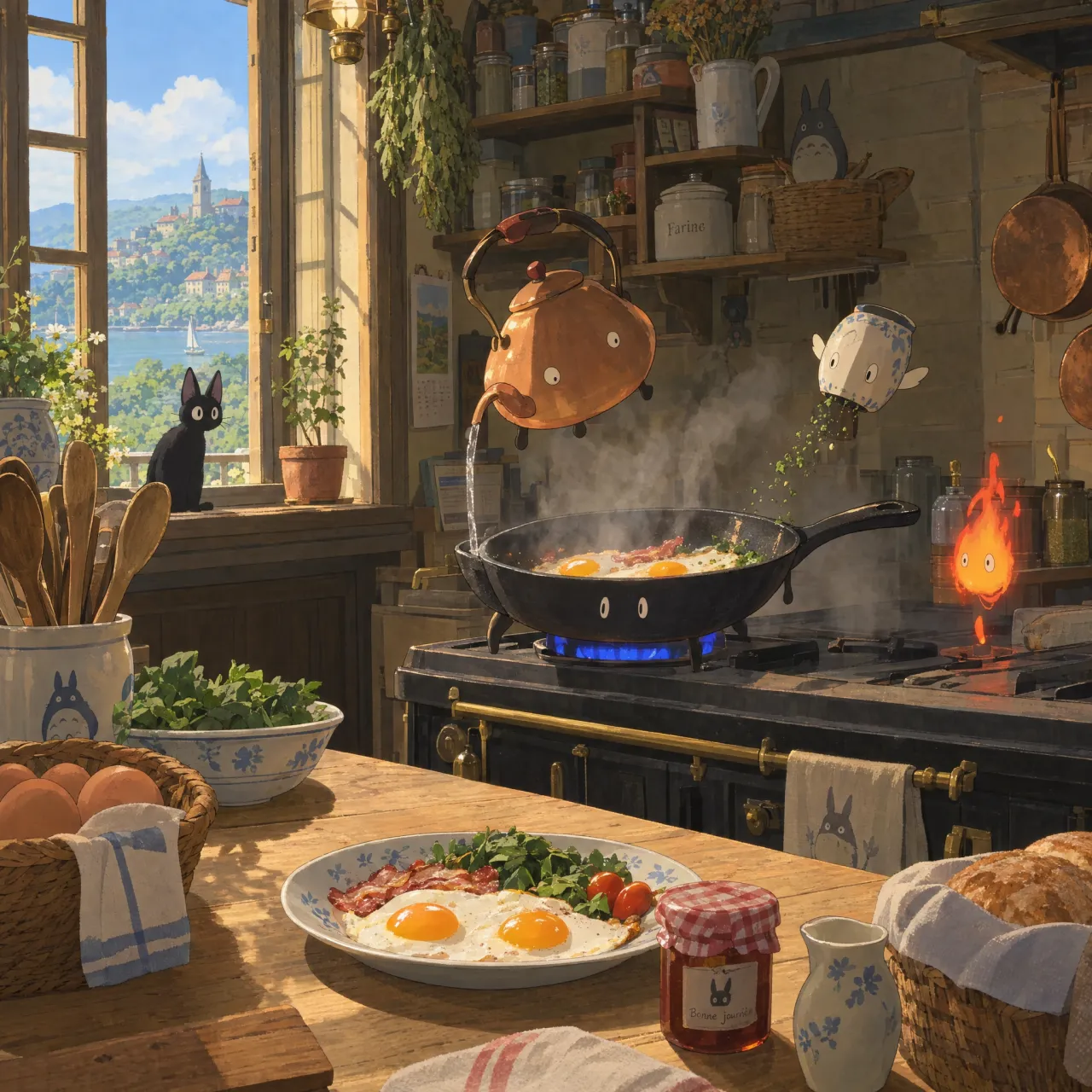
Magical breakfast kitchen, 9/10, is especially successful because the floating implements perform clear, purposeful cooking actions. Oversized vegetable garden and Mechanical creature in a polluted landscape, both 8/10, also combine detailed environments with readable storytelling.
Character construction is less dependable. The Cat-and-dog adventure, 6/10, has a prominent paw/foreleg problem, while the Forest spirit, 6/10, has stiff weight-bearing anatomy and a truncated antler crown. The Rabbit tricking a hunter, 8/10, shows that convincing cartoon work is possible, but is not representative of the category's consistency.
Recommendation: Favor environment-first commissions over intricate action poses. Build a rejection fallback into scheduling, and do not assume that successful adjacent prompts guarantee availability.
Practical deployment checklist
- Approve the core meaning first: Is the requested relationship, gesture, transformation, or activity actually present?
- Inspect structure and finish separately: Check anatomy, geometry, and contact points before judging texture richness.
- Validate the intended deliverable: Test small-format legibility, seamless tiling, technical labels, and export requirements before publication.
Bottom line: GPT Image 2.5 Flare is most useful as a graphic and visualization partner with a deliberate review stage, rather than a dependable source of precision instruction or technically authoritative imagery.