Summary for Imagen 4.0 Ultra
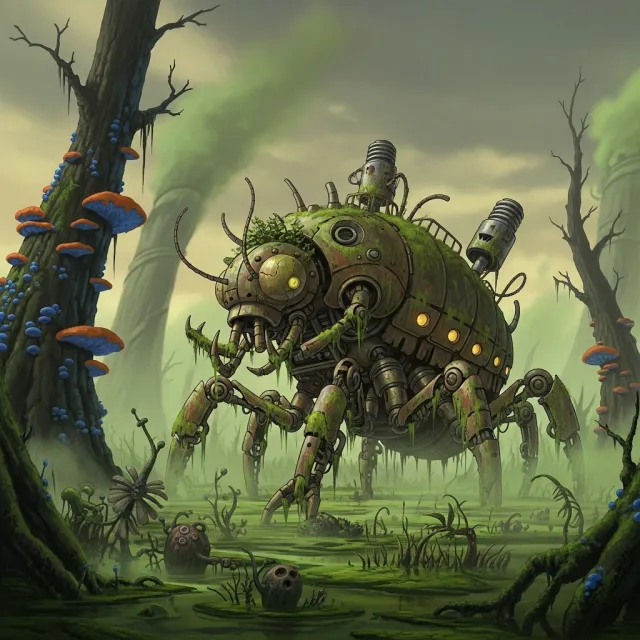
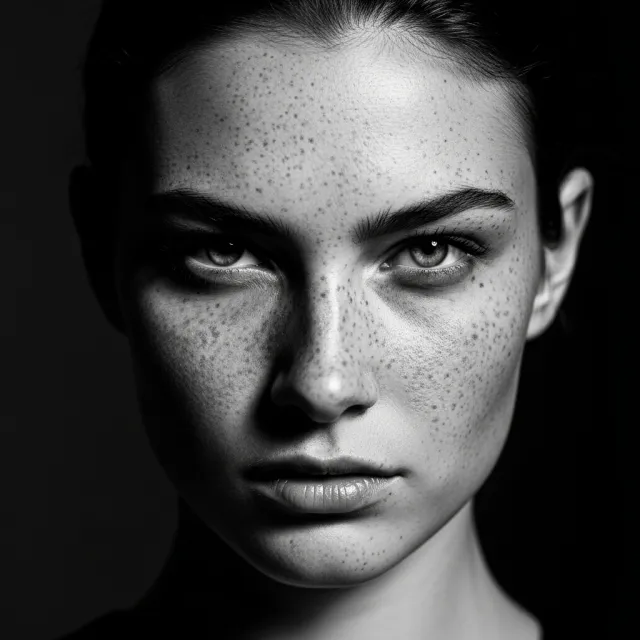
Imagen 4.0 Ultra sits in the mid-tier of the current AI generation landscape with an overall rating of 980 Elo. While it trails behind top-tier models like GPT Image 2.5 Sunburst (1348 Elo), it demonstrates surprising versatility, shining brilliantly in stylized illustration while struggling considerably with human anatomy and photorealism.
Key Discoveries
General Analysis & Useful Insights
Core Strengths
1. Illustration and Vector Graphics
Imagen 4.0 Ultra is highly adept at creating clean, stylized 2D artwork. It shows strong command of line weights, color palettes, and composition when given cartoon or vector prompts.
2. Typography and Text Generation
Unlike older generation models, this model is quite reliable at rendering legible, properly spelled text. It successfully integrates text into logos and signage, like the Cake lettering (Score 8) and the graphic Music note skyline (Score 8).
Notable Weaknesses
1. The "Synthetic" Finish on Faces
When asked for photorealism, Imagen 4.0 Ultra defaults to a heavily idealized, cosmetically smoothed aesthetic. It lacks the micro-textures (pores, natural wrinkles, uneven pigmentation) required to cross the uncanny valley.
- The Elderly woman portrait scored a 5 specifically because "conspicuously synthetic skin and hair outweigh its competent composition."
2. Anatomical Incoherence (Hands & Limbs)
The model frequently hallucinates when tasked with complex extremity interactions.
- In the heart shape hands prompt, the fingertips merge into a "fusion artifact."
- In the ASL thank you ultra-hard prompt, the model generated a heavily malformed hand with six digits (Score 2).
3. Architectural and Spatial Logic
When designing complex structures, the model prioritizes surface aesthetics over structural logic. The Japanese machiya cutaway reads more like a generic dollhouse than a culturally accurate diagram, and the Gothic cathedral completely missed the critical light-refraction instructions.