Google Nano Banana 2

Google — AI image generator review
Best image by Google Nano Banana 2
#15 OF 45 MODELS
1088 ELO ±36
Full leaderboard →

Best images by Google Nano Banana 2

Summary for Nano Banana 2

Bottom line: Nano Banana 2 is a capable generator of richly textured photographs and expressive storybook illustrations. Its main weakness is making an attractive image while missing the brief's decisive constraint.

  • Overall standing: 1088 Elo, 15th of 45 models. It sits above the field mean, but is not an overall or category leader. For context, the overall leader, GPT Image 2.6 Sunburst, has 1410 Elo.
  • Strongest relative category: Anime & Cartoon Style, at 1173 Elo. Surreal & Creative Prompts, Text in Images, and Ghibli style form another close cluster at 1143, 1138, and 1133 Elo.
  • Best visual qualities: Natural material textures, inviting lighting, expressive characters, and detailed environmental storytelling.
  • Recurring weaknesses: Overly wide framing, unnecessary props or copy, crowded contact points, incomplete conceptual transformations, and decorative complexity where simplicity was requested.
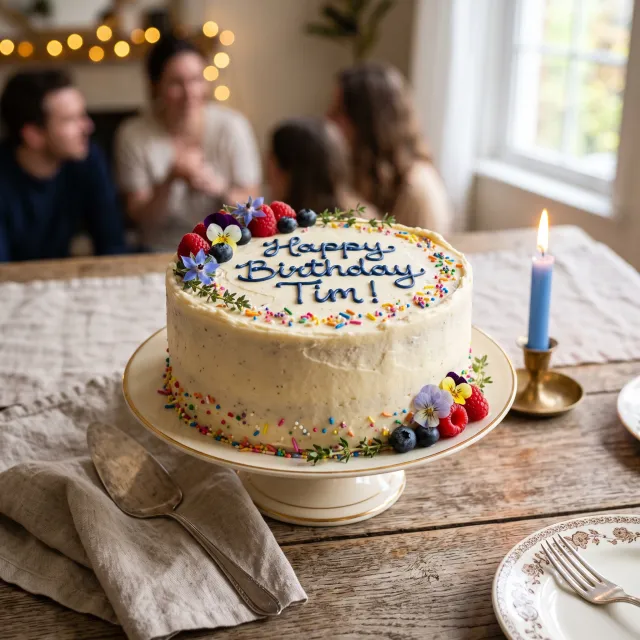
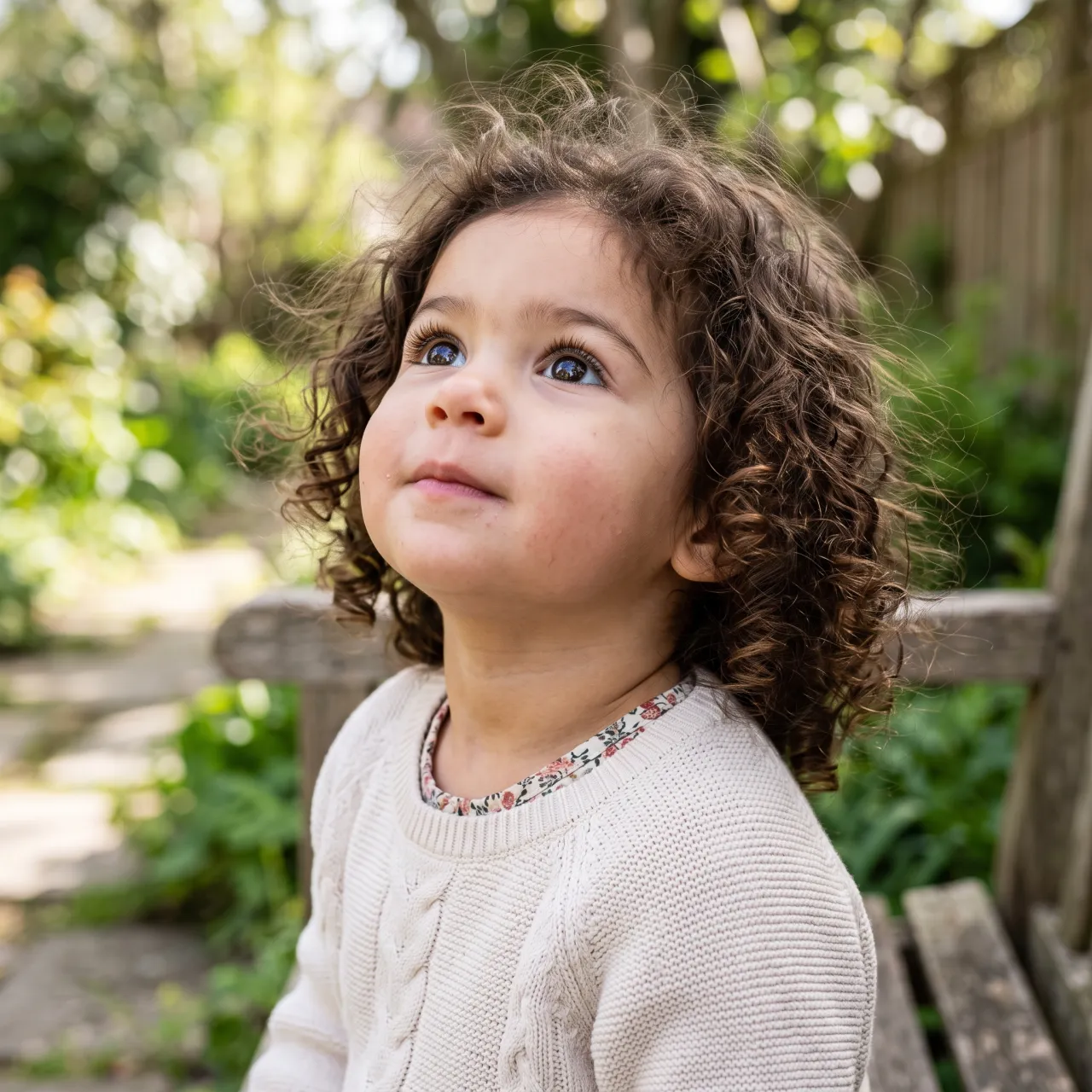
  • Standout results: Toddler looking upward and Happy Birthday Tim cake both received 10/10. The horse riding an astronaut fell to 4/10 because of hybrid anatomy.
  • Observed delivery: All 100 generations finished, with zero recorded refusals. Mean generation time was 16.48 seconds, ranging from 14.15 to 29.53 seconds.

The model averaged 7.19/10 within this dataset: 42 images scored at least 8/10, while 29 scored 6/10 or lower. That spread makes selective review important.

Choose it for: Storybook artwork, lifestyle imagery, food photography, and visually rich concept exploration. Use cautiously for: Strict branding assets, exact gestures, technical diagrams, and tightly constrained camera or spatial relationships.

General Analysis & Useful Insights

1. Competitive position: capable, but not clearly separated from nearby peers

At 1088 Elo, Nano Banana 2 is close to Nano Banana Pro at 1100 Elo and GPT Image 1.5 at 1068 Elo. Both gaps are under 30 points, and their reported rating intervals overlap. Its nominal 15th place should not be read as a decisive advantage or disadvantage against these neighbors.

Its 7.19/10 average is descriptive, not an alternative ranking. The central question is where this model reliably fulfills a brief, rather than whether its images look polished in isolation.

2. The diagnostic profile: strong presentation, weaker coherence under pressure

Criterion Mean across 100 images
Prompt adherence 8.06/10
Technical quality 7.81/10
Artistic merit 7.81/10
Detail execution 7.75/10
Realism/coherence 7.35/10

The overall score of 7.19/10 is separately assessed; it should not be reconstructed as a simple average of these criteria.

The model generally establishes the requested subject and setting. Its lower coherence average reflects problems that emerge when individual components must connect precisely: fingers around objects, animals within herds, machinery at junctions, or a surreal material becoming the subject itself.

This distinction is especially clear in Complex Scenes: 9.4/10 adherence versus 6.7/10 realism/coherence. It includes the requested activities more reliably than it resolves every participant and interaction.

3. Its strongest asset is convincing texture with human warmth

The evaluation repeatedly praises differentiated materials rather than indiscriminate surface detail:

  • Toddler looking upward, 10/10, combines natural skin irregularity, individual curls, knit stitches, and controlled optical depth.
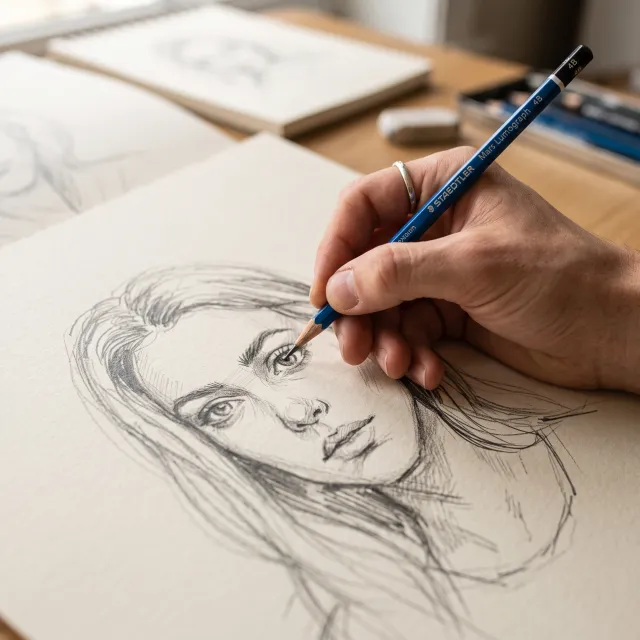
  • Hand drawing with a pencil, 9/10, preserves a believable drawing grip, pencil-to-paper contact, paper grain, and recognizable graphite strokes.
  • Digital clock showing 10:45, 9/10, balances accurate numerals with convincing casing, contact shadows, and restrained LED glow.
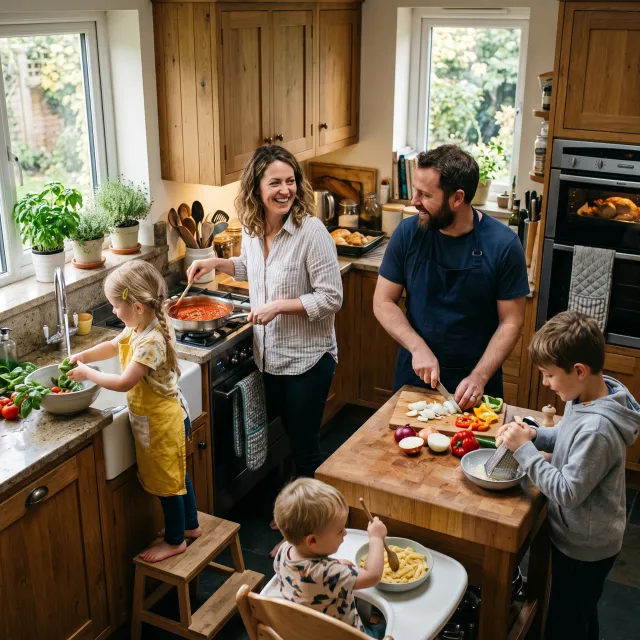
  • Family cooking together, 9/10, organizes several work areas while retaining persuasive domestic interaction.

These examples show that the model's detailed environments are not inherently a liability. They work well when the surroundings reinforce a clear focal subject and readable action.

4. Environmental embellishment is both a signature and a failure mode

Nano Banana 2 frequently expands a simple brief into a fully furnished scene. This adds charm, but can override framing, background, or format requirements.

  • The businesswoman headshot became a waist-up environmental portrait. Technical quality remained 8/10, but adherence fell to 5/10, producing 6/10 overall.
  • The three-friend group selfie introduced two foreground phones and an external-camera viewpoint. The requested people were present, but the defining camera relationship was not: 5/10 overall.
  • The vintage Apple II computer earned 9/10 technical quality, yet its detailed furnished room contradicted the requested black background. Overall performance stopped at 7/10.
  • The water-conservation infographic element became a complete decorated poster, reducing its usefulness as a standalone symbol: 6/10 overall.

Practical implication: When crop, isolation, or simplicity matters, inspect those constraints before judging surface polish.

5. Anatomical quality depends on contact complexity—not simply the presence of hands

The evidence does not support a blanket claim that this model is poor at anatomy. The extended yoga balance scored 9/10, with a believable load-bearing chain, and the two-hand heart scored 8/10 with natural joints and skin texture.

Problems increase when ownership and contact become crowded:

  • The two-person handshake introduced a third participating hand: 5/10 overall, with 4/10 adherence.
  • The hand holding an apple looked convincing, but obscured the thumb despite the visibility requirement: 7/10 overall.
  • The five-person hand-holding circle matched the count and overhead arrangement, but an upper cluster made individual hands difficult to trace: 6/10 coherence.

A related pattern appears in the savanna watering hole, medieval battlefield, and underwater exploration, all 6/10 overall. Their environments were stronger than crowded animal anatomy, rider connections, or diver extremities.

6. Accurate ingredients do not guarantee an accurate concept

The model sometimes depicts all the component ideas without completing their intended relationship.

The cloud elephant retained substantial wrinkled skin, with clouds acting as coverings rather than the elephant's substance. It received 8/10 technical quality, but only 5/10 adherence. The avocado armchair similarly suggested the fruit through colors and an added sphere more than through an integrated avocado-shaped design.

The most severe example is the horse riding an astronaut. It attempted the requested role reversal, but gave the rider humanlike suited limbs. Realism/coherence fell to 3/10.

The recurring distinction: Adding recognizable attributes is easier for this model than preserving exact anatomy, material identity, or a deliberately unusual relationship.

7. Text legibility is stronger than layout discipline or specialist meaning

The birthday cake inscription, 10/10, demonstrates excellent lettering integrated with a physical surface. But the Last Sunrise movie poster, 5/10, repeated the title and imagery, weakening hierarchy despite correct wording.

Specialist content needs even more scrutiny. The AI lecture chalkboard had 9/10 technical quality, but 5/10 detail execution because prominent equations were malformed. The ASL thank-you portrait had 9/10 realism and technical quality, yet the sign was unclear and received 5/10 adherence. A still image also cannot fully establish the motion component of a sign.

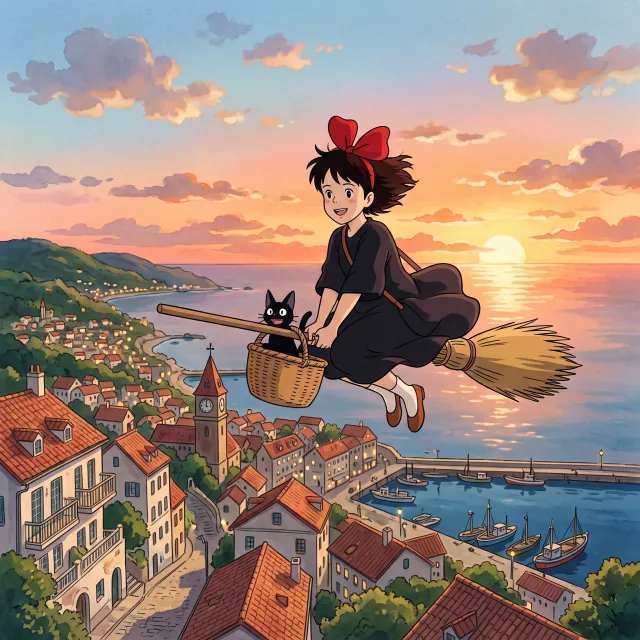
Finally, illustrated styles often drift toward heavy outlines, decorative density, and uniformly sharp detail. This is appealing for storybooks, but less faithful to understated painted-animation aesthetics. The witch above a sunset harbor, 9/10, shows the model can achieve a more coherent balance; the stormy sea creature and polluted-landscape machine show where ornate or comic-like treatment displaces the requested style.

Best-Fit Use Cases & Category Analysis

The table is ordered by category Elo, not by 1–10 averages. Recommendations describe suitability within Nano Banana 2's capabilities, not category leadership across the field.

Category Elo Own mean score Practical fit
Anime & Cartoon Style 1173 7.8/10 Strongest relative showing; expressive characters and rich illustrated worlds.
Surreal & Creative Prompts 1143 7.3/10 Good imaginative worldbuilding; inspect whether transformations are fully realized.
Text in Images 1138 7.5/10 Useful for prominent short phrases; layout and secondary text remain variable.
Ghibli style 1133 7.6/10 Warm relationships and detailed scenery; often more storybook-like than cinematic.
Complex Scenes 1110 7.3/10 Strong activity coverage; crowded anatomy and contact points need review.
Ultra Hard 1084 6.3/10 Exploratory concepts only when exact semantic or spatial fidelity is essential.
Graphic Design 1064 6.9/10 Better for decorative graphics than restrained, production-ready identity assets.
Hands & Anatomy 1051 7.3/10 Capable on readable individual actions; weaker on overlapping interactions.
Photorealistic People & Portraits 1041 7.1/10 Strong photographic ceiling, but inconsistent crop and task-specific emphasis.
Architecture & Interiors 1026 6.8/10 Suitable for visualization and mood; not dependable technical documentation.

Prioritize these applications

1. Storybook illustration and character-led fantasy

The cat-and-dog adventure and watercolor floating castle, both 9/10, demonstrate expressive staging, purposeful environmental detail, and readable depth. The witch above a coastal town, also 9/10, adds convincing movement and clear physical relationships.

Use the model for illustrated stories, fantasy settings, and warm character moments where decorative richness is welcome. Treat exact film-style reproduction as less dependable than the broader mood.

2. Food photography and lifestyle-product imagery

The Happy Birthday Tim cake, 10/10, is the clearest example of photographic realism, accurate text, and styling working together. The LED bedside clock, 9/10, supports the same recommendation for contextual product imagery.

This is a better fit than isolated catalog work when the model's tendency to add surroundings would conflict with the brief. Also inspect surface integration: the printed Carpe Diem T-shirt, 7/10, had lettering that appeared too flat across fabric folds.

3. Structured domestic and educational storytelling

The family cooking, 9/10, and classroom with differentiated activities, 8/10, show useful organization of multiple activity zones. Choose this model when several actions should coexist in a readable setting, with room for some secondary-detail simplification.

Use with targeted art direction and review

4. Portraits and anatomy-focused editorial images

The toddler portrait, 10/10, and tattooed and pierced portrait, 8/10, show a strong ceiling for naturalistic people. The yoga balance and pencil-drawing hand, both 9/10, show that demanding anatomy can succeed when connections remain legible.

For strict portrait formats, specify the crop explicitly: tight head-and-shoulders, face dominant, no waist or hands in frame. Review camera viewpoint, finger visibility, and the focal trait—not just facial realism. These wording suggestions are mitigations, not tested guarantees.

5. Decorative graphic design—not final minimalist systems

The neon cyberpunk background, 9/10, and botanical GROWTH lettering, 8/10, align with the model's strengths in layered color and ornament.

By contrast, the Quantum Leap logo and weather app icon, both 6/10, show excessive detailing or dimensional effects. For logos and icon sets, expect manual simplification, spacing correction, and small-size testing. Do not assume vector-style imagery is an editable vector asset.

The wallpaper result was generated square under the shared benchmark setup. Its composition does not establish performance in a native widescreen format.

6. Architectural visualization and imaginative environments

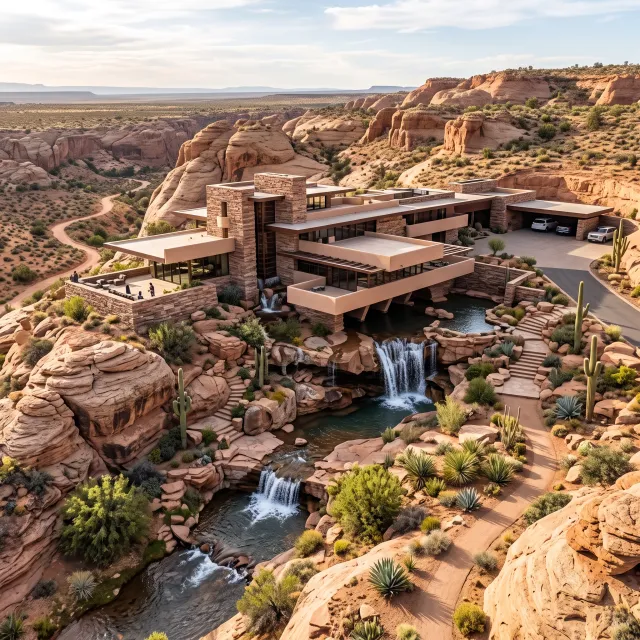
The Scandinavian living room and desert modernist residence, both 8/10, are useful references for material palettes, lighting, and overall design intent.

Technical cutaways are a different proposition. The machiya townhouse and underground bunker, both 6/10, contained unreliable annotations or unresolved structural and circulation details. Use these as concept illustrations, not plans, historical references, or engineering evidence.

7. Surreal worldbuilding with flexible interpretation

The city inside a snail shell, cosmic waterfall, and mushroom village, all 8/10, support imaginative environment development.

Be more cautious when the brief depends on one exact transformation. The model is less reliable when a material must constitute an entire subject, or a familiar object must adopt a substantially new functional shape.

Avoid relying on unreviewed output for

  • Sign-language instruction or exact communicative gestures. Have a qualified signer validate the result.
  • Mathematical, scientific, or engineering documentation. Plausible notation and mechanical detail are not proof of correctness.
  • Strictly minimal brand deliverables. Unrequested copy, shadows, ornaments, or mockup framing can change the asset's purpose.
  • Dense anatomical interactions where every contact must be correct. Inspect individual limb ownership and object connections.
  • Exact camera-role or logical-reversal briefs without iteration. Attractive rendering can conceal a central relationship failure.

Recommended workflow

  1. State the non-negotiable constraint first: subject count, crop, relationship, material transformation, or exact wording.
  2. Restrict additions: specify whether extra text, props, people, decorative effects, and presentation mockups are permitted.
  3. Check task success before polish: verify viewpoint, contact geometry, text hierarchy, semantic correctness, and requested simplicity.
  4. Finish externally when needed: correct typography, simplify icons, validate technical content, and test final-format usability.

Overall recommendation: Treat Nano Banana 2 as a strong visual storyteller with a high photographic ceiling—not as a constraint-perfect designer or technical illustrator.
Compare Google Nano Banana 2 with