Summary for GPT Image 2.6 Flare
GPT Image 2.6 Flare is a highly capable and versatile AI image generation model, securing an impressive 5th place overall with a 1268 Elo rating.
Key Findings:
- Master of Space: The model is an absolute powerhouse in spatial reasoning, securing a coveted 3rd place ranking in both Architecture & Interiors and Complex Scenes.
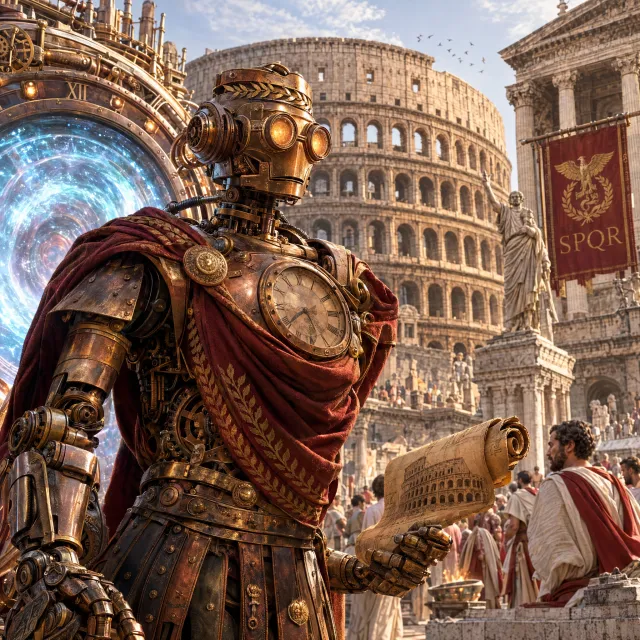
- Environmental Storyteller: It excels at rendering complex lighting, rich material textures, and multi-character interactions, making it ideal for detailed world-building.
- Graphic Design Failure: There is a glaring blind spot in its capabilities. The model actively struggles with flat, vector-style Graphic Design, consistently generating dirty pixel artifacts and jagged edges.
- Anatomical Inconsistencies: While it can produce photorealistic portraits, it is highly prone to classic AI anatomical errors (like extra fingers) in close-up interactions.
Quick Takeaway: Use GPT Image 2.6 Flare for sprawling environments, complex multi-subject scenes, and architectural visualization. Avoid it entirely for clean logo creation, app icons, or vector graphics.
General Analysis & Useful Insights
GPT Image 2.6 Flare presents a fascinating profile of extreme strengths counterbalanced by a few specific, critical weaknesses.
1. Exceptional Material and Lighting Fidelity
One of the defining characteristics of this model is its ability to render physical materials and lighting convincingly. In detailed environmental prompts, it successfully differentiates between polished stone, weathered wood, soft textiles, and reflective water. It handles ambient and directional lighting beautifully, which anchors its generations in reality.
2. Strong Prompt Adherence in Complex Staging
The model handles dense prompts with multiple requirements remarkably well. When asked to place several interacting subjects in a specific environment, it rarely drops elements. It understands depth, layering, and composition, allowing it to organize chaotic scenes without turning them into a cluttered mess.
3. The 'Dirty Edge' Vector Problem
GPT Image 2.6 Flare has a severe failure mode when asked to generate minimalist, flat, or vector-style graphics. Instead of clean, crisp contours, the model frequently surrounds shapes with noise, speckled pixels, and ragged fringes. It fundamentally struggles to output pure, untextured color blocks on transparent or solid backgrounds.
4. Unreliable Anatomy at Close Range
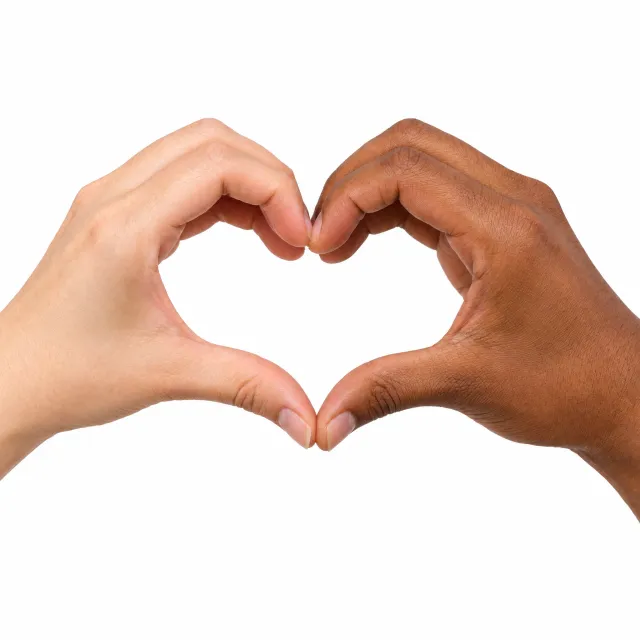
Despite its high overall ranking, the model is not immune to fundamental AI anatomy errors. While faces and overall body proportions are generally excellent, complex hand interactions (like handshakes, gripping objects, or casting spells) frequently result in extra digits. This prevents it from dominating the Hands & Anatomy category.
Best Model Analysis by Use Case / Category
Here is a detailed breakdown of where GPT Image 2.6 Flare excels and where it falters based on category performance.
Top Tier Use Cases
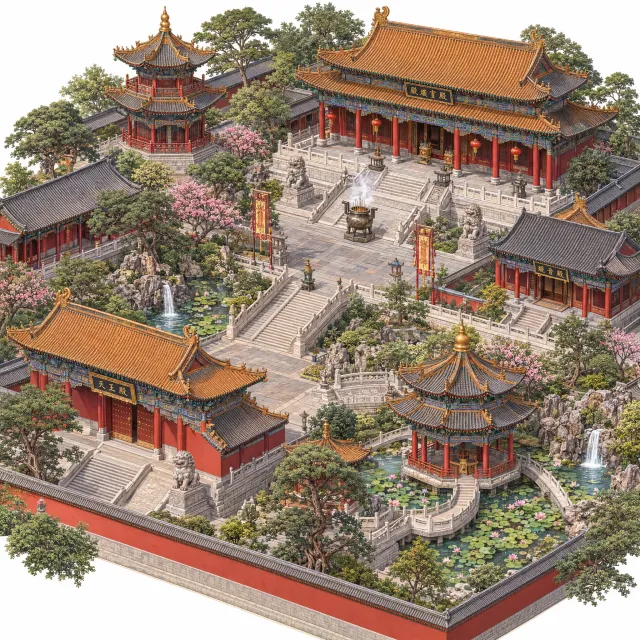
Architecture & Interiors (1490 Elo, Ranked 3rd)
This is one of the model's absolute best categories. It understands architectural structure, perspective, and material separation brilliantly.
- Highlight: The Moroccan riad image is a masterclass in texture, scoring a 9 for its flawless differentiation of veined marble, terracotta, and carved timber under intricate morning light.
- Highlight: It accurately captured complex cutaway logic in the Underground bunker, keeping numerous functional rooms organized and readable.
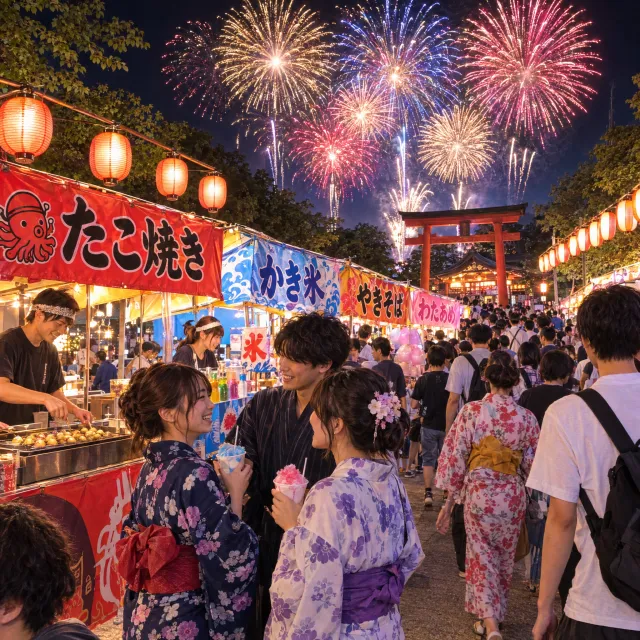
Complex Scenes (1481 Elo, Ranked 3rd)
When tasked with rendering multiple subjects and busy environments, the model shines by keeping spatial relationships coherent.
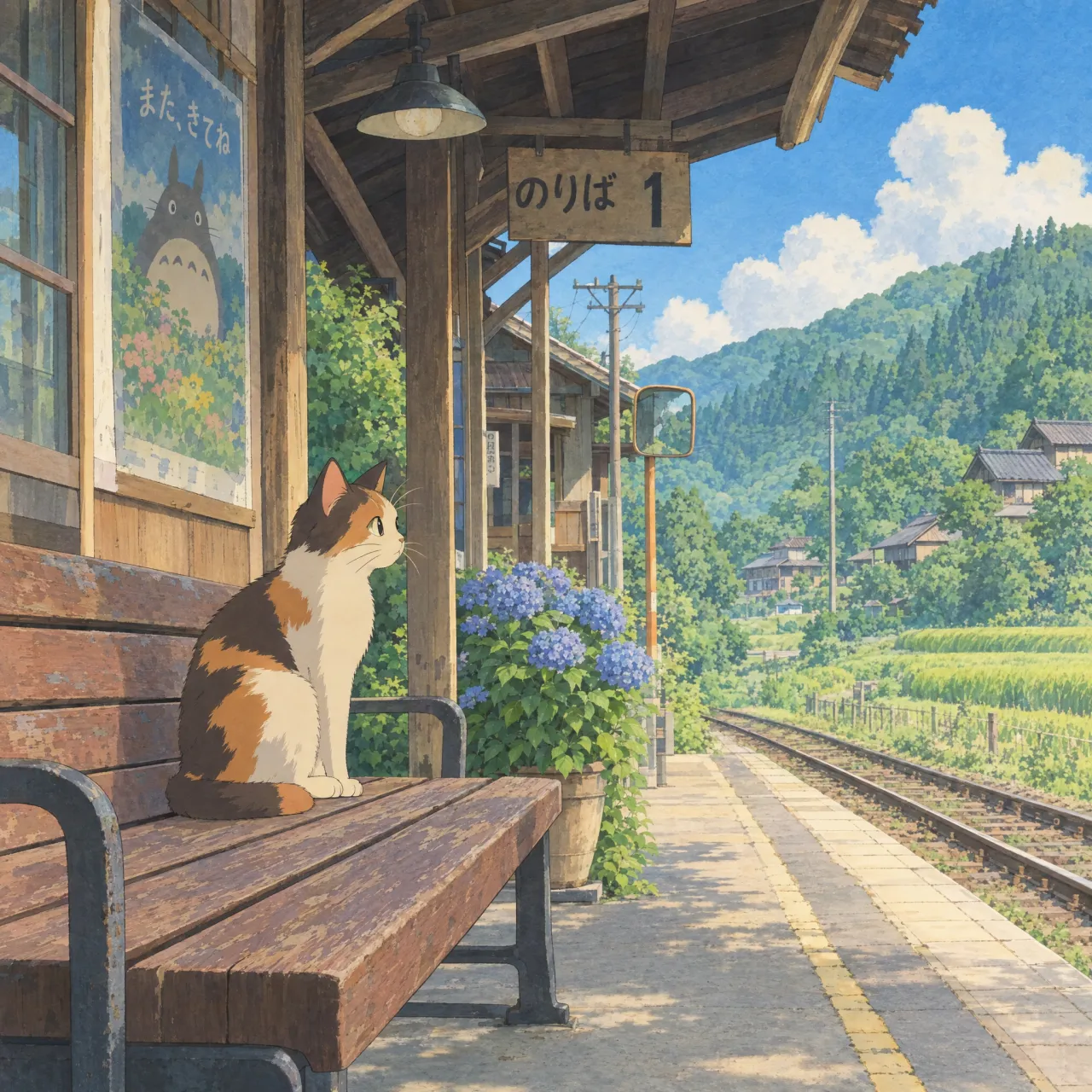
Ghibli style (1390 Elo, Ranked 5th)
The model adapts beautifully to specific artistic styles, capturing the serene watercolor backgrounds and expressive character designs of Studio Ghibli.
- Highlight: It scored a perfect 10 for the countryside train station, completely nailing the hand-drawn animation aesthetic and environmental storytelling.
Mixed Use Cases
Photorealistic People & Portraits (1268 Elo, Ranked 5th)
Performance here is generally strong but occasionally uneven due to over-processing.
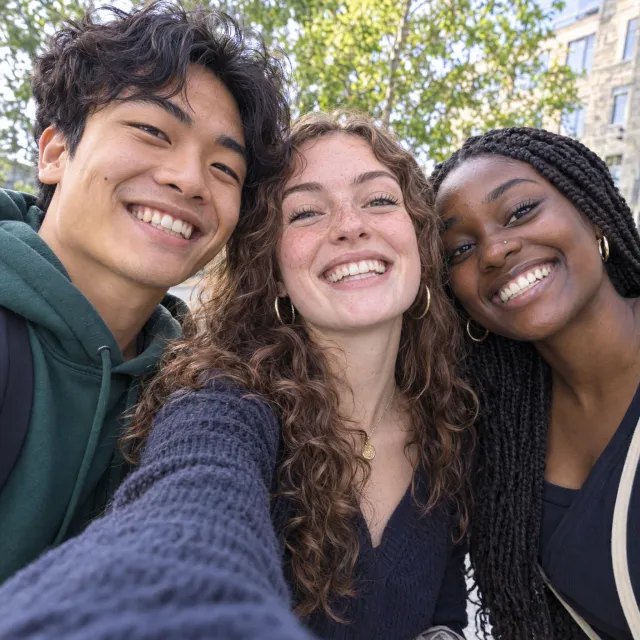
- Strengths: It can generate stunning, natural diversity, as seen in the flawless Diverse group selfie (Score 10).
- Weaknesses: In standard portraits, it sometimes applies "heightened texture processing" or flat lighting, making skin look slightly synthetic or over-sharpened (e.g., the Old fisherman).
Text in Images (1276 Elo, Ranked 5th)
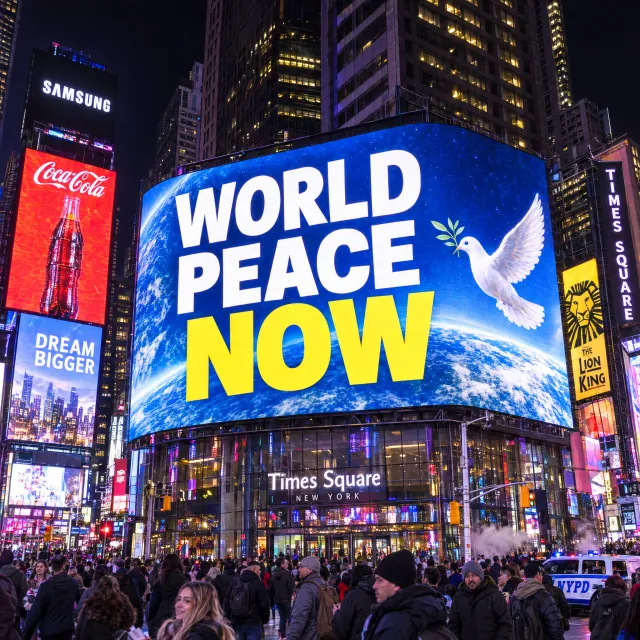
The model is highly capable of generating accurate text, but its success depends on the context.
- Strengths: It is phenomenal at integrating text onto physical objects. The T-shirt Carpe Diem ranked 1st overall in its prompt for mimicking printed ink on wrinkled fabric perfectly.
- Weaknesses: Text applied to digital or flat graphics often suffers from the model's texture-heavy rendering habits.
Hands & Anatomy (1159 Elo, Ranked 5th)
Use caution with prompts demanding strict anatomical perfection.
Avoid
Graphic Design (973 Elo, Ranked 5th)
This model should not be used for UI/UX assets, logos, or minimalist vector art.
- Failures: Images like the Evergreen Brew logo, Banking icons, and Weather app icon all scored incredibly low (3s and 4s) due to severe boundary contamination, jagged rims, and scattered pixel artifacts that make them unusable for professional design workflows.