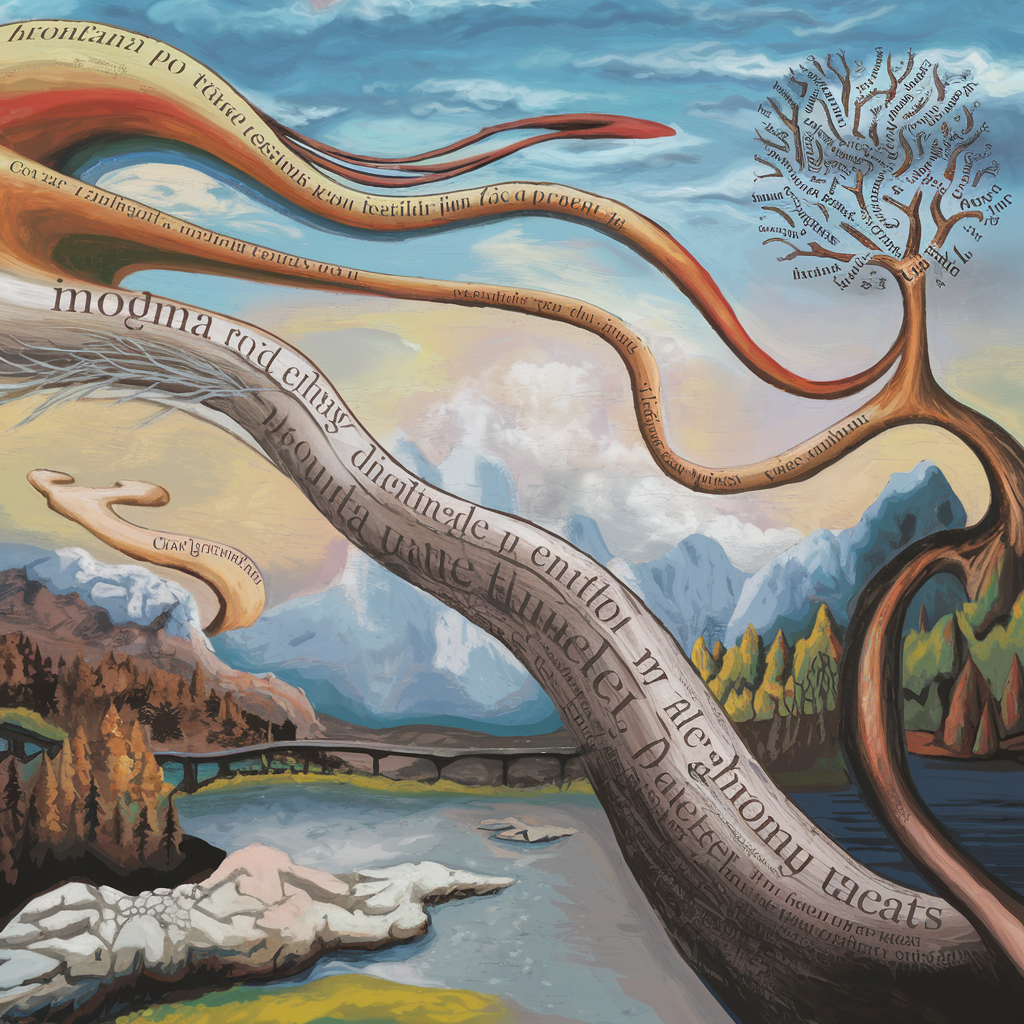
Summary for Ideogram 4.0 (Quality)
Ideogram 4.0 (Quality) proves to be a highly versatile and capable all-rounder, scoring an impressive 7.78 overall average. It excels at producing rich, atmospheric imagery with remarkable typographic capabilities! 🚀
✨ Key Discoveries:
- Typography Masterclass: The model is an absolute powerhouse for text generation, easily conquering complex signages and typographic layouts.
- Stylistic Chameleon: It shines exceptionally bright in both photorealistic interiors and stylized illustrations (such as Ghibli and Anime aesthetics).
- The Graphic Design Gap: Surprisingly, despite its text prowess, it struggles with the spatial minimalism and canvas utilization required for flat vector graphics and app icons.
- Logic Limits: In ultra-hard absurd scenarios (like a horse riding an astronaut), it tends to "correct" the prompt to a more logical (but incorrect) visual.
🎯 Quick Verdict: Choose Ideogram 4.0 (Quality) for commercial assets needing embedded text, rich concept art, and detailed photorealism. Avoid it if you need strict, unstyled flat vector assets or hyper-precise headcounts in chaotic scenes.
📊 Patterns, Strengths, & Limitations
Ideogram 4.0 (Quality) displays a fascinating profile: it is technically brilliant but occasionally struggles with strict compositional rules. Here is a deeper look at its core performance patterns:
🏆 Core Strengths:
- Exceptional Text Rendering: The model's ability to embed readable, stylized text is top-tier. Whether it's a Neon Storefront Sign or the complex handwritten AGI Sign, the typography is crisp and integrated beautifully into the scene physics.
- Atmospheric Lighting & Texture: It consistently delivers stunning lighting models. In the Roman Bathhouse and Modern Scandinavian Room, the volumetric light, moisture, and fabric textures rival professional 3D renders.
- Stylistic Cohesion: The model easily slips into distinct artistic identities. Its handling of watercolor aesthetics and cinematic framing in anime/illustration prompts is superb.
⚠️ Common Failure Modes:
- Spatial Composition in Flat Design: In the Graphic Design category (its lowest scoring at 6.9), the model frequently mismanages negative space. For example, in the HelperBot Mascot and Banking Icons, subjects are awkwardly compressed or placed too low on the canvas.
- Logical Normalization: When faced with paradoxical or highly unnatural requests, the model defaults to standard physics. The most glaring example is the Absurdist Space prompt, where it drew an astronaut riding a horse instead of the requested reverse.
- Counting & Micro-Details: While it renders crowds well, it fumbles exact constraints, such as drawing 8 people instead of 5 in the Overhead Circle.
🛠️ Best Model Analysis by Use Case
Based on the data, here is exactly where Ideogram 4.0 (Quality) shines and where you should exercise caution:
1. Marketing & Commercial Mockups (Highly Recommended) 🌟
- Thanks to its dominance in Text in Images, this model is perfect for generating promotional materials. It handles complex typography brilliantly, as seen in the Spring Sale Post and the Movie Poster. If you need an image with a slogan, logo, or readable signage, this is your go-to model.
2. Concept Art & Stylized Illustration (Excellent) 🎨
3. Architectural Visualization & Interiors (Excellent) 🏛️
- Scoring an impressive 8.0 in Architecture & Interiors, the model excels at material definition (glass, wood, marble) and dramatic natural lighting. It is highly recommended for interior design mockups, real estate concepts, and historical recreations.
4. UI/UX & Flat Graphic Design (Not Recommended) 📉
- If you need flat SVGs, minimalist app icons, or clean vector patterns, look elsewhere. The model struggles with the strict minimalism and canvas alignment required for pure Graphic Design. It tends to over-texture or waste canvas space, as seen in the Abstract Tech Logo.
5. Strict Photorealism & Anatomy (Good, but needs monitoring) 👀