
Summary for Ultra Hard
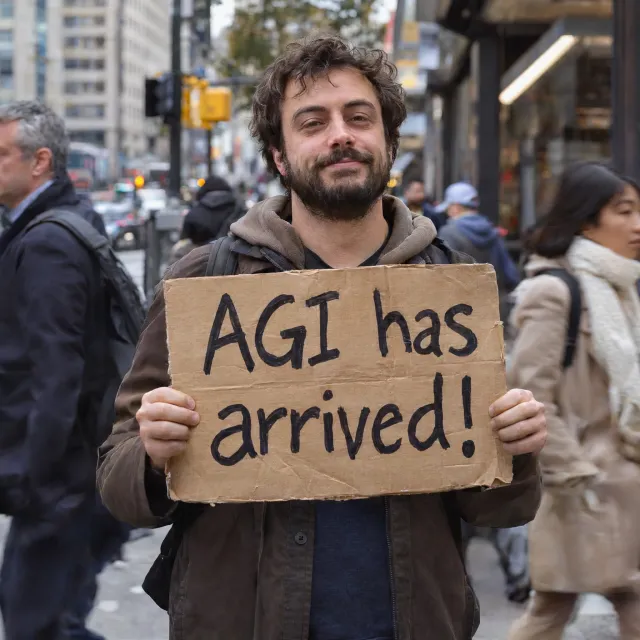
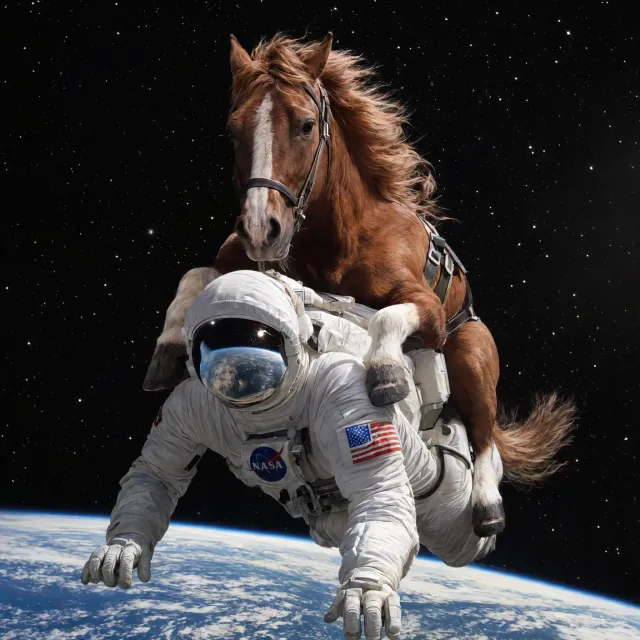
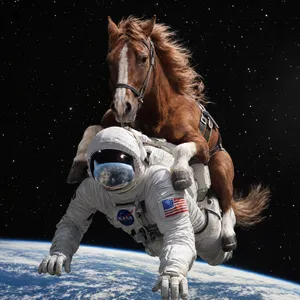
GPT Image 2.6 Sunburst is the clear category leader at 1513 Elo. It combines strong photographic execution with unusually reliable handling of multiple simultaneous constraints. Nine of its ten images received overall scores of 8/10 or 9/10. Its major exception is the reversed astronaut–horse relationship.
Category leaders
| Model | Ultra Hard rating | Completed |
|---|---|---|
| GPT Image 2.6 Sunburst | 1513 Elo | 10/10 |
| Grok Imagine 2.0 | 1372 Elo | 9/10 |
| GPT Image 2.5 Sunburst | 1356 Elo | 10/10 |
| GPT Image 2.6 Flare | 1356 Elo | 10/10 |
| GPT Image 2.5 Flare | 1338 Elo | 10/10 |
| GPT Image 2 | 1319 Elo | 10/10 |
| Nano Banana 2.1 | 1270 Elo | 10/10 |
| GPT Image 1.5 | 1242 Elo | 10/10 |
| Qwen-Image-3.0-Pro | 1240 Elo | 10/10 |
| FLUX 3 Image | 1231 Elo | 7/10 |
The leader's 141-point advantage over its nearest challenger implies an expected head-to-head win probability of approximately 69% under the supplied Elo scale. That is a rating-based expectation, not an observed win percentage.
The chasing order is less decisive. Grok Imagine 2.0 is only 16 points ahead of the two models at 1356 Elo. Likewise, GPT Image 1.5, Qwen-Image-3.0-Pro, and FLUX 3 Image are separated by just 11 points.
Quick conclusions
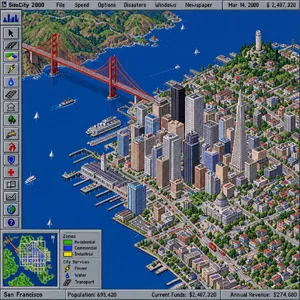
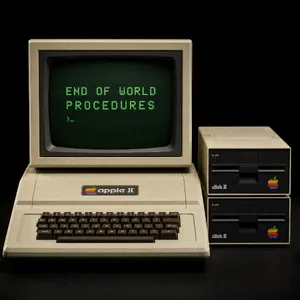
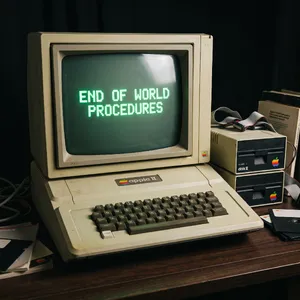
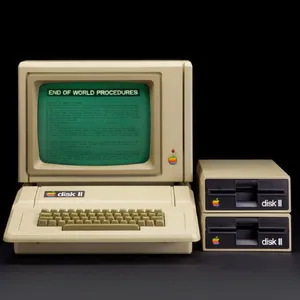
- Best broad default: GPT Image 2.6 Sunburst, especially for detailed scenes, character translation, retro interfaces, and precise vintage hardware.
- Strong, faster challenger: Grok Imagine 2.0. Its completed generations had a median latency of about 24 seconds, but one portrait request was moderated.
- Important specialist exception: GPT Image 2.6 Flare correctly depicts the horse riding an astronaut, while the category leader produces the conventional relationship.
- Fast iteration: Nano Banana 2.1 offers a useful balance of category standing and roughly 22-second median latency. Nano Banana 2 Lite, at 1135 Elo, is a much faster draft option at approximately 3.18 seconds.
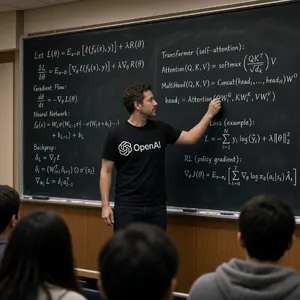
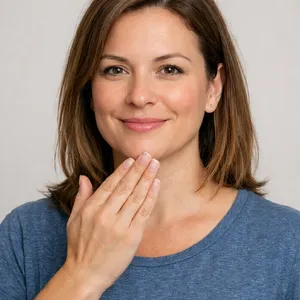
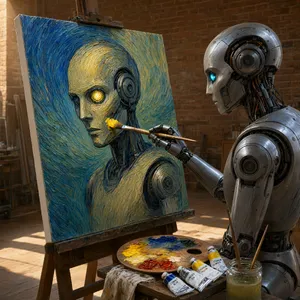
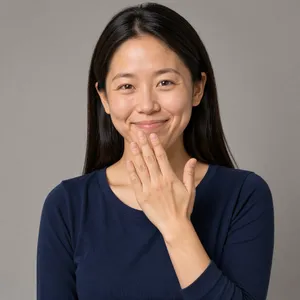
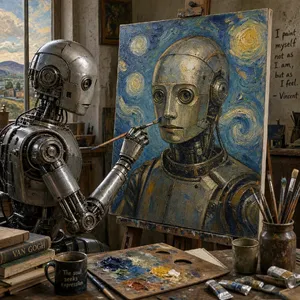
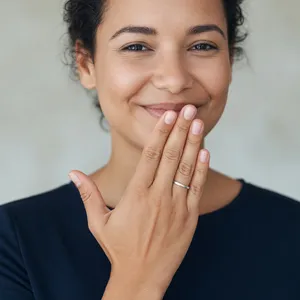
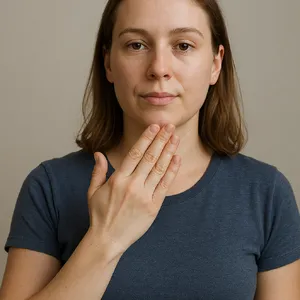
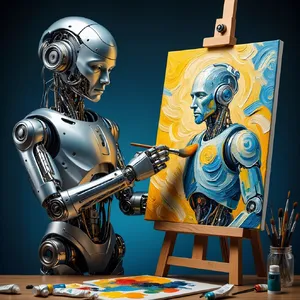
- Main lesson: Beautiful surfaces are no substitute for correct meaning. Wrong gestures, reversed roles, human portraits substituted for robot self-portraits, and plausible-looking but incorrect mathematics remain recurring failures.