Best Models by Use Case
The recommendations below combine category Elo with specific prompt evidence. They are not separate subtask Elo rankings. Individual 1–10 results identify useful examples, not guaranteed repeatable winners.
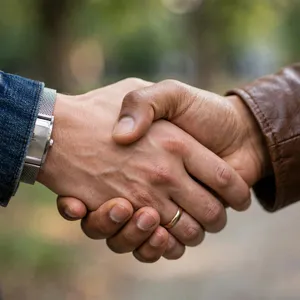
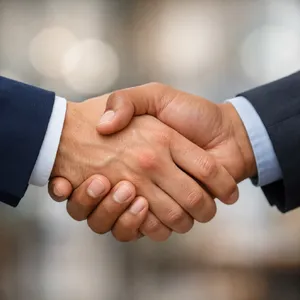
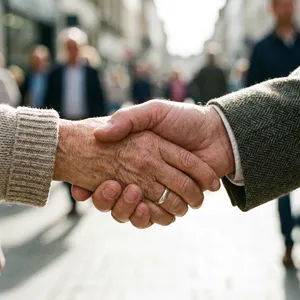
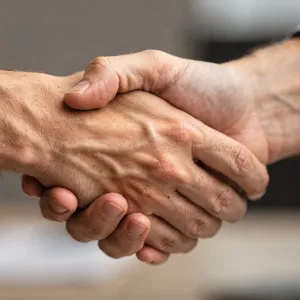
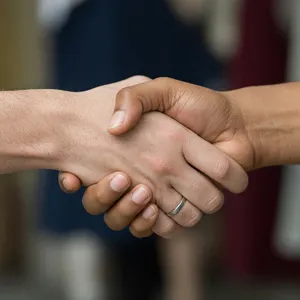
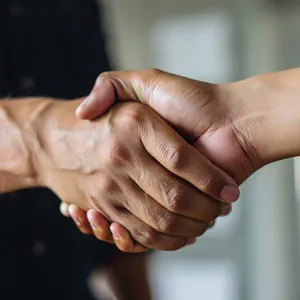
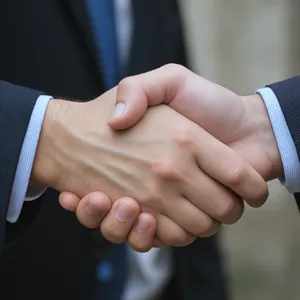
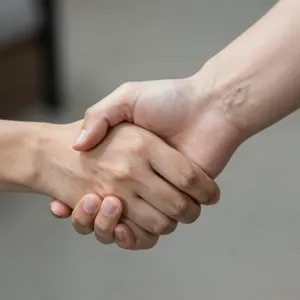
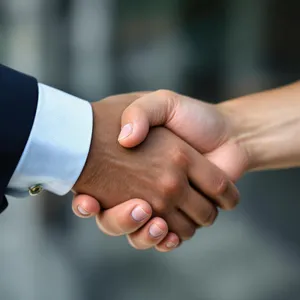
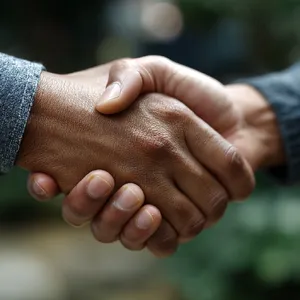
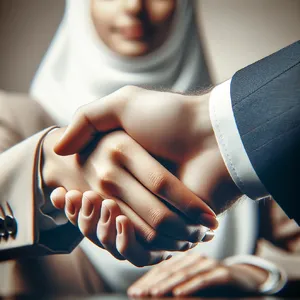
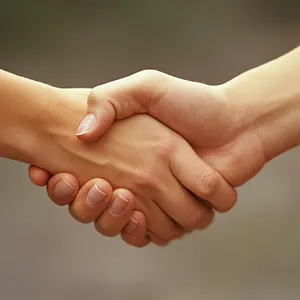
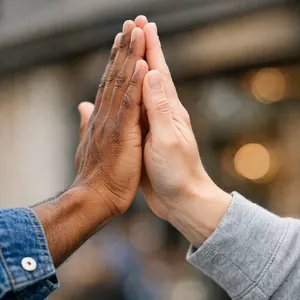
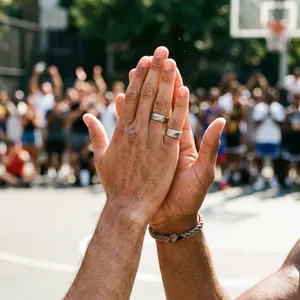
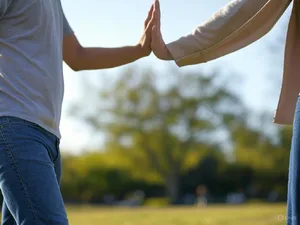
Close-up hand interaction
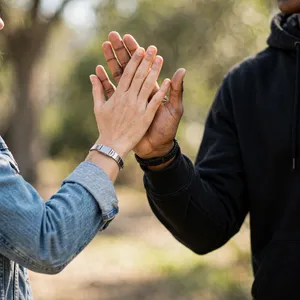
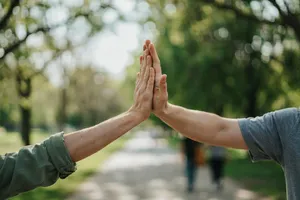
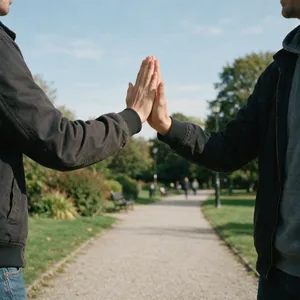
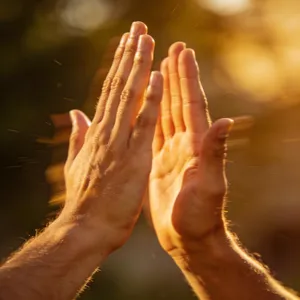
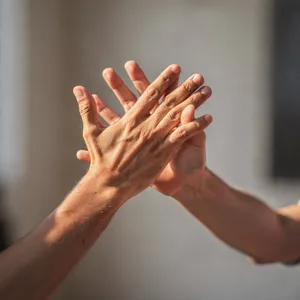
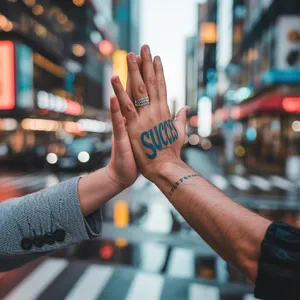
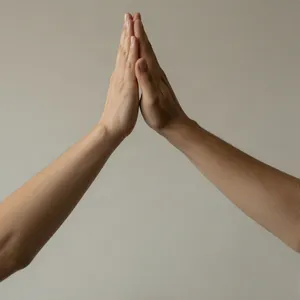
Two people shaking hands
Start with GPT Image 2.6 Sunburst, Muse Image, or joint-third Nano Banana 2.1. Each produces a 9/10 example.
The category leader's handshake has particularly convincing joint placement, overlap, and pressure. The Muse Image handshake adds character through denim, leather, jewelry, and differentiated textures.
Watch out: none establishes fully independent visibility of every digit. If counting is essential, request a more open grip and a camera angle that exposes the far thumb.
A single hand holding an object
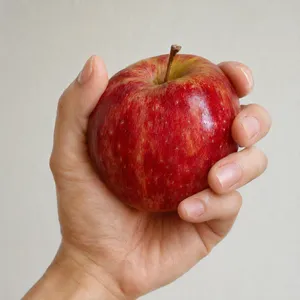
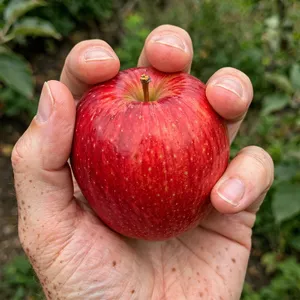
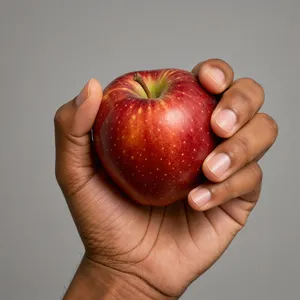
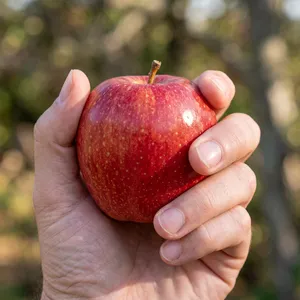
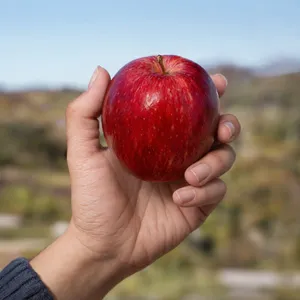
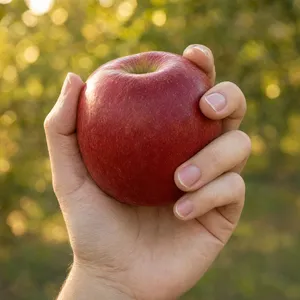
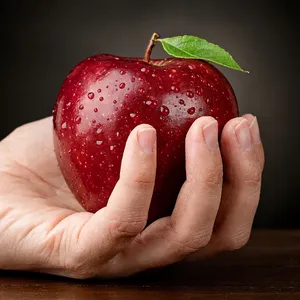
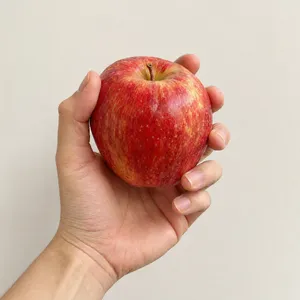
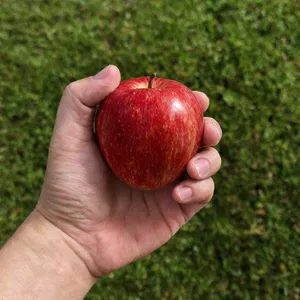
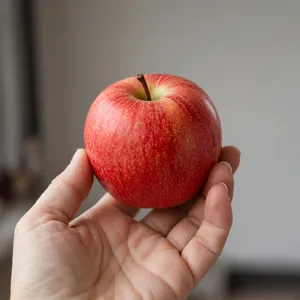
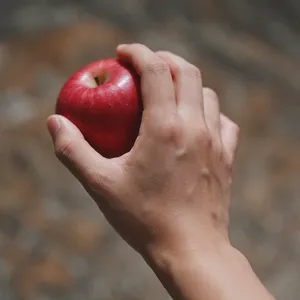
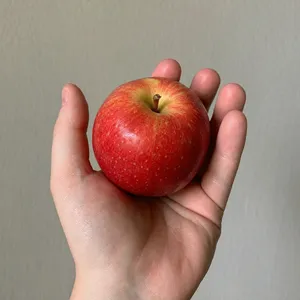
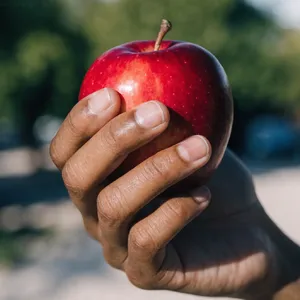
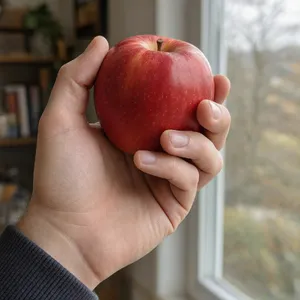
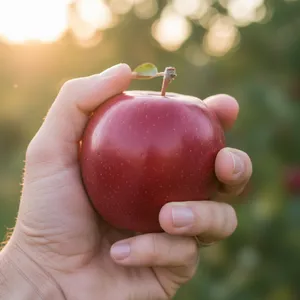
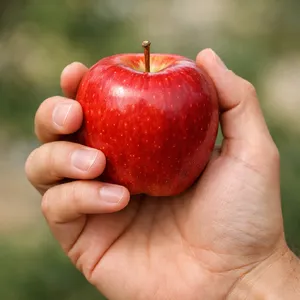
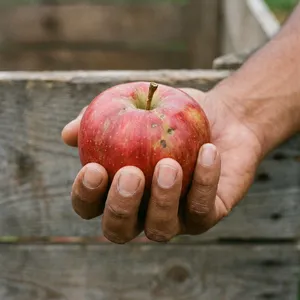
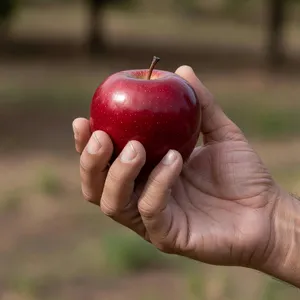
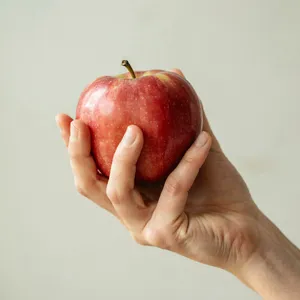
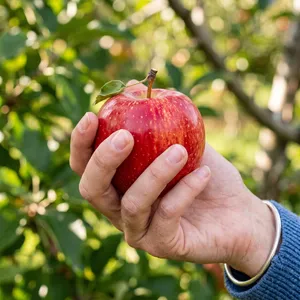
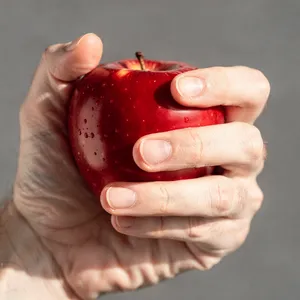
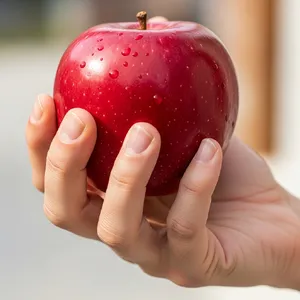
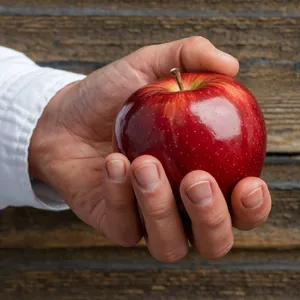
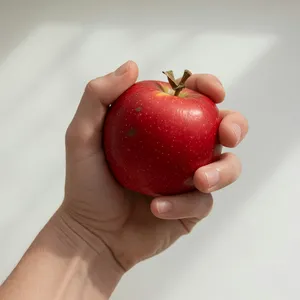
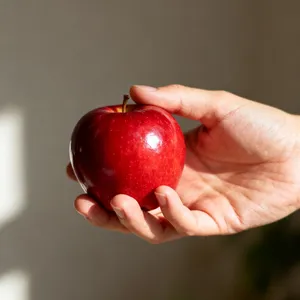
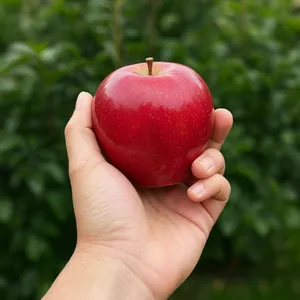
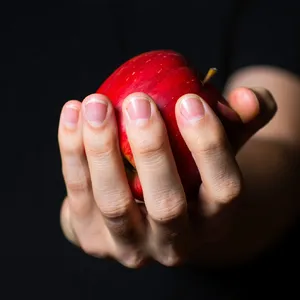
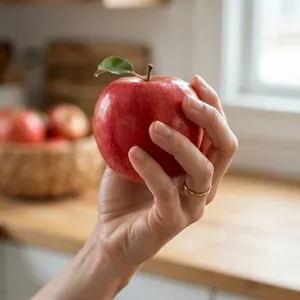
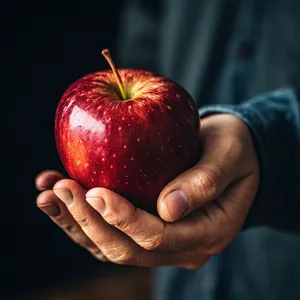
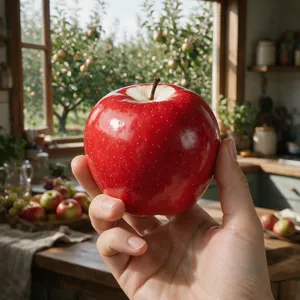
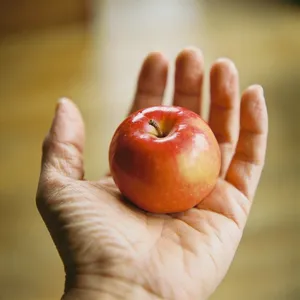
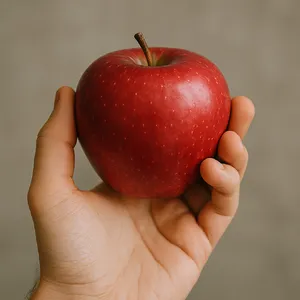
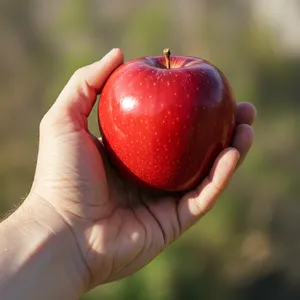
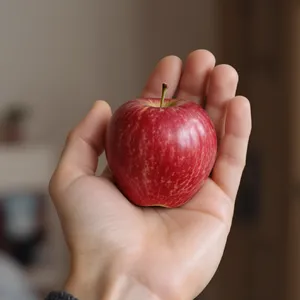
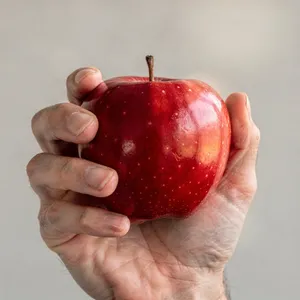
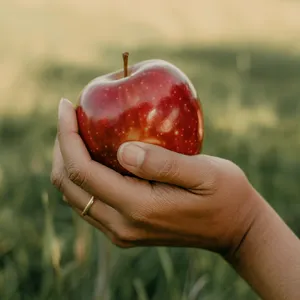
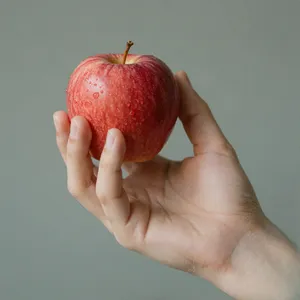
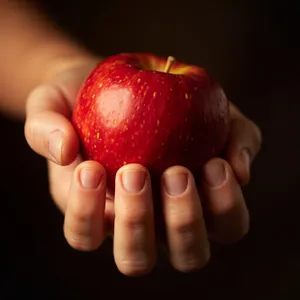
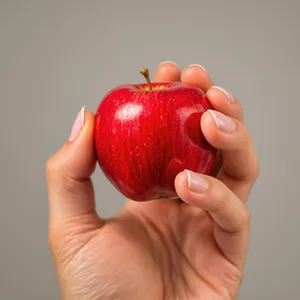
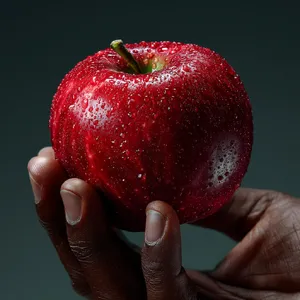
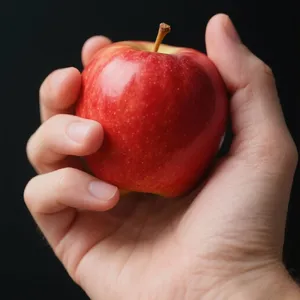
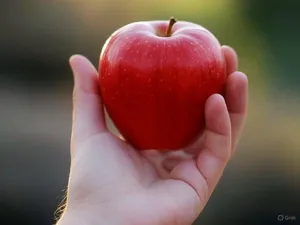
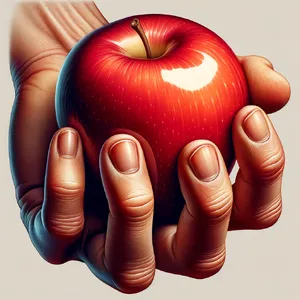
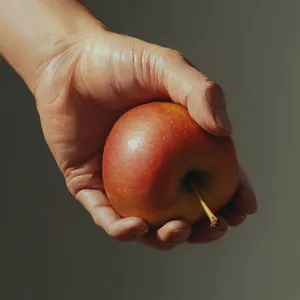
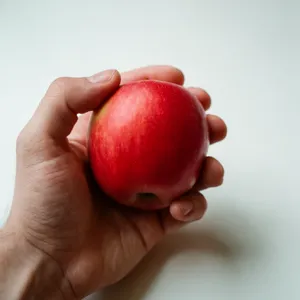
A hand holding a red apple
The leading shortlist is GPT Image 2.6 Sunburst, Nano Banana 2.1, and FLUX 3 Image. All have 9/10 examples with clear five-digit arrangements.
The FLUX 3 Image apple study is especially informative: it receives 10/10 for adherence and detail execution, with separated digits and coherent support. The Nano Banana 2.1 example combines clear finger positions with natural surface variation.
For a lower-ranked specialist worth testing, Ideogram V2, 960 Elo, also produces a 9/10 apple image. That isolated success does not move it above the category leaders.
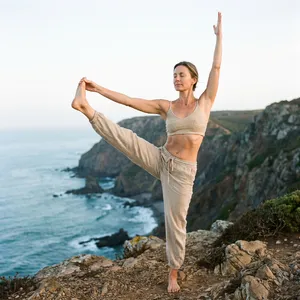
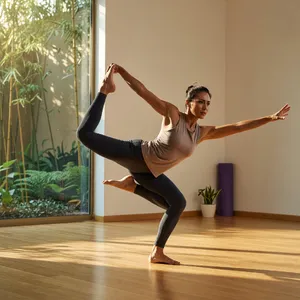
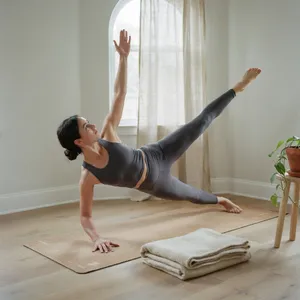
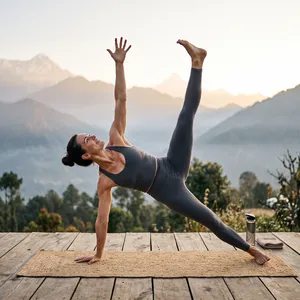
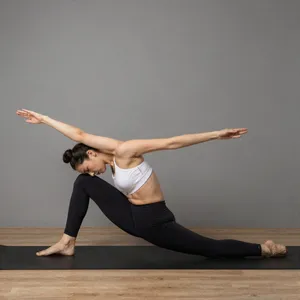
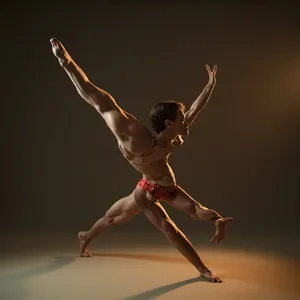
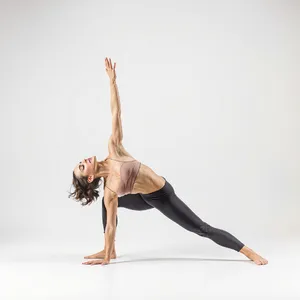
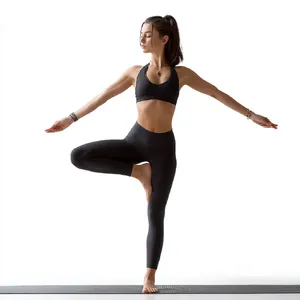
Complex poses with extended limbs
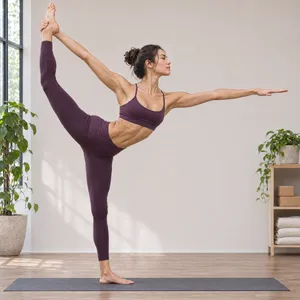
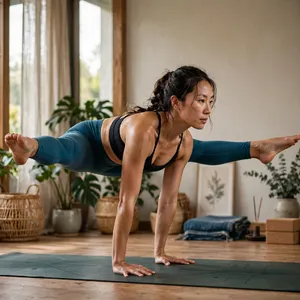
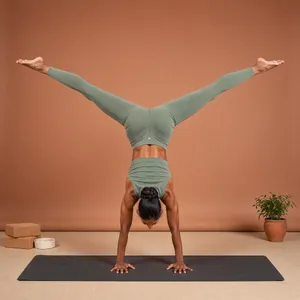
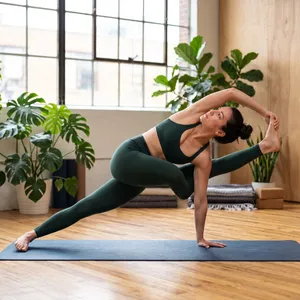
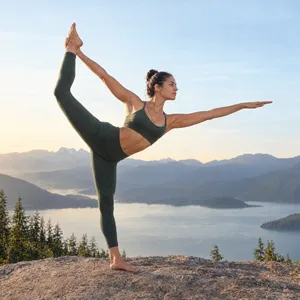
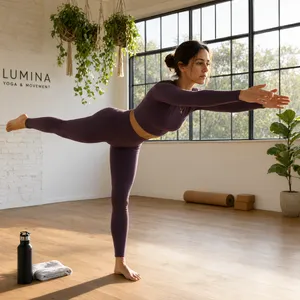
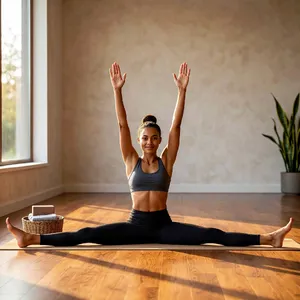
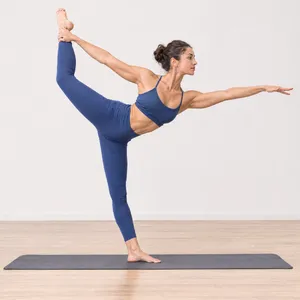
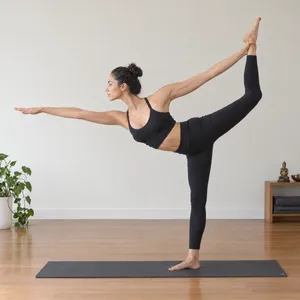
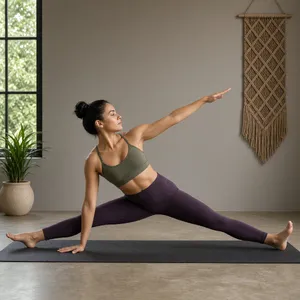
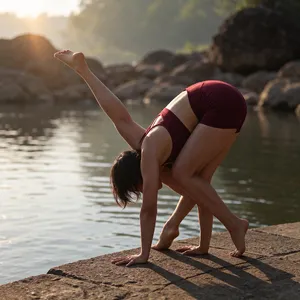
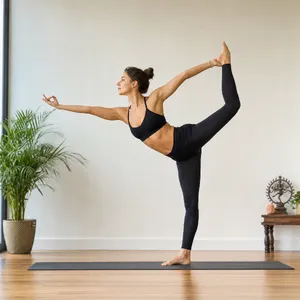
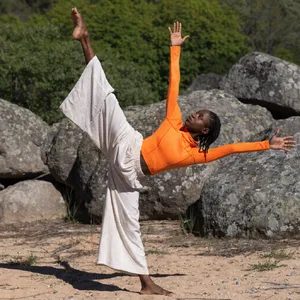
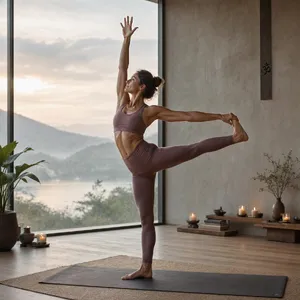
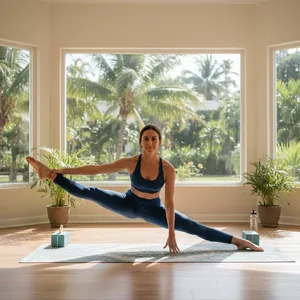
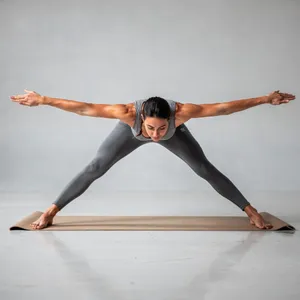
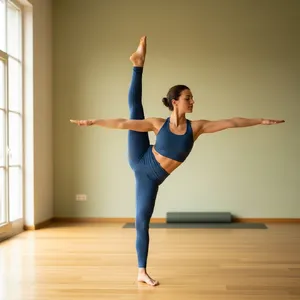
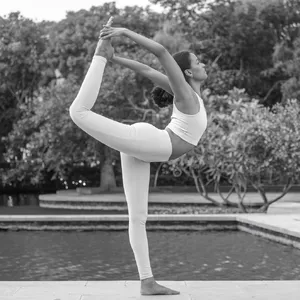
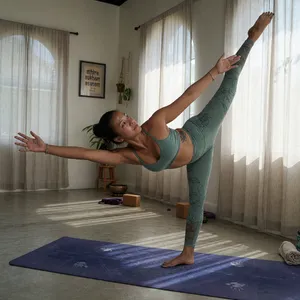
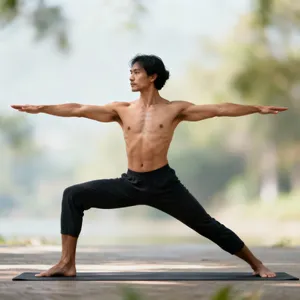
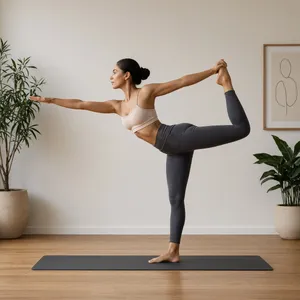
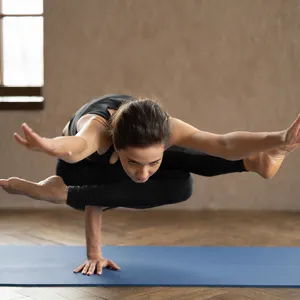
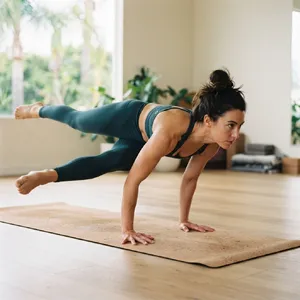
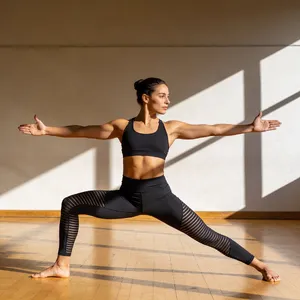
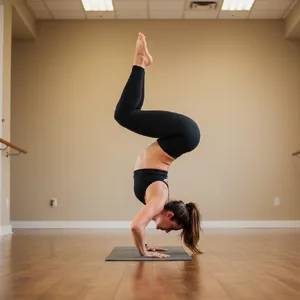
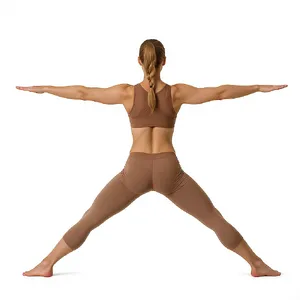
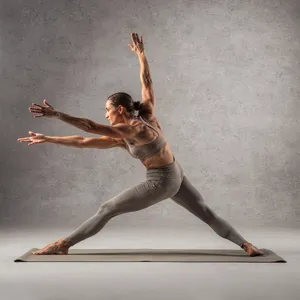
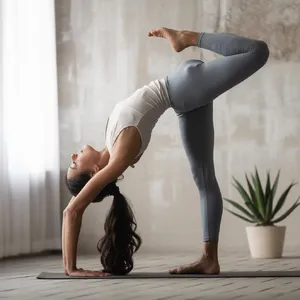
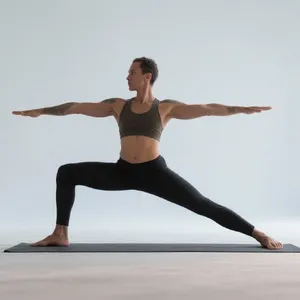
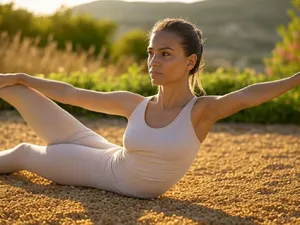
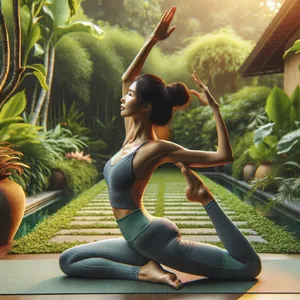
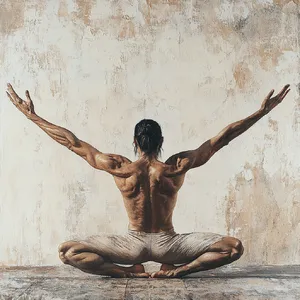
A full-body complex yoga pose
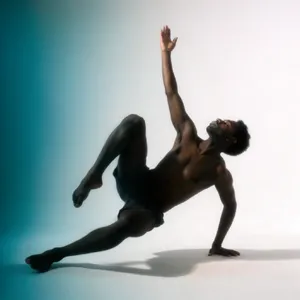
FLUX 3 Image is the strongest high-ranked fit in the supplied examples. Its wide-straddle handstand scores 9/10 overall, 10 adherence, and 9 realism/coherence. Straight limbs and an open silhouette make the anatomy inspectable.
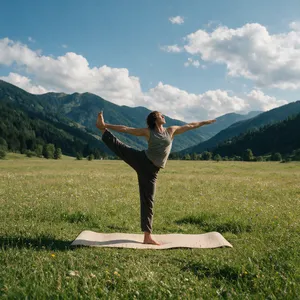
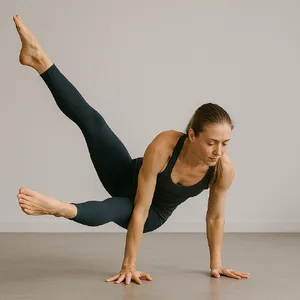
Recraft V4.1, 1109 Elo, and Nano Banana 2, 1051 Elo, also produce 9/10 examples: an extended outdoor balance and a raised-leg side plank.
Prompting tip: name a compatible pose explicitly. A straight-arm straddle handstand is less ambiguous than asking for complex yoga, which often elicits a bent-knee dancer pose.
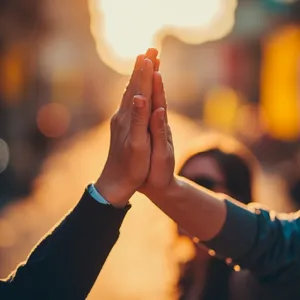
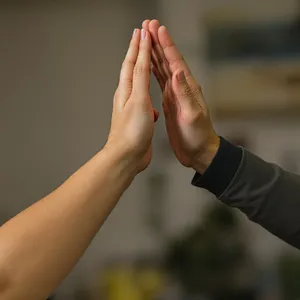
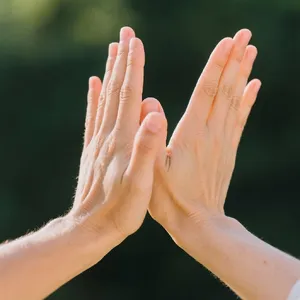
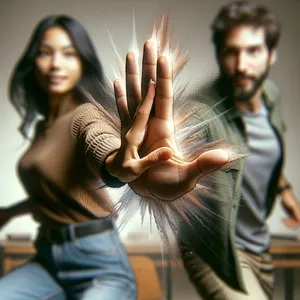
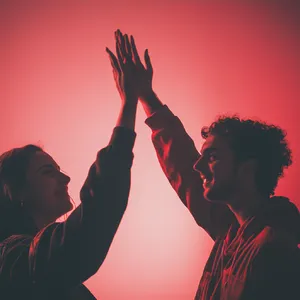
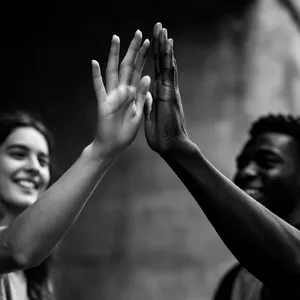
Dynamic two-person contact
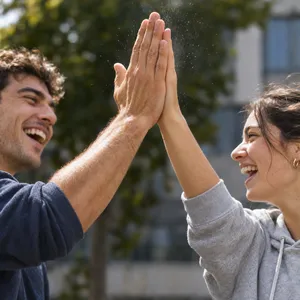
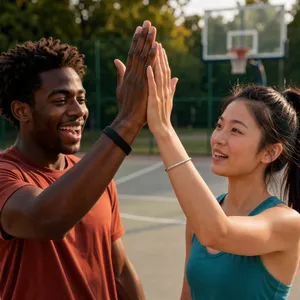
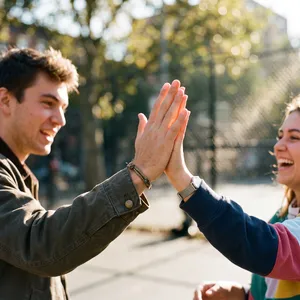
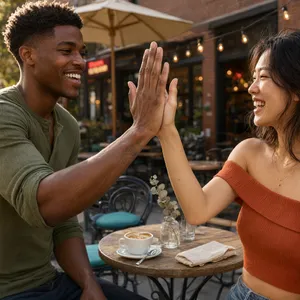
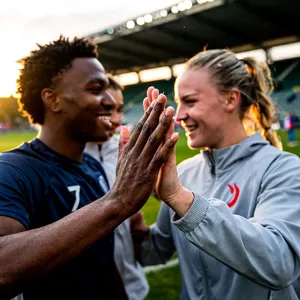
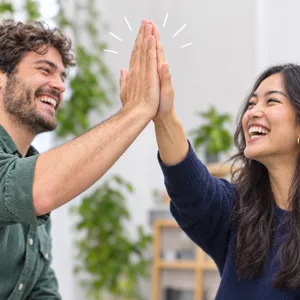
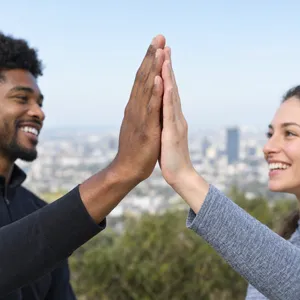
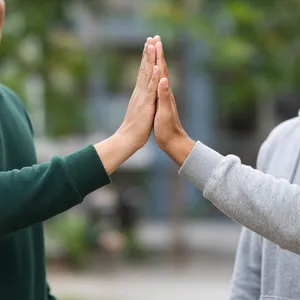
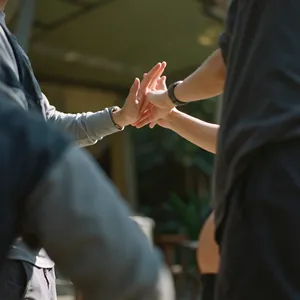
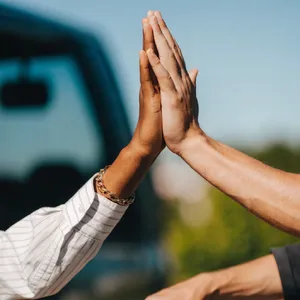
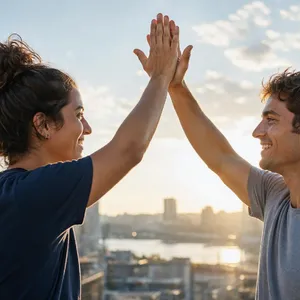
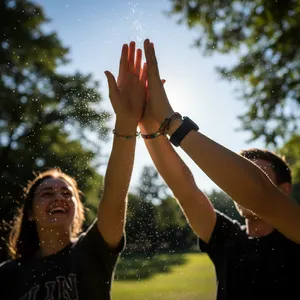
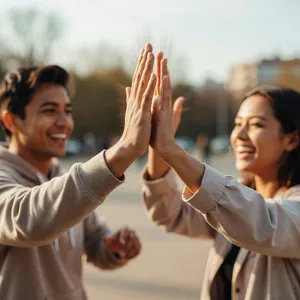
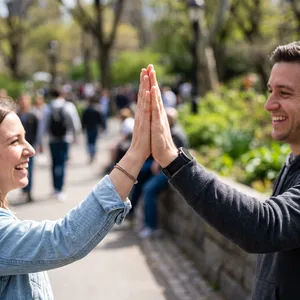
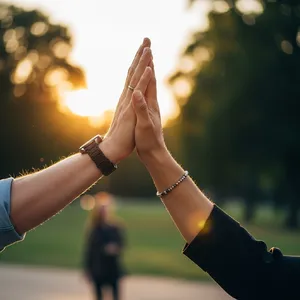
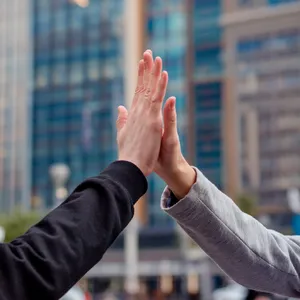
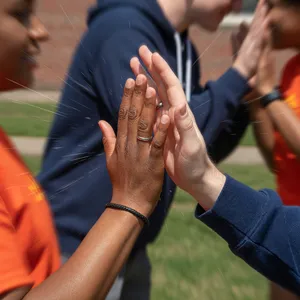
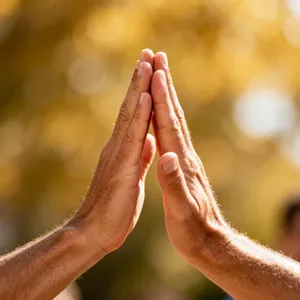
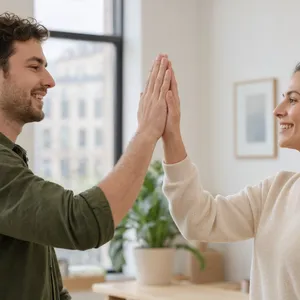
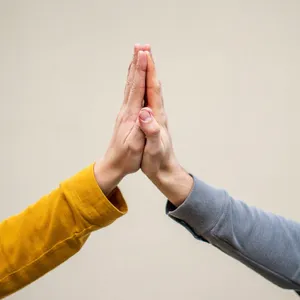
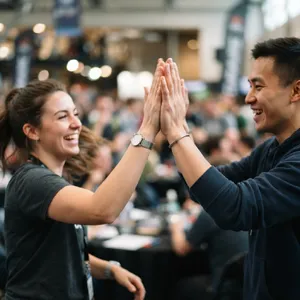
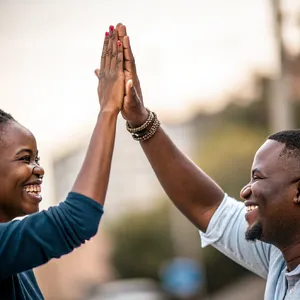
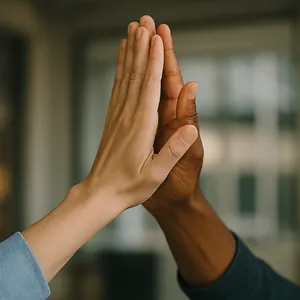
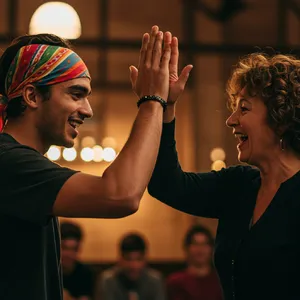
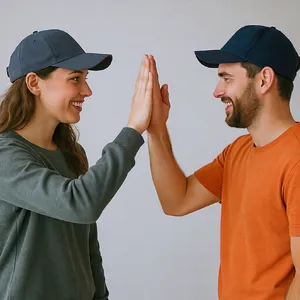
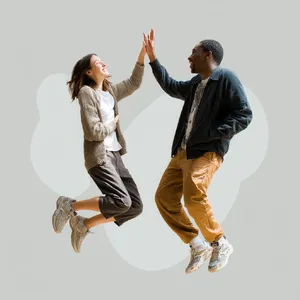
Two people high-fiving
GPT Image 2.6 Sunburst is the clearest starting point. Its high-five scores 9/10 overall and 10 adherence, combining believable hands with expressions and airborne particles that support the impact moment.
Qwen-Image-3.0-Pro supplies a 9/10 café high-five with especially cohesive setting and anatomy. Ideogram 4.0 (Quality), 1053 Elo, offers a 9/10 hand-focused alternative.
Watch out: motion streaks do not establish contact. Check palm alignment and finger boundaries first.
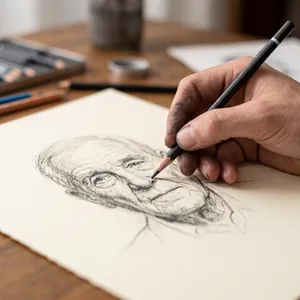
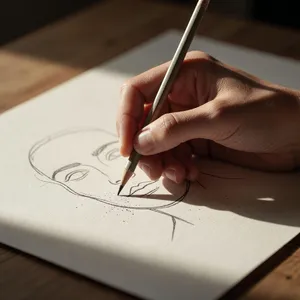
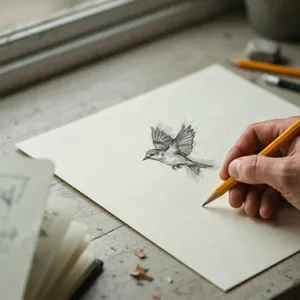
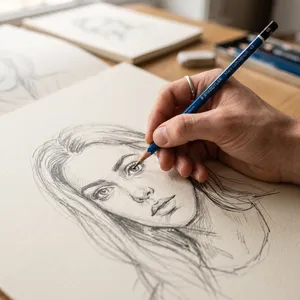
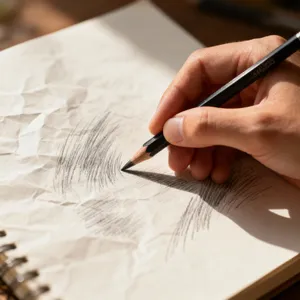
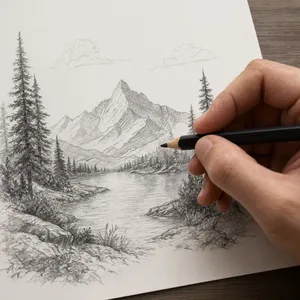
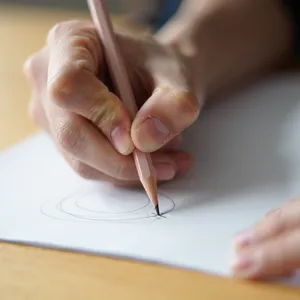
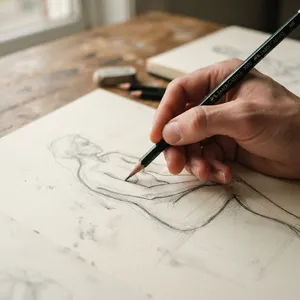
Drawing hands and precise tool contact
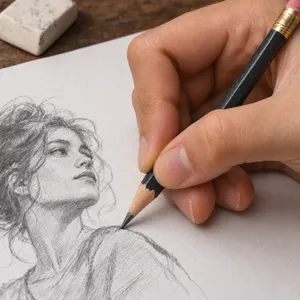
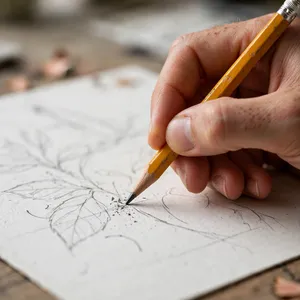
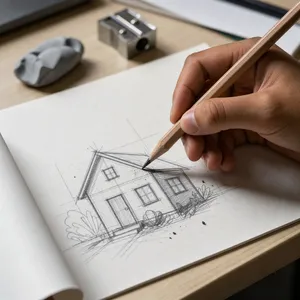
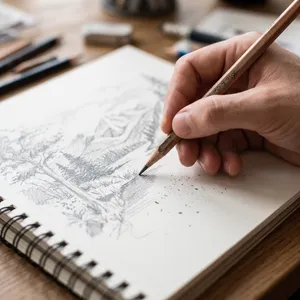
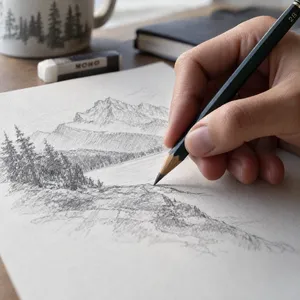
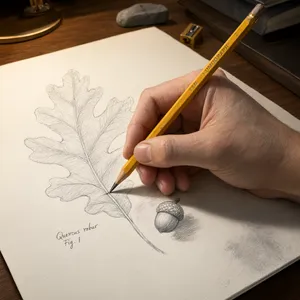
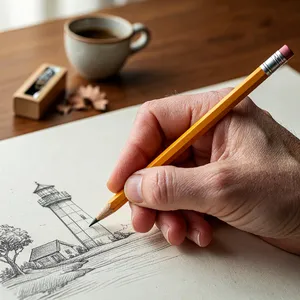
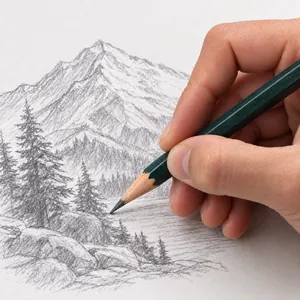
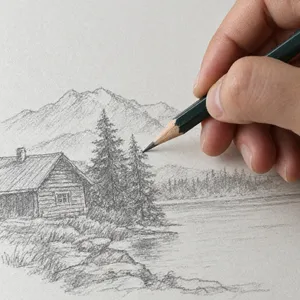
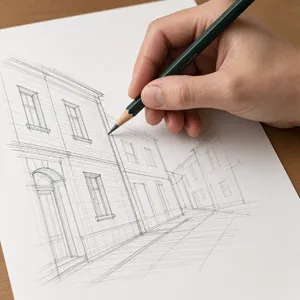
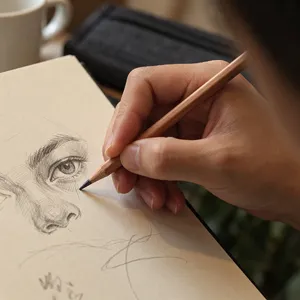
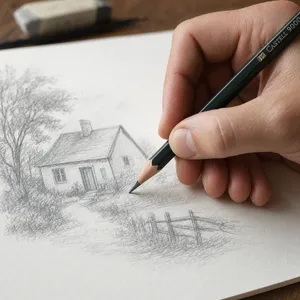
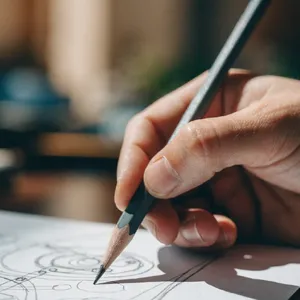
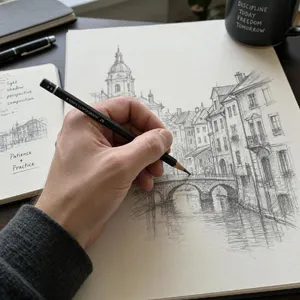
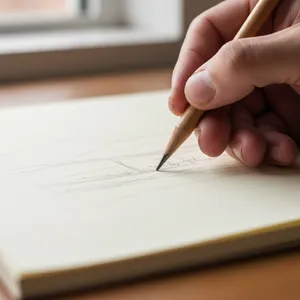
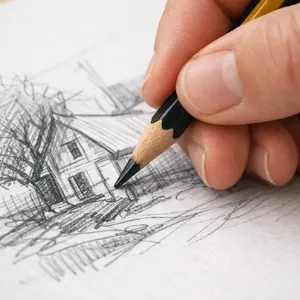
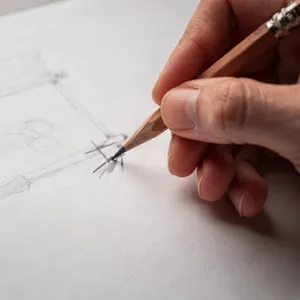
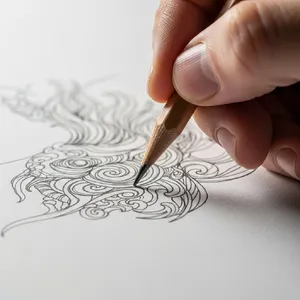
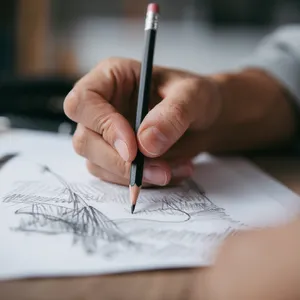
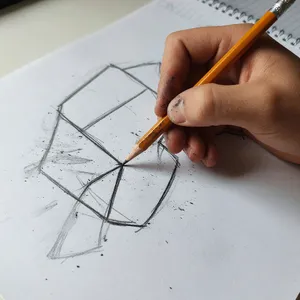
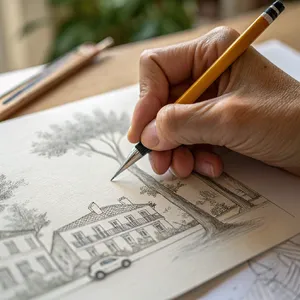
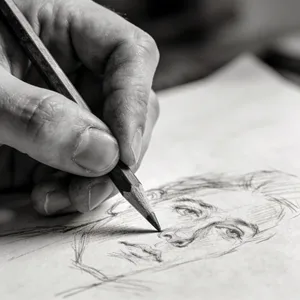
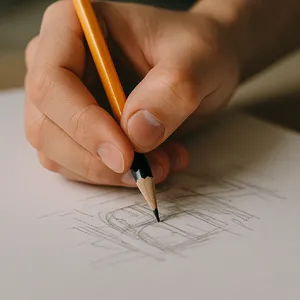
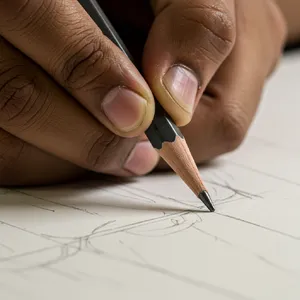
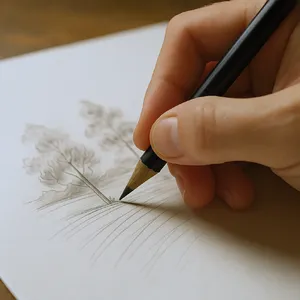
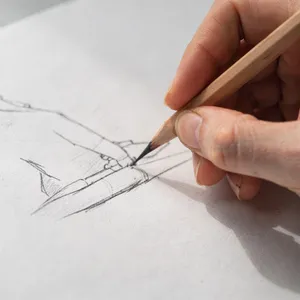
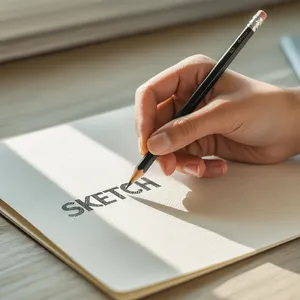
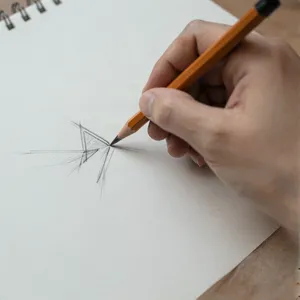
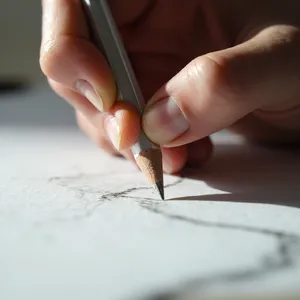
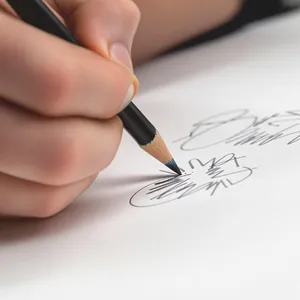
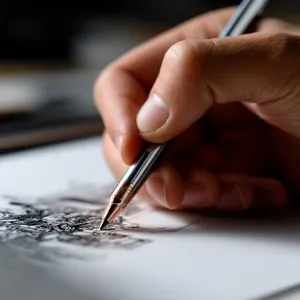
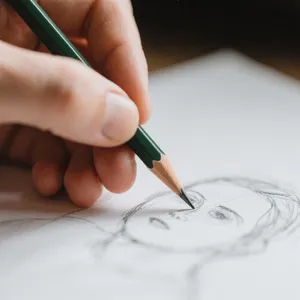
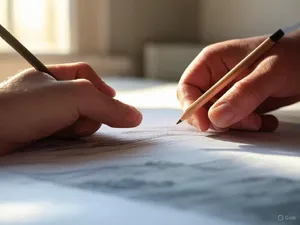
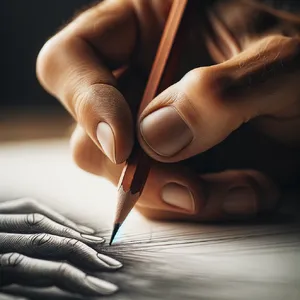
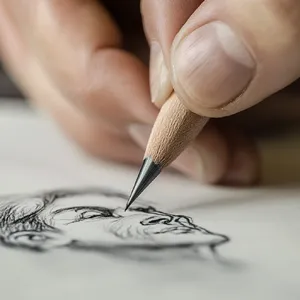
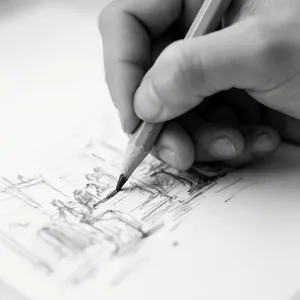
A hand sketching with a pencil
GPT Image 2.5 Sunburst, Qwen-Image-3.0-Pro, and Nano Banana 2 each deliver 9/10 examples.
The Qwen botanical study is particularly well matched to the brief: 10/10 adherence, a credible grip, and a clear graphite-to-paper junction. The GPT Image 2.5 Sunburst landscape balances hand focus with an accomplished sketch.
Choose this kind of composition when both tool mechanics and the surrounding artistic process matter. Avoid prompts that encourage an extreme macro crop so narrow that supporting fingers or the contact point fall out of focus.
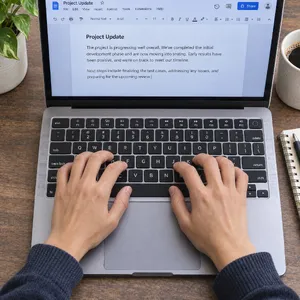
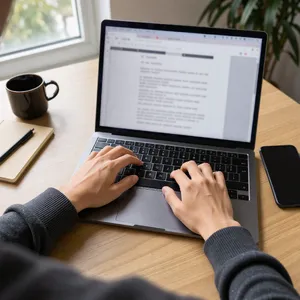
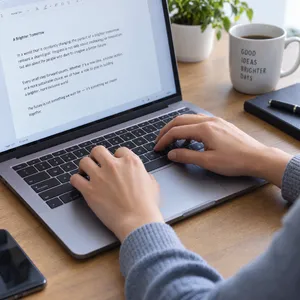
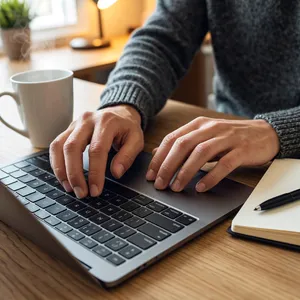
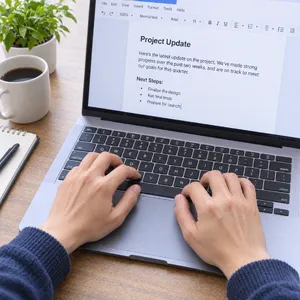
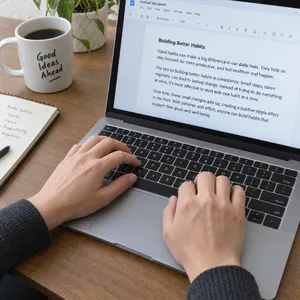
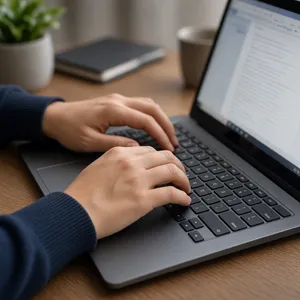
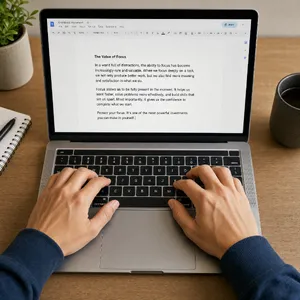
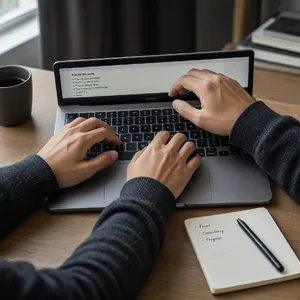
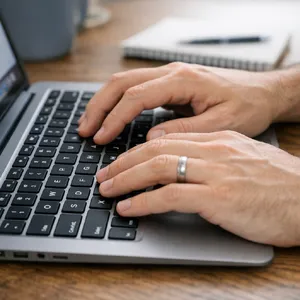
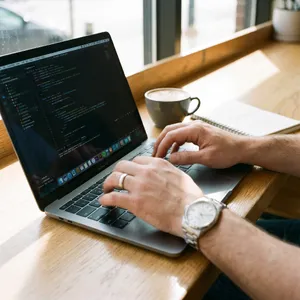
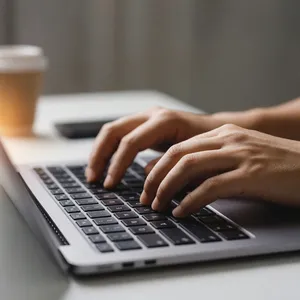
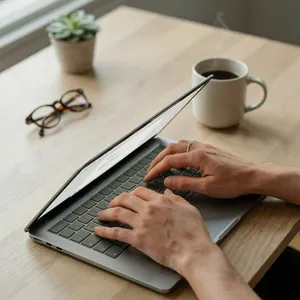
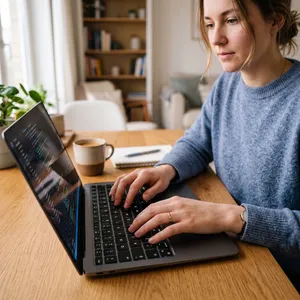
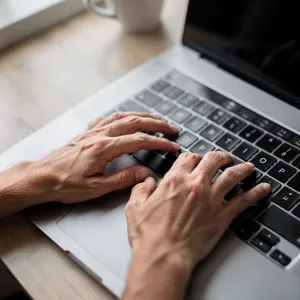
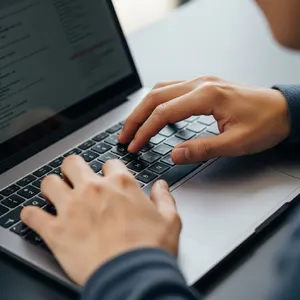
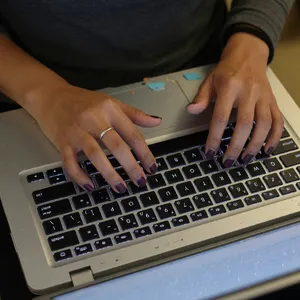
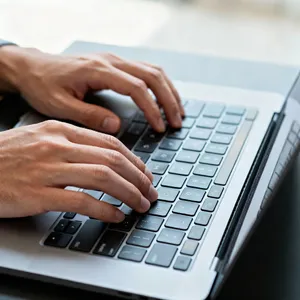
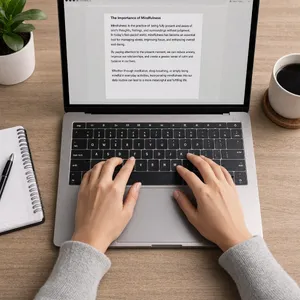
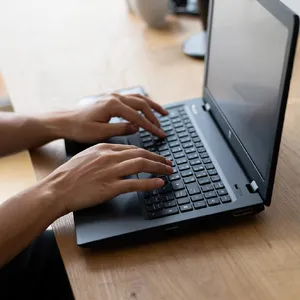
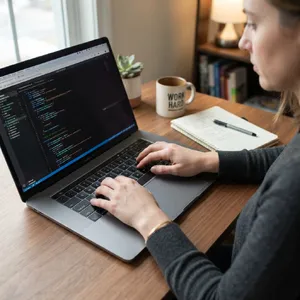
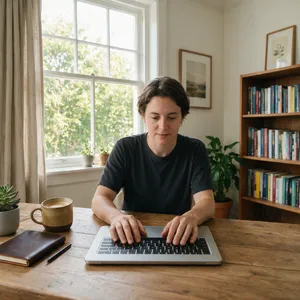
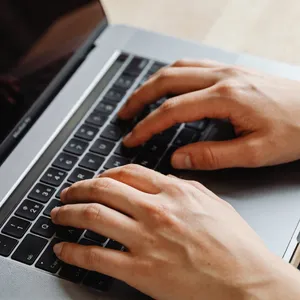
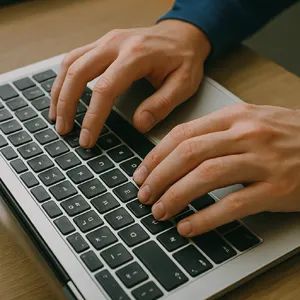
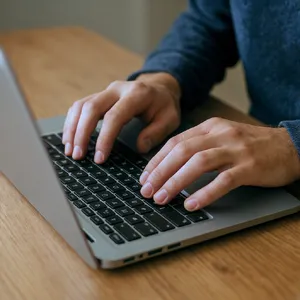
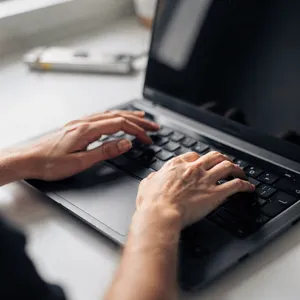
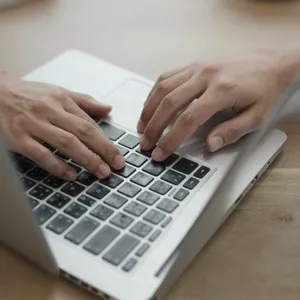
Two-handed typing
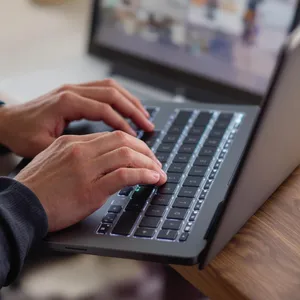
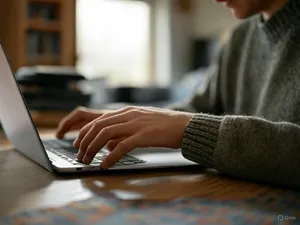
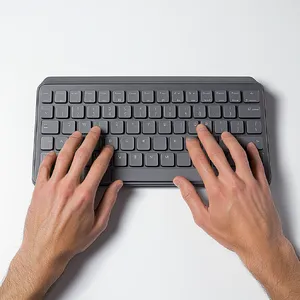
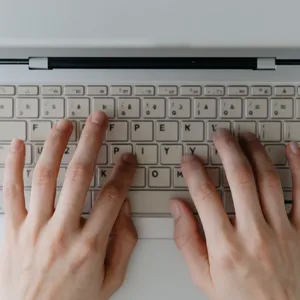
A person typing on a laptop
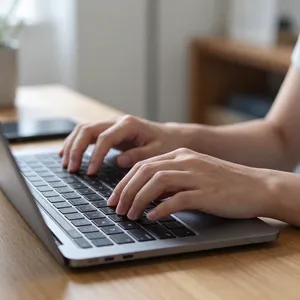
GPT Image 2.6 Sunburst provides the strongest high-ranked default. Its typing scene scores 9/10, with coherent hardware and differentiated finger bends.
Other 9/10 examples come from GPT Image 2, 1120 Elo; GPT Image 1.5, 1087 Elo; and FLUX.2 Max, 1025 Elo. The FLUX.2 Max close-up is especially convincing in wrist continuity, relaxed thumbs, and separate key contacts.
Quality check: verify that both hands are on keys—not one on the trackpad—and inspect the keyboard as a physical object, not just as background texture.
Symmetrical hand gestures
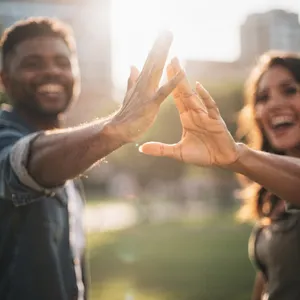
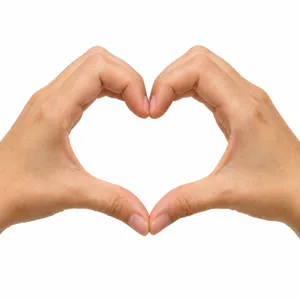
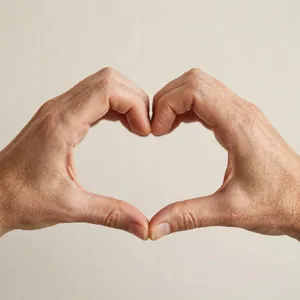
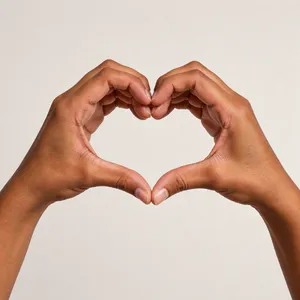
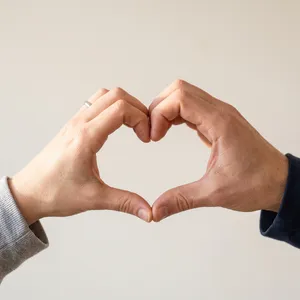
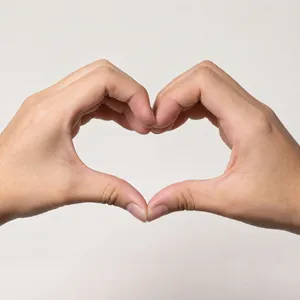
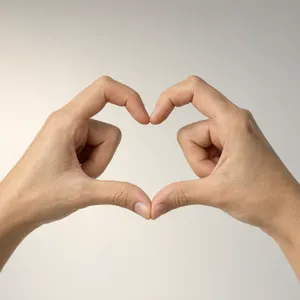
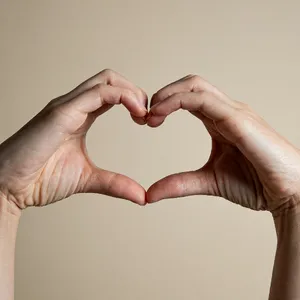
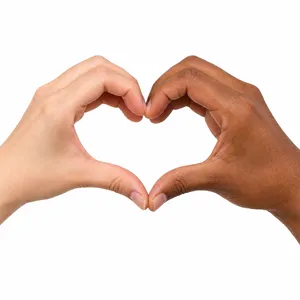
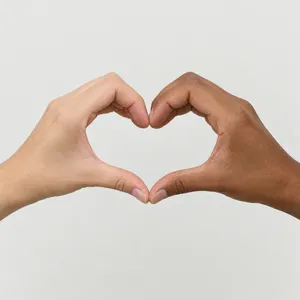
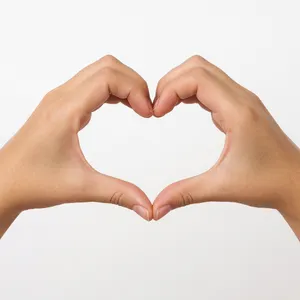
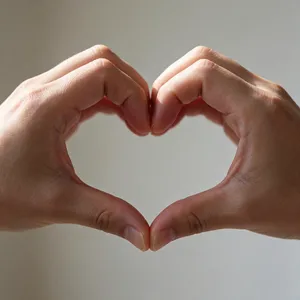
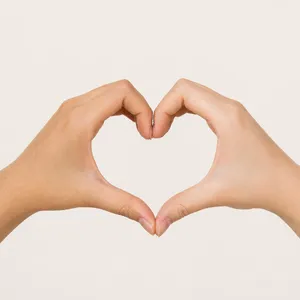
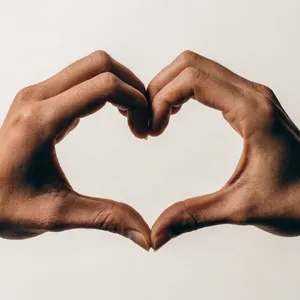
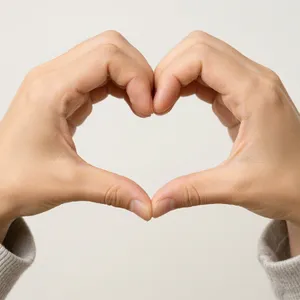
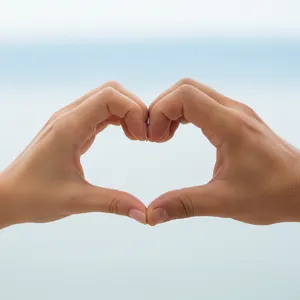
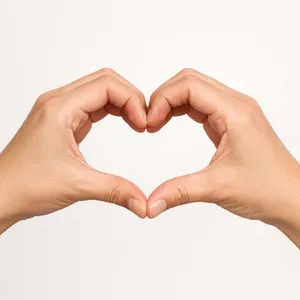
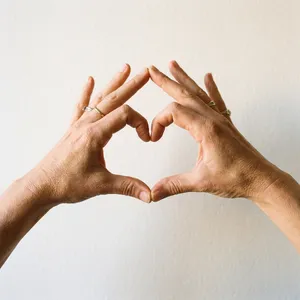
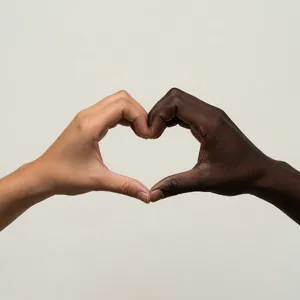
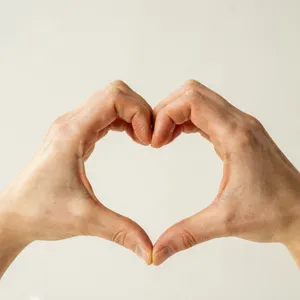
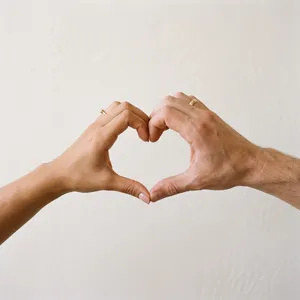
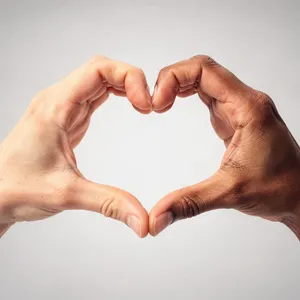
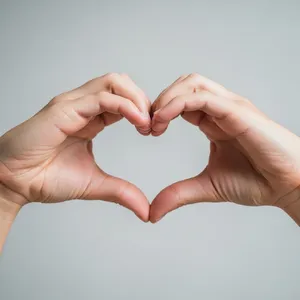
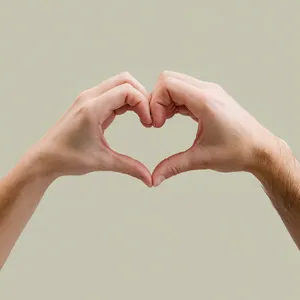
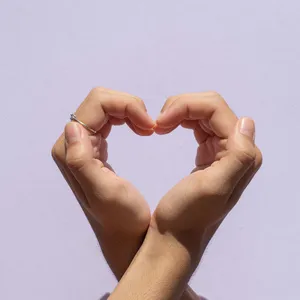
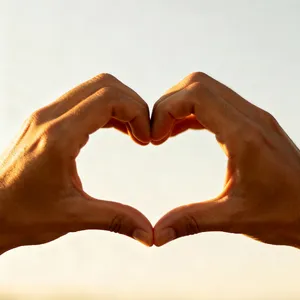
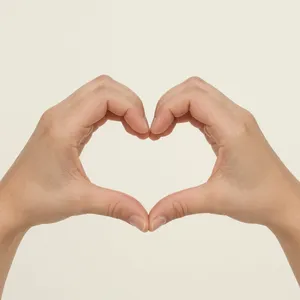
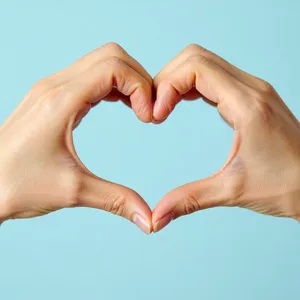
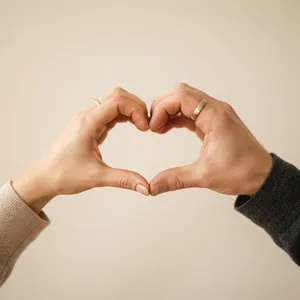
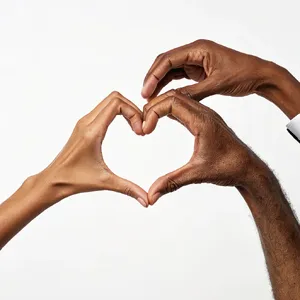
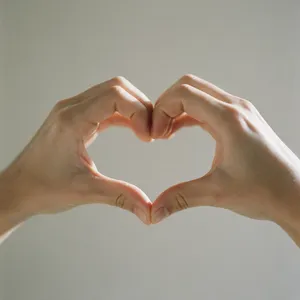
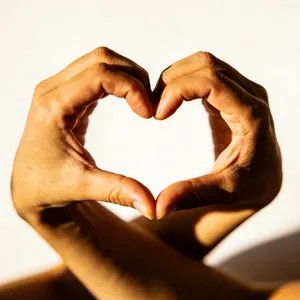
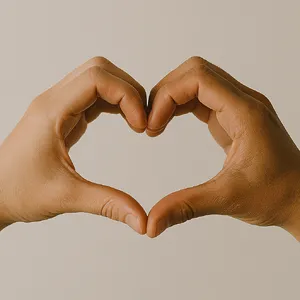
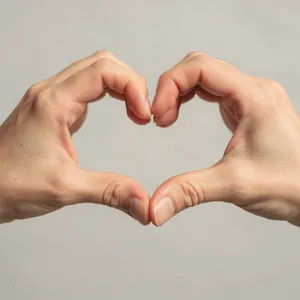
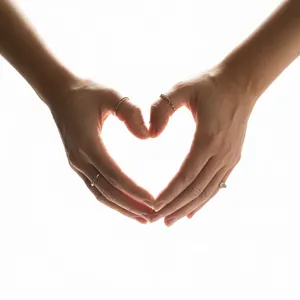
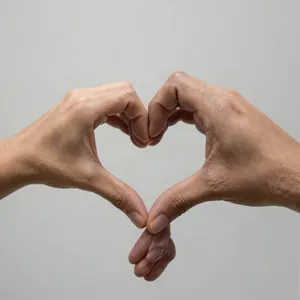
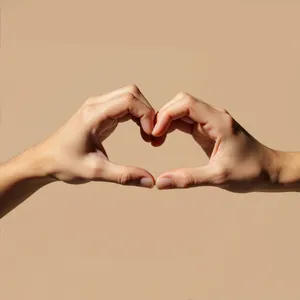
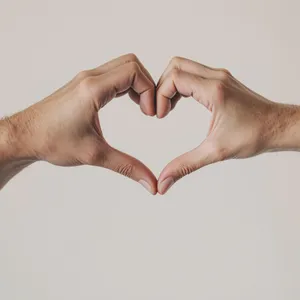
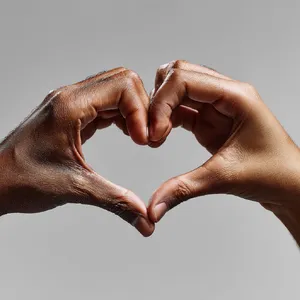
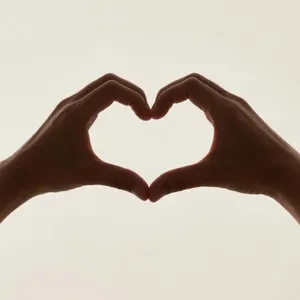
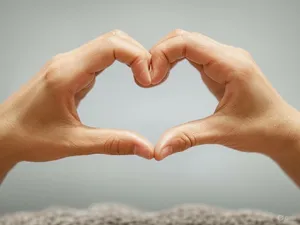
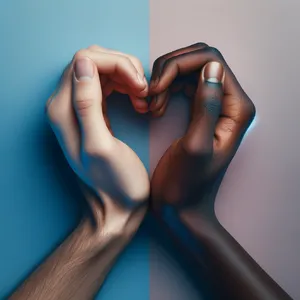
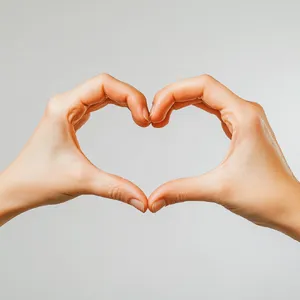
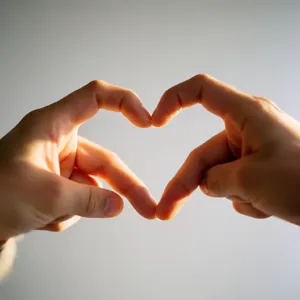
Two hands forming a heart
Muse Image is the highest-rated model with a 9/10 result here. Its older-hand heart preserves natural wrinkles, pigmentation, and credible contacts.
GPT Image 2.5 Flare, 1137 Elo, and Grok Imagine 2.0, 1134 Elo, also produce 9/10 examples: a balanced contrasting-hand heart and a crisp symmetrical heart. Their category ratings are effectively close.
Important distinction: different hand sizes can be realistic. The relevant checks are plausible joints, readable tucked fingers, and a clean heart opening—not mechanically identical hands.
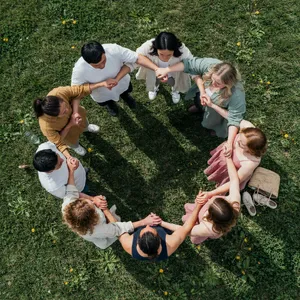
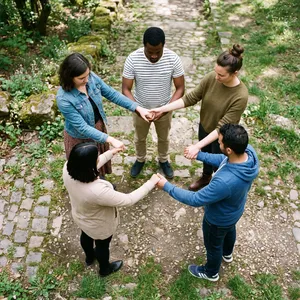
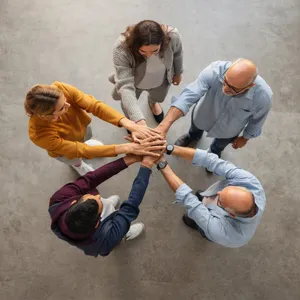
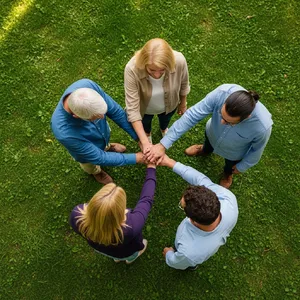
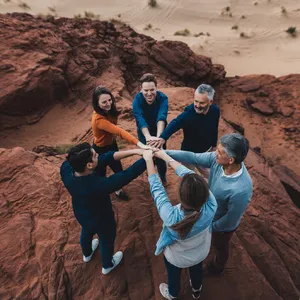
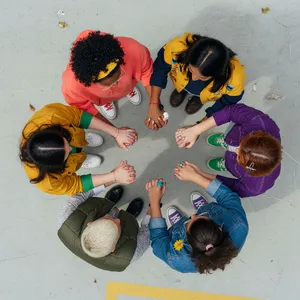
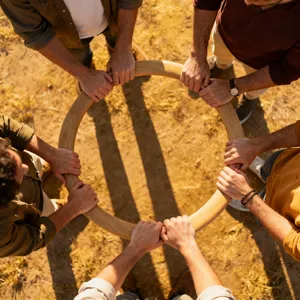
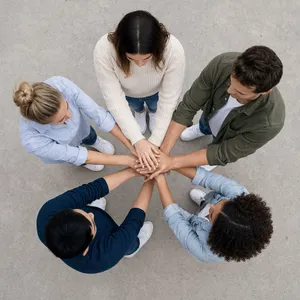
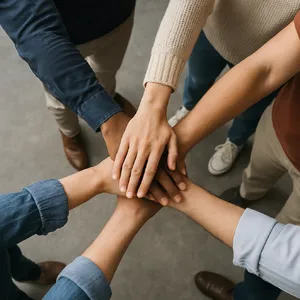
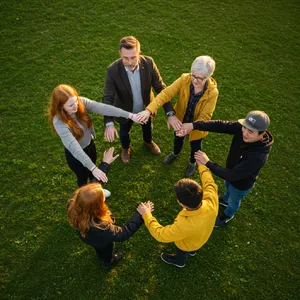
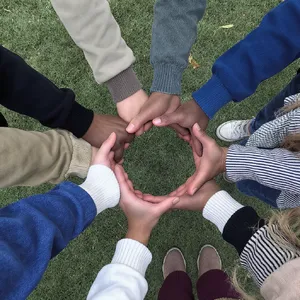
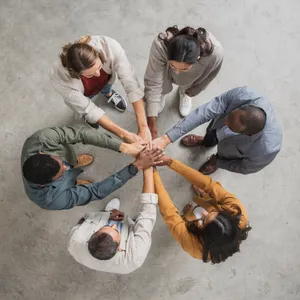
Exactly five people holding hands
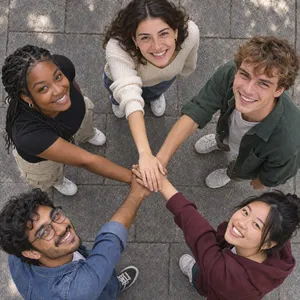
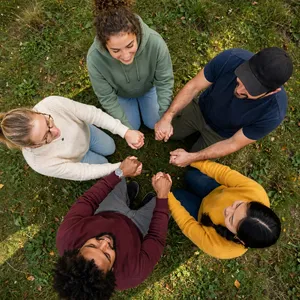
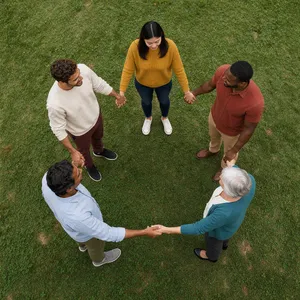
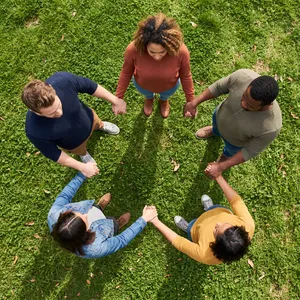
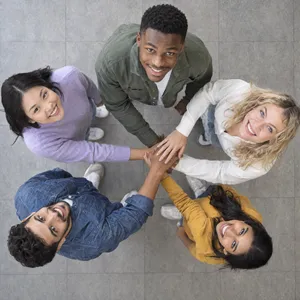
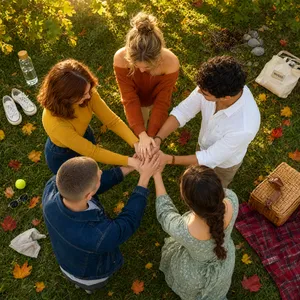
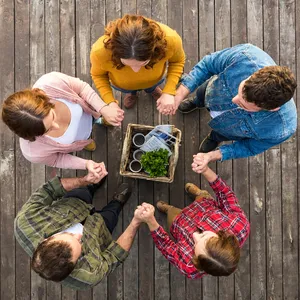
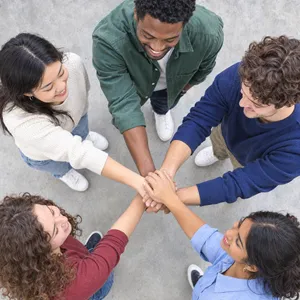
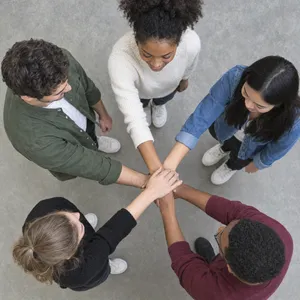
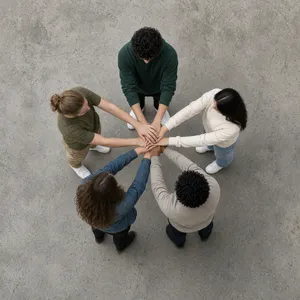
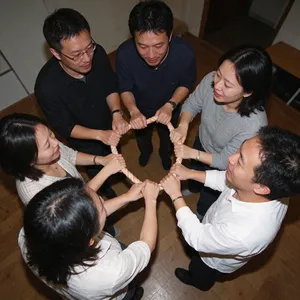
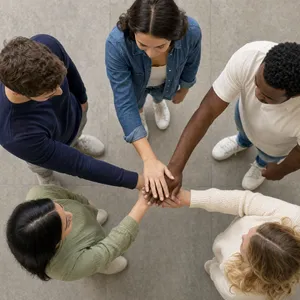
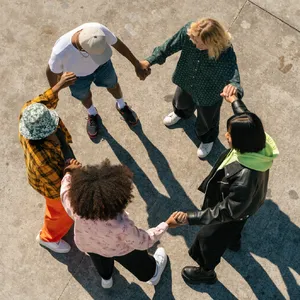
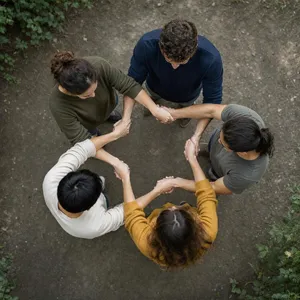
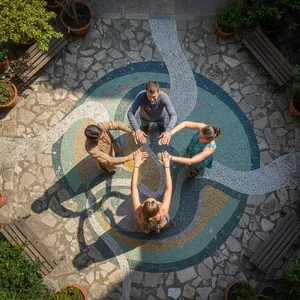
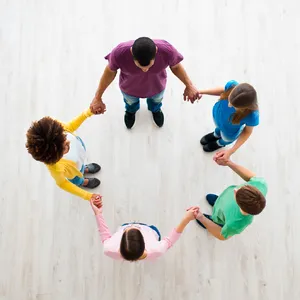
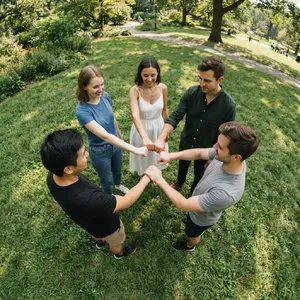
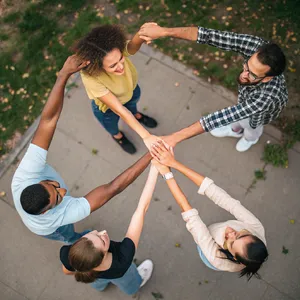
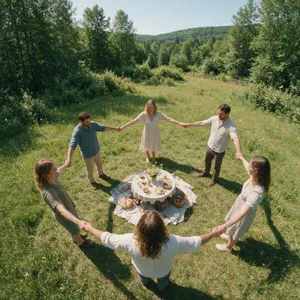
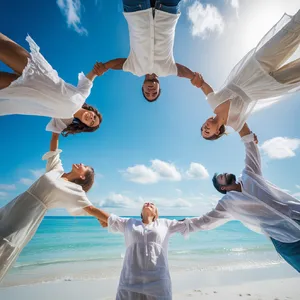
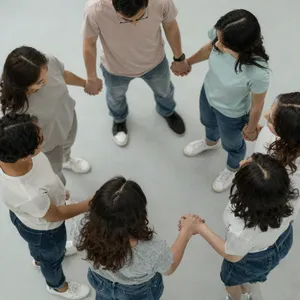
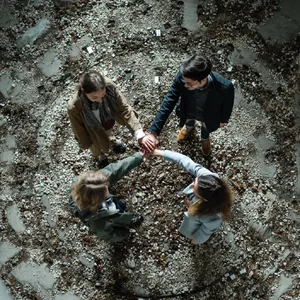
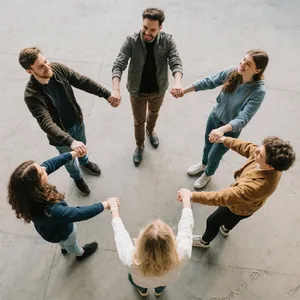
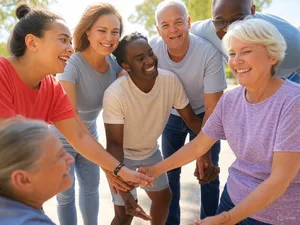
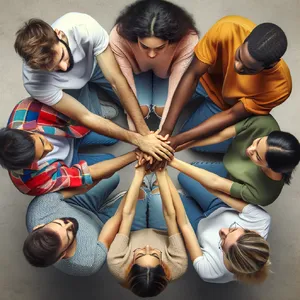
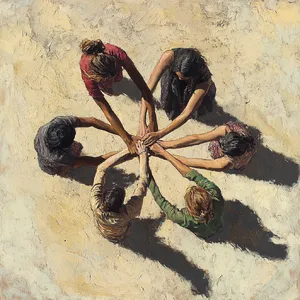
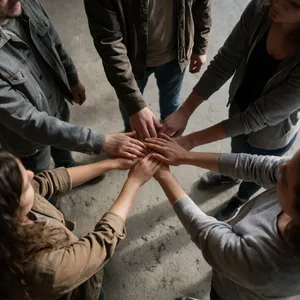
Five people joining hands in a circle
For a literal neighboring-hand chain, FLUX 3 Image is the clearest high-ranked example. Its five-person circle scores 9/10 overall and 10 adherence, with all five connections traceable.
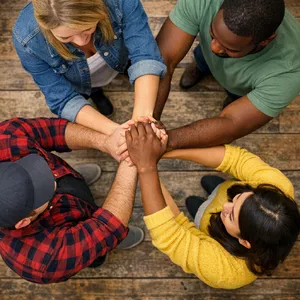
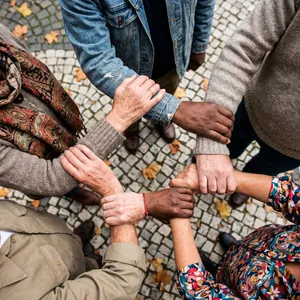
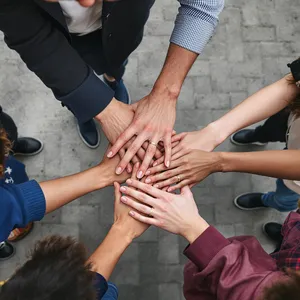
GPT Image 2.6 Sunburst also scores 9/10 with a highly convincing five-person overhead huddle, but the hands form a central stack. That is less literal if the intended output requires an open ring.
MiniMax-H3-Image produces an 8/10 literal circle, with strong composition but less refined fingers.
Prompting tip: specify exactly five people, each holding the hands of their immediate neighbors, with an empty center. Explicitly exclude a central team stack if that distinction matters.
Full-body running and sports anatomy
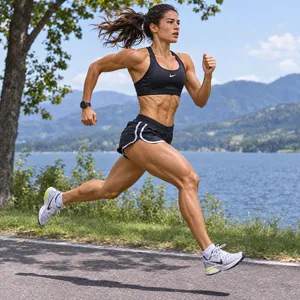
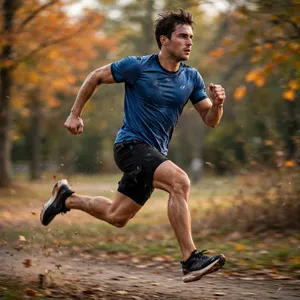
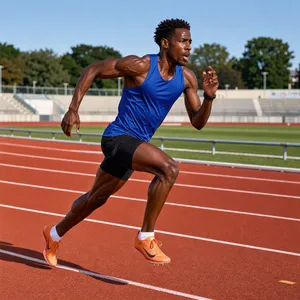
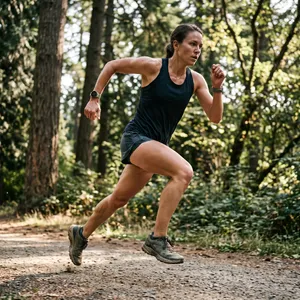
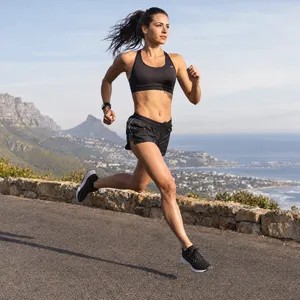
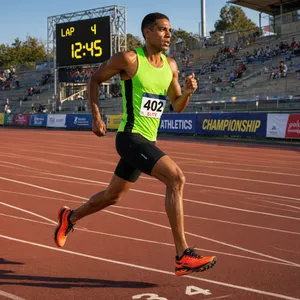
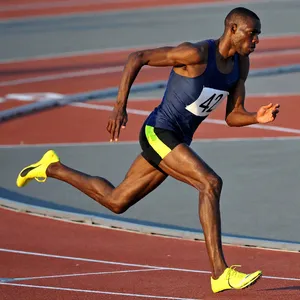
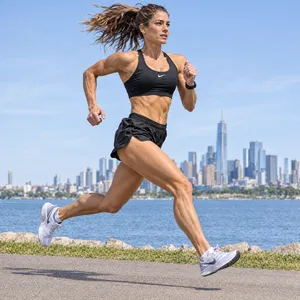
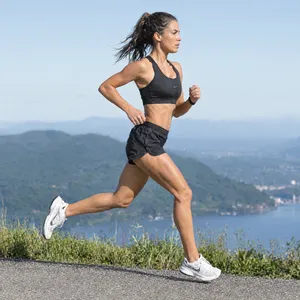
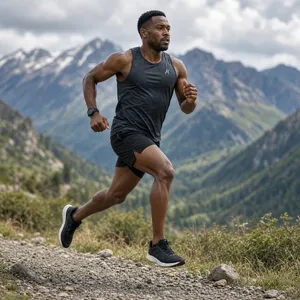
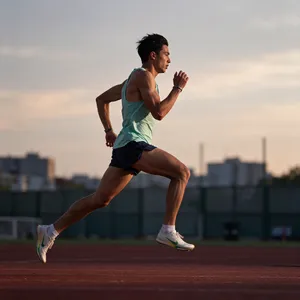
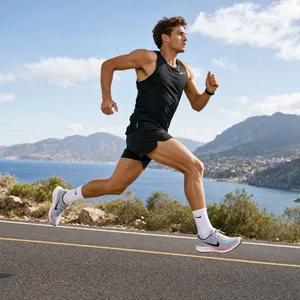
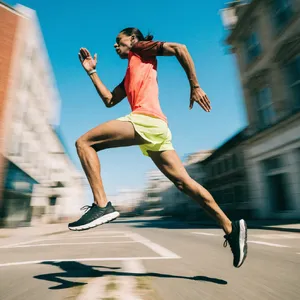
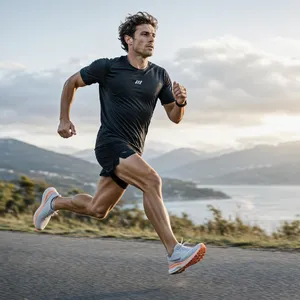
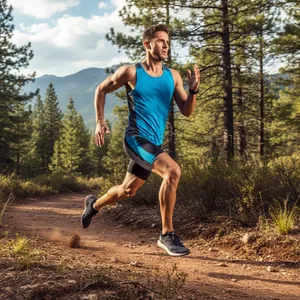
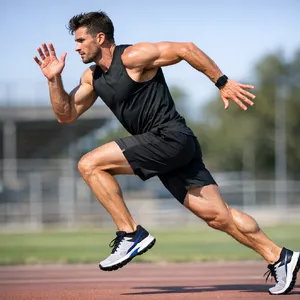
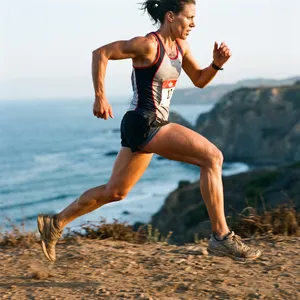
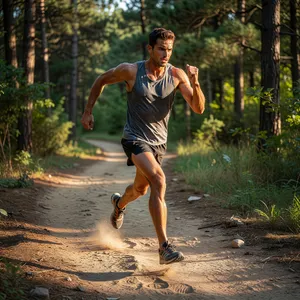
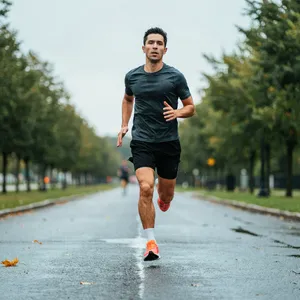
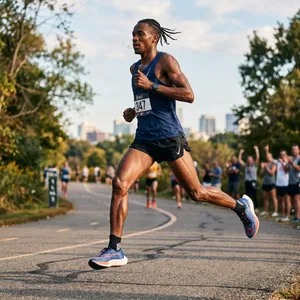
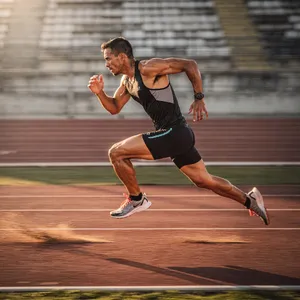
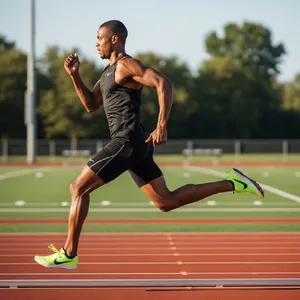
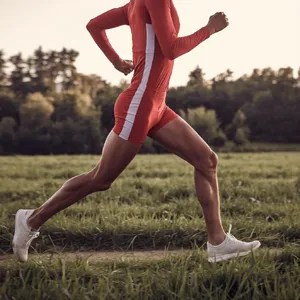
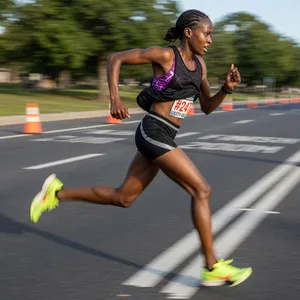
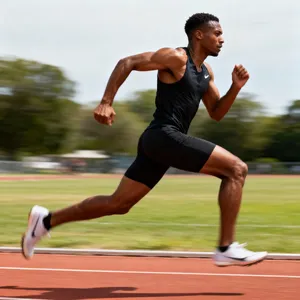
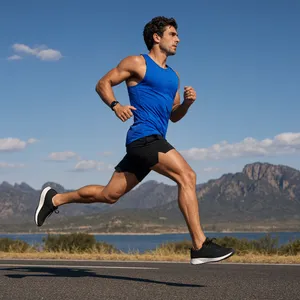
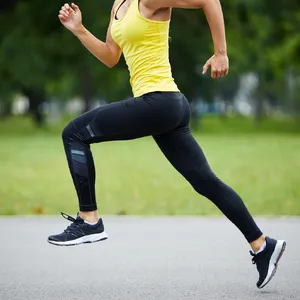
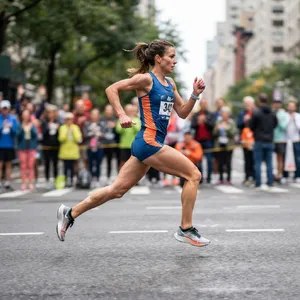
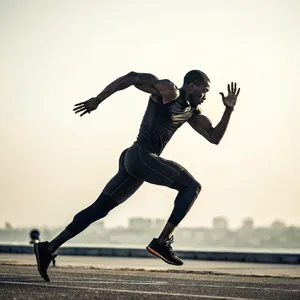
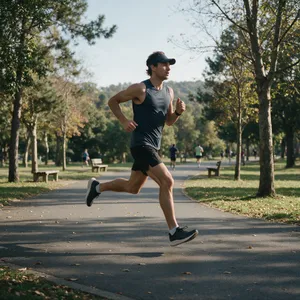
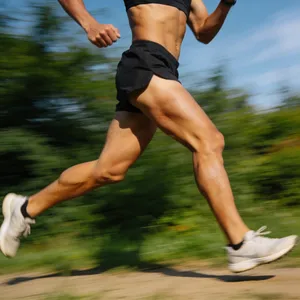
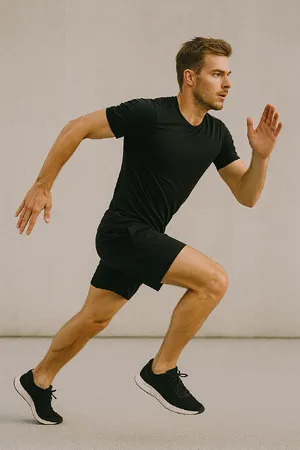
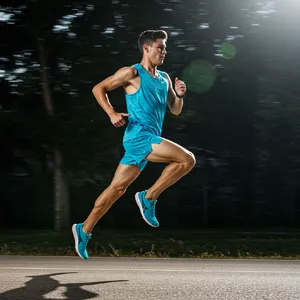
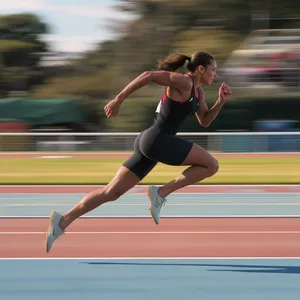
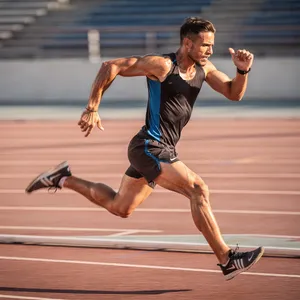
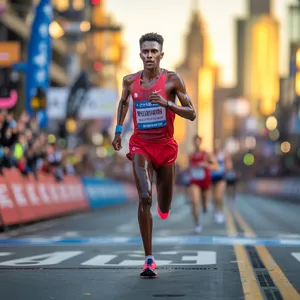
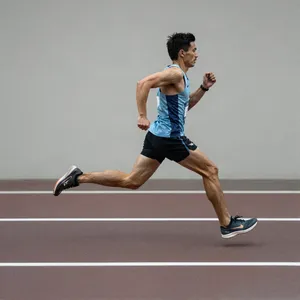
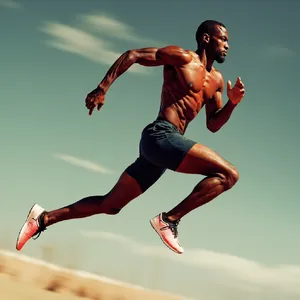
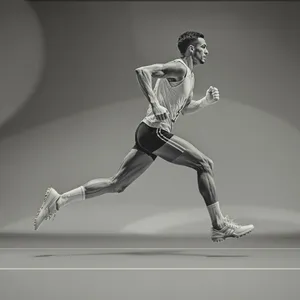
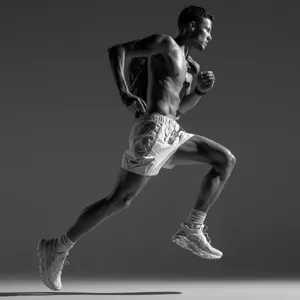
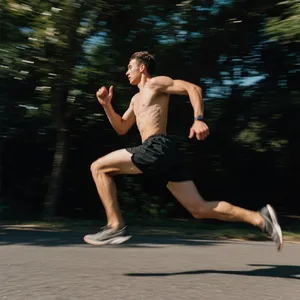
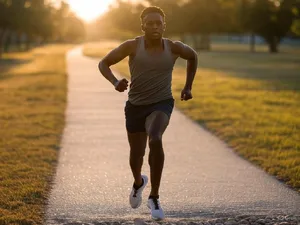
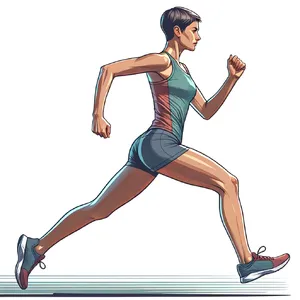
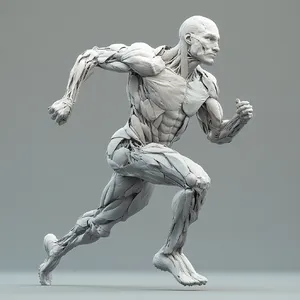
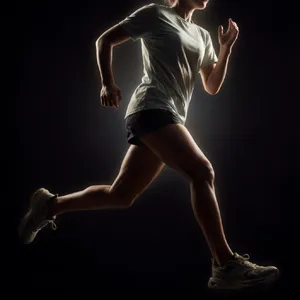
A runner mid-stride
Muse Image is the highest-category-rated model with a 9/10 running example. Its forest runner balances exertion, anatomical clarity, and environmental motion.
MiniMax-H3-Image also scores 9/10 overall, with 10 realism/coherence for its track runner. Seedream 5.5, 1128 Elo, and FLUX.2 Max provide further 9/10 examples with natural profile running and a convincing sprint phase.
Avoid: exaggerated bodybuilding language when the goal is realistic running. Request natural muscle tension, complete head-to-toe framing, and a sharp athlete against restrained background motion.
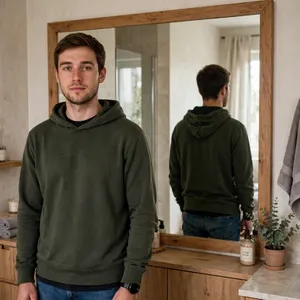
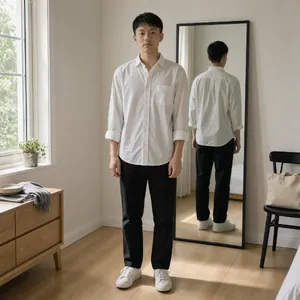
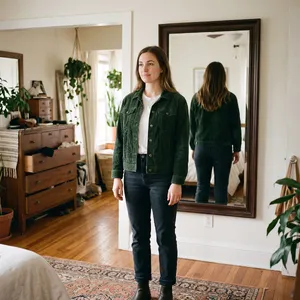
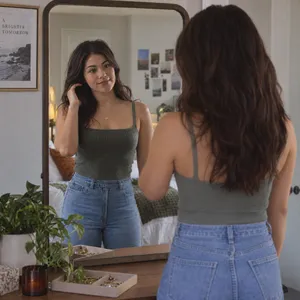
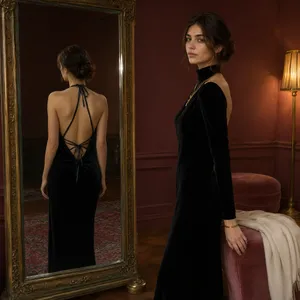
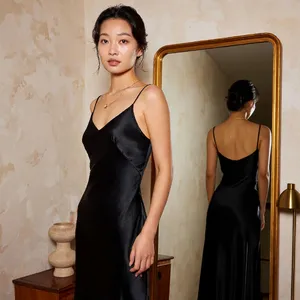
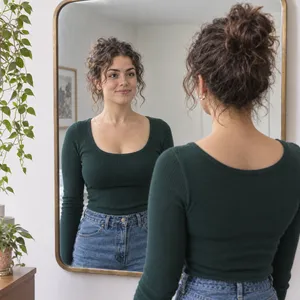
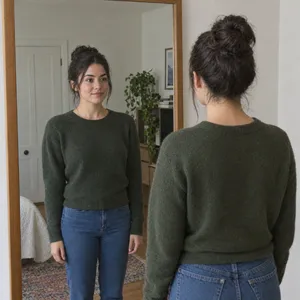
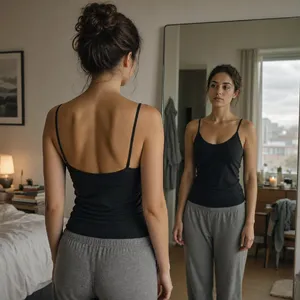
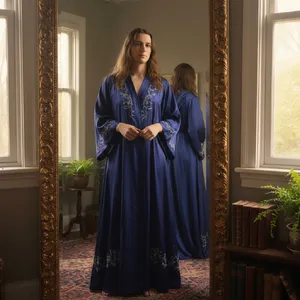
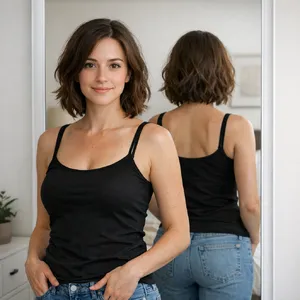
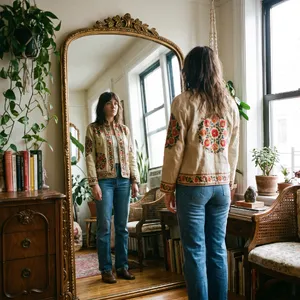
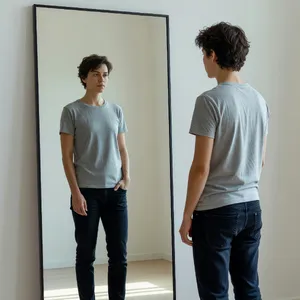
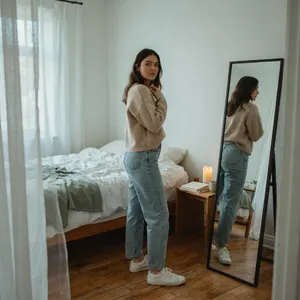
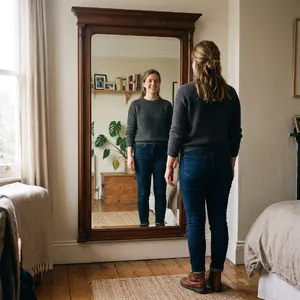
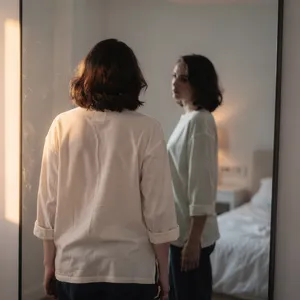
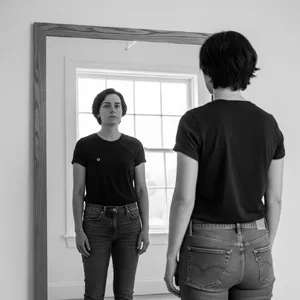
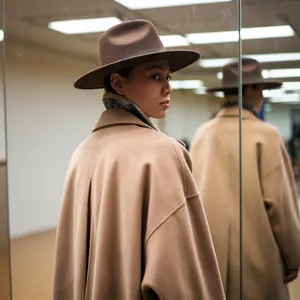
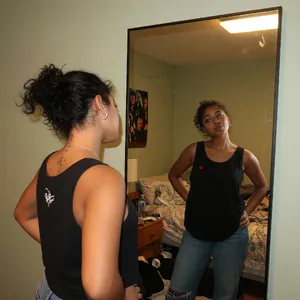
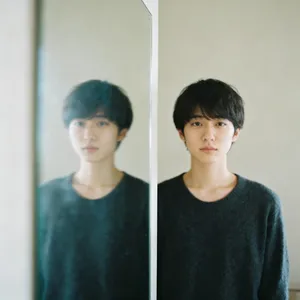
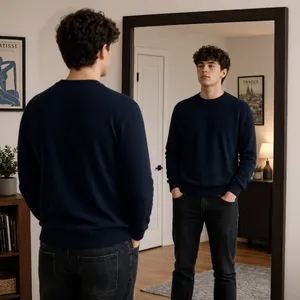
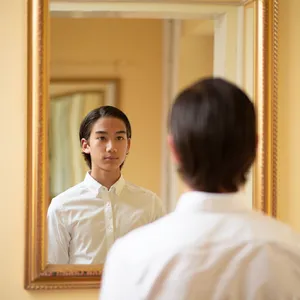
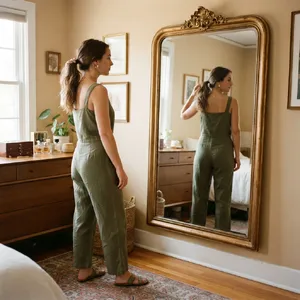
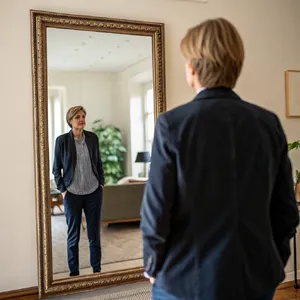
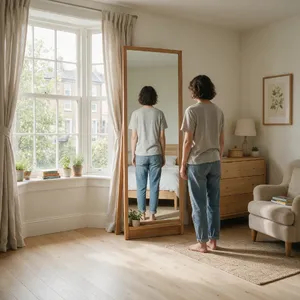
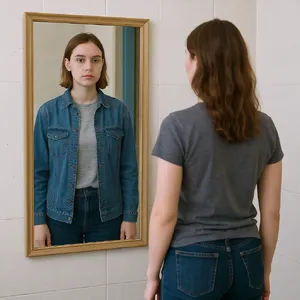
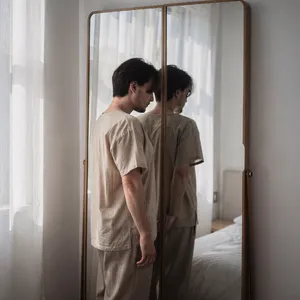
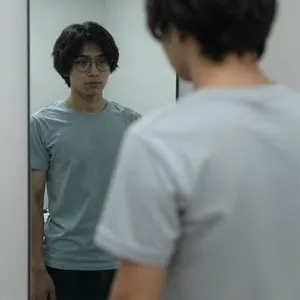
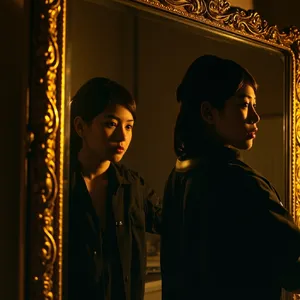
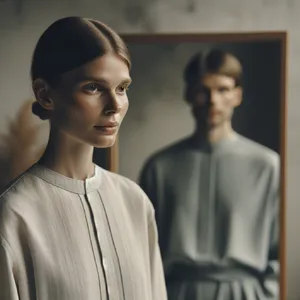
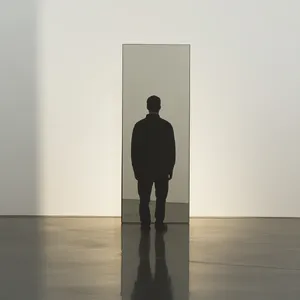
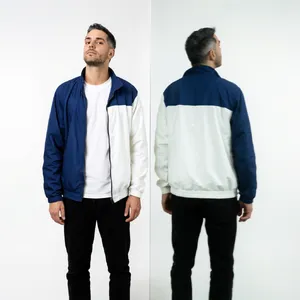
Front/back reflection consistency
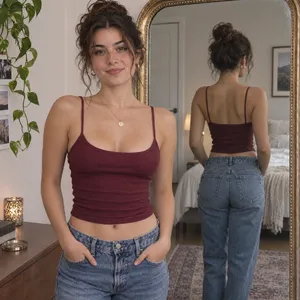
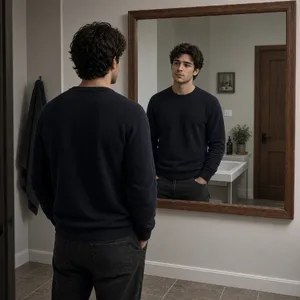
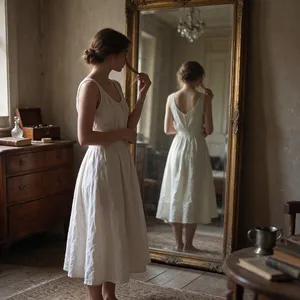
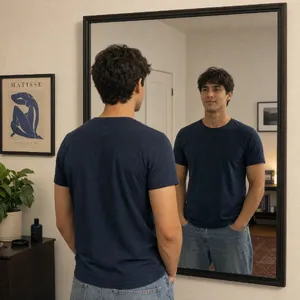
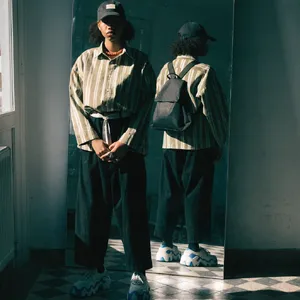
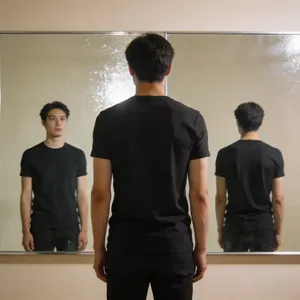
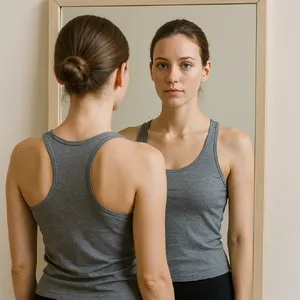
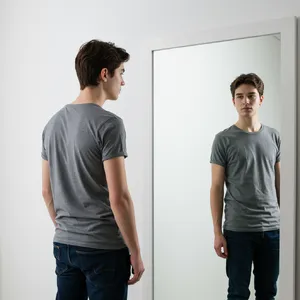
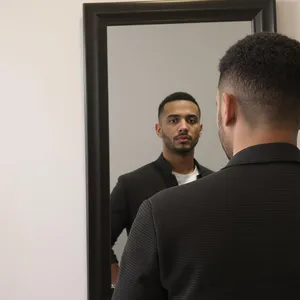
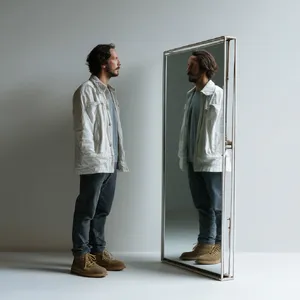
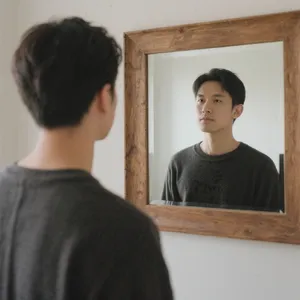
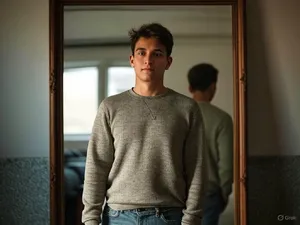
A person with their front and reflected back visible
Strong literal examples come from FLUX 3 Image, MiniMax-H3-Image, and GPT Image 1.5, each scoring 9/10.
The FLUX 3 Image mirror scene clearly matches sleeves, shirt hem, hairstyle, trousers, and footwear. The MiniMax-H3-Image portrait maintains dress straps, hairstyle, and arm positions across both views.
GPT Image 2.6 Sunburst and Muse Image provide strong 8/10 correctly oriented alternatives.
Critical distinction: a direct back with a reflected front can be physically correct but still be wrong for this prompt. Specify that the person faces the camera, with the mirror behind them showing their back. Then compare clothing, hair, accessories, and pose—not just the presence of two views.
Choosing for iteration speed
These are arithmetic means of the 10 recorded generation times for each listed model, not controlled benchmarks or cost estimates.
Practical recommendation: use Muse Image for fast, high-quality iteration, and test GPT Image 2.6 Sunburst when broad category performance matters more than latency. Nano Banana 2 Lite is useful for rapid drafts, but its lower category rating warrants stricter anatomical review.
Before final delivery, check counts, limb continuity, contact geometry, required visibility, and cross-view consistency. Those checks catch more consequential failures than judging sharpness alone.