Summary for Ideogram V2
Ideogram V2 is a lower-mid-tier model, achieving an Overall Elo rating of 791. While it trails significantly behind leading models like GPT Image 2.5 Sunburst (1348 Elo) and Muse Image (1299 Elo), it exhibits surprising pockets of strength that make it highly usable for specific tasks.
Key Discoveries:
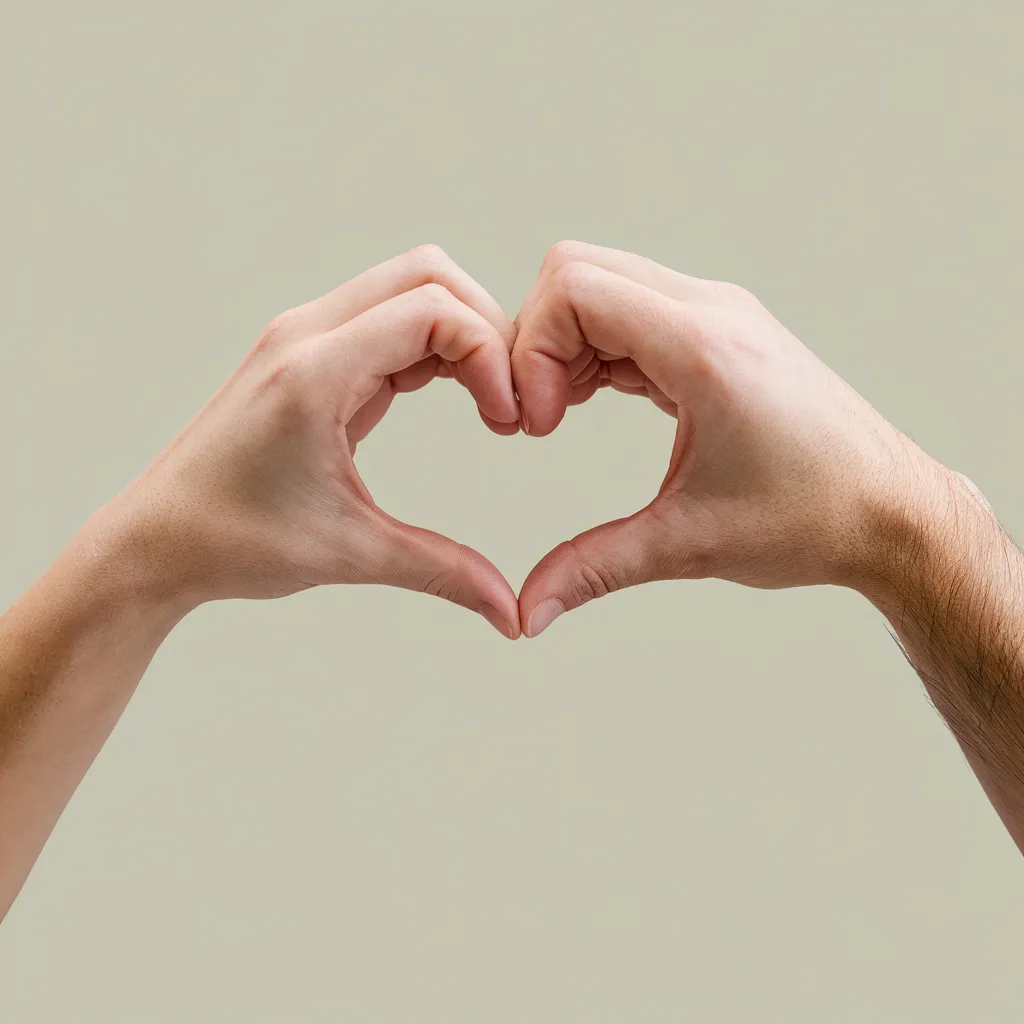
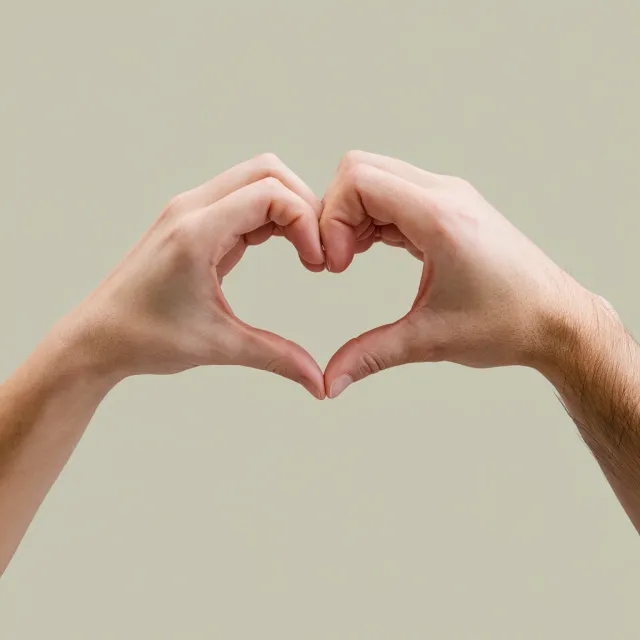
- Exceptional at Anatomy: Ideogram V2's strongest performance is in Hands & Anatomy (1003 Elo), where it outperforms its own baseline by a wide margin, rendering incredibly realistic hands and grips.
- Reliable Text Generation: It performs admirably in Text in Images (896 Elo), successfully integrating readable typography into varied scenes.
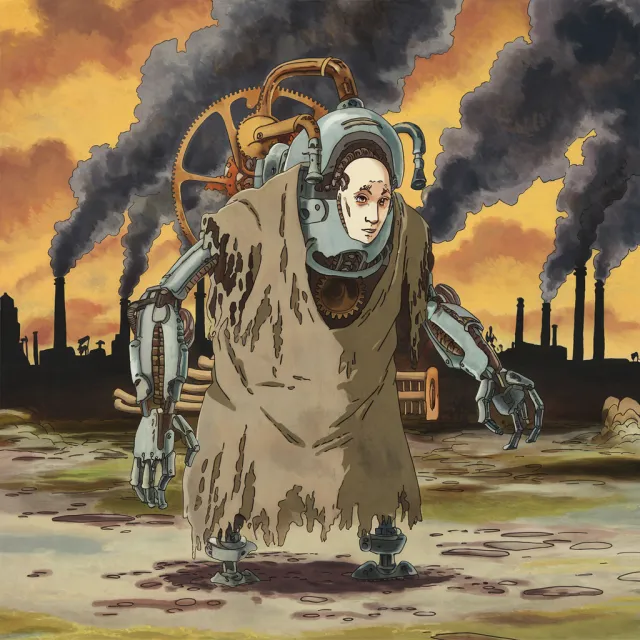
- Struggles with the Abstract: The model completely falls apart on Surreal & Creative Prompts (562 Elo) and Ultra Hard (645 Elo) tasks. It lacks the semantic flexibility to blend conflicting concepts.
- Artistic Blindspots: It ranks dead last in the Ghibli style category (463 Elo), showcasing an inability to emulate specific stylized illustration aesthetics.
Quick Takeaway: Use Ideogram V2 for close-up photography, hand modeling, and graphic design patterns. Avoid it for surreal concepts, complex multi-character scenes, and stylized anime/illustration prompts.
General Analysis & Useful Insights
Ideogram V2 presents a fascinating profile: it is highly competent at executing localized, literal details but struggles immensely with holistic scene coherence and abstract instructions.
Comparative Strengths:
- Tactile Realism: When dealing with simple, closely cropped subjects, Ideogram V2 shines. It handles material textures like fabric, wood, and skin pores with impressive fidelity. For instance, the Hand holding a red apple produced a stunningly clear Generation that scored a 9/10, showcasing flawless digit placement and glossy skin highlights.
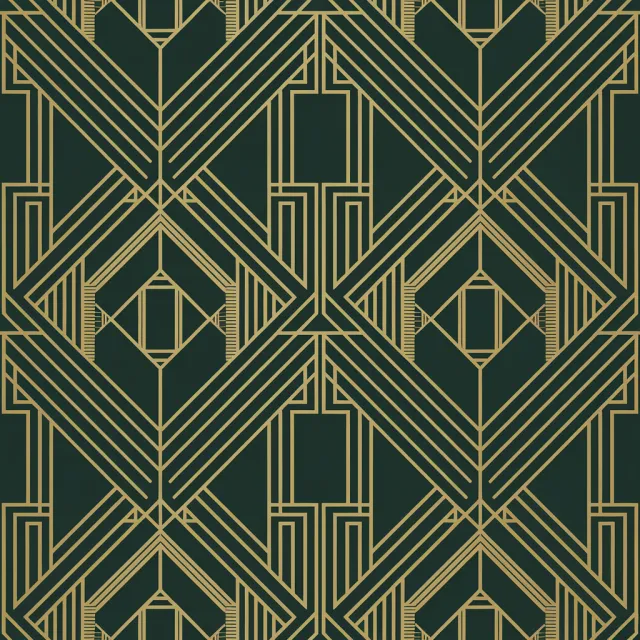
- Graphic & Pattern Precision: The model demonstrates robust structural logic when generating patterns. It scored a massive 9/10 on the Seamless geometric pattern, producing an exceptionally clean Art Deco Design with near-perfect repeating geometry.
Common Failure Modes:
- Literal Rigidity: Ideogram V2 struggles when asked to break reality. When prompted with Astronaut ridden by a horse, it stubbornly drew an Astronaut riding a horse, unable to process the absurd reversal.
- Spatial Crowding: In Complex Scenes, the model frequently creates claustrophobic or tangled compositions. Subjects in the background often melt into generic shapes or suffer from severe anatomical distortion, as seen in the Bustling market scene Generation.
- Overprocessed Details: While the model renders fine details well, it often applies an aggressive 'micro-contrast' filter to human faces. This results in an overprocessed, harsh, or slightly "crunchy" look, which hurt its score on the Elderly woman portrait Generation.
Correlations Between Prompts and Performance:
Ideogram V2 performs best when the prompt dictates a single subject in a standard studio or shallow-depth-of-field environment. It falters predictably when the prompt demands multiple distinct actions happening simultaneously, or when it requires marrying an artistic medium (like watercolor) with a non-standard subject.
Best Model Analysis by Use Case
Based on the Elo ratings and evaluator notes, here is how to best utilize Ideogram V2 across different categories:
Photorealistic Portraits & Anatomy (Highly Recommended)
Ideogram V2 is surprisingly adept at human anatomy, particularly hands. With a 1003 Elo in Hands & Anatomy and 952 Elo in Photorealistic People & Portraits, it is a reliable choice for standard photography.
Graphic Design & Text (Recommended)
The model holds its own in Graphic Design (832 Elo) and Text in Images (896 Elo).
- Where it excels: Vector-style icons, seamless patterns, and readable typography. It effectively generated the Water conservation icon Generation.
- Limitations: It can sometimes overpower delicate designs with overly bold text, so it's better suited for clean, geometric logos rather than elegant, nuanced layouts.
Architecture & Interiors (Use with Caution)
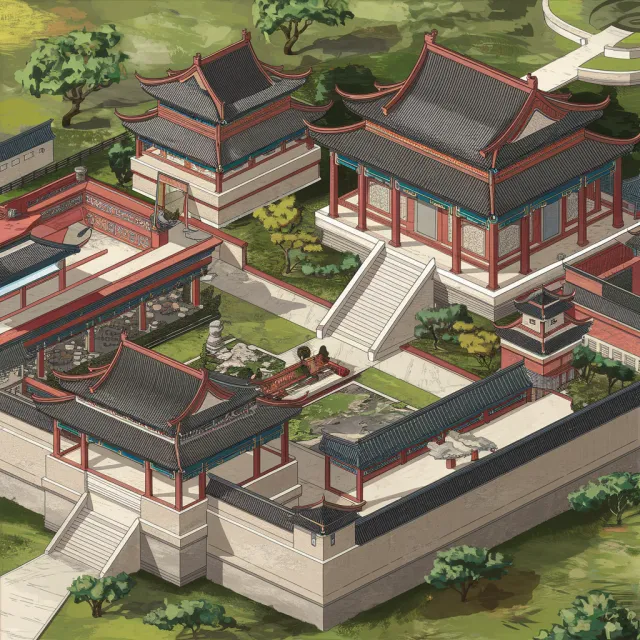
With a 645 Elo in Architecture & Interiors, the model is capable but inconsistent.
- Where it excels: It renders materials like concrete, steel, and wood decently well.
- Limitations: It frequently misinterprets historical context. For example, it ruined an Ancient Roman bathhouse prompt by adding modern glass lanterns and dark wooden beams Generation.
Surreal, Anime, and Stylized Art (Avoid)
Ideogram V2 should not be used for prompts requiring deep imagination or specific artistic mimicry.
- Surreal Prompts: It failed the Avocado armchair prompt by simply drawing an olive-green chair Generation, entirely missing the creative transformation.
- Ghibli Style: With a dismal 463 Elo in Ghibli style, it fails to capture the fluid watercolor magic of Studio Ghibli. On the Ghibli bathhouse prompt, it generated a generic haunted room with muddy, poorly integrated ghosts Generation.
- Alternative: For these use cases, users should strongly consider top-tier artistic models like GPT Image 2.5 Sunburst or Muse Image.