Performance by Category and Use Case
The positions below use category Elo, with ties retained. The 1–10 averages describe completed images only. Each category contains 45 listed models; small Elo gaps should not be overinterpreted.
Strongest recommendation: narrative anime and cartoon illustration
This is Seedream 5.5’s clearest competitive specialty. Its 1337 Elo is close to the category-leading 1362 Elo.
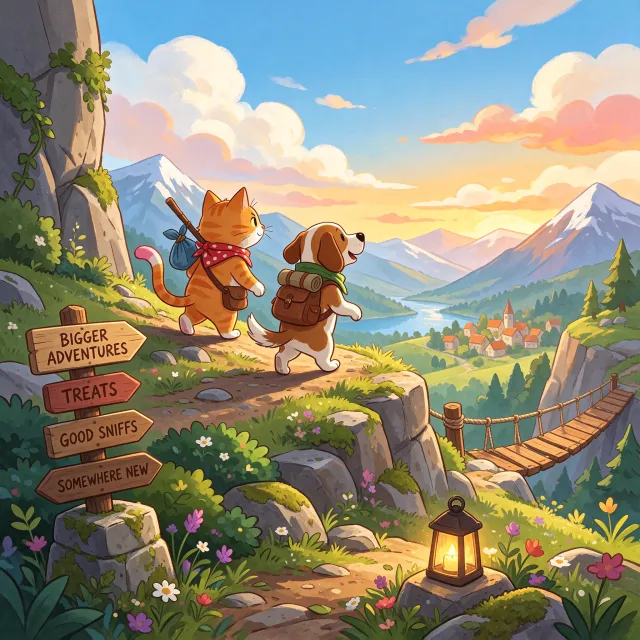
The samurai beneath cherry blossoms and cat-and-dog adventure both receive 10/10 overall. Their strengths go beyond decorative detail: poses, palette, environmental scale, and visual hierarchy work together. The sleeping chibi dragon receives 9/10, with especially strong material variety and storytelling props.
Use for: Storybook scenes, character-led fantasy, richly developed backgrounds, and polished illustration concepts.
Be cautious with: Exact period styling and fine object interactions. The 90s anime space battle looks more modern than requested, while the ramen-shop scene has weaker hand and utensil construction. Both receive 6/10. Also budget for the category’s observed refusal rate.
Recommended: naturalistic portraits and emotional close-ups
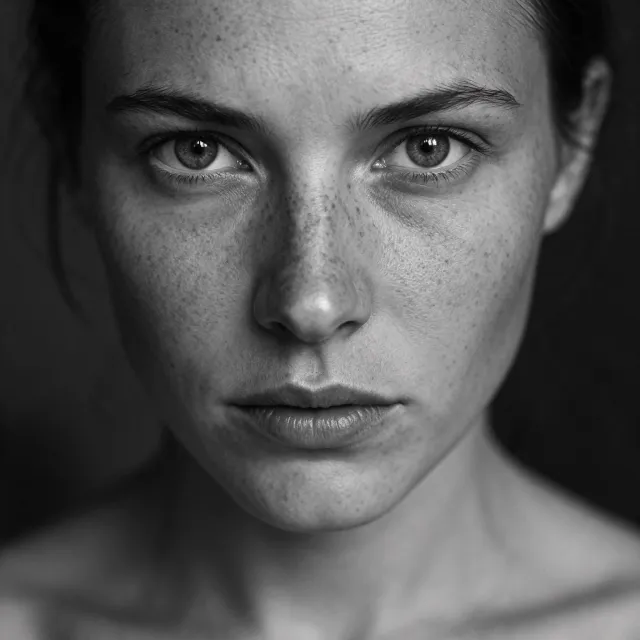
Portraits combine 1185 Elo with 9.0/10 average realism, making photographic authenticity a major strength even though overall category leadership lies elsewhere.
The upward-looking toddler receives 9/10 overall, and the tearful smiling bride receives 8/10, with restrained emotional expression rather than exaggerated effects.
Use for: Editorial-style portraits, intimate character studies, age-specific faces, and candid-looking people imagery.
Require checking: Accessories, unusual optical effects, and fine markings. The elderly woman with landscape-reflecting bifocals receives only 5/10 for adherence: the portrait is believable, but the requested reflections and bifocal definition are underdeveloped.
Recommended with style review: warm, hand-painted fantasy
The successful Ghibli-category outputs demonstrate strong atmosphere and environmental storytelling, but general thematic resemblance is more reliable than exact film-specific styling.
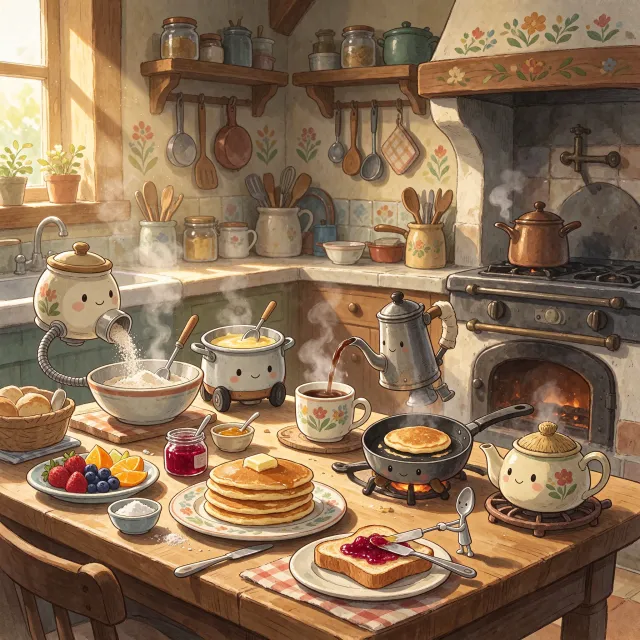
The magical breakfast kitchen and flying castle at sunrise both receive 9/10 overall. The kitchen is particularly successful because the magical implements perform understandable cooking actions rather than simply floating decoratively.
Use for: Cozy fantasy environments, inhabited magical worlds, domestic storytelling, and gentle nature scenes.
Avoid relying on: Exact stylistic replication or guaranteed completion. Some outputs move toward watercolor picture-book illustration or contemporary dimensional fantasy.
Conditional recommendation: architectural visualization
The category’s 1249 Elo masks a large gap between attractive visualization and architectural specificity.
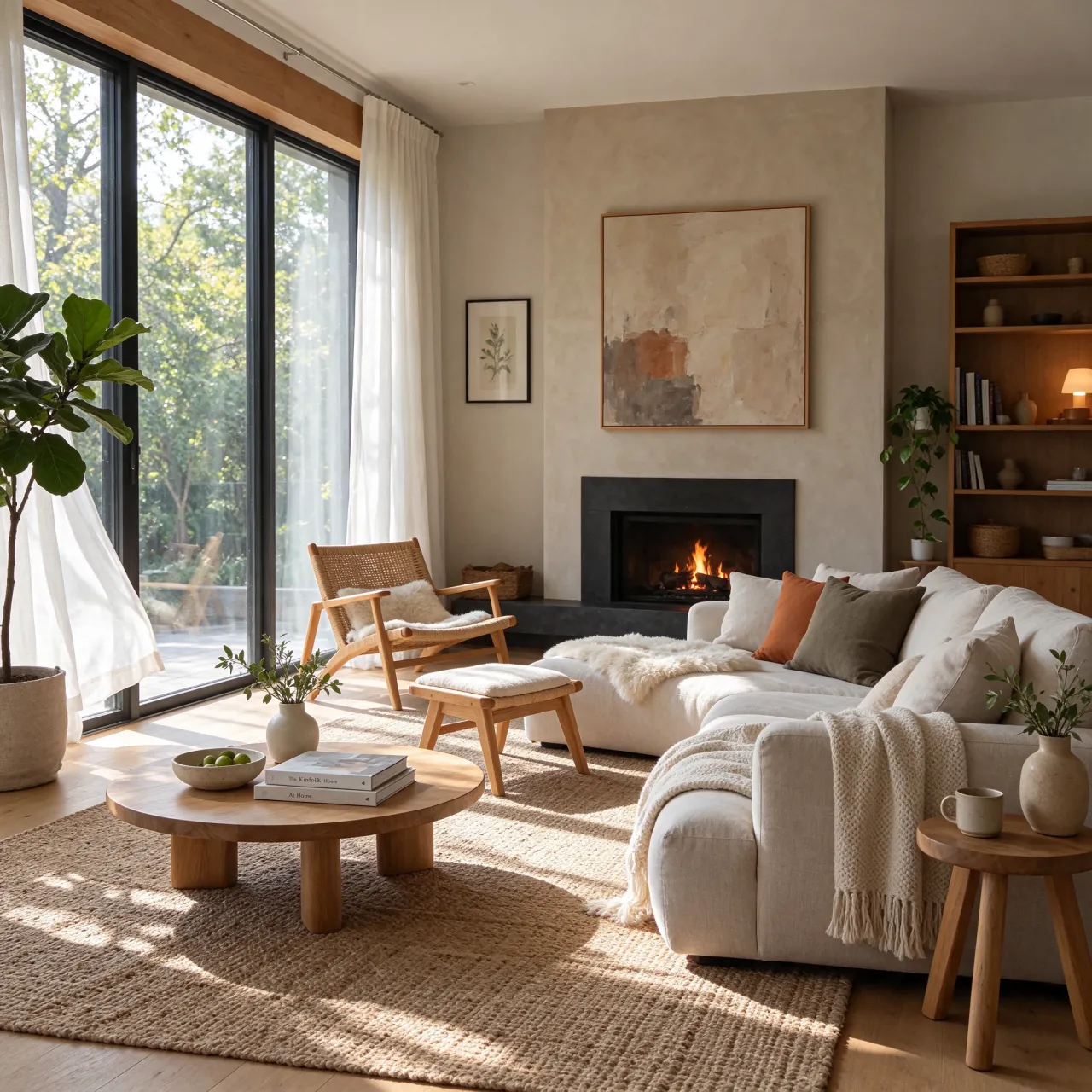
The Scandinavian living room receives 10/10 overall, with convincing material differentiation, exposure, furniture construction, and reflections. The Roman bathhouse receives 9/10, while the underground bunker cutaway receives 8/10 with richly differentiated functional spaces.
Use for: Interior mood imagery, materials exploration, atmospheric architectural concepts, and presentation visuals.
Avoid as an unchecked technical source: The machiya cutaway receives 5/10 because its attractive construction departs from the requested building typology. The glass skybridge also receives 5/10 because its opaque carpet replaces the required transparent floor. Engineering, circulation, historical accuracy, and explicit construction requirements need independent review.
Conditional recommendation: simple anatomy and readable actions
Hands & Anatomy reaches 1128 Elo, but performance depends strongly on pose complexity and visibility.
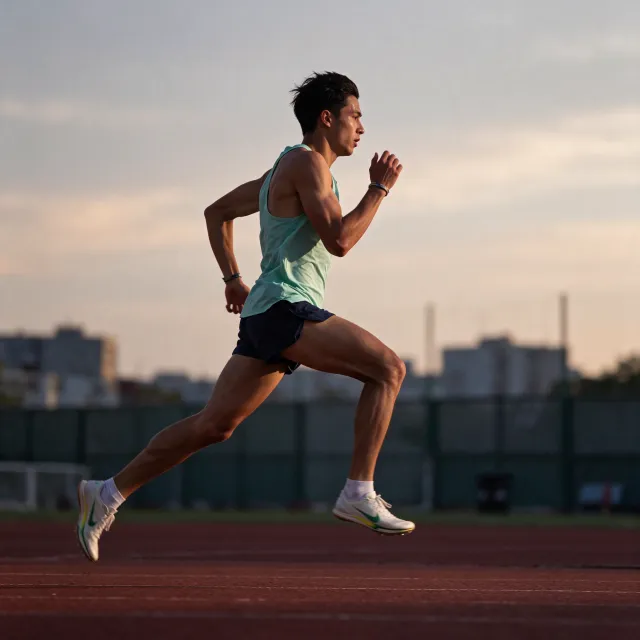
The hands forming a heart and runner mid-stride both receive 9/10. The laptop typing scene receives 8/10, with credible hand contact and lighting.
Use for: Familiar gestures, straightforward object handling, and clearly silhouetted movement.
Avoid without close inspection: Entangled limbs, crowded contact points, or requirements that every finger remain visible. The hand holding an apple is physically plausible but conceals requested fingers. The five-person hand-holding circle substitutes six people holding a rope.
Conditional recommendation: decorative graphics, not minimalist production assets
Graphic Design scores 1074 Elo. Technical quality averages 8.0/10, but adherence averages 6.7/10.
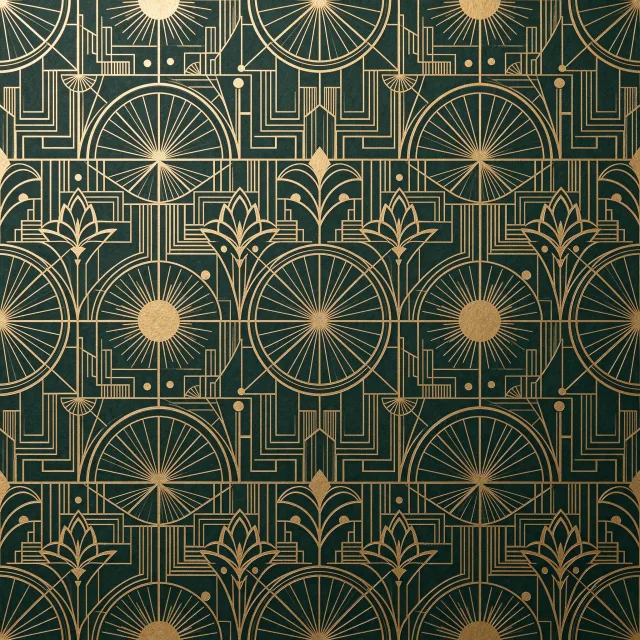
The gold-and-emerald Art Deco pattern receives 9/10 and is a strong decorative-design example. The plant-vine GROWTH lettering receives 7/10, with good conceptual integration but crowded dark crossings.
Use for: Ornamental pattern concepts, expressive lettering, and illustration-rich brand exploration.
Avoid for unattended delivery: Strictly flat icons, minimal logos, compact infographic symbols, and tightly standardized icon families. The water-conservation droplet icon becomes an elaborate environmental illustration and receives 5/10.
Verify pattern edges through actual tiling. Vector-like appearance does not establish editable vector output, and small-format designs need testing at their intended size.
Conditional recommendation: short, prominent text
Text in Images is a comparatively weaker category at 1037 Elo. Nevertheless, spelling a short focal message can work well.
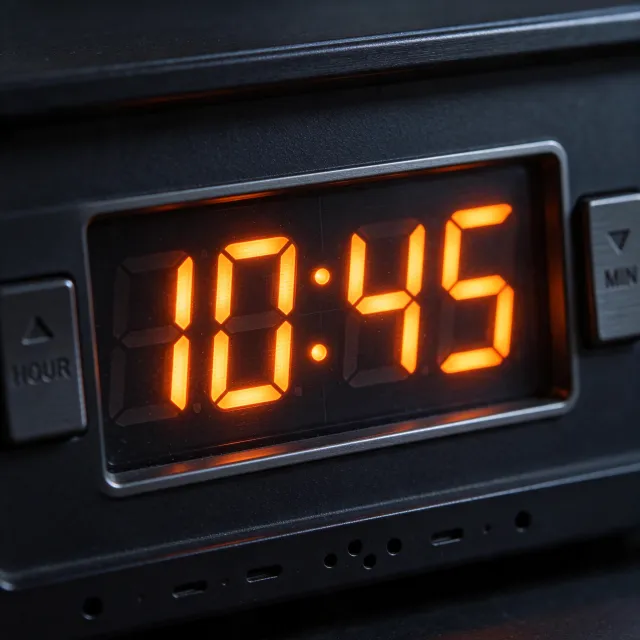
The 10:45 LED clock receives 9/10, and the Open 24/7 storefront receives 8/10. Problems more often involve layout, contrast, geometry, or unrequested content than complete failure to render the main words.
Use for: Short signs, prominent titles, and isolated numeric displays, followed by proofreading.
Avoid for: Final editorial layouts, dense copy, or technical text without external correction. In the printed T-shirt on a mannequin, correct typography cannot rescue the incoherent human/mannequin construction.
Poor fit for unattended use: many simultaneous activities
Complex Scenes averages 6.0/10, and none of its ten outputs exceeds 7/10.
The classroom with individually different activities is highly photographic but largely repeats reading and writing, producing an adherence score of 4/10. The multi-activity beach omits a visible volleyball and receives 5/10 overall.
Use for: Documentary mood and a dominant central interaction.
Avoid for: Scenes where every participant must perform a distinct job, all requested actions must be auditable, or small props establish the narrative.
Poor fit for exact transformations and relational puzzles
Surreal & Creative Prompts reaches 1112 Elo, with 6.3/10 adherence. It handles magical settings more reliably than precise fusion or replacement.
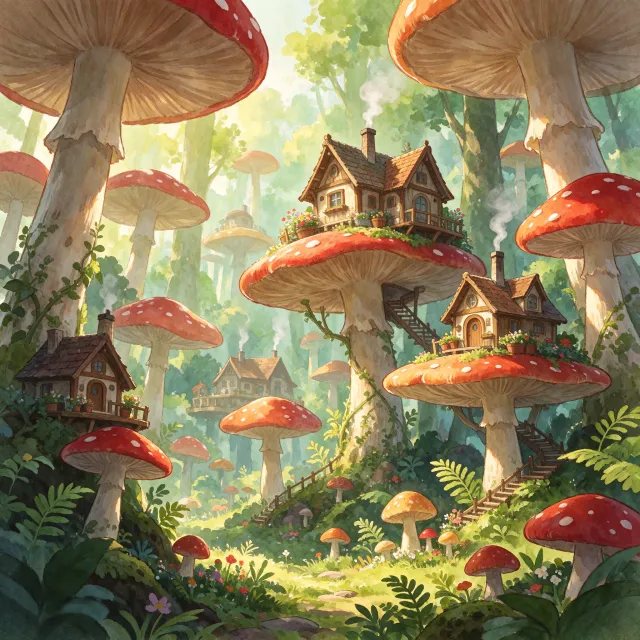
The mushroom-house forest receives 8/10, but the snail with a city inside its shell receives 5/10 because the city occupies a separate bowl-like addition rather than an integrated shell.
Ultra Hard shows the sharpest imbalance: 8.4/10 technical quality versus 5.6/10 adherence. Reversal, identity preservation, recursion, hardware authenticity, and exact style constraints remain risky.
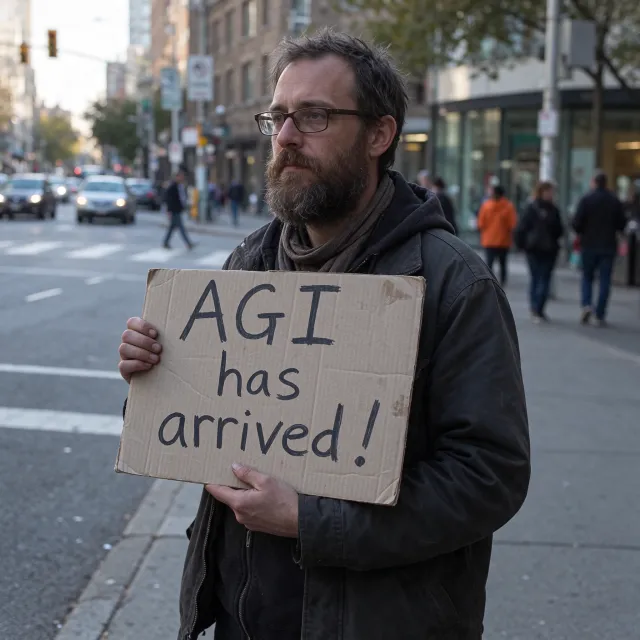
There are useful exceptions. The ASL thank-you portrait and AGI has arrived sign both receive 9/10. The former still needs expert review for instructional use because a static image cannot verify the gesture’s movement. The university AI lecture receives 8/10, but its readable board contains mathematical inconsistencies.
Practical workflow
- List non-negotiable constraints first: subject count, accessories, exact wording, materials, and who performs each action.
- Constrain unnecessary additions: specify no extra slogans, scenery, props, or dimensional shading when restraint matters.
- Request inspectable staging: clear silhouettes, visible contact points, and sufficient depth of field for every essential activity.
- Review meaning before polish: check relationships and omissions before judging texture or atmosphere. Use domain review for equations, sign language, historical hardware, and technical architecture.
Bottom line: Seedream 5.5 is a strong rendering and illustration option, especially for anime storytelling and photographic people. It is less dependable when success hinges on exact relationships, strict simplicity, or independently verifiable technical detail.