Summary for DALL-E 3
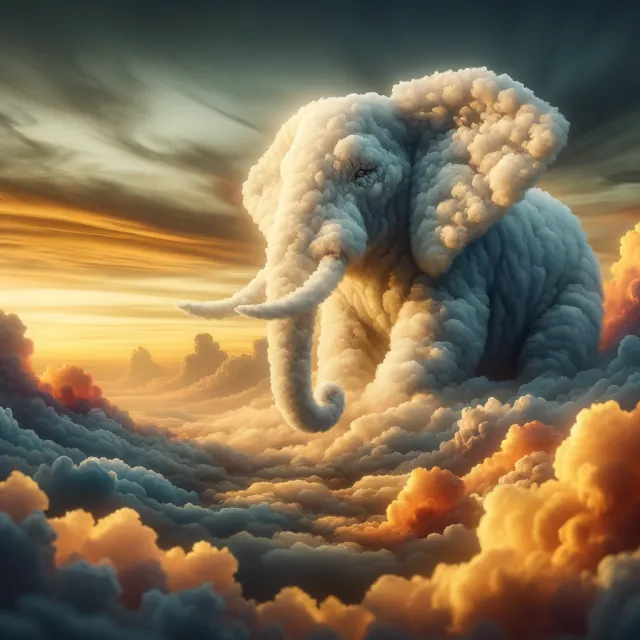
DALL-E 3 emerges from this evaluation as a model with a very distinct "house style"—it is fundamentally an illustrative, highly stylized generator. With an overall Elo rating of 780, it currently sits in the lower-tier compared to the newest cutting-edge models in the competitive landscape.
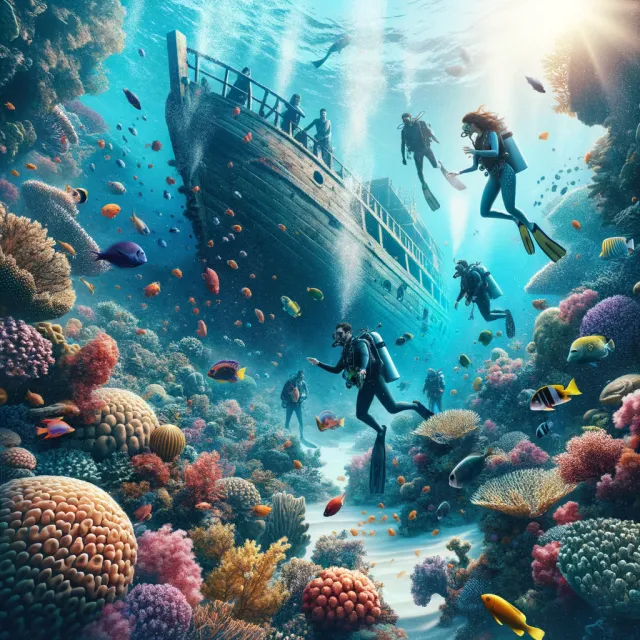
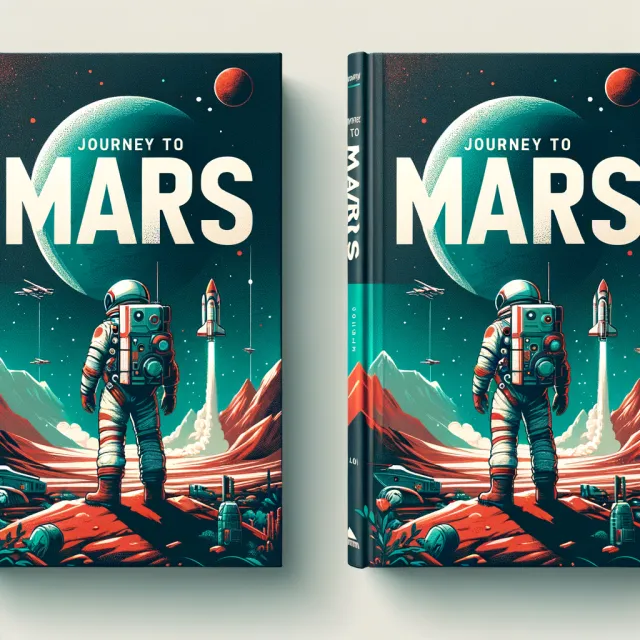
While it struggles profoundly with photorealism and fine anatomical details, it shines brightly when tasked with graphic design, stylized illustrations, and vibrant, colorful compositions.
Key Discoveries
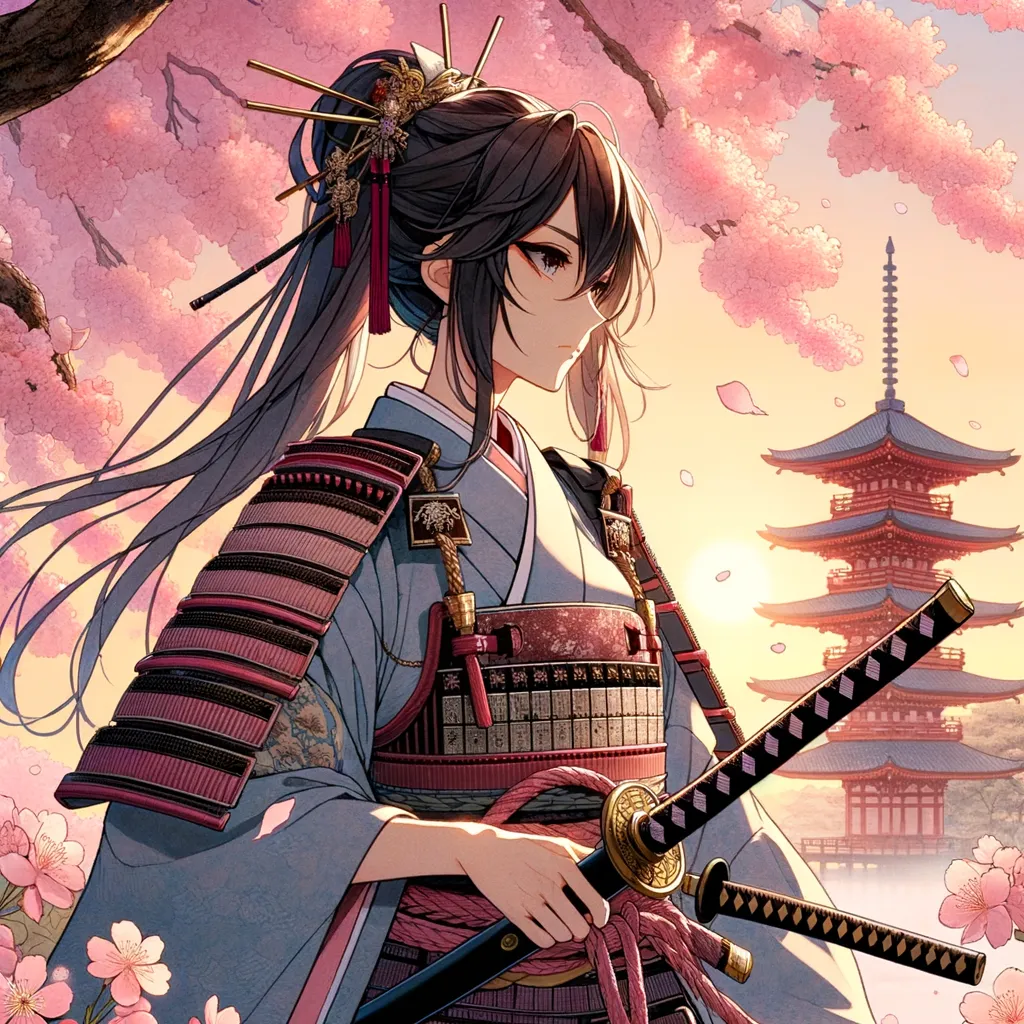
- The Master of Illustration: DALL-E 3 performed best in the Anime & Cartoon Style category (1089 Elo) and the Graphic Design category (955 Elo). It excels at bold colors and dramatic lighting.
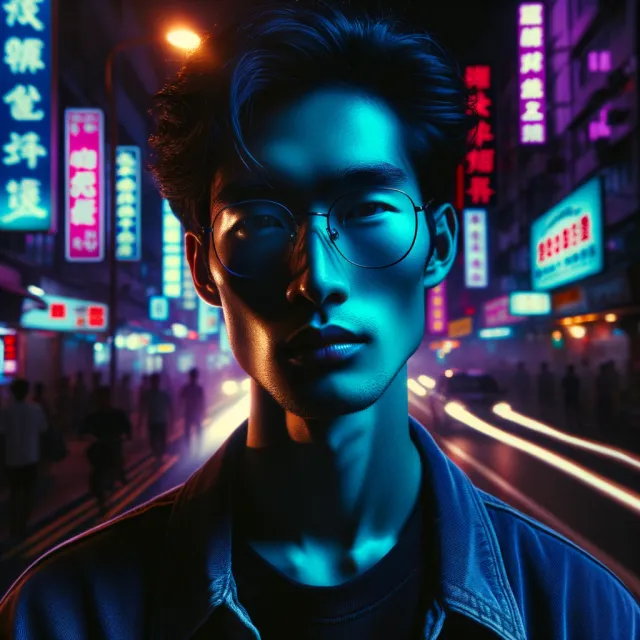
- The Photorealism Deficit: The model consistently fails to produce convincing natural photographs. Its generations in the Photorealistic People & Portraits category (652 Elo) are plagued by plastic skin, exaggerated lighting, and an unmistakable "3D render" finish.
- Text Struggles: Earning only a 501 Elo in the Text in Images category, DALL-E 3 frequently produces garbled secondary text and misspells primary words, lacking the typographic precision seen in newer models.
- The "Over-Rendering" Trend: Even when explicitly asked for minimalist designs or natural photography, DALL-E 3 tends to over-decorate, adding unnecessary flourishes, heavy shadows, and hyper-polished surfaces.
General Analysis & Useful Insights
A deep dive into DALL-E 3's performance reveals a clear dichotomy: it is an exceptional digital artist but a poor photographer.
Major Strengths
- Vibrant Artistic Cohesion: DALL-E 3 knows how to make an image "pop." It routinely scores highly in Artistic Merit because of its dramatic use of color and light. For instance, in the Anime-style samurai generation, judges praised its distinctive ornamental character and beautiful warm/cool color contrasts, earning it a 9/10 overall score.
- Compositional Drama: The model frequently uses extreme angles, deep shadows, and sweeping lines to create cinematic impact. This works beautifully for abstract concepts or stylized posters.
Common Failure Modes
- The "Plastic" Effect: DALL-E 3's biggest weakness is its inability to emulate real-world textures. Skin looks like wax, hair looks like sculpted ribbon, and lighting often looks like a studio flash. The Ultra high-resolution portrait of an elderly woman is a prime example: despite being asked for a natural-light portrait, it delivered a stylized, mannequin-like render.
- Anatomical Distortion: The model struggles heavily with human hands and limbs, placing it at a low 720 Elo in Hands & Anatomy. Complex interactions, such as the Two people high-fiving, often devolve into bizarre proportions, merged fingers, and explosive visual artifacts that distract from the failure.
- Detail Overload (Horror Vacui): DALL-E 3 has a fear of empty space. If asked for a simple, flat vector icon like the weather app icon, it will often add unnecessary gradients, 3D highlights, and secondary elements that clutter the design.
- Poor Text Integration: While it can sometimes nail a single word, it falls apart on longer phrases. In the Fictional movie poster, the main title is correct, but the billing block and secondary reviews are complete gibberish.
Best Model Analysis by Use Case / Category
Understanding where to deploy DALL-E 3 is crucial for getting the most out of it. It should be treated as an illustrator rather than a camera.
Where DALL-E 3 Excels
- Vector Art & Graphic Design: With a strong 955 Elo in Graphic Design, this is a go-to model for logos, vectors, and digital illustrations. Generations like the Minimalist coffee brand logo showcase its ability to create clean, recognizable visual families, even if it leans a bit too heavily into ornamentation.
- Anime & Cartoon Artwork: Its absolute best category is Anime & Cartoon Style (1089 Elo). It understands the tropes of 2D art perfectly. The Magical girl character prompt resulted in a stunning, highly detailed illustration with glowing magical spheres and exceptional lace detailing.
Where to Avoid DALL-E 3
- Photorealistic Imagery: Do not use this model if you need a believable, true-to-life photograph. In the Photorealistic People & Portraits category, it ranked at the bottom. It turns prompts like a Professional businesswoman headshot into a glassy-eyed digital avatar.
- Typography & Branding: Due to its 501 Elo in Text in Images, DALL-E 3 should not be relied upon for exact typographic layouts, UI mockups, or complex signs. The Magazine cover completely failed to spell "Innovations," rendering it unusable for professional editorial mockups.
- Specific Stylistic Mimicry (Ghibli/Vintage): DALL-E 3 has a hard time turning off its default "modern 3D" look. When asked to mimic traditional 2D Studio Ghibli aesthetics in the Ghibli style category, it frequently defaulted to heavily engraved, volumetric 3D fantasy art, entirely missing the soft, hand-drawn warmth of the prompt.