Recommendations by Use Case
The shortlists below use category Elo as the ranking anchor and individual generations as task-fit evidence. They are not separate rankings calculated from single-image scores.
1. Minimalist brand identities
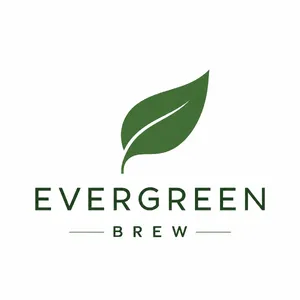
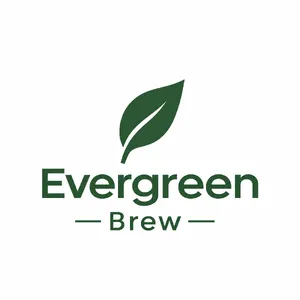
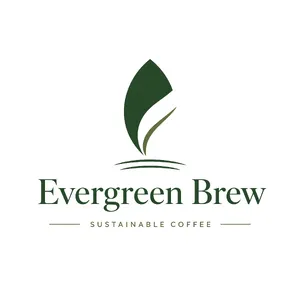
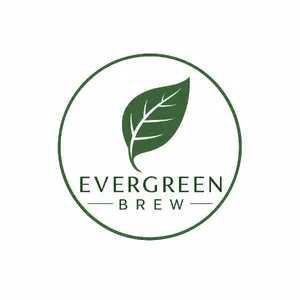
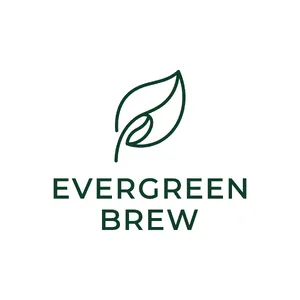
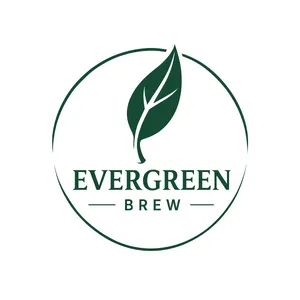
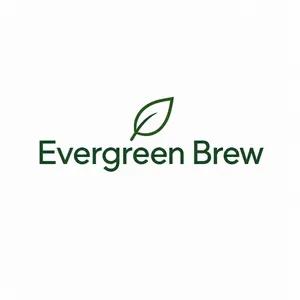
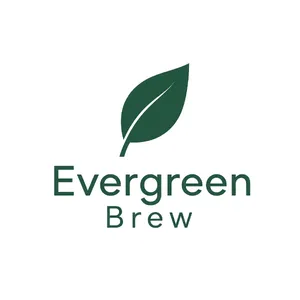
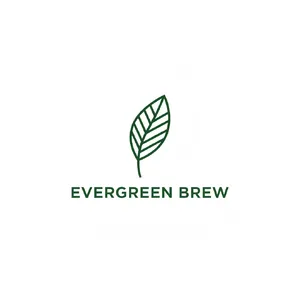
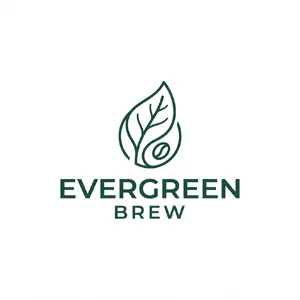
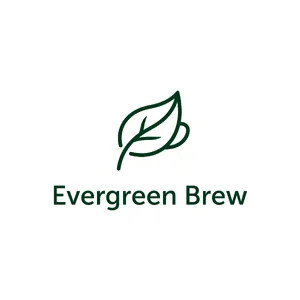
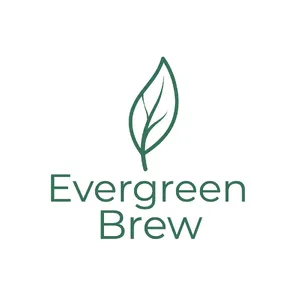
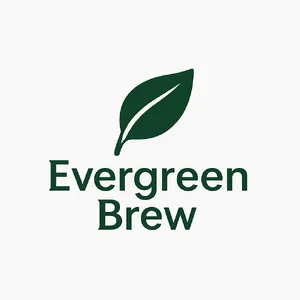
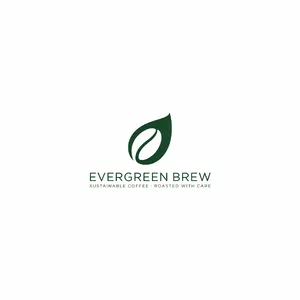
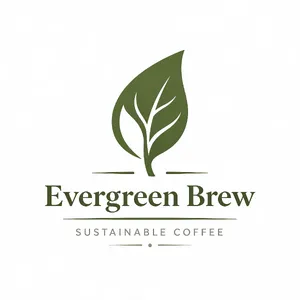
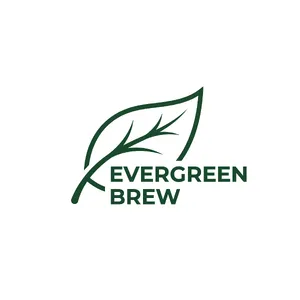
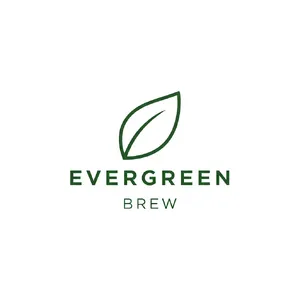
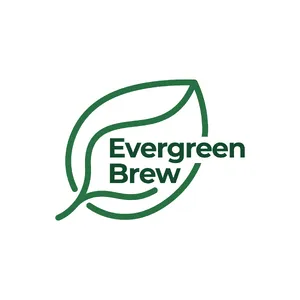
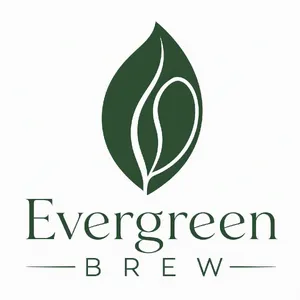
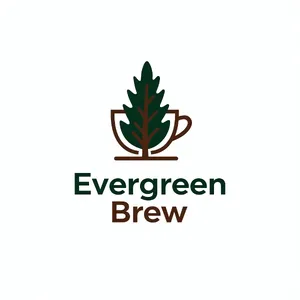
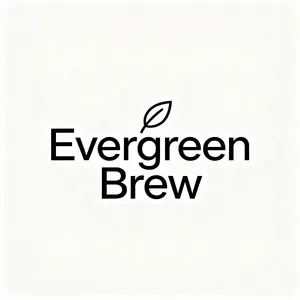
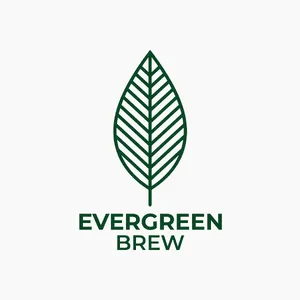
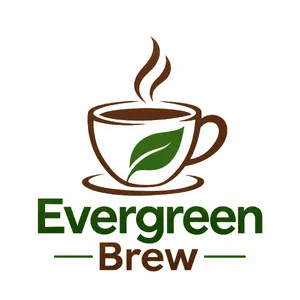
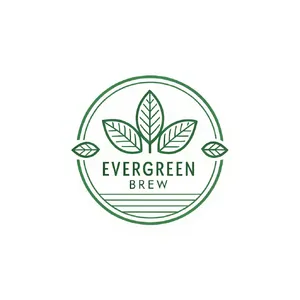
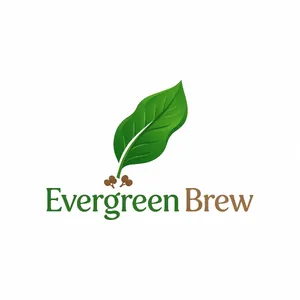
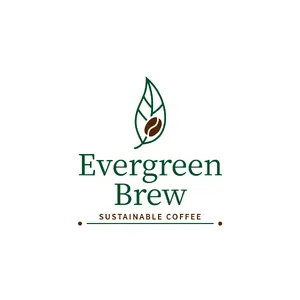
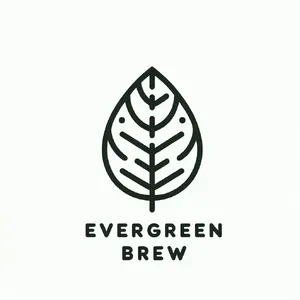
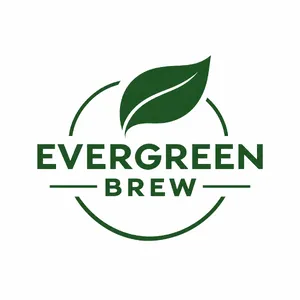
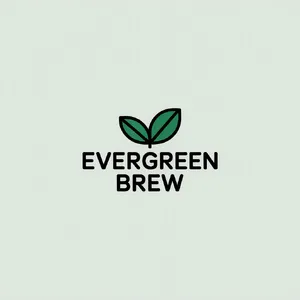
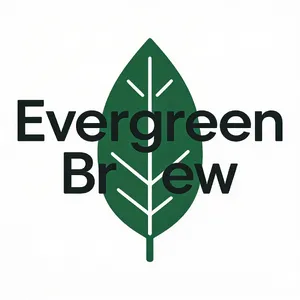
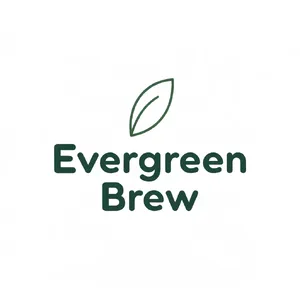
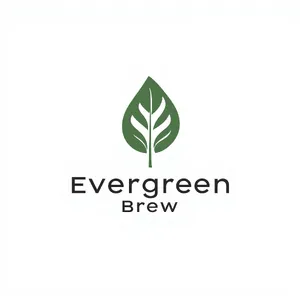
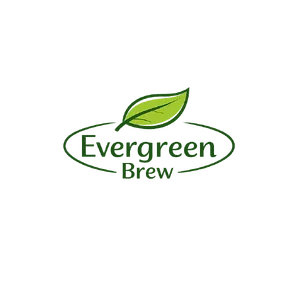
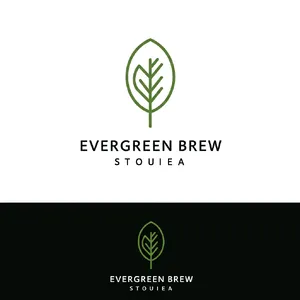
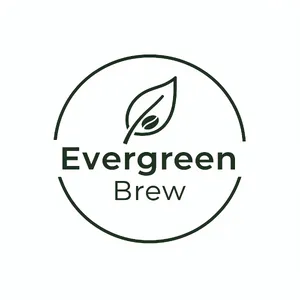
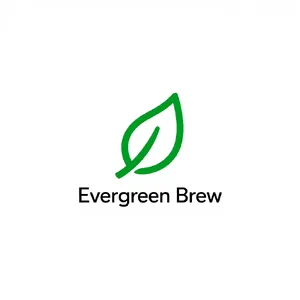
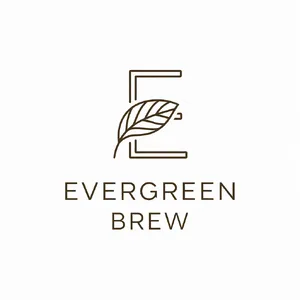
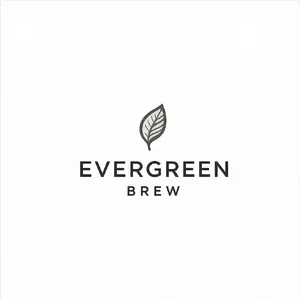
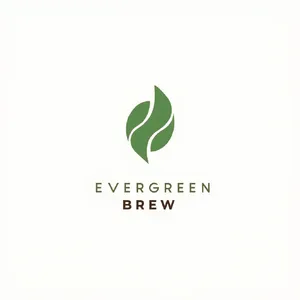
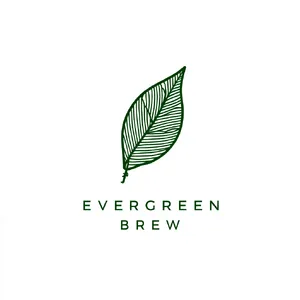
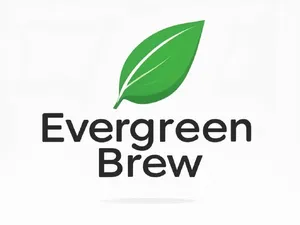
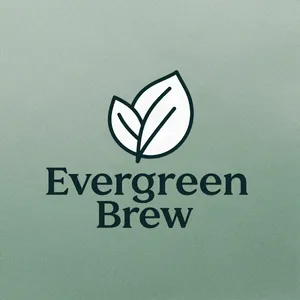
Brief: Evergreen Brew single-leaf logo
Start with GPT Image 2.5 Sunburst, 1261 Elo. Its Evergreen Brew logo combines accurate text, one unmistakable leaf, controlled spacing, and a restrained palette.
Useful targeted alternatives include:
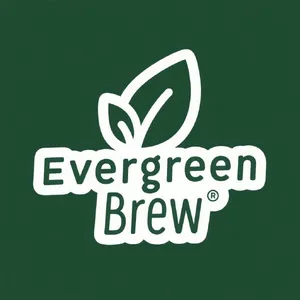
- Qwen-Image-3.0-Pro, 1168 Elo, for a straightforward, compact identity. Its logo avoids extra slogans and decorative imagery.
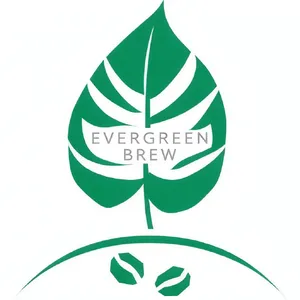
- Ideogram 4.0 (Quality), 1076 Elo, for conceptual exploration. Its leaf/coffee-bean hybrid connects sustainability to coffee effectively, although the unrequested tagline should be removed for strict compliance.
Production priority: inspect icon-to-wordmark balance and test whether the smallest vein survives reduction.
2. Angular technology logos with embedded text
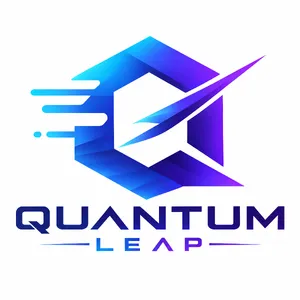
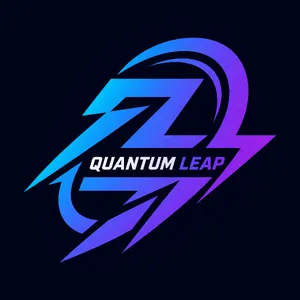
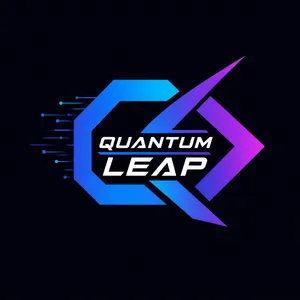
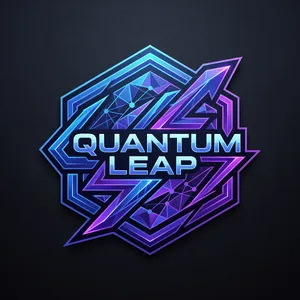
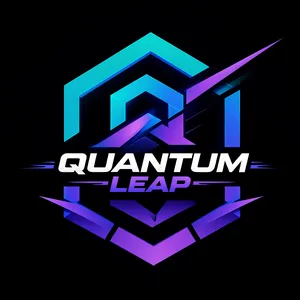
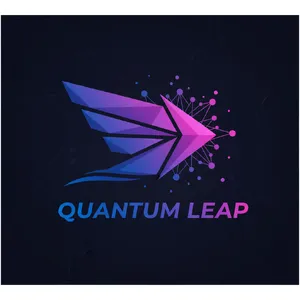
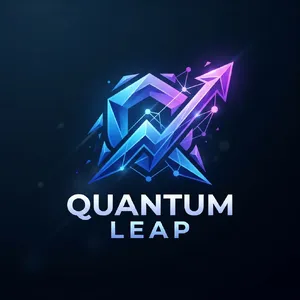
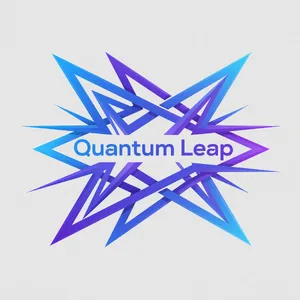
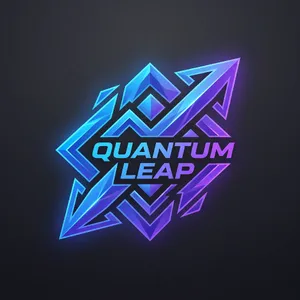
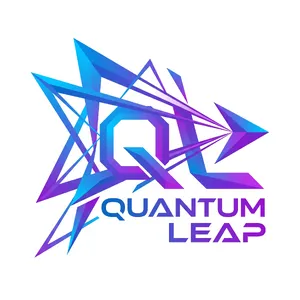
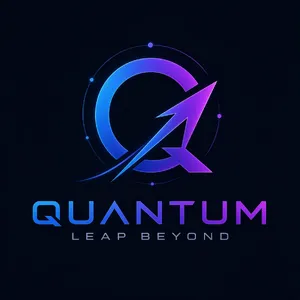
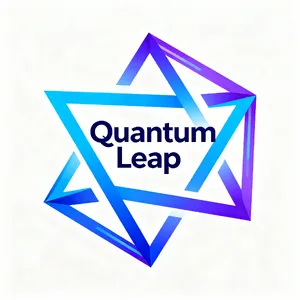
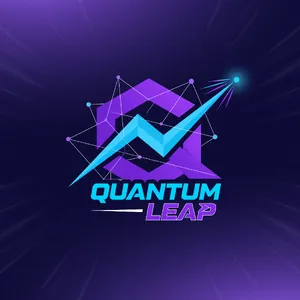
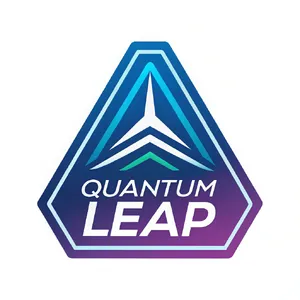
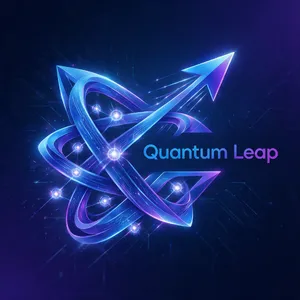
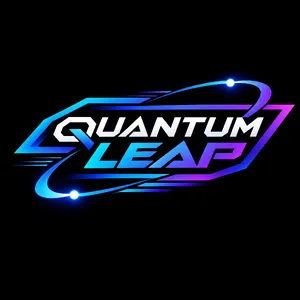
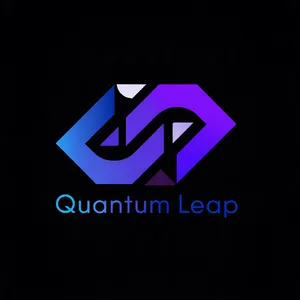
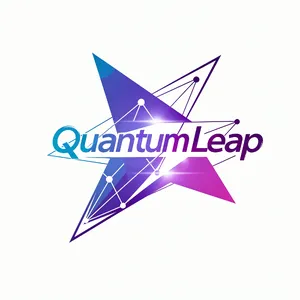
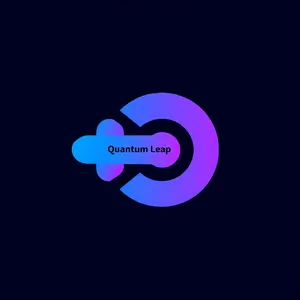
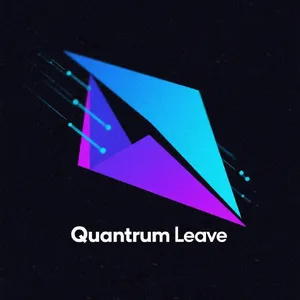
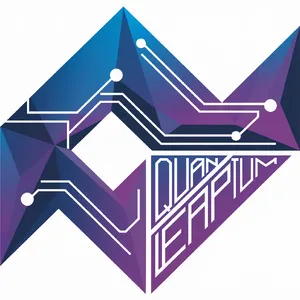
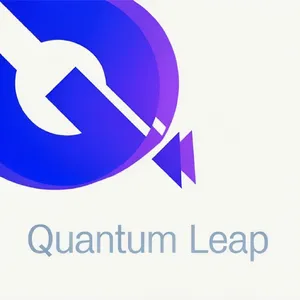
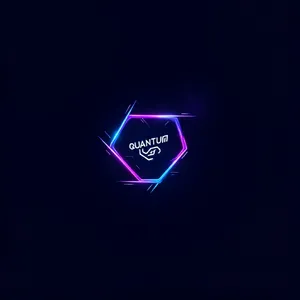
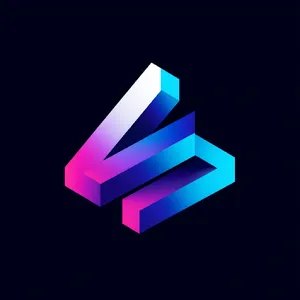
Brief: Quantum Leap geometric logo
Shortlist GPT Image 2.5 Sunburst, 1261 Elo, and GPT Image 2, 1229 Elo.
Sunburst's faceted Q design is professionally organized and readable. GPT Image 2's integrated wordmark and circuitry addresses connection and speed explicitly without losing the company name.
Watch for: familiar arrow monograms, disconnected network decoration, and elaborate gaming-badge styling. Require a simplified small-size version; fine circuit traces are the first details likely to disappear.
3. Consistent mobile-navigation icon families
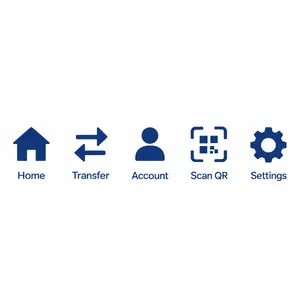
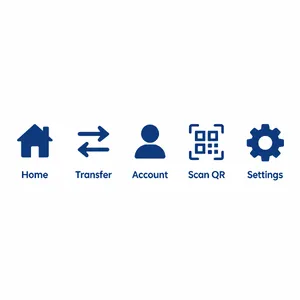
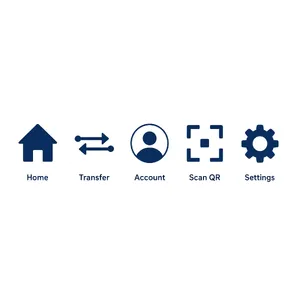
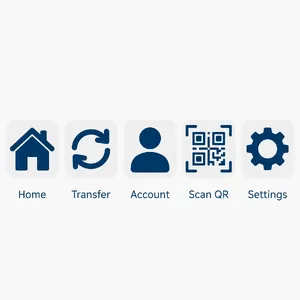
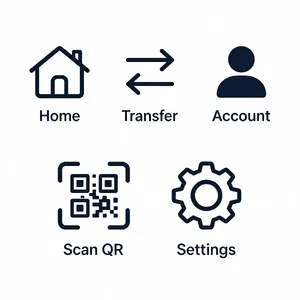
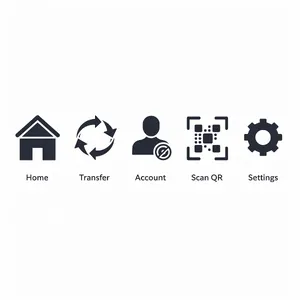
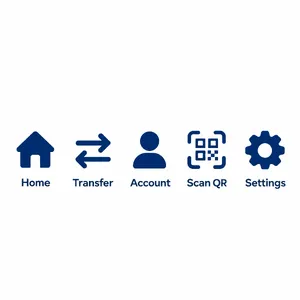
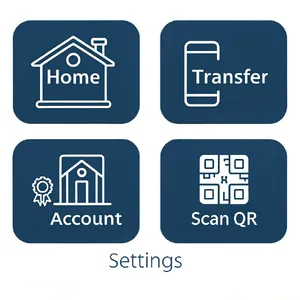
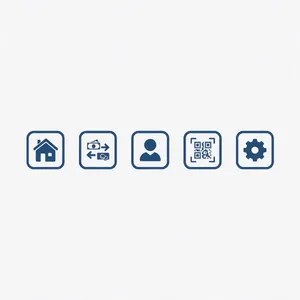
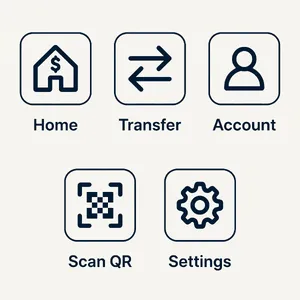
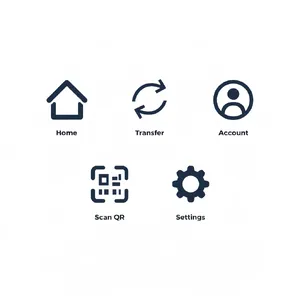
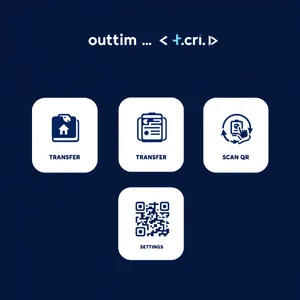
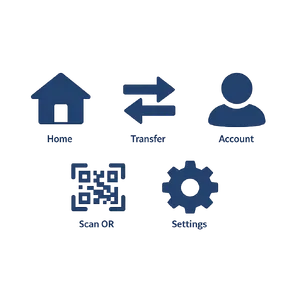
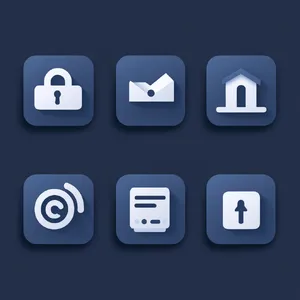
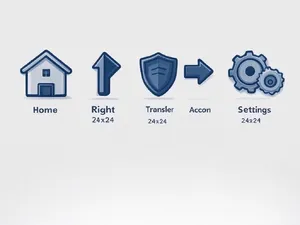
Brief: Five dark-blue banking icons
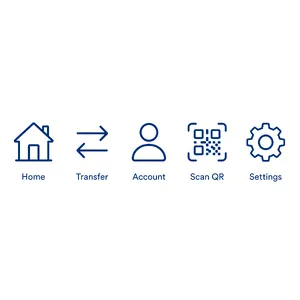
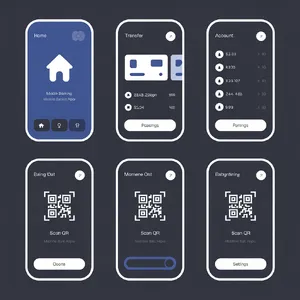
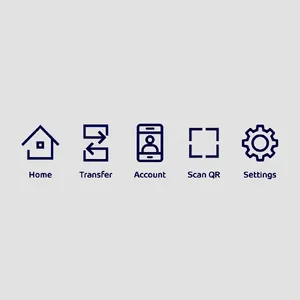
Grok Imagine 2.0, 1256 Elo, is a strong starting point. Its banking set combines exact function coverage with consistent strokes, proportions, rounded terminals, and labels.
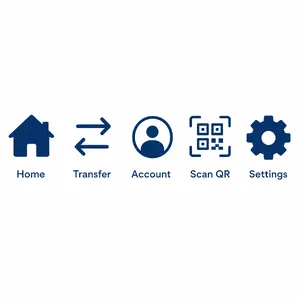
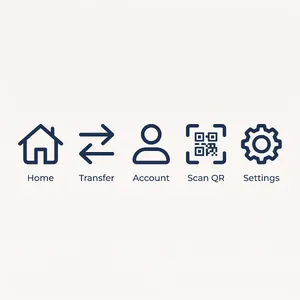
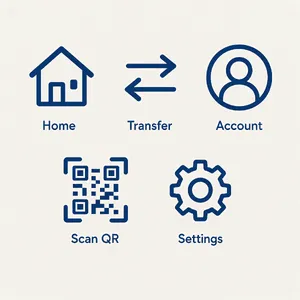
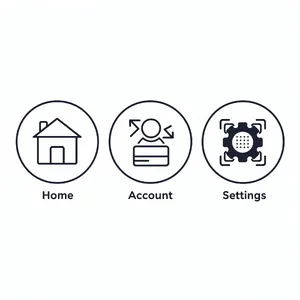
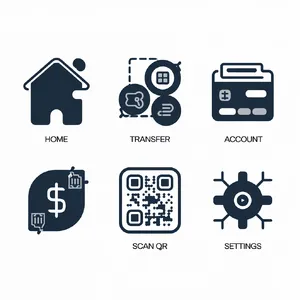
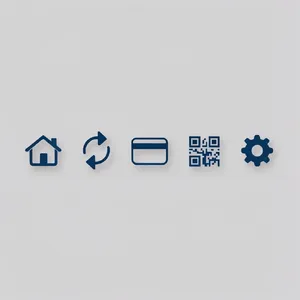
Nano Banana 2.1, 1203 Elo, offers another well-supported option through its rounded-outline set. For a predominantly filled treatment, consider GPT Image 2.5 Sunburst and its navigation family, while checking the simplified QR motif.
Production priority: validate all five functions separately. Normalize optical size and stroke weight. A QR pictogram need not decode, but it should look recognizably QR-specific.
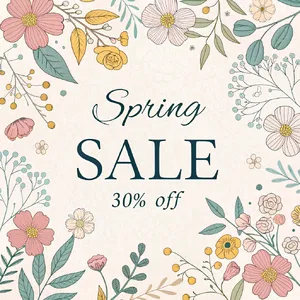
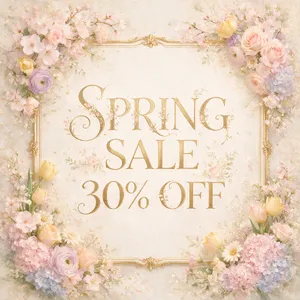
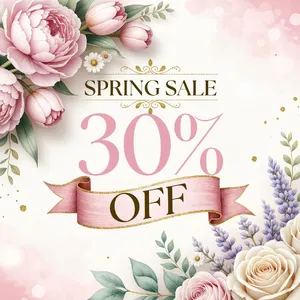
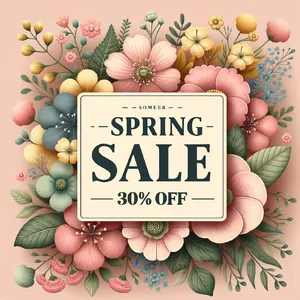
4. Floral social-media promotions
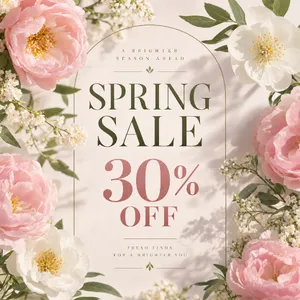
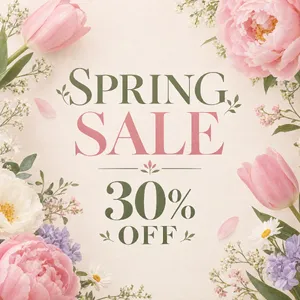
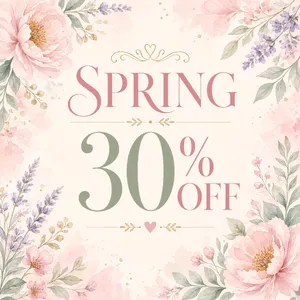
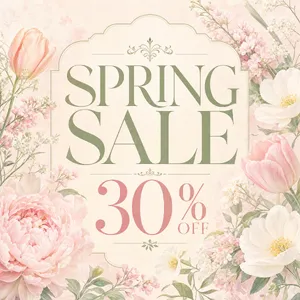
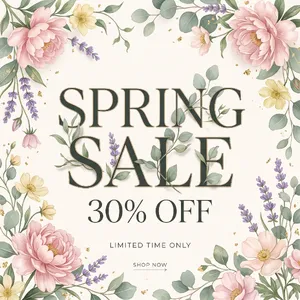
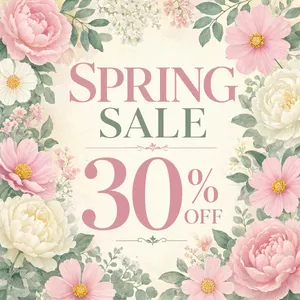
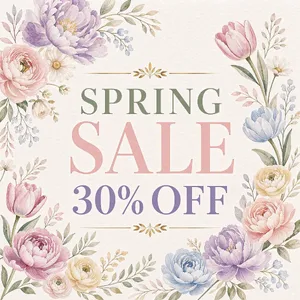
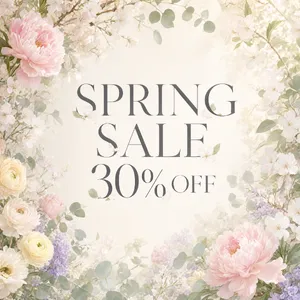
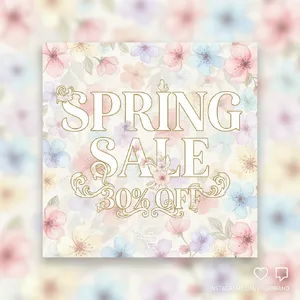
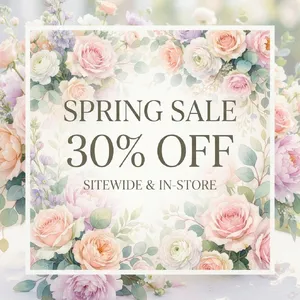
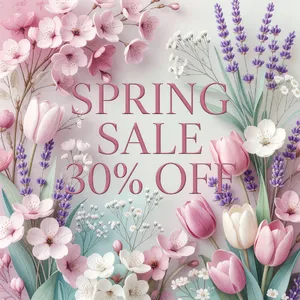
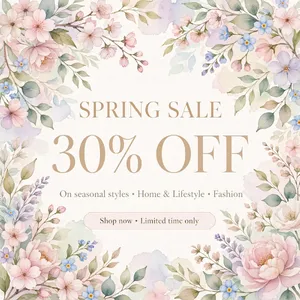
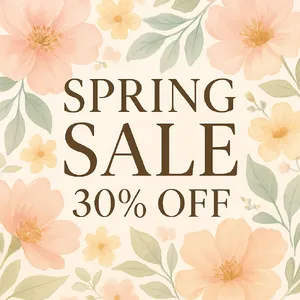
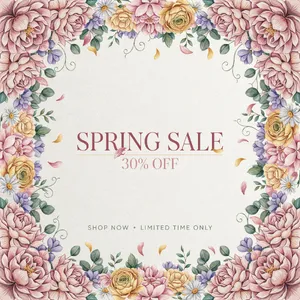
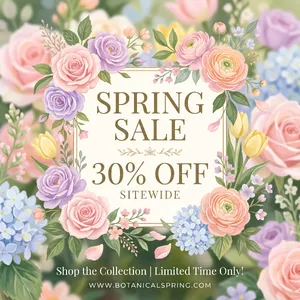
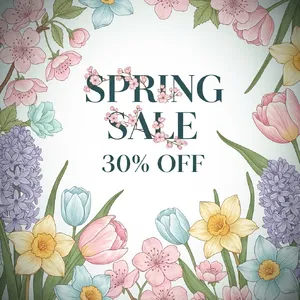
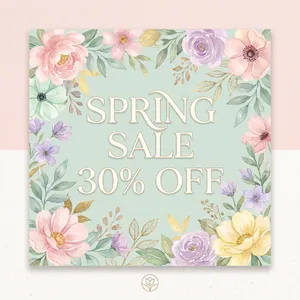
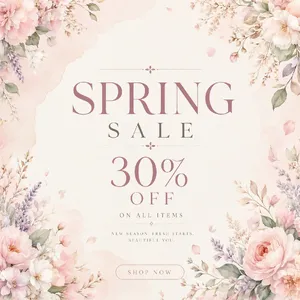
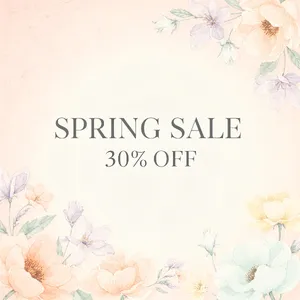
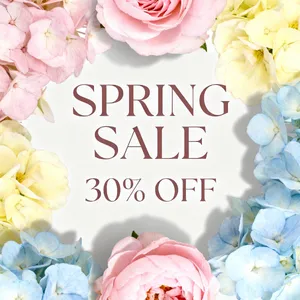
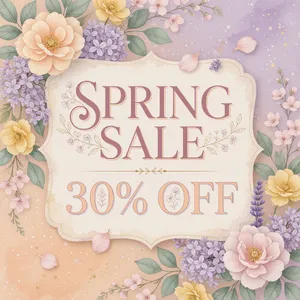
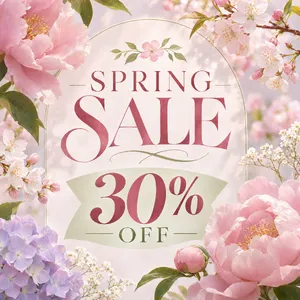
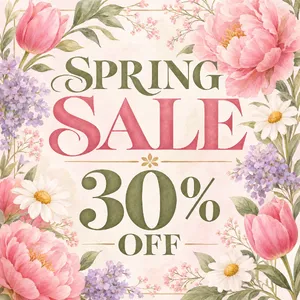
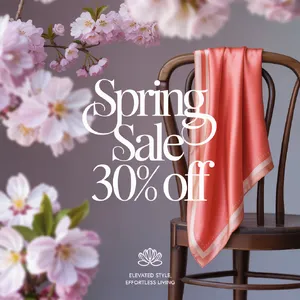
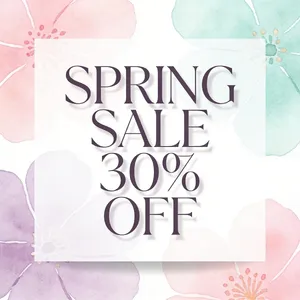
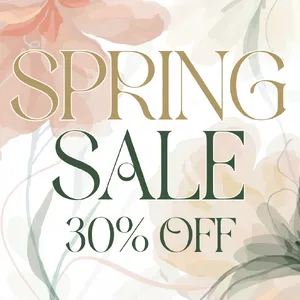
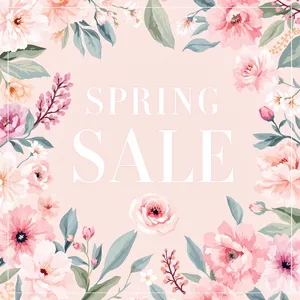
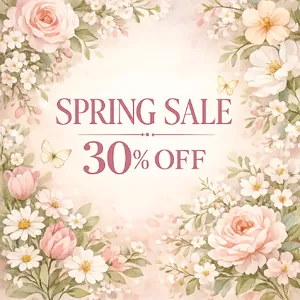
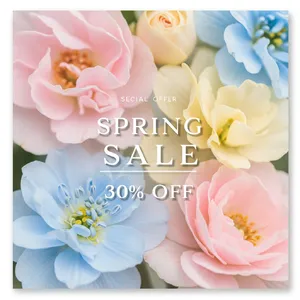
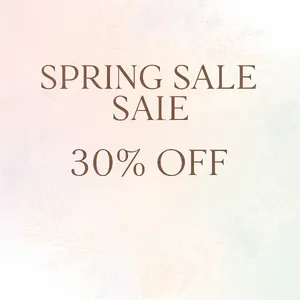
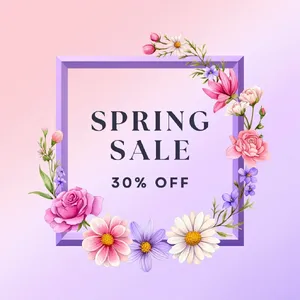
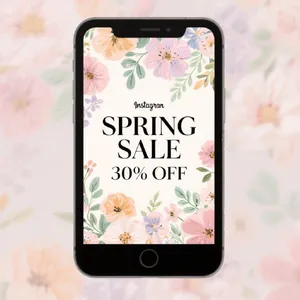
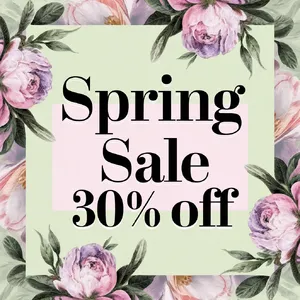
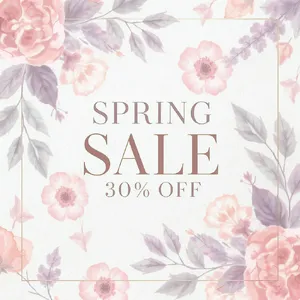
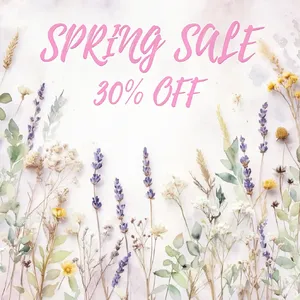
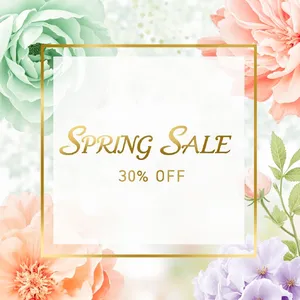
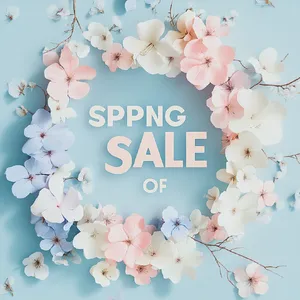
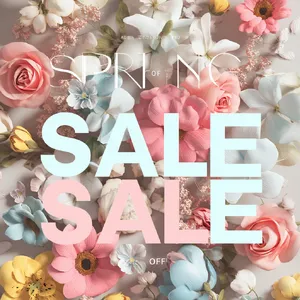
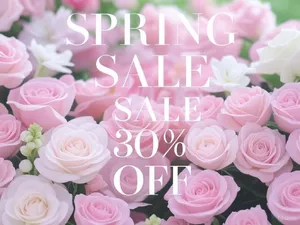
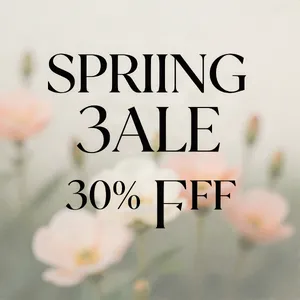
Brief: Spring Sale 30% Off Instagram graphic
The leading Elo pair makes a sensible first comparison:
For more direct interaction between plants and letters, trial Nano Banana 2.1, 1203 Elo, using its interwoven botanical layout as the reference.
Watch for: pale-on-pale lettering, duplicated SALE lines, flowers crossing essential characters, and invented terms such as sitewide offers or website addresses. Verify promotional copy exactly before publication.
5. Art Deco patterns for continuous surfaces
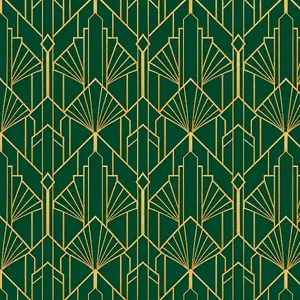
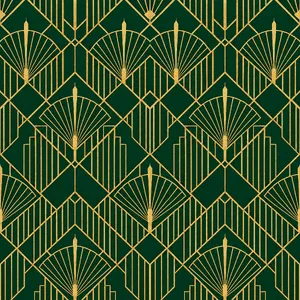
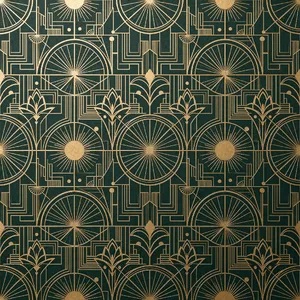
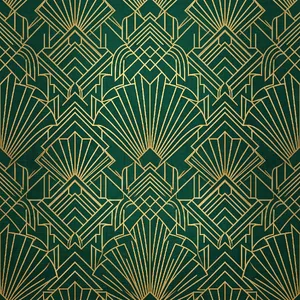
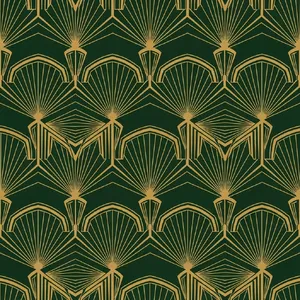
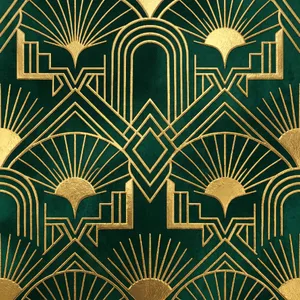
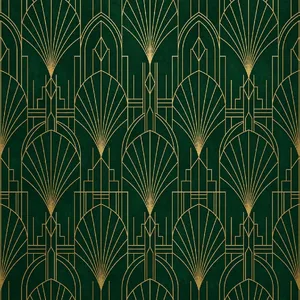
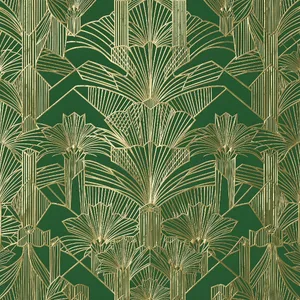
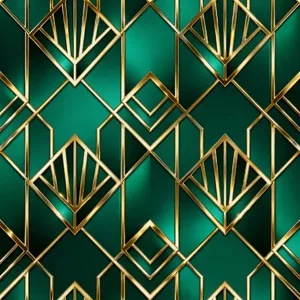
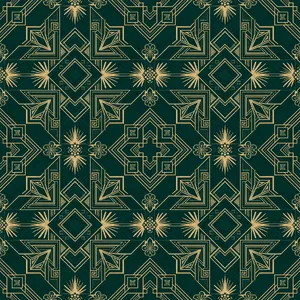
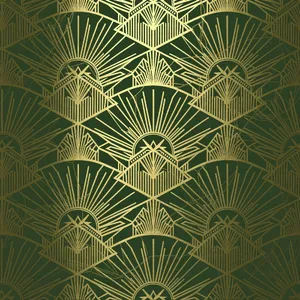
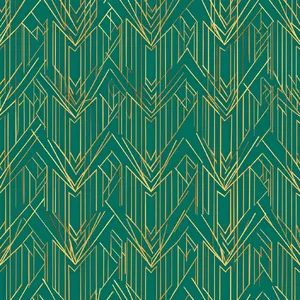
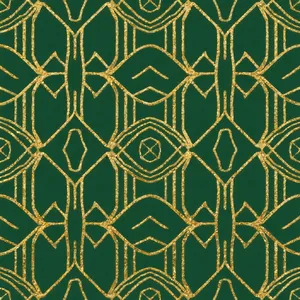
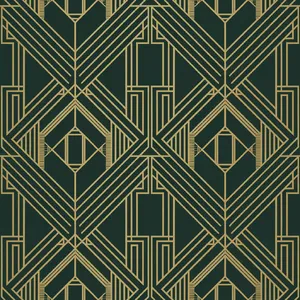
Brief: Gold-on-emerald seamless Art Deco pattern
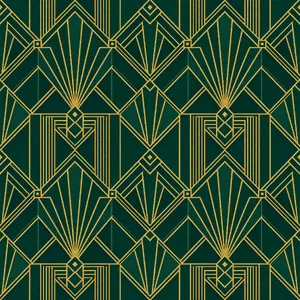
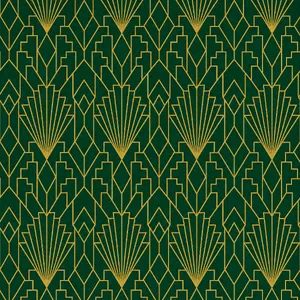
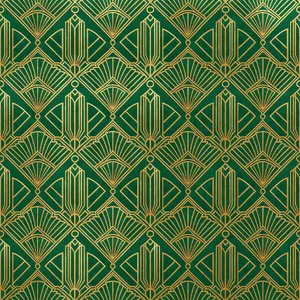
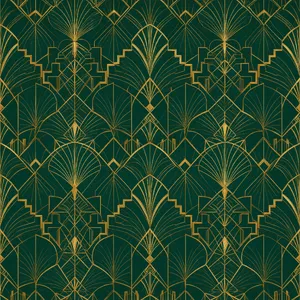
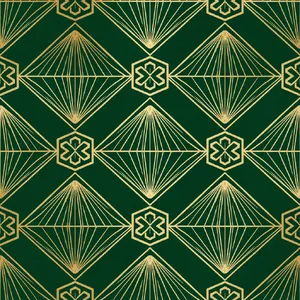
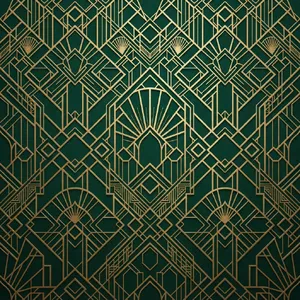
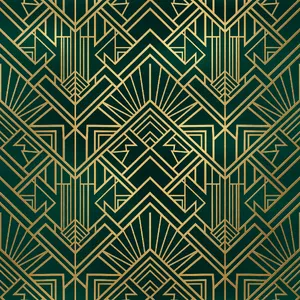
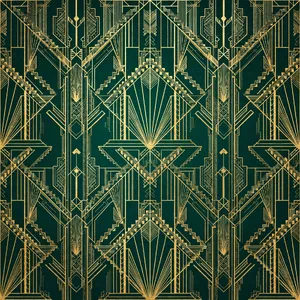
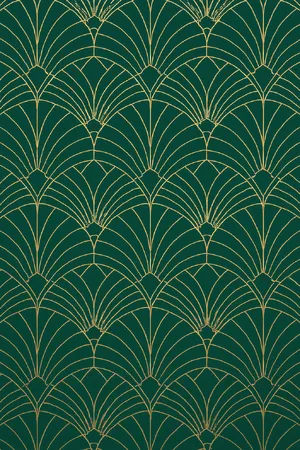
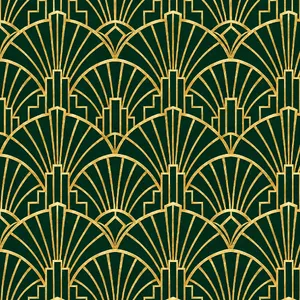
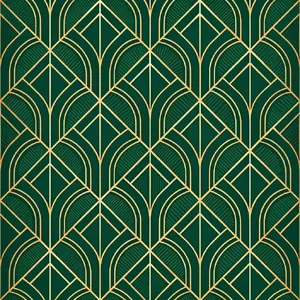
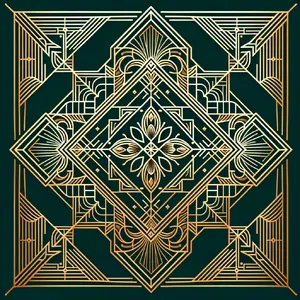
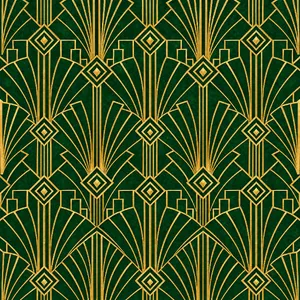
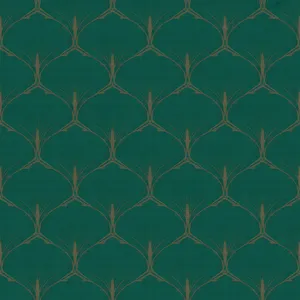
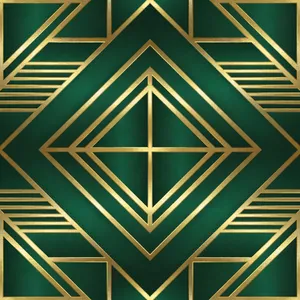
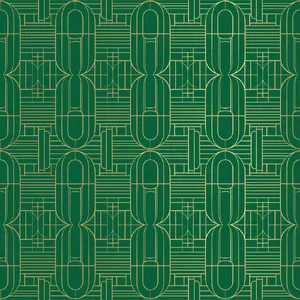
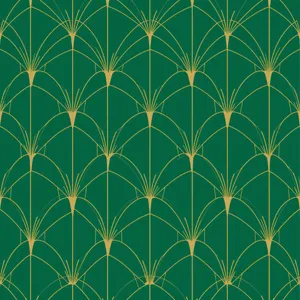
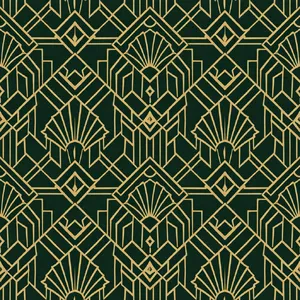
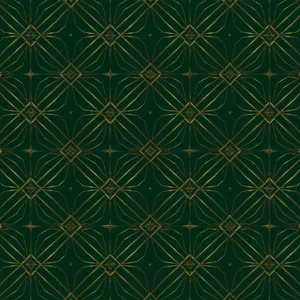
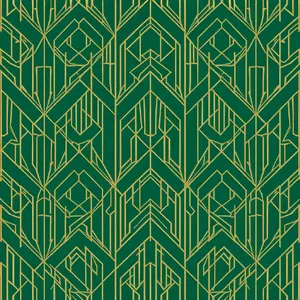
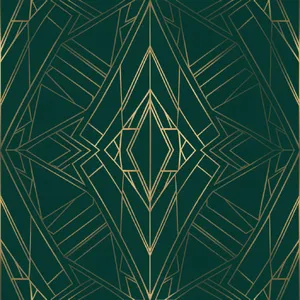
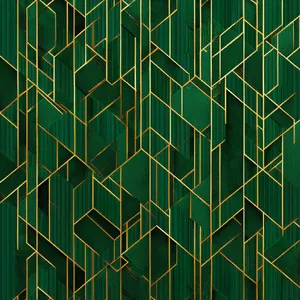
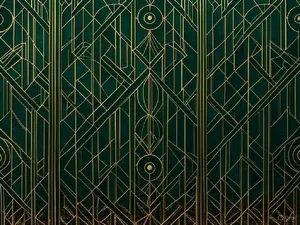
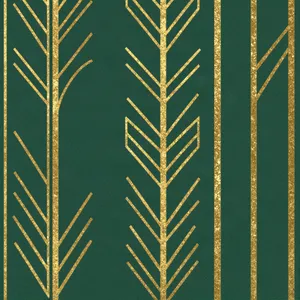
Trial Grok Imagine 2.0, 1256 Elo, alongside FLUX 3 Image, 1180 Elo. The former supplies a clear, regular ornamental system; the latter's stepped-fan pattern is particularly convincing in line discipline and boundary organization.
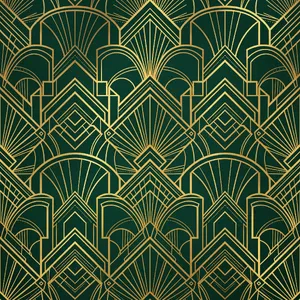
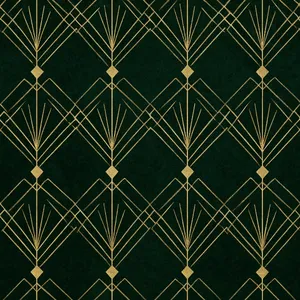
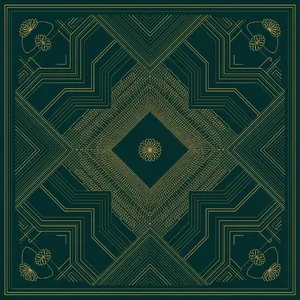
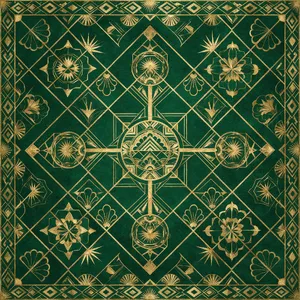
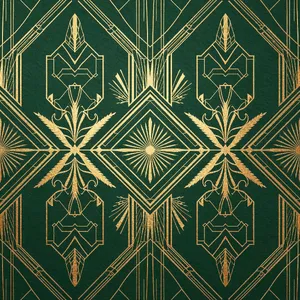
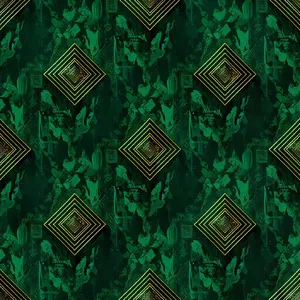
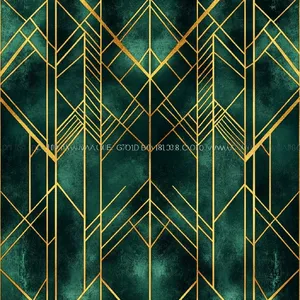
Lower-rated category models can still supply worthwhile pattern concepts. Seedream 5.5, 1074 Elo, produces a richly controlled sun-disk and geometric repeat. Grok Imagine (Quality), 1004 Elo, also provides an intricate diamond-and-sunburst pattern.
Production priority: tile the actual file, inspect both axes and background shading, then check minimum line widths at the intended print size. Do not equate metallic-looking detail with print readiness.
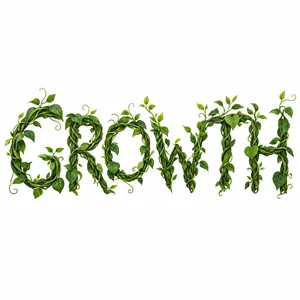
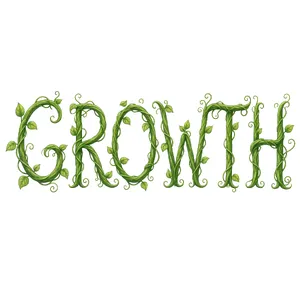
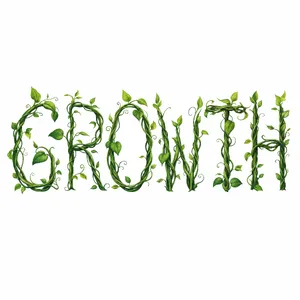
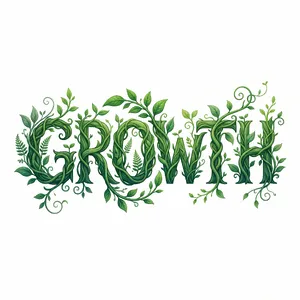
6. Typography genuinely constructed from plants
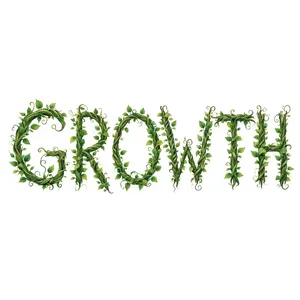
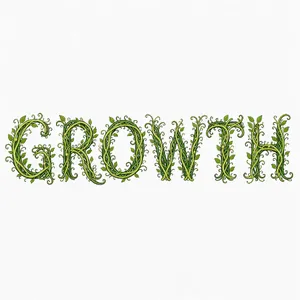
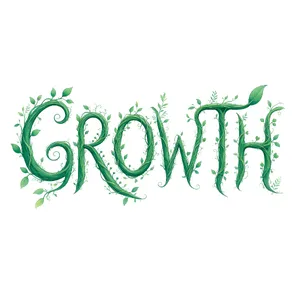
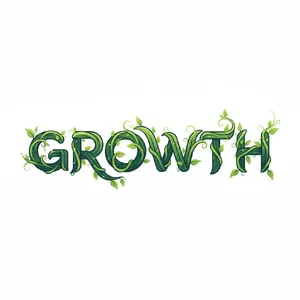
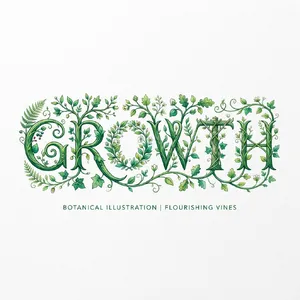
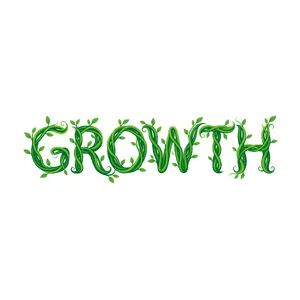
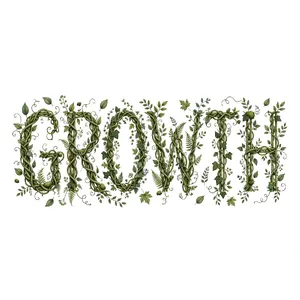
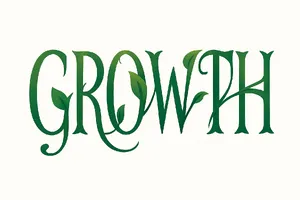
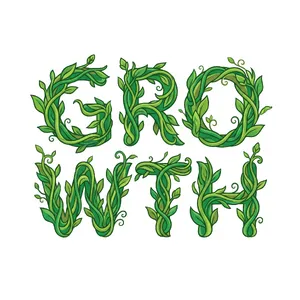
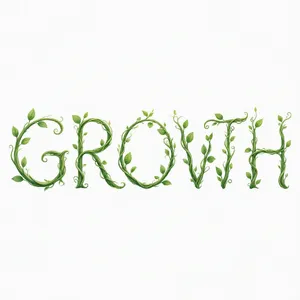
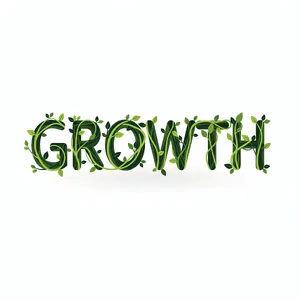
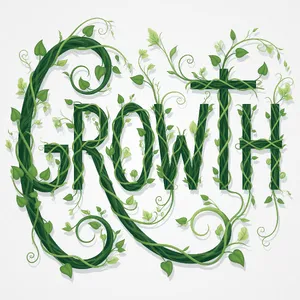
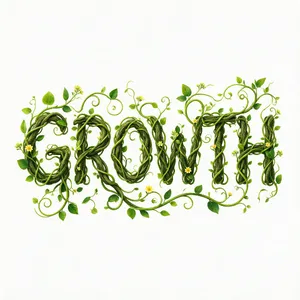
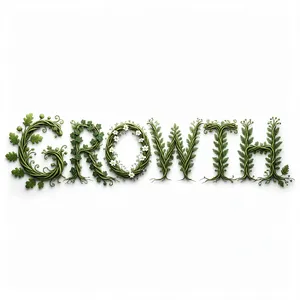
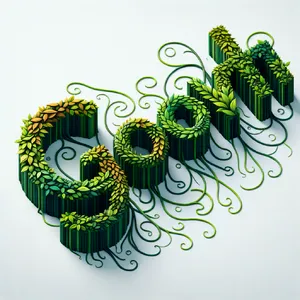
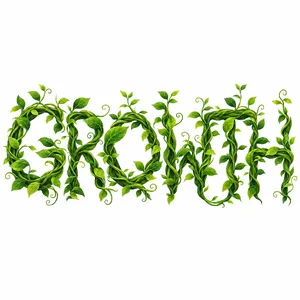
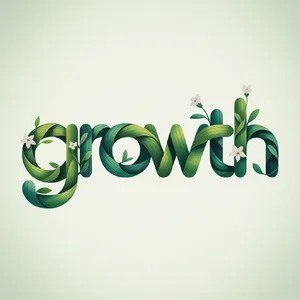
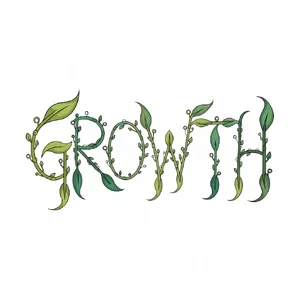
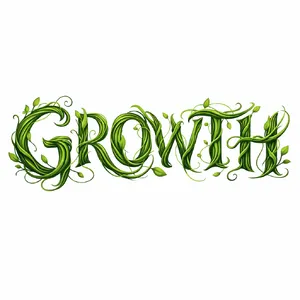
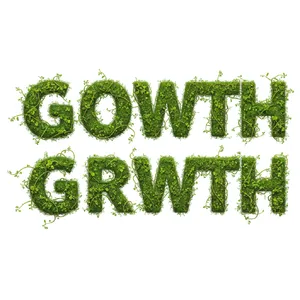
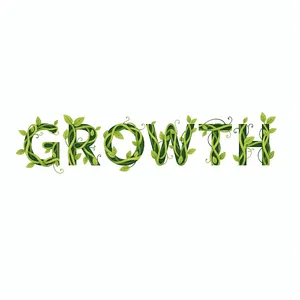
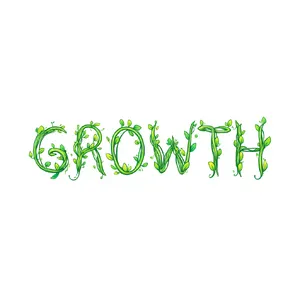
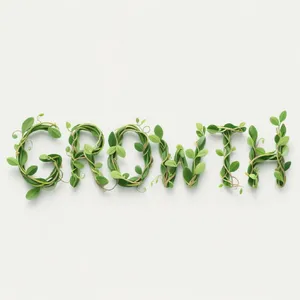
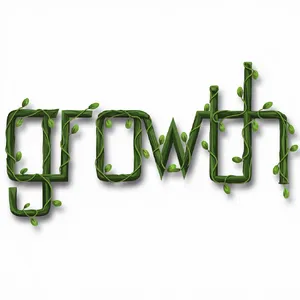
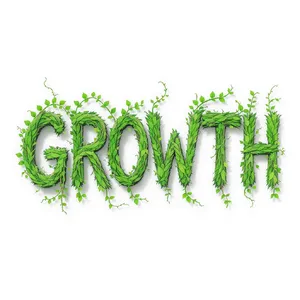
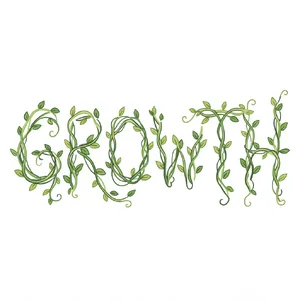
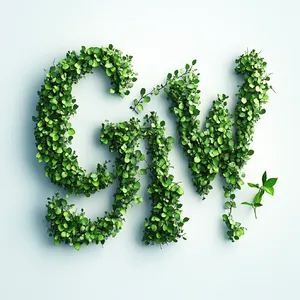
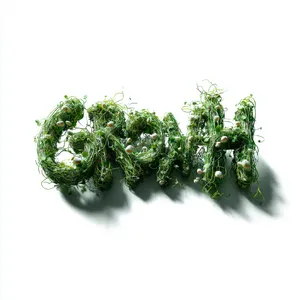
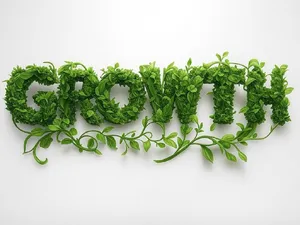
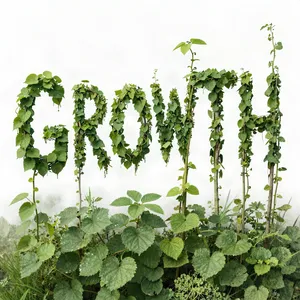
Brief: GROWTH formed from green vines
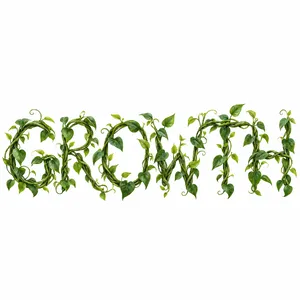
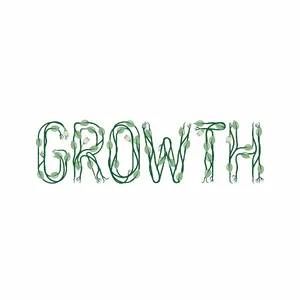
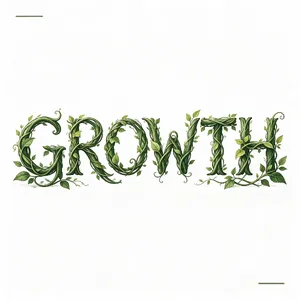
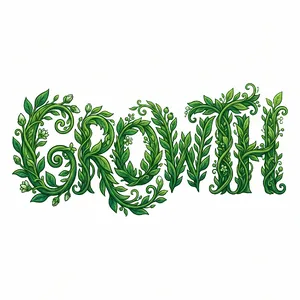
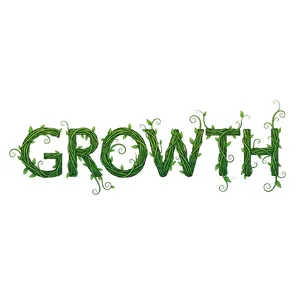
Shortlist Grok Imagine 2.0, 1256 Elo, Nano Banana 2.1, 1203 Elo, and Reve 2.1, 1187 Elo.
Their examples emphasize different priorities: Grok's vine lettering is especially readable; Nano Banana's botanical wordmark adds expressive foliage; Reve's braided construction makes the plant-built mechanism clear.
An experimental specialist is MiniMax-H3-Image, 972 Elo. Its varied botanical alphabet is a notable individual result, with differentiated foliage and a flowering O. That example supports a targeted trial, not promotion above the category leaders.
Production priority: confirm all six letters before examining botanical detail. Leaves should support the word rather than conceal it.
7. Abstract cyberpunk backgrounds
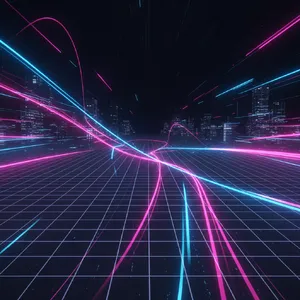
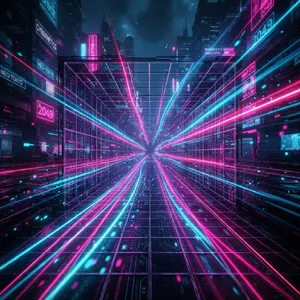
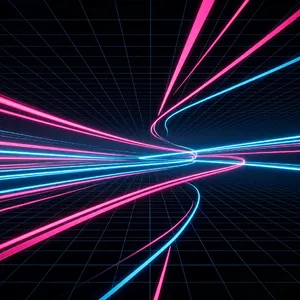
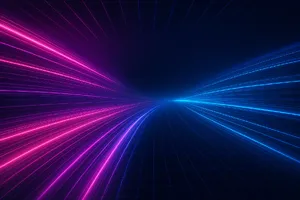
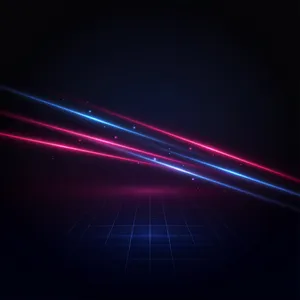
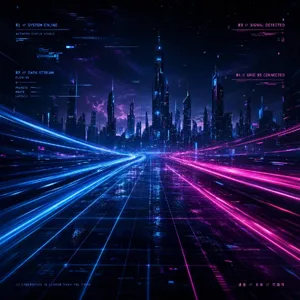
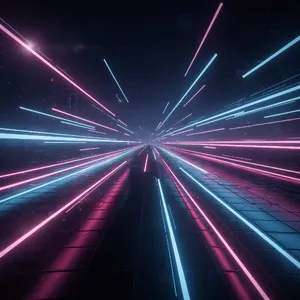
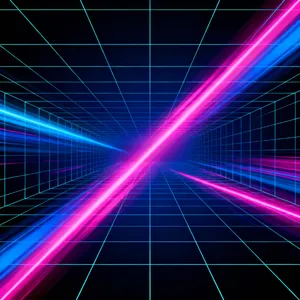
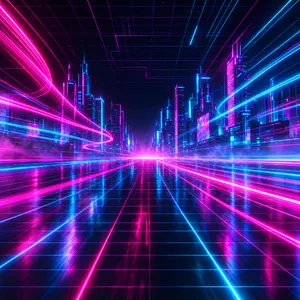
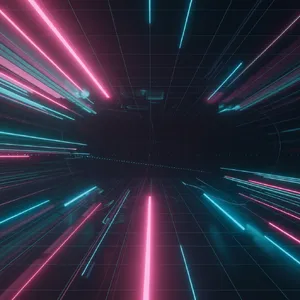
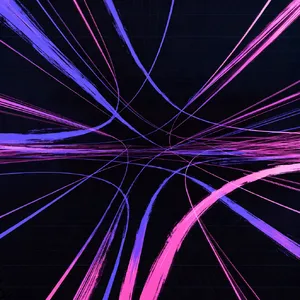
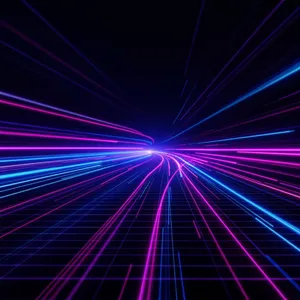
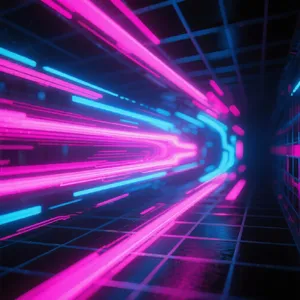
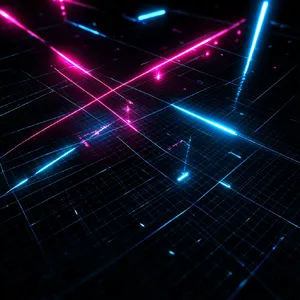
Brief: Neon pink-blue trails on a dark grid
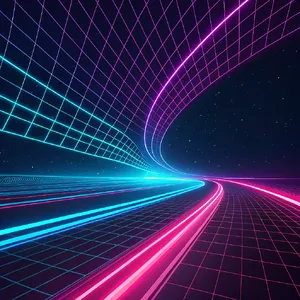
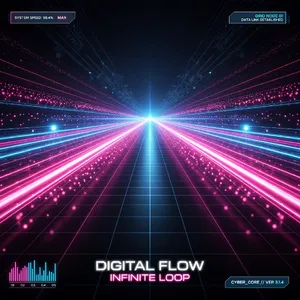
Compare Grok Imagine 2.0, 1256 Elo, with FLUX 3 Image, 1180 Elo.
Grok's data-rich speed graphic supplies a dense digital atmosphere. FLUX's curving grid tunnel preserves more darkness and cleaner directional flow, which is useful behind desktop icons.
For expressive, circuitry-heavy exploration, Nano Banana 2, 1064 Elo, contributes a distinctive layered neon composition.
Production priority: request or create a separate widescreen composition. The supplied square benchmark does not test native desktop aspect ratios. Avoid adding skylines, captions, or interface panels when the intended output is strictly non-representational.
8. Friendly flat-vector mascots
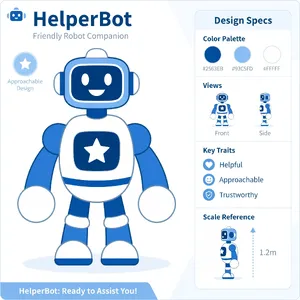
Brief: Blue-and-white HelperBot mascot
Grok Imagine 2.0, 1256 Elo, is an excellent task-fit starting point. Its open-handed HelperBot conveys helpfulness through pose and expression rather than props or surface effects.
Also trial Qwen-Image-3.0-Pro, 1168 Elo, for approachable rounded character work. For especially economical identity graphics, consider Muse Image, 1094 Elo, and Ideogram 4.0 (Quality), 1076 Elo. Muse's compact mascot and Ideogram's raised-arm character preserve clear silhouettes with limited detail.
Production priority: evaluate the character without its wordmark. It should remain friendly and identifiable at small sizes without gears, toolkits, or glossy highlights.
9. Standalone infographic symbols
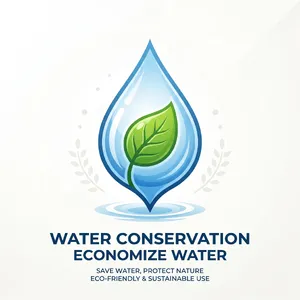
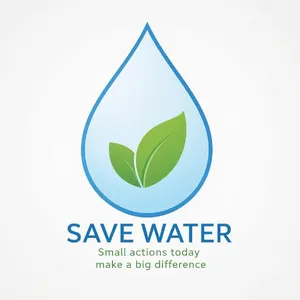
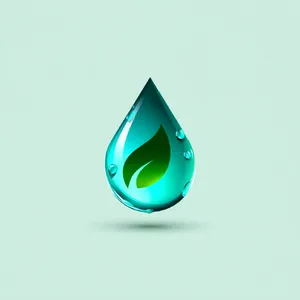
Brief: Water droplet containing a small green leaf
Start with Grok Imagine 2.0, 1256 Elo. Its conservation icon keeps the leaf compact, clearly contained, and separated from the droplet boundary.
Targeted alternatives include:
Production priority: specify one isolated icon, no text, no scenery, and a small fully enclosed leaf. Check that highlights do not dominate the actual conservation symbol.
10. Minimalist weather-app icons
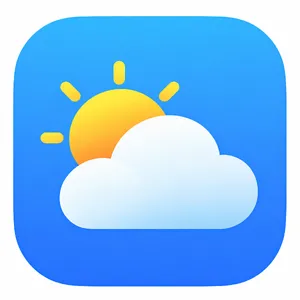
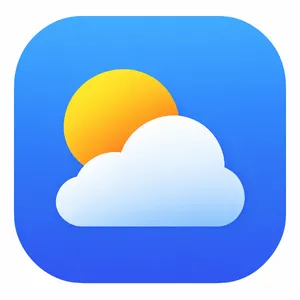
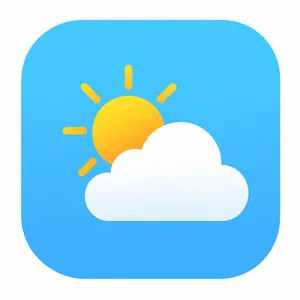
Brief: Sun partially behind a cloud
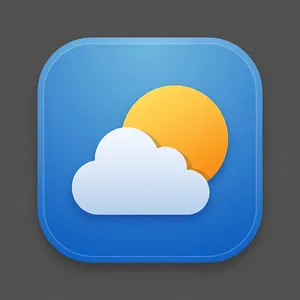
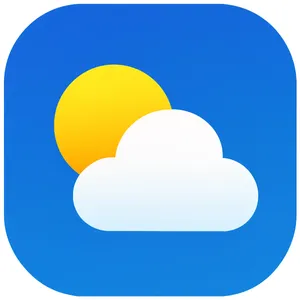
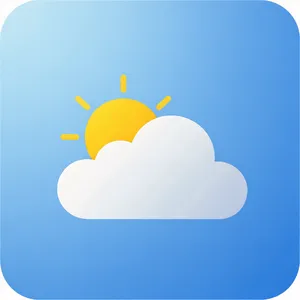
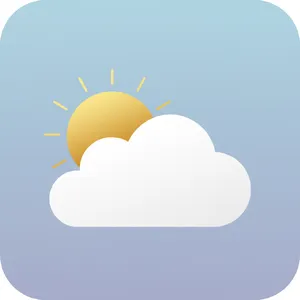
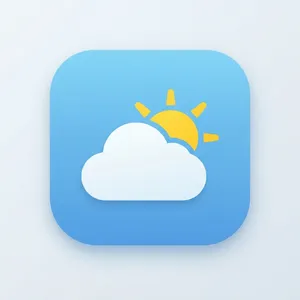
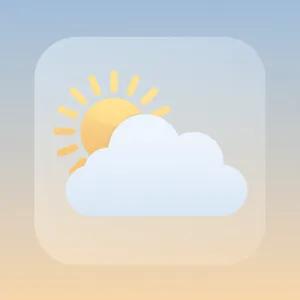
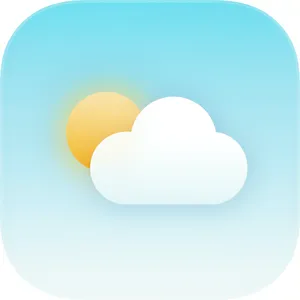
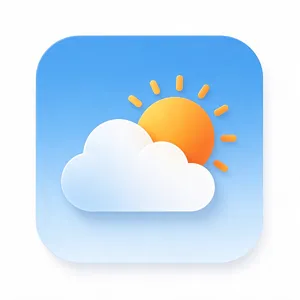
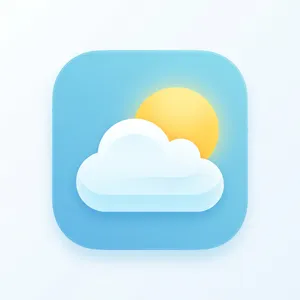
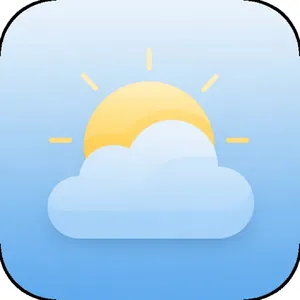
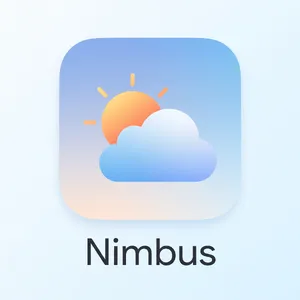
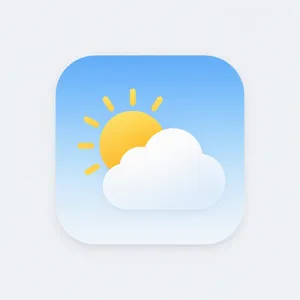
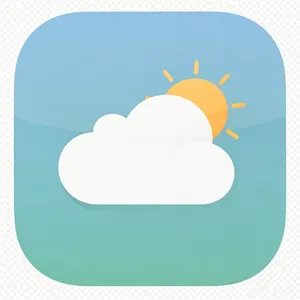
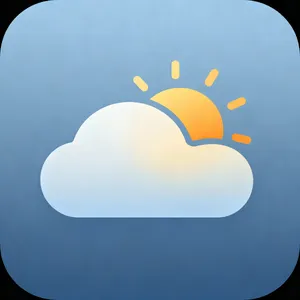
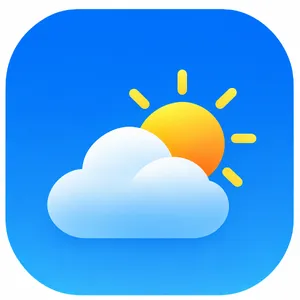
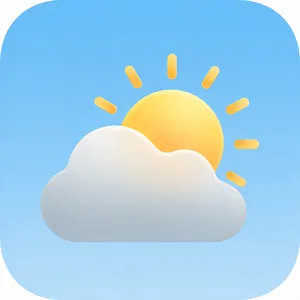
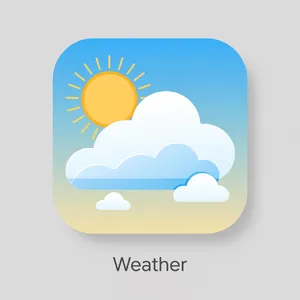
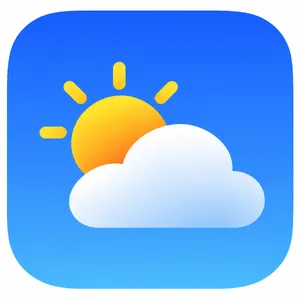
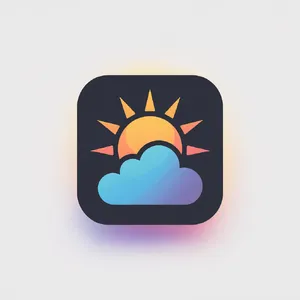
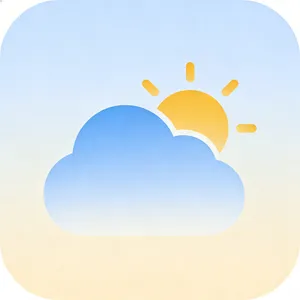
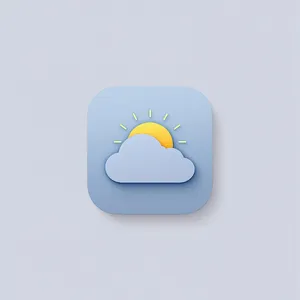
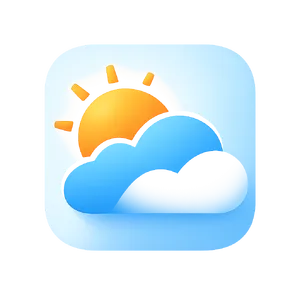
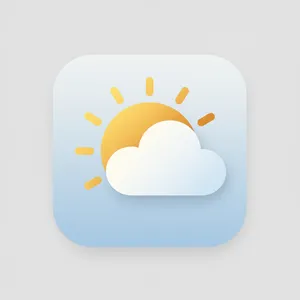
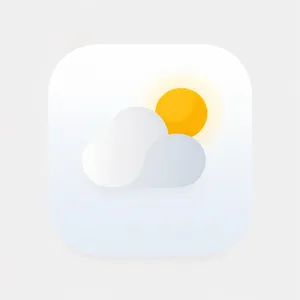
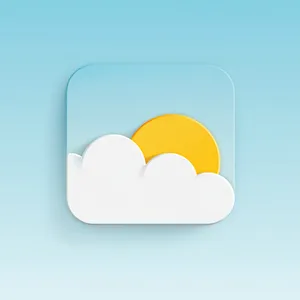
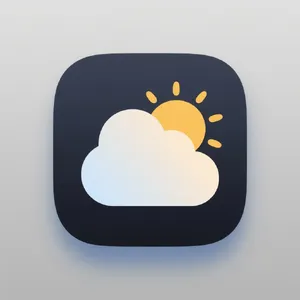
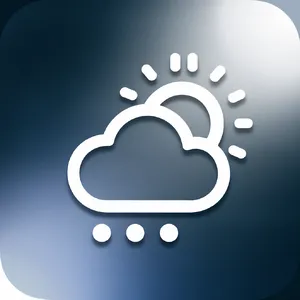
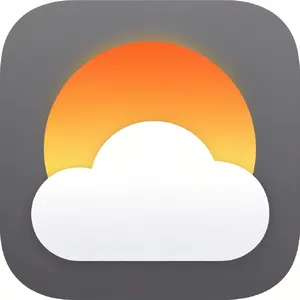
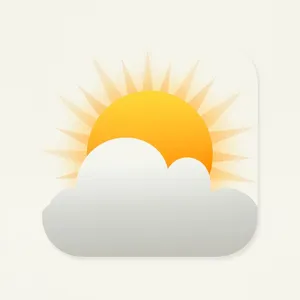
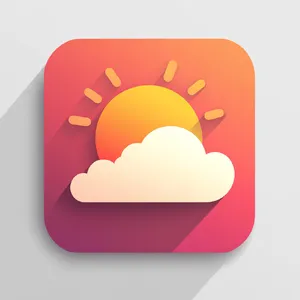
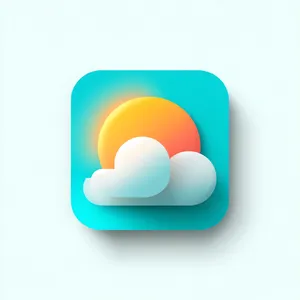
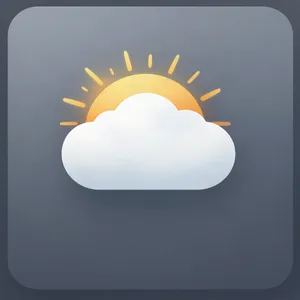
Shortlist GPT Image 2.5 Sunburst, 1261 Elo, and GPT Image 2, 1229 Elo. GPT Image 2's weather icon is an especially complete example of restrained gradients, clean overlap, substantial rays, and useful edge clearance.
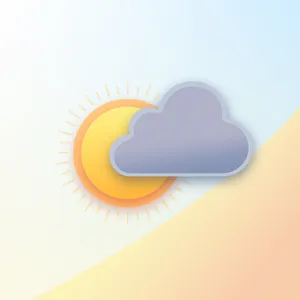
For additional flat-style options, compare Reve 2.1, 1187 Elo, and FLUX 3 Image, 1180 Elo. Reve's rayless design emphasizes large shapes; FLUX's full-frame tile uses carefully controlled geometry without extra labels or borders.
Production priority: inspect at 24–64 pixels. Cloud-background contrast matters more than subtle surface modeling. Reject doubled cloud contours, excessive external margins, and decorative labels.
Practical selection workflow
- Begin with the leading Elo trio when the asset type is uncertain. Treat their small rating differences as negligible.
- Compare relevant specialists once the deliverable is clear. A model's strong single example is a reason to test it, not evidence of a new category ranking.
- Check hard constraints first: exact copy, item count, containment, background, and requested style.
- Validate the final asset: inspect thumbnails, test repeats, composite transparency over light and dark backgrounds, and confirm output dimensions and editable formats before production.