Summary
Welcome to the ultimate showdown of AI image generation! Based on our comprehensive dataset, we've uncovered fascinating insights into the current state-of-the-art models.
Top Performing Models Overall
The absolute heavyweights of the leaderboard are:
- GPT Image 2.5 Sunburst with an outstanding 1348 Elo.
- GPT Image 2 trailing closely at 1306 Elo.
- Muse Image entering the top three with 1299 Elo.
Major Trends & Surprises
- The Realism Divide: Models that excel in photorealism often struggle with stylized prompts, and vice versa. However, elite models (1300+ Elo) showcase incredible versatility.
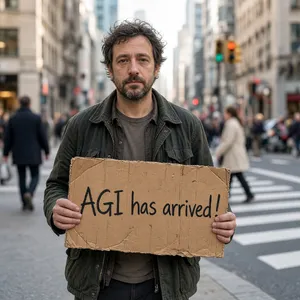
- Text Generation is Maturing: Rendering accurate text inside images used to be incredibly difficult. Now, models are flawlessly generating neon signs and handwritten cardboard placards!
- The Anatomy Struggle: Hands remain a tricky area, but top models are starting to nail complex interactions like high-fiving and shaking hands.
Quick Takeaway: If you need an all-rounder, GPT Image 2.5 Sunburst is your best bet. If you need highly specific anime or graphic design styles, specialized models like Takumi 1 and Nano Banana 2.1 are fierce competitors.
In-Depth Pattern Analysis
Across the dataset, several key quality factors distinguish the elite models from the middle-of-the-pack contenders.
1. Prompt Adherence vs. Aesthetic Polish
We frequently observed that models with breathtaking visual output sometimes completely missed the core prompt requirements. For instance, DALL-E 3 (780 Elo) often generates highly polished, illustrative images but fails on strict photorealistic constraints. Conversely, models like Grok Imagine 2.0 (1293 Elo) strictly adhere to complex instructions, ensuring no element is left behind.
2. The Anatomy & Hands Challenge
Anatomy remains the ultimate AI litmus test. In the Hands & Anatomy category, Muse Image dominates with 1347 Elo. In the challenging handshake prompt, many models produced merged fingers or extra limbs, but the top performers managed realistic skin tension and correct digit counts.
3. Text Integration
The ability to integrate text organically is a massive differentiator. In prompts like the AGI has arrived! cardboard sign, lesser models produced garbled text or digital-looking fonts. Elite models perfectly captured the bleed of a black marker on cardboard.
4. Common Failure Modes
- Over-Stylization: Defaulting to a 'CG/3D' look when natural photography is requested.
- Prompt Dropping: Ignoring one specific detail (e.g., eye color in the heterochromia headshot) in favor of overall composition.
- Hallucinated Geometry: Merging objects, such as blending a rider into a horse in the reversed riding scenario.
Model Performance by Use Case
Different tasks require different AI strengths. Here is the breakdown of which models dominate specific visual categories:
Photorealistic Portraits & People
- Leader: Grok Imagine 2.0 (1392 Elo)
- Insights: This category tests skin texture, lighting, and genuine human emotion. For prompts like the Elderly Woman Portrait, top models avoided 'plastic' skin and correctly rendered complex reflections in bifocal glasses.
Anime & Ghibli Styles
- Leaders: Muse Image (1502 Elo in Ghibli), Nano Banana 2.1 (1446 Elo in Anime)
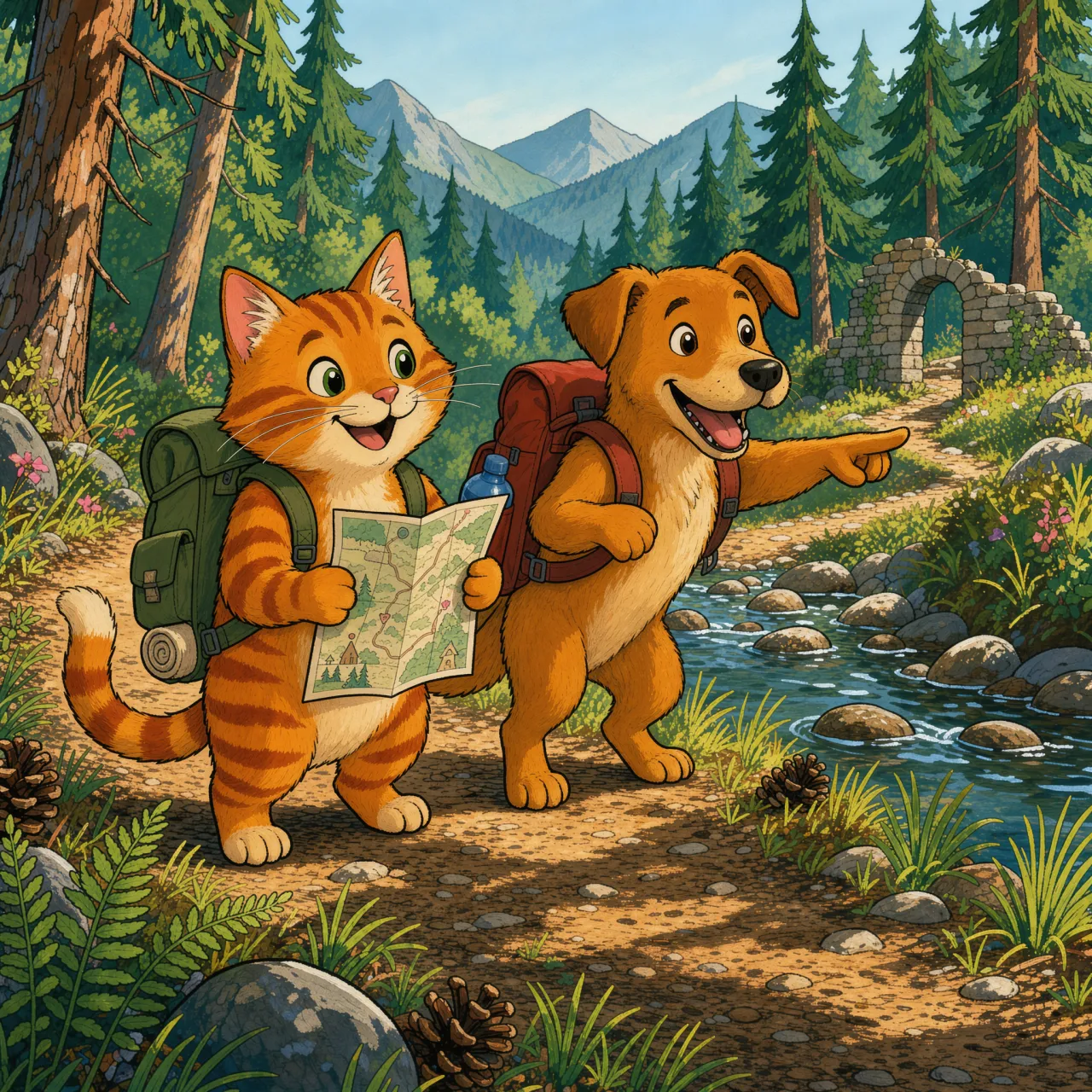
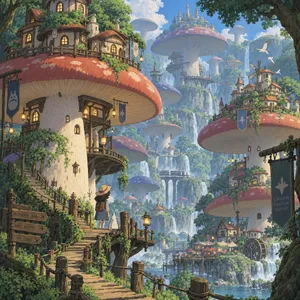
- Insights: The Ghibli style category demands specific watercolor backgrounds and whimsical creature designs. Nano Banana 2.1 excels at capturing this nostalgic, hand-painted aesthetic without looking artificially digital.
Graphic Design & Typography
Ultra Hard & Complex Scenes