Summary for Z-Image Turbo
Z-Image Turbo struggles significantly across almost all image generation tasks, currently sitting near the bottom of the leaderboard with an overall rating of 657 Elo (ranking 30th out of 31 models). While it can produce passable photographic textures in highly constrained, simple scenarios, it consistently fails to execute complex instructions, dynamic interactions, or accurate typography.
Key Takeaways:
- Poor Overall Performance: With an average score of just 4.83, the model is outperformed by the vast majority of its peers.
- Weak Prompt Adherence: It frequently drops crucial prompt elements, especially when asked to render surreal concepts or absurd scenarios.
- Text Generation Failures: Typography is a major blind spot; the model routinely generates malformed characters and gibberish.
- Narrow Strengths: Its only reliable capability lies in rendering basic architectural textures and single-subject portraits when the composition is strictly conventional.
General Analysis & Useful Insights
An in-depth look at Z-Image Turbo's performance reveals a model that possesses foundational rendering skills but lacks the logical coherence and compositional discipline required for high-level AI image generation.
Occasional Strengths
When a prompt is simple and relies heavily on everyday textures, Z-Image Turbo can occasionally deliver a competent result.
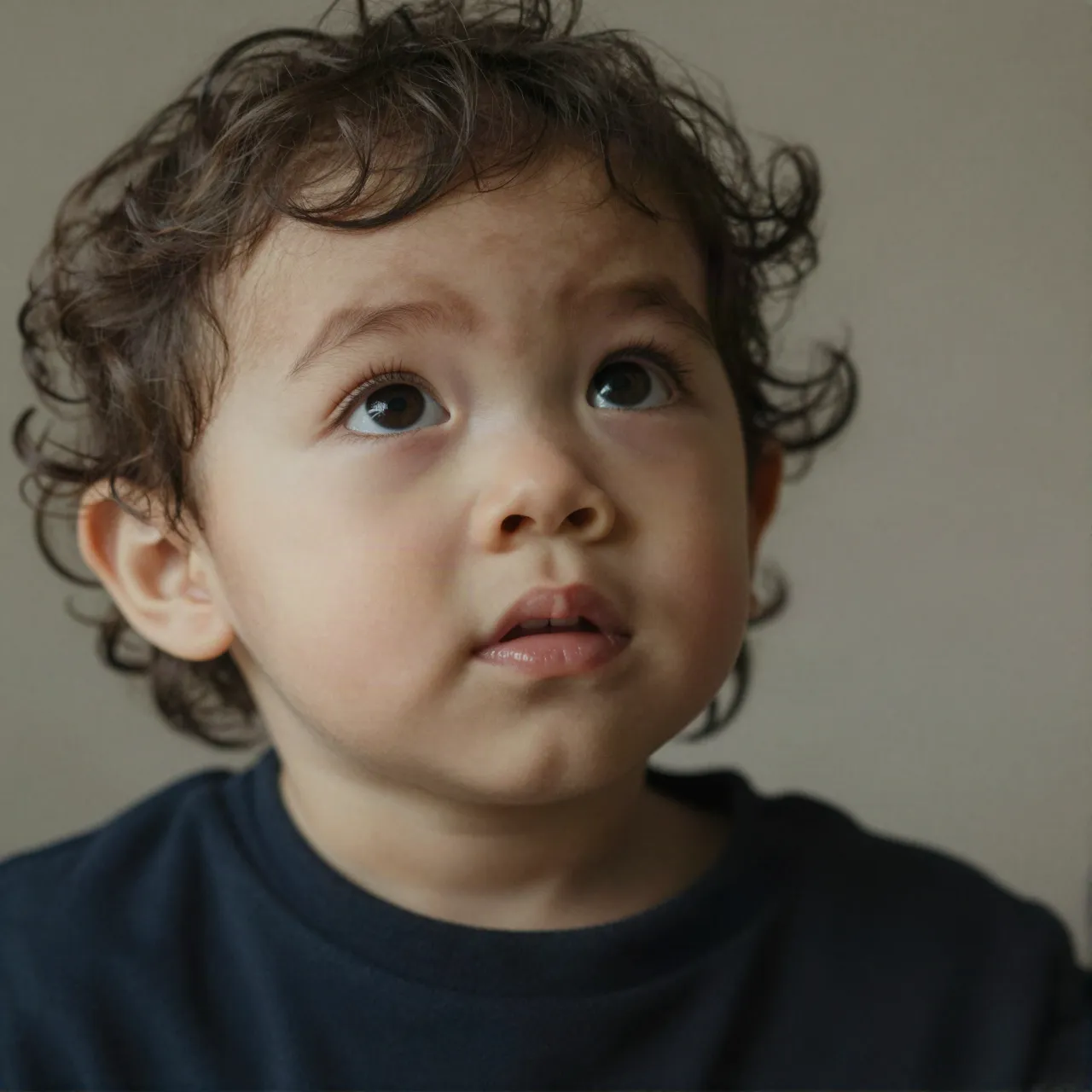
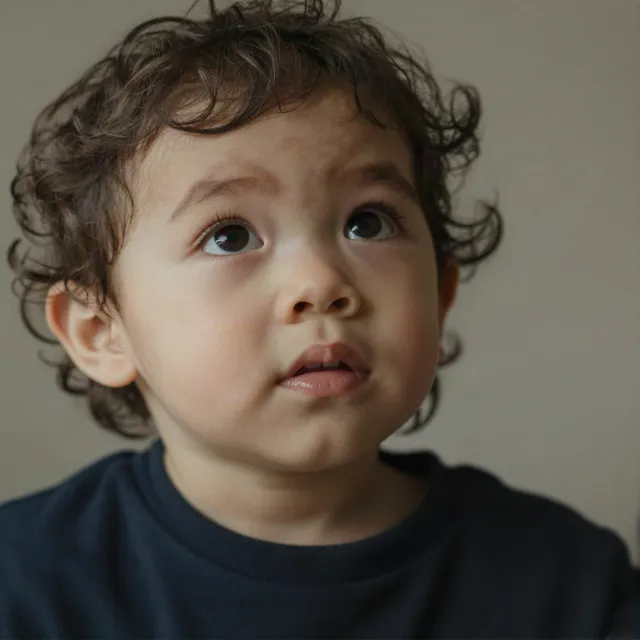
- Photographic Textures: In the Toddler with curly hair prompt, the Toddler portrait achieved a respectable score of 8 by rendering convincing facial asymmetry, hair textures, and skin irregularities.
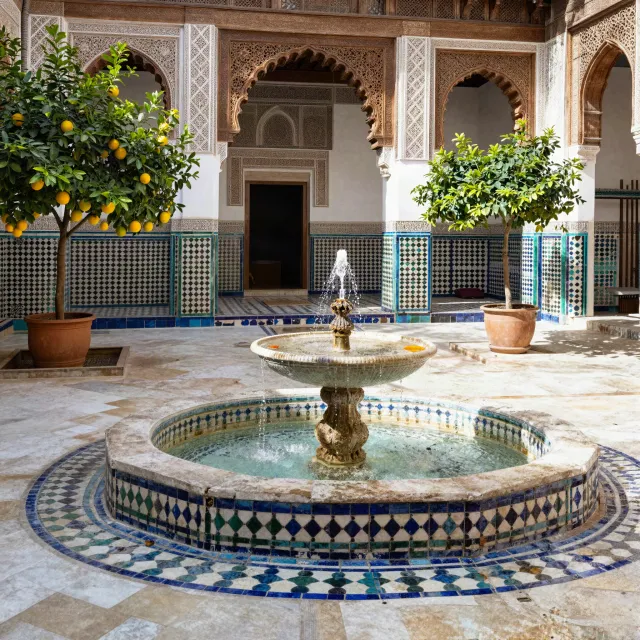
- Material Rendering: It handles weathered materials reasonably well. For example, in the Moroccan courtyard prompt, the Weathered fountain successfully captured chipped stone and discolored grout.
Major Weaknesses and Failure Modes
- Severe Prompt Adherence Issues: The model routinely ignores central requirements. In the Heterochromia headshot prompt, the Generated portrait completely missed the different-colored eyes requirement, rendering two identical irises instead.
- Anatomical Breakdown: When pushed beyond basic static poses, anatomy quickly falls apart. In the Two hands forming a heart prompt, the Resulting hands included a bizarre and terrifying cluster of unexplained dangling digits.
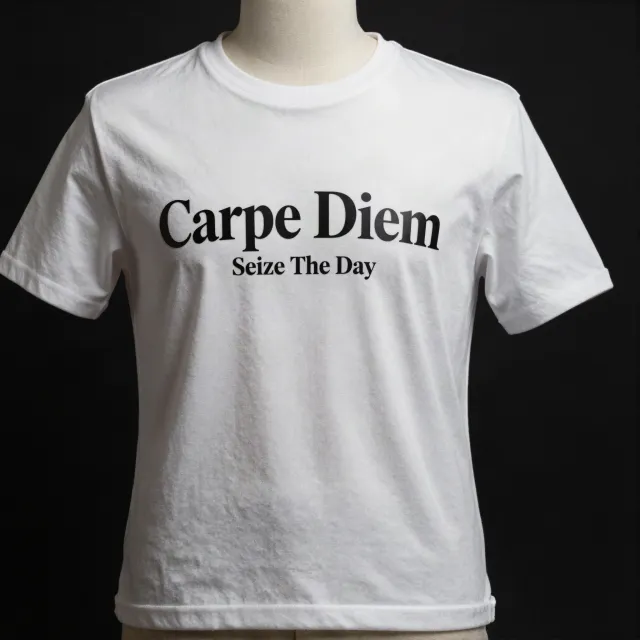
- Text Generation Disasters: Typography is a massive weakness. In the Tech magazine cover prompt, the Generated cover produced corrupted words, misplaced punctuation, and a broken layout, scoring a mere 2.
- Logical Incoherence: The model struggles with non-standard logic. In the Astronaut ridden by a horse prompt, the Space riding image completely reversed the roles, placing the astronaut on the horse instead.
Best Model Analysis by Use Case / Category
Given its low overall rating of 657 Elo, Z-Image Turbo is generally not recommended for professional or complex workflows. However, if you must use it, here is how its performance breaks down across different scenarios:
Best Use Cases (Relatively Speaking)
- Hands & Anatomy (816 Elo): Surprisingly, this is its highest-rated category. This score is heavily skewed by its ability to render simple static limbs, though it breaks down on complex interactions.
- Photorealistic People & Portraits (762 Elo): If you stick to simple, single-subject headshots without complex lighting or distinct physical traits, the model can generate passable results.
- Architecture & Interiors (729 Elo): One of the model's more stable categories. It can handle basic spatial arrangements and textures, such as the competent Living room interior for the Scandinavian living room prompt.
Scenarios to Avoid Entirely
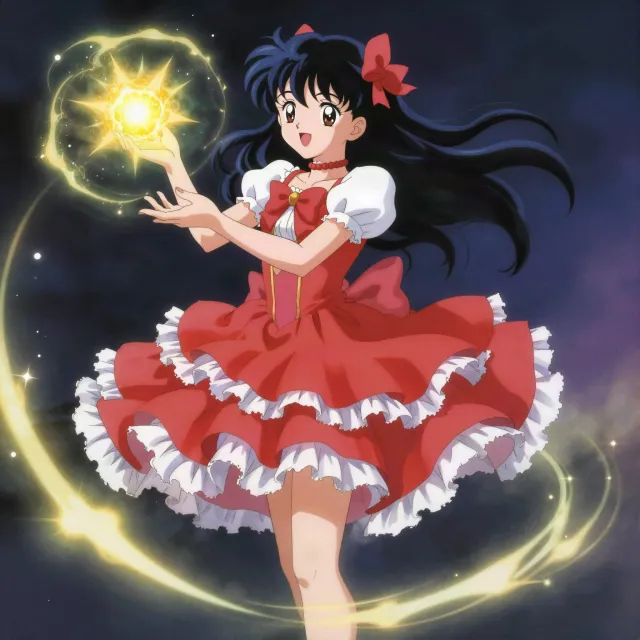
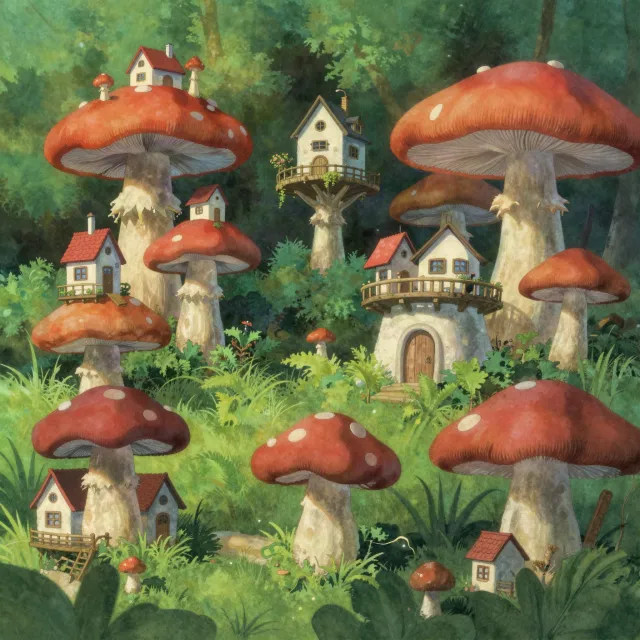
- Ultra Hard (439 Elo) and Ghibli style (439 Elo): These are the model's lowest-rated categories. It lacks the spatial reasoning to handle extreme concepts, such as the disastrous Orbital photograph from the Earth edge from space prompt, and completely fails to capture specific narrative animation styles.
- Text in Images (498 Elo): Avoid using Z-Image Turbo for anything requiring typography, logos, or signage. It will almost certainly generate gibberish.
- Graphic Design (498 Elo): Fails to understand flat vector styles or clean layouts, frequently introducing unwanted noise, grain, and malformed text.
- Surreal & Creative Prompts (515 Elo): The model struggles to creatively blend concepts. When asked for a Snail city, the Resulting image simply placed a snail in front of a city, rather than integrating the skyline into the shell as requested.