Summary for GPT Image 2
GPT Image 2 is a powerhouse in the AI image generation landscape, securing an impressive Rank 2 overall with a 1306 Elo rating, trailing only slightly behind GPT Image 2.5 Sunburst. It is an elite, highly reliable model that excels in photorealism, spatial coherence, and complex prompt adherence.
Key Takeaways:
- Unrivaled in Complexity: It is the absolute best model available for Architecture & Interiors (1531 Elo) and Complex Scenes (1443 Elo), handling multiple subjects and intricate structural details with ease.
- Stunning Realism: Consistently produces top-tier textures, lighting, and reflections in both portraits and objects.
- Strong Typography: Highly capable at integrating accurate, readable text into scenes naturally.
- Over-Complication: It struggles with Graphic Design constraints, often adding too much 3D dimension to prompts requesting flat or minimalist styles.
- Strict Safety Filters: It frequently refuses prompts that mention copyrighted intellectual property (like Ghibli or Disney), resulting in a high refusal rate in stylized categories.
General Analysis & Useful Insights
GPT Image 2 stands out as an exceptionally capable and versatile model, though it has distinct personality traits that users should understand to get the best results.
1. Master of Spatial Coherence
Where many models hallucinate structural impossibilities, GPT Image 2 understands 3D space natively. Whether mapping out a multi-level bunker or organizing a crowded room, its lighting, shadows, and object permanence are logically sound.
2. Photographic Restraint vs. Artificial Polish
This model excels because it knows how to apply photographic restraint. Instead of blowing out highlights or over-sharpening textures (a common flaw in weaker models), it handles depth of field, natural lighting, and subtle skin imperfections beautifully, making its photorealistic generations incredibly believable.
3. The Minimalism Struggle
GPT Image 2 has a hard time being simple. When asked for flat vectors, minimalist logos, or 2D app icons, it almost always sneaks in subtle gradients, 3D shading, or unnecessary details. It wants to render everything fully, which hurts its performance against specialized graphic design models.
4. Safety Over-Correction
Users looking for fan-art or specific homage styles will be frustrated. The evaluation data shows an aggressive safety filter. It completely refused generations for prompts referencing Hayao Miyazaki, Disney, and Looney Tunes (e.g., Floating steampunk castle and Disney-like 2D cartoon).
Best Model Analysis by Use Case
Let's break down where GPT Image 2 dominates and where it falls short based on category performance.
Best Use Cases: Where it Dominates
- Architecture & Spatial Design: Rank 1 (1531 Elo)
GPT Image 2 is the undisputed king of Architecture & Interiors. It absolutely crushes complex architectural diagrams, handling tricky cutaways and reflections flawlessly. Check out the spectacular structural logic in the Japanese machiya townhouse and the brilliant material rendering in the Roman bathhouse.
- Complex Scenes: Rank 1 (1443 Elo)
If you need a crowd, use this model. In Complex Scenes, it effortlessly juggles multiple subjects doing different things without melting faces or losing coherence. The School classroom and the remarkably dense Bustling market are perfect examples of its ability to maintain order in chaos.
- Typography & Branding: Rank 2 (1356 Elo)
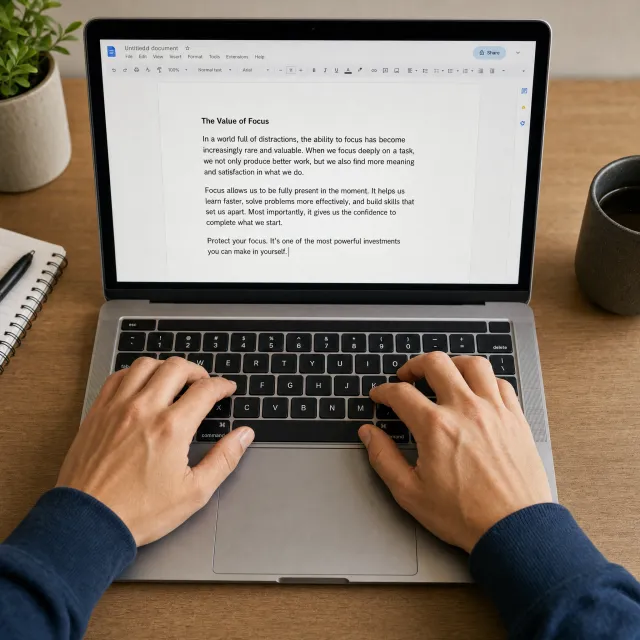
For Text in Images, it is highly reliable. It successfully integrates text into environmental contexts, such as the Times Square billboard or piped icing on a Birthday cake, keeping spelling accurate and perspective correct.
- Photorealistic Portraits: Rank 2 (1349 Elo)
In Photorealistic People & Portraits, it shines by avoiding the plastic look of earlier AI models. It captures beautiful, subtle skin textures and warm lighting, as seen in the stunning Elderly woman portrait.
Average to Weak Use Cases: Proceed with Caution
- Graphic Design & Flat Art: (1208 Elo)
While capable, it isn't the best choice for Graphic Design. Models like Takumi 1 beat it here. It tends to over-render objects that should be flat. For example, it added 3D joints and badges to the HelperBot mascot instead of keeping it a simple vector.
- Hands & Micro-Anatomy: (1128 Elo)
In Hands & Anatomy, GPT Image 2 still struggles with the classic AI "extra digit" problem on complex grips. A glaring example is the Hand drawing sketch, which suffered a heavy penalty for an extra finger structure.
- Copyrighted Animation Styles:
Avoid using it for exact IP replication. Its heavy safety filters will block most prompts asking for specific studios or directors in the anime/cartoon space.