Summary for Ideogram 3.0 (Quality)
Ideogram 3.0 (Quality) currently sits in the lower tier of evaluated models, holding an overall Elo rating of 808. While top-tier competitors dominate with scores in the 1300s, this model struggles significantly to deliver competitive photorealism or handle complex, logic-heavy prompts.
Key Discoveries
- Graphic Design Focus: The model's highest performance is in the Graphic Design category (863 Elo). It generates clean vectors, striking logos, and handles flat illustration styles competently.
- Capable but Stylized Text: It performs reasonably well at rendering typography within images, though the text often feels overly smoothed or digitally inserted rather than naturally integrated into the environment.
- Logic and Surrealism Failures: The model bottoms out in Ultra Hard and Surreal & Creative scenarios (both at 653 Elo), frequently ignoring core prompt mechanics or failing to transform subjects entirely.
- The "Plastic" Effect: A persistent weakness across all categories is a highly synthetic, CGI-like finish applied to subjects that should look organic, weathered, or photorealistic.
Strengths
1. Graphic and Typographic Layouts
The model shows a solid baseline for clean, structured designs. In the Quantum Leap prompt, the generated Quantum Leap Logo earned a strong score of 8 by successfully integrating sharp geometric angles and stacked typography. Similarly, the Water Conservation test produced a highly effective Water Drop Vector (Score 9), praised for its crisp contours and solid color regions.
2. Clean Architectural Silhouettes
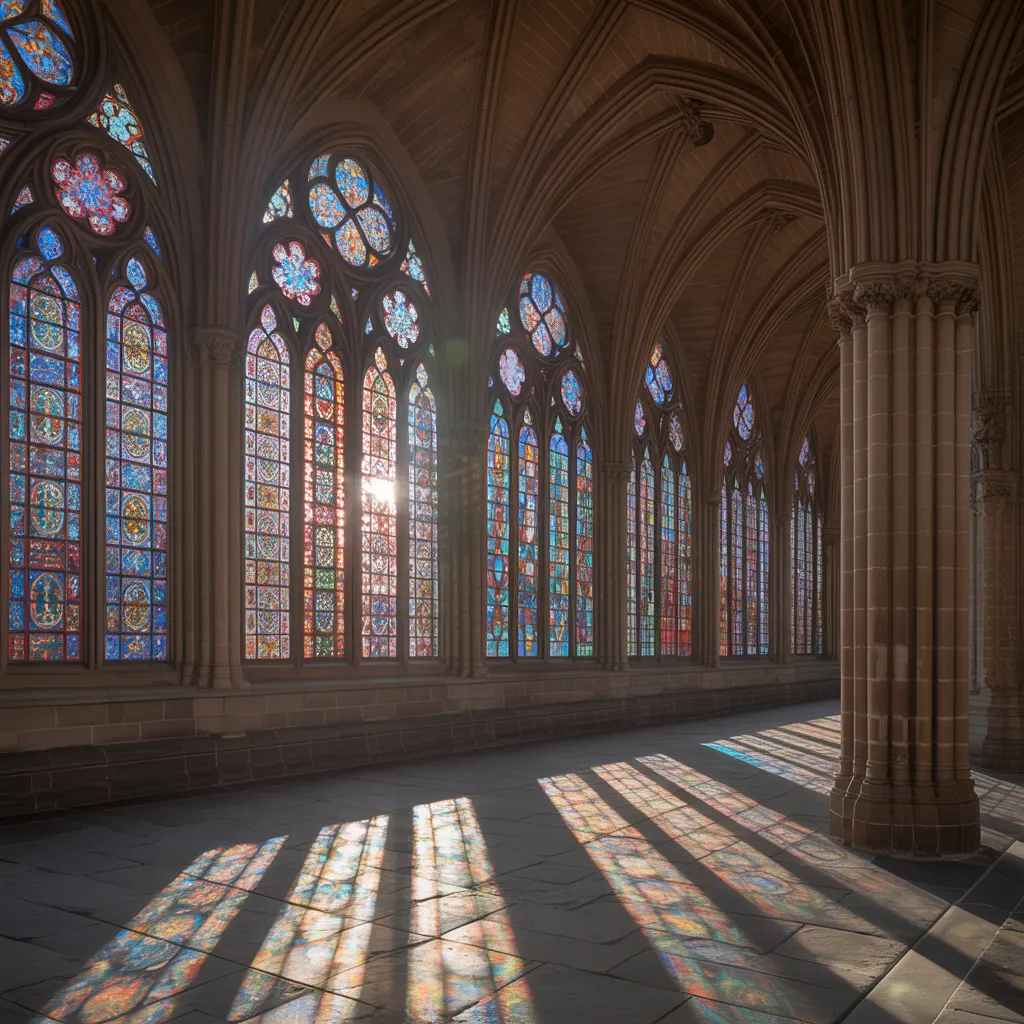
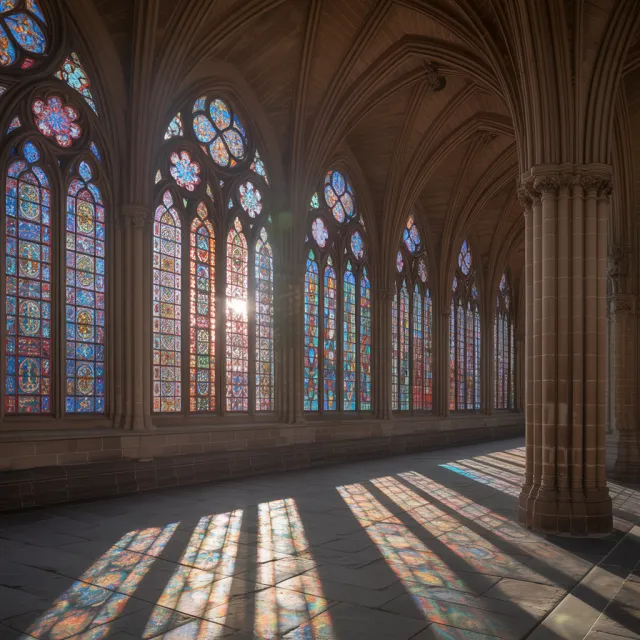
When tasked with highly structured environments, the model performs admirably. The Gothic Cathedral prompt yielded an impressive Cathedral Windows (Score 8), demonstrating excellent optical realism with colored floor projections and crisp masonry joints that recede beautifully into the background.
Weaknesses and Limitations
1. Extreme Rendering Artifacts & "Plasticity"
The model severely struggles with photorealism. In the Homer Simpson test, the Pop-art Homer completely failed to look like a human, resulting in a glossy, plastic-toy appearance. This synthetic sheen also ruined the Roman Bathhouse attempt, resulting in a Rendered Bath that felt like a cheap 3D mockup rather than ancient, textured ruins.
2. Relational Logic Failures
Ideogram 3.0 (Quality) has a hard time following specific spatial or relational instructions. When asked for an Astronaut Riding a Horse, the model failed the core reversal, generating a standard Astronaut on a Horse instead. Similarly, in the Mirror Reflection prompt, it generated a Gothic Scene that completely forgot to show the subject's reflected back.
3. Poor Anatomical Nuance
While it can generate a basic hand, complex interactions fall apart. The High-Five attempt produced Awkward Fingers with disproportionate, elongated digits. In the Magical Girl prompt, it spawned a conspicuous Hand Artifact featuring an extra finger-like projection that ruined an otherwise polished illustration.
Best Scenarios and Category Breakdown
Graphic Design & Text (Elo: 863 & 835)
Recommendation: Use for vectors, posters, and simple wordmarks.
The model peaks here. It handles flat, clean imagery beautifully. For example, the Journey to Mars prompt resulted in a Sci-Fi Cover (Score 8) with exceptionally clear lettering and striking graphic scale. However, avoid asking for hand-written text; the AGI Cardboard Sign test resulted in Digital Font on Cardboard that felt entirely typeset rather than hand-drawn with a marker.
Architecture & Interiors (Elo: 795)
Recommendation: Use for conceptual visualizations, but expect generic details.
The model is competent at basic staging. The Desert Home prompt generated a pleasing Modernist Villa (Score 7). However, the model leans into generic "luxury" tropes rather than capturing nuanced historical or specialized design principles, often replacing intricate joinery or specific textures with flat, uniform surfaces.
Photorealistic People & Portraits (Elo: 703)
Recommendation: Avoid for high-end photorealism.
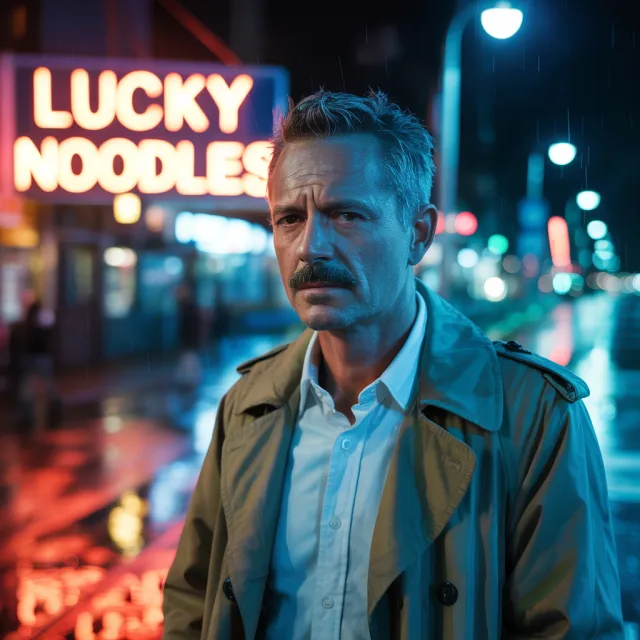
Skin textures, pores, and natural lighting are consistently weak. The Fisherman prompt produced a Synthetic Fisherman with unnaturally carved neck tendons and repetitive teeth. Even when technically clean, like the Nighttime Neon Portrait, the results feel heavily color-washed and stylized rather than authentically photographic.
Anime & Ghibli Style (Elo: 797 & 700)
Recommendation: Average performance for basic 2D needs.
The model can output clean line art, but fails to capture the soulful, detailed environmental nuance of true Ghibli styles. The Howl's Moving Castle prompt yielded a Generic Fantasy Castle completely lacking the requested steampunk mechanical complexity.
Surreal, Creative & Ultra Hard (Elo: 653)
Recommendation: Strictly avoid.
The model fails consistently when asked to bend reality or follow extreme constraints. It failed to turn an avocado into furniture in the Avocado Armchair prompt, instead just rendering a Tilted Avocado. It entirely missed the android requirement in the Mona Lisa Android prompt, outputting a standard Pop-Art Portrait. Its bottom-tier rating here cements it as a model heavily bound to literal, conventional interpretations.