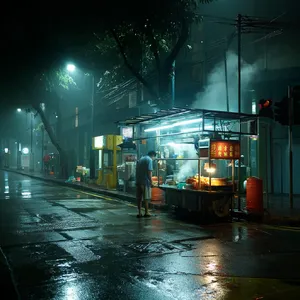
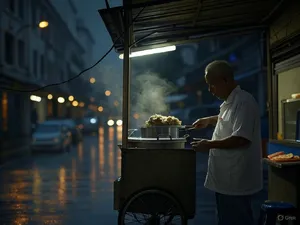
Summary for Ultra Hard
The Ultra Hard category is the ultimate gauntlet for AI image generation. It pushes models past simple aesthetics and forces them to demonstrate true spatial reasoning, precise text rendering, logic reversal, and strict style adherence.
Key Discoveries:
- 🏆 Top Tier Performers: Models utilizing strong underlying language comprehension dominated. Grok Imagine 2.0 (Preview), Takumi 1, and GPT Image 1.5 consistently outperformed pure diffusion models by actually understanding the logic of the prompts.
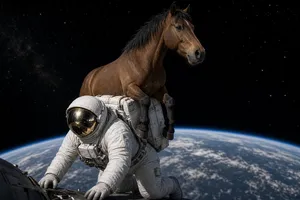
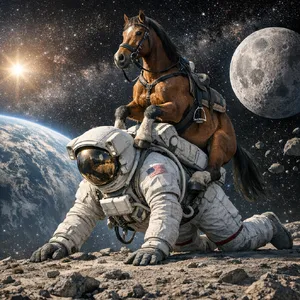
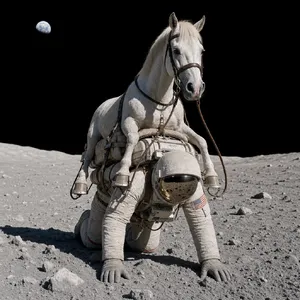
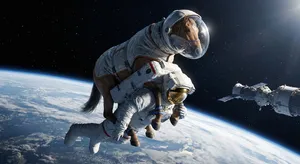
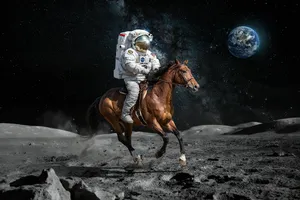
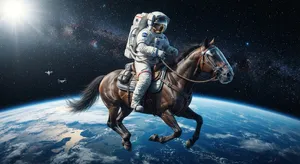
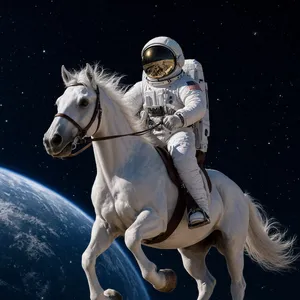
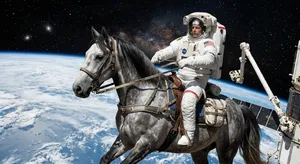
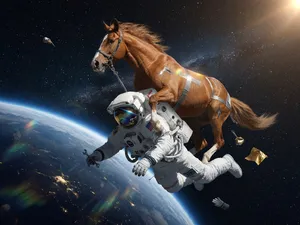
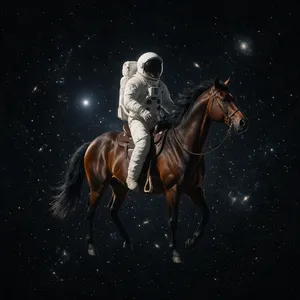
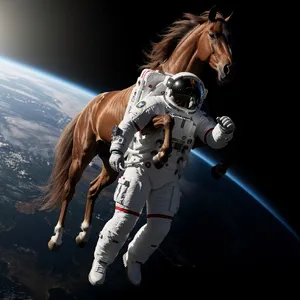
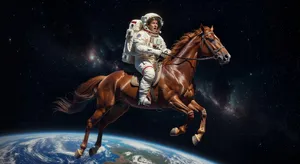
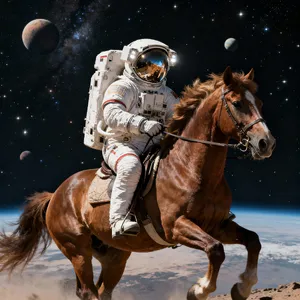
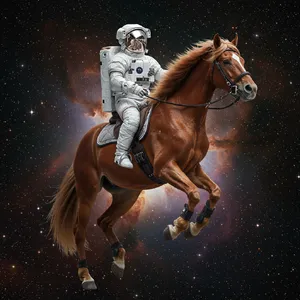
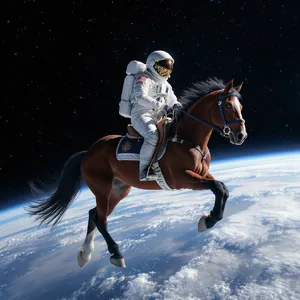
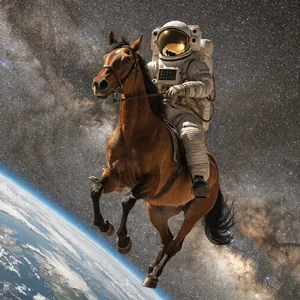
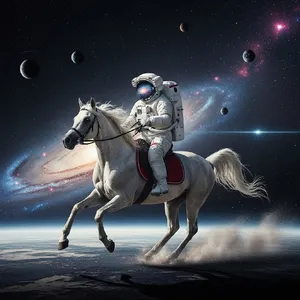
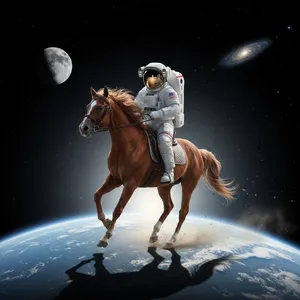
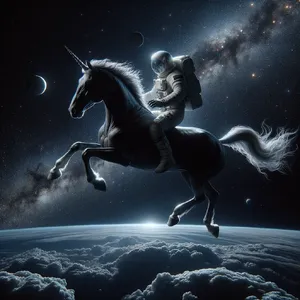
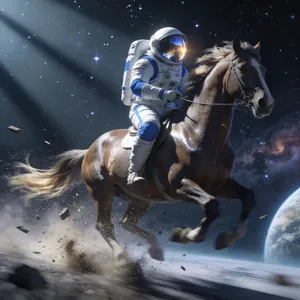
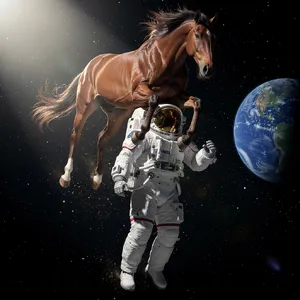
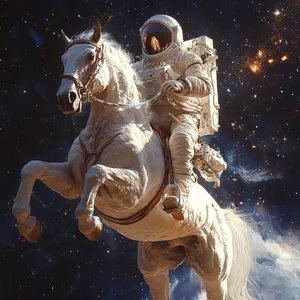
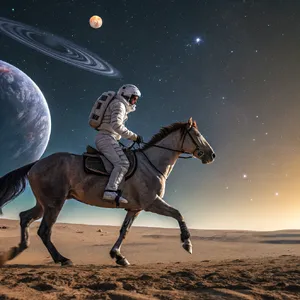
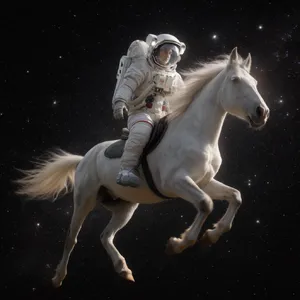
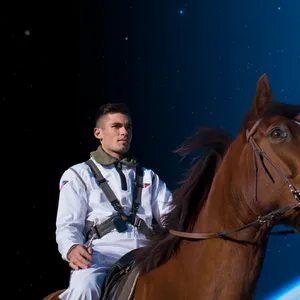
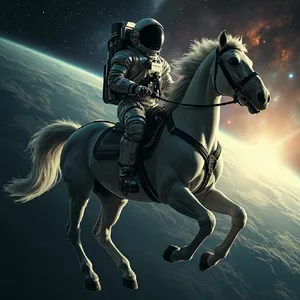
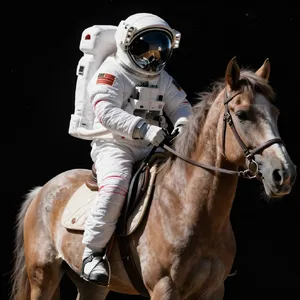
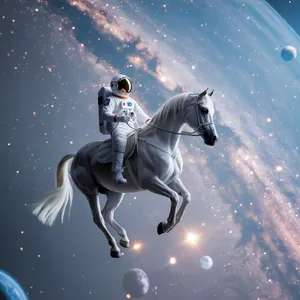
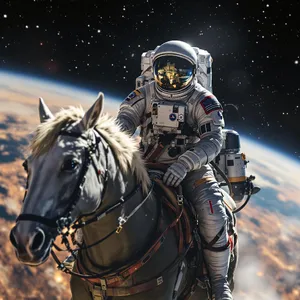
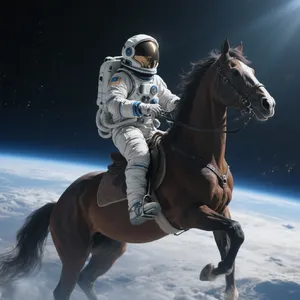
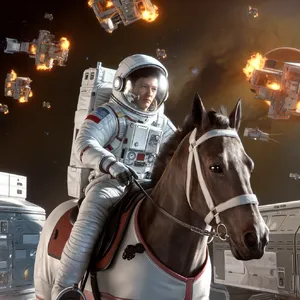
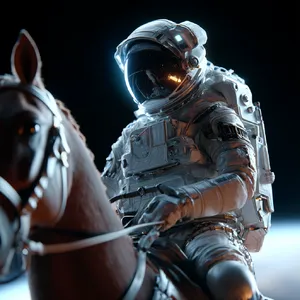
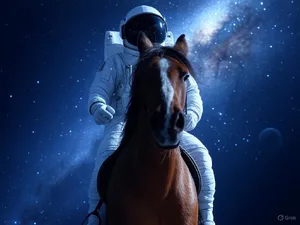
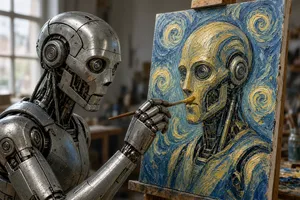
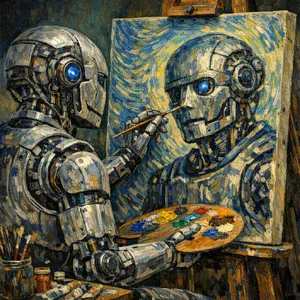
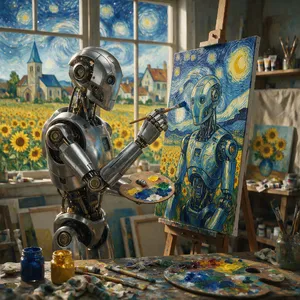
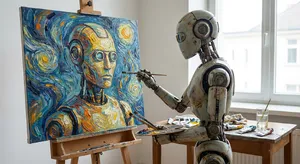
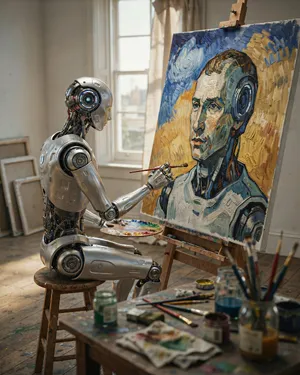
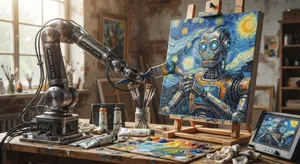
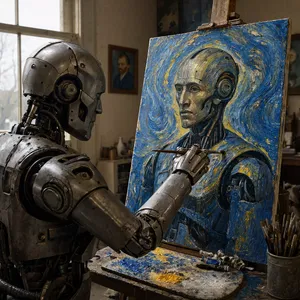
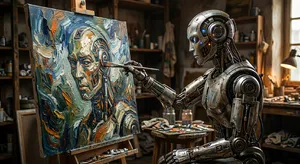
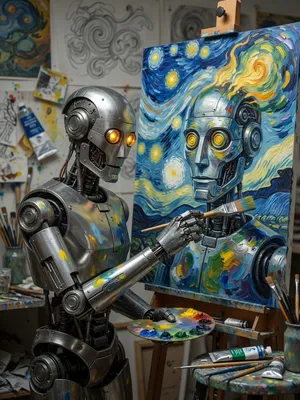
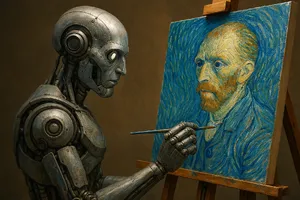
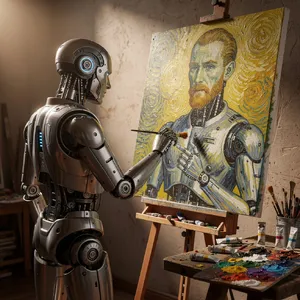
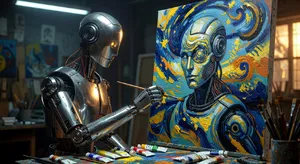
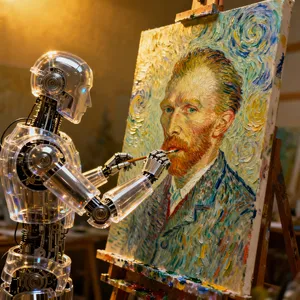
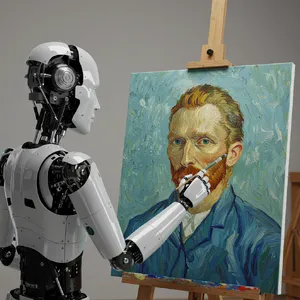
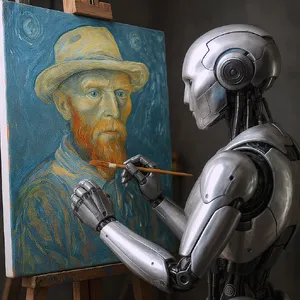
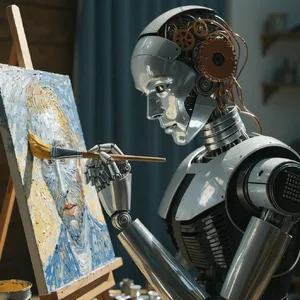
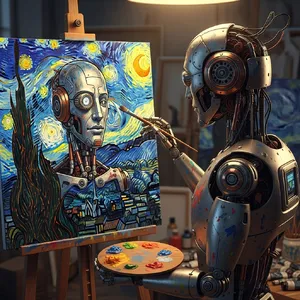
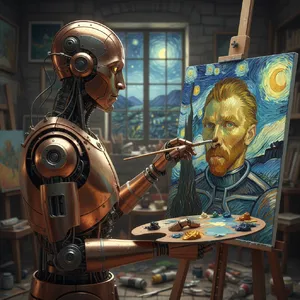
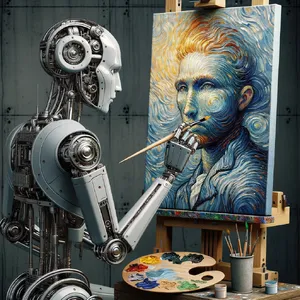
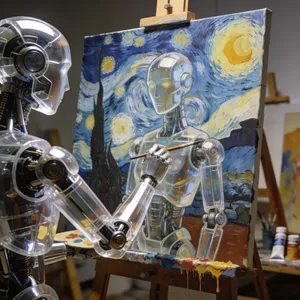
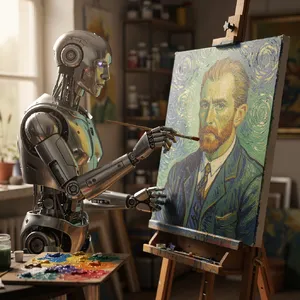
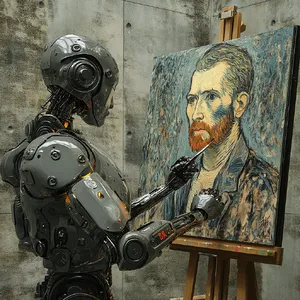
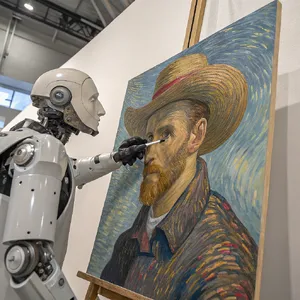
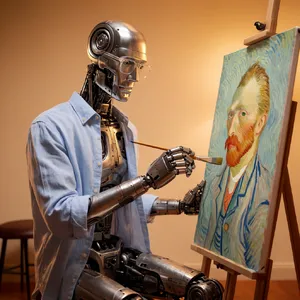
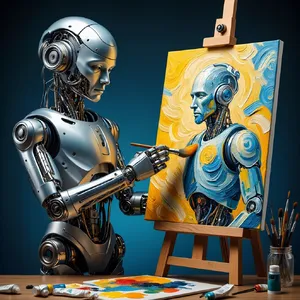
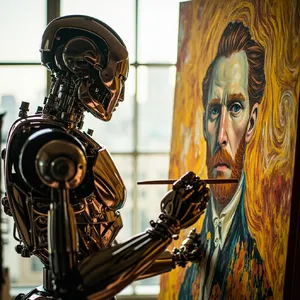
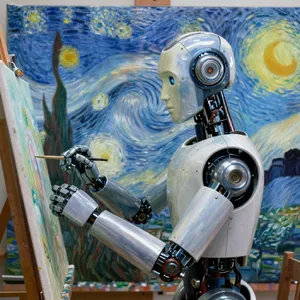
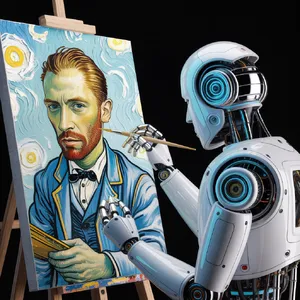
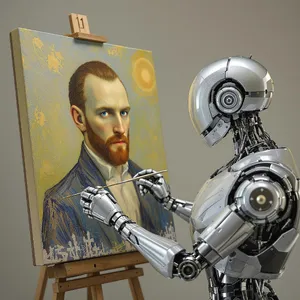
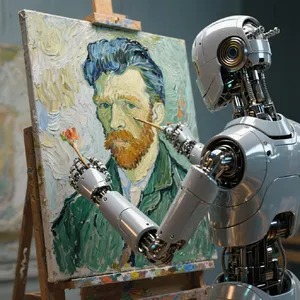
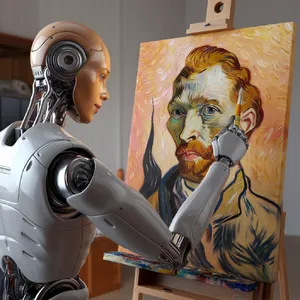
- 🧠 The 'Trope' Trap: The biggest failure mode was models ignoring explicit instructions in favor of their training data. When asked for a horse riding an astronaut, most models drew an astronaut riding a horse. When asked for a robot painting a self-portrait in Van Gogh's style, most painted Van Gogh instead.
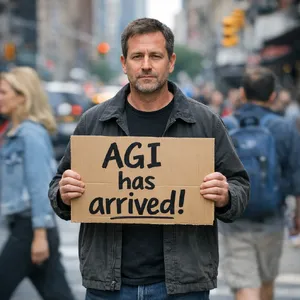
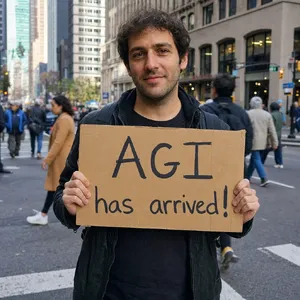
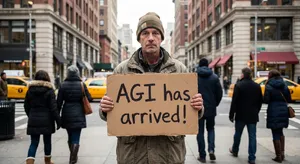
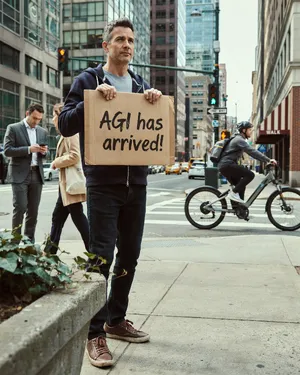
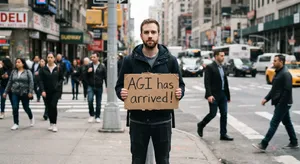
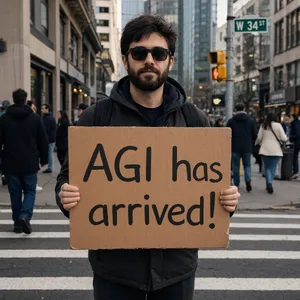
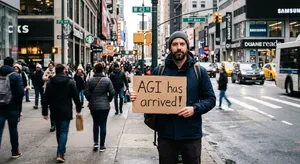
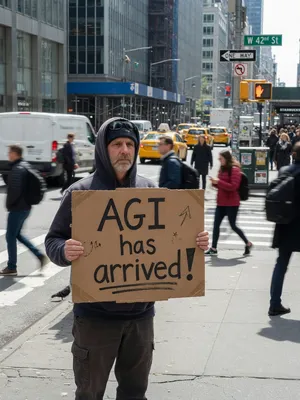
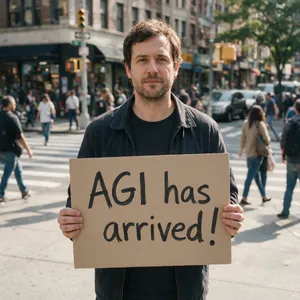
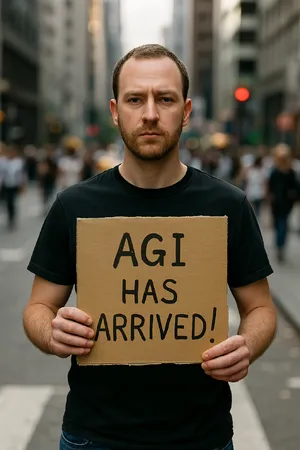
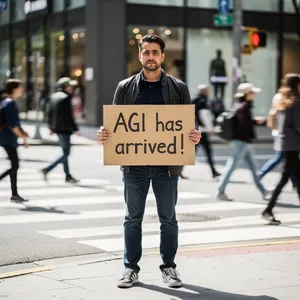
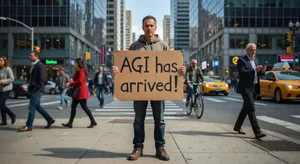
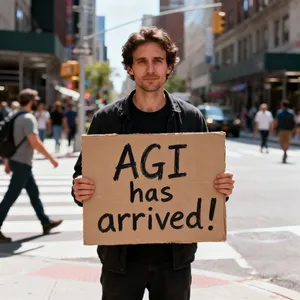
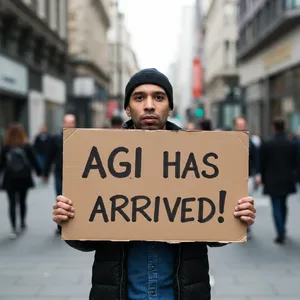
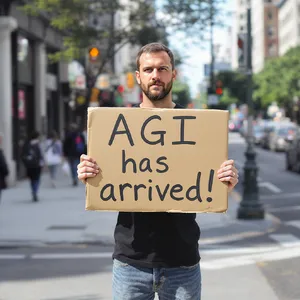
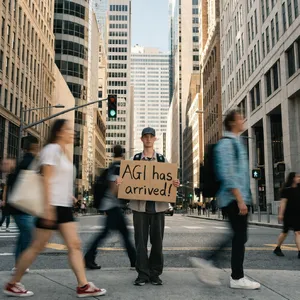
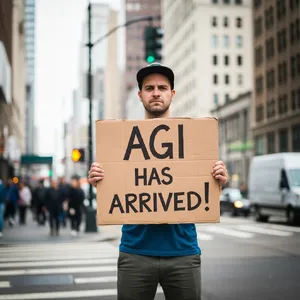
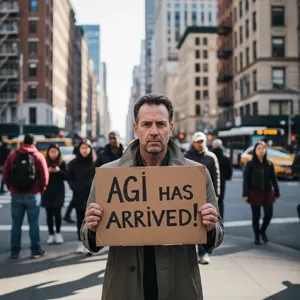
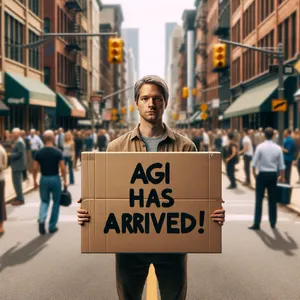
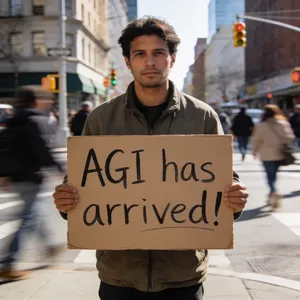
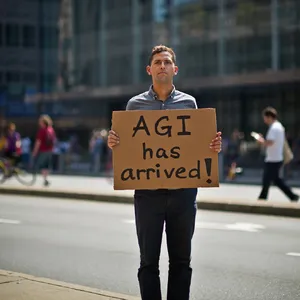
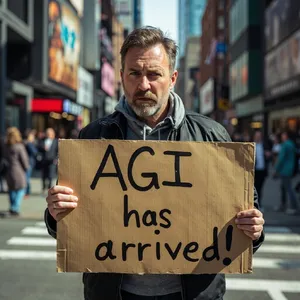
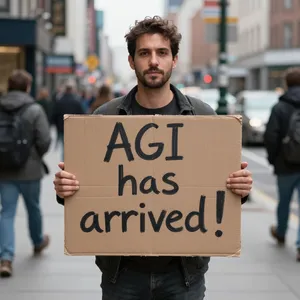
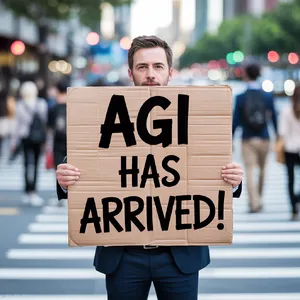
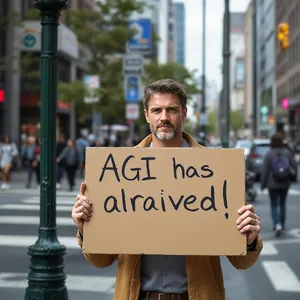
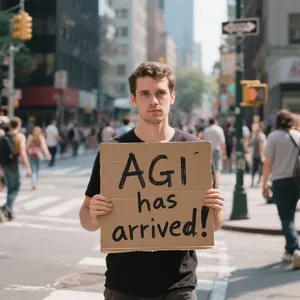
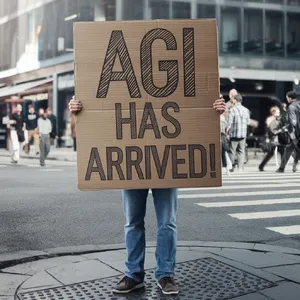
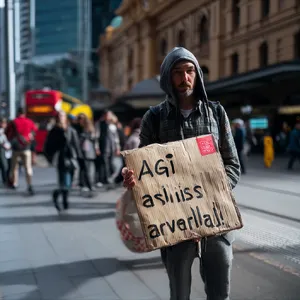
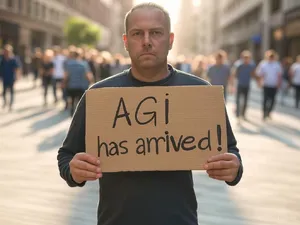
- ✍️ Text Generation is Maturing: While complex mathematics remains difficult, rendering legible, properly capitalized English text (like marker on a cardboard sign) has become highly reliable for top-tier models.
- 👎 Struggling Titans: Surprisingly, models known for beautiful aesthetics like Midjourney v7 and Midjourney V6.1 struggled heavily in this category, prioritizing cinematic gloss over strict prompt adherence and failing logic tests.
In-Depth Pattern Analysis
The Ultra Hard dataset reveals a fascinating divide in the current landscape of AI image generators: the gap between looking good and being smart.
1. The Semantic Understanding Gap
Models like Ideogram V2 and Recraft V3 generate stunningly crisp images, but often fail critical logic tests. In the Astronaut and Horse prompt, the instruction explicitly asked for the horse to ride the astronaut. Over 80% of models failed this, reverting to the standard trope of a human riding a horse. Only models with superior semantic grounding like Takumi 1 and GPT Image 1.5 successfully inverted the hierarchy.
2. The Challenge of Recursion and Identity
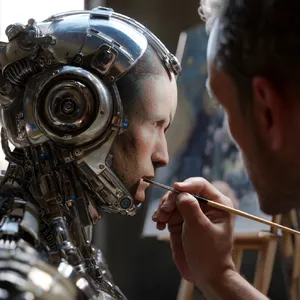
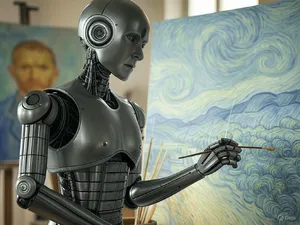
In the Robot Painting Self-Portrait challenge, we saw how AI struggles with recursive identity. The prompt asked for a robot painting itself in a Van Gogh style. Weaker models simply generated a robot painting a picture of Vincent Van Gogh. Models like Imagen 4.0 Ultra and Grok Imagine 2.0 (Preview) understood the assignment, beautifully blending metallic textures with thick, expressive impasto on the canvas.
3. Text and Typography Evolution
Generating text is no longer the impossible hurdle it once was, but it remains a strong differentiator.
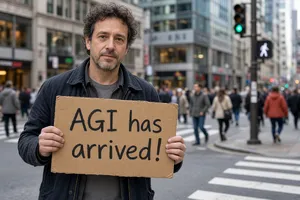
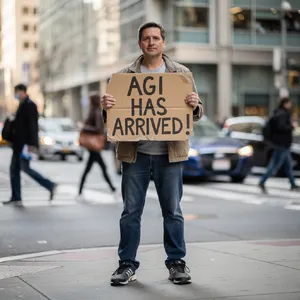
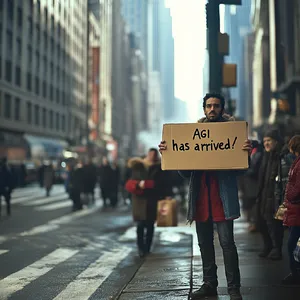
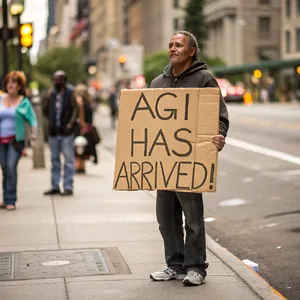
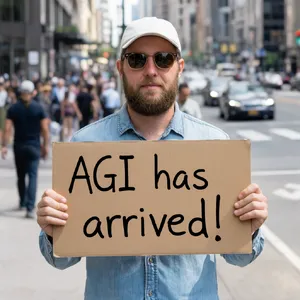
- Simple Text: The AGI Has Arrived Sign was handled well by most modern models, with Nano Banana 2 creating a flawless, documentary-style photograph.
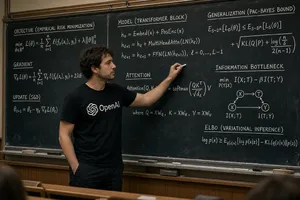
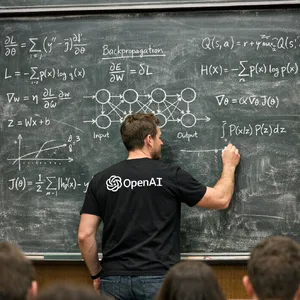
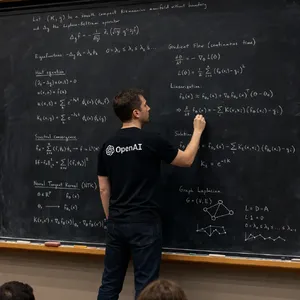
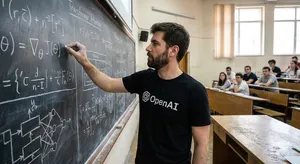
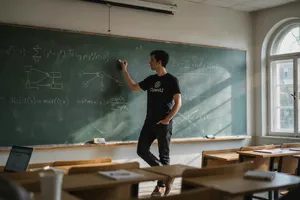
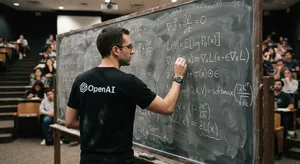
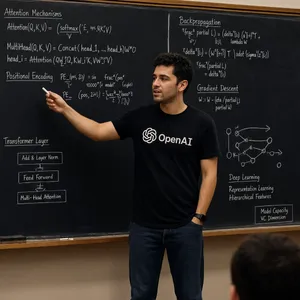
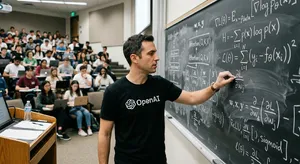
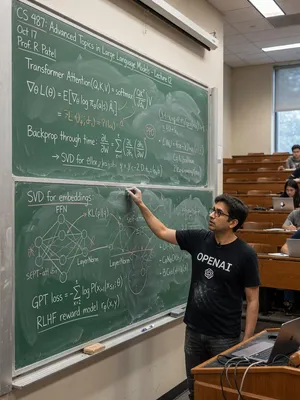
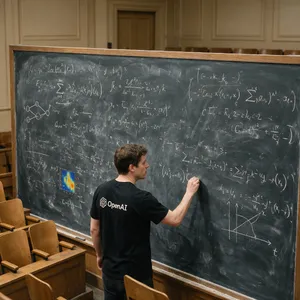
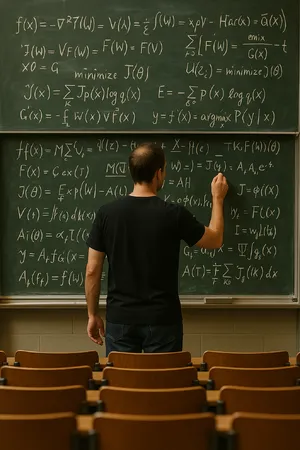
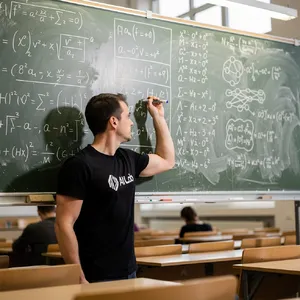
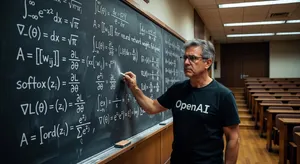
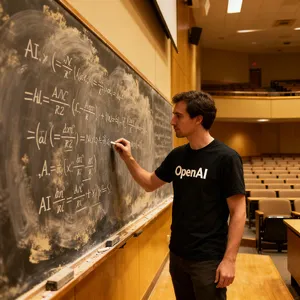
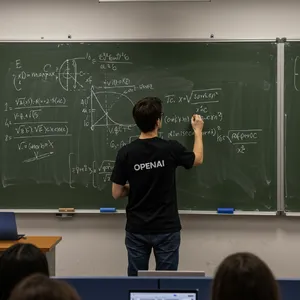
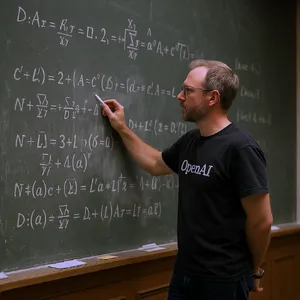
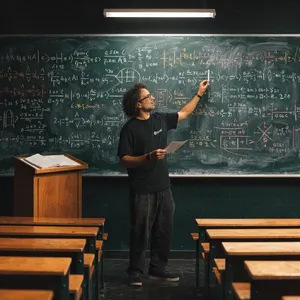
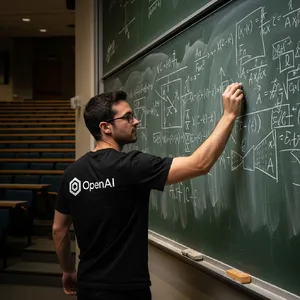
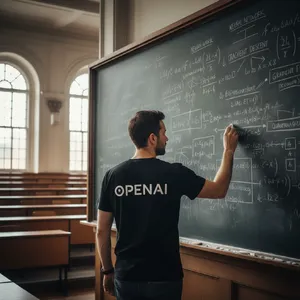
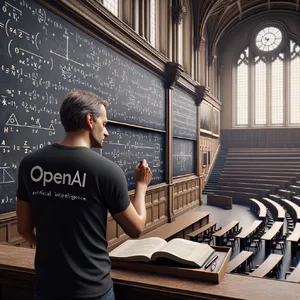
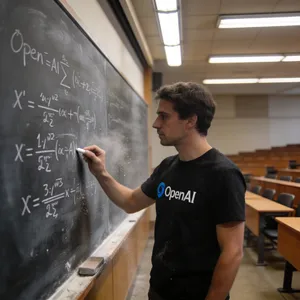
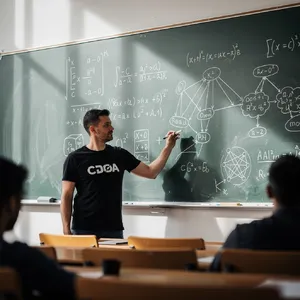
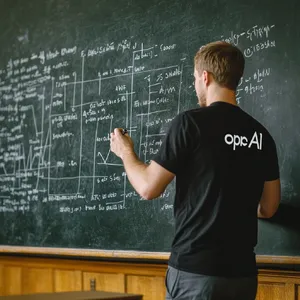
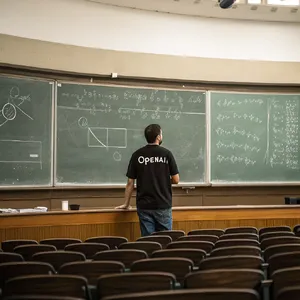
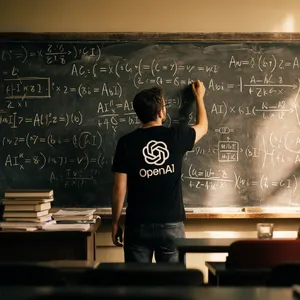
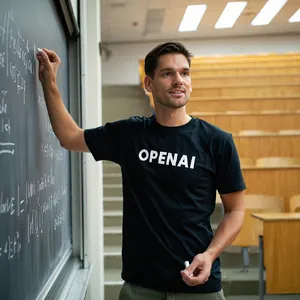
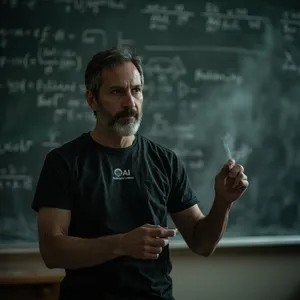
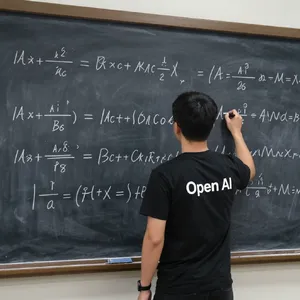
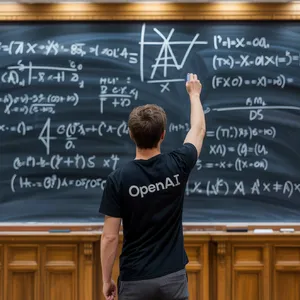
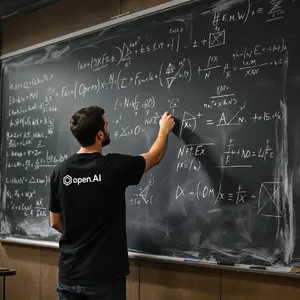
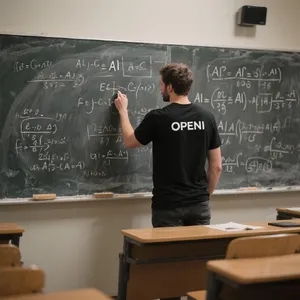
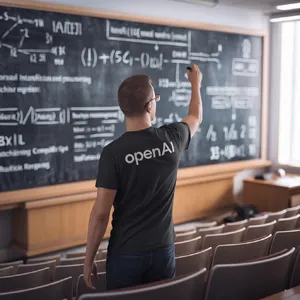
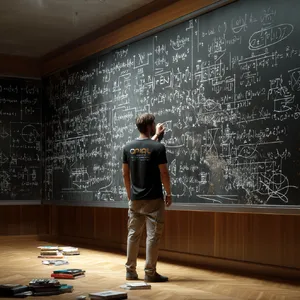
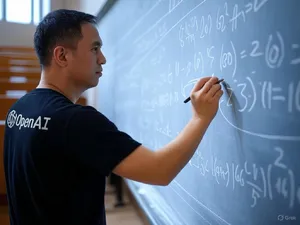
- Complex Text: The OpenAI Math Lecture separated the good from the great. While many models generated 'alien gibberish' or misspelled the branding, GPT Image 2 and Grok Imagine (Quality) actually generated coherent machine learning equations (like Transformer Attention and KL divergence).
4. Anatomy & Specific Gestures
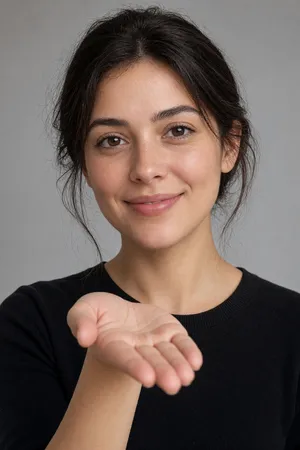
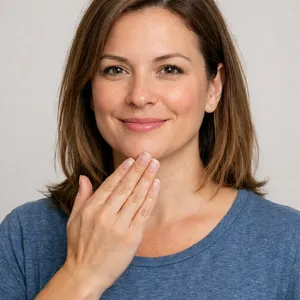
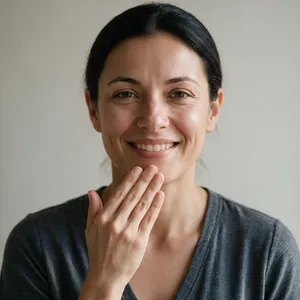
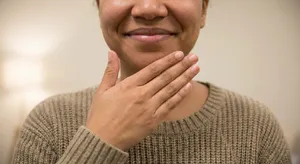
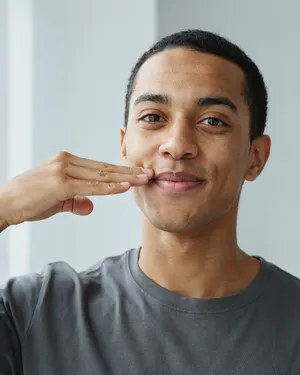
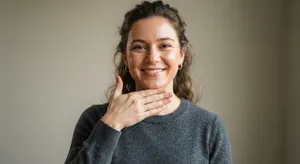
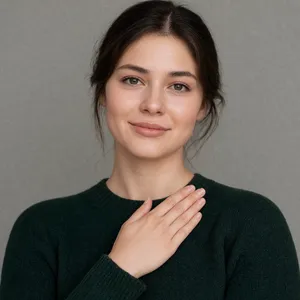
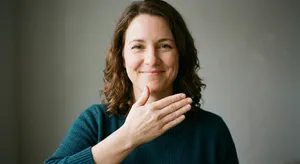
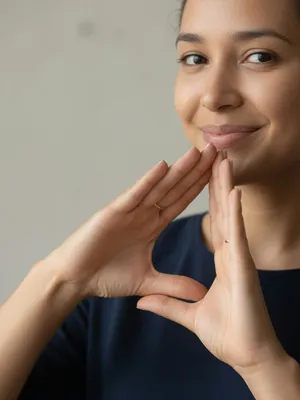
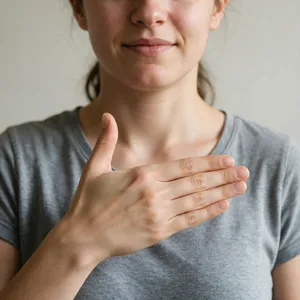
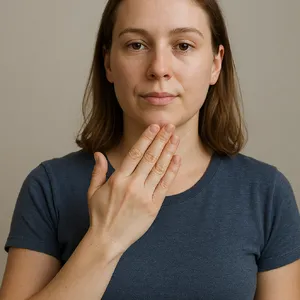
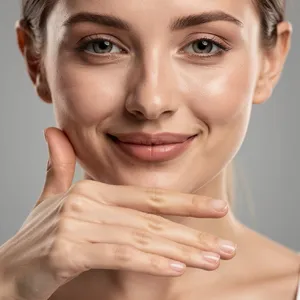
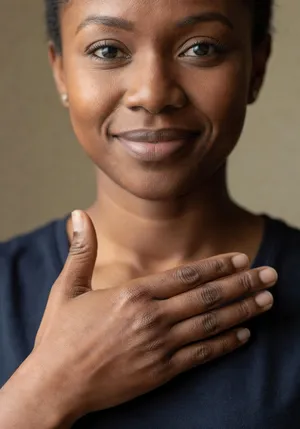
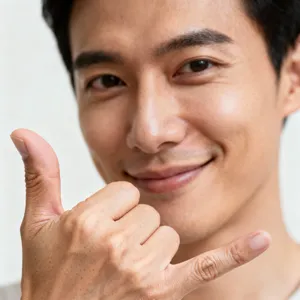
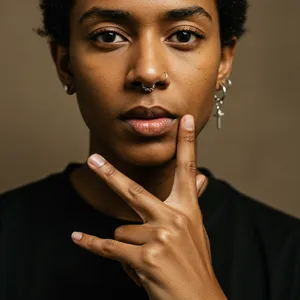
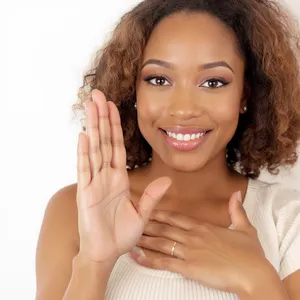
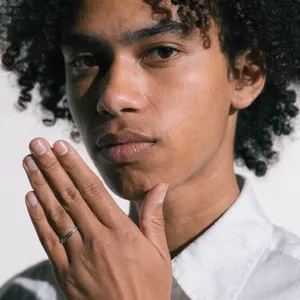
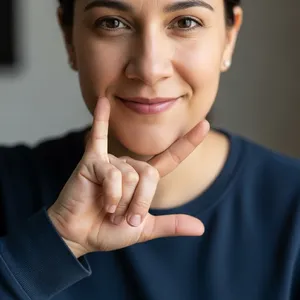
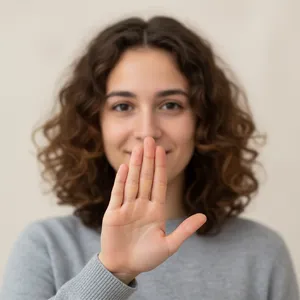
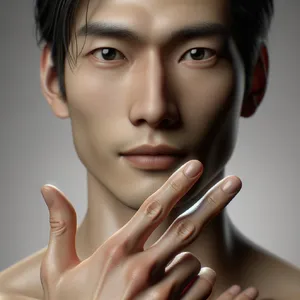
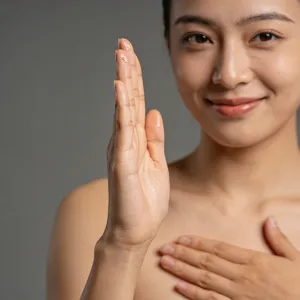
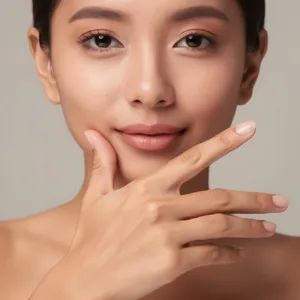
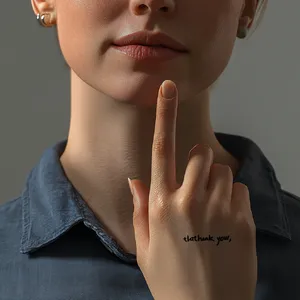
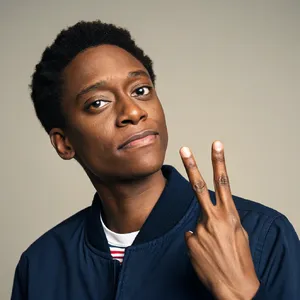
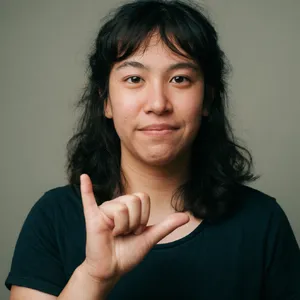
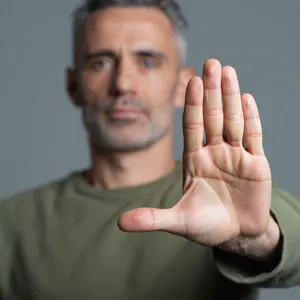
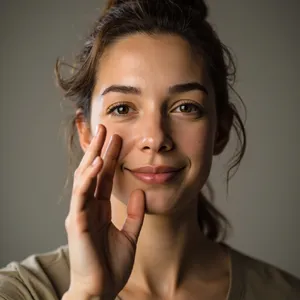
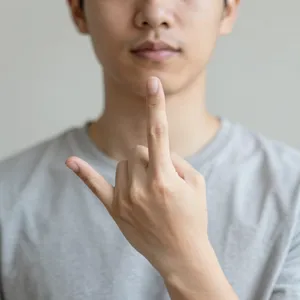
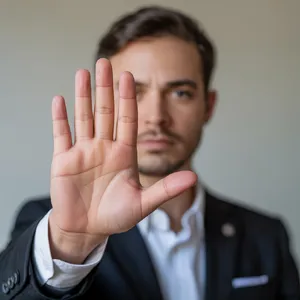
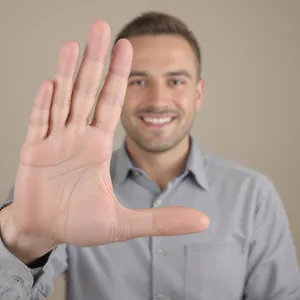
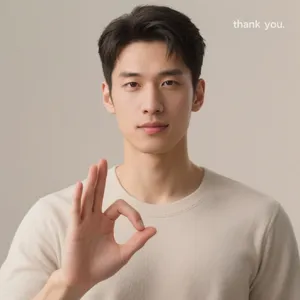
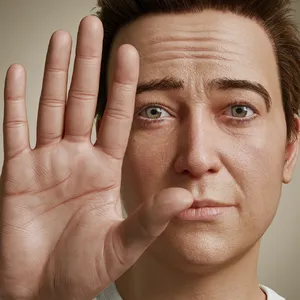
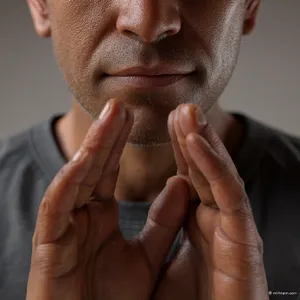
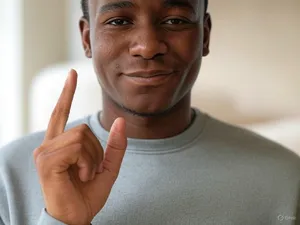
The ASL Thank You prompt highlighted a remaining weakness: fine motor anatomy. While AI can draw hands better now, asking for a specific sign language gesture caused models to hallucinate peace signs, waves, or 'I love you' gestures. ChatGPT 4o was one of the few to nail the exact fingertip-to-chin movement.
Best Models by Specialized Scenarios
If you are tackling extremely complex prompts, choosing the right model is critical. Here is a breakdown of which models excel based on specific ultra-hard use cases:
🎨 Exact Style & Nostalgia Emulation
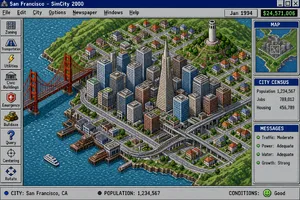
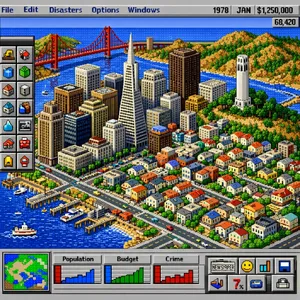
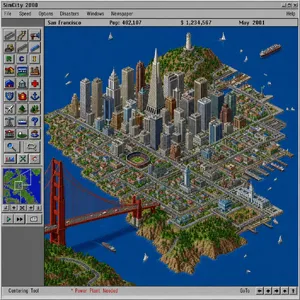
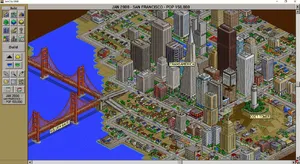
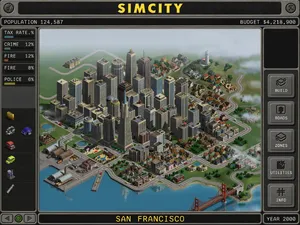
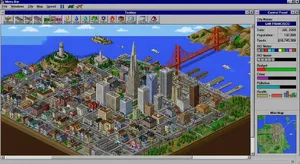
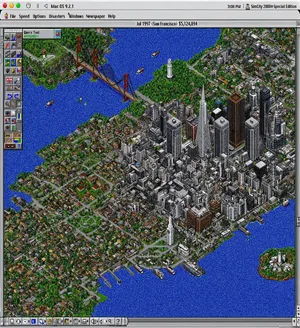
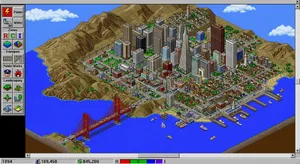
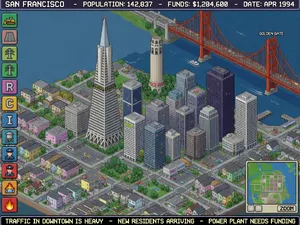
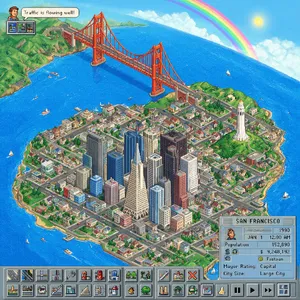
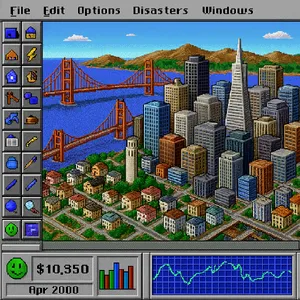
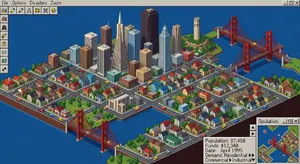
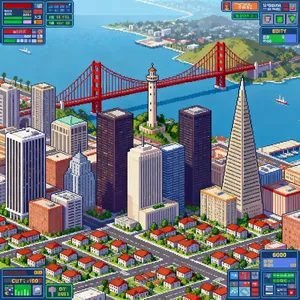
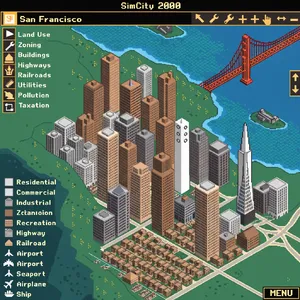
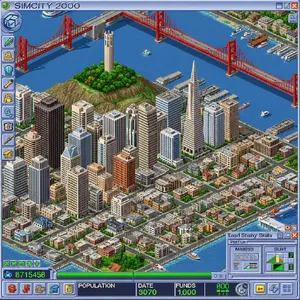
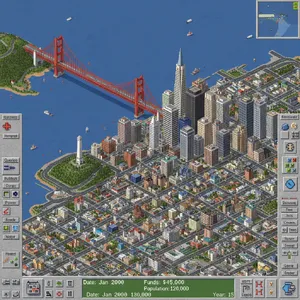
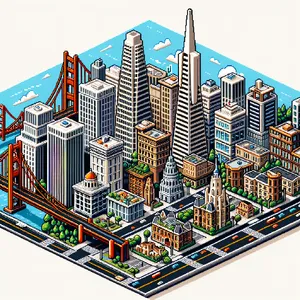
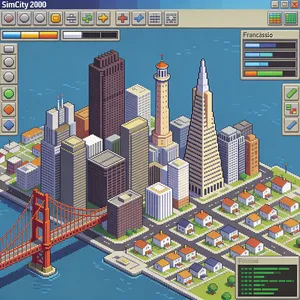
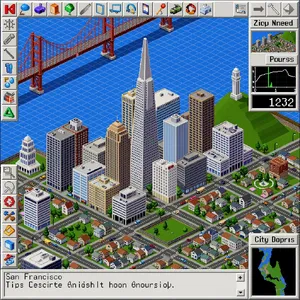
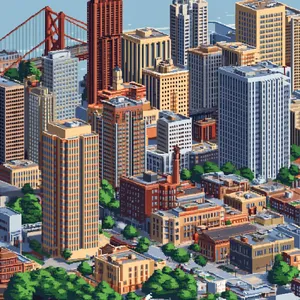
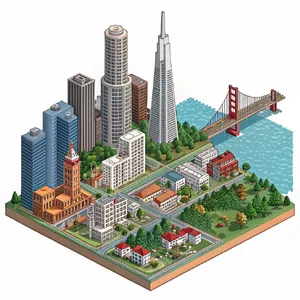
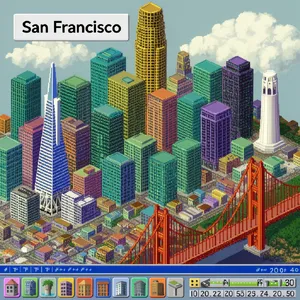
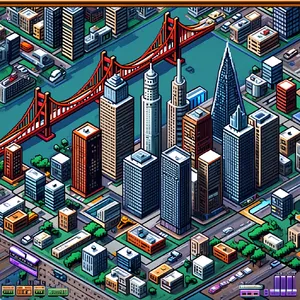
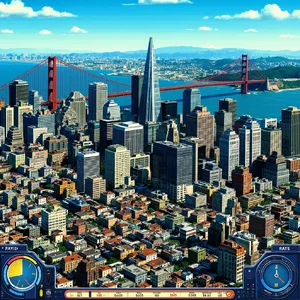
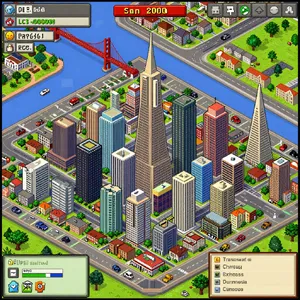
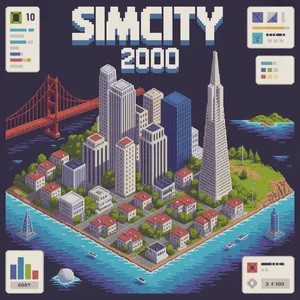
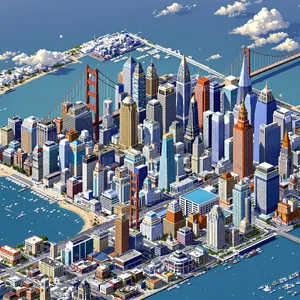
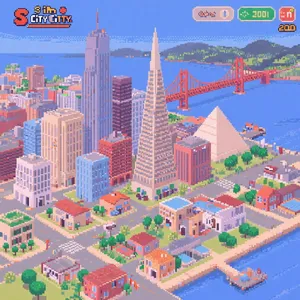
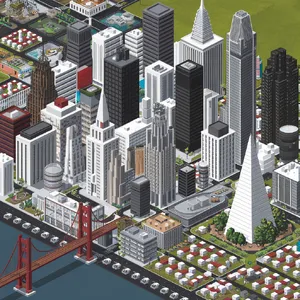
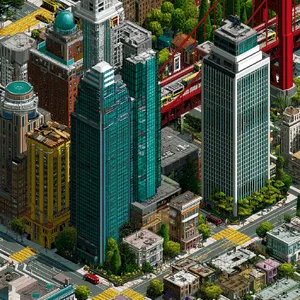
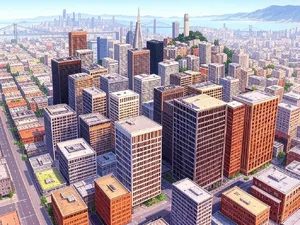
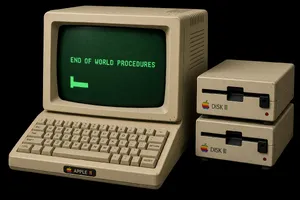
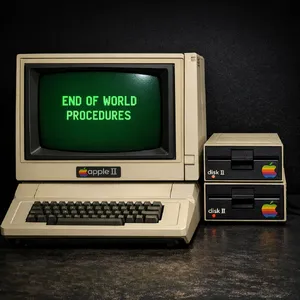
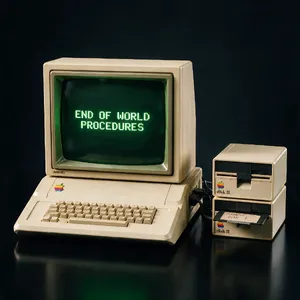
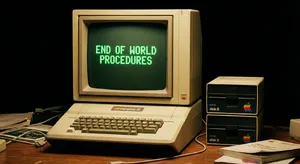
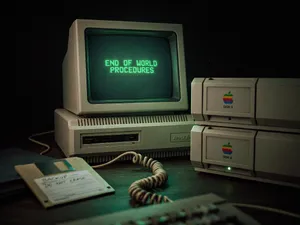
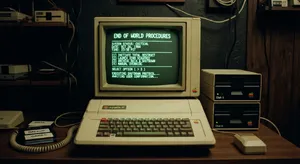
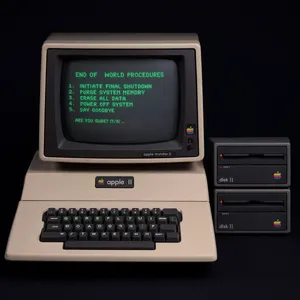
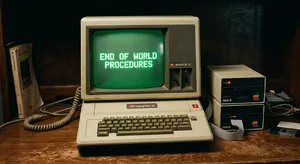
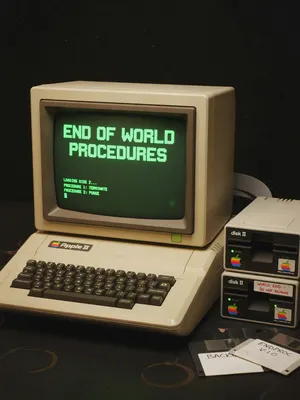
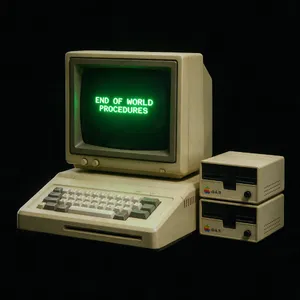
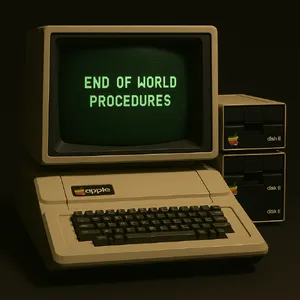
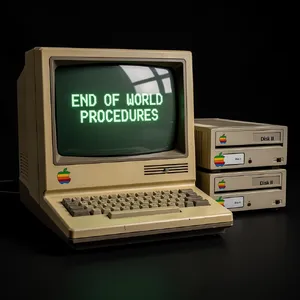
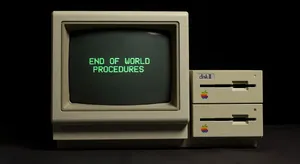
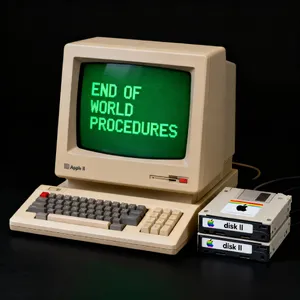
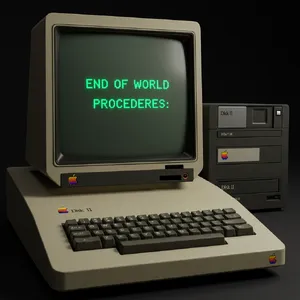
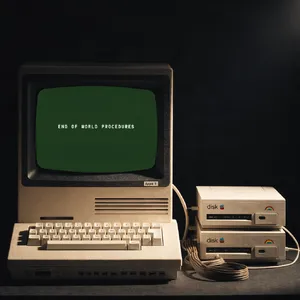
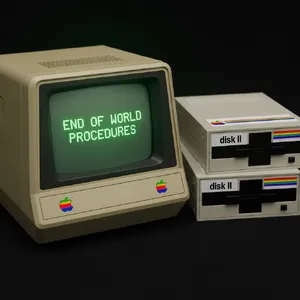
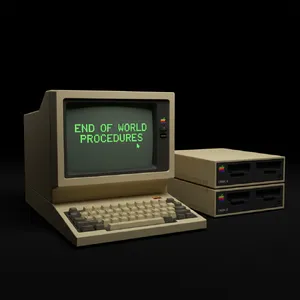
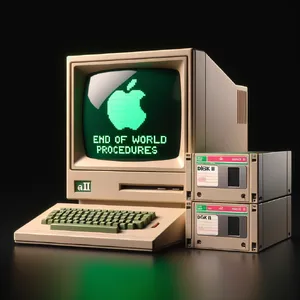
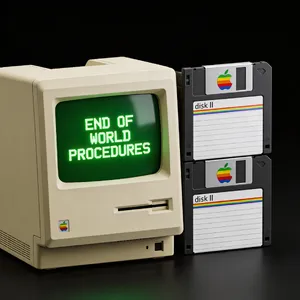
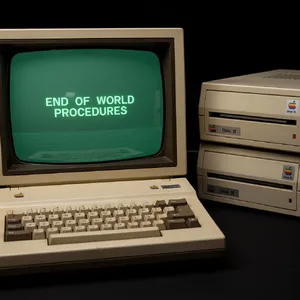
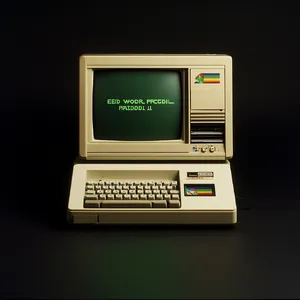
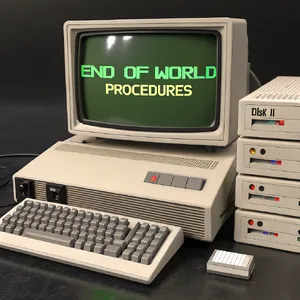
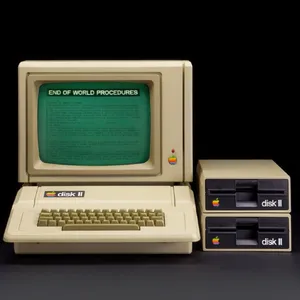
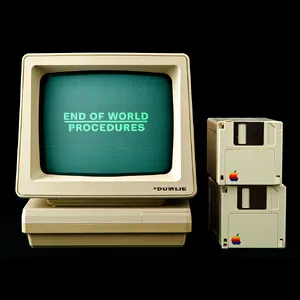
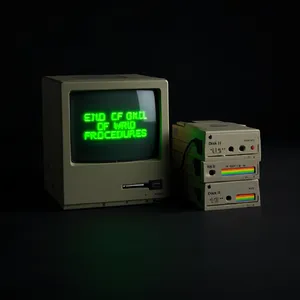
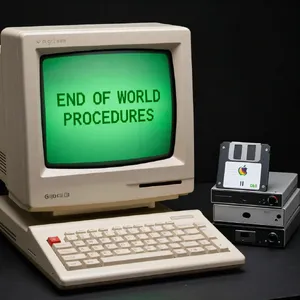
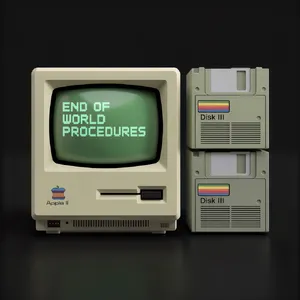
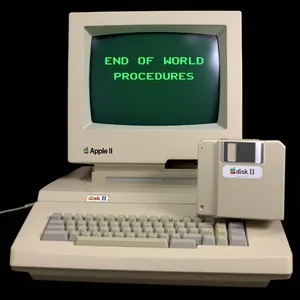
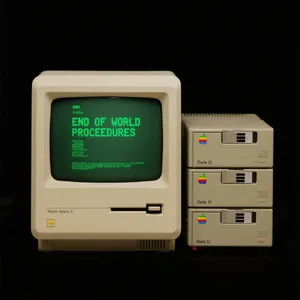
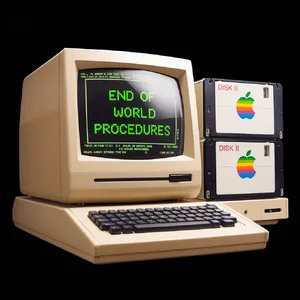
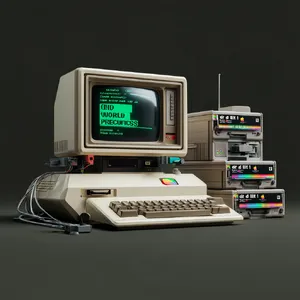
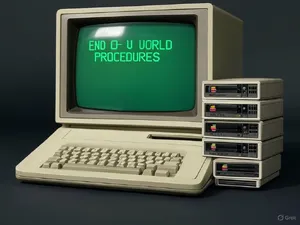
When you need to replicate a highly specific, nostalgic visual style (like 90s pixel art or 80s hardware), you need a model that respects historical details.
🧠 Logic, Reversals & Impossible Scenarios
If your prompt requires defying physics, reversing roles, or breaking visual tropes, you must use an LLM-backed image model.
👤 Humanization & Anatomy Constraints
Transforming an abstract concept into a realistic human, or demanding precise anatomical positioning.
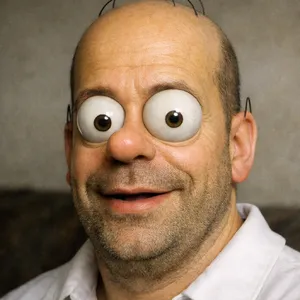
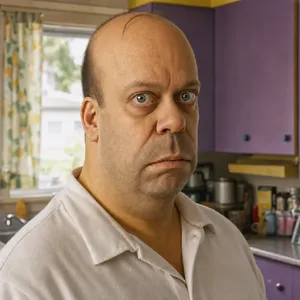
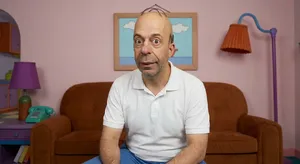
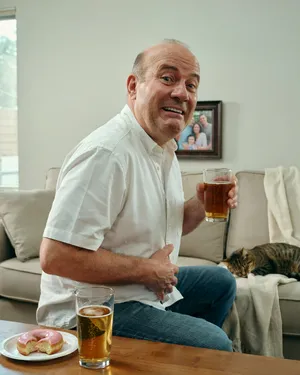
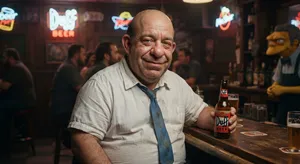
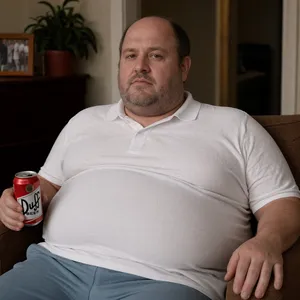
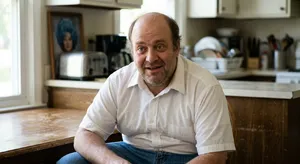
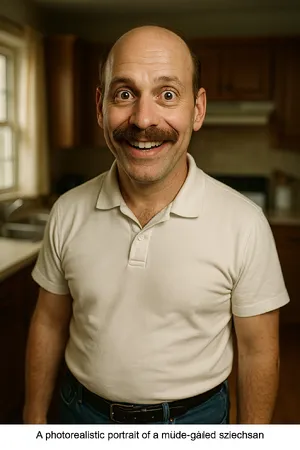
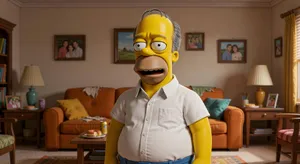
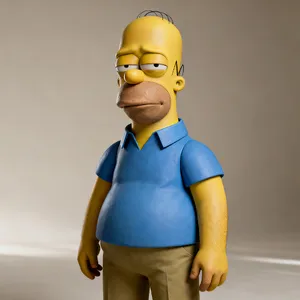
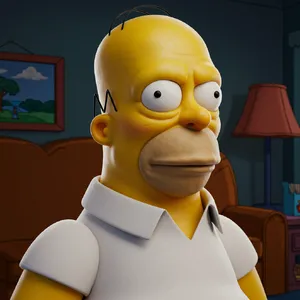
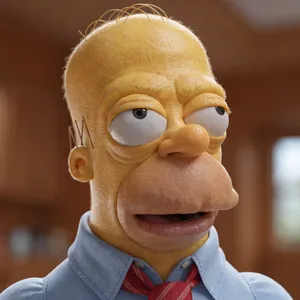
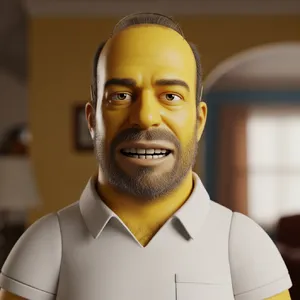
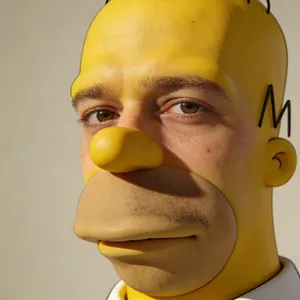
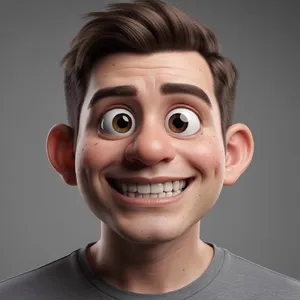
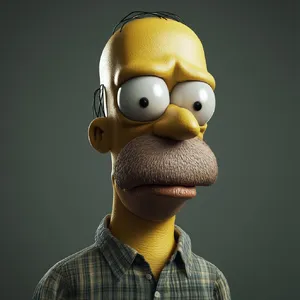
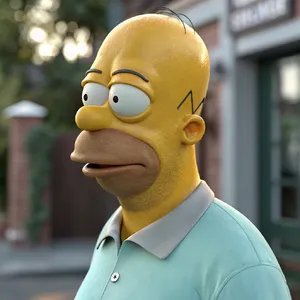
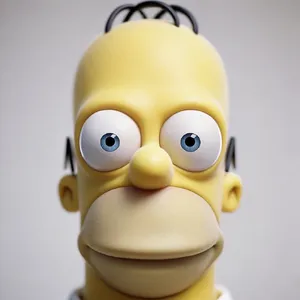
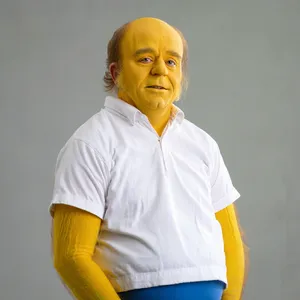
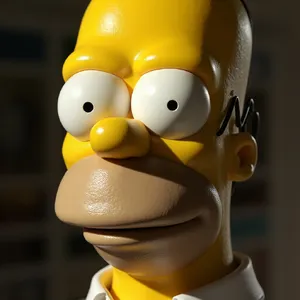
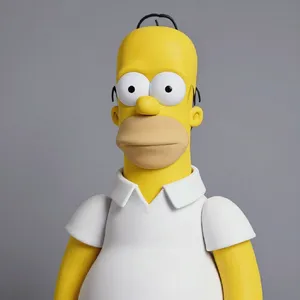
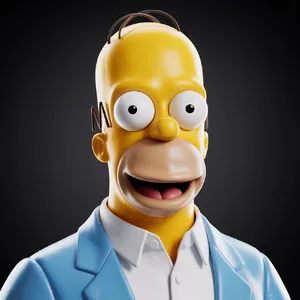
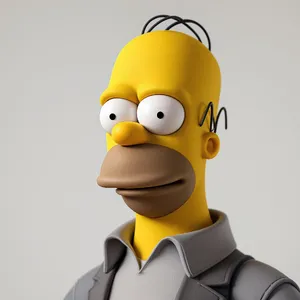
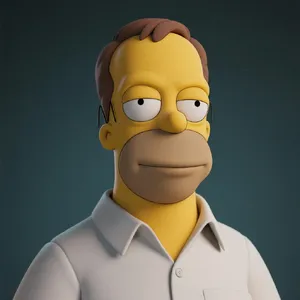
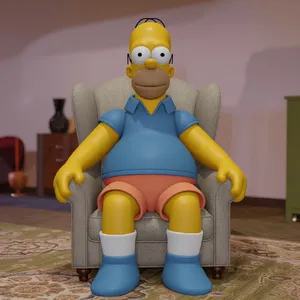
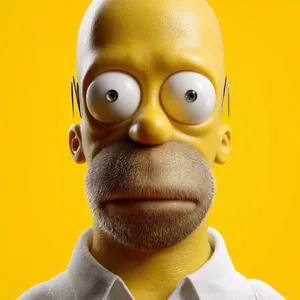
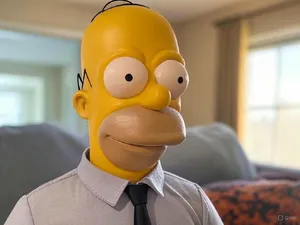
- Winner for Transformation: Nano Banana 2 Lite did an incredible job transforming the cartoon proportions of the Human Homer Simpson prompt into a believable, gritty bar-scene portrait without losing the character's essence.
- Winner for Exact Anatomy: ChatGPT 4o excelled at the ASL Thank You prompt, avoiding the uncanny valley while placing the fingers in the exact correct orientation.
📸 High-Fidelity Photorealism & Lighting
When the prompt demands cinematic, documentary-level realism with complex lighting environments.