Summary for Text in Images
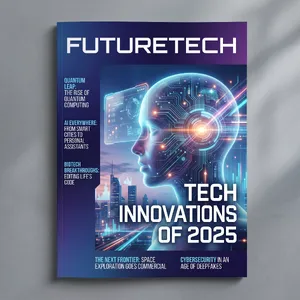
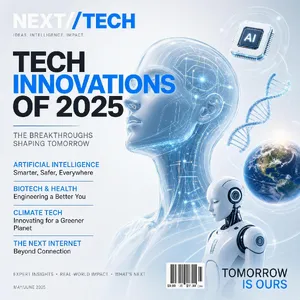
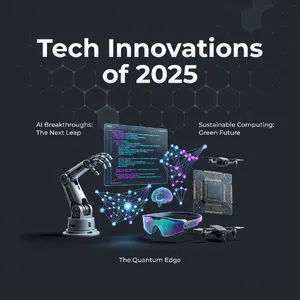
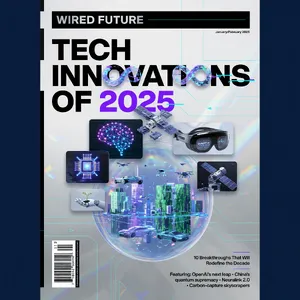
Generating accurate and legible text remains one of the ultimate stress tests for AI image generators. Based on our evaluation of the Text in Images category, we have identified clear leaders and distinct trends:
- Top Performers: GPT Image 2.5 Sunburst dominates this category with an impressive 1426 Elo, making it the absolute best choice for text-heavy prompts. It is closely followed by its predecessor, GPT Image 2 (1356 Elo), and Grok Imagine 2.0 (1350 Elo). These models are considered close competitors.
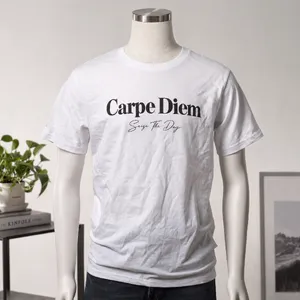
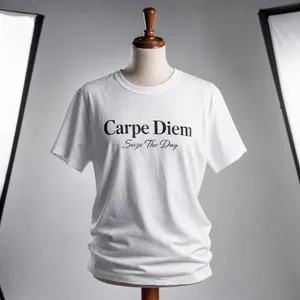
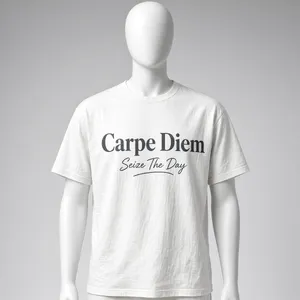
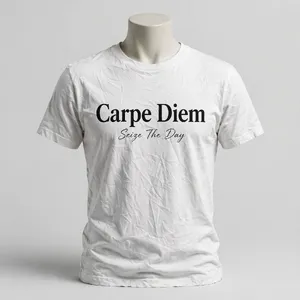
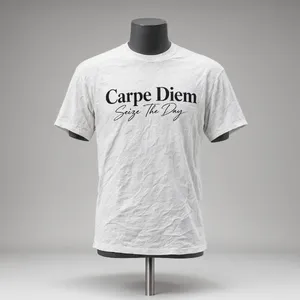
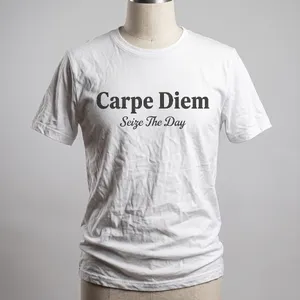
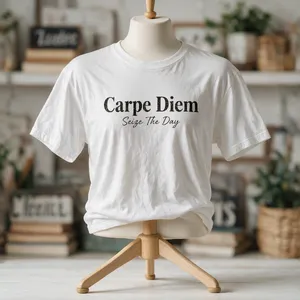
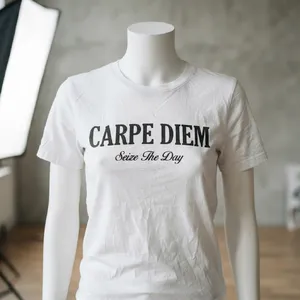
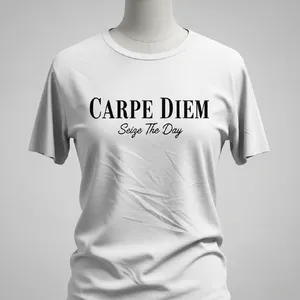
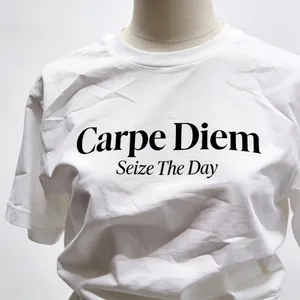
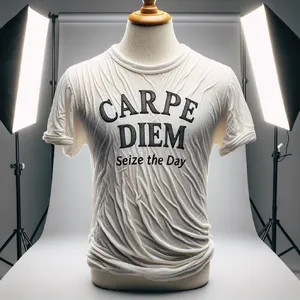
- Major Trends: The leading models no longer just spell words correctly; they understand typography hierarchies, styling (e.g., serif vs. script), and physical interaction (e.g., text conforming to fabric wrinkles).
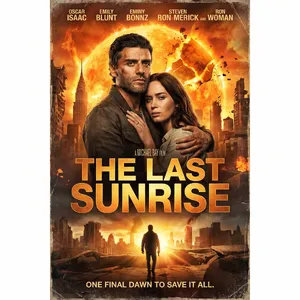
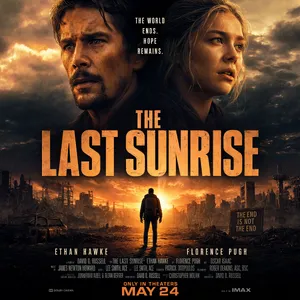
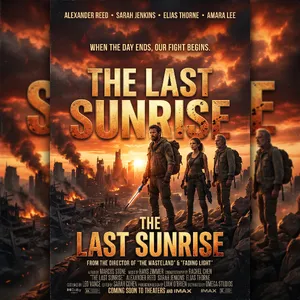
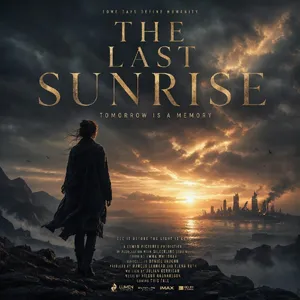
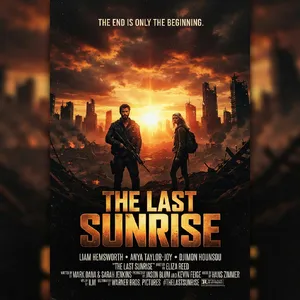
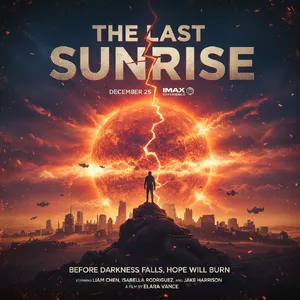
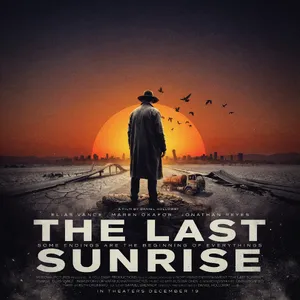
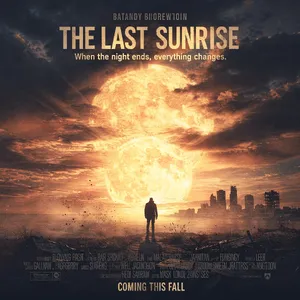
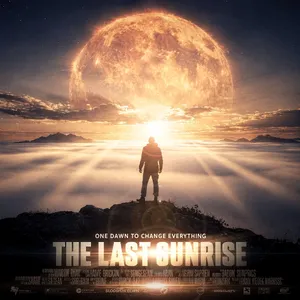
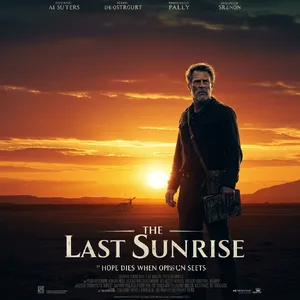
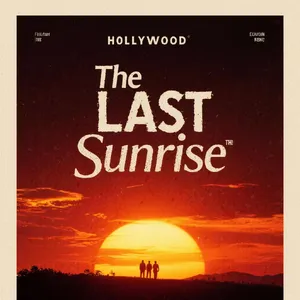
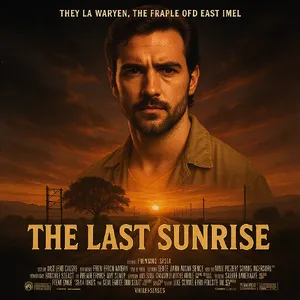
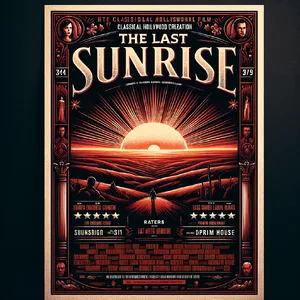
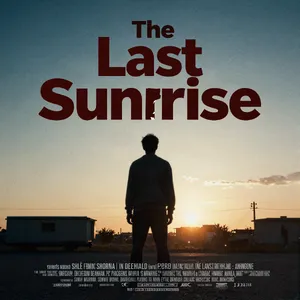
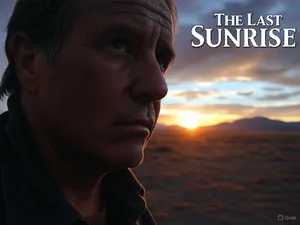
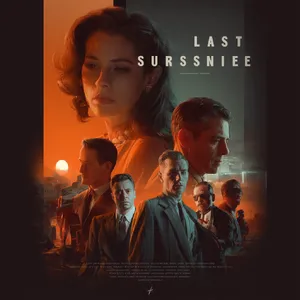
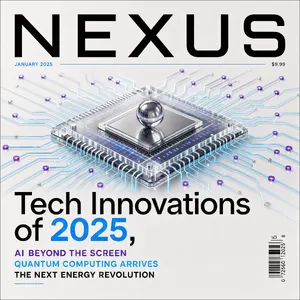
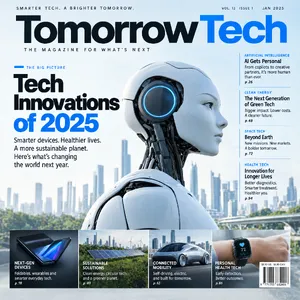
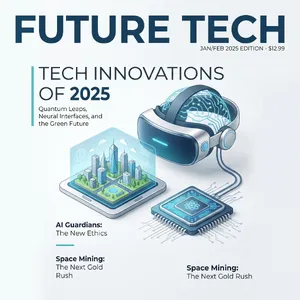
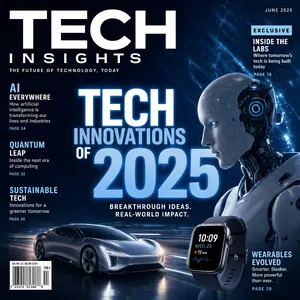
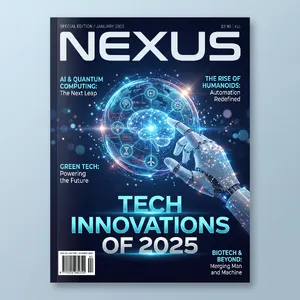
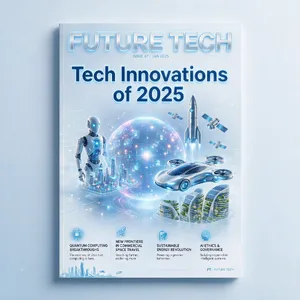
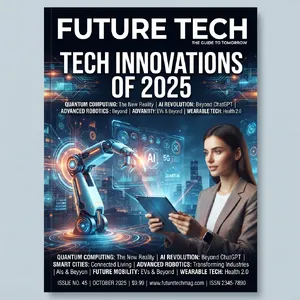
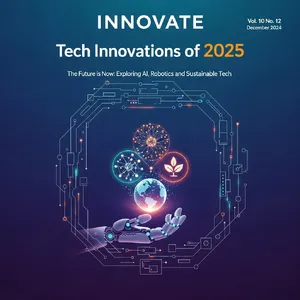
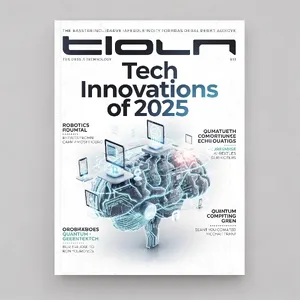
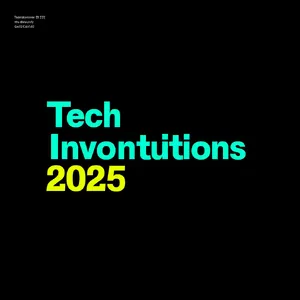
- Notable Discoveries: Secondary text is the Achilles' heel for many models. While mid-tier models can nail a main headline, they often hallucinate 'gibberish' in small print (like magazine mastheads or movie credits). Models like Midjourney v7 (430 Elo), which normally excel in artistic categories, struggle massively here, often completely failing primary spelling tests.
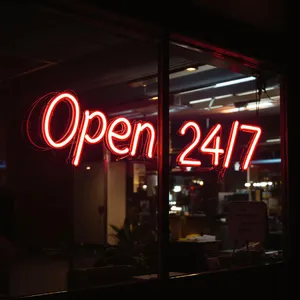
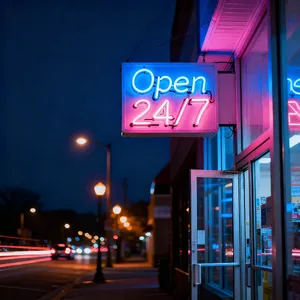
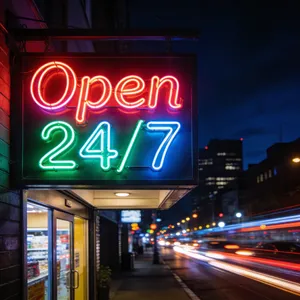
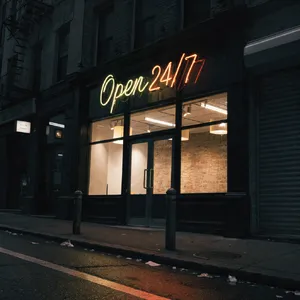
- Quick Takeaway: If your prompt requires precise, integrated text—whether it is a Magazine Cover or a Neon Sign—stick to the OpenAI and XAI ecosystems, specifically GPT Image 2.5 Sunburst and Grok Imagine 2.0.
General Analysis & Useful Insights
When we deep-dive into the performance data, several fascinating patterns emerge regarding how different models handle text.
1. The Secondary Text Trap
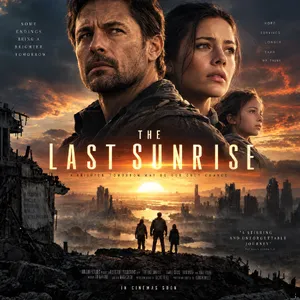
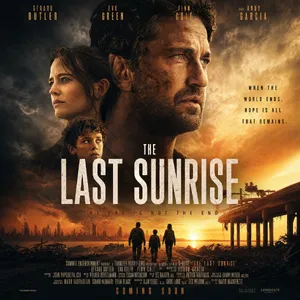
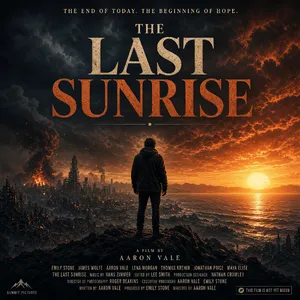
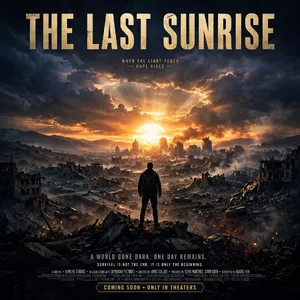
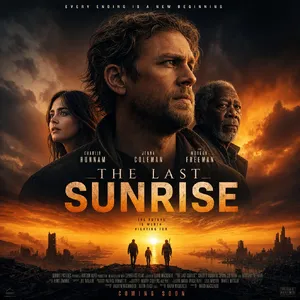
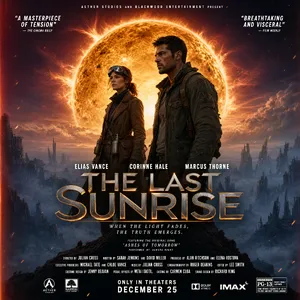
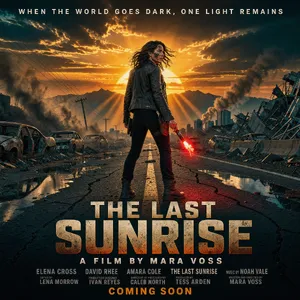
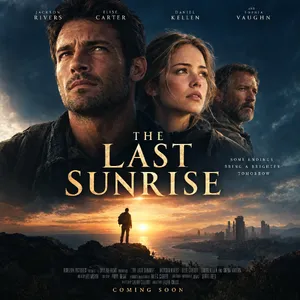
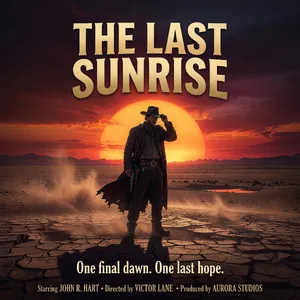
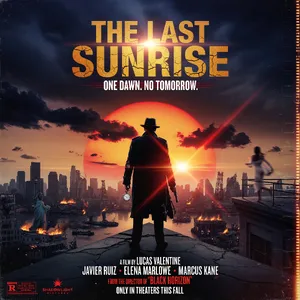
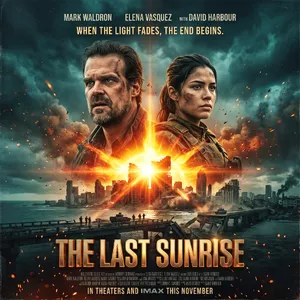
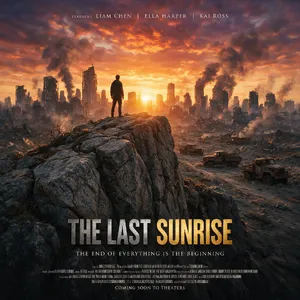
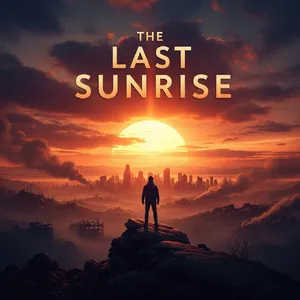
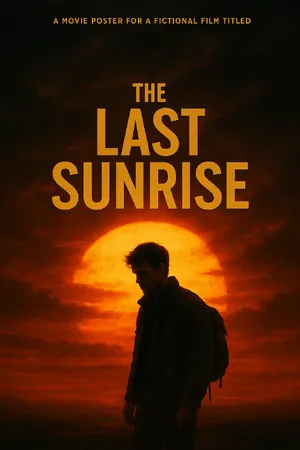
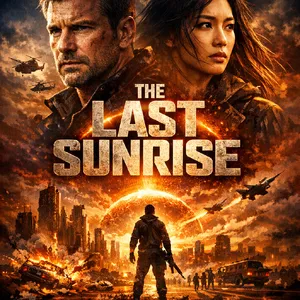
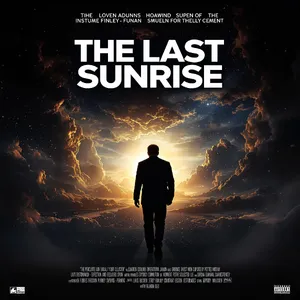
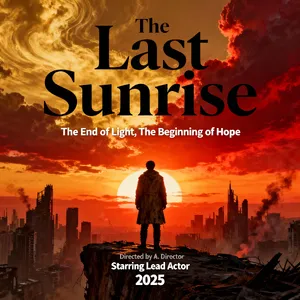
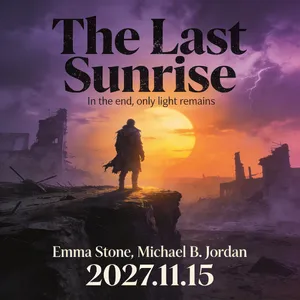
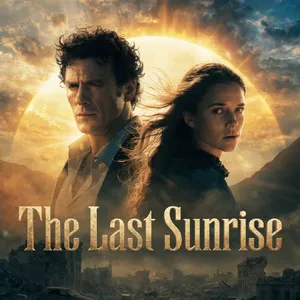
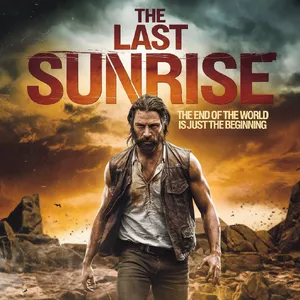
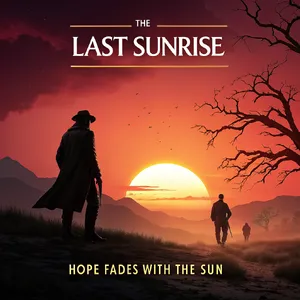
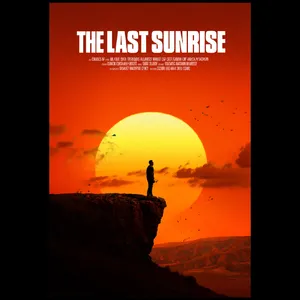
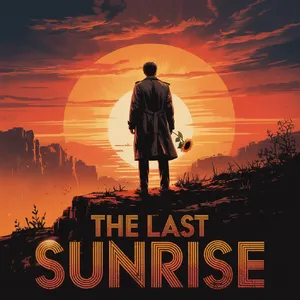
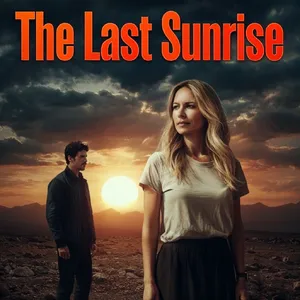
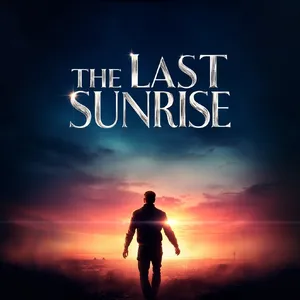
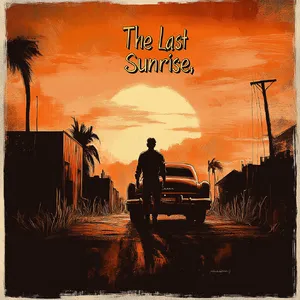
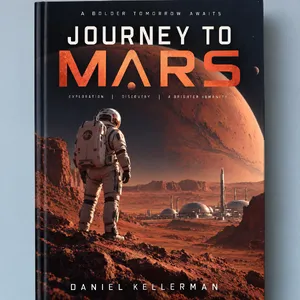
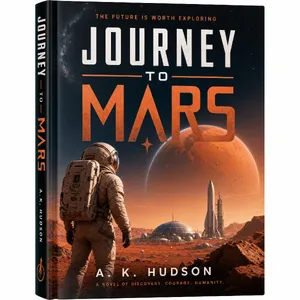
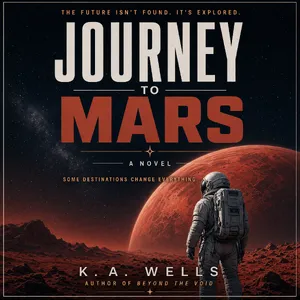
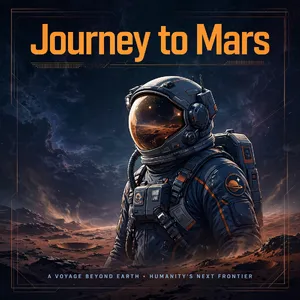
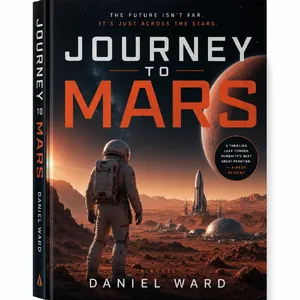
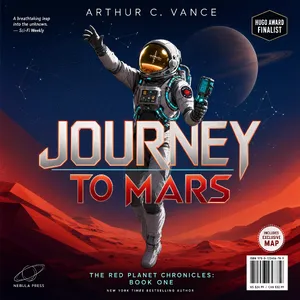
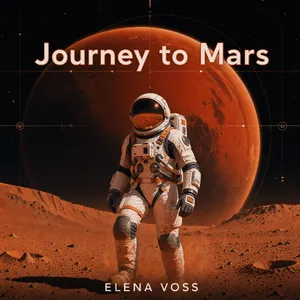
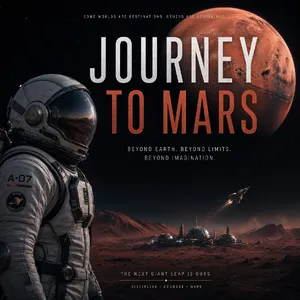
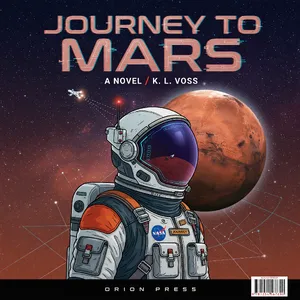
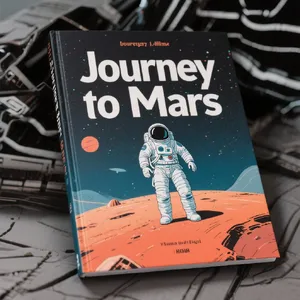
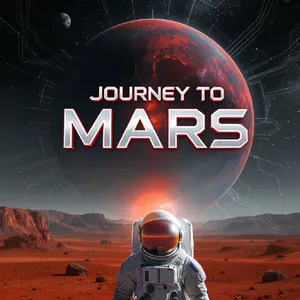
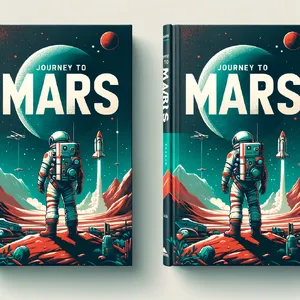
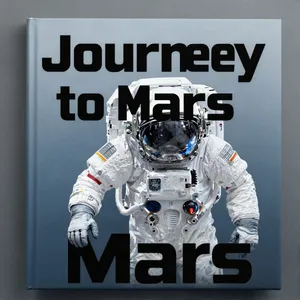
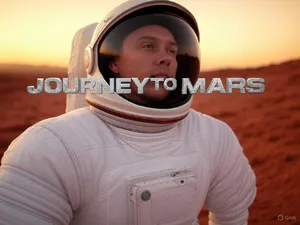
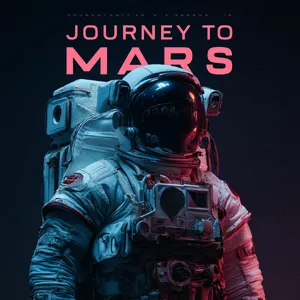
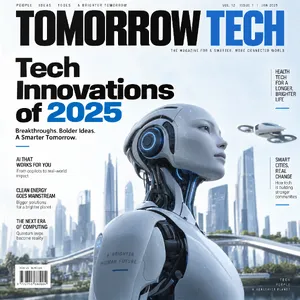
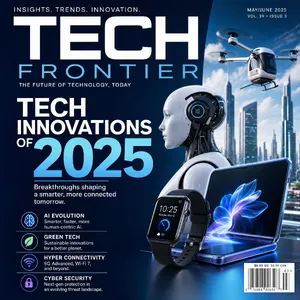
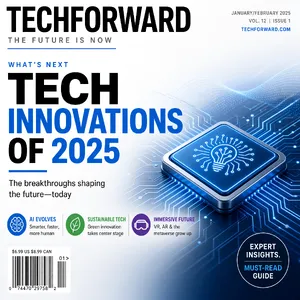
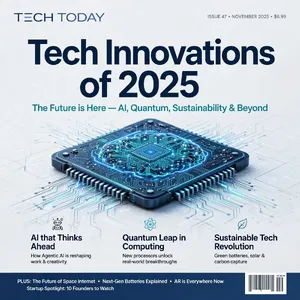
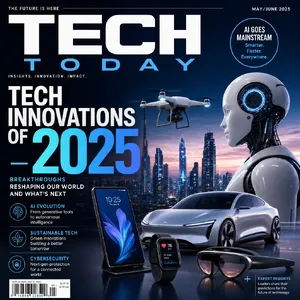
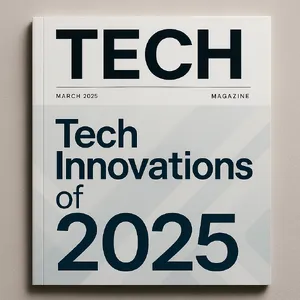
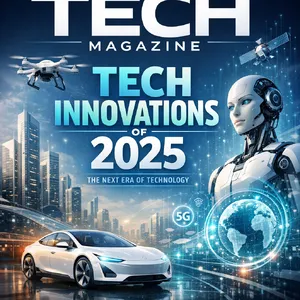
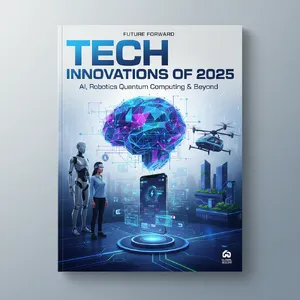
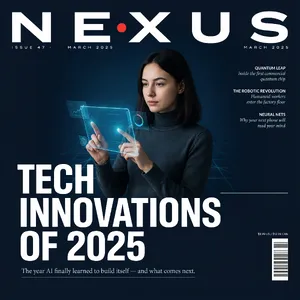
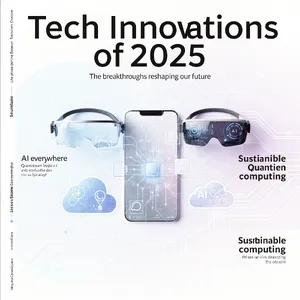
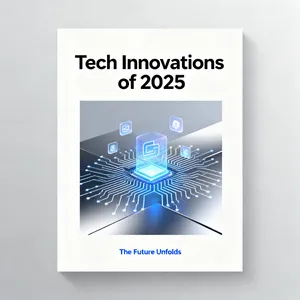
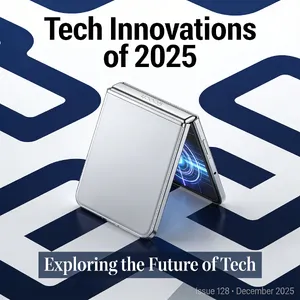
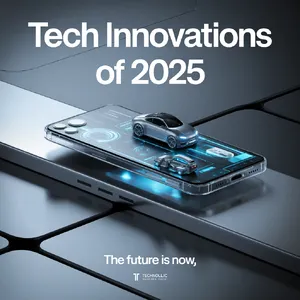
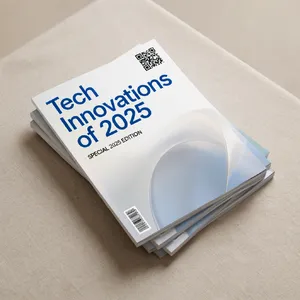
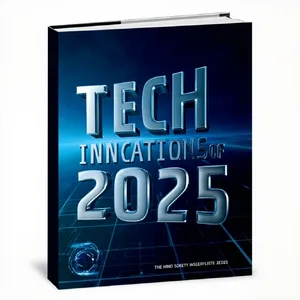
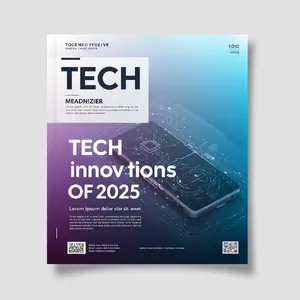
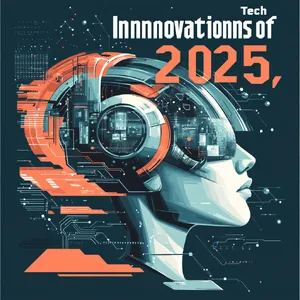
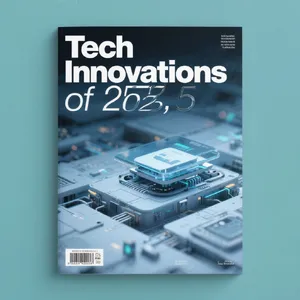
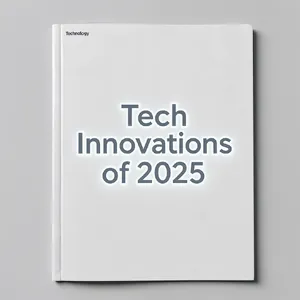
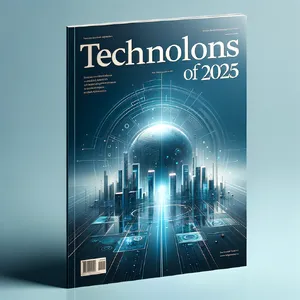
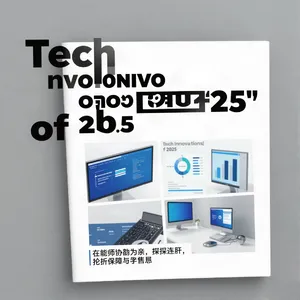
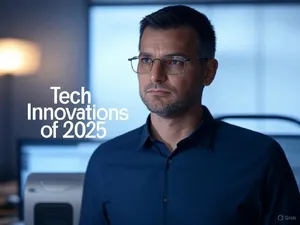
One of the most common failure modes across mid-tier models is the degradation of secondary text. For example, in the Movie Poster and Magazine Cover prompts, many models successfully generated the main title but filled the actor billing, subheadings, and barcodes with unreadable pseudo-text. Top performers like GPT Image 2.5 Sunburst and Muse Image (1334 Elo) distinguish themselves by maintaining typographical integrity down to the smallest visible font.
2. Physical Integration & Material Realism
Excellent text generation requires more than just pasting words onto an image; it requires physical integration.
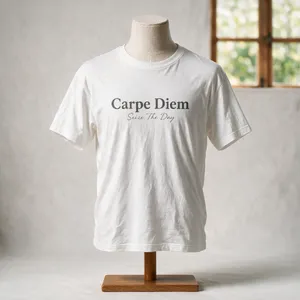
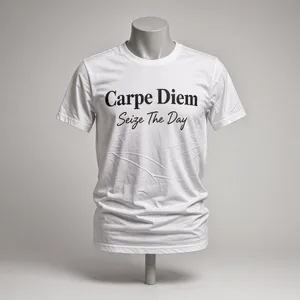
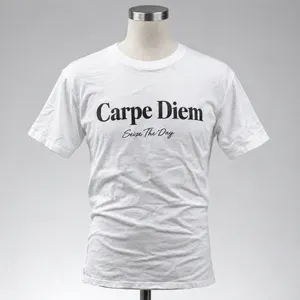
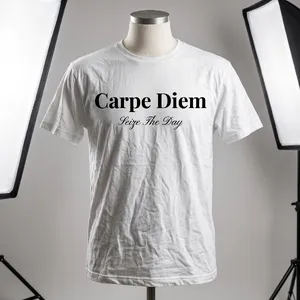
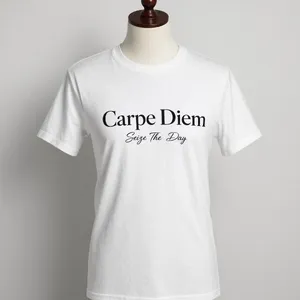
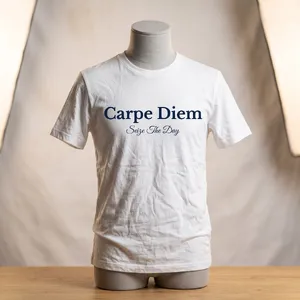
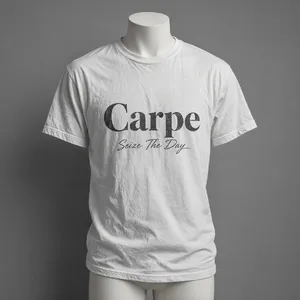
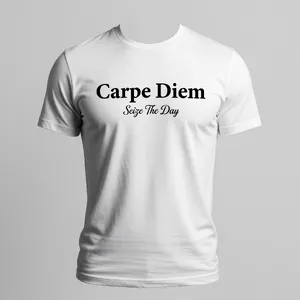
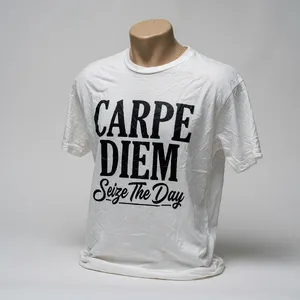
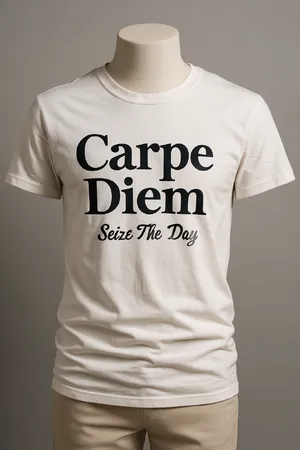
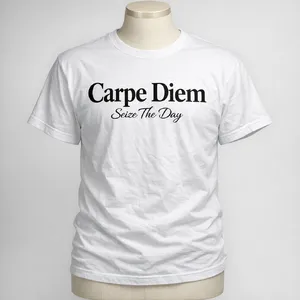
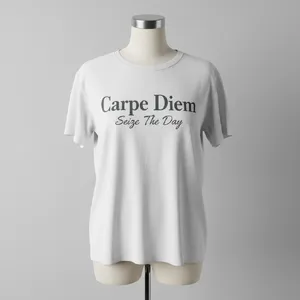
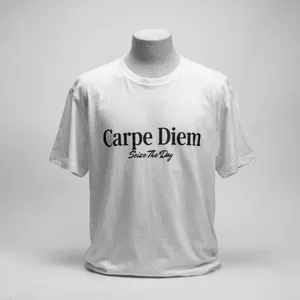
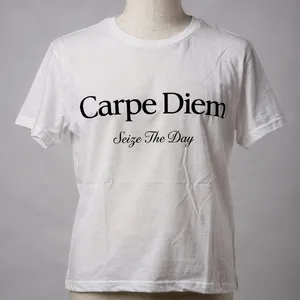
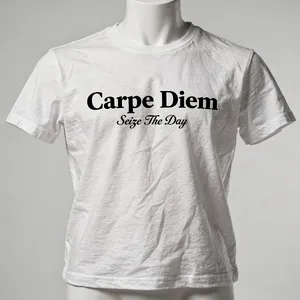
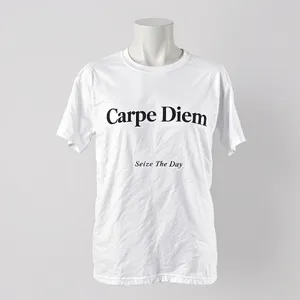
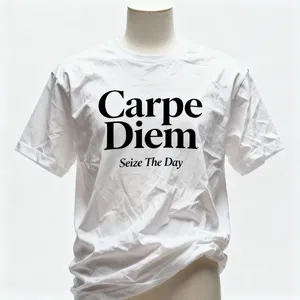
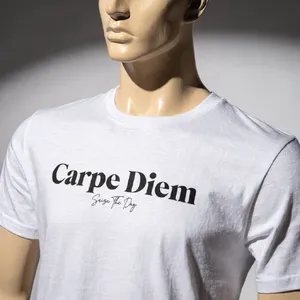
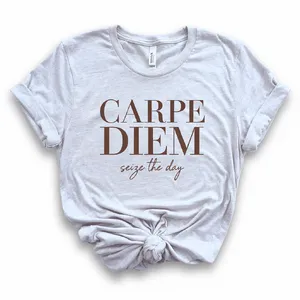
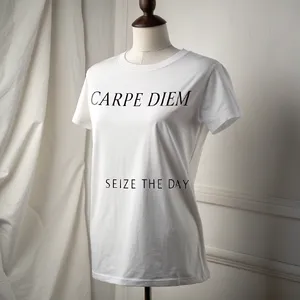
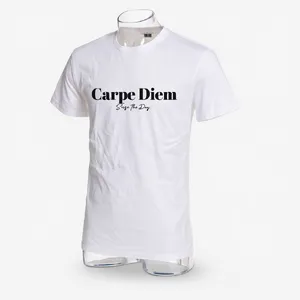
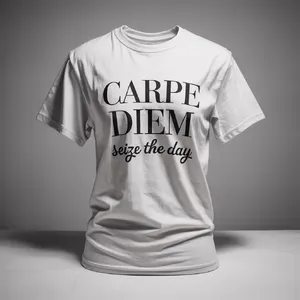
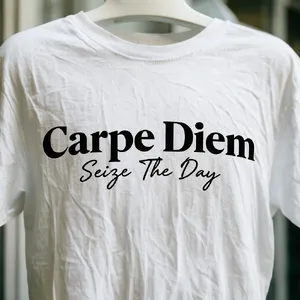
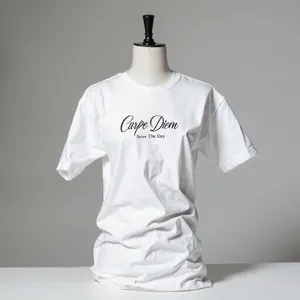
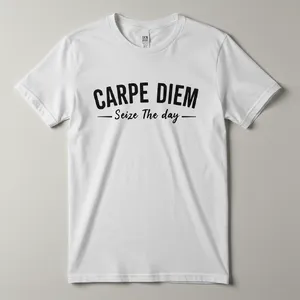
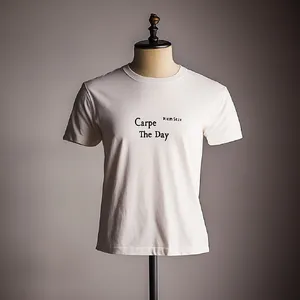
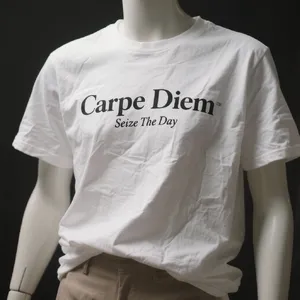
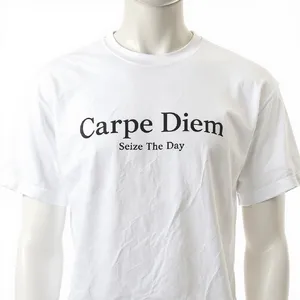
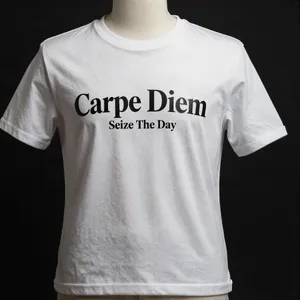
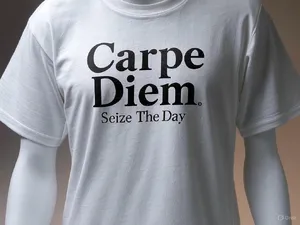
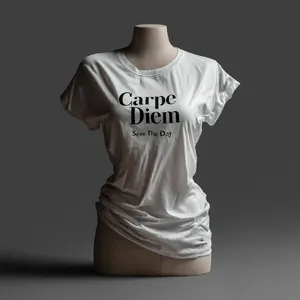
- Fabric and Folds: In the Wrinkled T-shirt prompt, models were tested on how text interacts with cloth. Top models successfully warped the text along the fabric's folds.
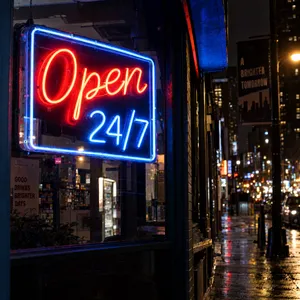
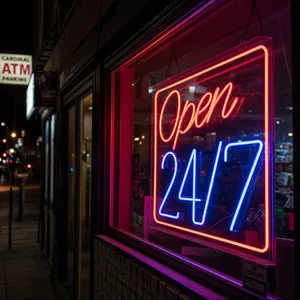
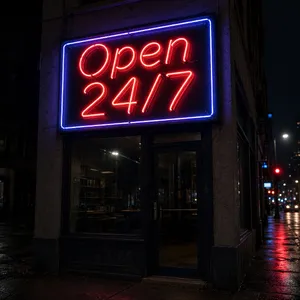
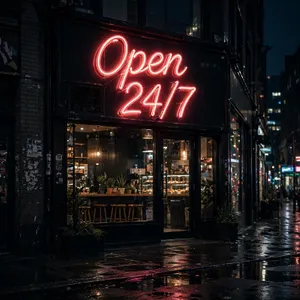
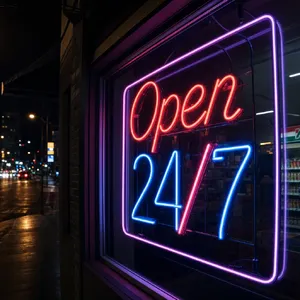
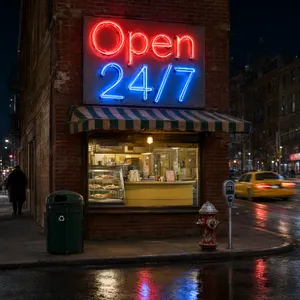
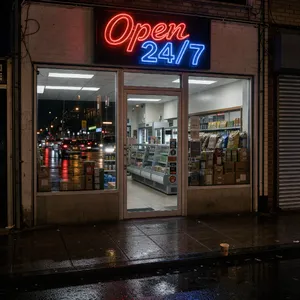
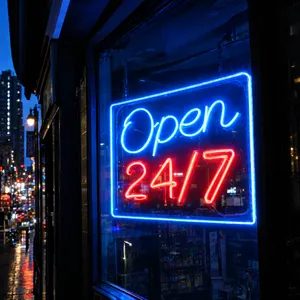
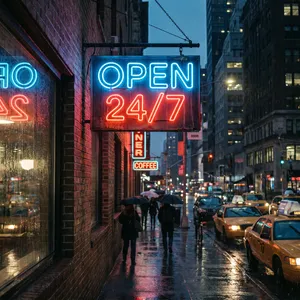
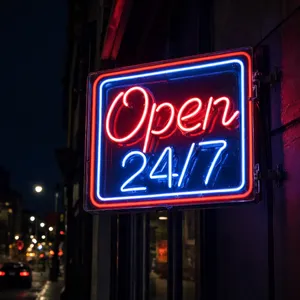
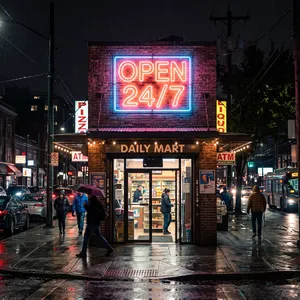
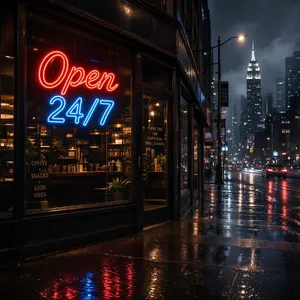
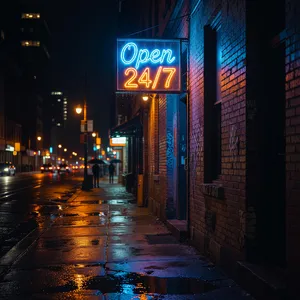
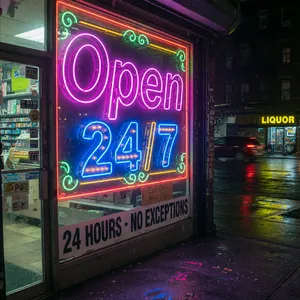
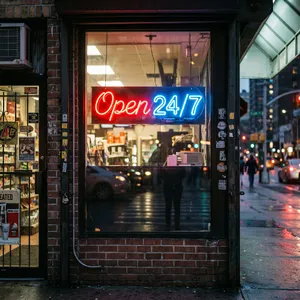
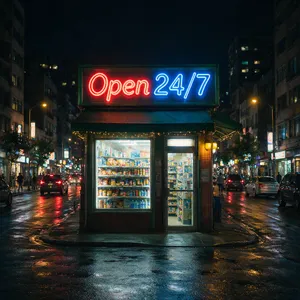
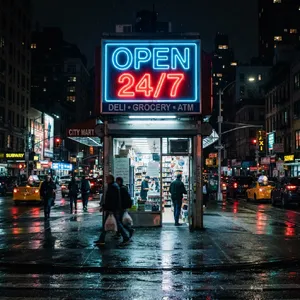
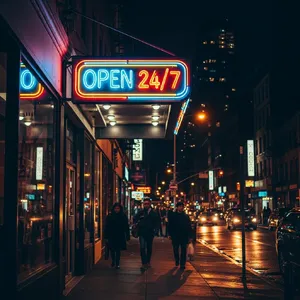
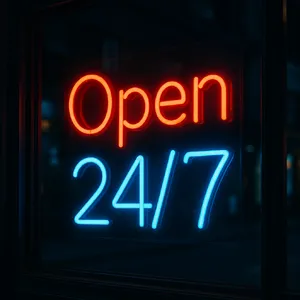
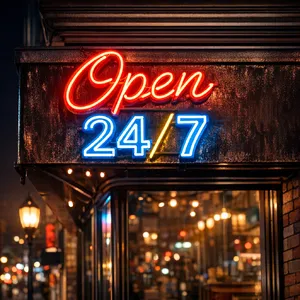
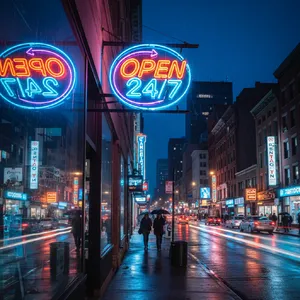
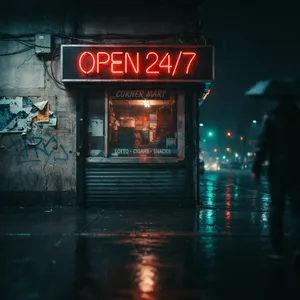
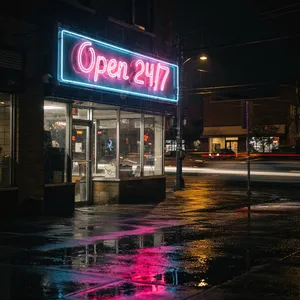
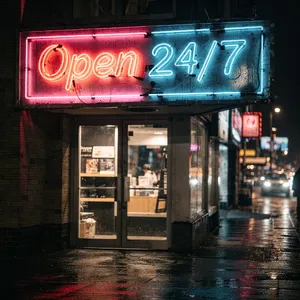
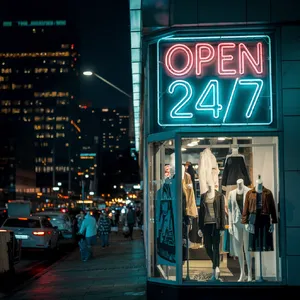
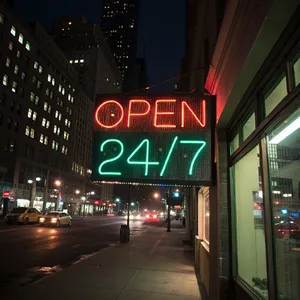
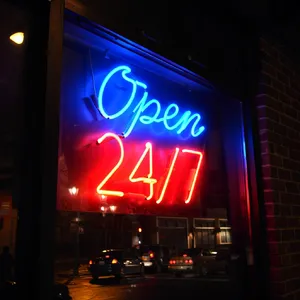
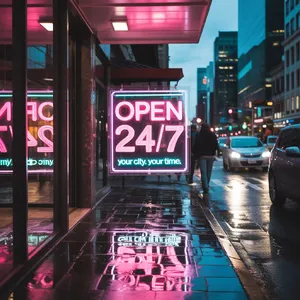
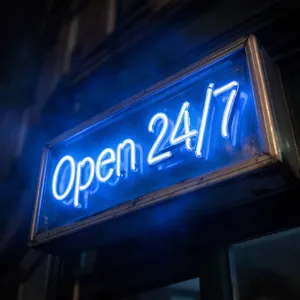
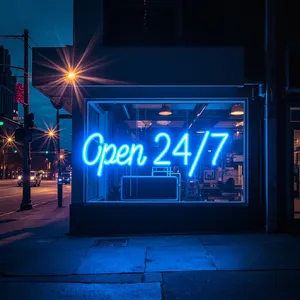
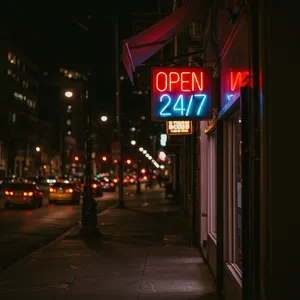
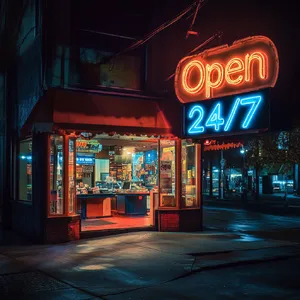
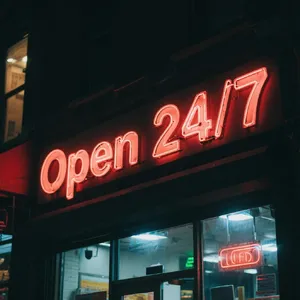
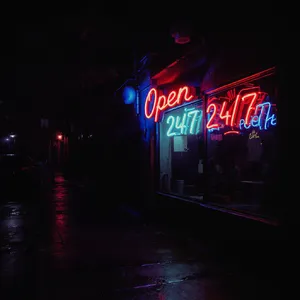
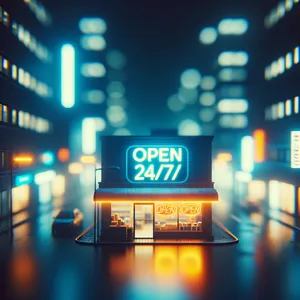
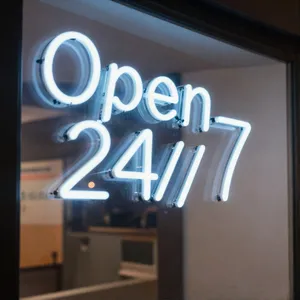
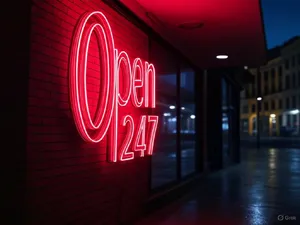
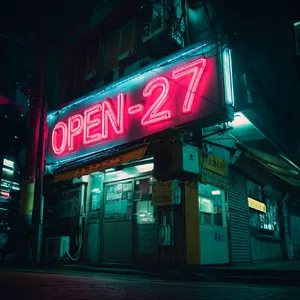
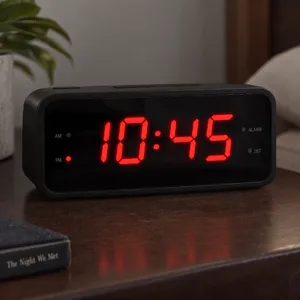
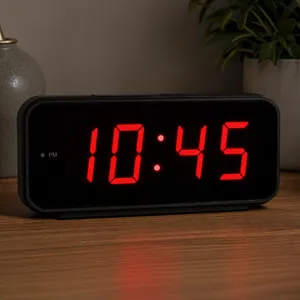
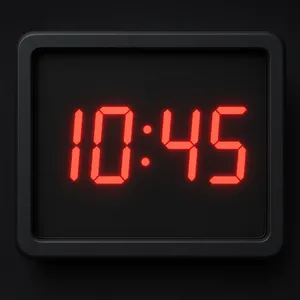
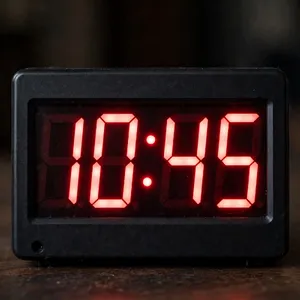
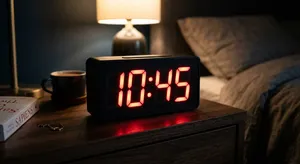
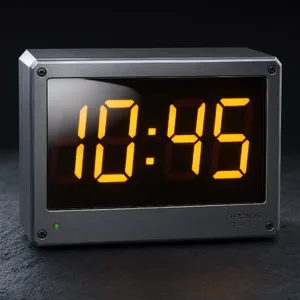
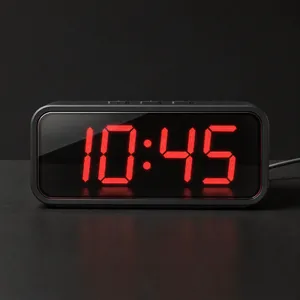
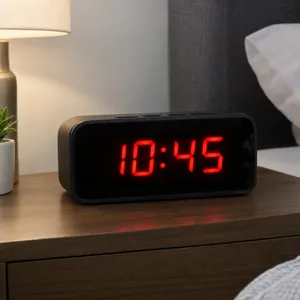
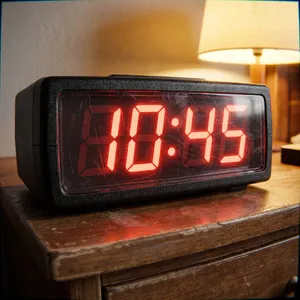
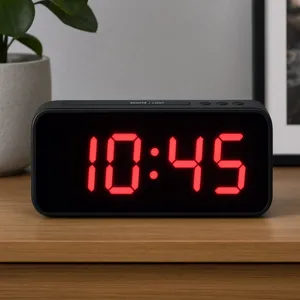
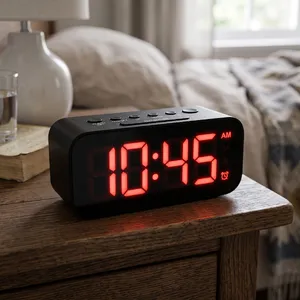
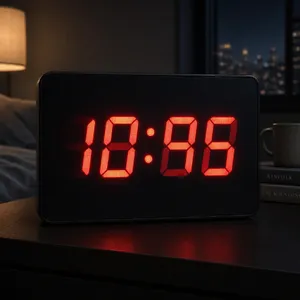
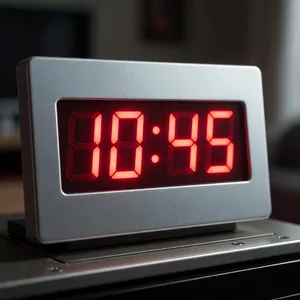
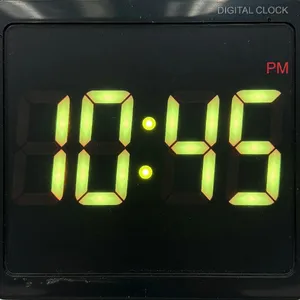
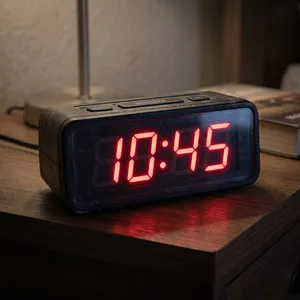
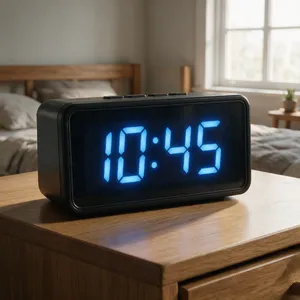
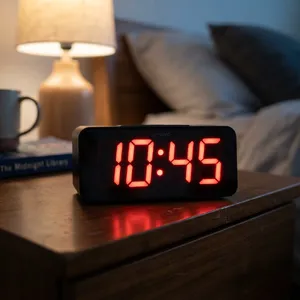
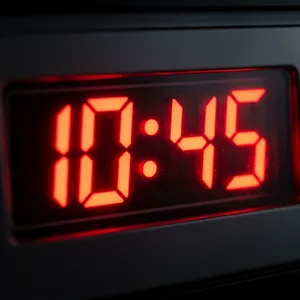
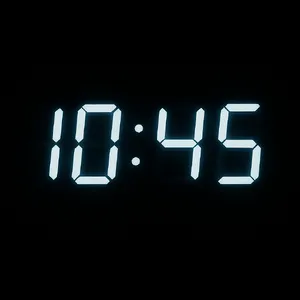
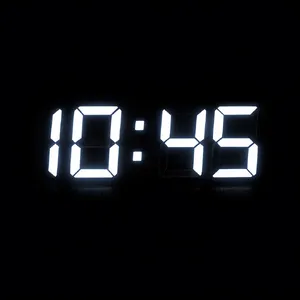
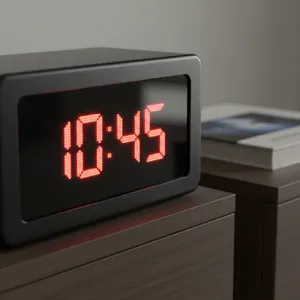
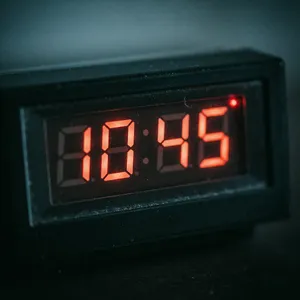
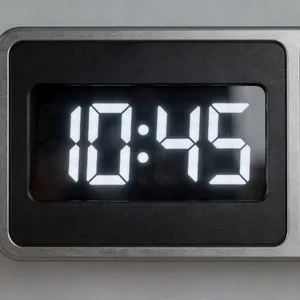
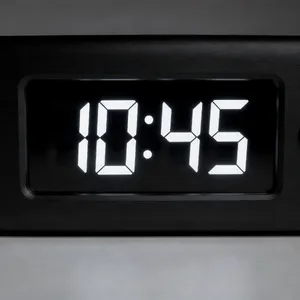
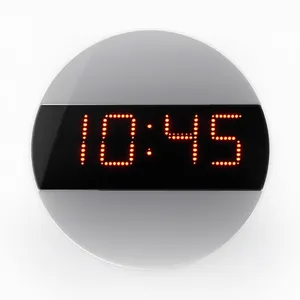
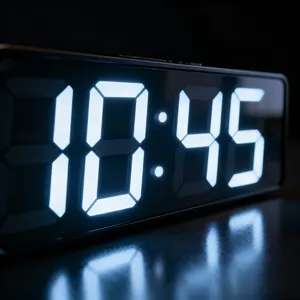
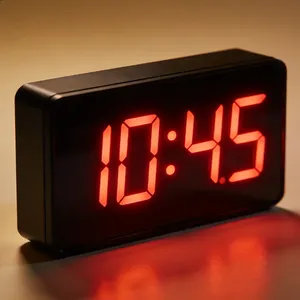
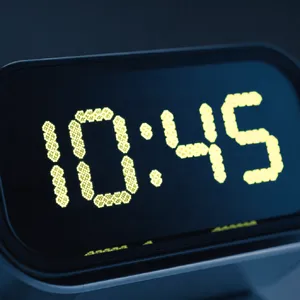
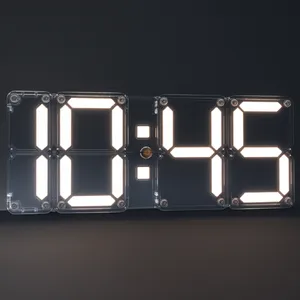
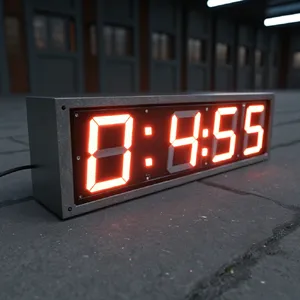
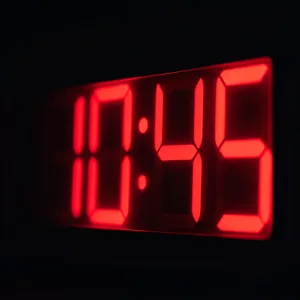
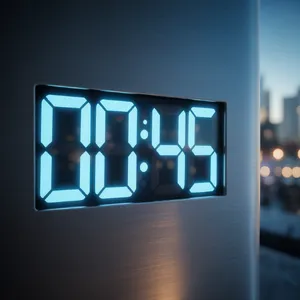
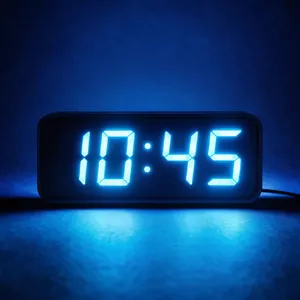
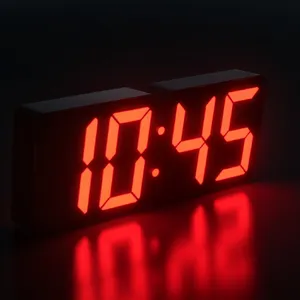
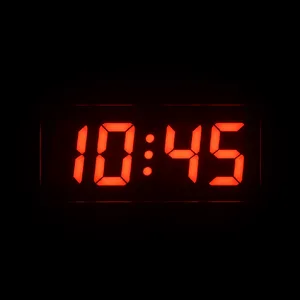
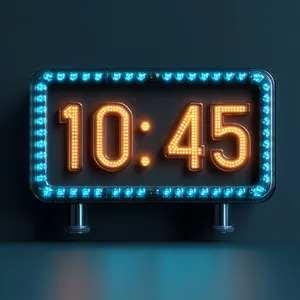
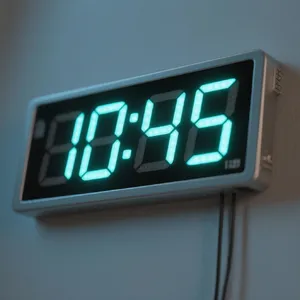
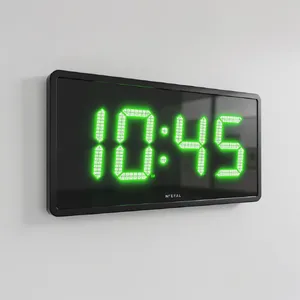
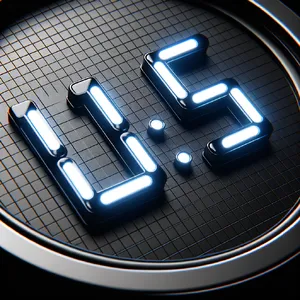
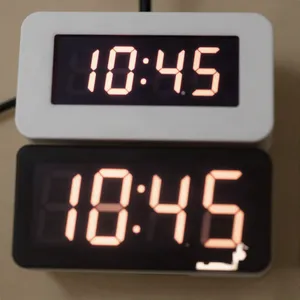
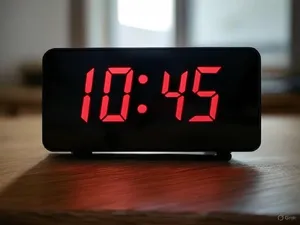
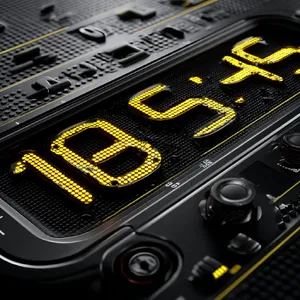
- Illumination: The Digital Clock and Neon Sign prompts tested emissive text. Models like FLUX 3 Image (1272 Elo) excelled at creating convincing LED segments and bloom effects, whereas weaker models either generated flat text or lost letter structure in excessive glare.
3. Font Hierarchy and Stylization
The ability to mix font styles accurately is a major differentiator. When prompted for a bold serif headline paired with a smaller script subtitle in the Wrinkled T-shirt prompt, lower-performing models like MiniMax Image-01 (685 Elo) reversed the fonts entirely.
4. Severe Failure Modes
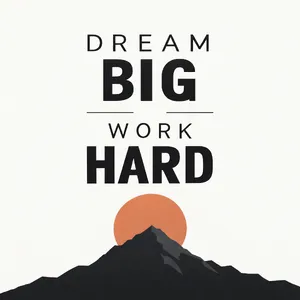
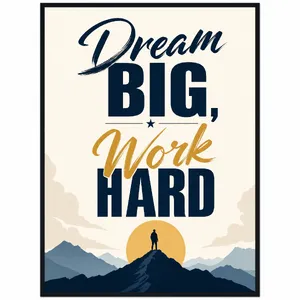
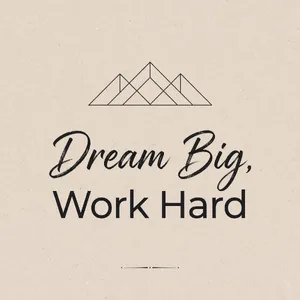
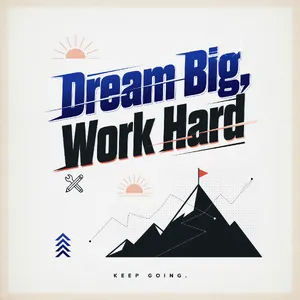
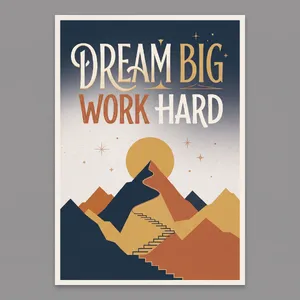
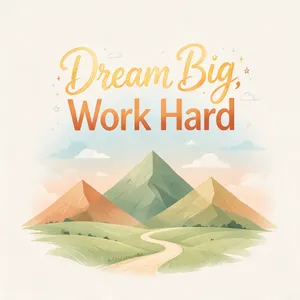
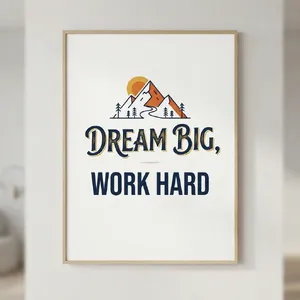
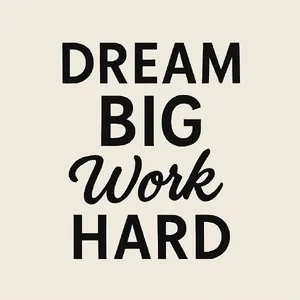
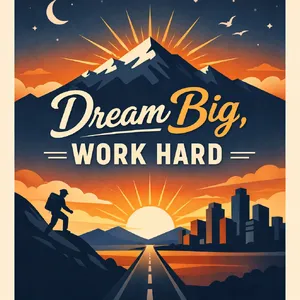
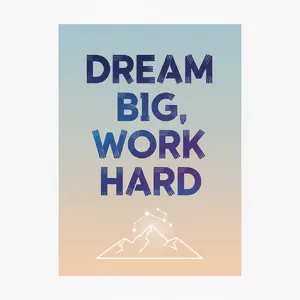
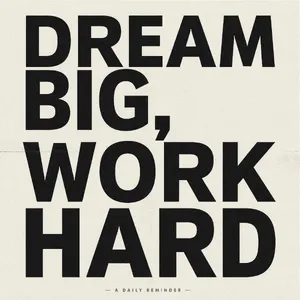
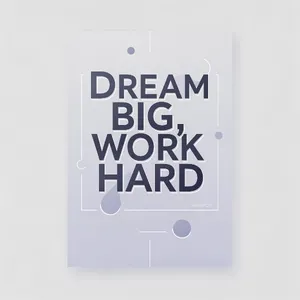
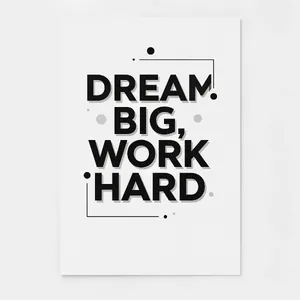
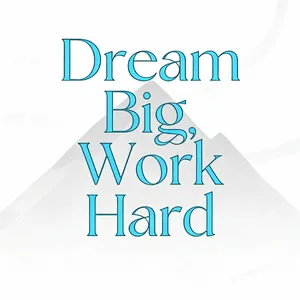
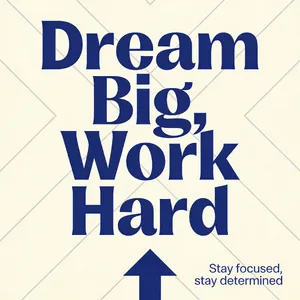
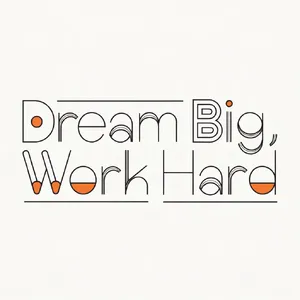
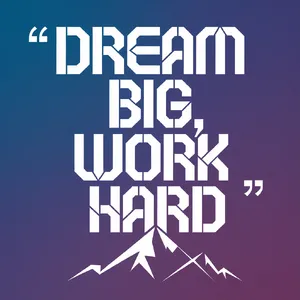
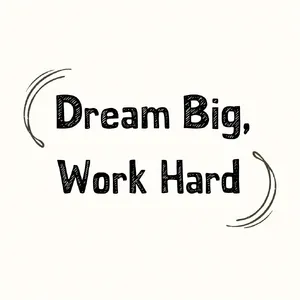
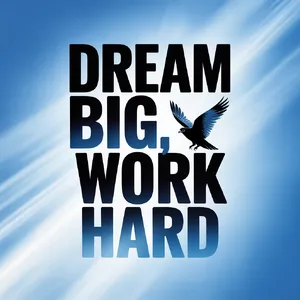
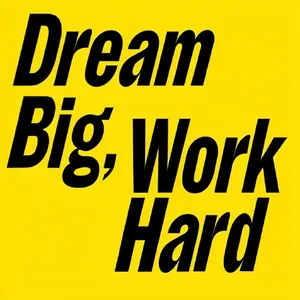
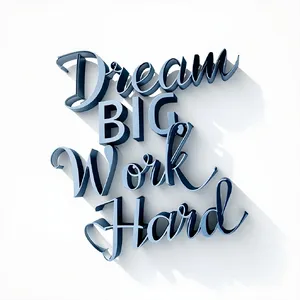
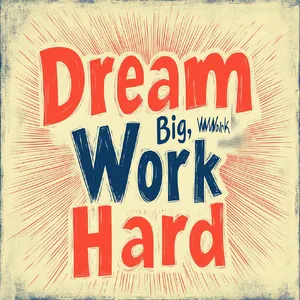
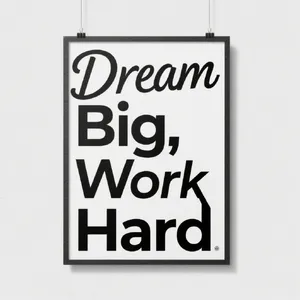
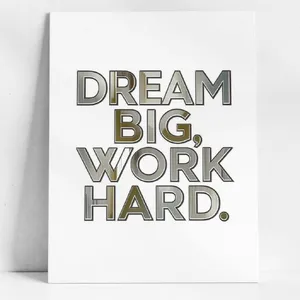
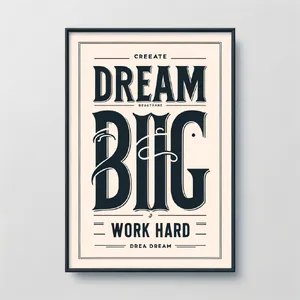
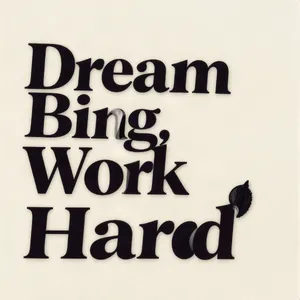
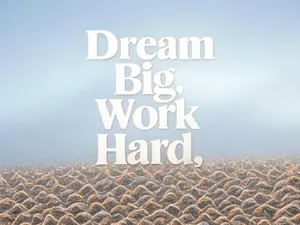
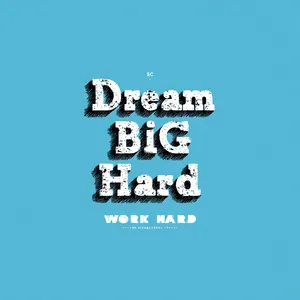
Models ranking at the bottom, such as Grok 2 Image (397 Elo) and Z-Image Turbo (439 Elo), frequently suffer from outright spelling failures. In the Motivational Poster, Z-Image Turbo hallucinates the word 'Bing' instead of 'Big', rendering the image commercially useless despite a decent aesthetic.
Best Model Analysis by Use Case
Different models excel depending on the specific application of text in your scene. Here are our recommendations based on category-specific performance:
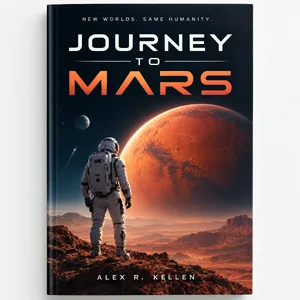
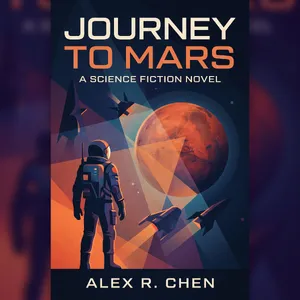
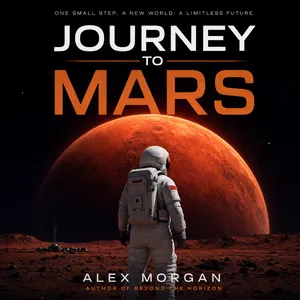
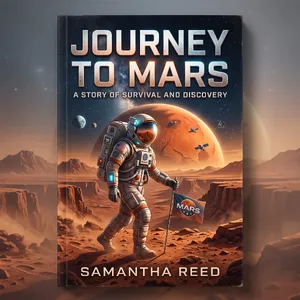
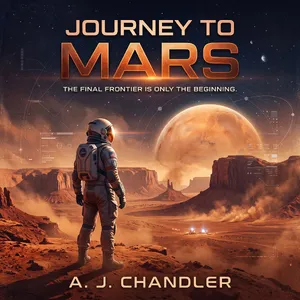
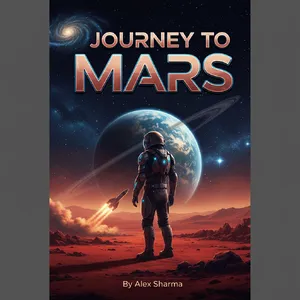
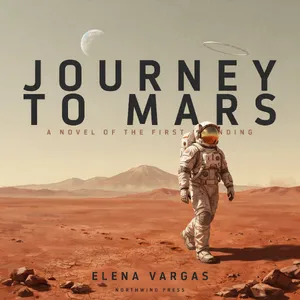
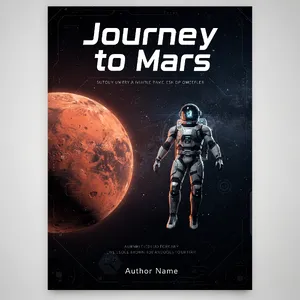
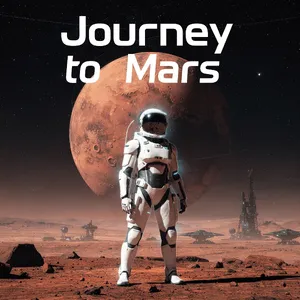
Graphic Design & Layouts (Posters, Magazines, Book Covers)
When generating structured editorial content, you need models that understand typography hierarchy, negative space, and small-print fidelity.
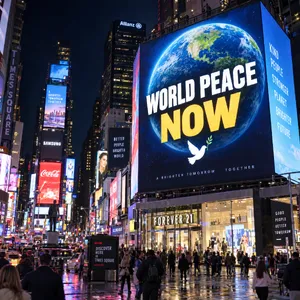
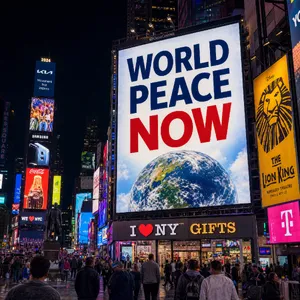
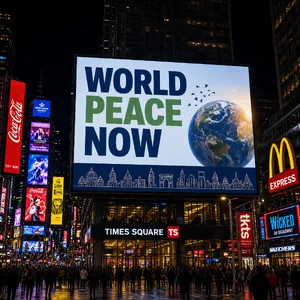
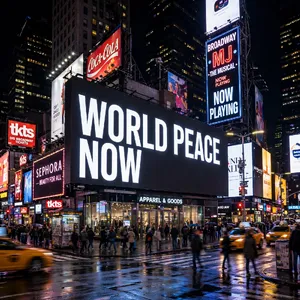
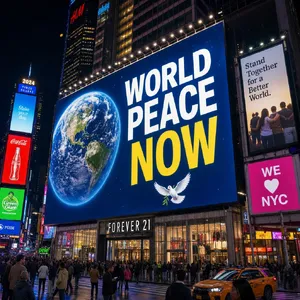
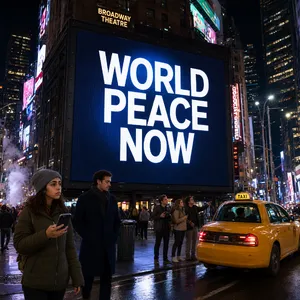
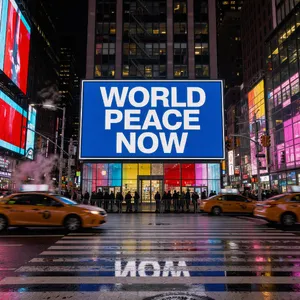
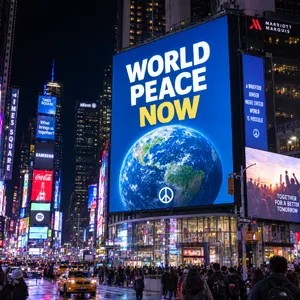
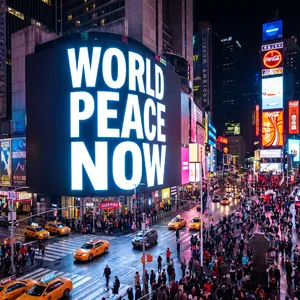
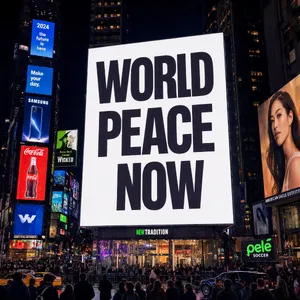
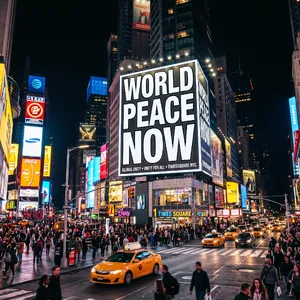
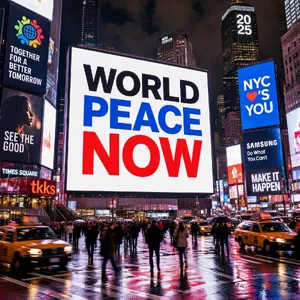
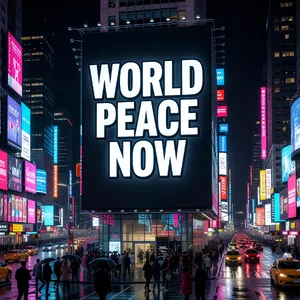
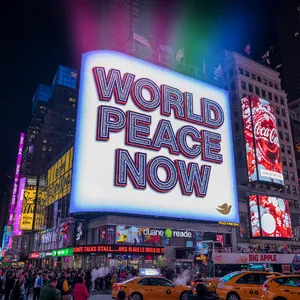
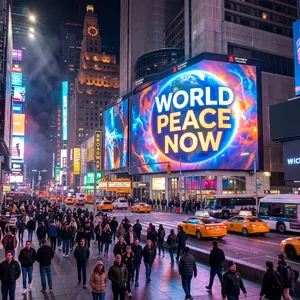
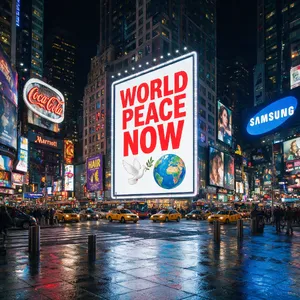
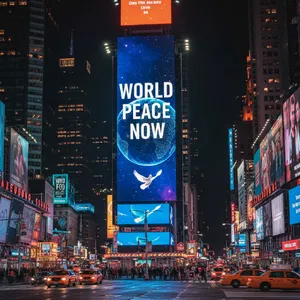
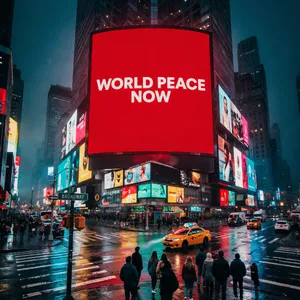
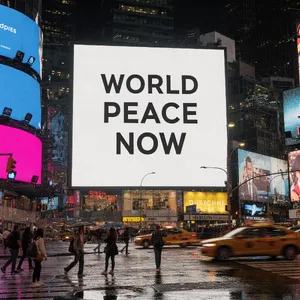
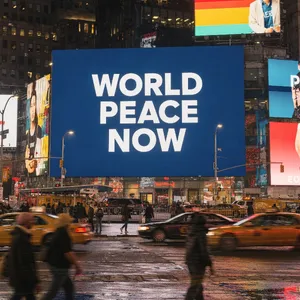
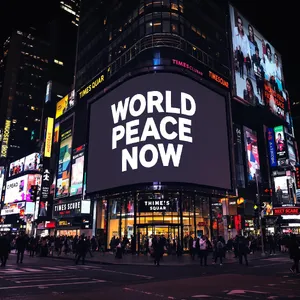
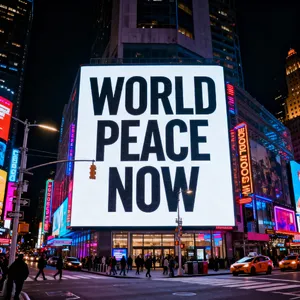
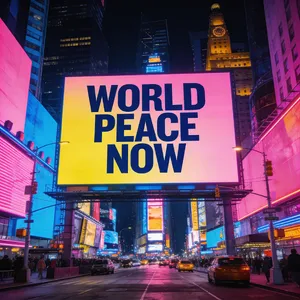
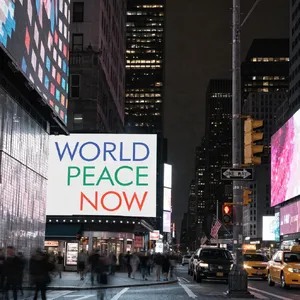
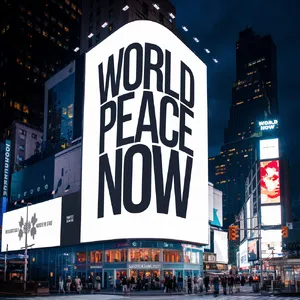
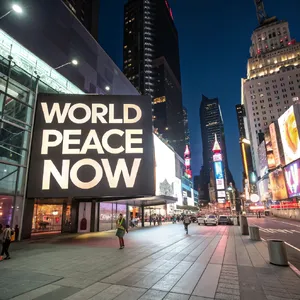
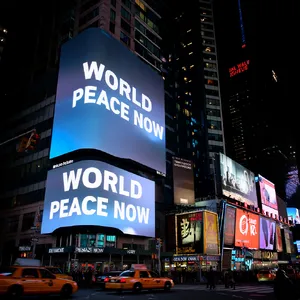
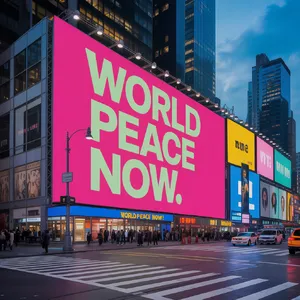
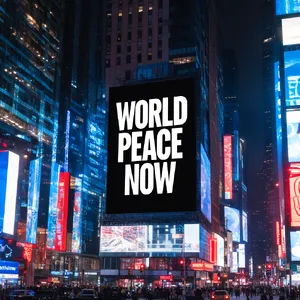
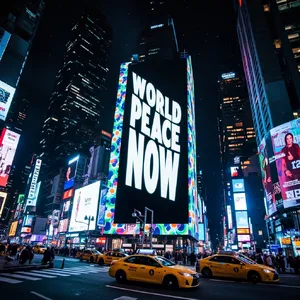
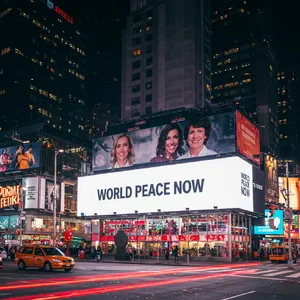
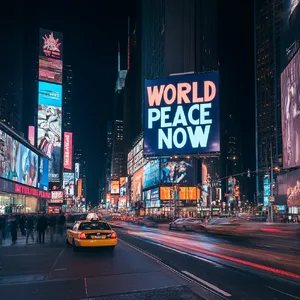
Environmental & Photorealistic Text (Signs, Billboards, Clocks)
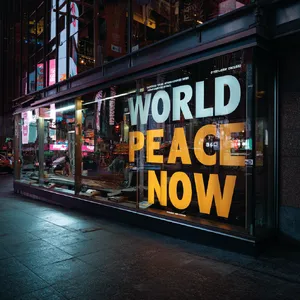
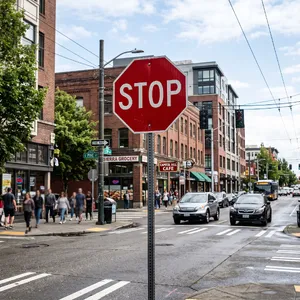
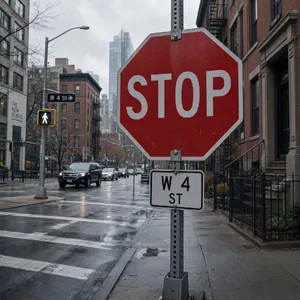
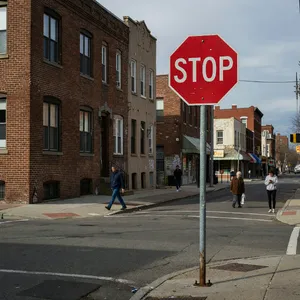
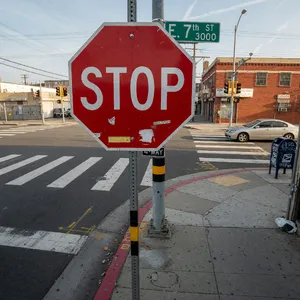
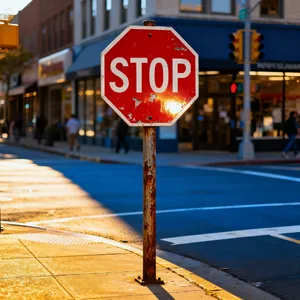
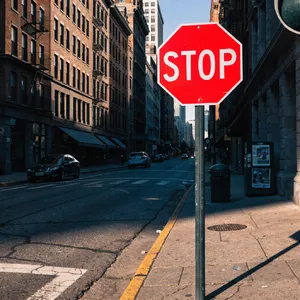
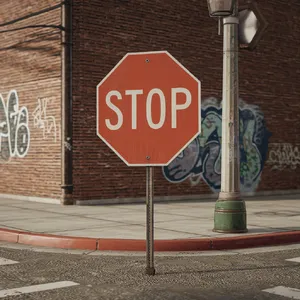
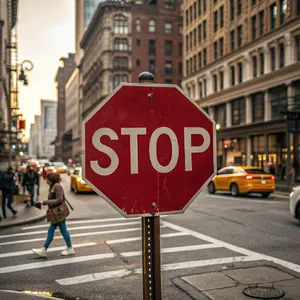
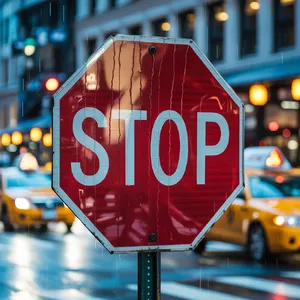
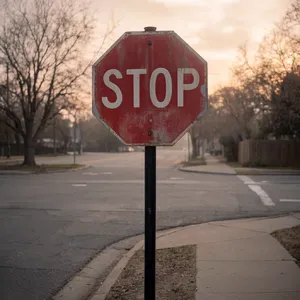
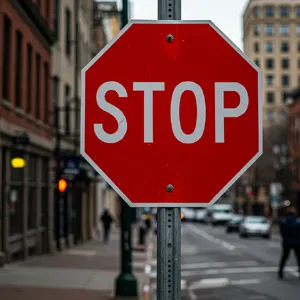
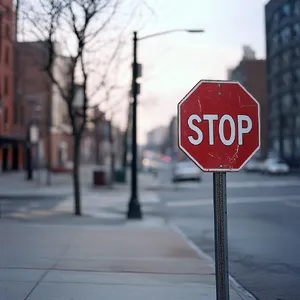
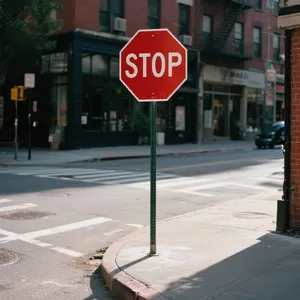
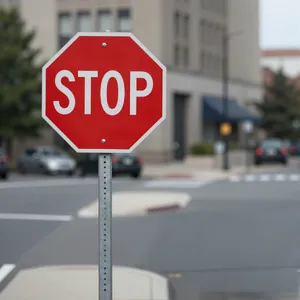
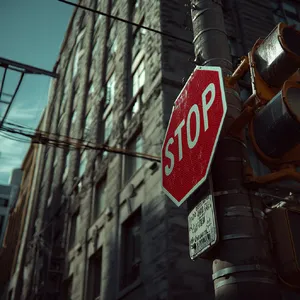
If you need text integrated into the real world—like a weathered stop sign, an LED clock, or a glowing neon storefront—material rendering is just as important as spelling.
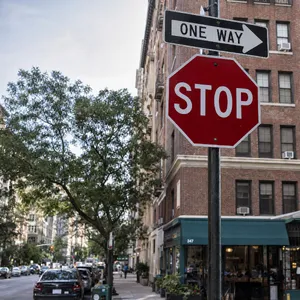
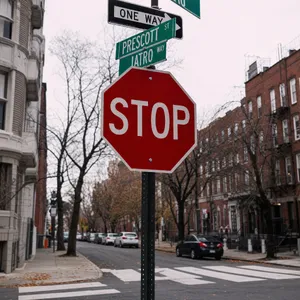
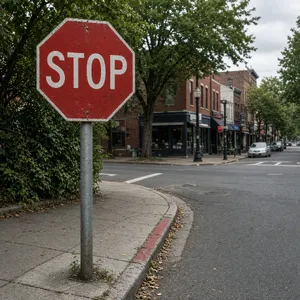
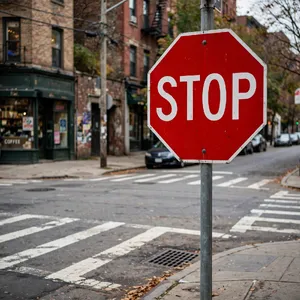
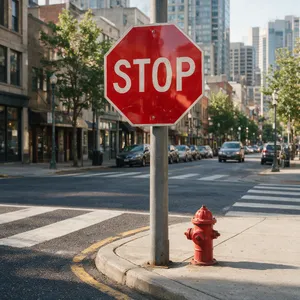
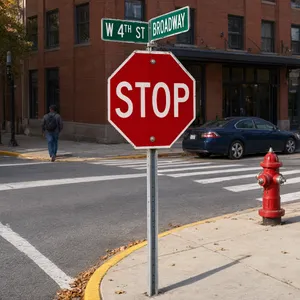
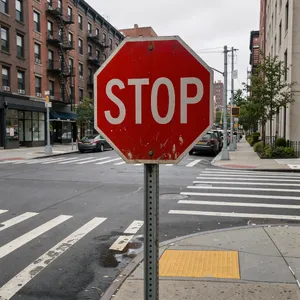
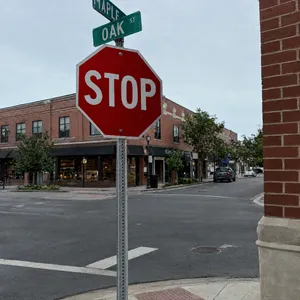
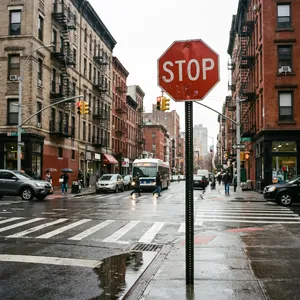
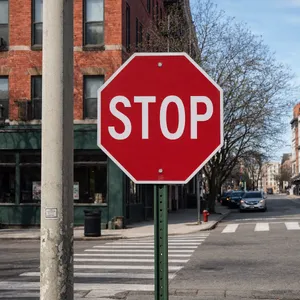
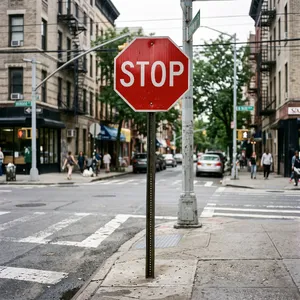
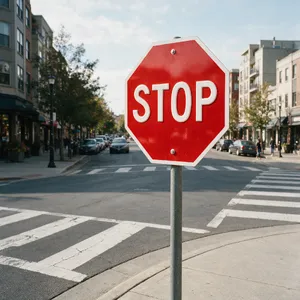
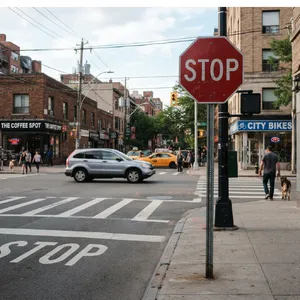
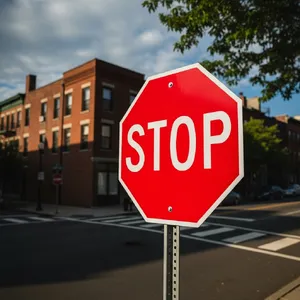
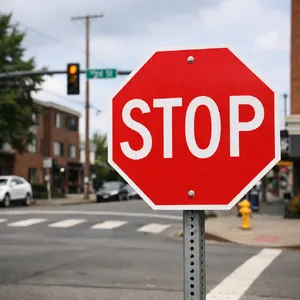
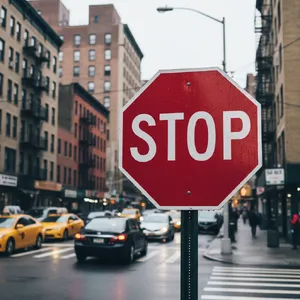
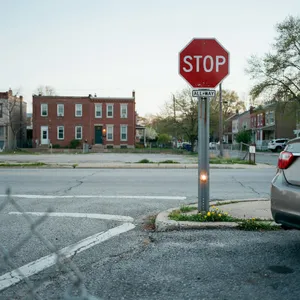
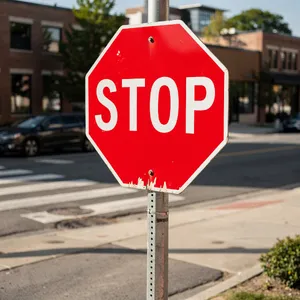
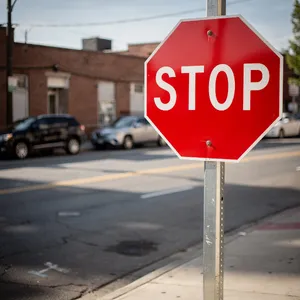
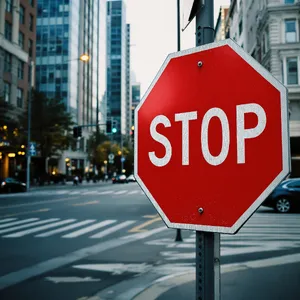
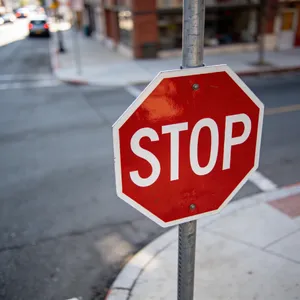
- Top Pick: Muse Image. With an Elo of 1334, it performs incredibly well in photorealistic constraints. Its Stop Sign features perfect typography integrated flawlessly with weathering, scratches, and urban grit.
- Strong Alternative: FLUX 3 Image. It demonstrates profound capability in emissive text, rendering the Digital Clock with hyper-realistic LED segment separation.
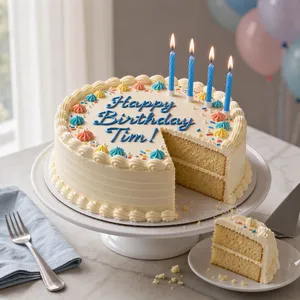
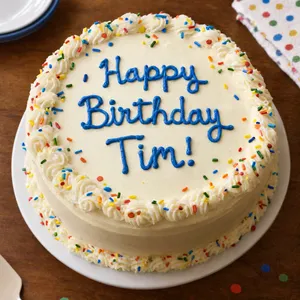
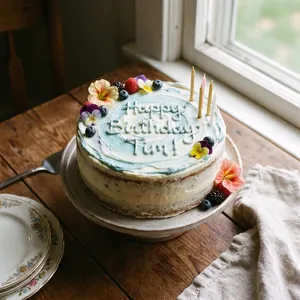
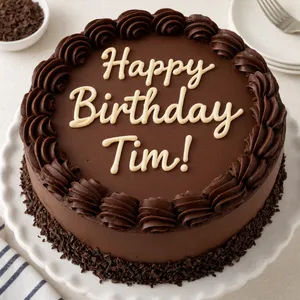
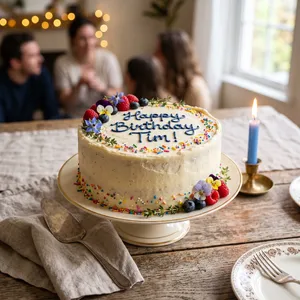
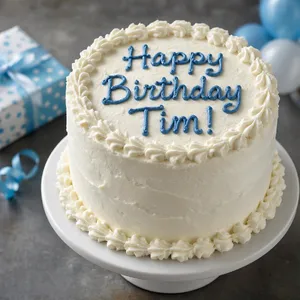
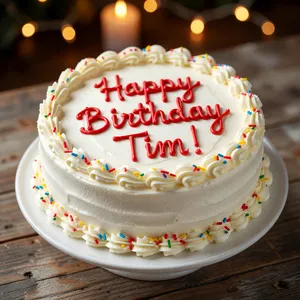
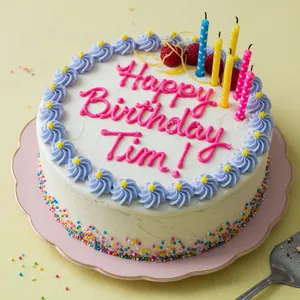
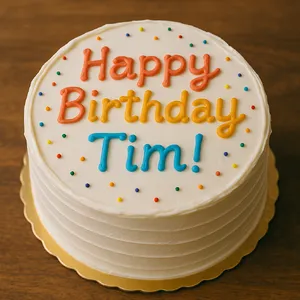
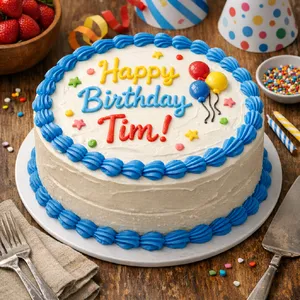
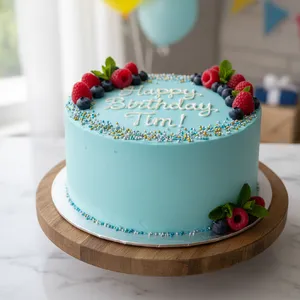
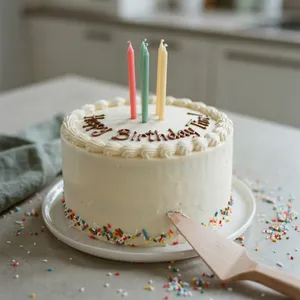
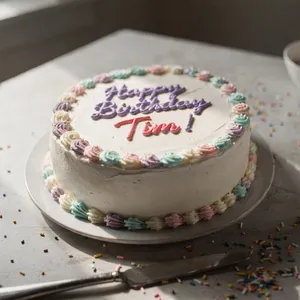
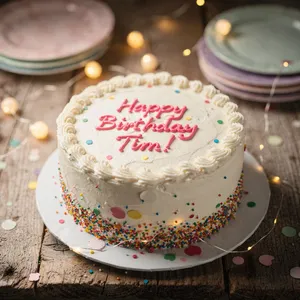
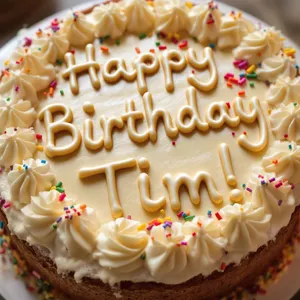
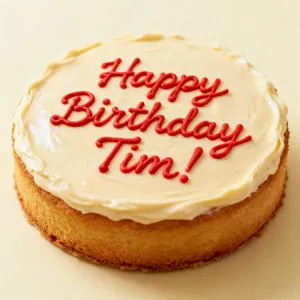
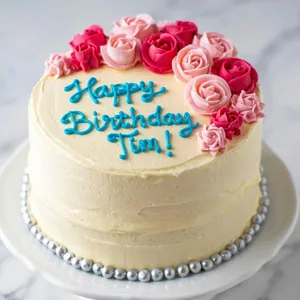
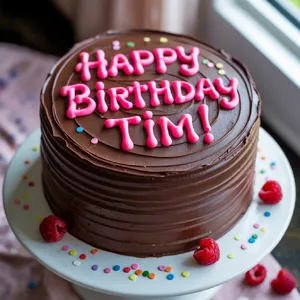
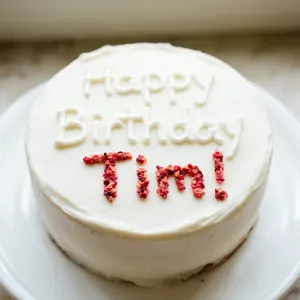
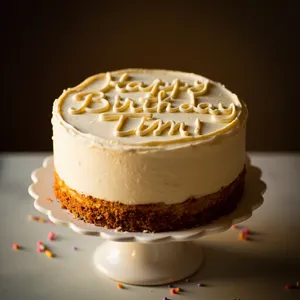
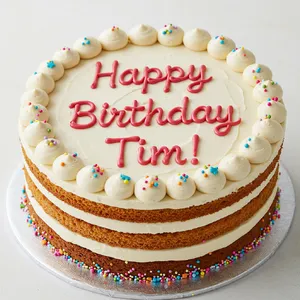
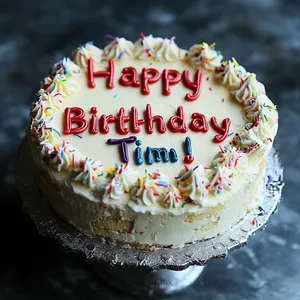
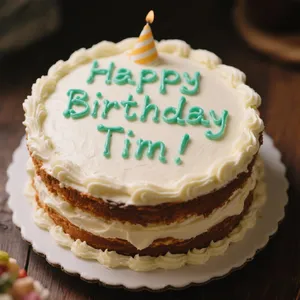
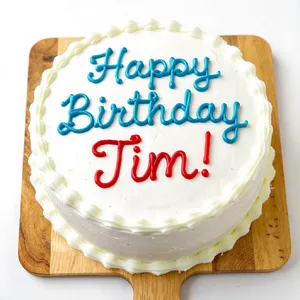
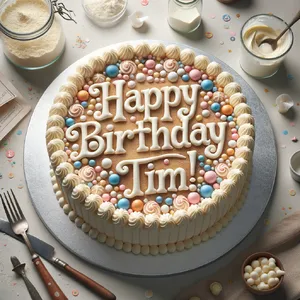
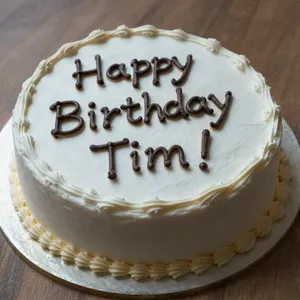
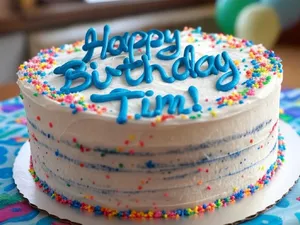
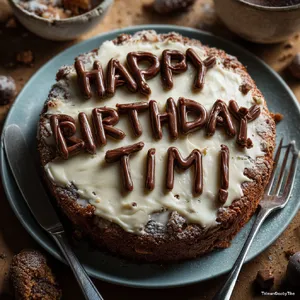
Organic & Food Typography (Cake Icing, Sand Writing)
Writing text with organic materials (like icing) requires the model to understand the physical limitations and textures of the medium.
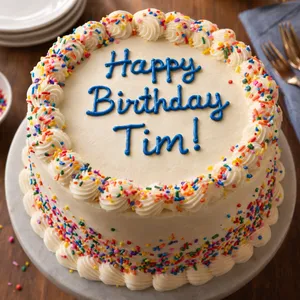
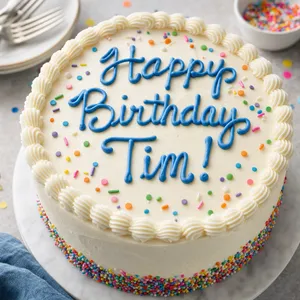
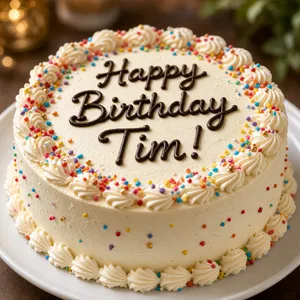
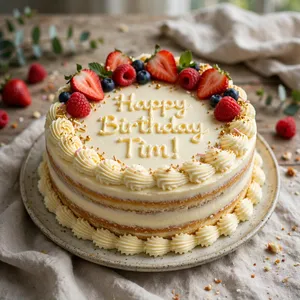
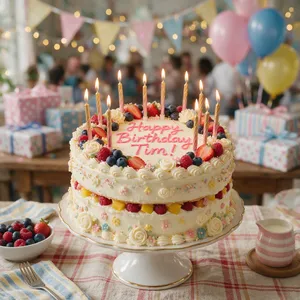
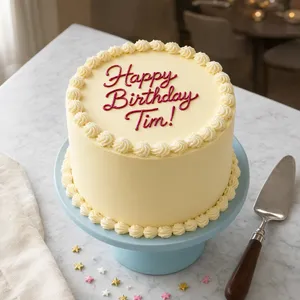
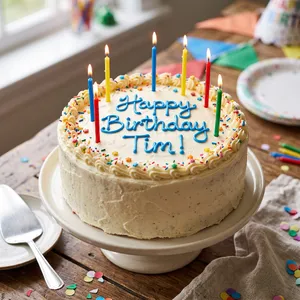
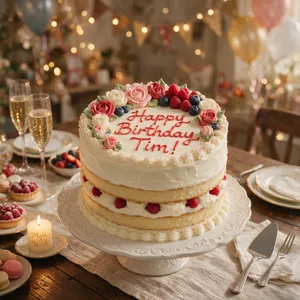
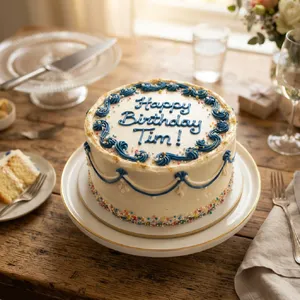
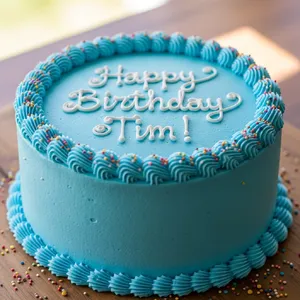
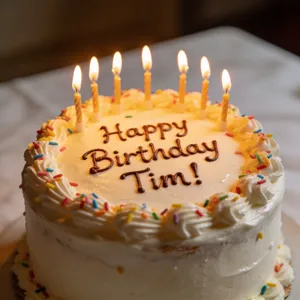
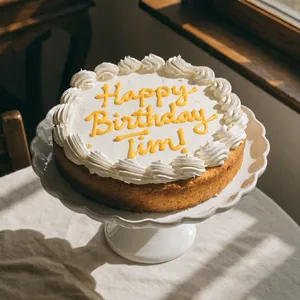
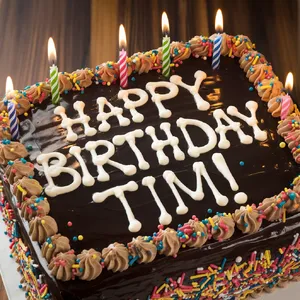
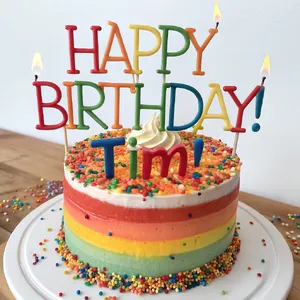
- Top Pick: Qwen-Image-3.0-Pro. This model delivered a phenomenal 10/10 score on the Birthday Cake prompt. Its Cake Image shows delicate, realistic piping that interacts perfectly with the frosting underneath.
- Strong Alternative: Nano Banana 2. Its Cake Rendering was equally praised for its incredible physical realism and atmospheric food styling.