Summary for Ultra Hard
Welcome to the ultimate stress test for AI image generation! 🚀 The Ultra Hard category is specifically designed to push models to their absolute cognitive and rendering limits. These prompts test absurd spatial relationships, precise typography, retro UI replication, and cultural/anatomical accuracy.
Here are the key discoveries from our analysis:
- 🥇 Top Performers: Grok Imagine 2.0 dominates the category with an impressive 1439 Elo. It is closely followed by Takumi 1 (1420 Elo) and GPT Image 2.5 Sunburst (1394 Elo). These models excel because they possess deep semantic understanding, refusing to take the "easy way out" when given contradictory or complex instructions.
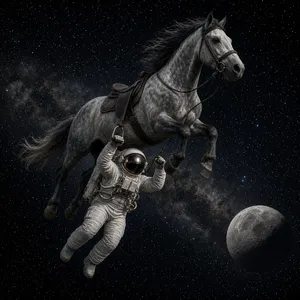
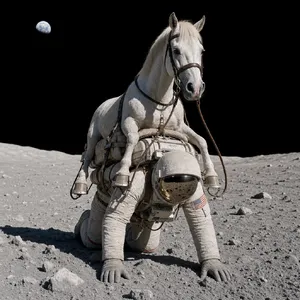
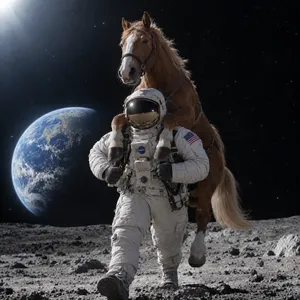
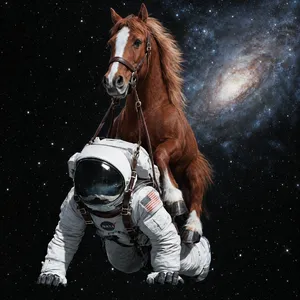
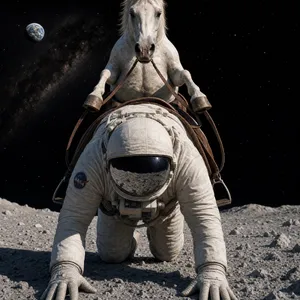
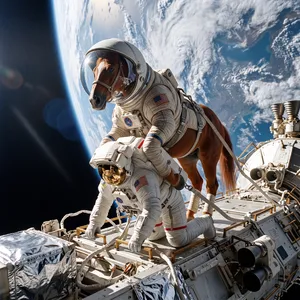
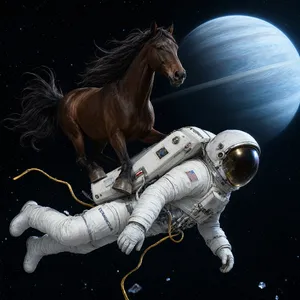
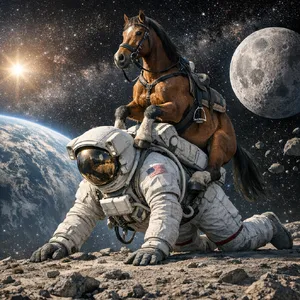
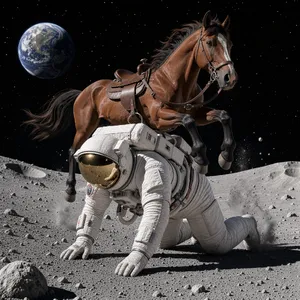
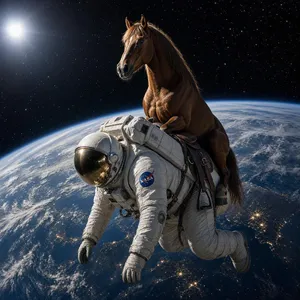
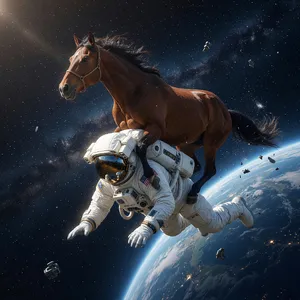
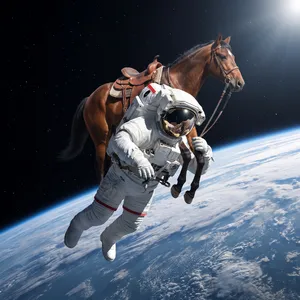
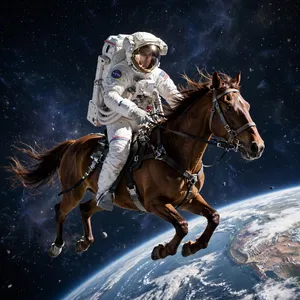
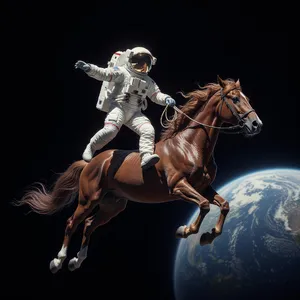
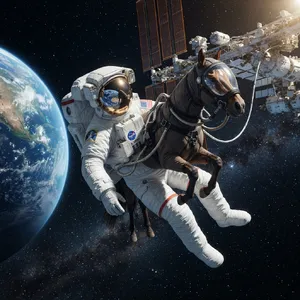
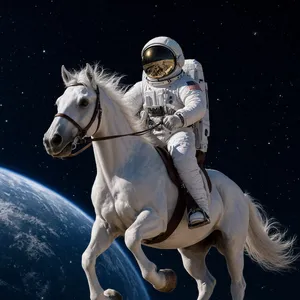
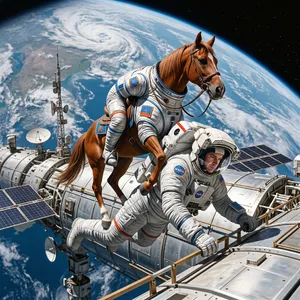
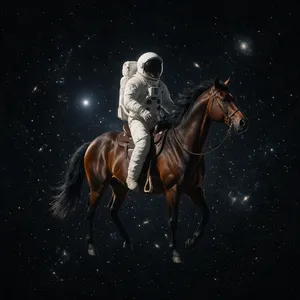
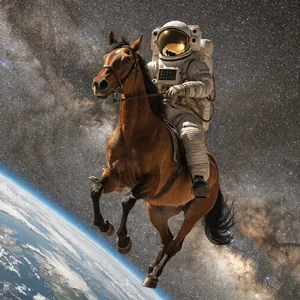
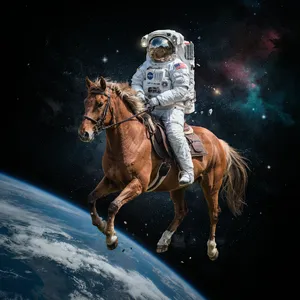
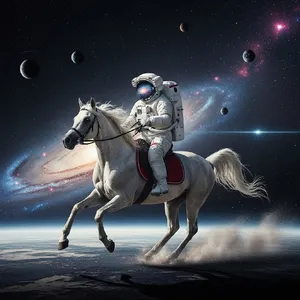
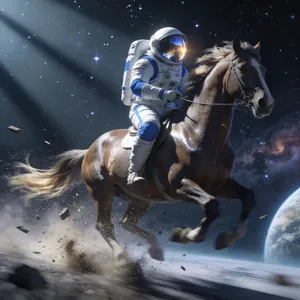
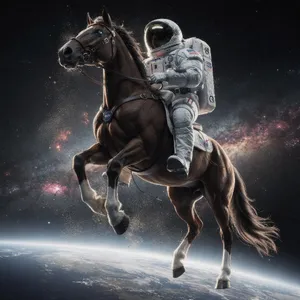
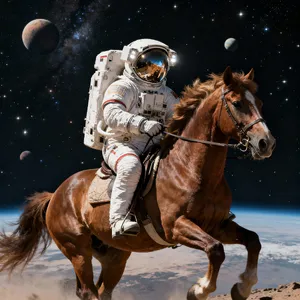
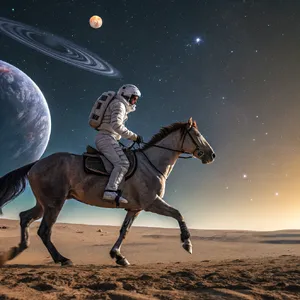
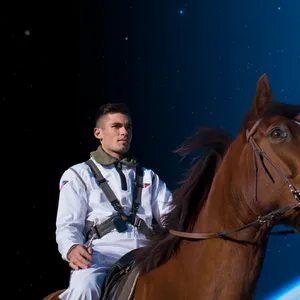
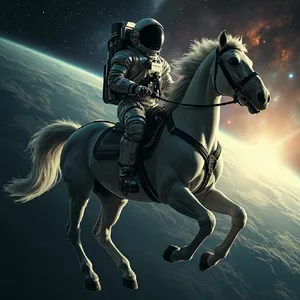
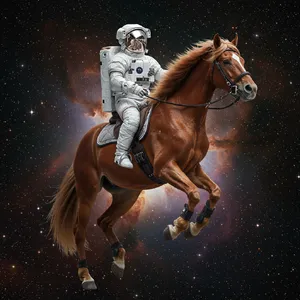
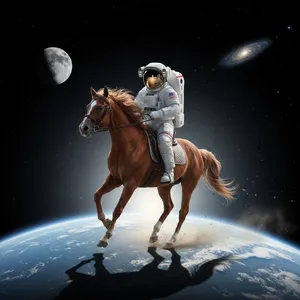
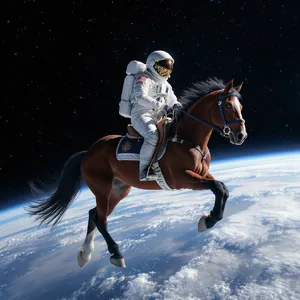
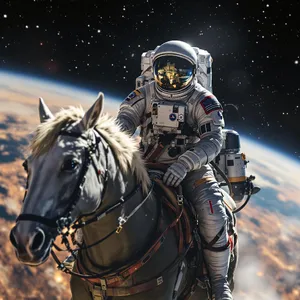
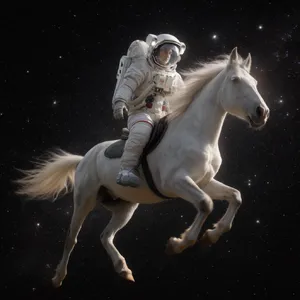
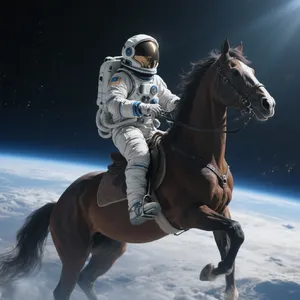
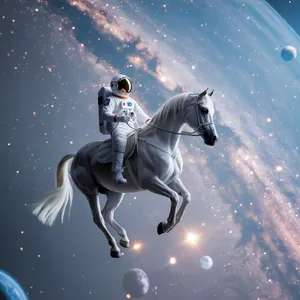
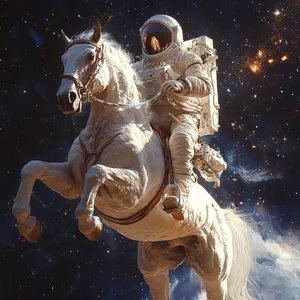
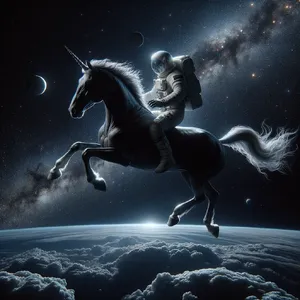
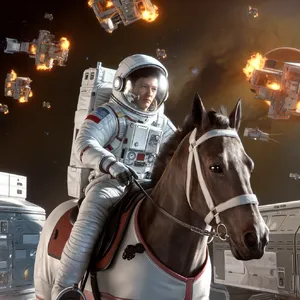
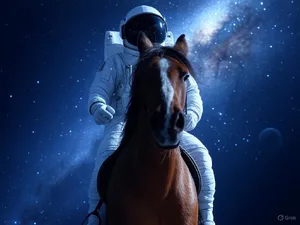
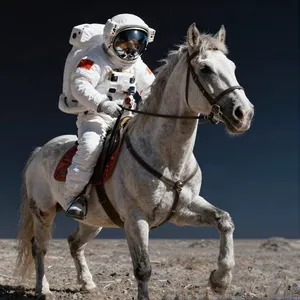
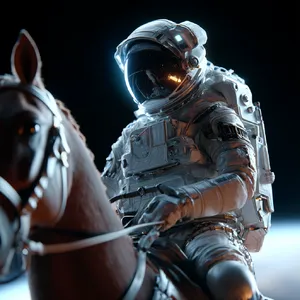
- 🧠 Intelligence over Beauty: A major trend is the triumph of prompt adherence over pure artistic polish. Models that usually top aesthetic charts, such as Midjourney v7 (975 Elo) and Midjourney V6.1 (767 Elo), struggled significantly here. When asked to draw a horse riding an astronaut, they defaulted to an astronaut riding a horse—resulting in severe penalties.
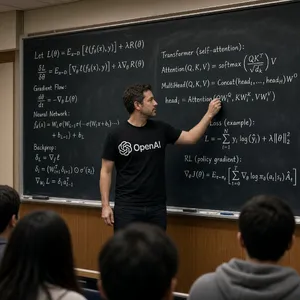
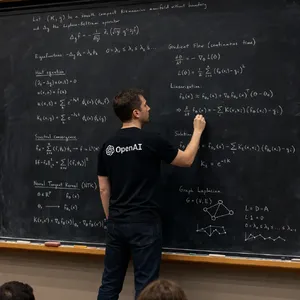
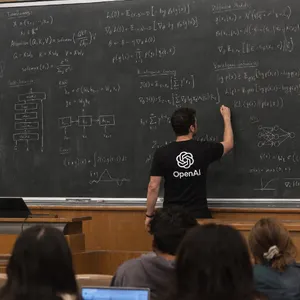
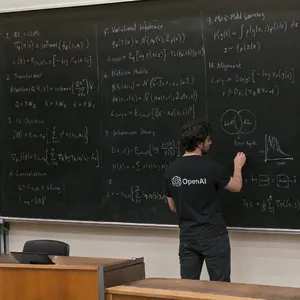
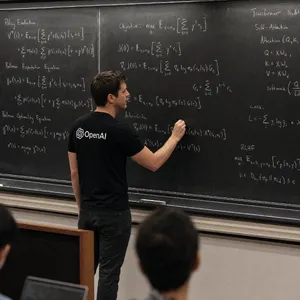
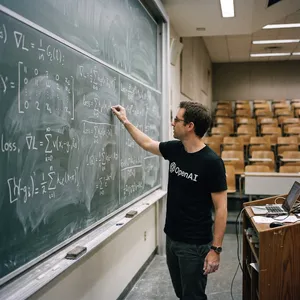
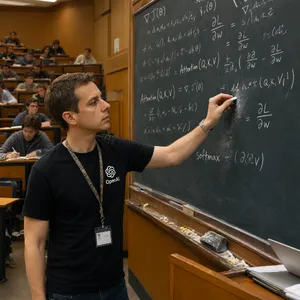
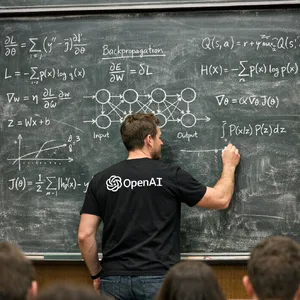
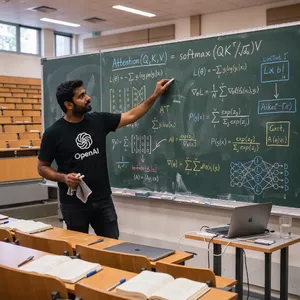
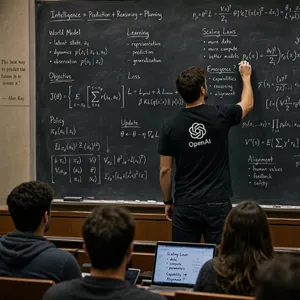
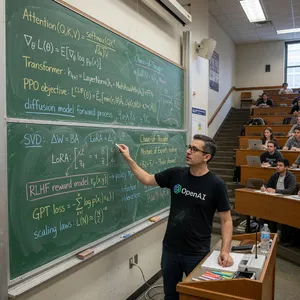
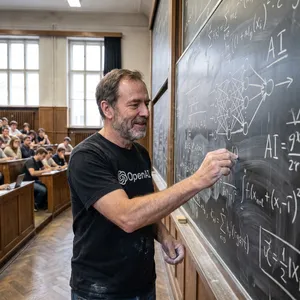
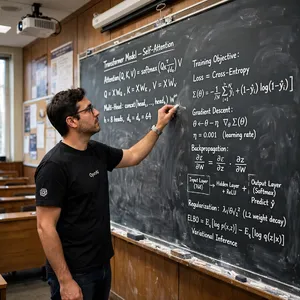
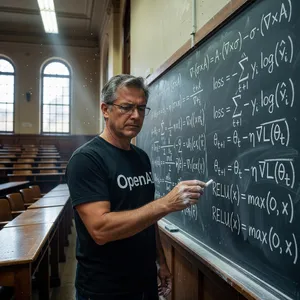
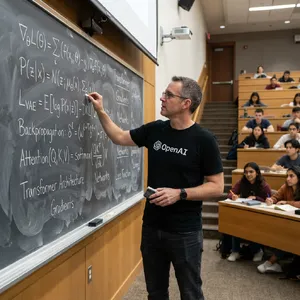
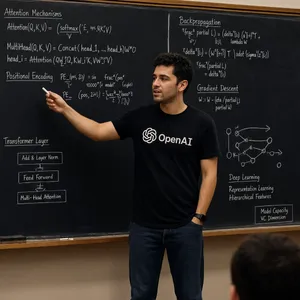
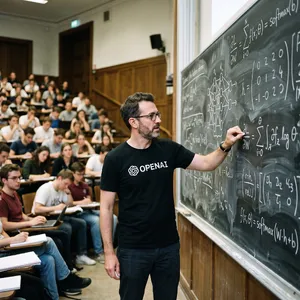
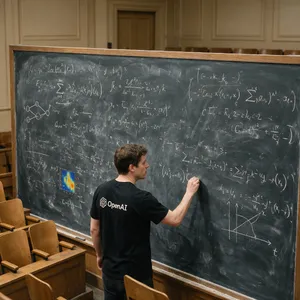
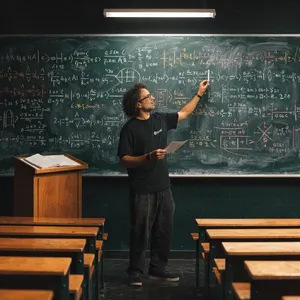
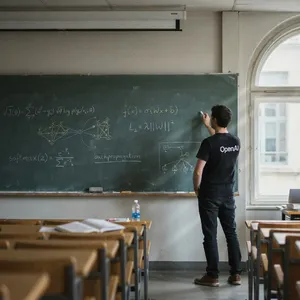
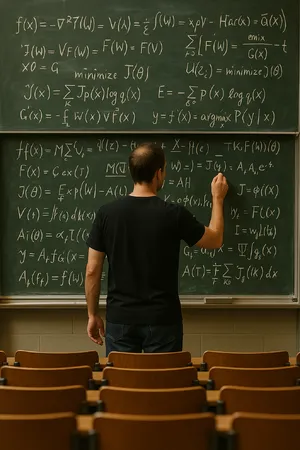
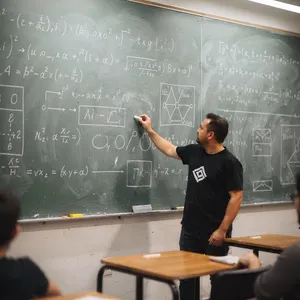
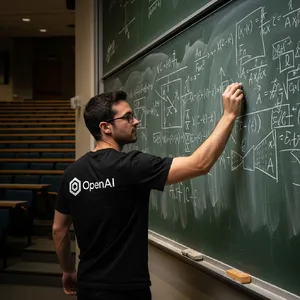
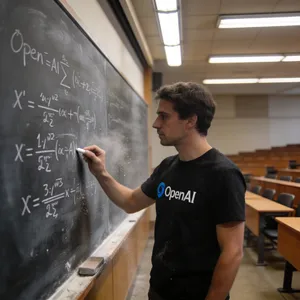
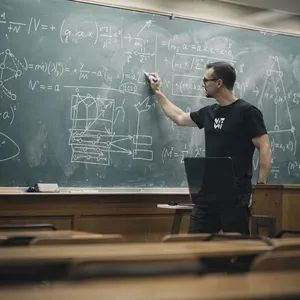
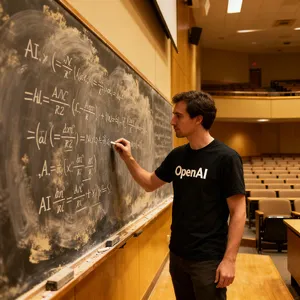
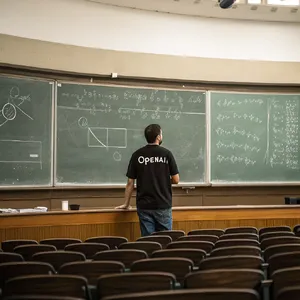
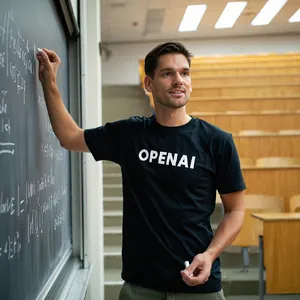
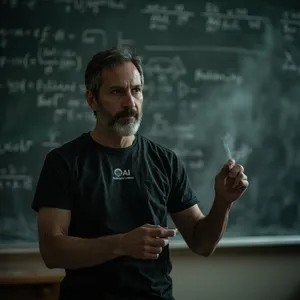
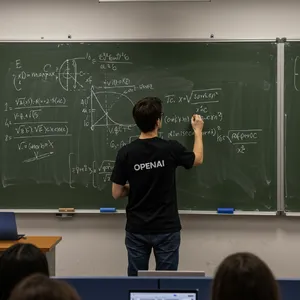
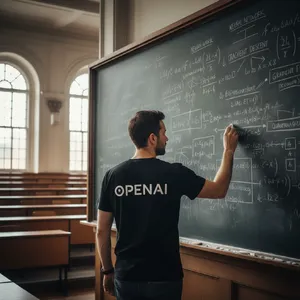
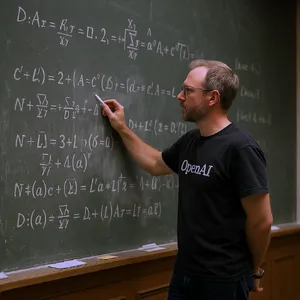
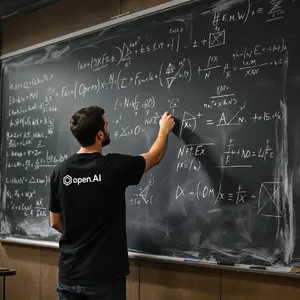
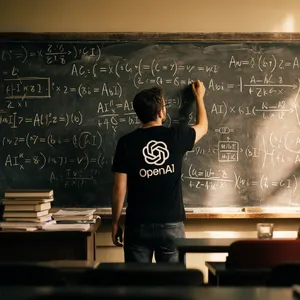
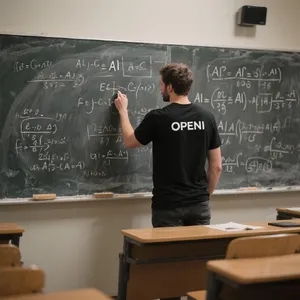
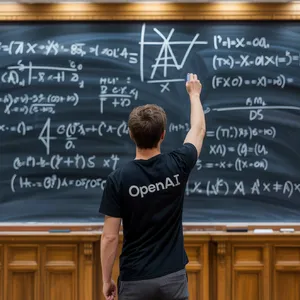
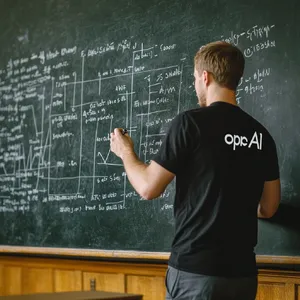
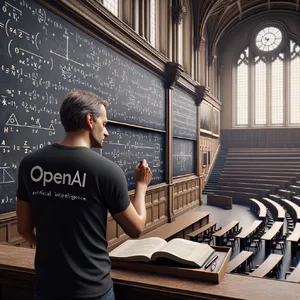
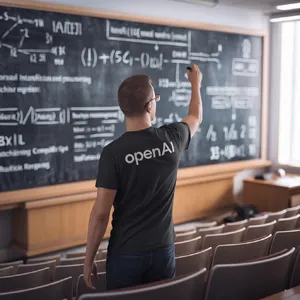
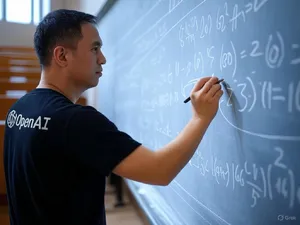
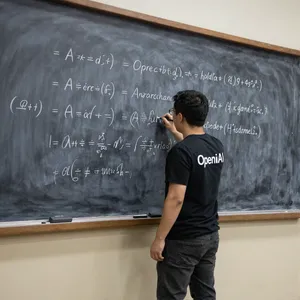
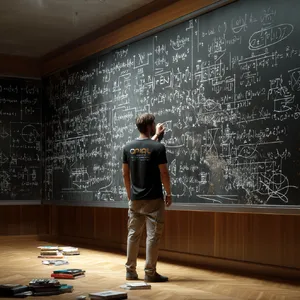
- 😲 Surprising Results: The ability of top models to handle dense, coherent mathematics is staggering. In the OpenAI Math Lecture prompt, top models successfully generated legible Bellman equations and cross-entropy formulas instead of random gibberish.
- 📌 Quick Takeaway: If your workflow requires precise instruction following, complex typography, or unusual spatial layouts, look to the latest generations of Grok, Takumi, and GPT Image.
🕵️♂️ Deep Dive: Patterns, Strengths, and Weaknesses
The Ultra Hard category serves as a magnifying glass for the cognitive capabilities of AI image models. By analyzing the 1-10 evaluator scores alongside the Elo ratings, distinct patterns emerge regarding what separates a "smart" model from a merely "pretty" one.
💪 Comparative Strengths of Top Performers
The leaders—Grok Imagine 2.0, Takumi 1, and GPT Image 2.5 Sunburst—share a unique ability to break their own training biases.
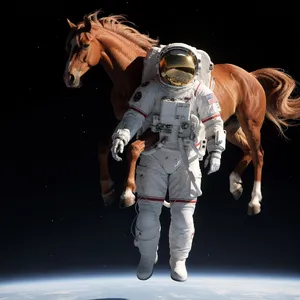
- Overcoming Default Assumptions: When prompted with the Horse Riding Astronaut, most models produced stunning cinematic shots of an astronaut on horseback. Top models recognized the requested inversion. For example, MAI-Image-2.6 produced an incredibly clever floating zero-gravity reversal that perfectly captured the prompt's absurd logic.
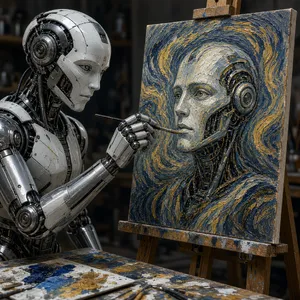
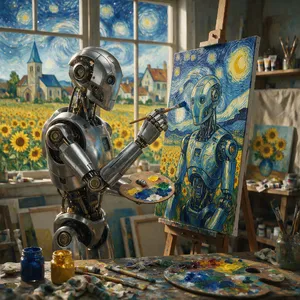
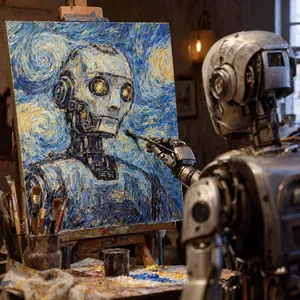
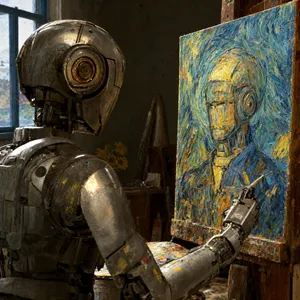
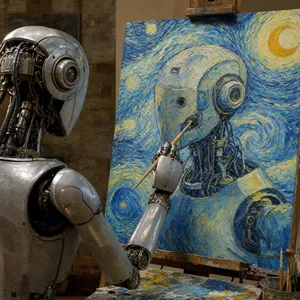
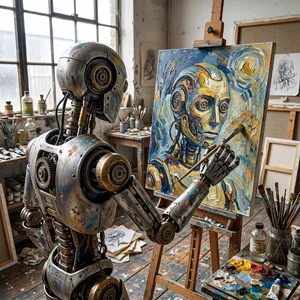
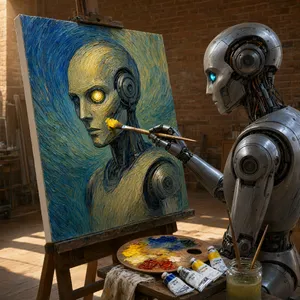
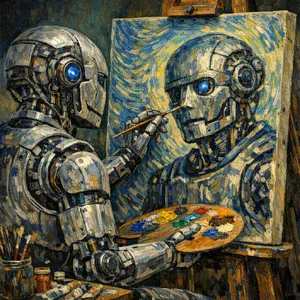
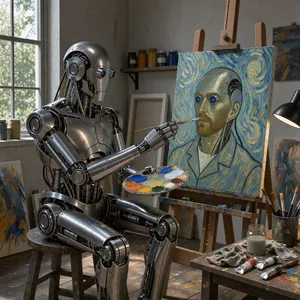
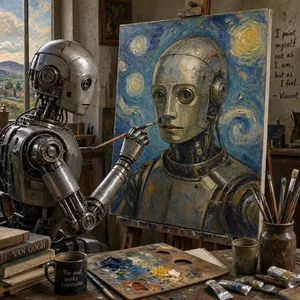
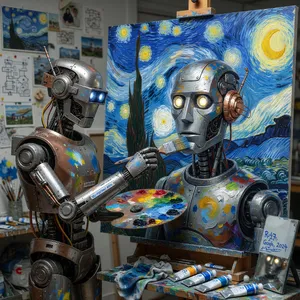
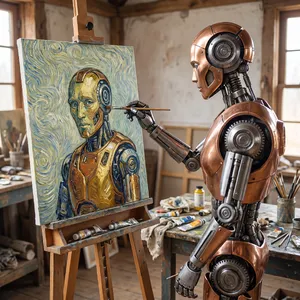
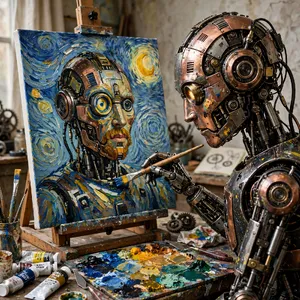
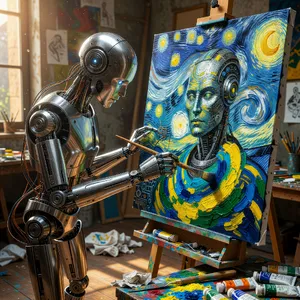
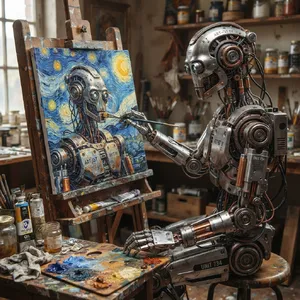
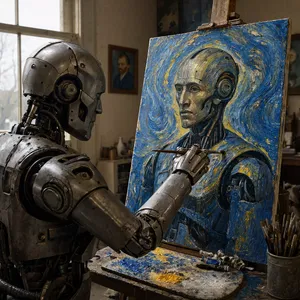
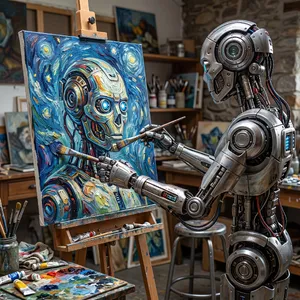
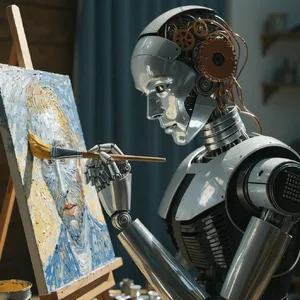
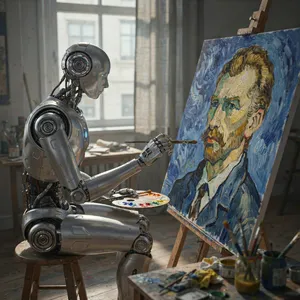
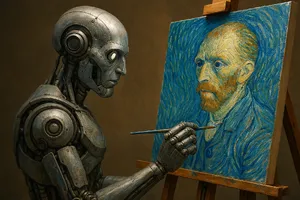
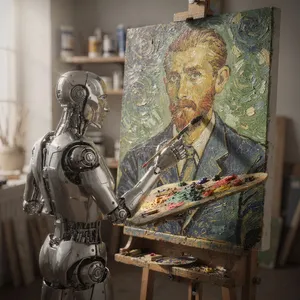
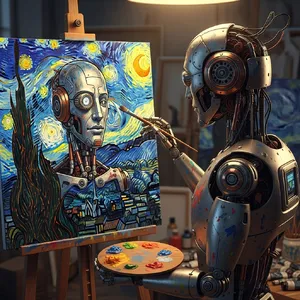
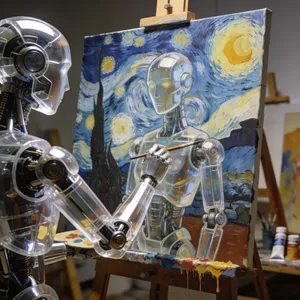
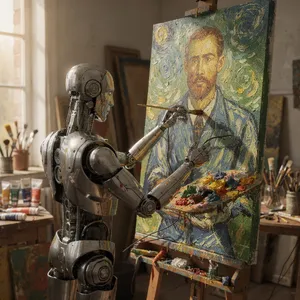
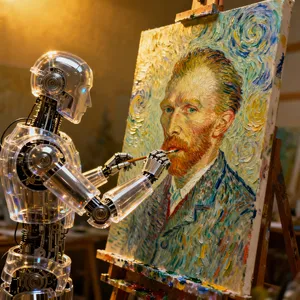
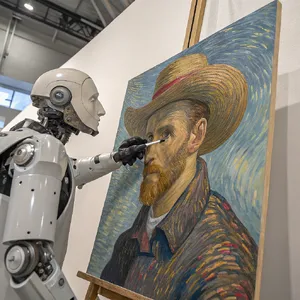
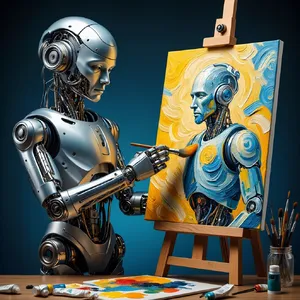
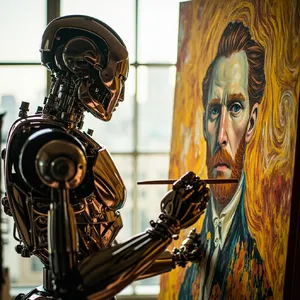
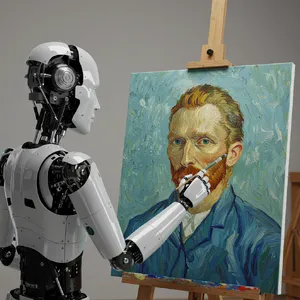
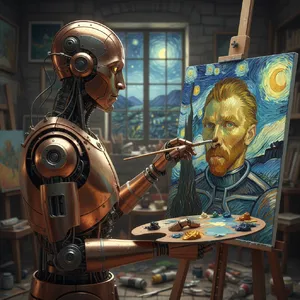
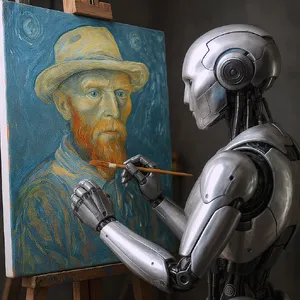
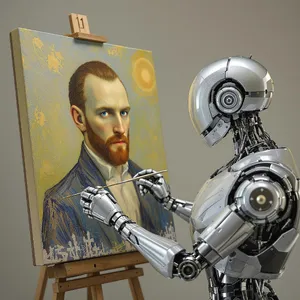
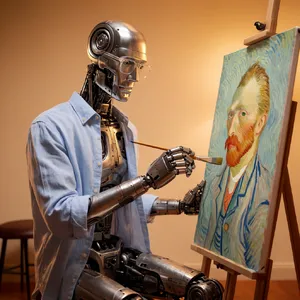
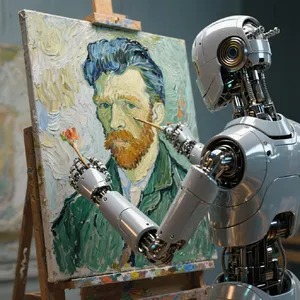
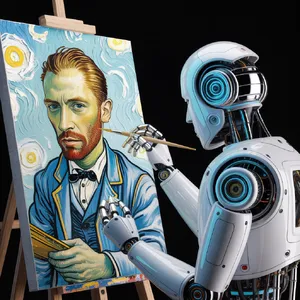
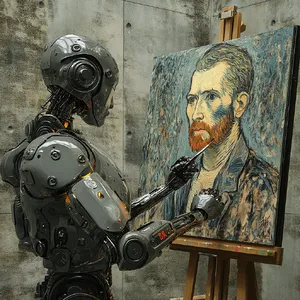
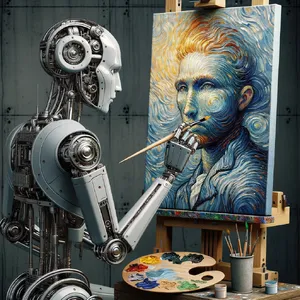
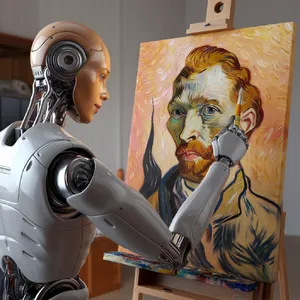
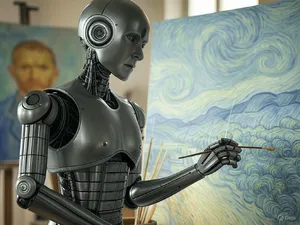
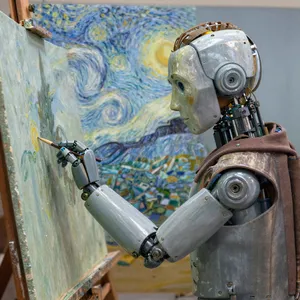
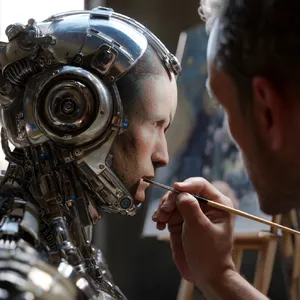
- Recursive Understanding: In the Robot Painting Self-Portrait prompt, lower-tier models simply drew a robot painting a picture of Vincent Van Gogh. Top performers accurately grasped the concept of a "self-portrait," rendering a canvas that reflected the robot's own mechanical features while perfectly mimicking Van Gogh's impasto brushwork.
📉 Common Failure Modes
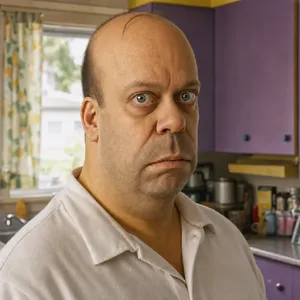
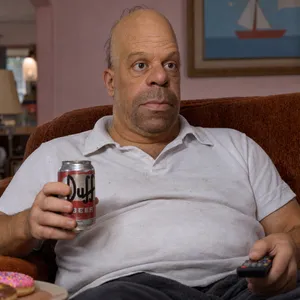
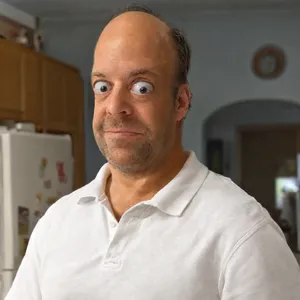
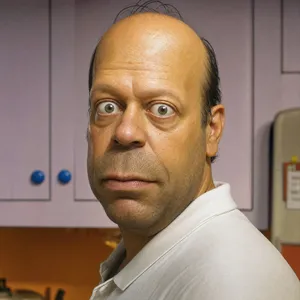
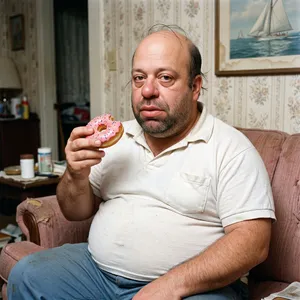
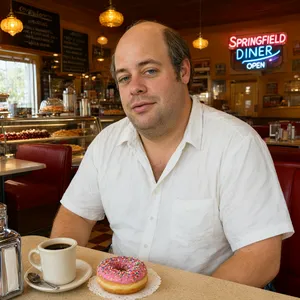
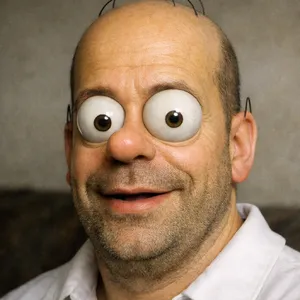
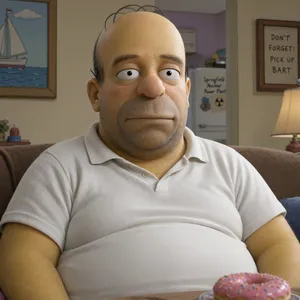
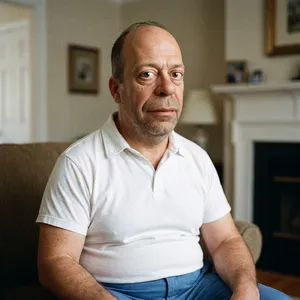
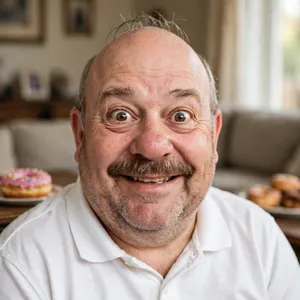
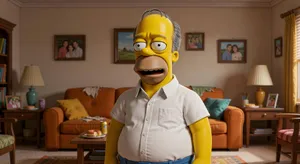
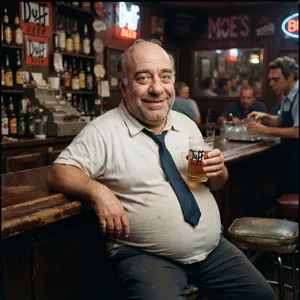
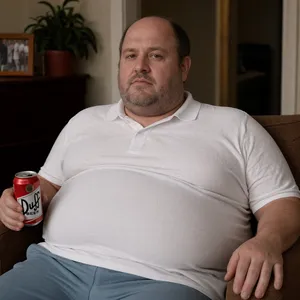
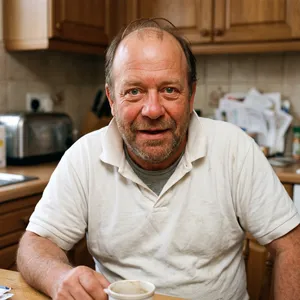
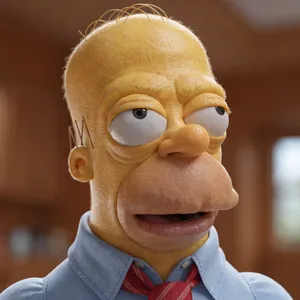
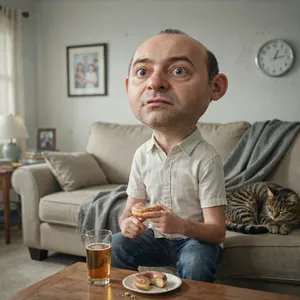
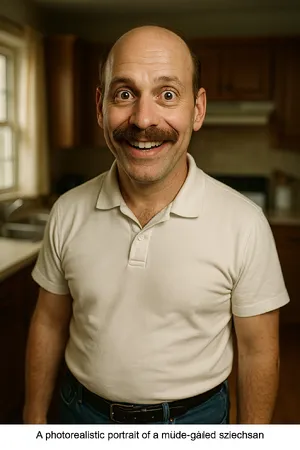
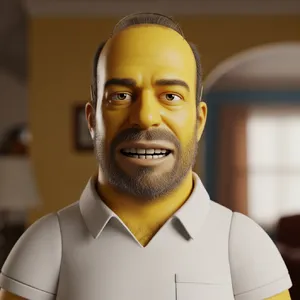
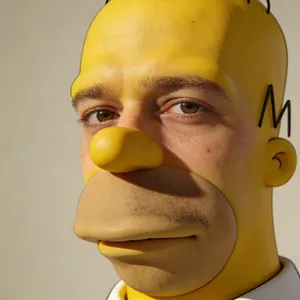
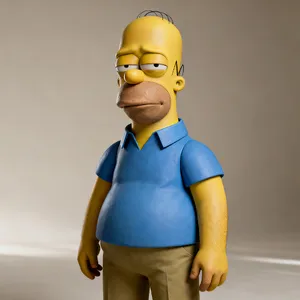
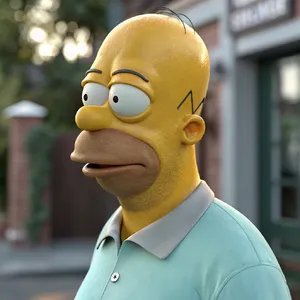
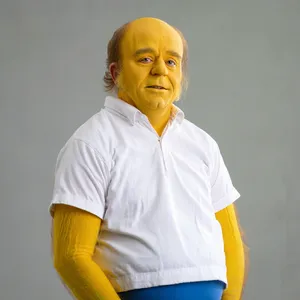
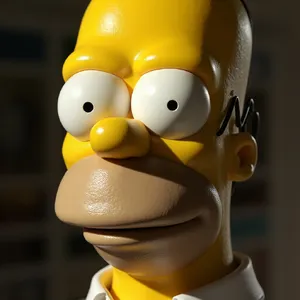
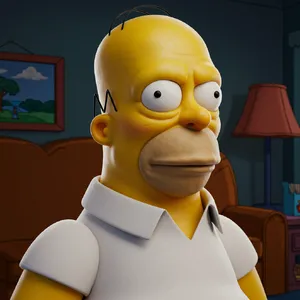
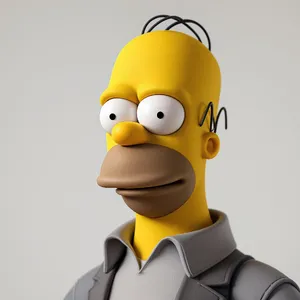
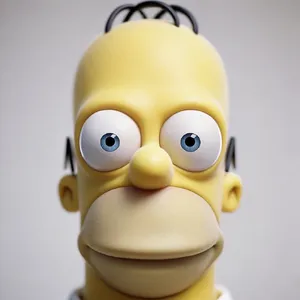
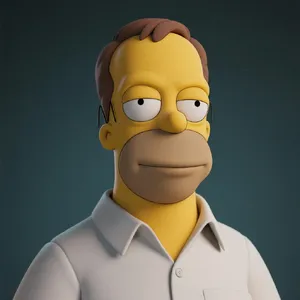
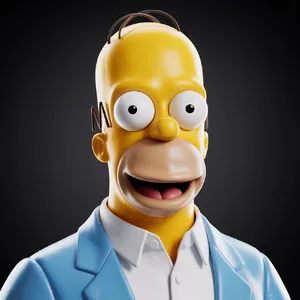
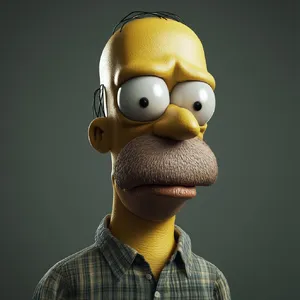
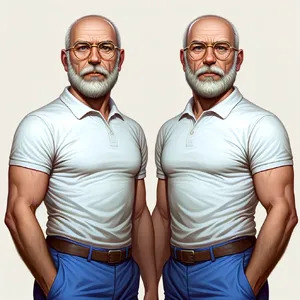
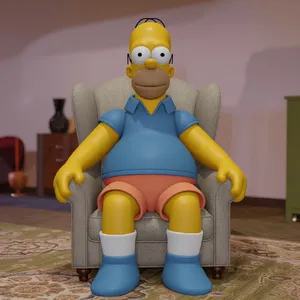
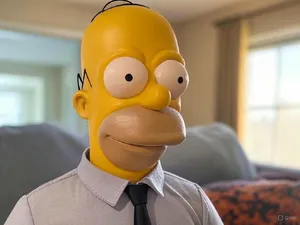
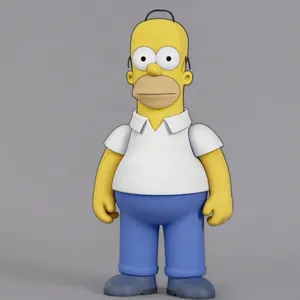
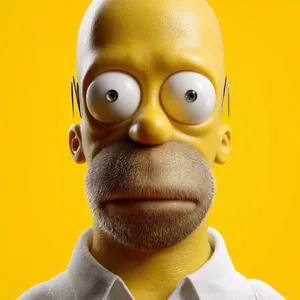
- Anatomical Hallucinations: When faced with complex physical interactions, mid-tier models panic. In the Photorealistic Homer Simpson prompt, many models created terrifying hybrids with oversized, bulging plastic eyes. Only the best models successfully mapped cartoon proportions onto believable human skeletal and muscular structures.
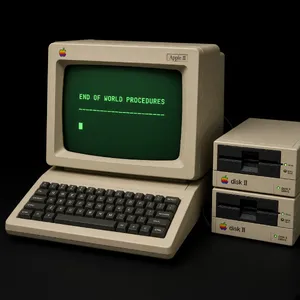
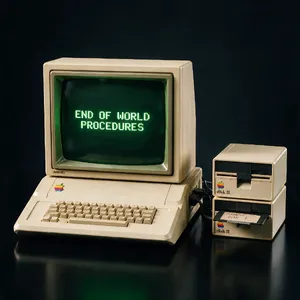
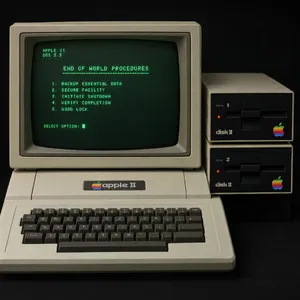
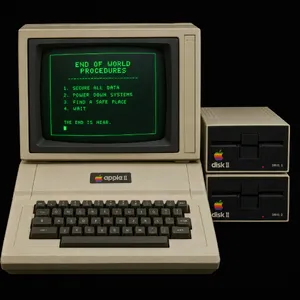
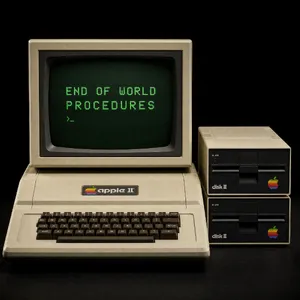
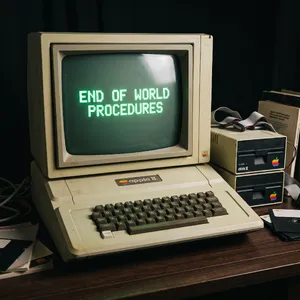
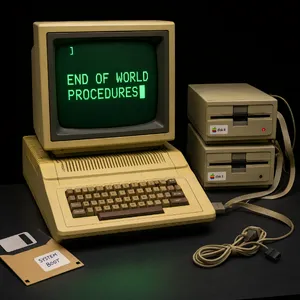
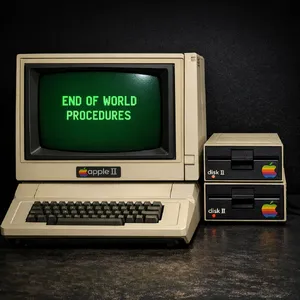
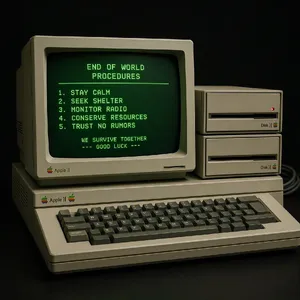
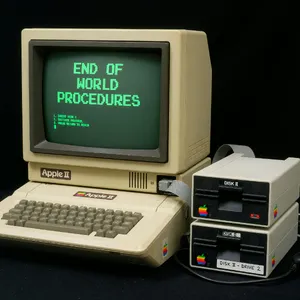
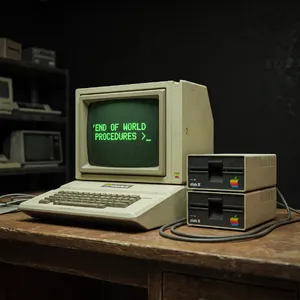
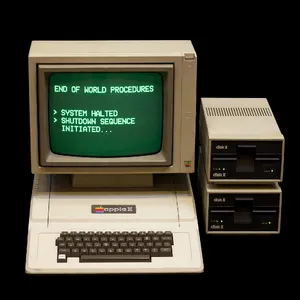
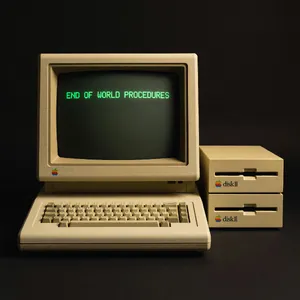
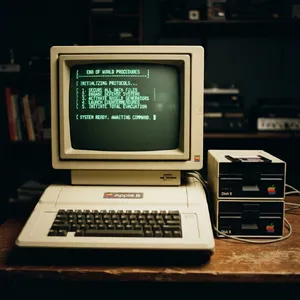
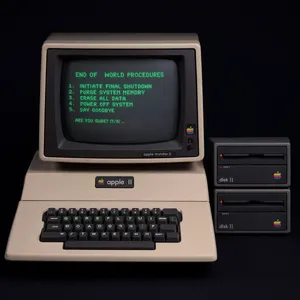
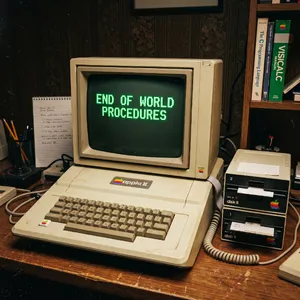
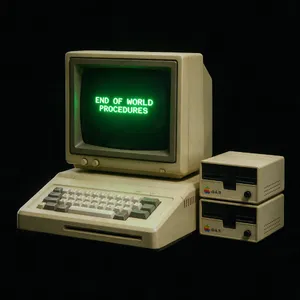
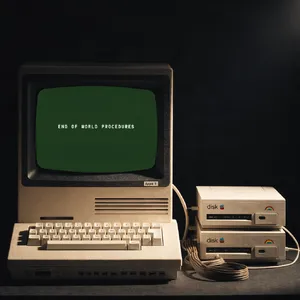
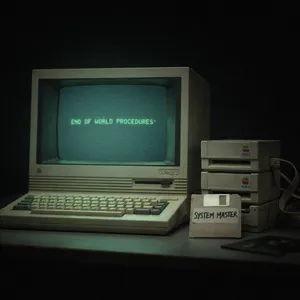
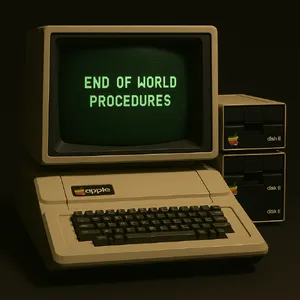
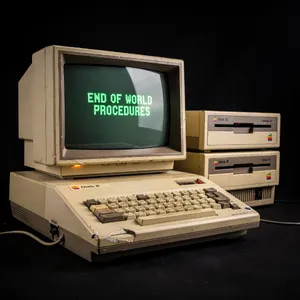
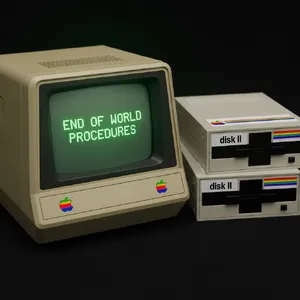
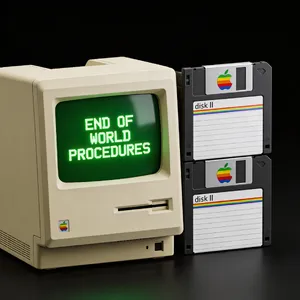
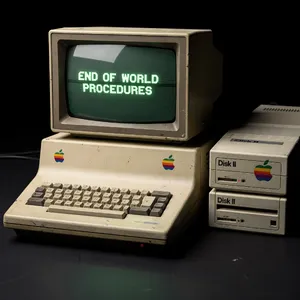
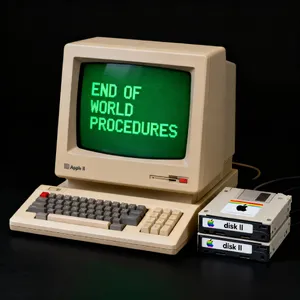
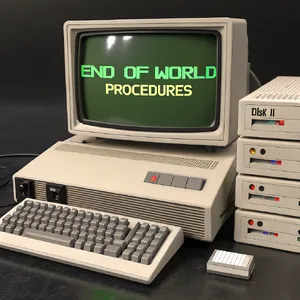
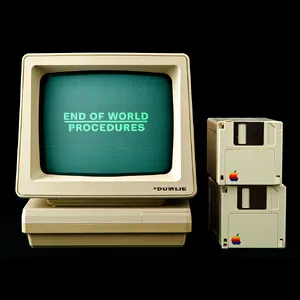
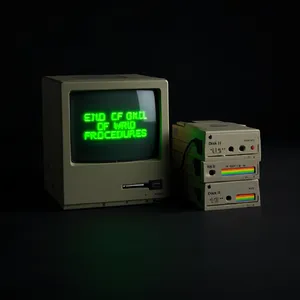
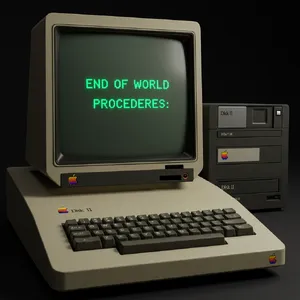
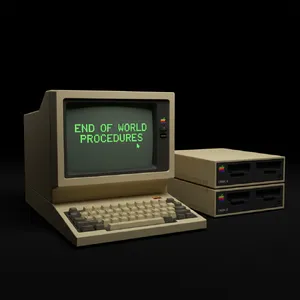
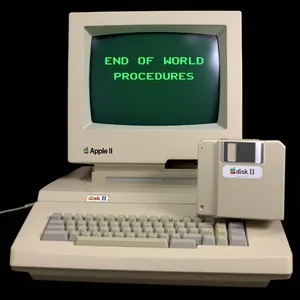
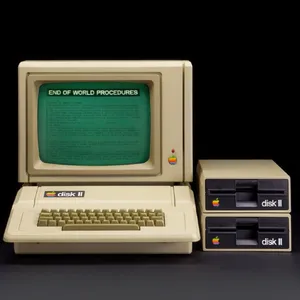
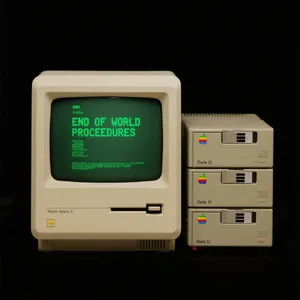
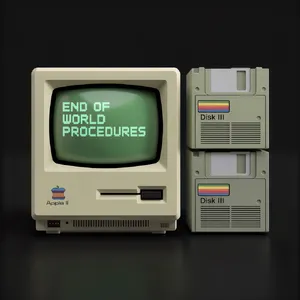
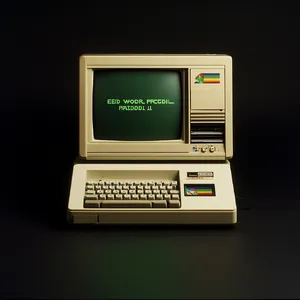
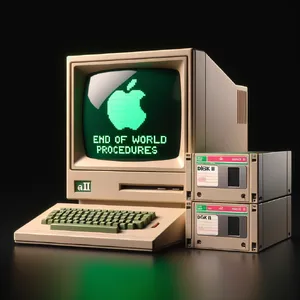
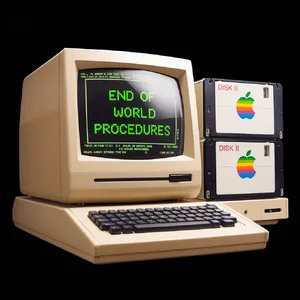
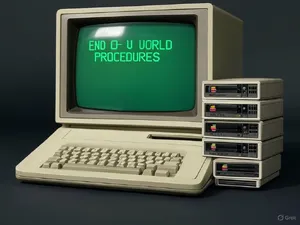
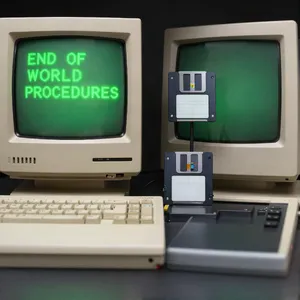
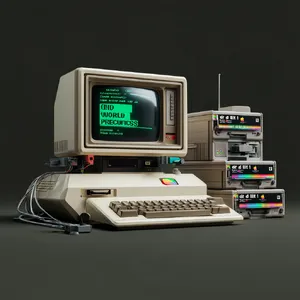
- The Typography Trap: Rendering text is no longer just about spelling a word correctly; it's about context. In the Vintage Apple II prompt, models failed if they used modern font rendering instead of authentic glowing green CRT scanlines.
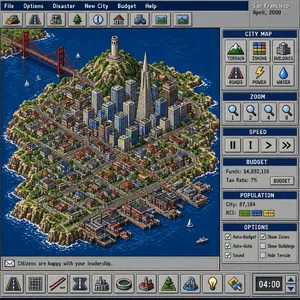
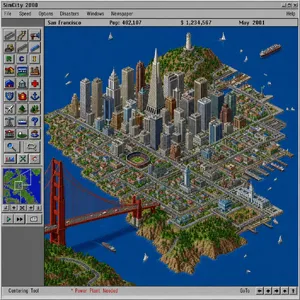
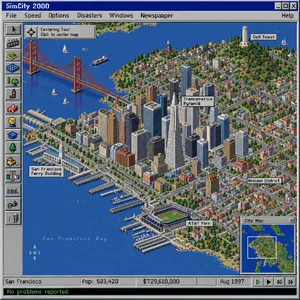
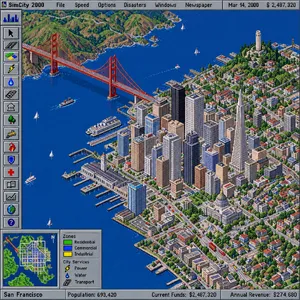
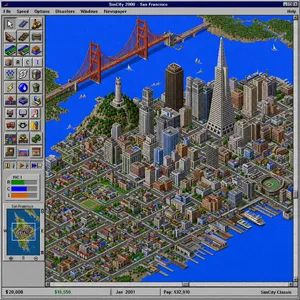
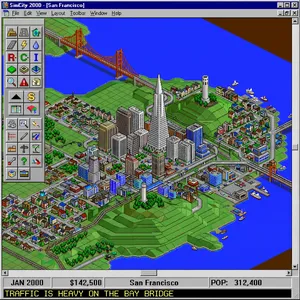
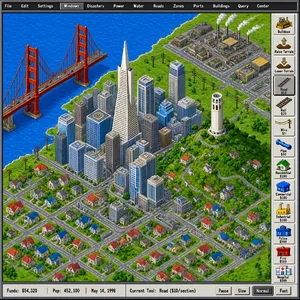
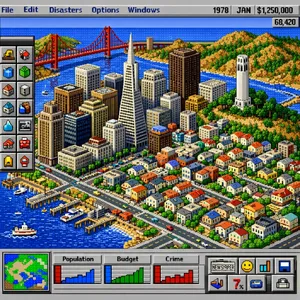
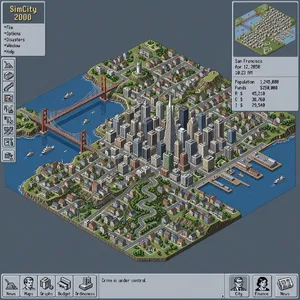
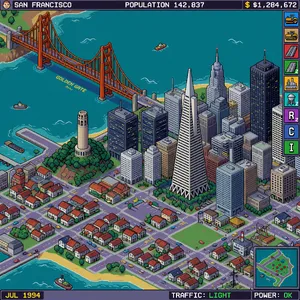
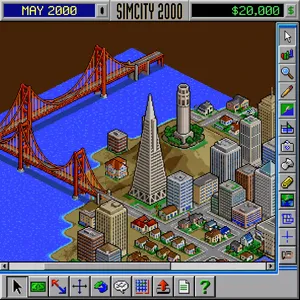
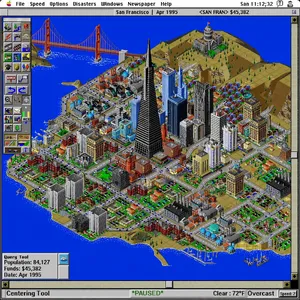
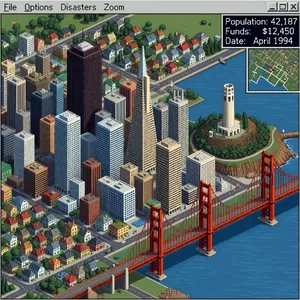
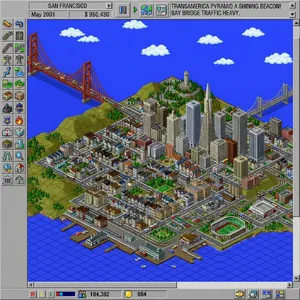
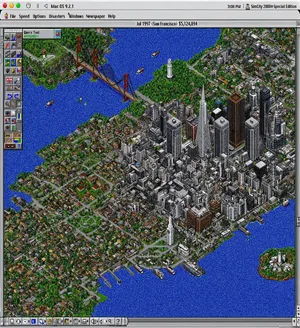
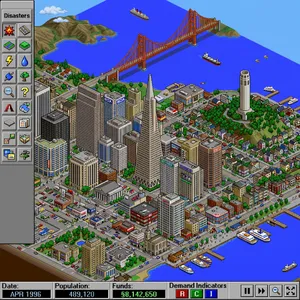
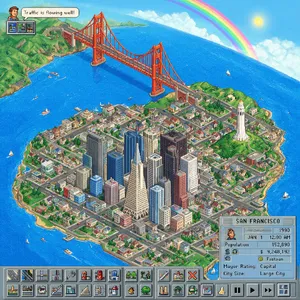
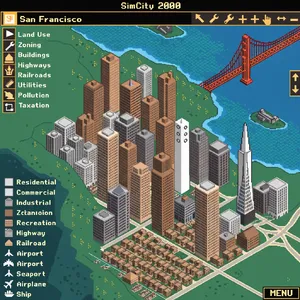
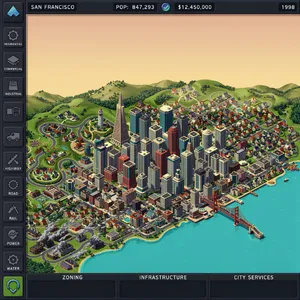
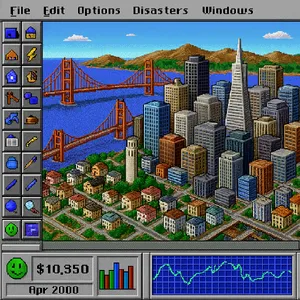
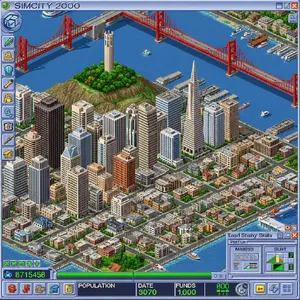
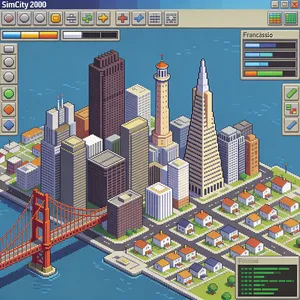
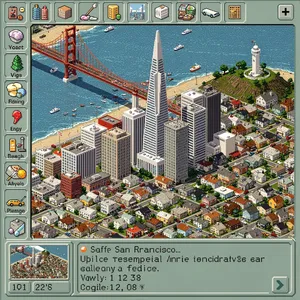
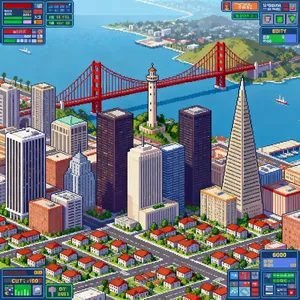
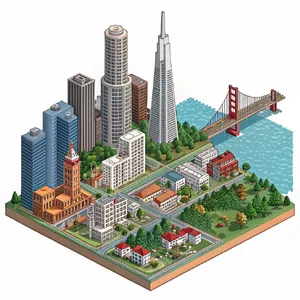
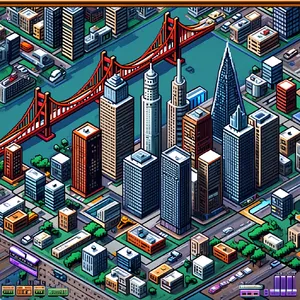
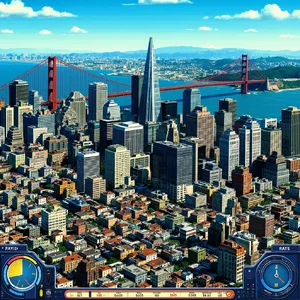
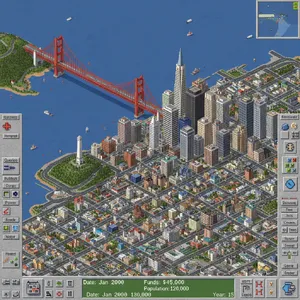
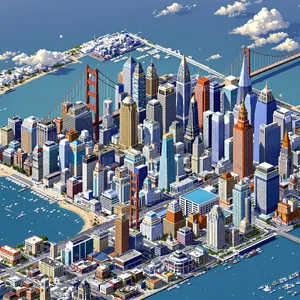
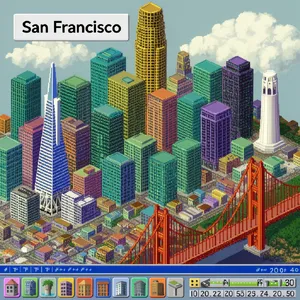
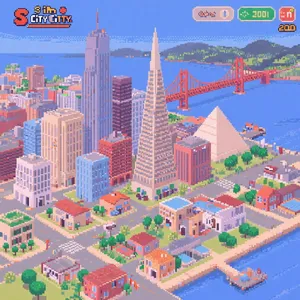
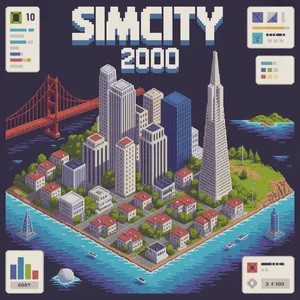
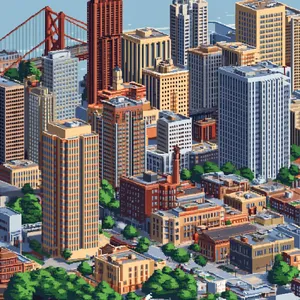
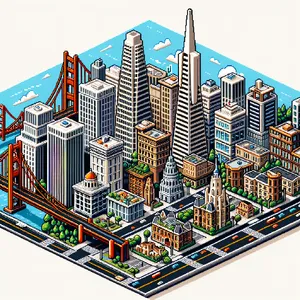
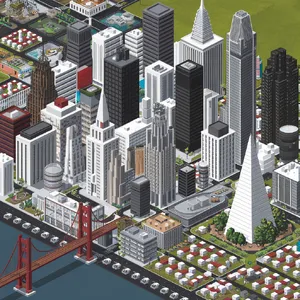
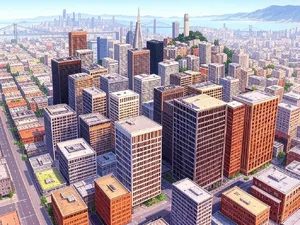
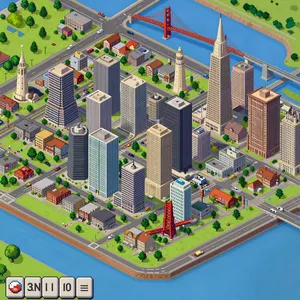
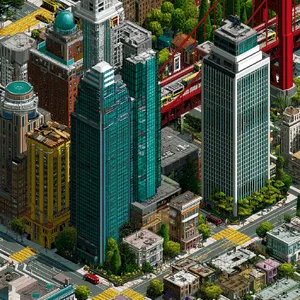
- UI/Nostalgia Amnesia: The SimCity 2000 San Francisco prompt was a bloodbath for models that didn't understand 1990s pixel art. Many output beautiful 3D isometric renders but entirely hallucinated or garbled the classic gray status bars and minimaps.
🛠️ Best Models by Specialized Use Case
The Ultra Hard category contains diverse challenges. Here is a breakdown of which models to use based on your specific scenario:
1. Complex Typography & Meaningful Text 📝
If you need whiteboards filled with math, handwritten cardboard signs, or retro computer screens, text coherence is critical.
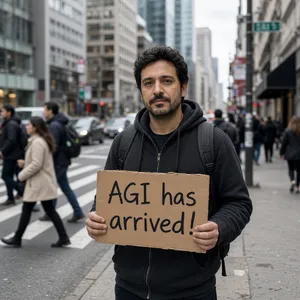
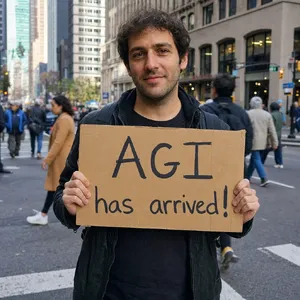
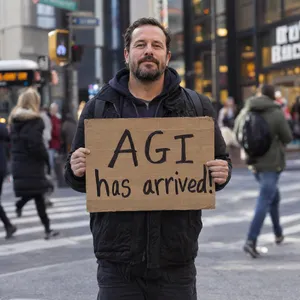
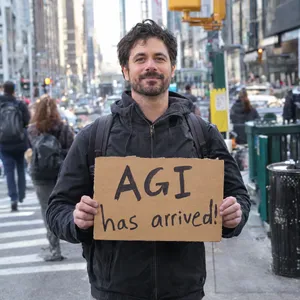
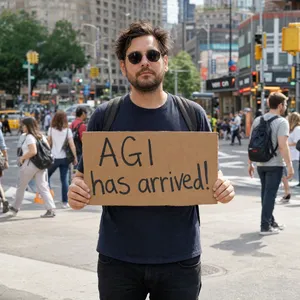
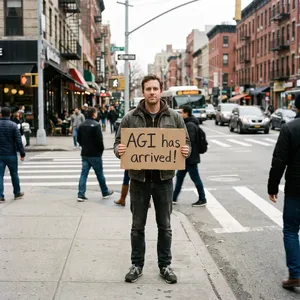
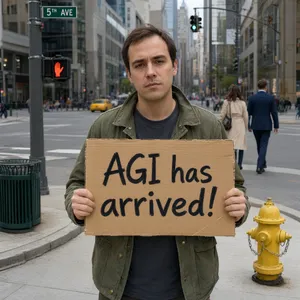
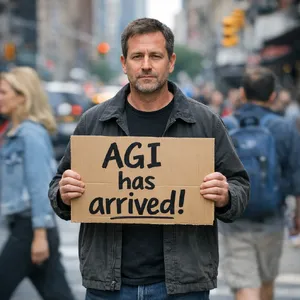
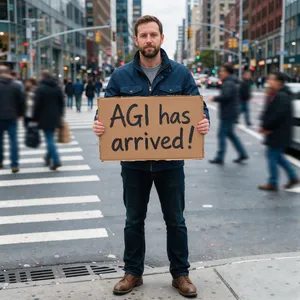
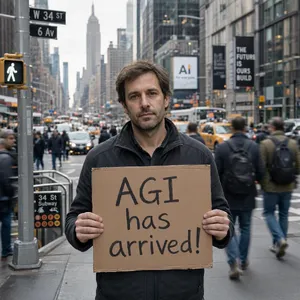
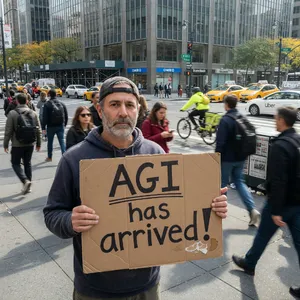
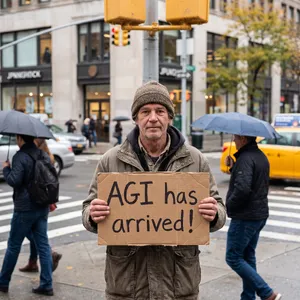
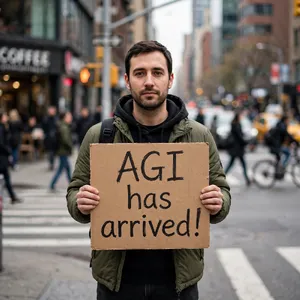
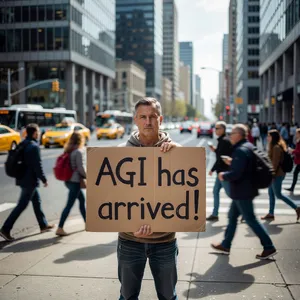
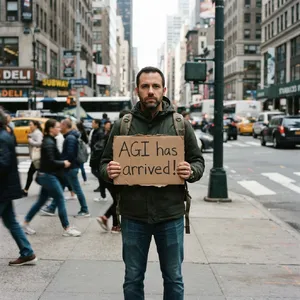
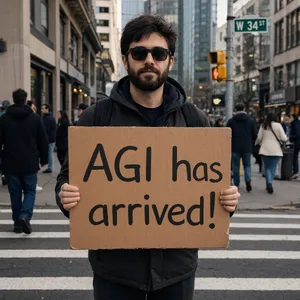
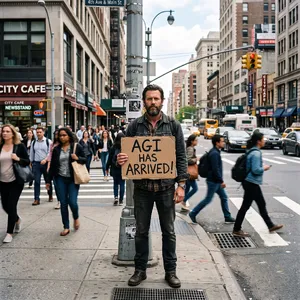
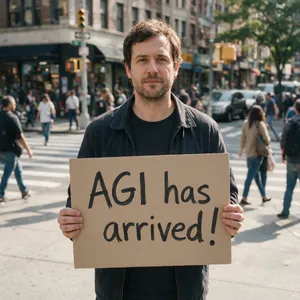
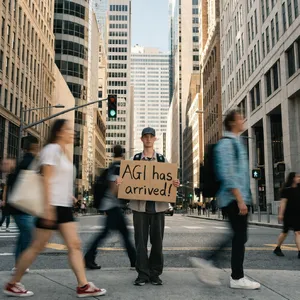
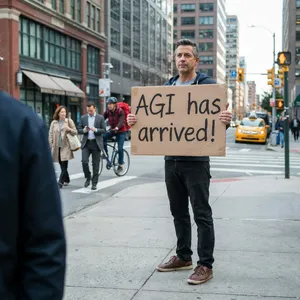
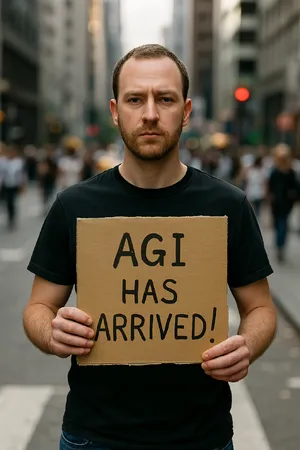
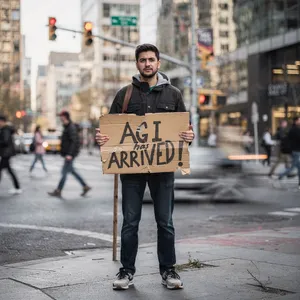
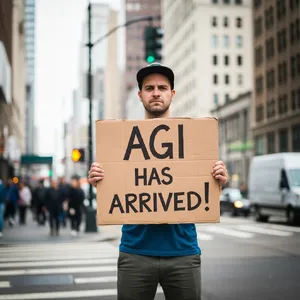
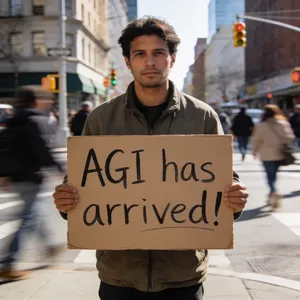
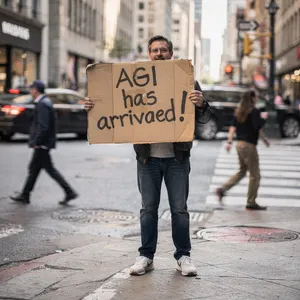
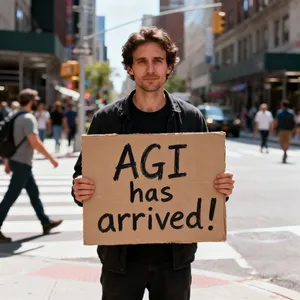
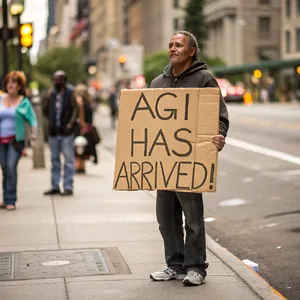
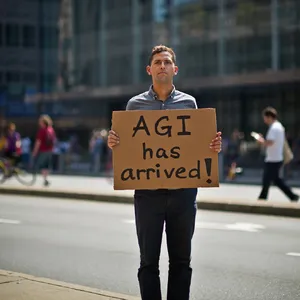
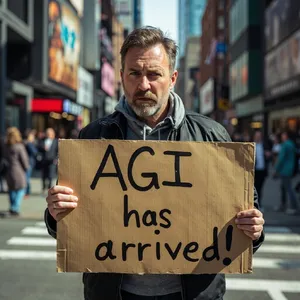
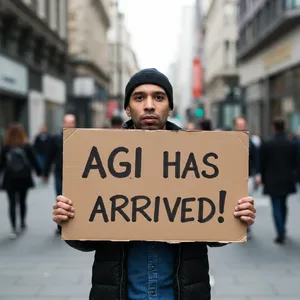
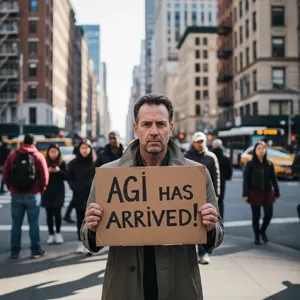
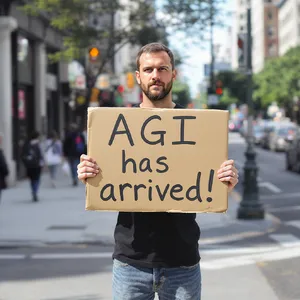
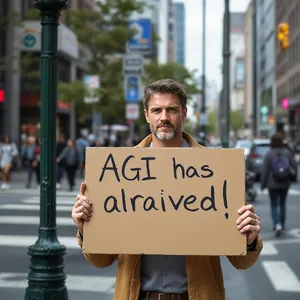
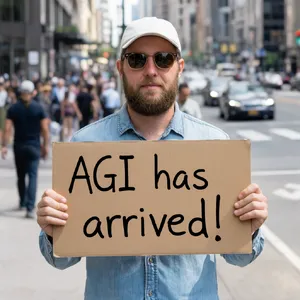
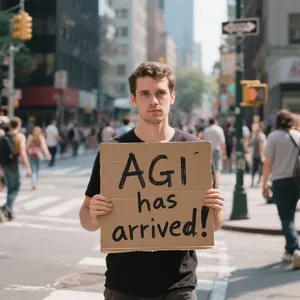
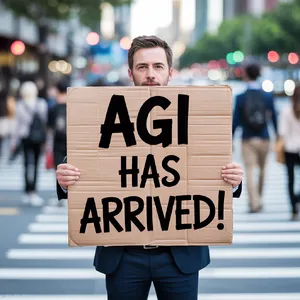
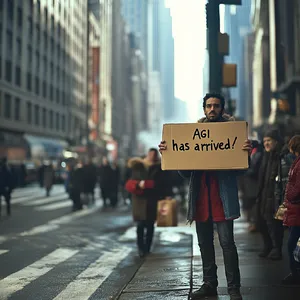
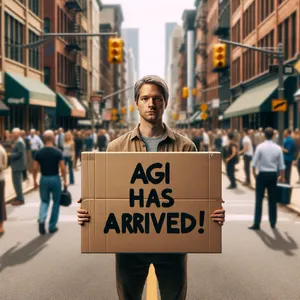
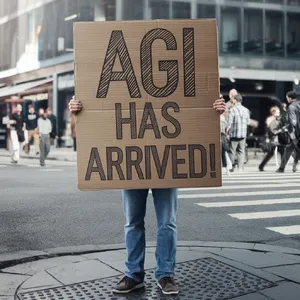
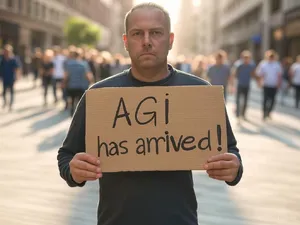
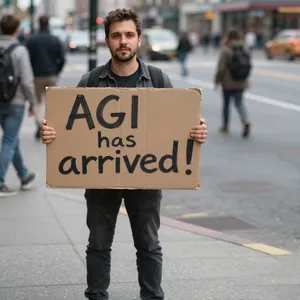
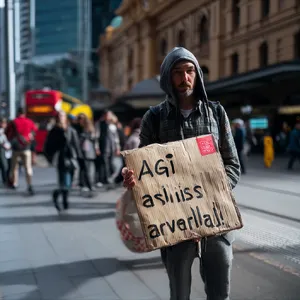
- The Challenge: OpenAI Math Lecture and AGI Has Arrived Sign.
- Top Recommendations: Grok Imagine 2.0 and GPT Image 2. Grok Imagine 2.0 delivered incredible results, generating coherent backpropagation equations and a perfectly branded T-shirt. For the cardboard sign, it naturally mimicked the uneven ink distribution of a real Sharpie.
2. Spatial Logic & Absurdity Inversions 🐴👩🚀
When your prompt goes against standard physics or typical imagery (e.g., animals riding humans, vehicles driving upside down).
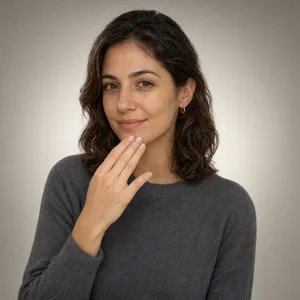
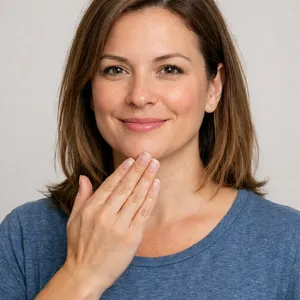
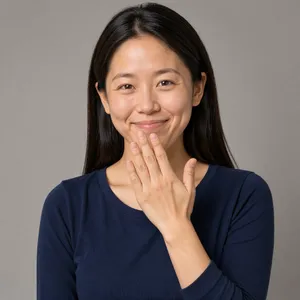
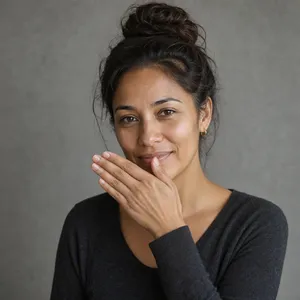
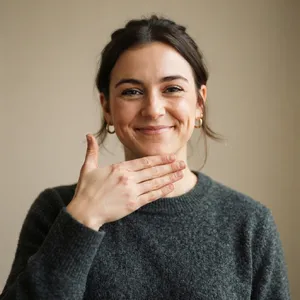
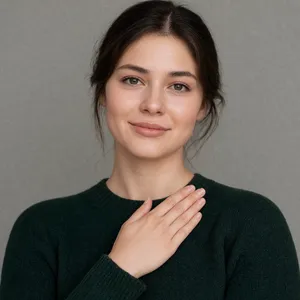
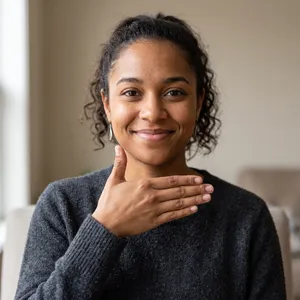
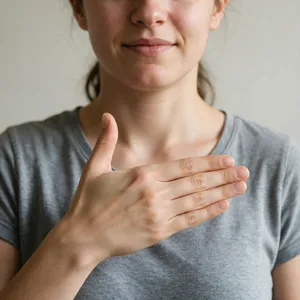
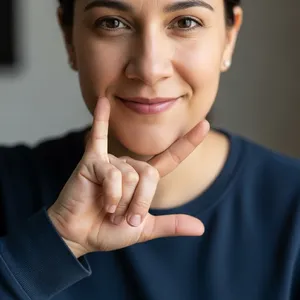
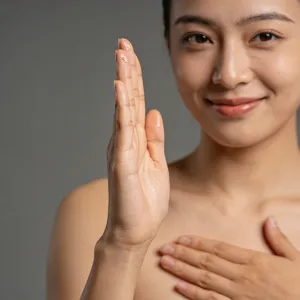
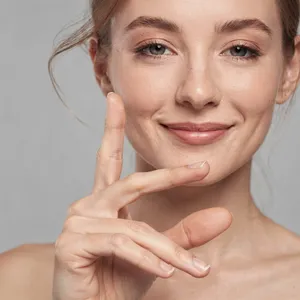
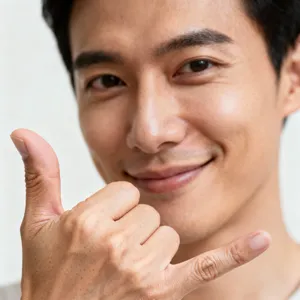
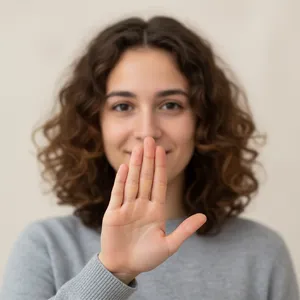
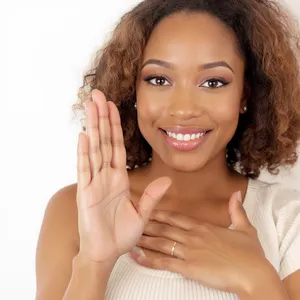
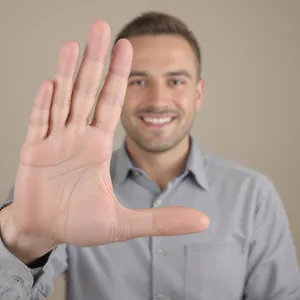
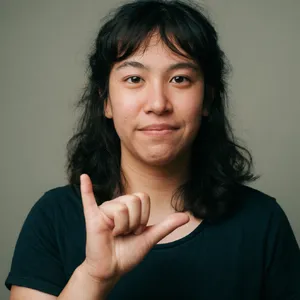
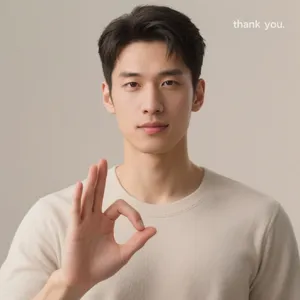
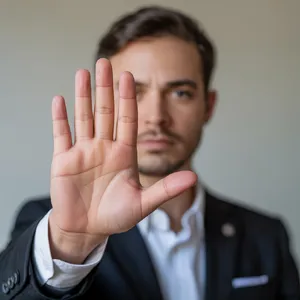
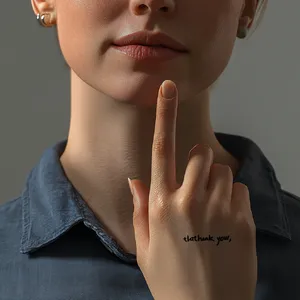
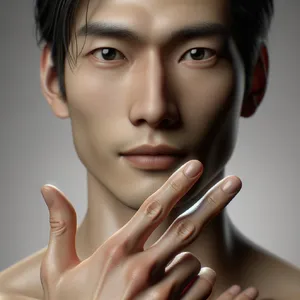
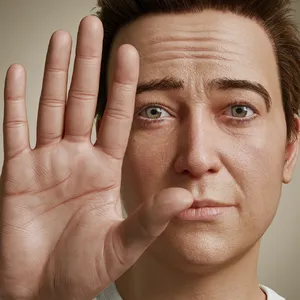
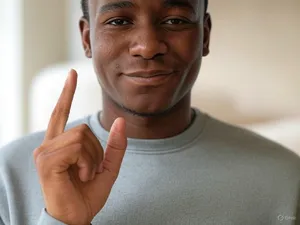
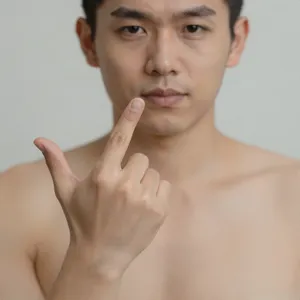
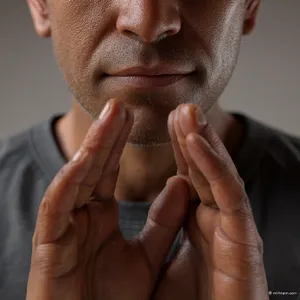
3. Exact Anatomy & Specific Gestures ✋
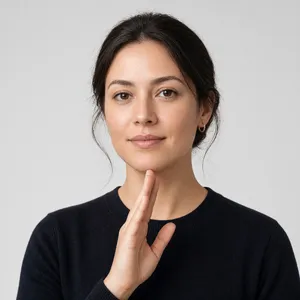
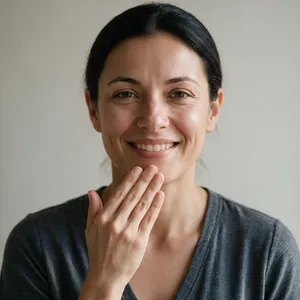
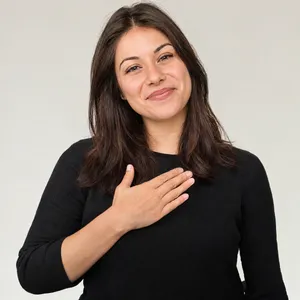
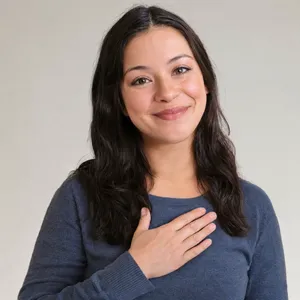
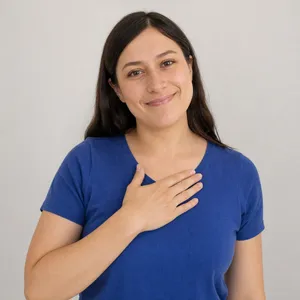
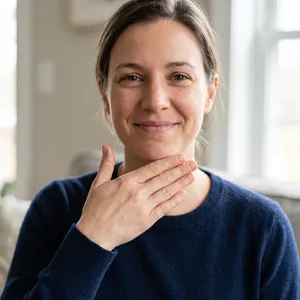
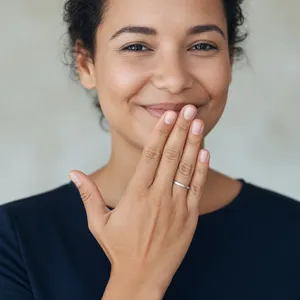
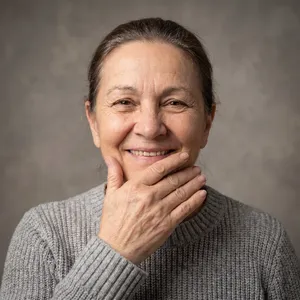
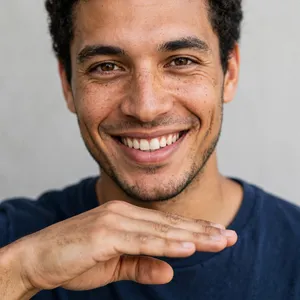
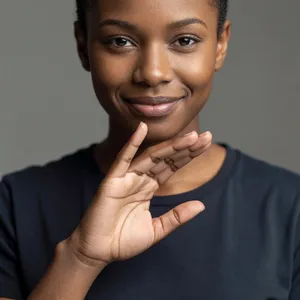
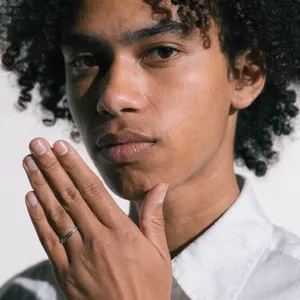
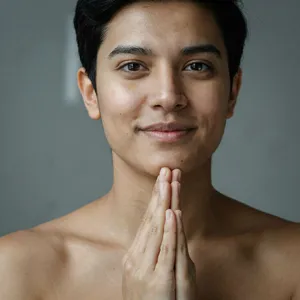
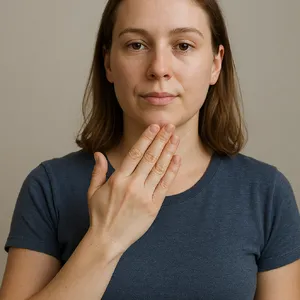
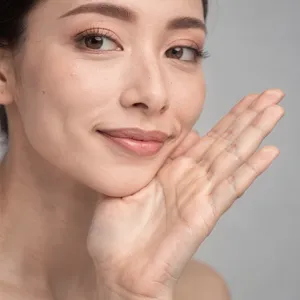
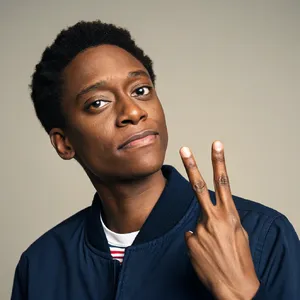
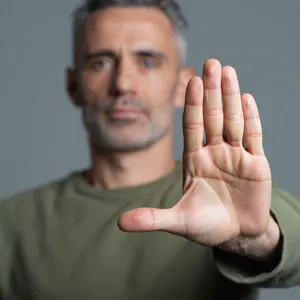
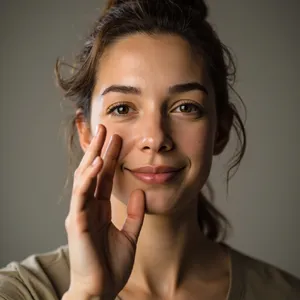
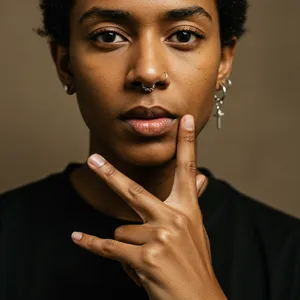
General realism is easy; specific, highly constrained poses are hard. American Sign Language requires exact finger placement.
4. Nostalgia & Exact UI Replication 💾
Recreating pixel art, vintage hardware, and software interfaces requires historical accuracy, not just a "retro filter."
- The Challenge: SimCity 2000 San Francisco and Vintage Apple II.
- Top Recommendations: GPT Image 2 and Nano Banana 2.1. GPT Image 2 managed to beautifully recreate the exact gray framing, minimap, and toolbars of SimCity 2000 while correctly placing Coit Tower and the Transamerica Pyramid. For vintage hardware, the GPT Image family absolutely nailed the beige casing, Disk II labels, and phosphor glow of the 1970s Apple hardware.