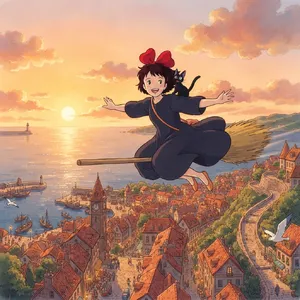
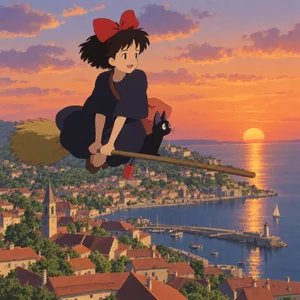
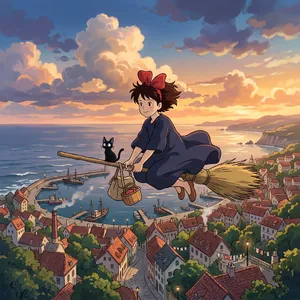
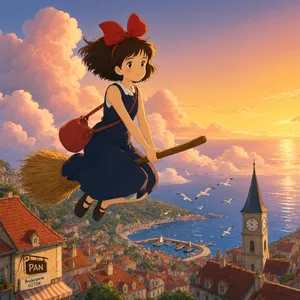
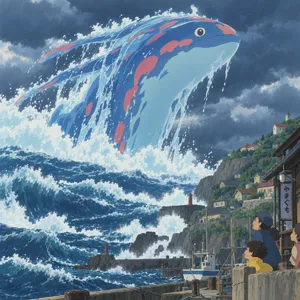
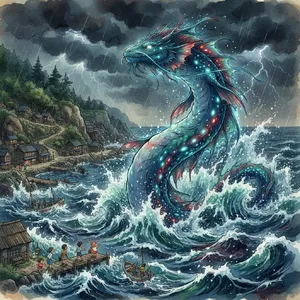
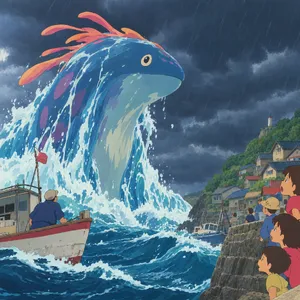
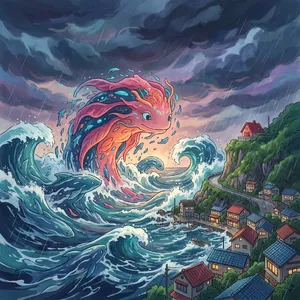
Summary for Ghibli style
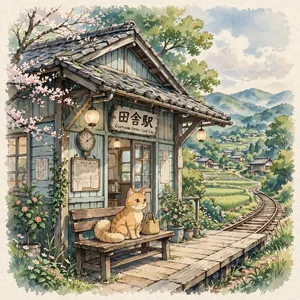
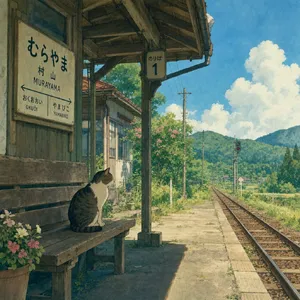
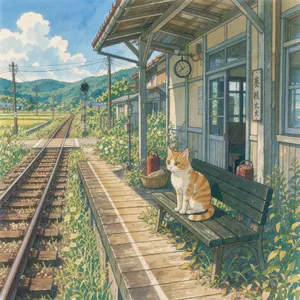
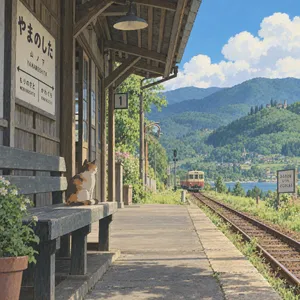
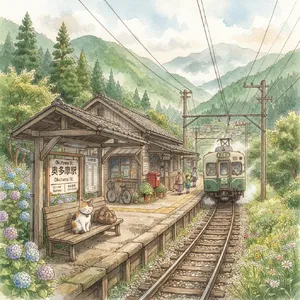
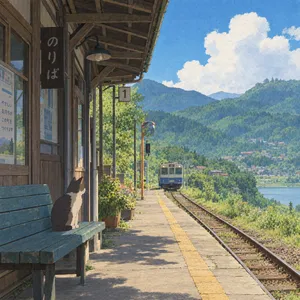
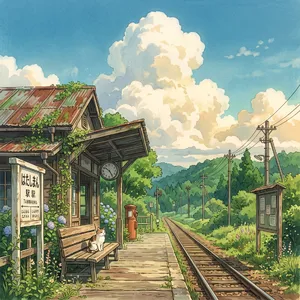
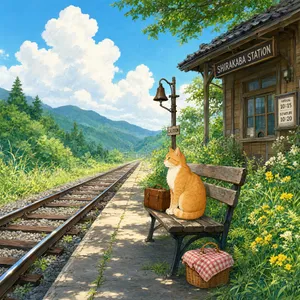
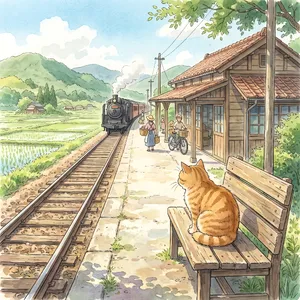
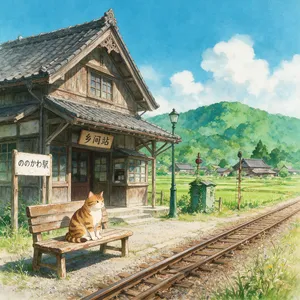
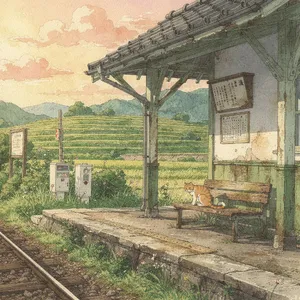
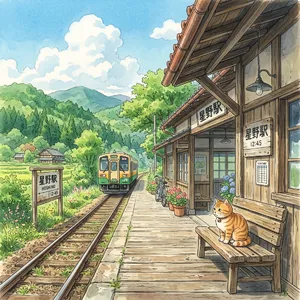
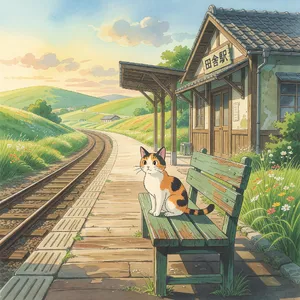
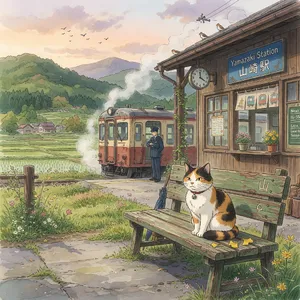
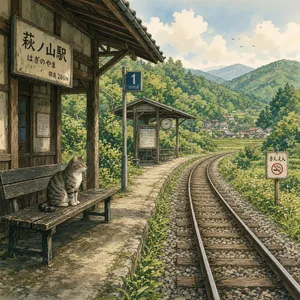
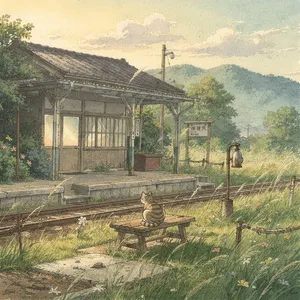
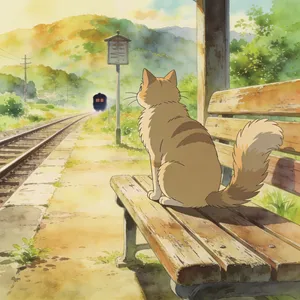
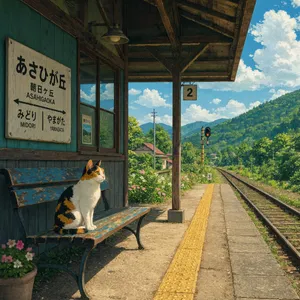
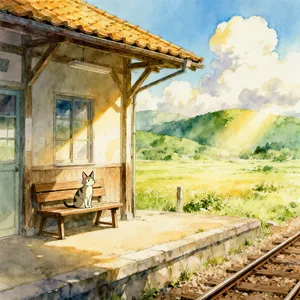
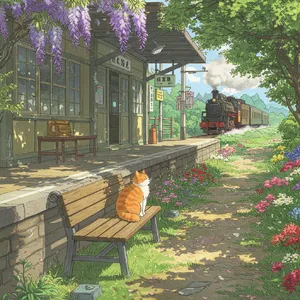
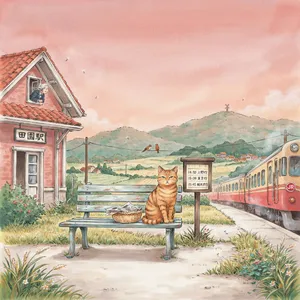
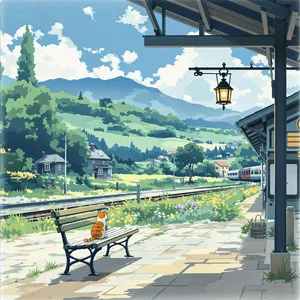
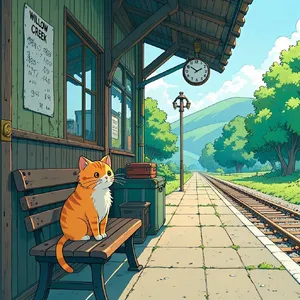
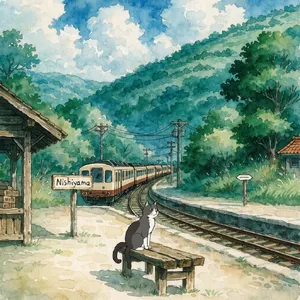
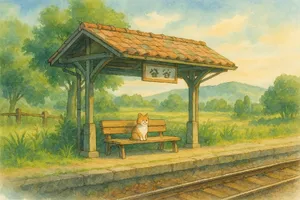
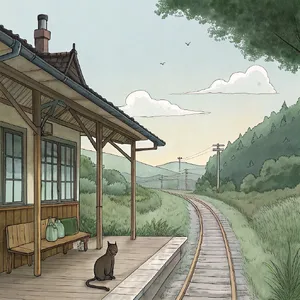
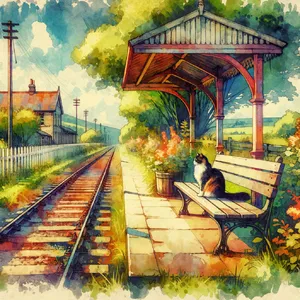
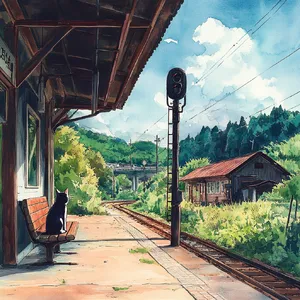
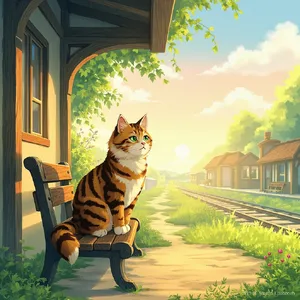
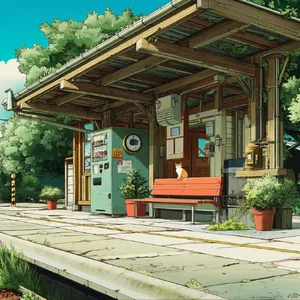
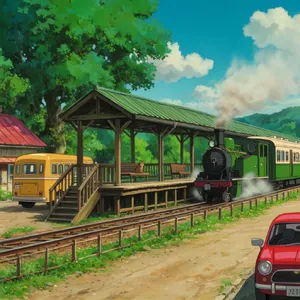
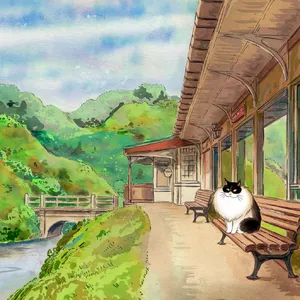
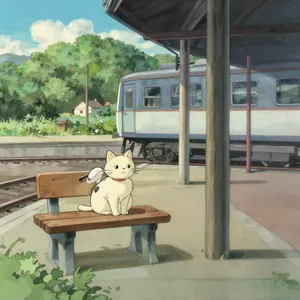
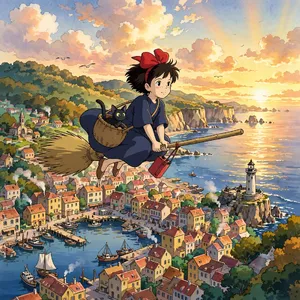
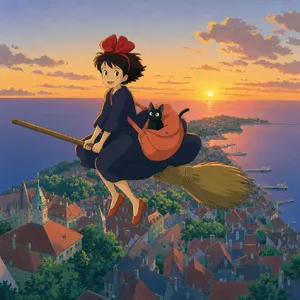
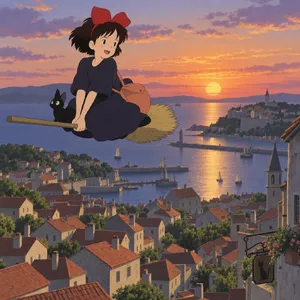
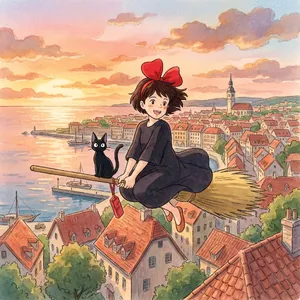
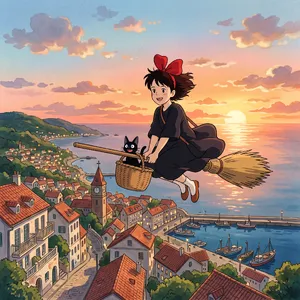
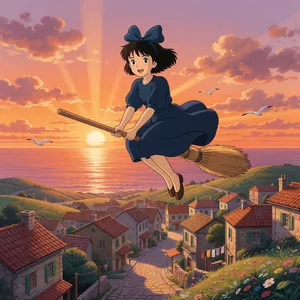
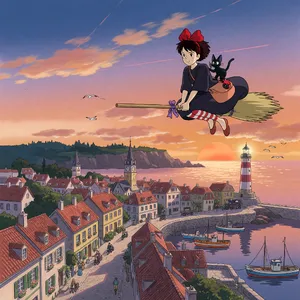
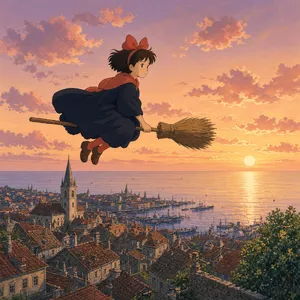
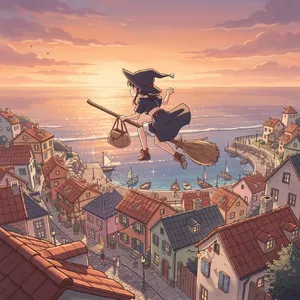
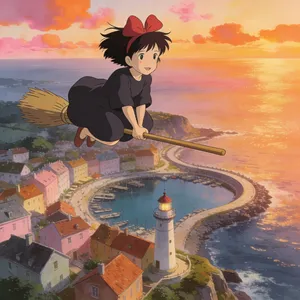
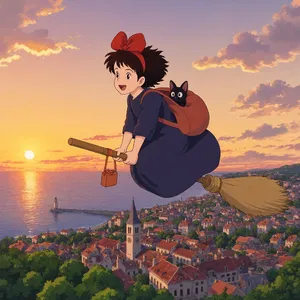
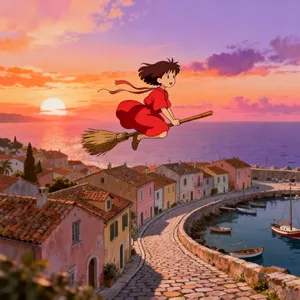
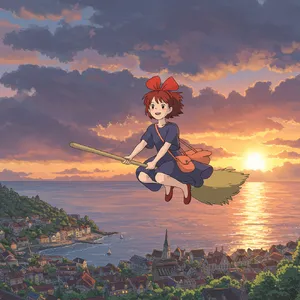
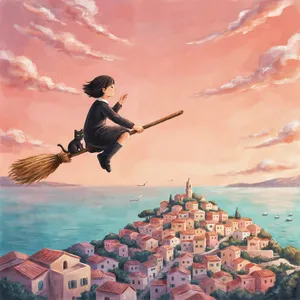
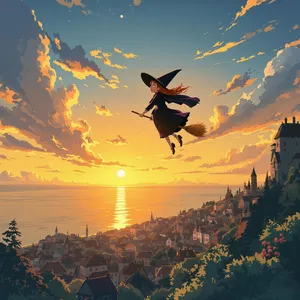
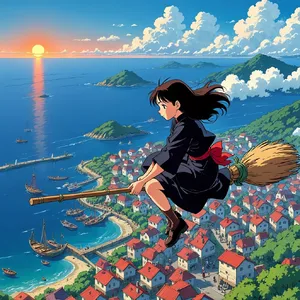
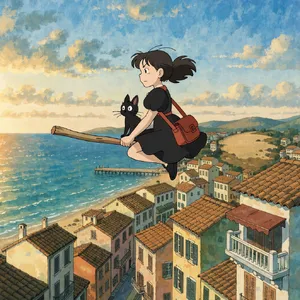
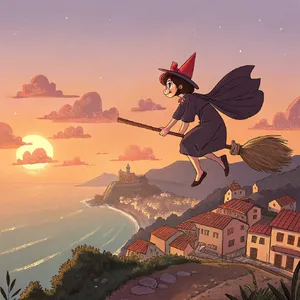
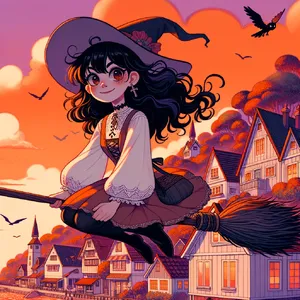
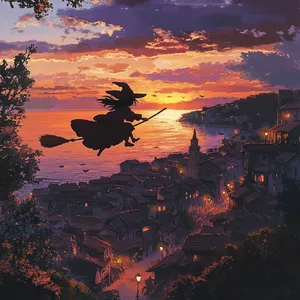
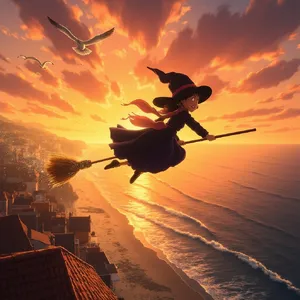
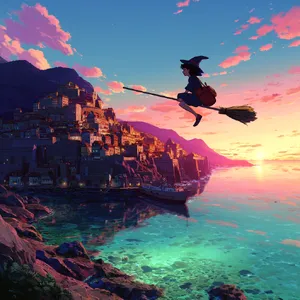
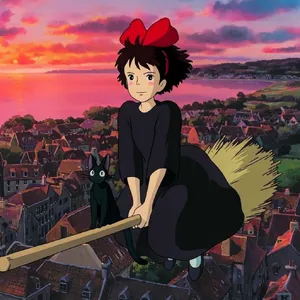
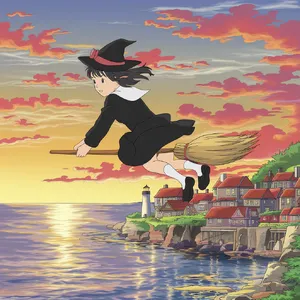
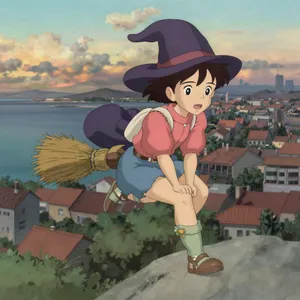
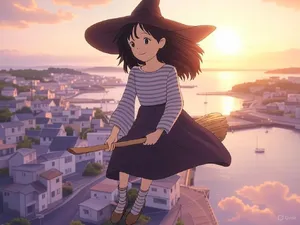
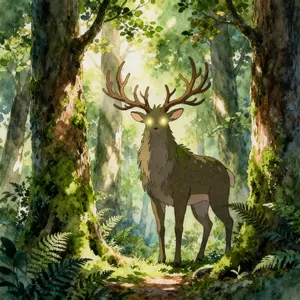
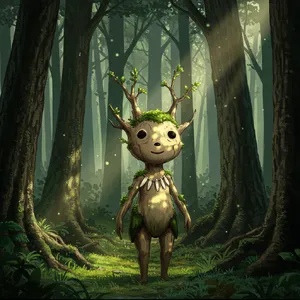
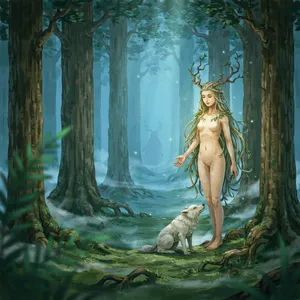
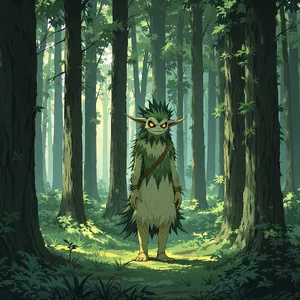
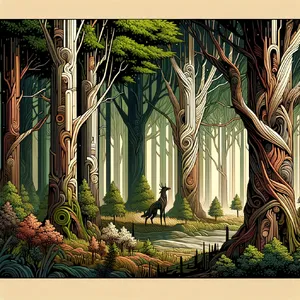
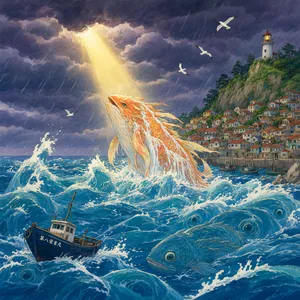
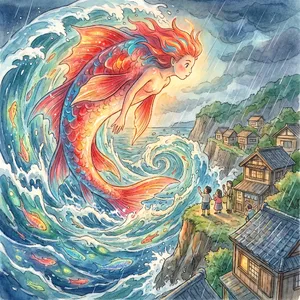
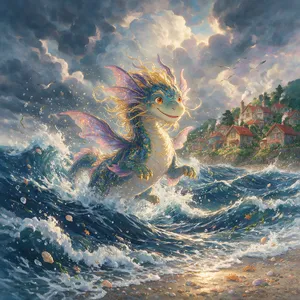
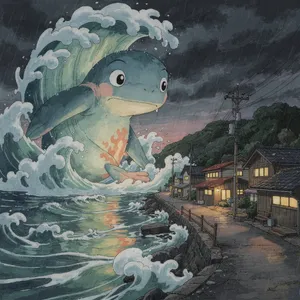
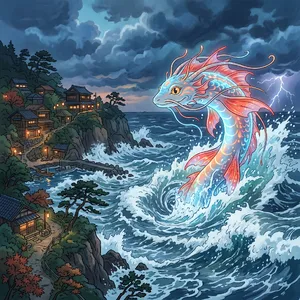
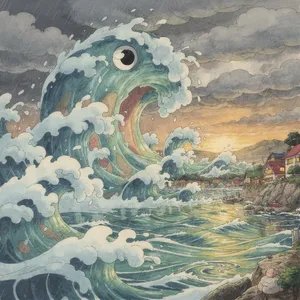
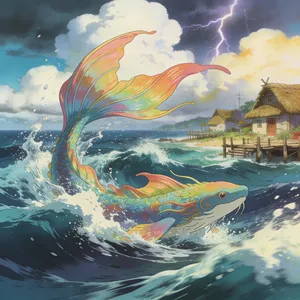
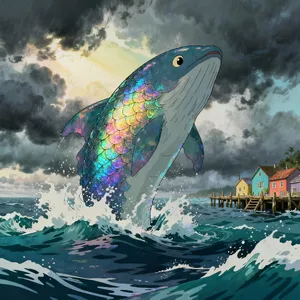
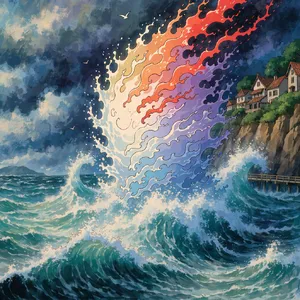
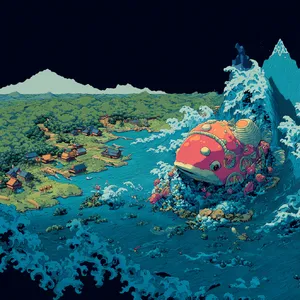
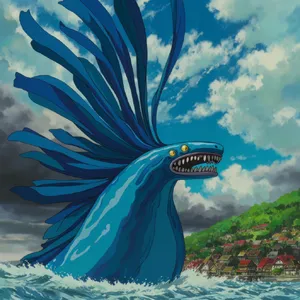
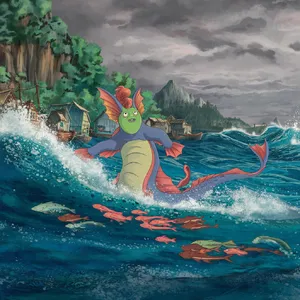
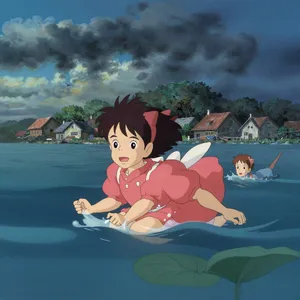
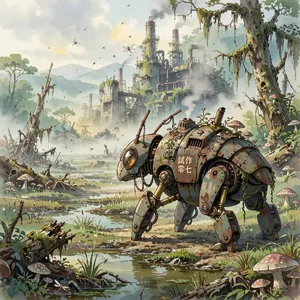
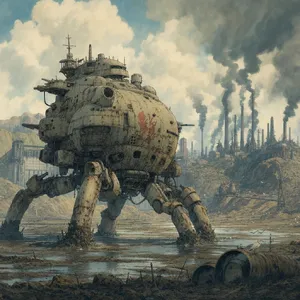
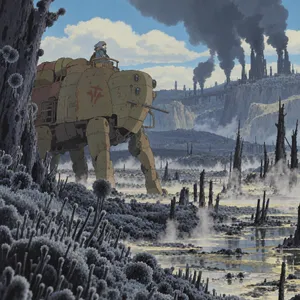
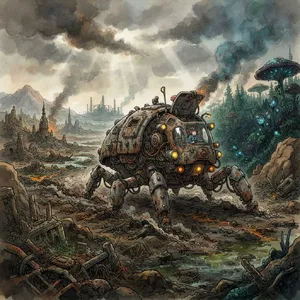
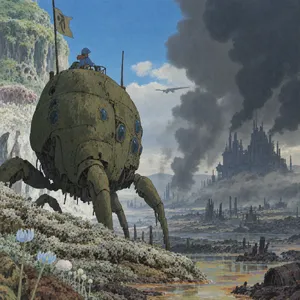
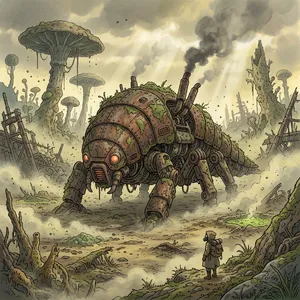
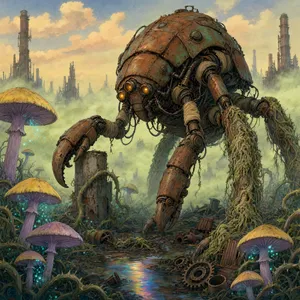
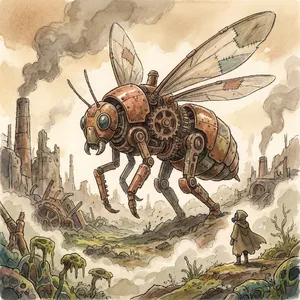
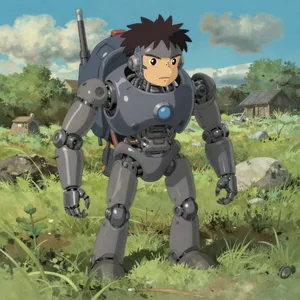
Replicating the iconic Studio Ghibli aesthetic—characterized by lush watercolor backgrounds, flat cel-shaded characters, and whimsical environmental storytelling—proves to be a towering challenge for AI image generators. The dataset reveals a stark divide between models that genuinely grasp this 2D-meets-painterly balance and those that default to glossy 3D renders or generic anime.
Key Findings:
- 🏆 Top Overall Performer: Muse Image dominates the category with an impressive 1502 Elo and zero refusals, consistently delivering the warmth, breathtaking flora, and true-to-style animation aesthetics required by the prompts.
- 🥈 Strong Contenders: Takumi 1 (1475 Elo) and FLUX 3 Image (1473 Elo) follow closely, offering exceptional mechanical and natural detailing. However, FLUX 3 Image suffered from a 50% refusal rate.
- ⚠️ The Refusal Bottleneck: The highest-rated model conceptually, MAI-Image-2.6 (1490 Elo), experienced a 90% refusal rate due to safety/copyright filters, making it highly unreliable for this specific creative task.
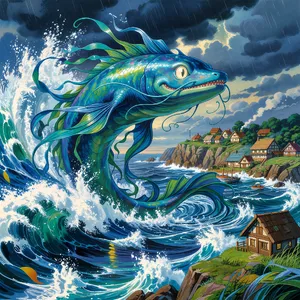
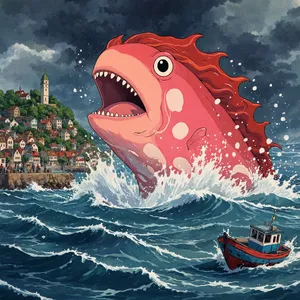
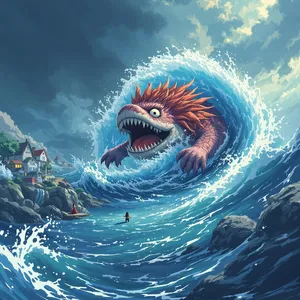
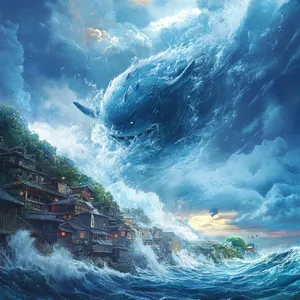
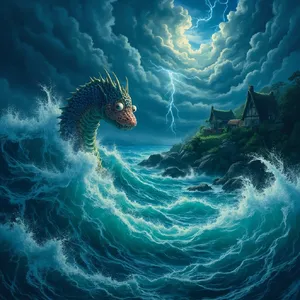
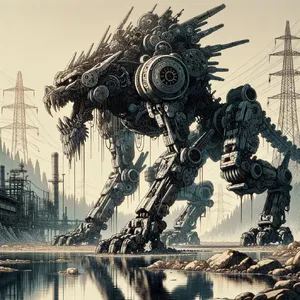
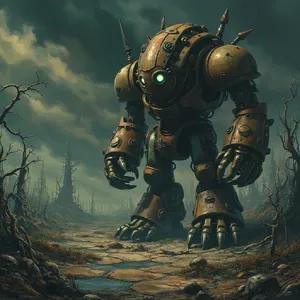
- 📉 Common Pitfalls: Weaker models, such as Grok 2 Image (477 Elo), consistently failed by applying heavy volumetric lighting, photorealistic finishes, or aggressive creature designs that shattered the gentle, hand-drawn illusion.
🎨 The 'Cel + Watercolor' Balancing Act
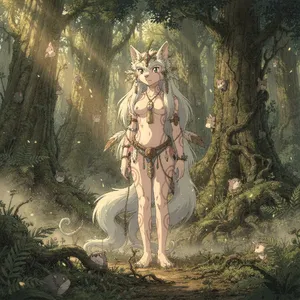
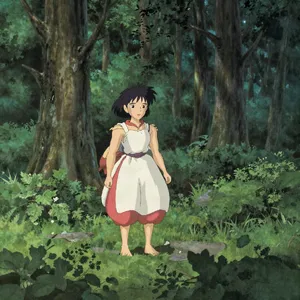
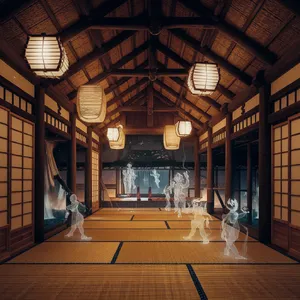
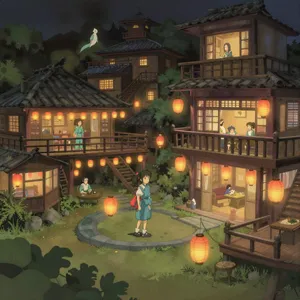
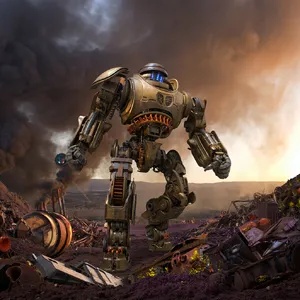
The defining feature of the Ghibli style is the contrast between meticulously painted, richly textured watercolor backgrounds and clean, cel-shaded characters. Models that performed poorly, such as Midjourney v7 (722 Elo) and Krea 2 Large (550 Elo), frequently fell into the 'CGI Trap.' They applied heavy volumetric lighting, 3D modeling, or generic high-fantasy aesthetics that stripped the images of their hand-drawn charm. Conversely, Muse Image and Takumi 1 excelled by preserving this delicate visual hierarchy, ensuring characters felt grounded within traditional, painterly environments.
🐉 Benevolence vs. Aggression
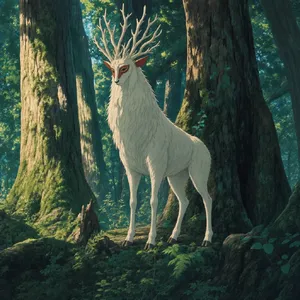
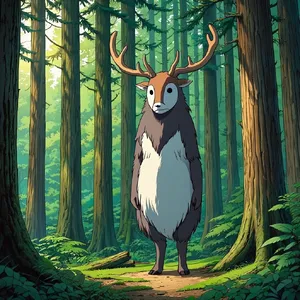
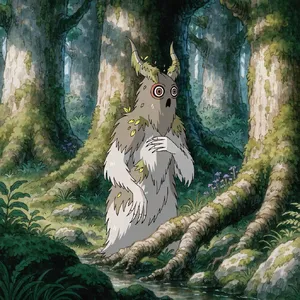
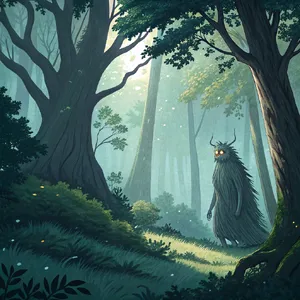
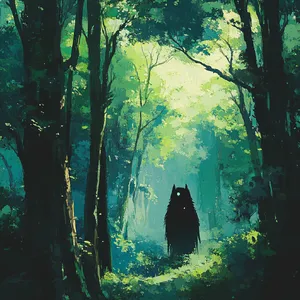
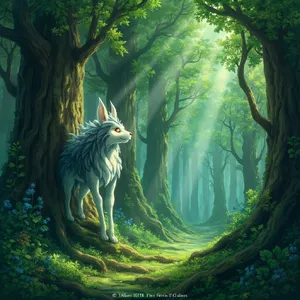
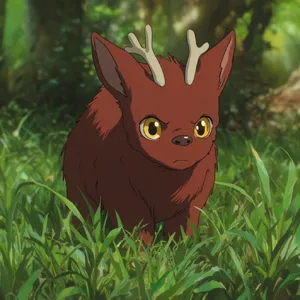
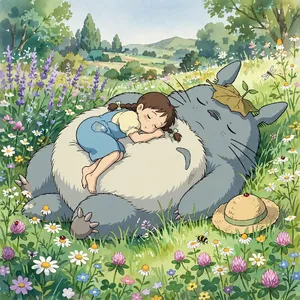
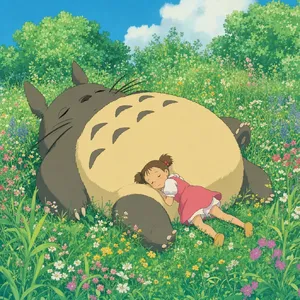
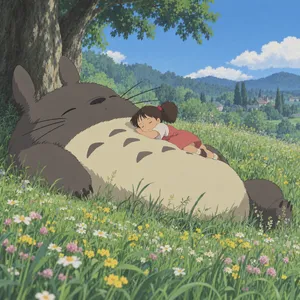
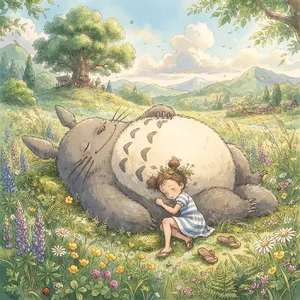
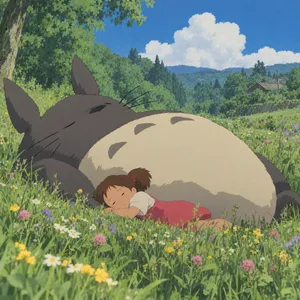
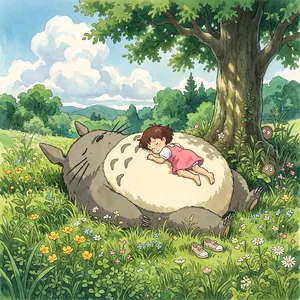
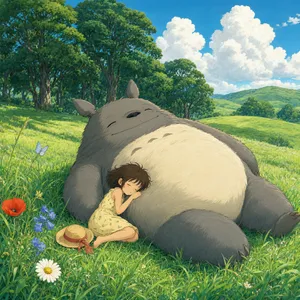
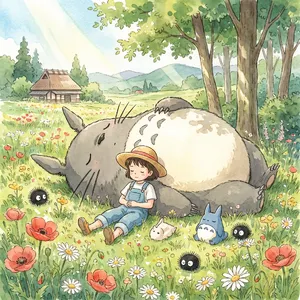
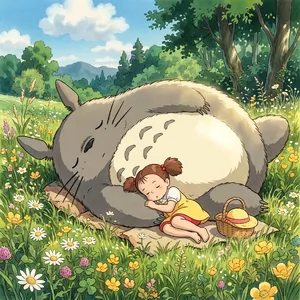
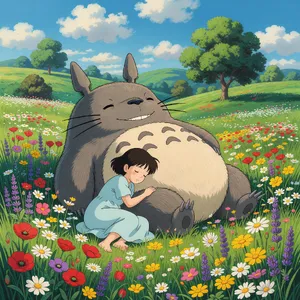
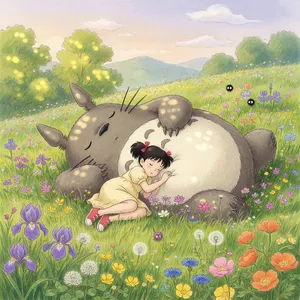
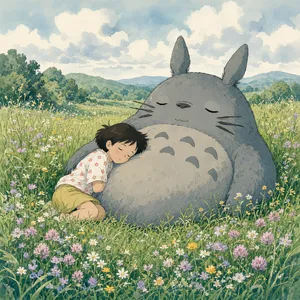
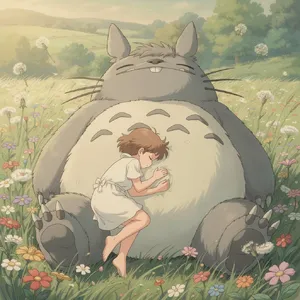
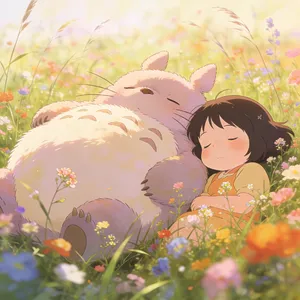
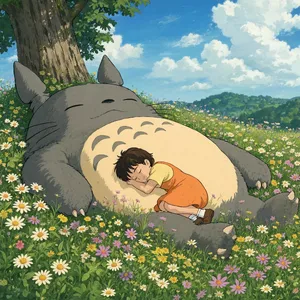
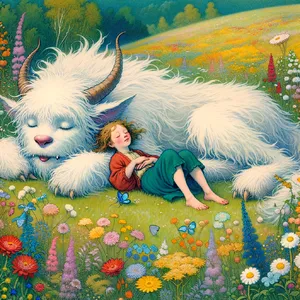
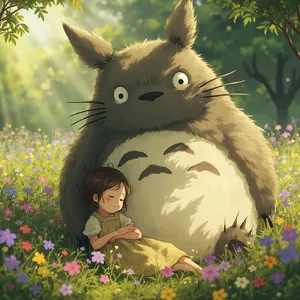
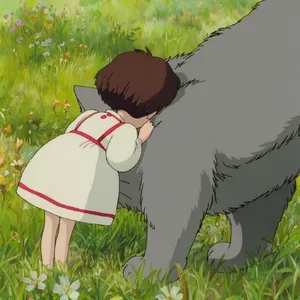
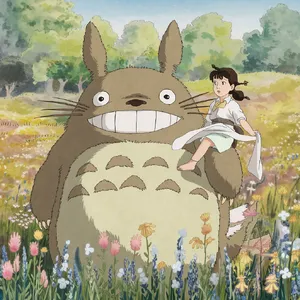
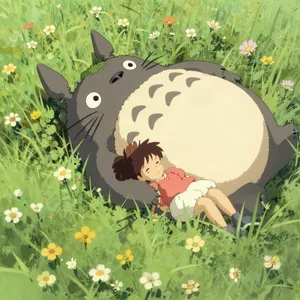
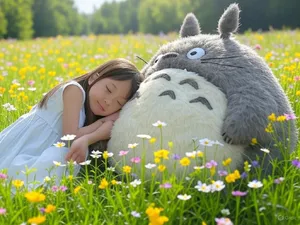
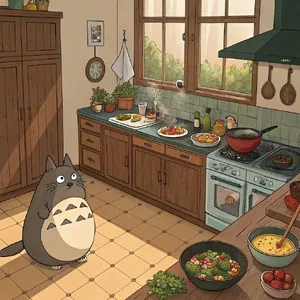
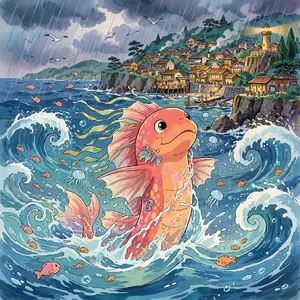
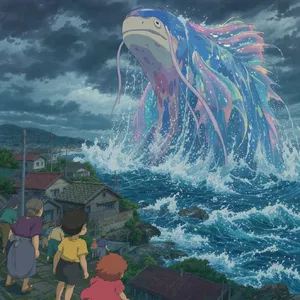
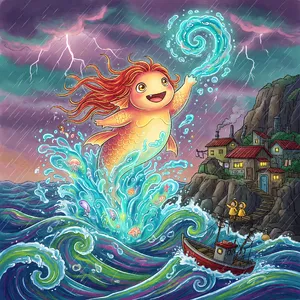
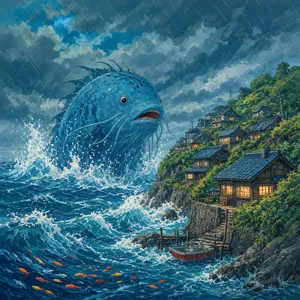
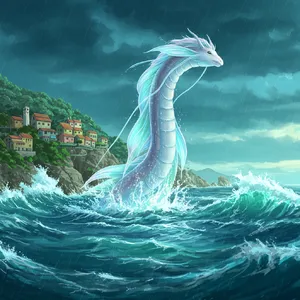
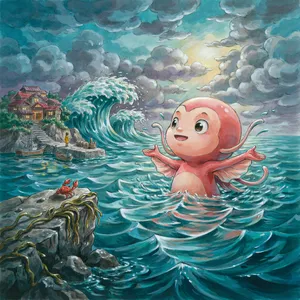
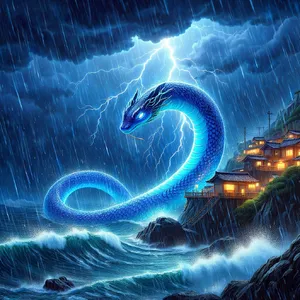
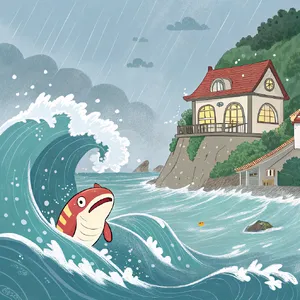
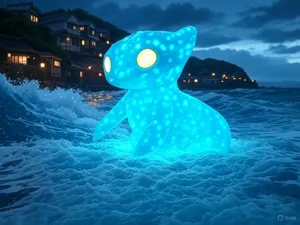
Ghibli storytelling often relies on imposing but benevolent creatures. Prompts like the Ponyo-inspired sea creature and the Totoro fluffy creature tested emotional nuance. Many lower-ranked models defaulted to aggressive, threatening monster designs with bared teeth and sharp claws (e.g., Reve 2.1). Top models like Qwen-Image-3.0-Pro and Nano Banana 2.1 successfully captured the characteristic gentle giant trope, blending awe with approachability.
⚙️ Mechanical Whimsy and Industrial Decay
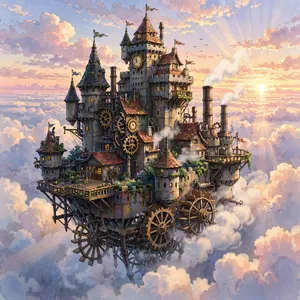
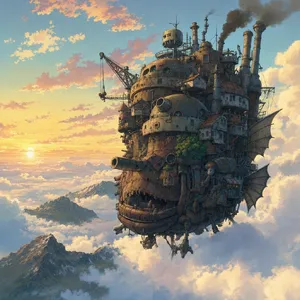
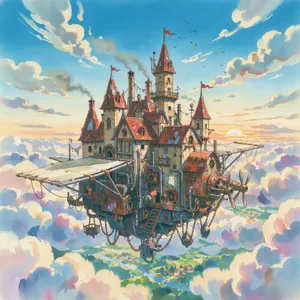
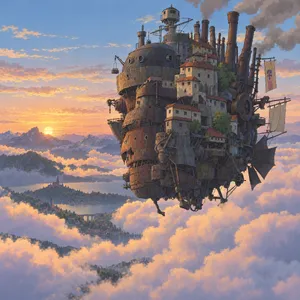
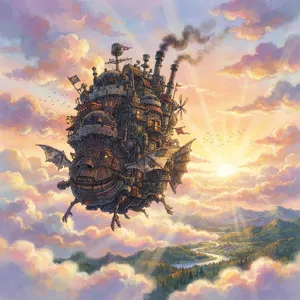
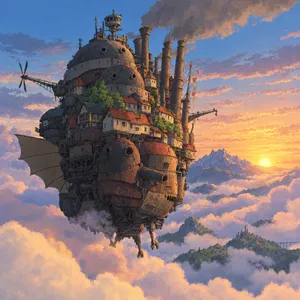
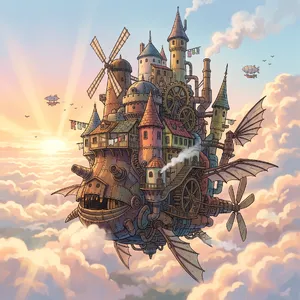
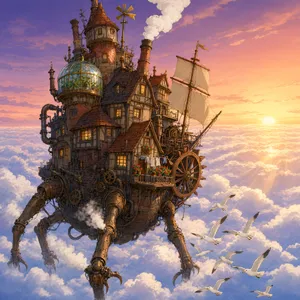
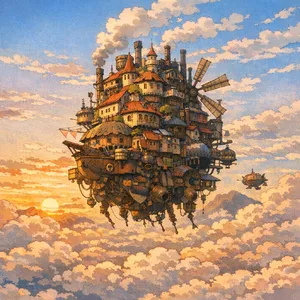
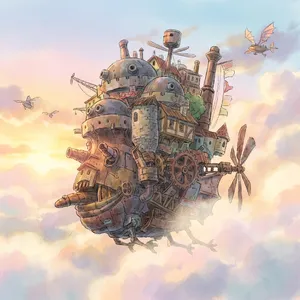
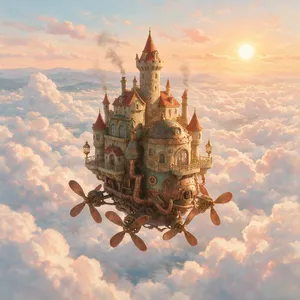
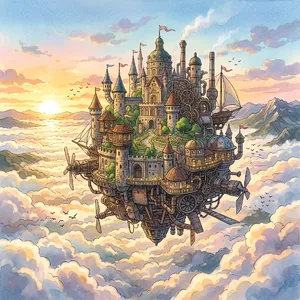
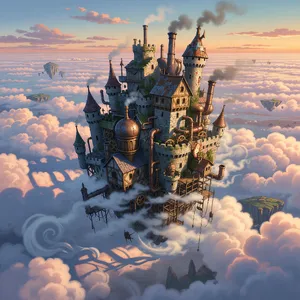
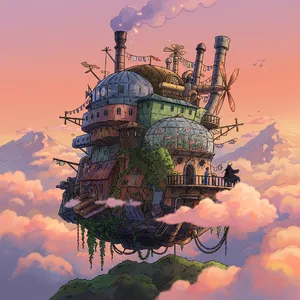
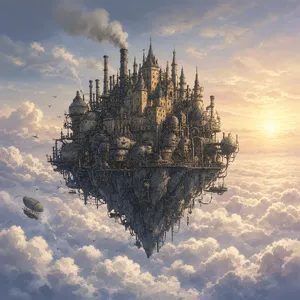
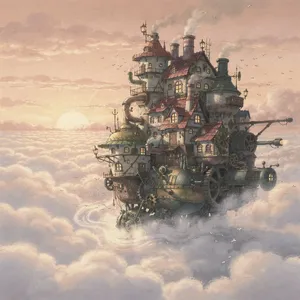
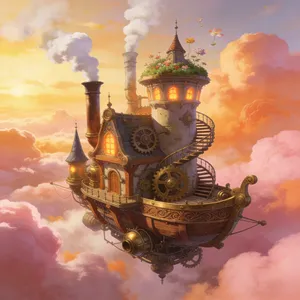
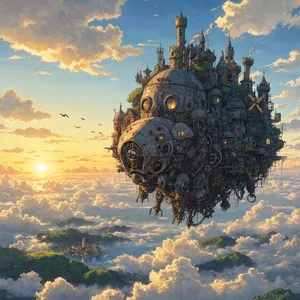
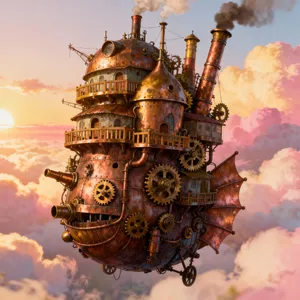
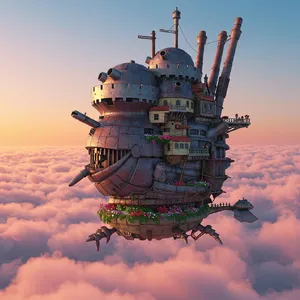
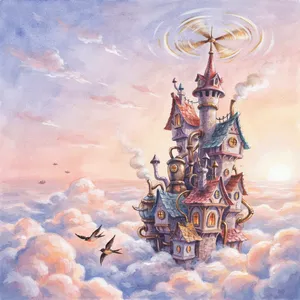
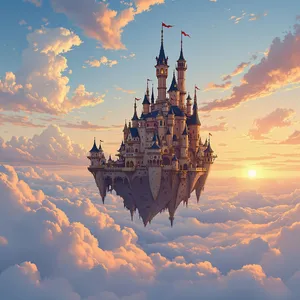
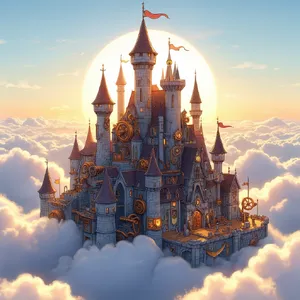
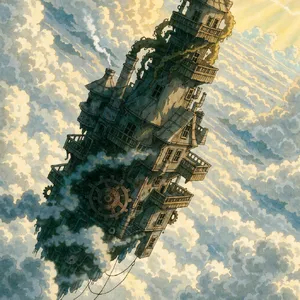
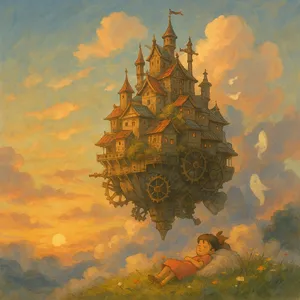
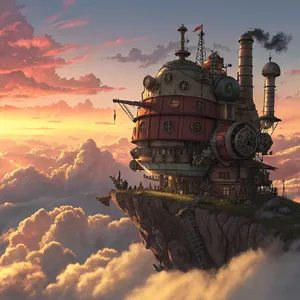
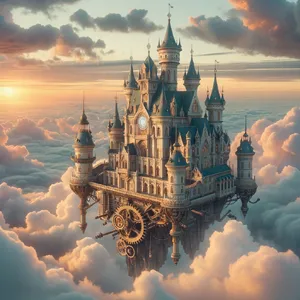
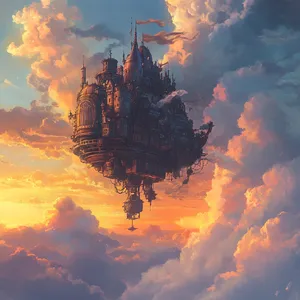
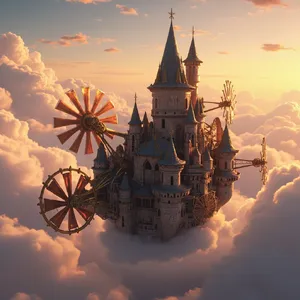
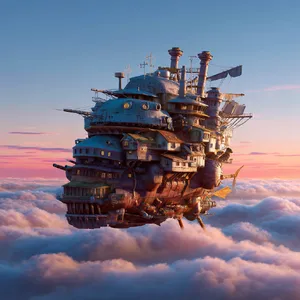
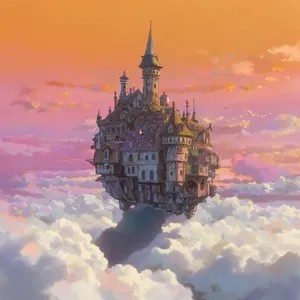
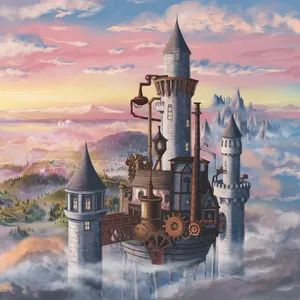
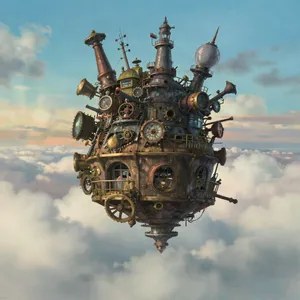
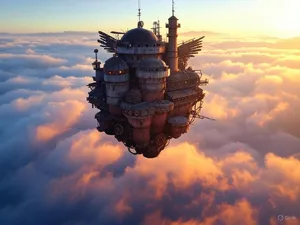
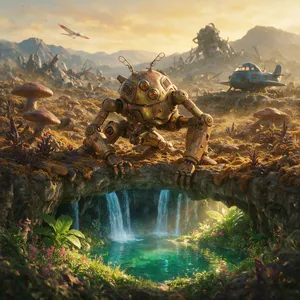
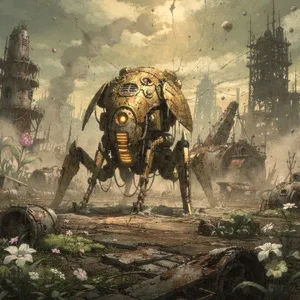
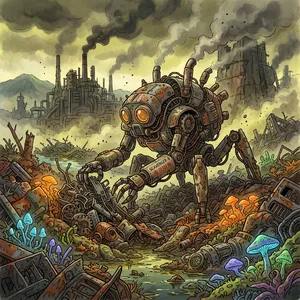
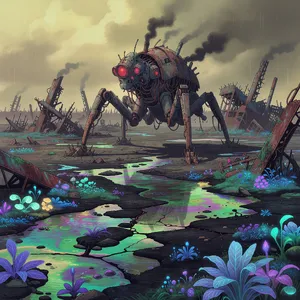
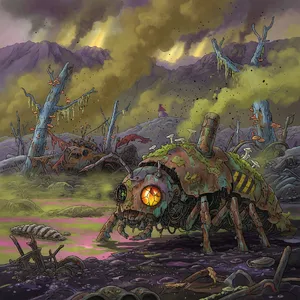
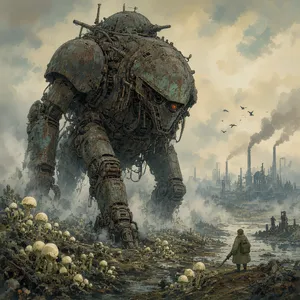
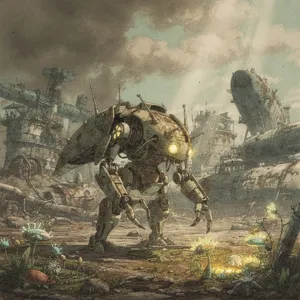
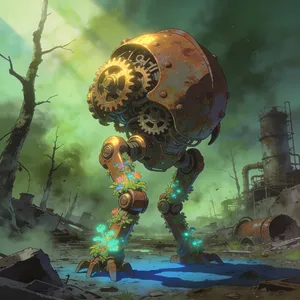
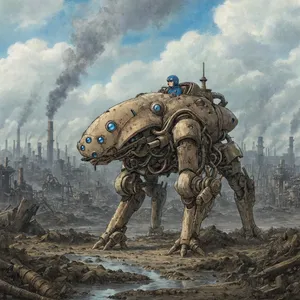
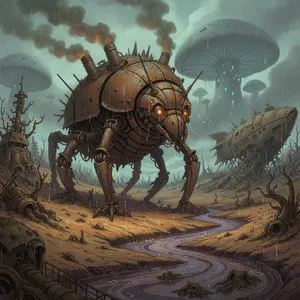
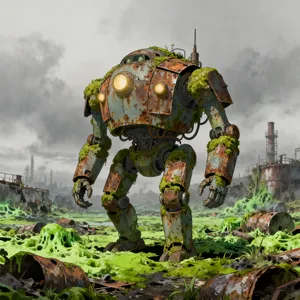
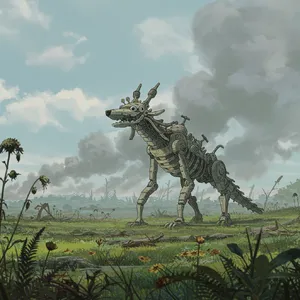
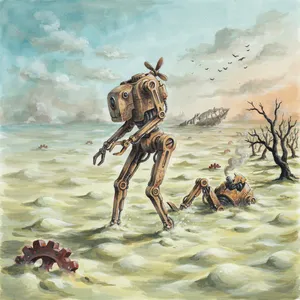
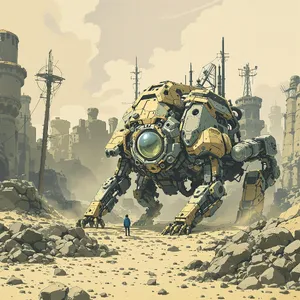
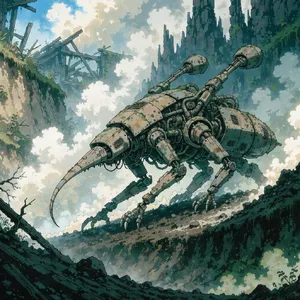
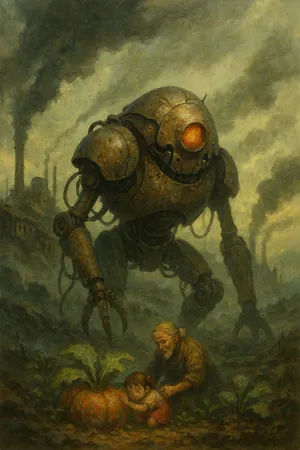
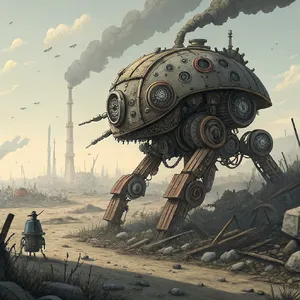
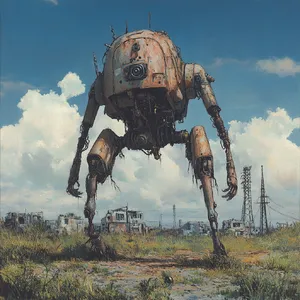
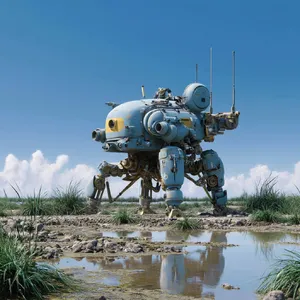
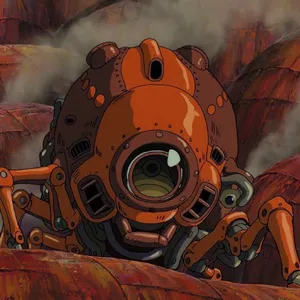
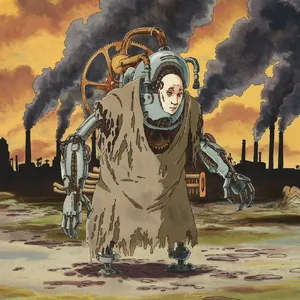
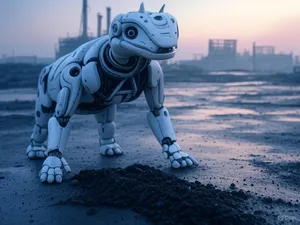
Prompts requiring intricate mechanics, such as the Flying castle and the Mechanical creature, highlighted the models' ability to design 'lived-in' machinery. The best models understood that Ghibli machines are eccentric, asymmetrical, and often reclaimed by nature, rather than sleek or strictly militaristic. GPT Image 2.5 Sunburst (1395 Elo) proved exceptionally capable of rendering complex, rusty, and charmingly improvised steampunk elements.
🌿 Spirits and Nature Realms
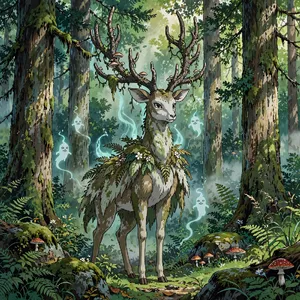
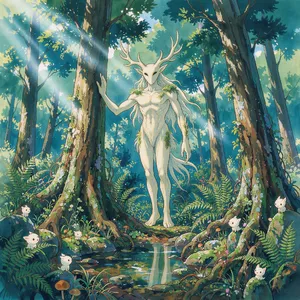
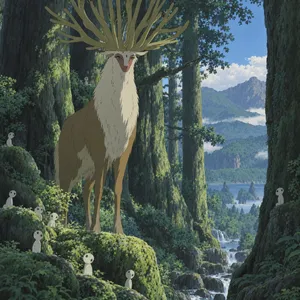
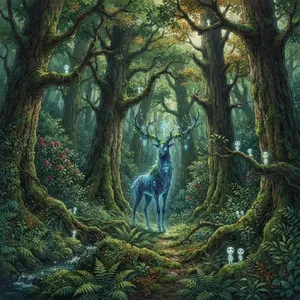
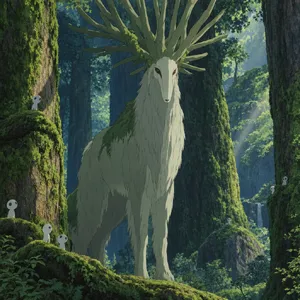
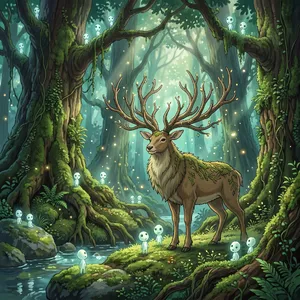
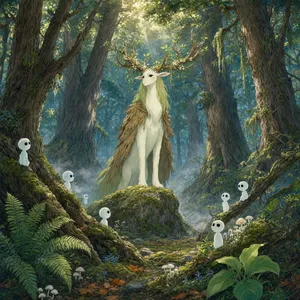
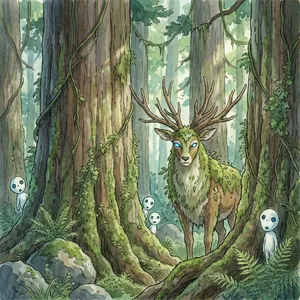
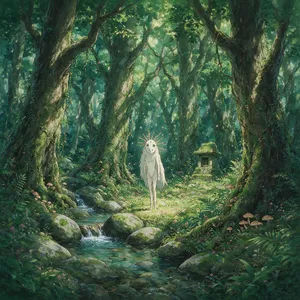
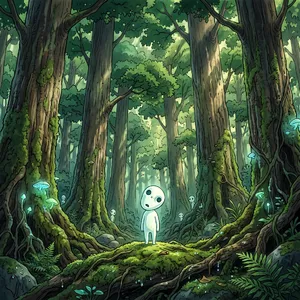
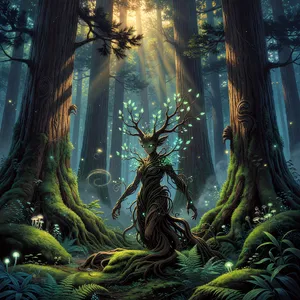
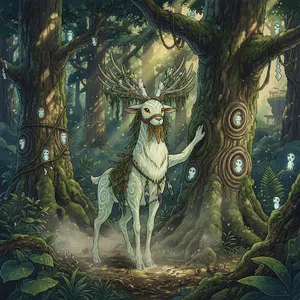
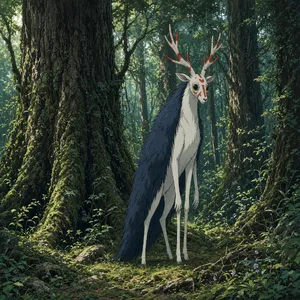
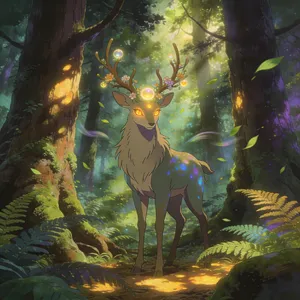
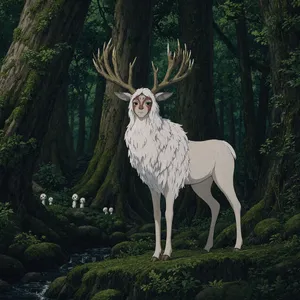
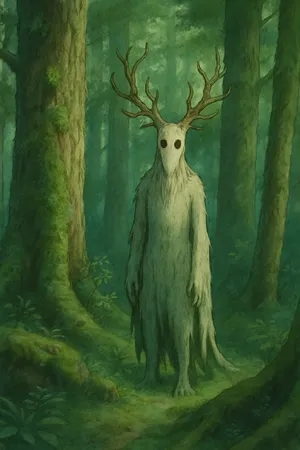
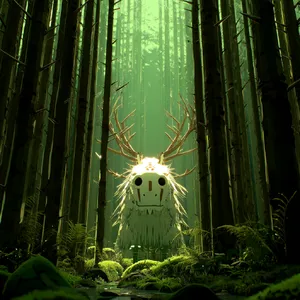
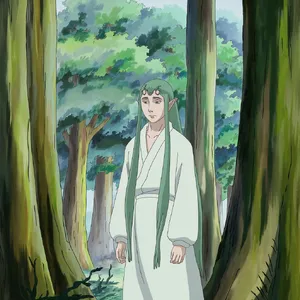
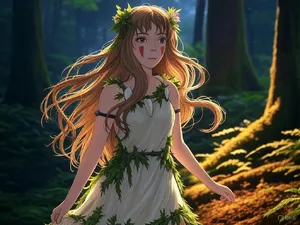
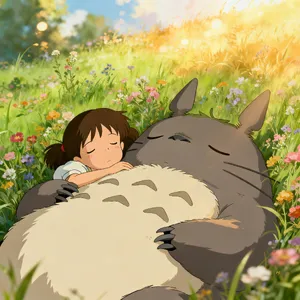
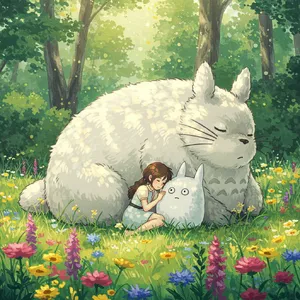
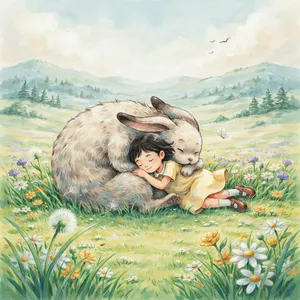
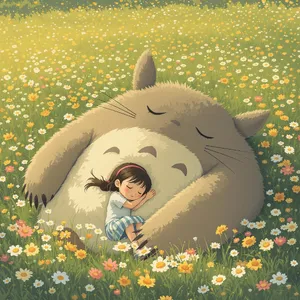
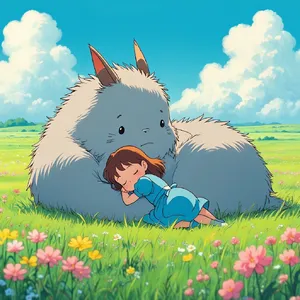
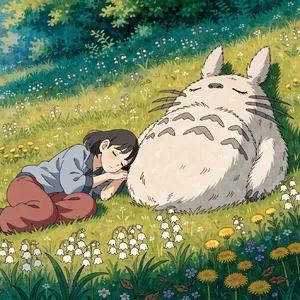
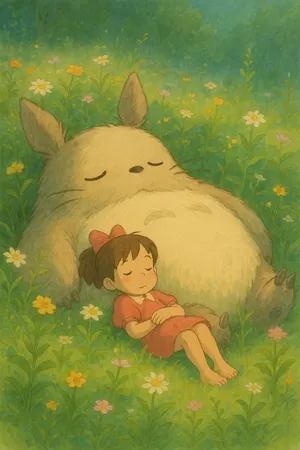
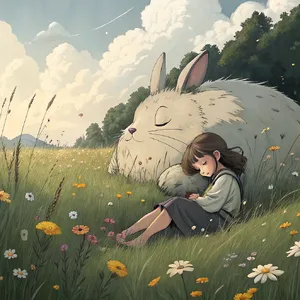
For prompts demanding lush ecosystems and mystical entities, such as the Forest spirit and the Child and giant fluffy creature, Muse Image is the undisputed leader. It consistently generates breathtaking flora and perfectly balances the scale between tiny humans and towering, benevolent spirits. For example, Muse Image's Forest Spirit beautifully integrated fungi and ferns directly into the creature's anatomy, capturing the profound ecological themes central to films like Princess Mononoke.
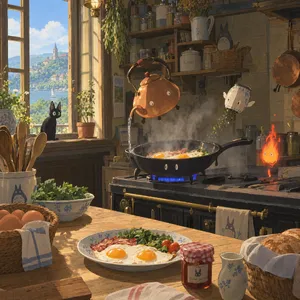
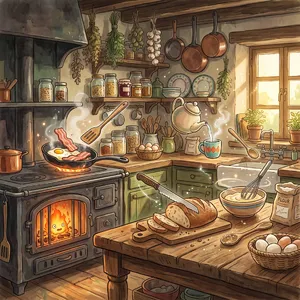
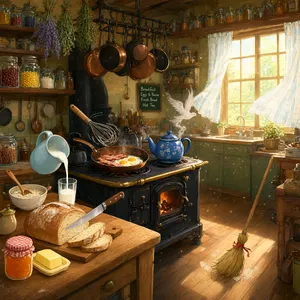
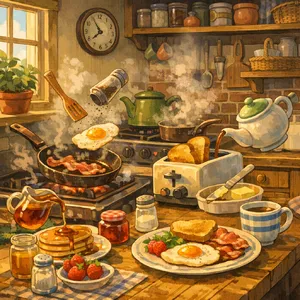
🏡 Domestic Magic and Warmth
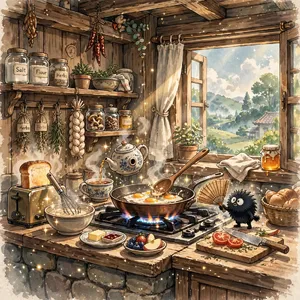
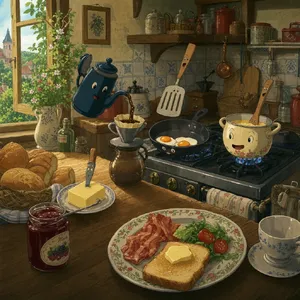
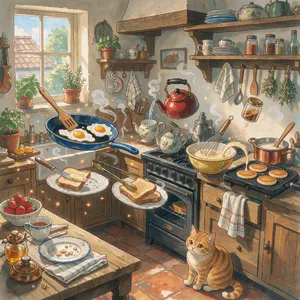
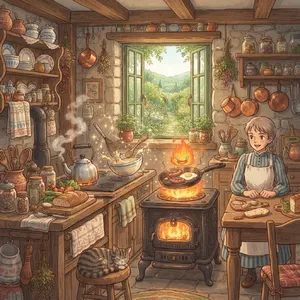
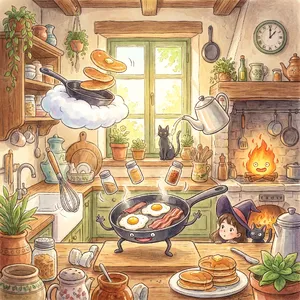
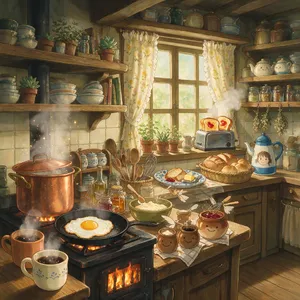
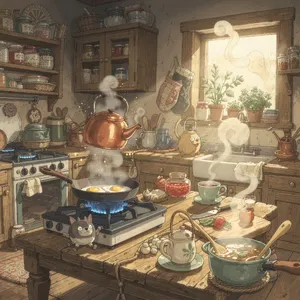
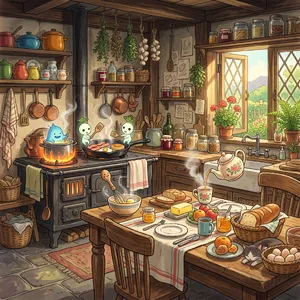
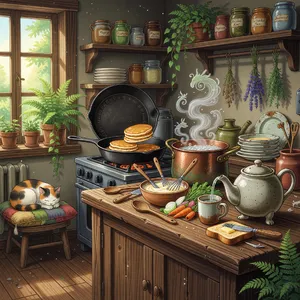
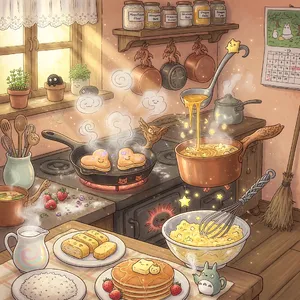
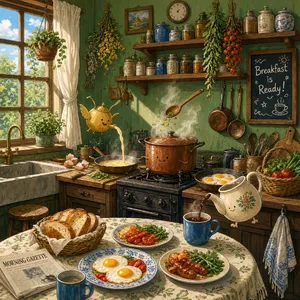
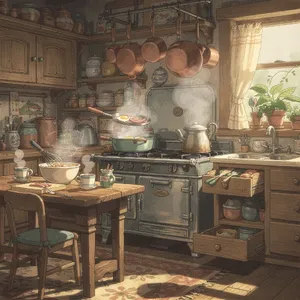
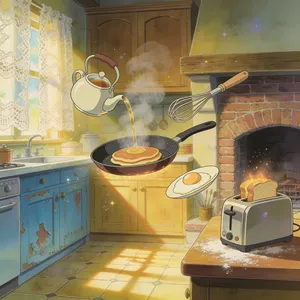
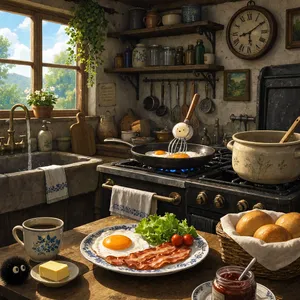
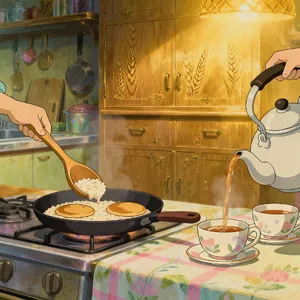
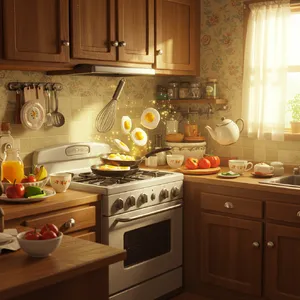
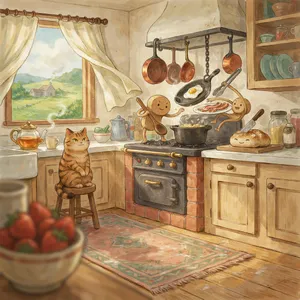
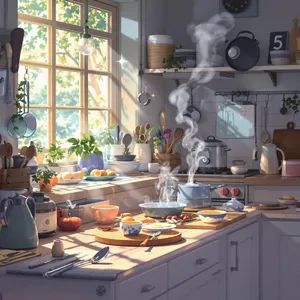
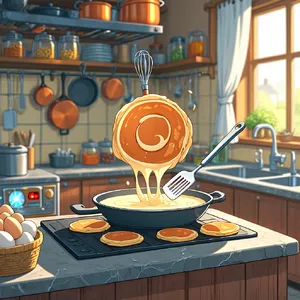
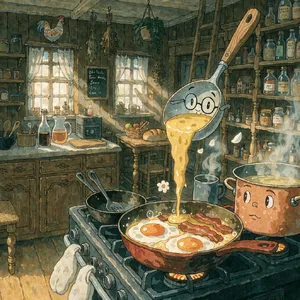
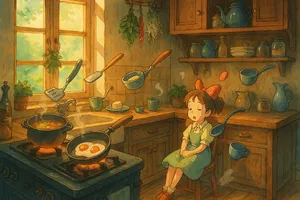
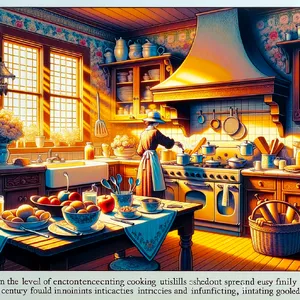
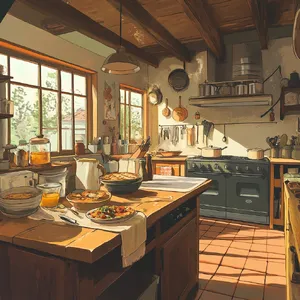
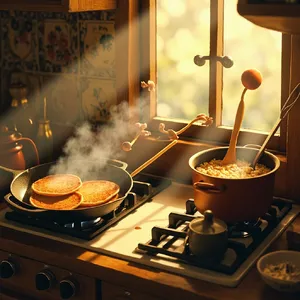
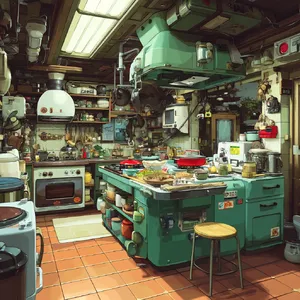
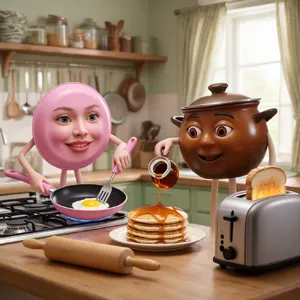
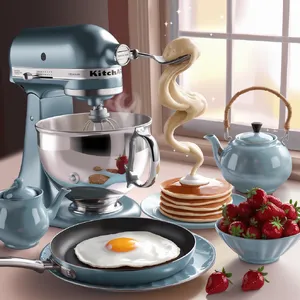
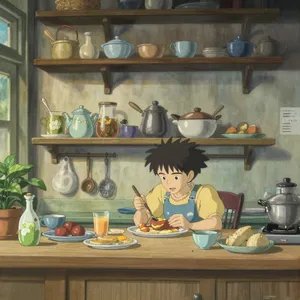
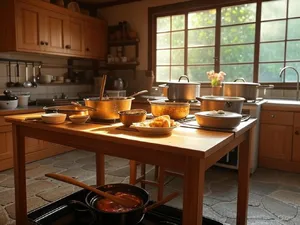
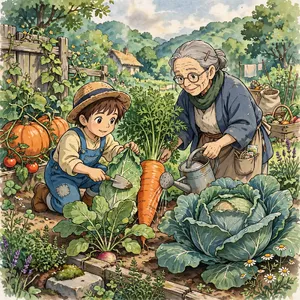
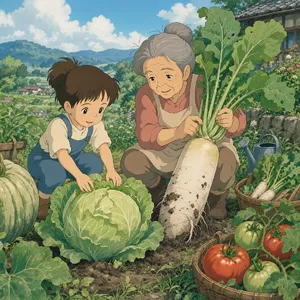
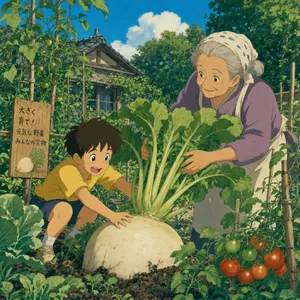
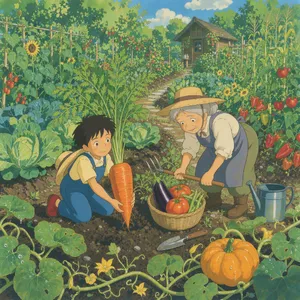
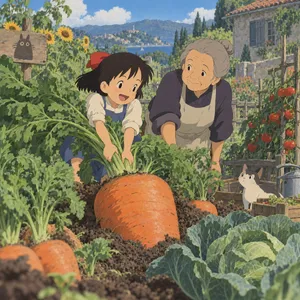
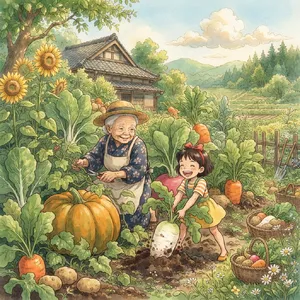
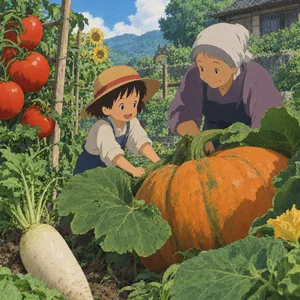
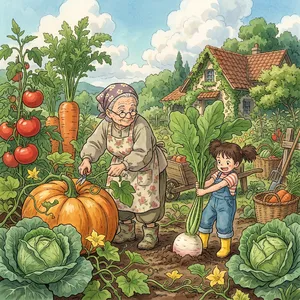
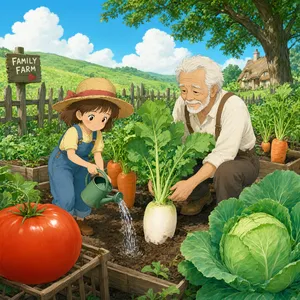
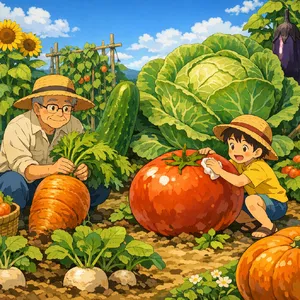
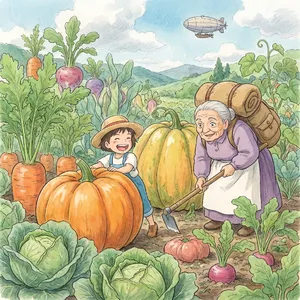
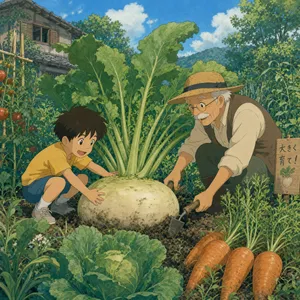
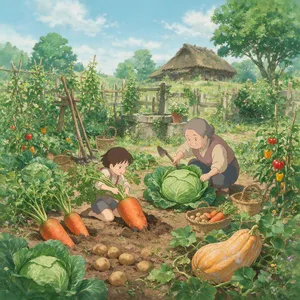
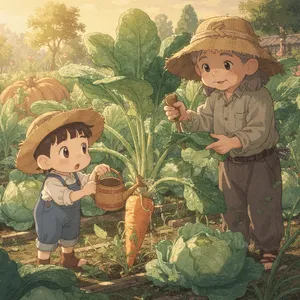
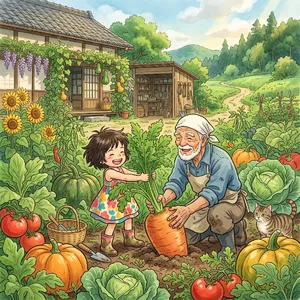
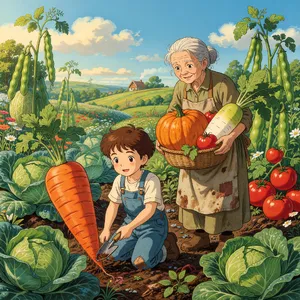
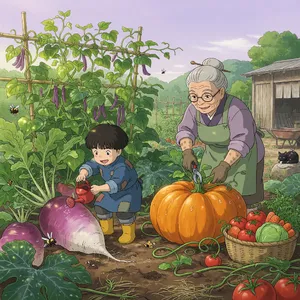
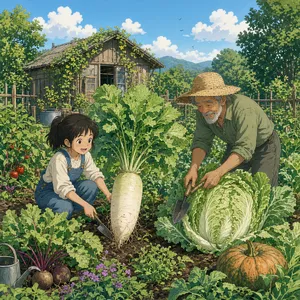
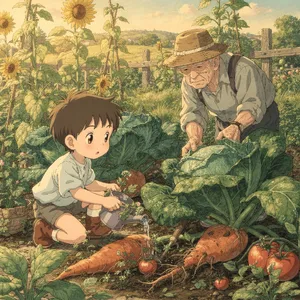
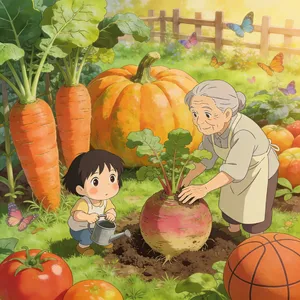
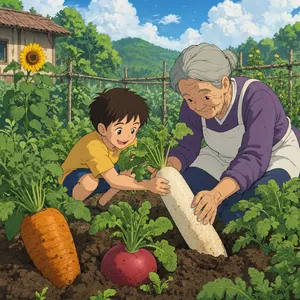
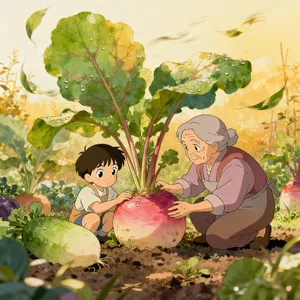
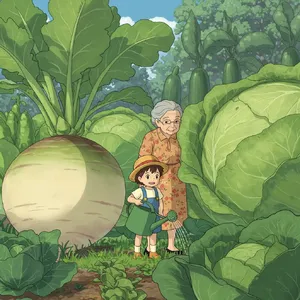
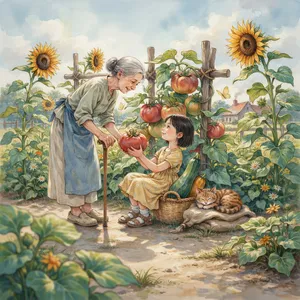
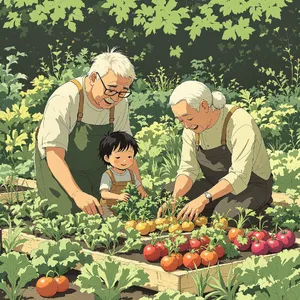
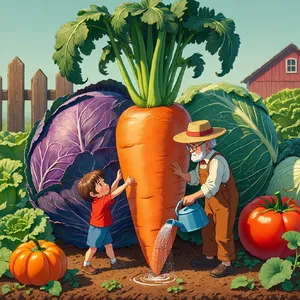
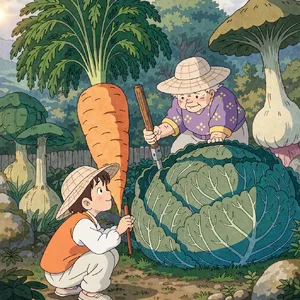
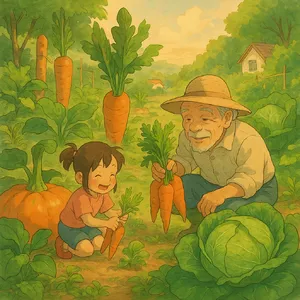
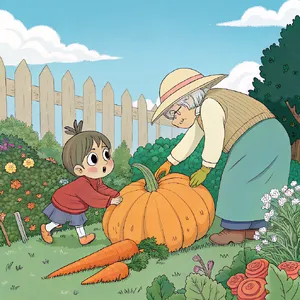
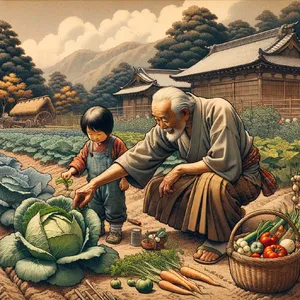
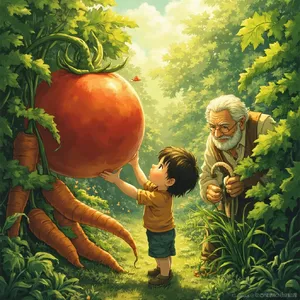
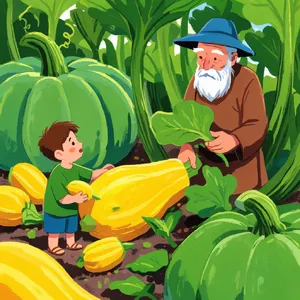
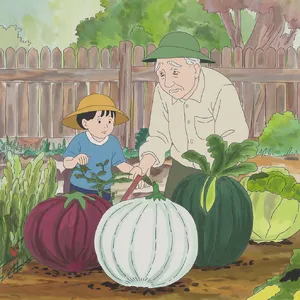
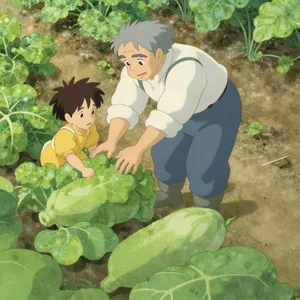
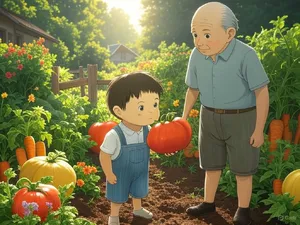
Prompts focusing on everyday rustic life infused with magic, like the Magical kitchen and Giant vegetables, require a delicate touch. Nano Banana 2.1 (1277 Elo) shines here. It excels at rendering cluttered but cozy interiors and expressive, non-threatening magic. A standout example is Nano Banana 2.1's Kitchen, which flawlessly choreographed levitating utensils alongside a rich, warm, sunlit breakfast spread without losing spatial coherence.
⚙️ Steampunk and Imposing Architecture
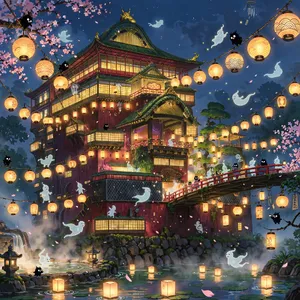
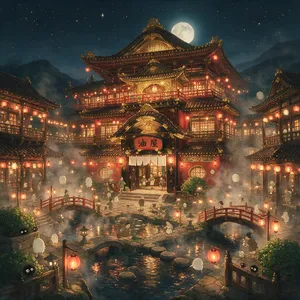
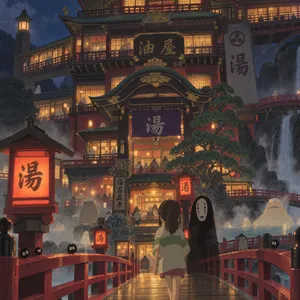
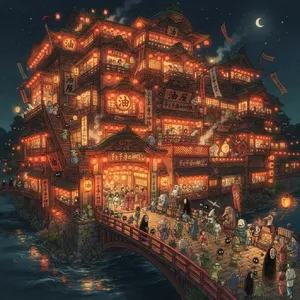
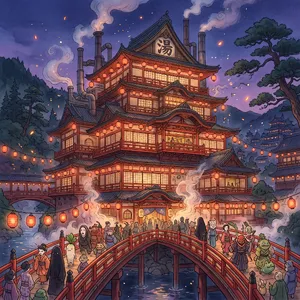
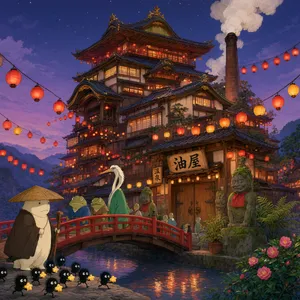
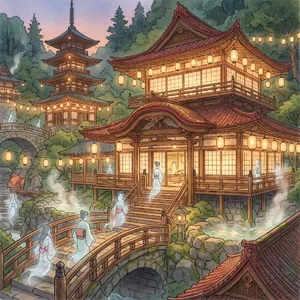
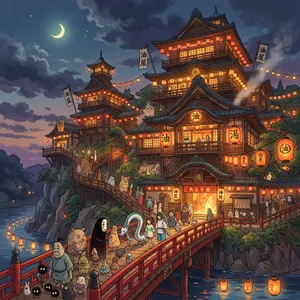
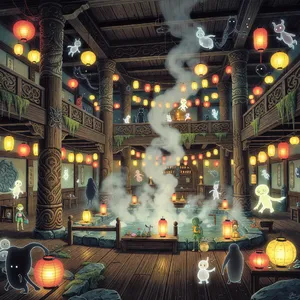
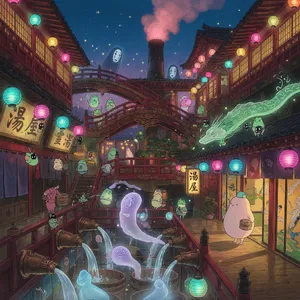
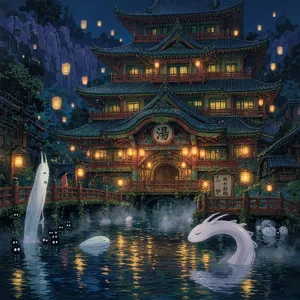
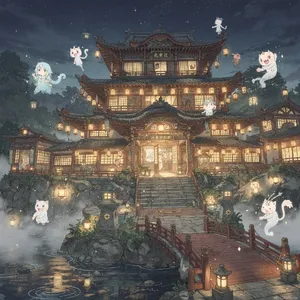
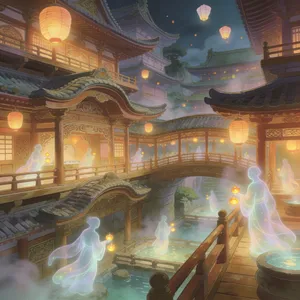
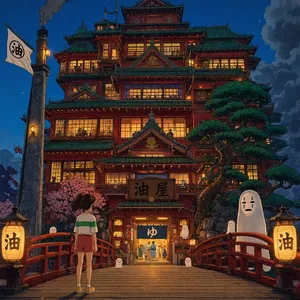
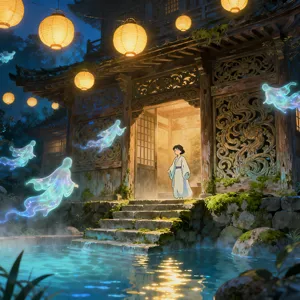
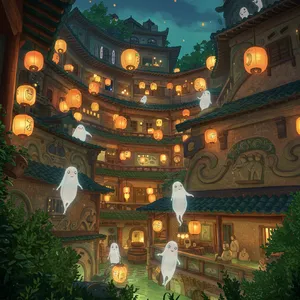
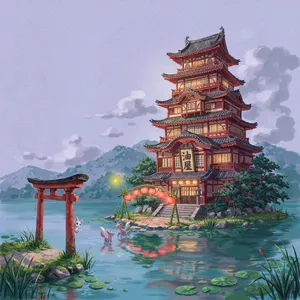
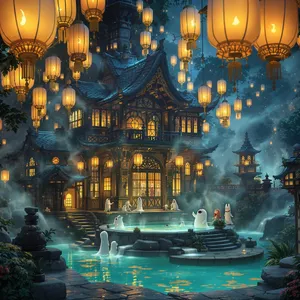
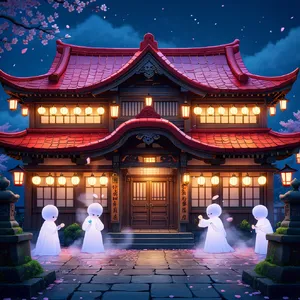
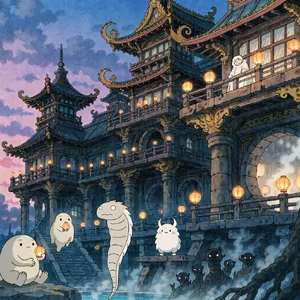
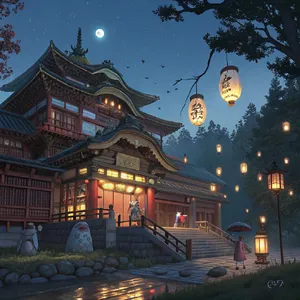
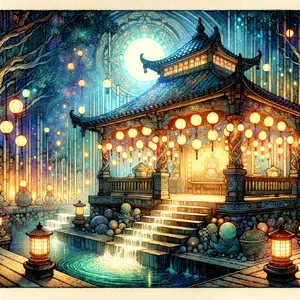
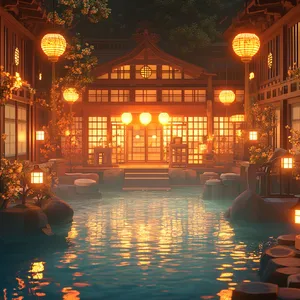
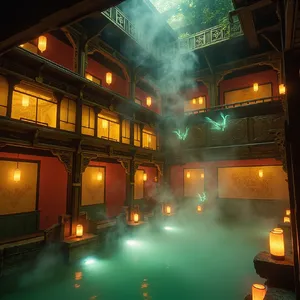
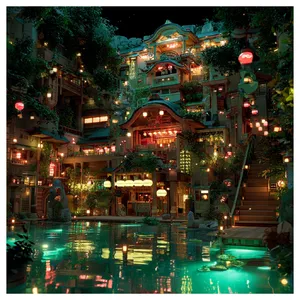
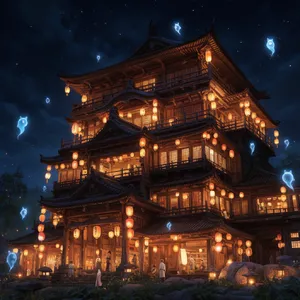
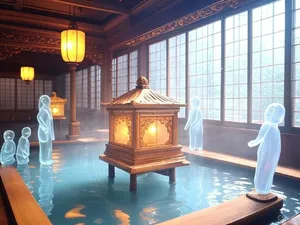
For architectural density and mechanical complexity, such as the Enchanted bathhouse and the Flying castle, GPT Image 2.5 Sunburst and Takumi 1 are top recommendations. These models have the technical capability to manage hundreds of overlapping structural details—like layered tiled roofs, intricate pipework, and glowing paper lanterns—while maintaining the required hand-painted aesthetic. Sunburst's Bathhouse specifically succeeded by brilliantly organizing a massive architectural facade while retaining a clear, cinematic narrative focus.