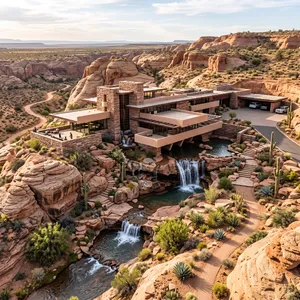
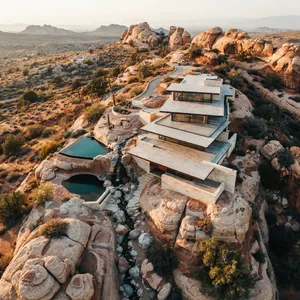
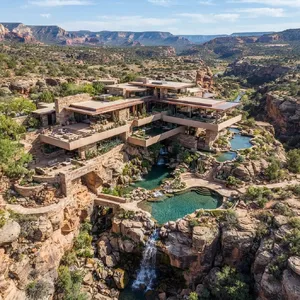
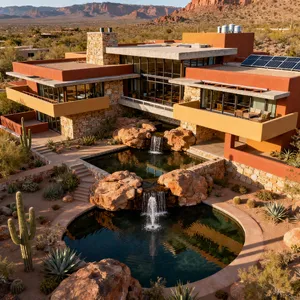
Summary for Architecture & Interiors
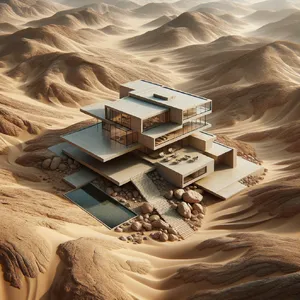
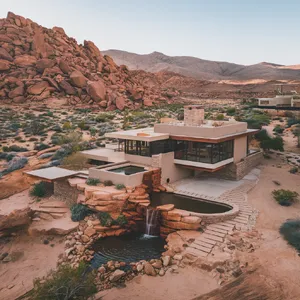
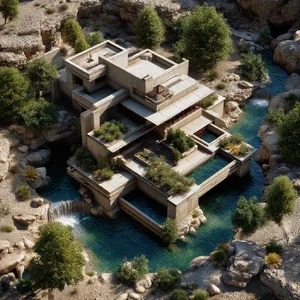
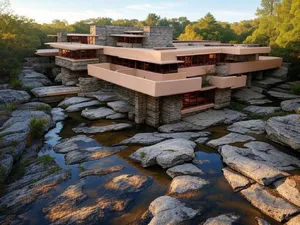
When it comes to rendering complex spaces, structural logic, and physical lighting, a few top-tier models clearly separate themselves from the pack! 🌟
🏆 Top-Performing Models
- GPT Image 2: Dominates the category with an astounding 1531 Elo.
- GPT Image 2.5 Sunburst: A close second at 1482 Elo, excelling in material realism and environmental integration.
- GPT Image 2.5 Flare: Holds strong in third place at 1432 Elo.
📈 Major Trends
- OpenAI's Dominance: The GPT Image family consistently outranks competitors in complex spatial reasoning and multi-step prompt adherence.
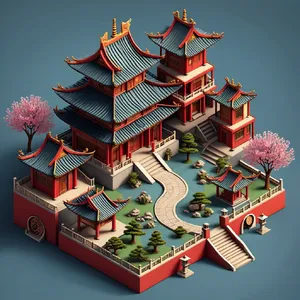
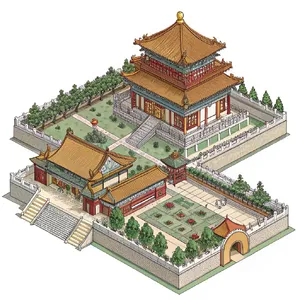
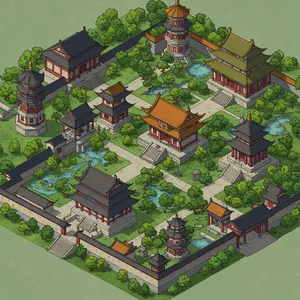
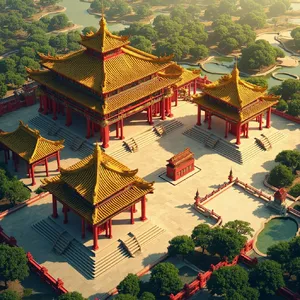
- The Technical Divide: While many models can generate an aesthetically pleasing living room, technical cross-sections and isometric diagrams rapidly expose mid-tier models' inability to maintain spatial and structural logic. 📏
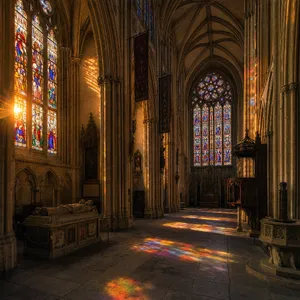
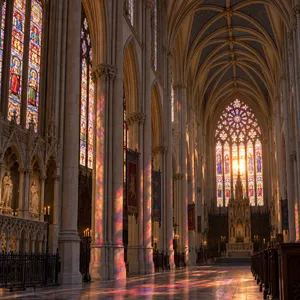
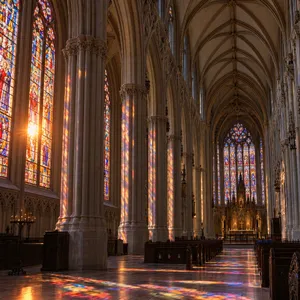
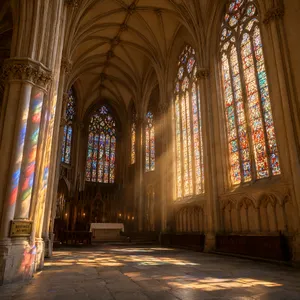
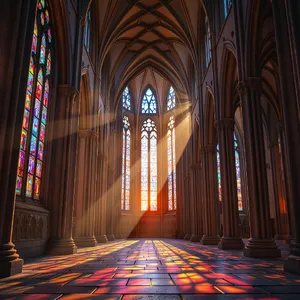
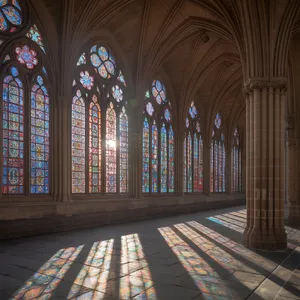
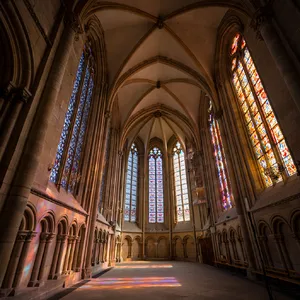
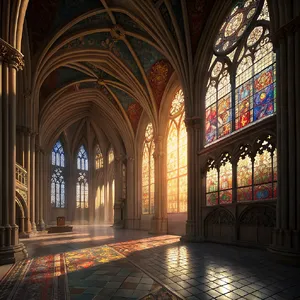
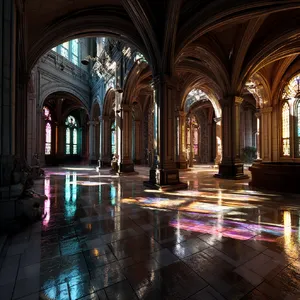
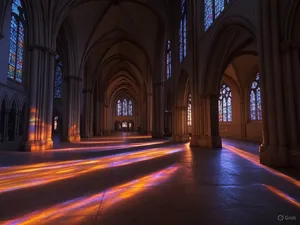
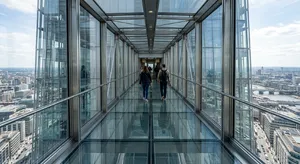
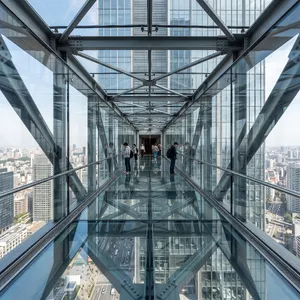
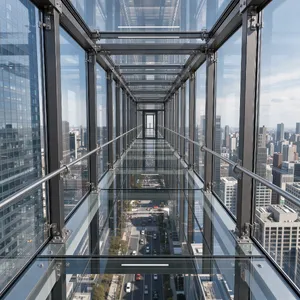
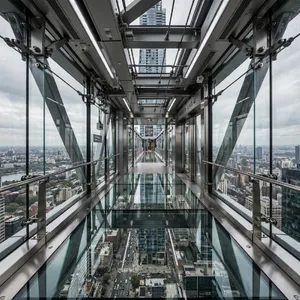
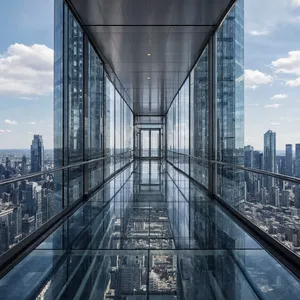
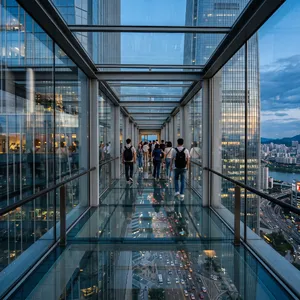
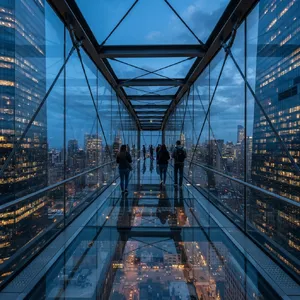
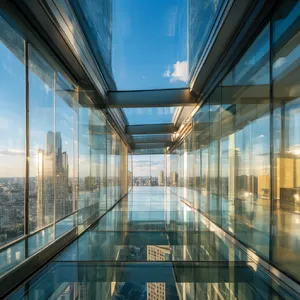
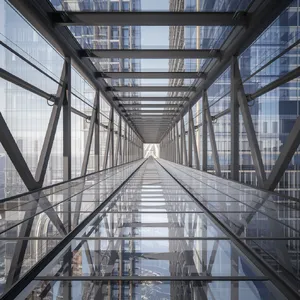
- Lighting is Key: The ability to handle complex lighting interactions—like stained glass projections or transparent glass floors—is a major differentiator for high Elo ratings.
😲 Notable Results
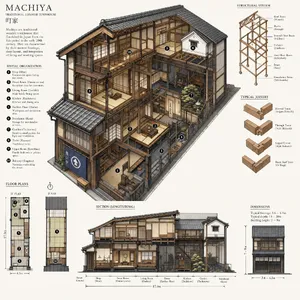
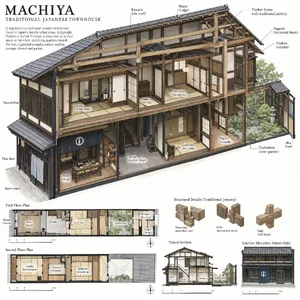
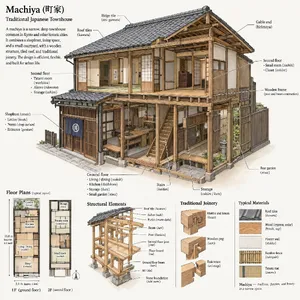
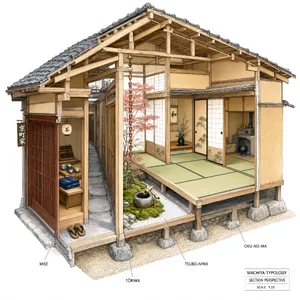
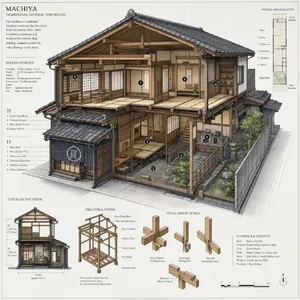
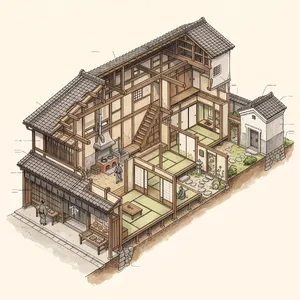
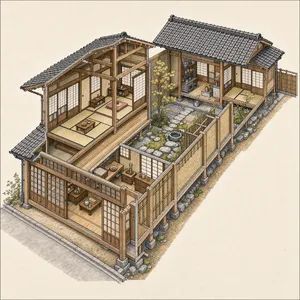
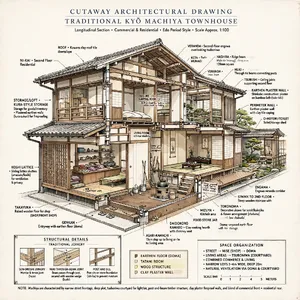
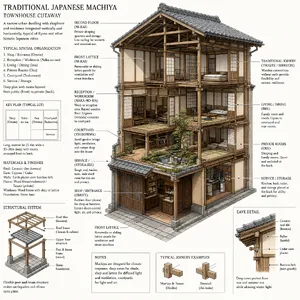
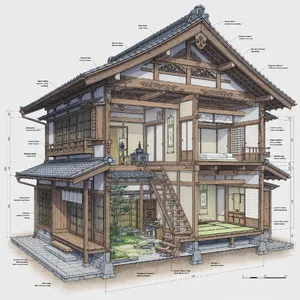
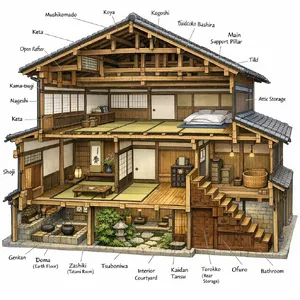
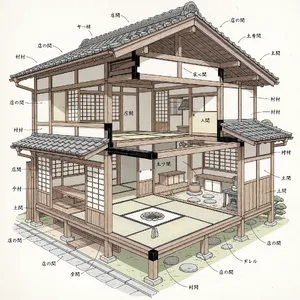
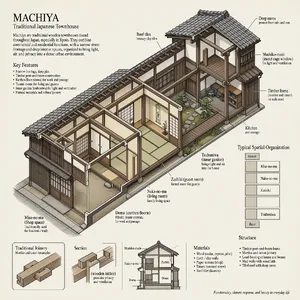
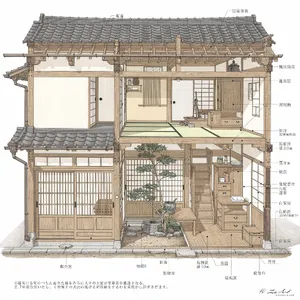
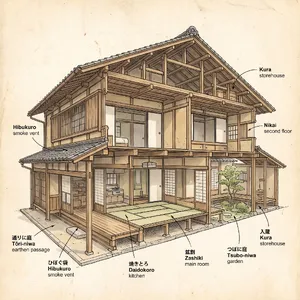
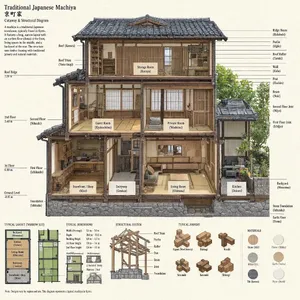
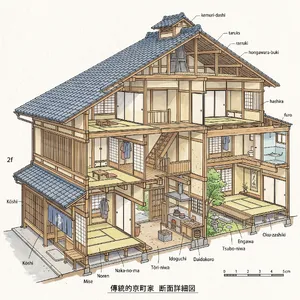
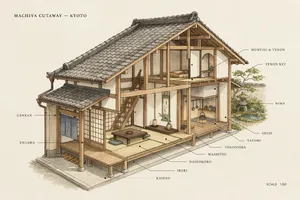
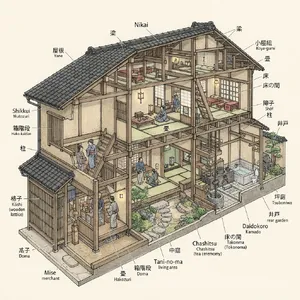
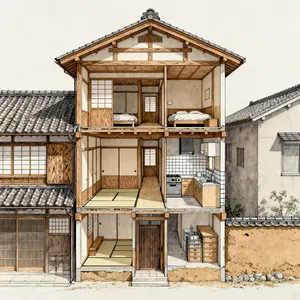
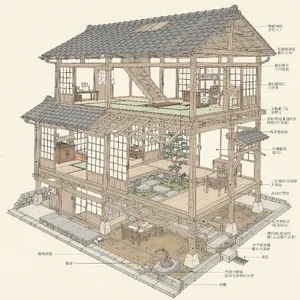
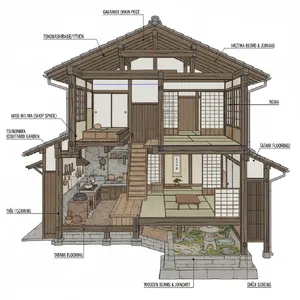
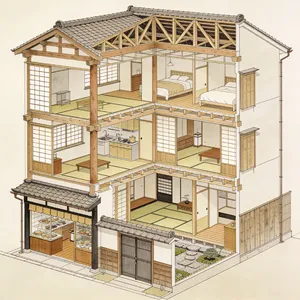
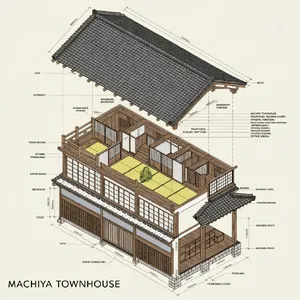
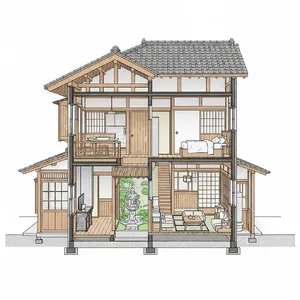
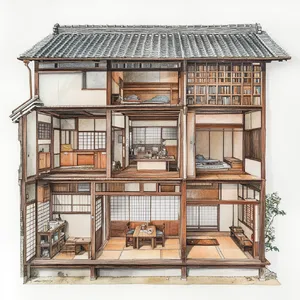
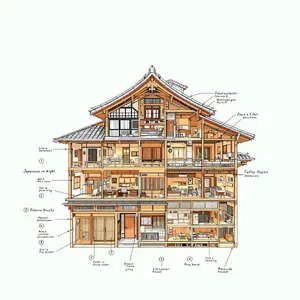
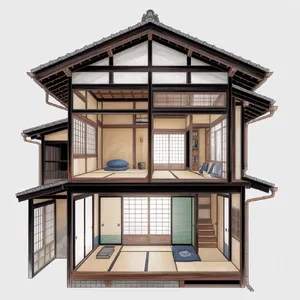
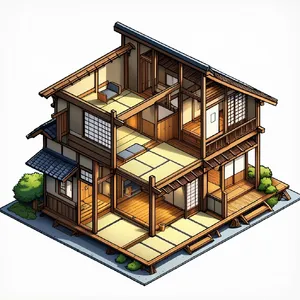
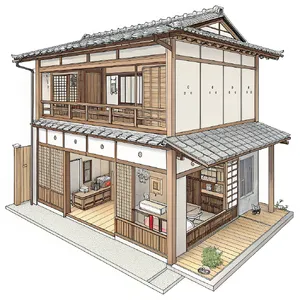
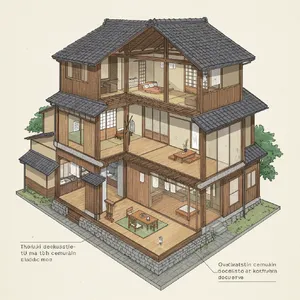
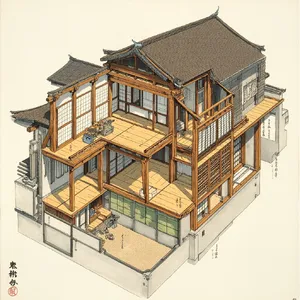
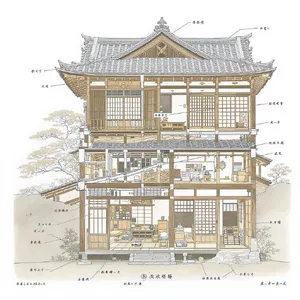
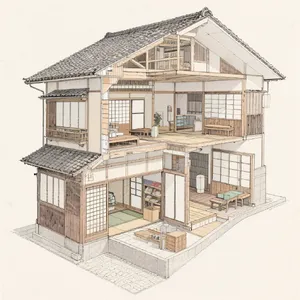
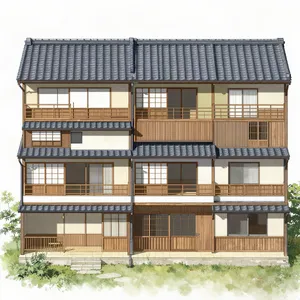
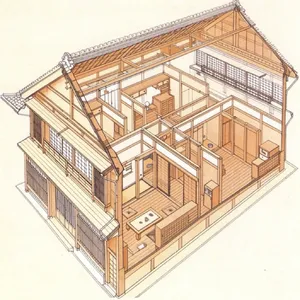
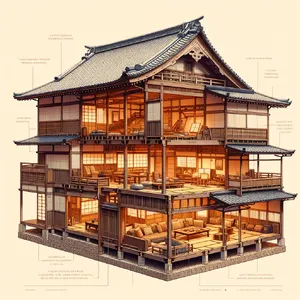
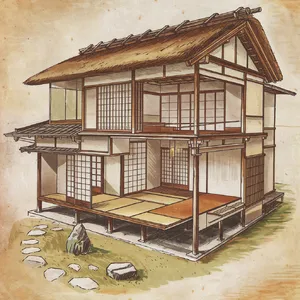
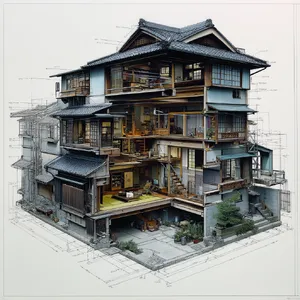
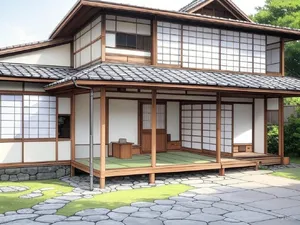
Surprisingly, highly specialized technical tasks like the Japanese machiya townhouse cutaway proved disastrous for models that prioritize basic aesthetics over prompt adherence, resulting in dollhouse-like exteriors or scrambled geometry instead of usable technical illustrations.
General Analysis & Useful Insights
🌟 Comparative Strengths
The leading models—such as GPT Image 2 and GPT Image 2.5 Sunburst—excel due to their robust geometric reasoning. They don't just generate convincing textures; they construct believable 3D spaces with cohesive architectural rules.
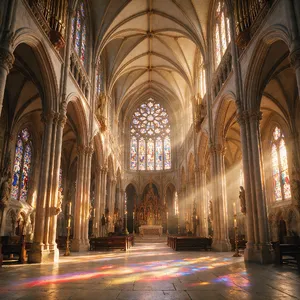
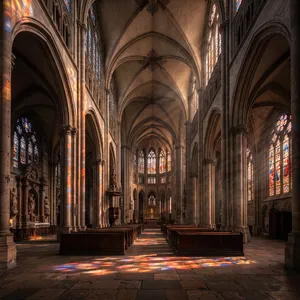
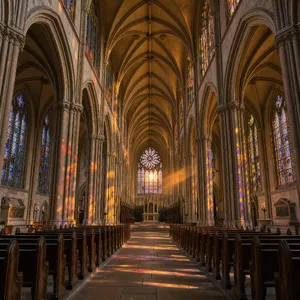
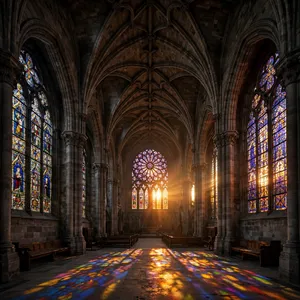
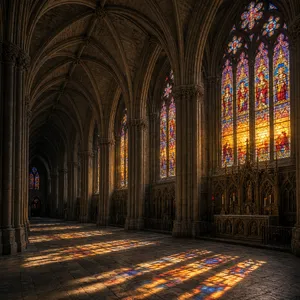
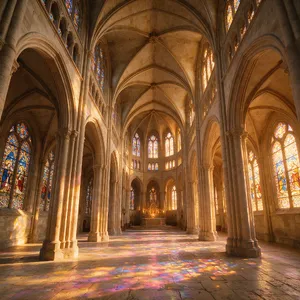
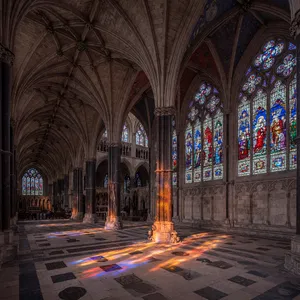
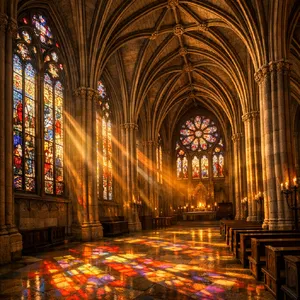
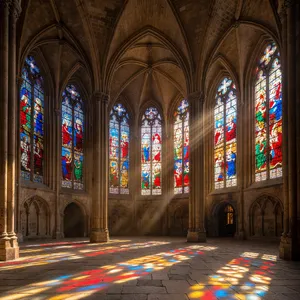
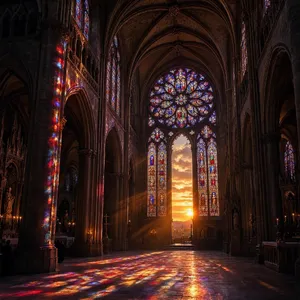
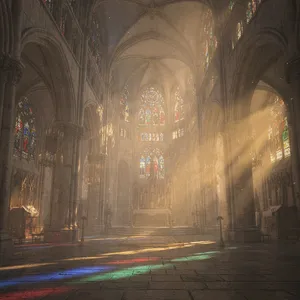
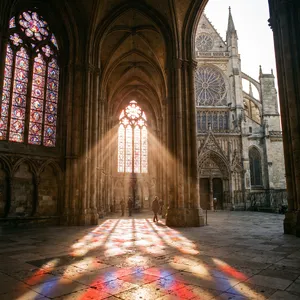
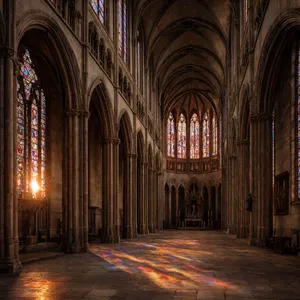
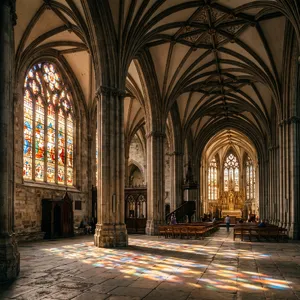
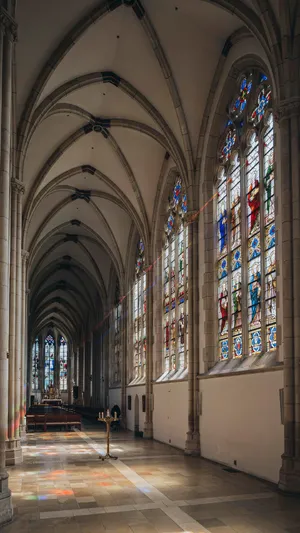
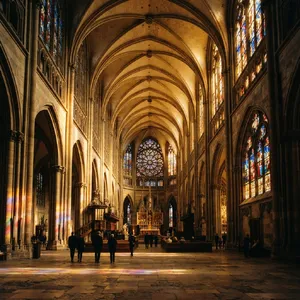
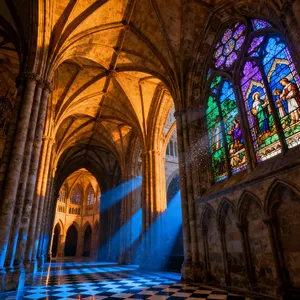
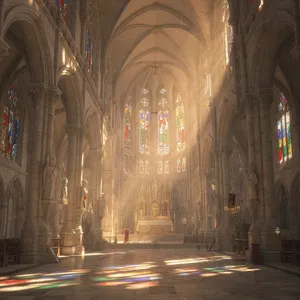
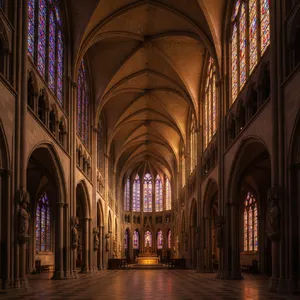
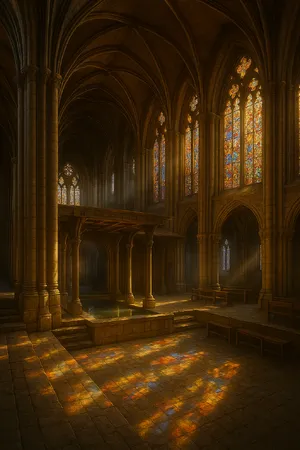
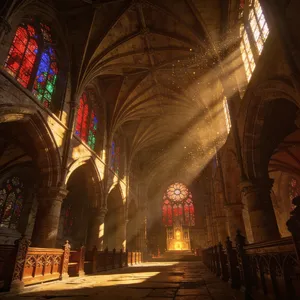
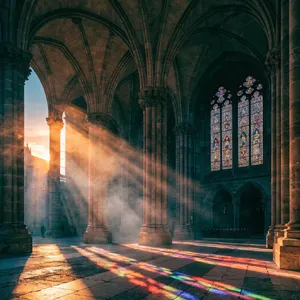
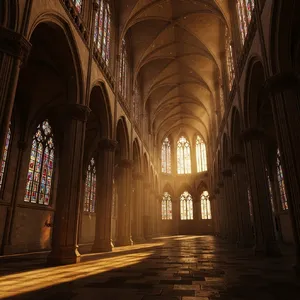
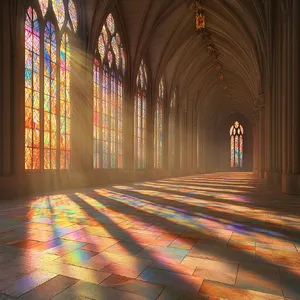
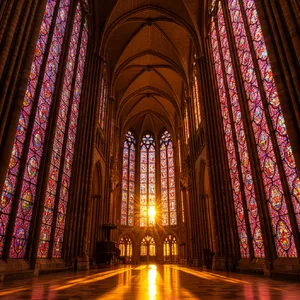
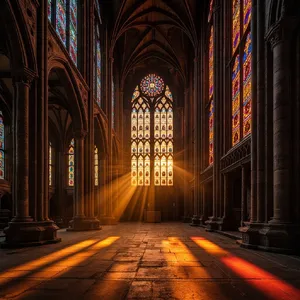
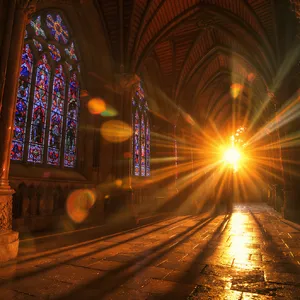
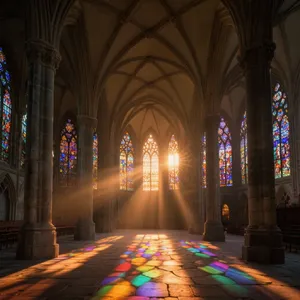
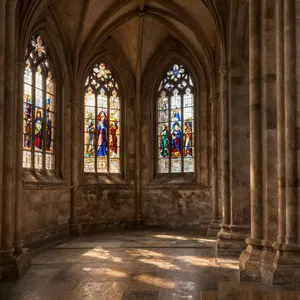
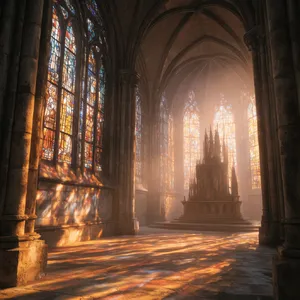
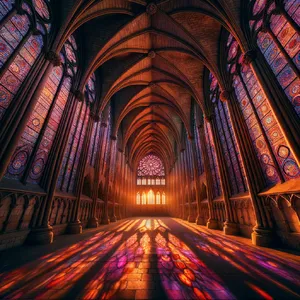
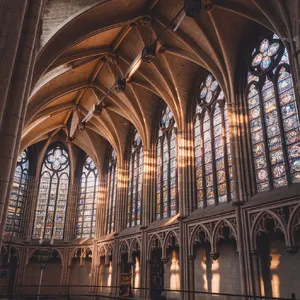
- Lighting & Material Nuance: Top models perfectly execute complex material interactions. For instance, GPT Image 2.5 Sunburst masterfully handled the Gothic cathedral prompt, properly casting multicolored stained-glass light across curved stone columns rather than just painting arbitrary colorful blobs on the floor. ✨
- Structural Integrity: Models like Qwen-Image-3.0-Pro (1415 Elo) and Takumi 1 (1406 Elo) show fantastic ability to render load-bearing beams and realistic joints without resorting to AI "mush."
⚠️ Common Failure Modes
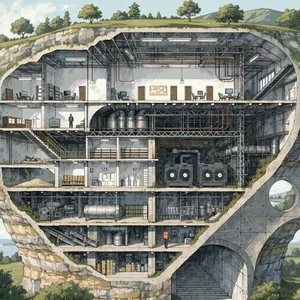
- Spatial Incoherence: Mid-tier and lower-tier models frequently generate "Escher-esque" geometry. Stairs lead to nowhere, and floors blend seamlessly into walls without logical transitions.
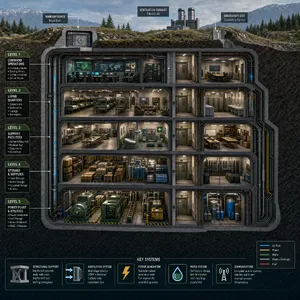
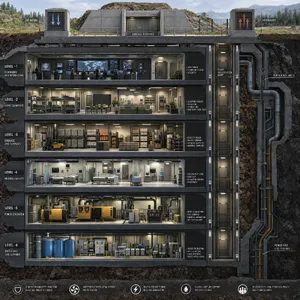
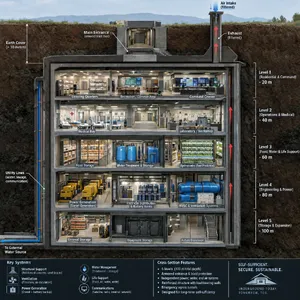
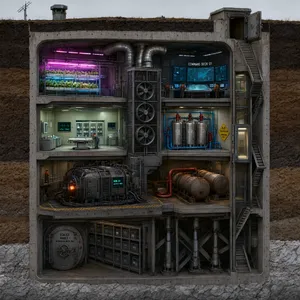
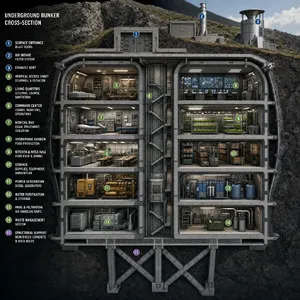
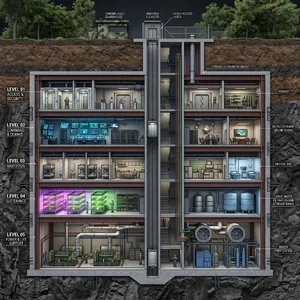
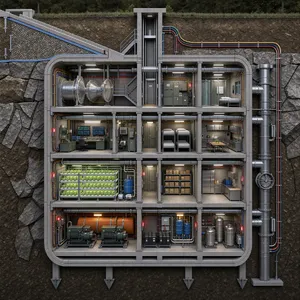
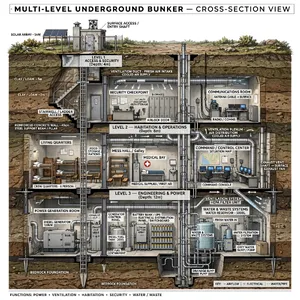
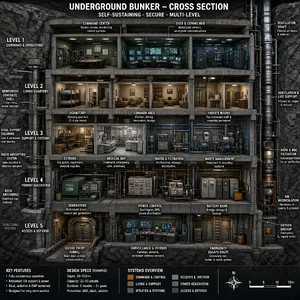
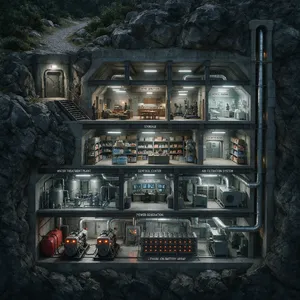
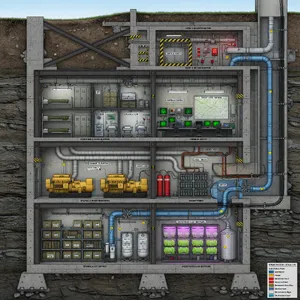
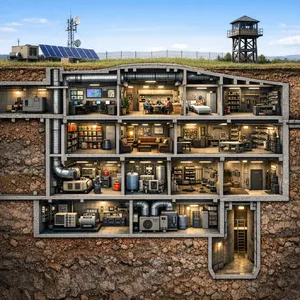
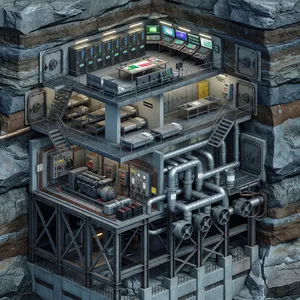
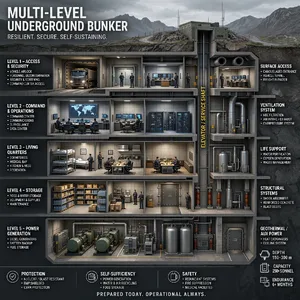
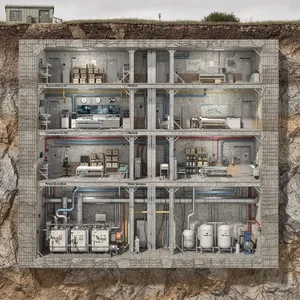
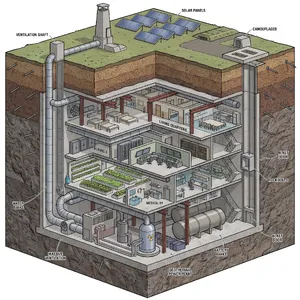
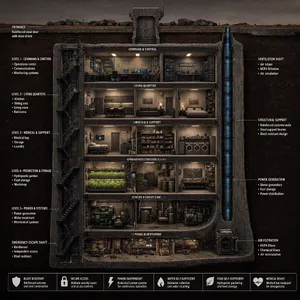
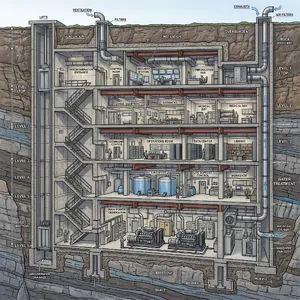
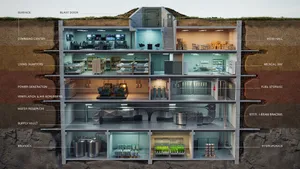
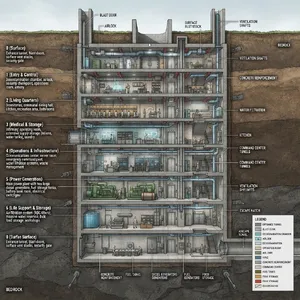
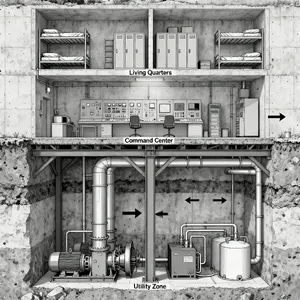
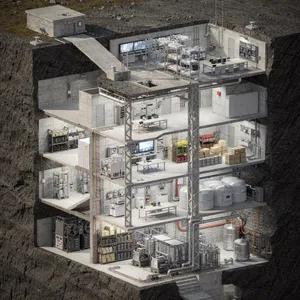
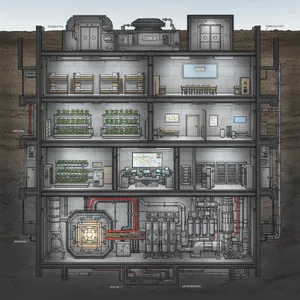
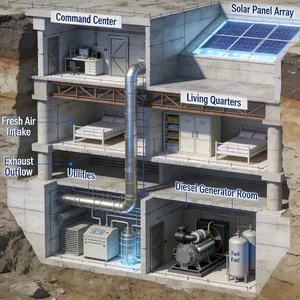
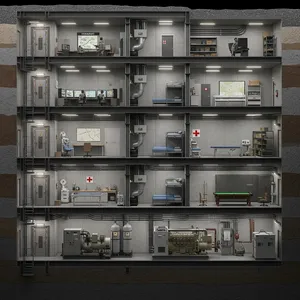
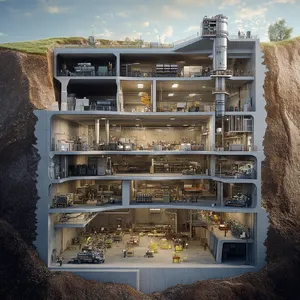
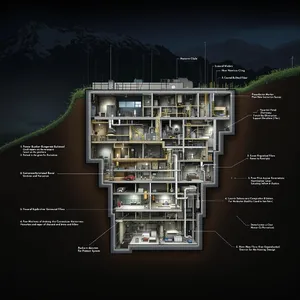
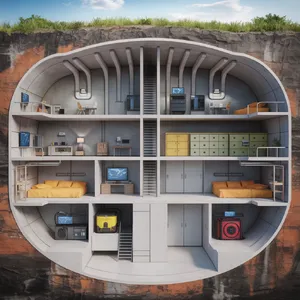
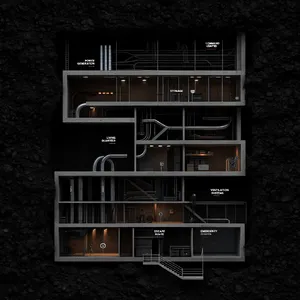
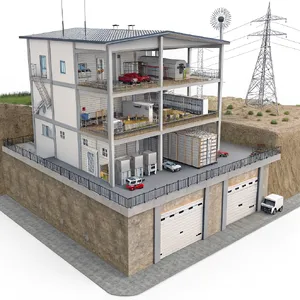
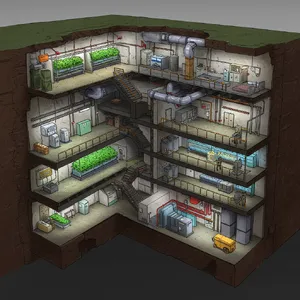
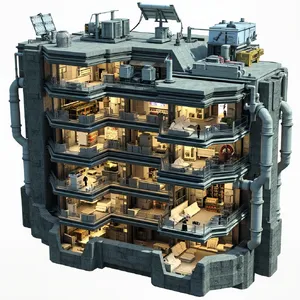
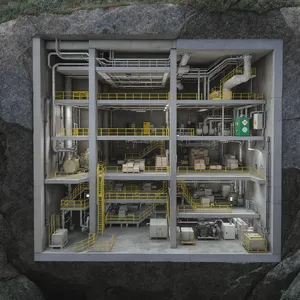
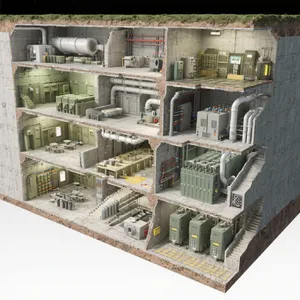
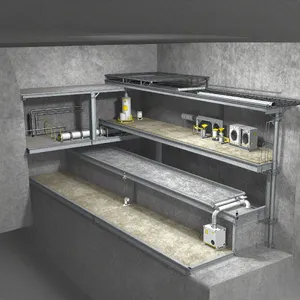
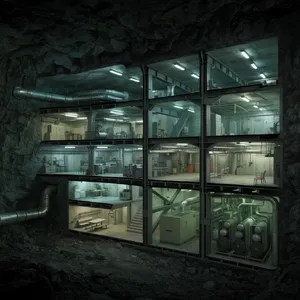
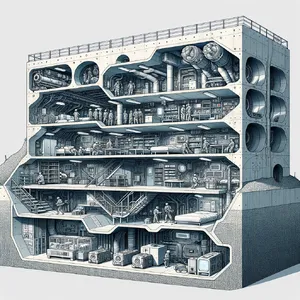
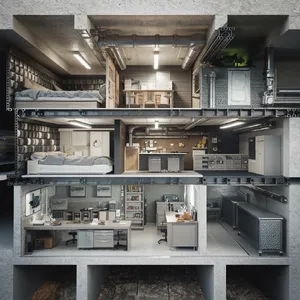
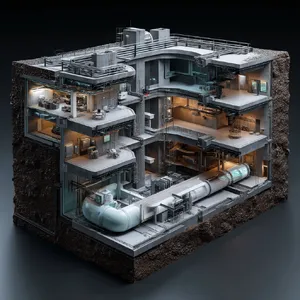
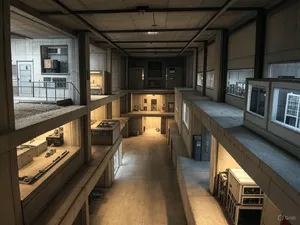
- Prompt Hallucination on Technicals: In the Underground bunker prompt, weaker models generated chaotic industrial textures instead of distinct, functional rooms (e.g., medical, hydroponics, power generation). 🏭
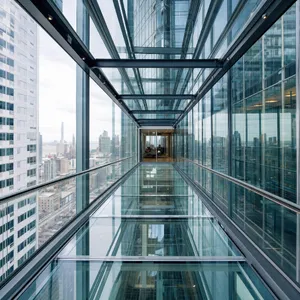
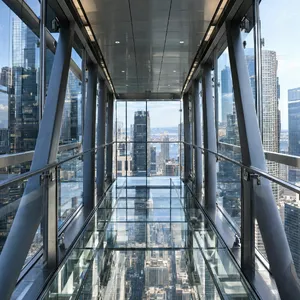
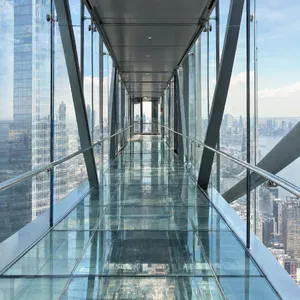
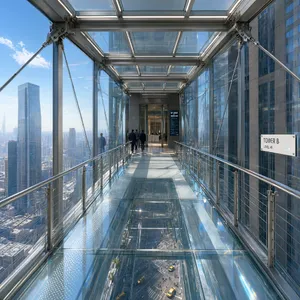
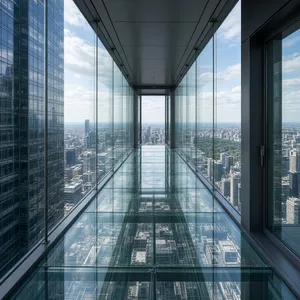
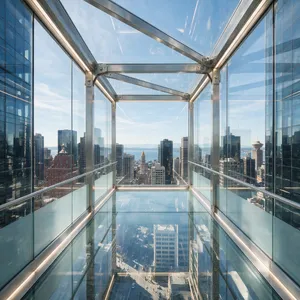
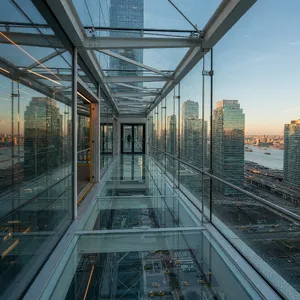
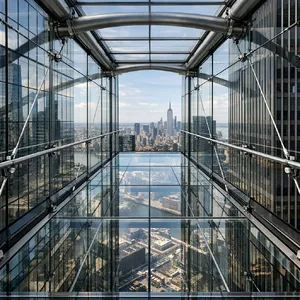
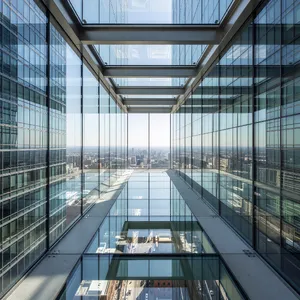
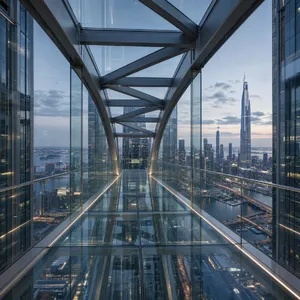
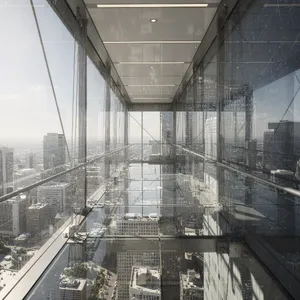
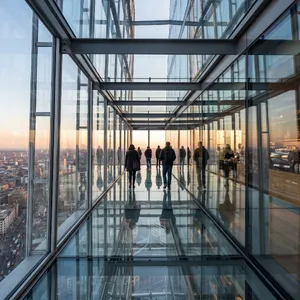
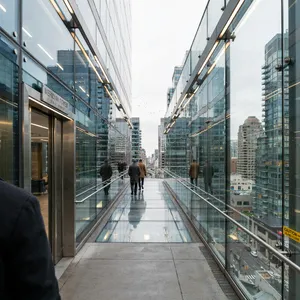
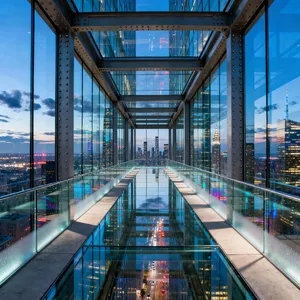
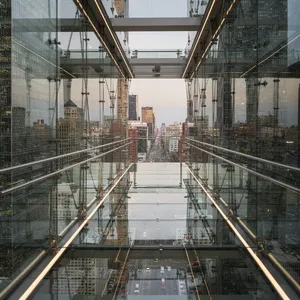
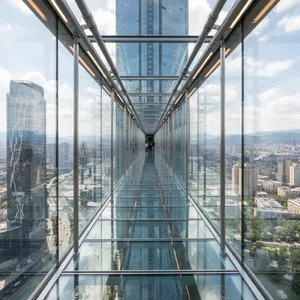
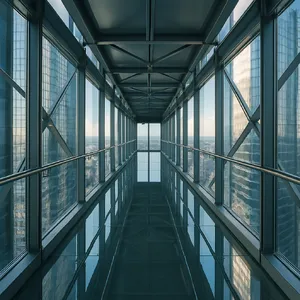
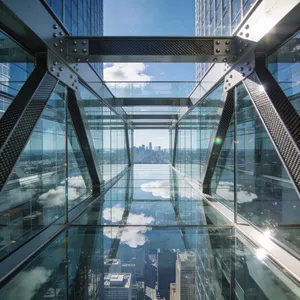
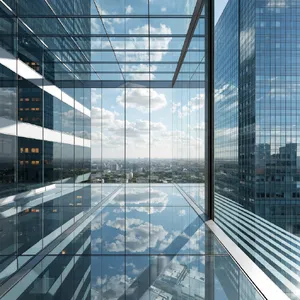
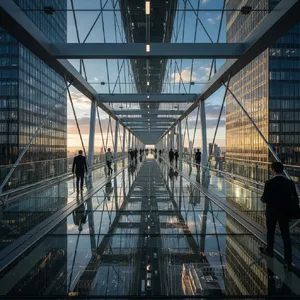
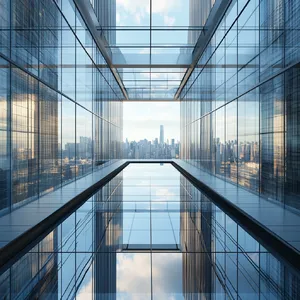
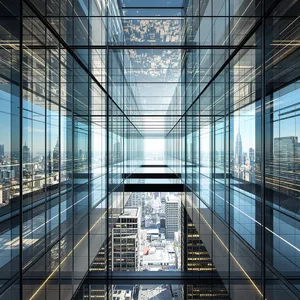
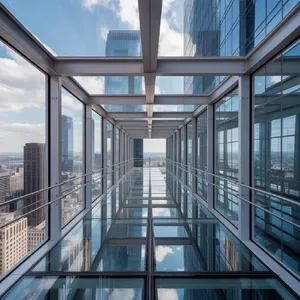
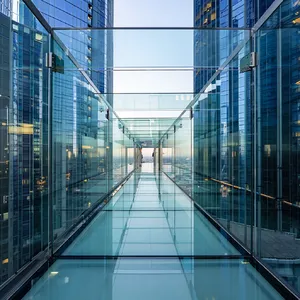
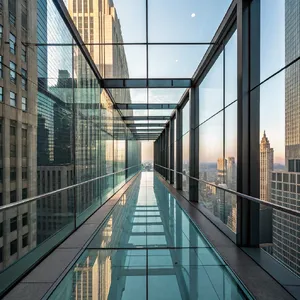
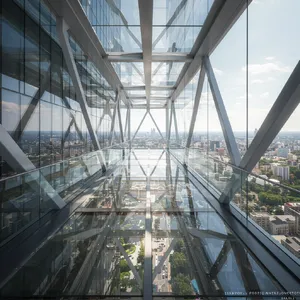
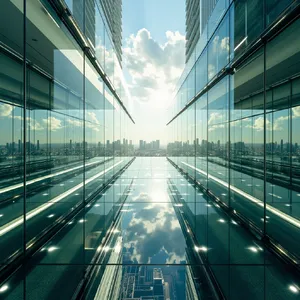
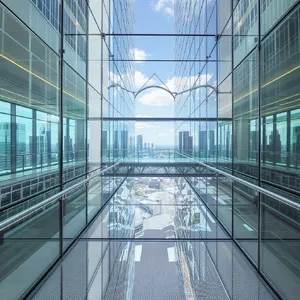
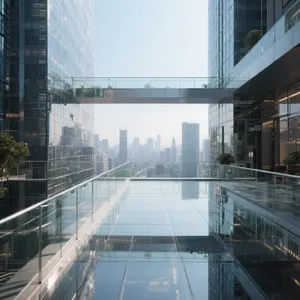
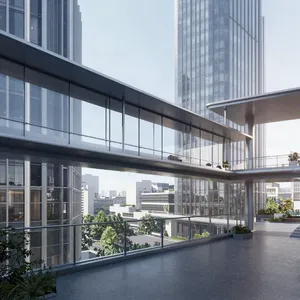
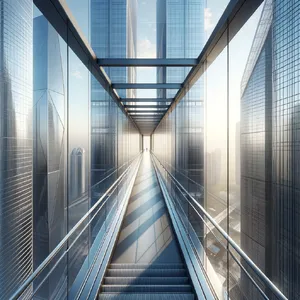
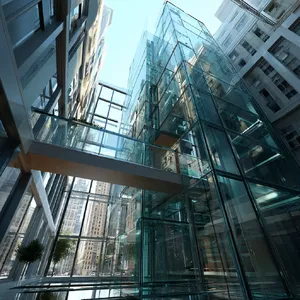
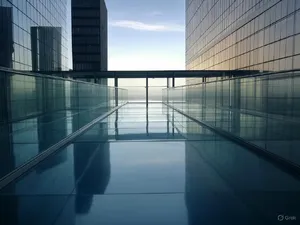
- Optical Failures: The Glass skybridge prompt challenged models to show a city through a transparent floor. Many failed entirely, rendering opaque or fully mirrored floors to avoid calculating the complex transmitted depth.
📊 Prompt Type Correlations
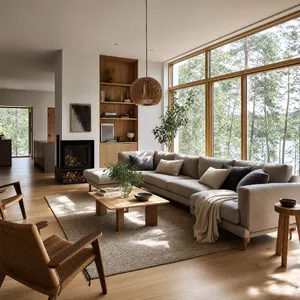
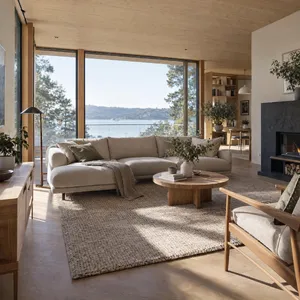
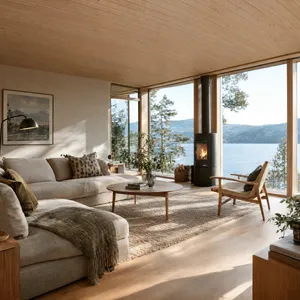
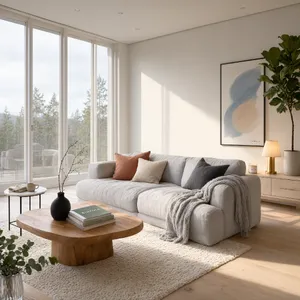
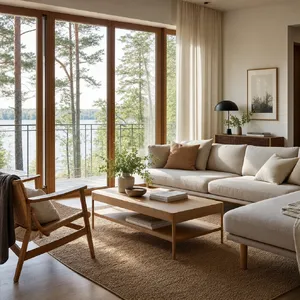
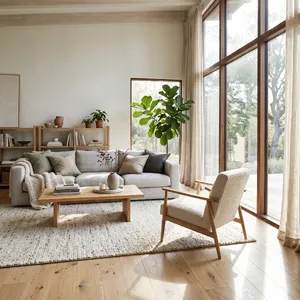
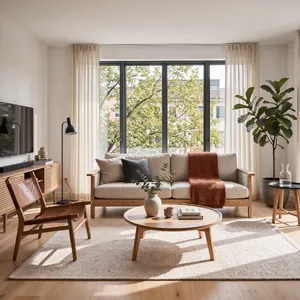
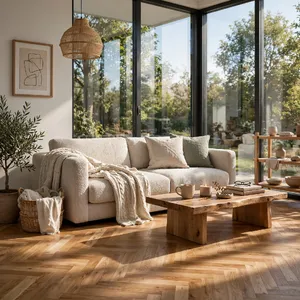
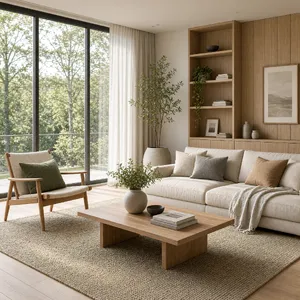
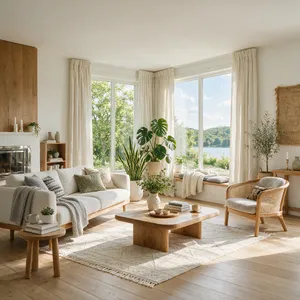
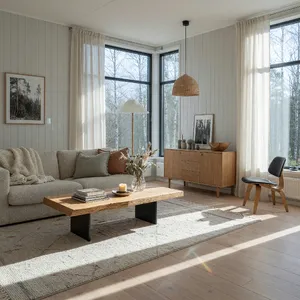
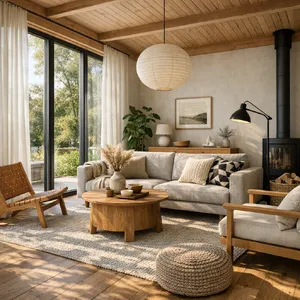
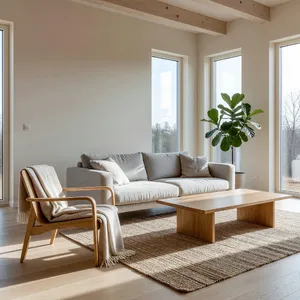
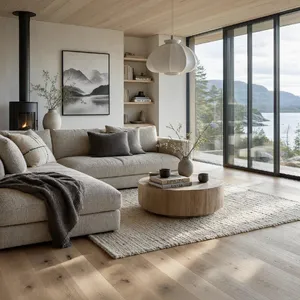
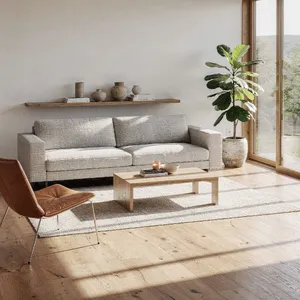
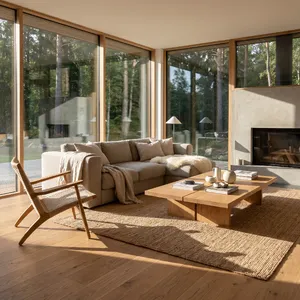
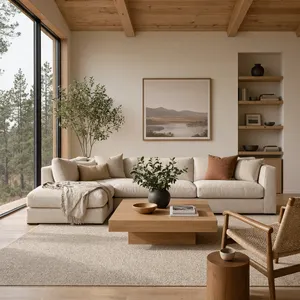
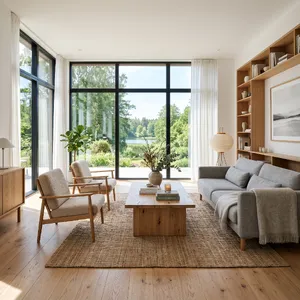
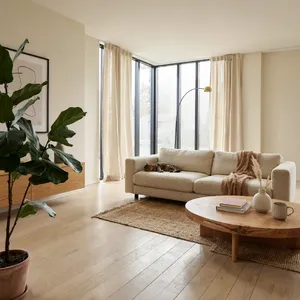
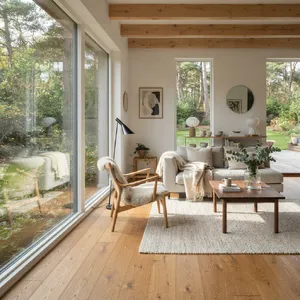
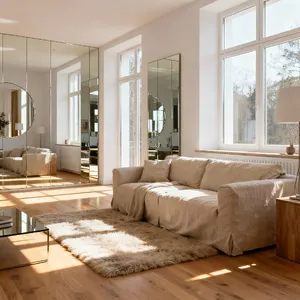
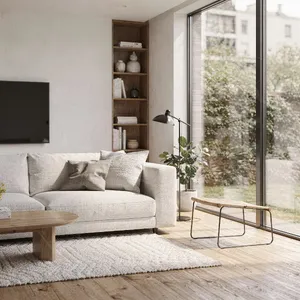
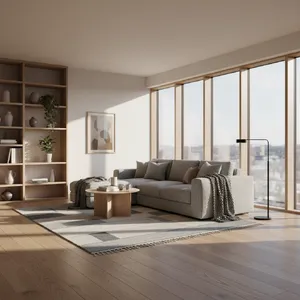
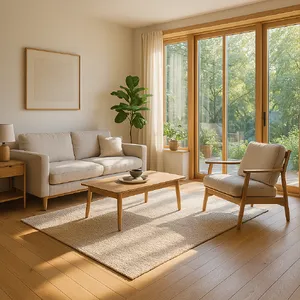
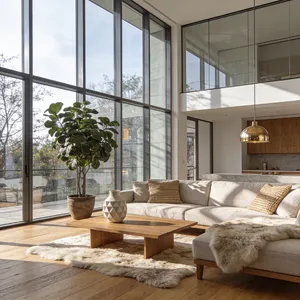
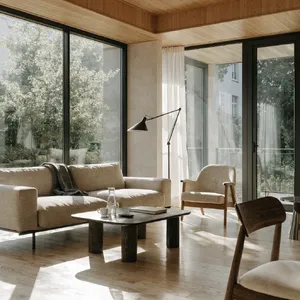
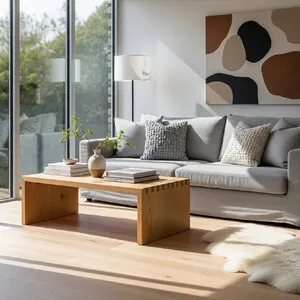
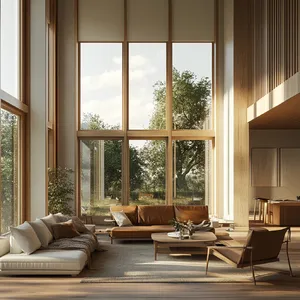
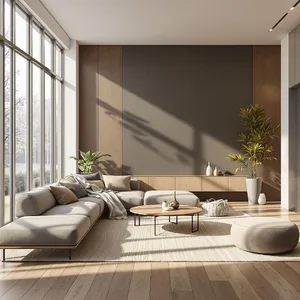
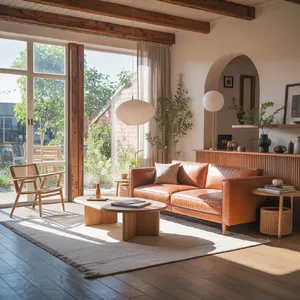
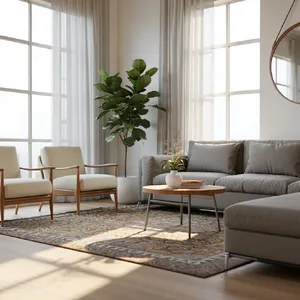
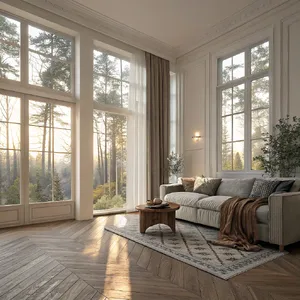
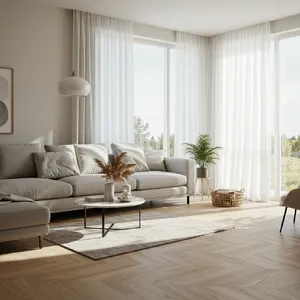
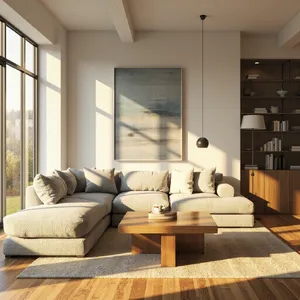
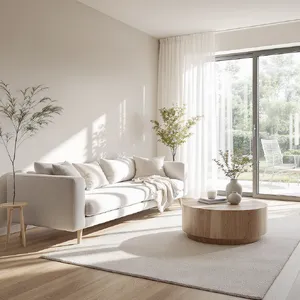
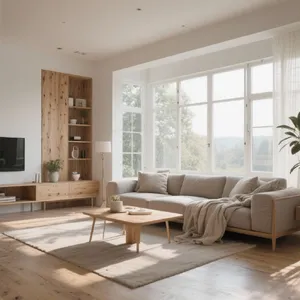
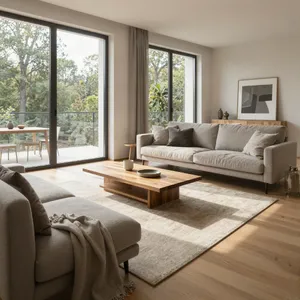
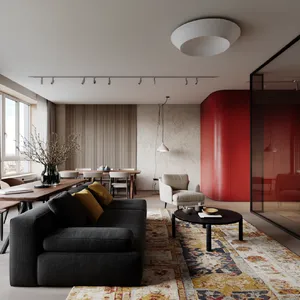
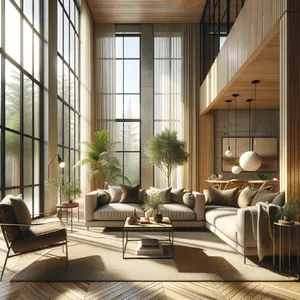
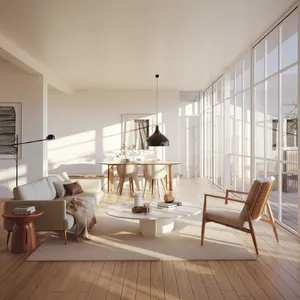
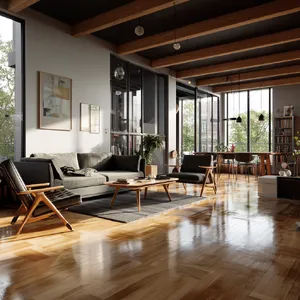
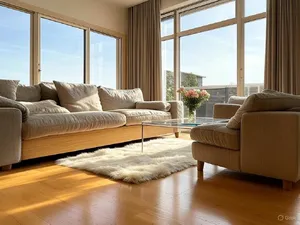
- Aesthetic Interiors: Prompts like the Scandinavian Living Room see a tighter grouping in performance. Most modern models handle clean, contemporary aesthetics reasonably well.
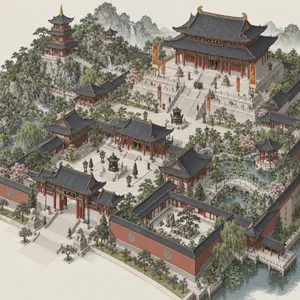
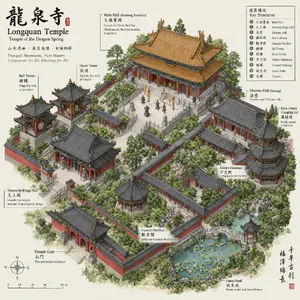
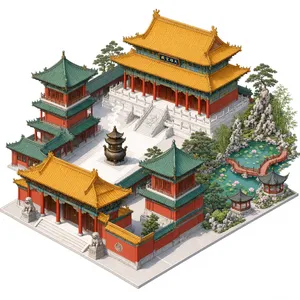
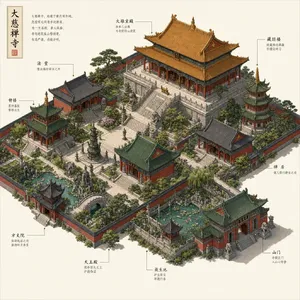
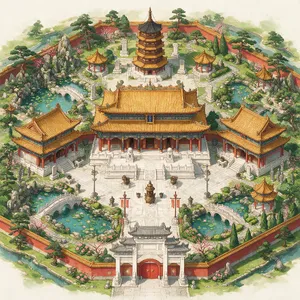
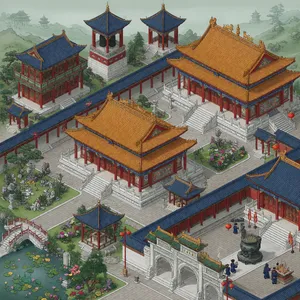
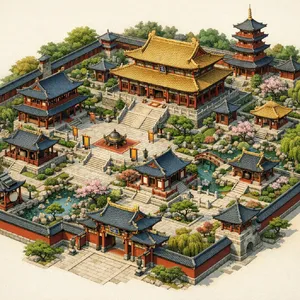
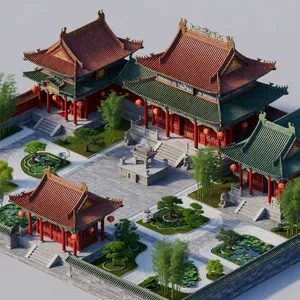
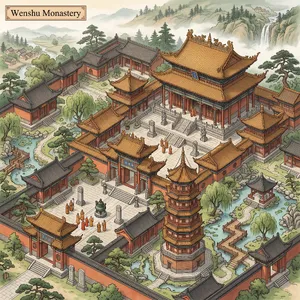
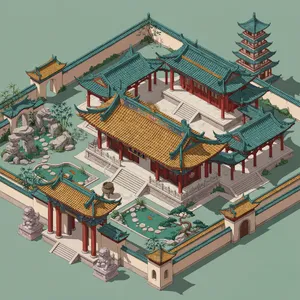
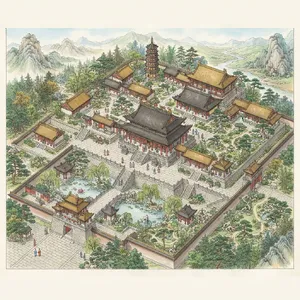
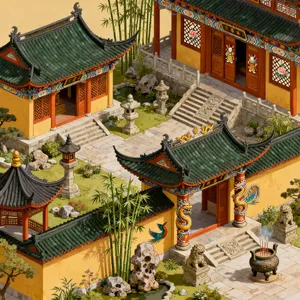
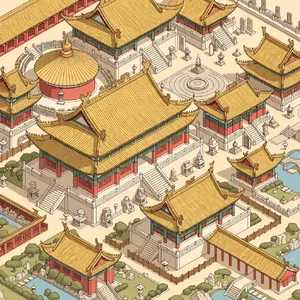
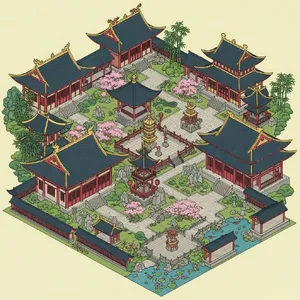
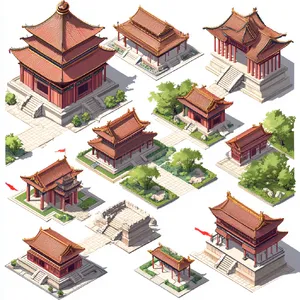
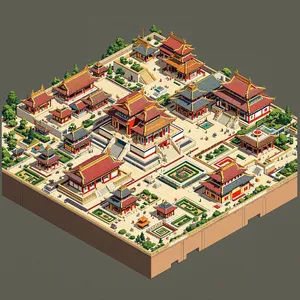
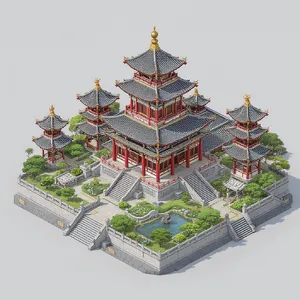
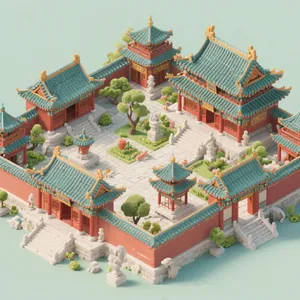
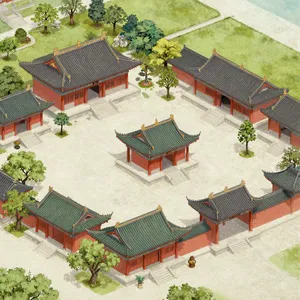
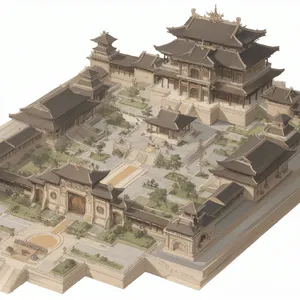
- Diagrams & Cutaways: Prompts requiring cross-sections or isometric views drastically widen the Elo gap, strongly rewarding models with deep compositional logic and punishing those that merely stitch together 2D textures.
Best Model Analysis by Use Case
Depending on your architectural needs, different models shine in specific scenarios! 🏗️
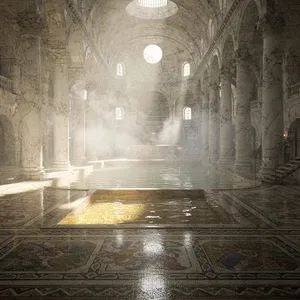
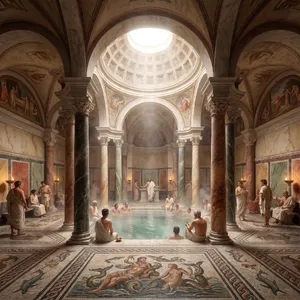
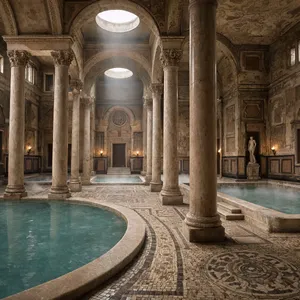
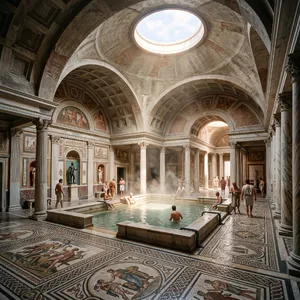
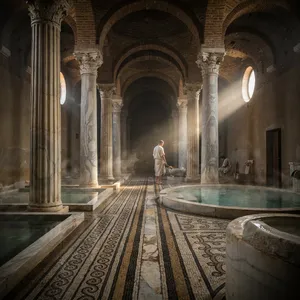
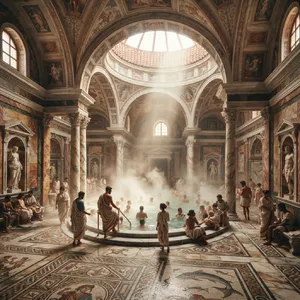
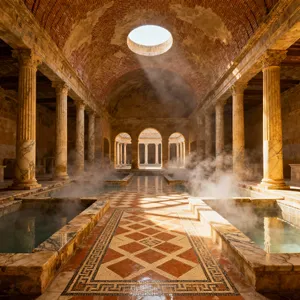
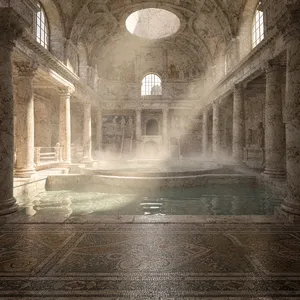
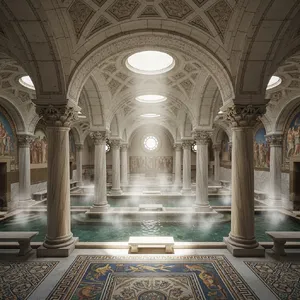
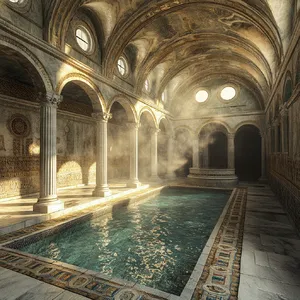
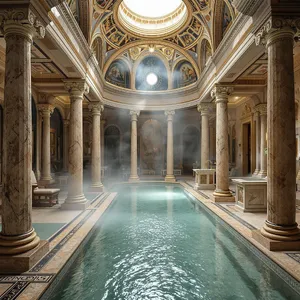
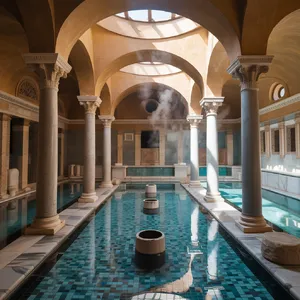
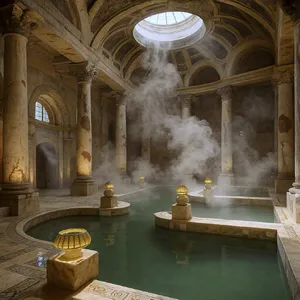
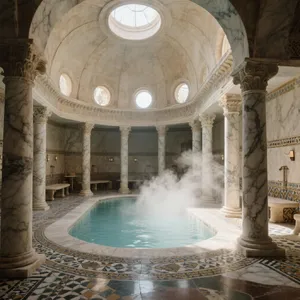
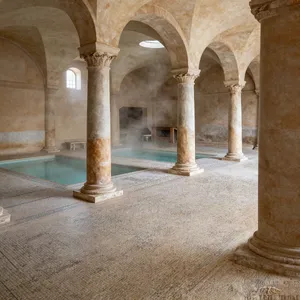
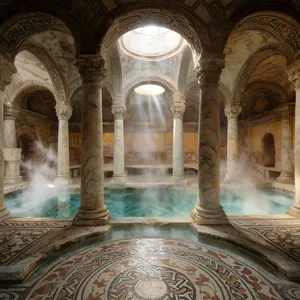
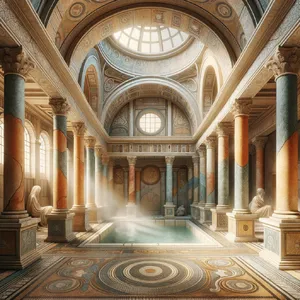
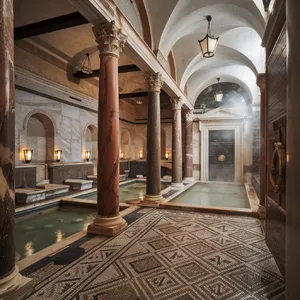
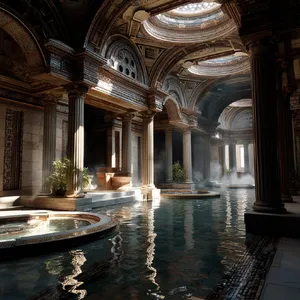
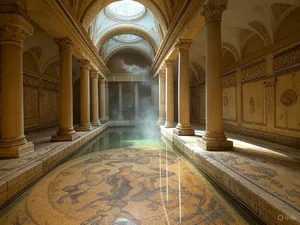
🏛️ Historical & Traditional Architecture
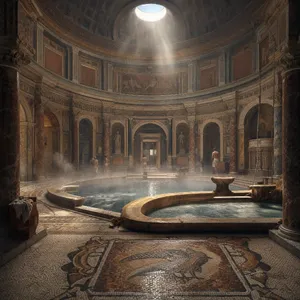
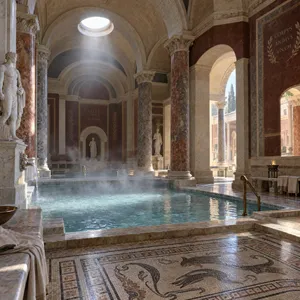
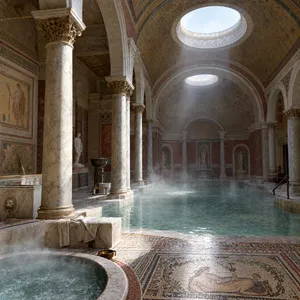
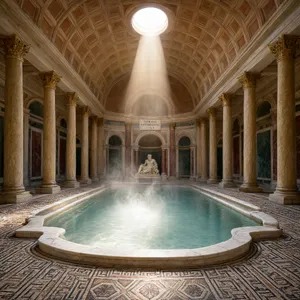
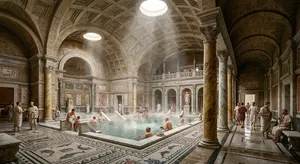
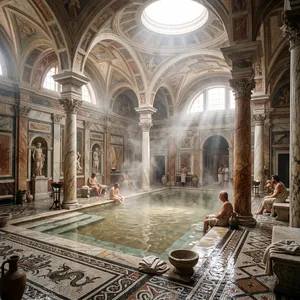
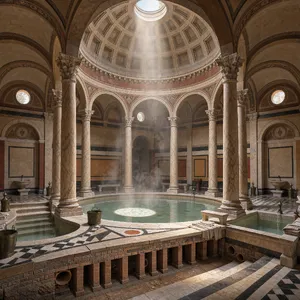
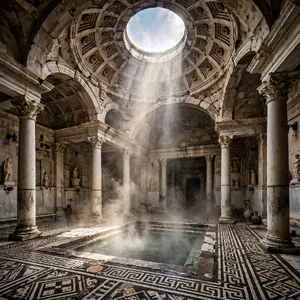
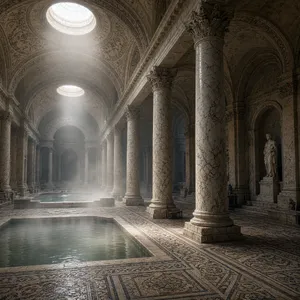
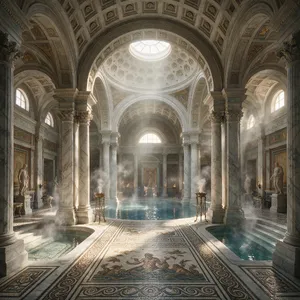
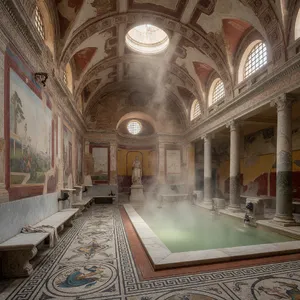
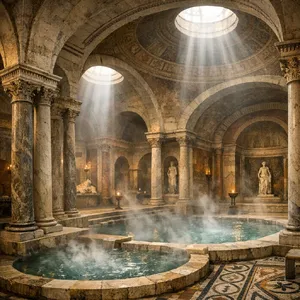
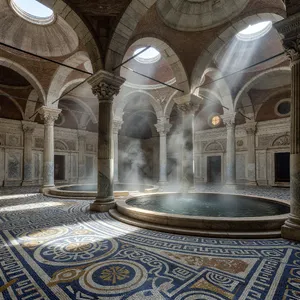
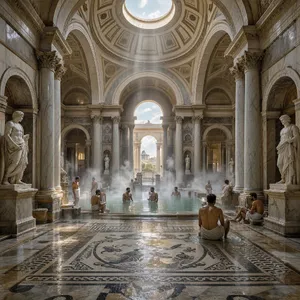
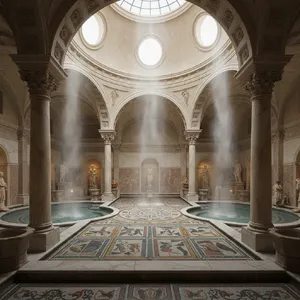
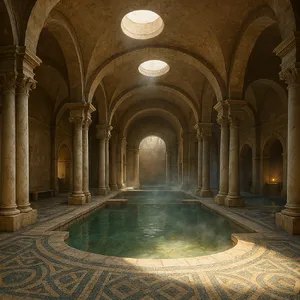
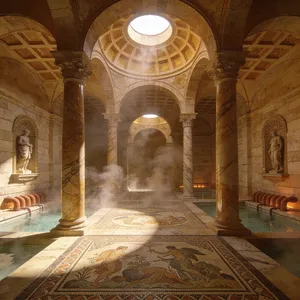
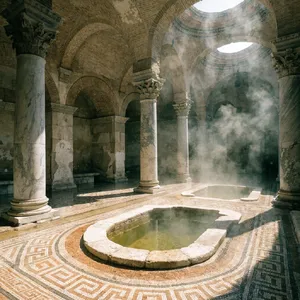
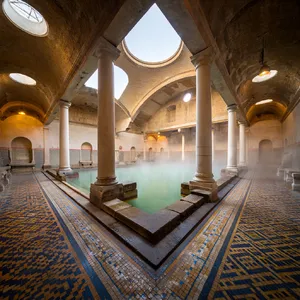
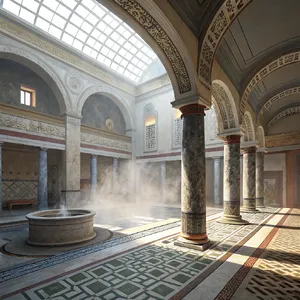
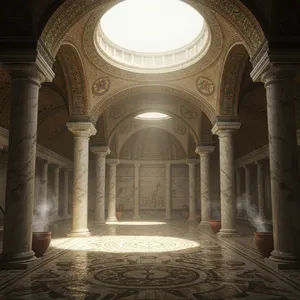
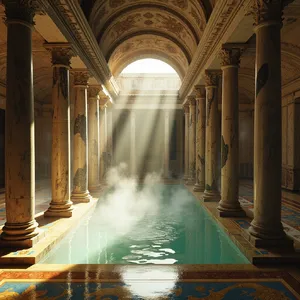
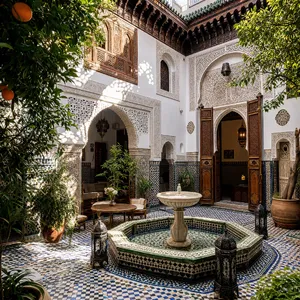
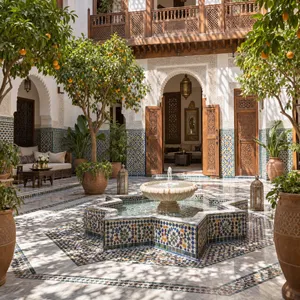
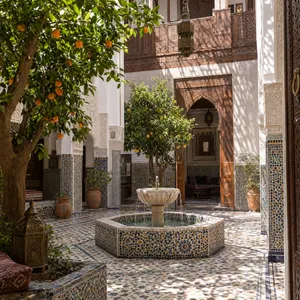
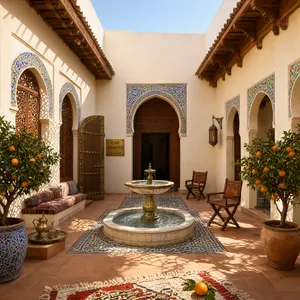
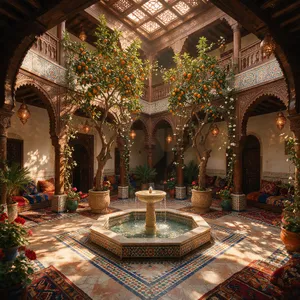
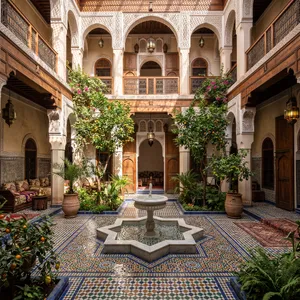
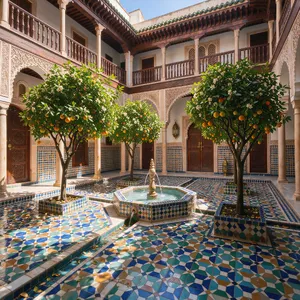
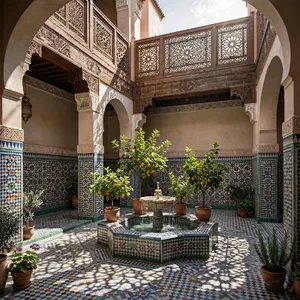
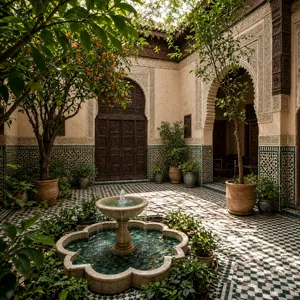
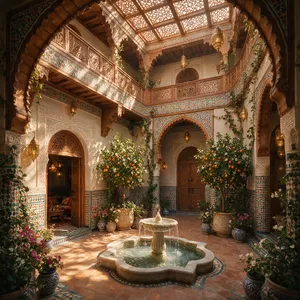
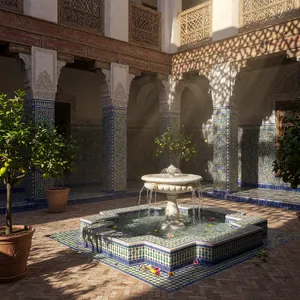
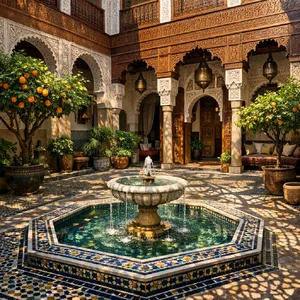
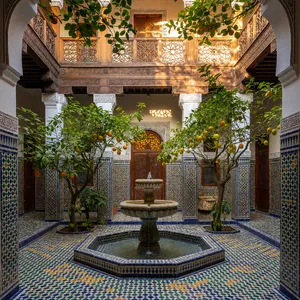
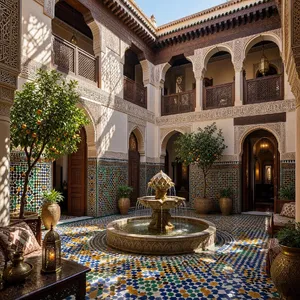
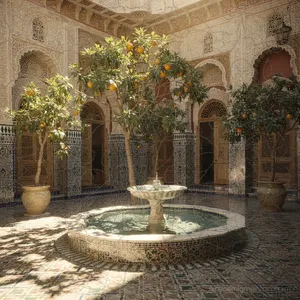
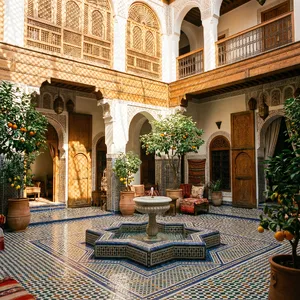
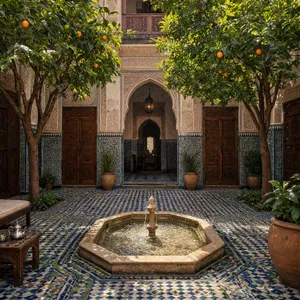
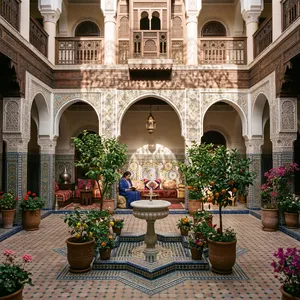
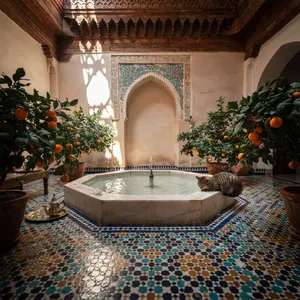
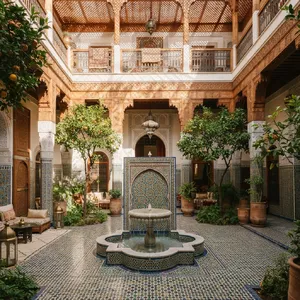
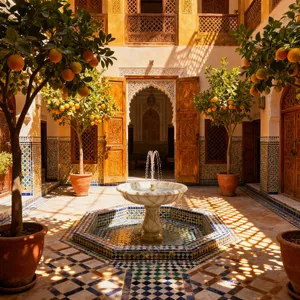
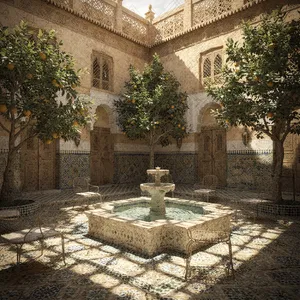
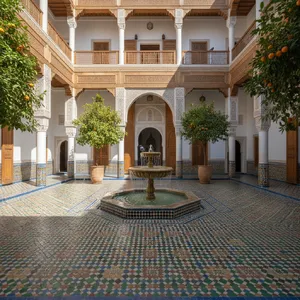
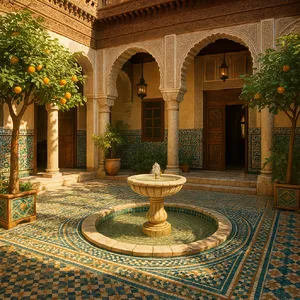
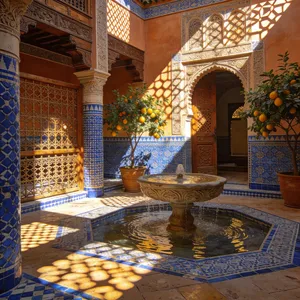
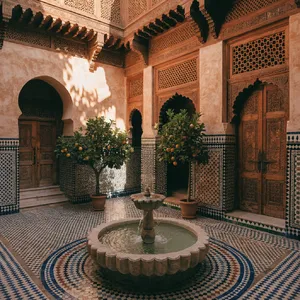
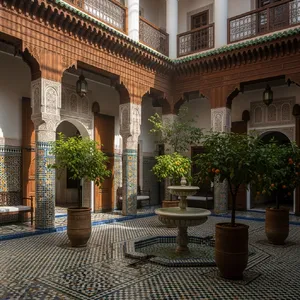
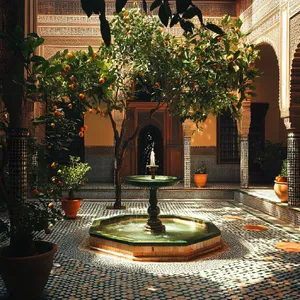
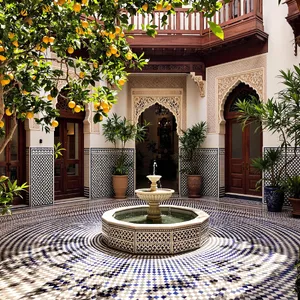
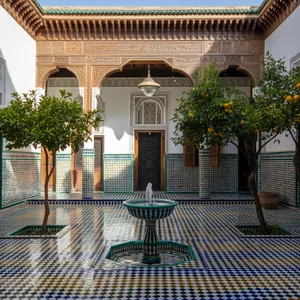
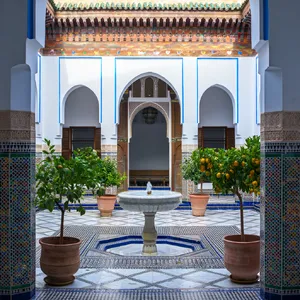
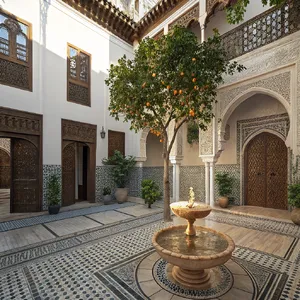
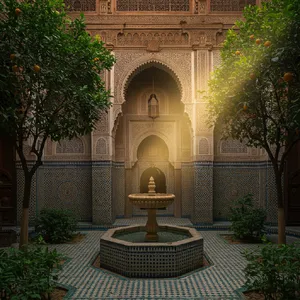
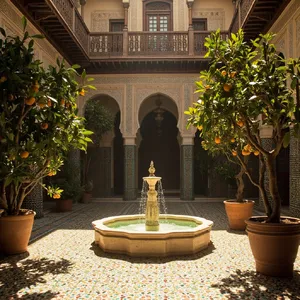
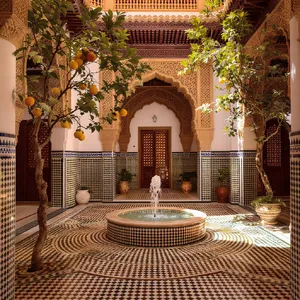
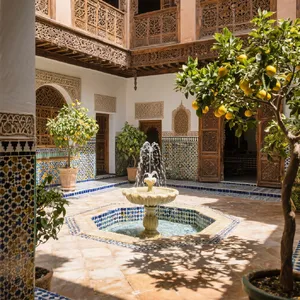
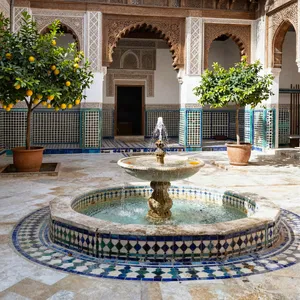
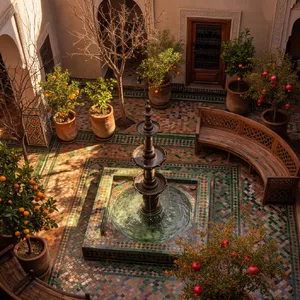
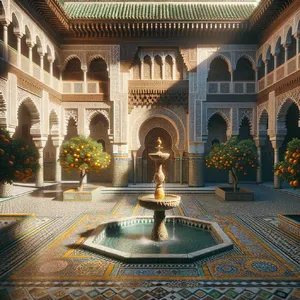
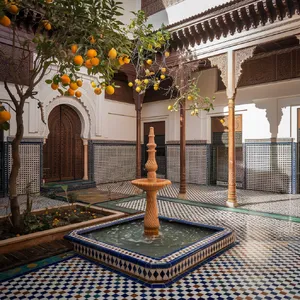
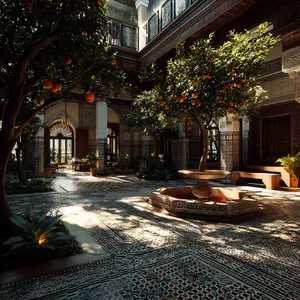
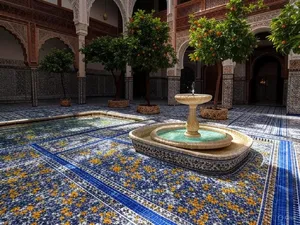
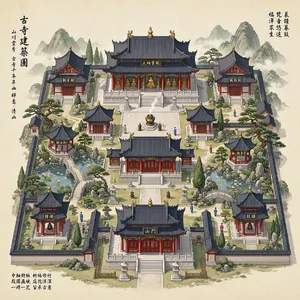
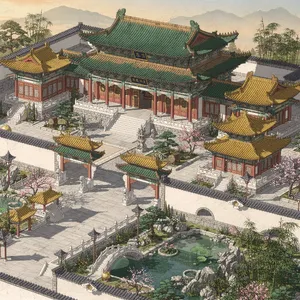
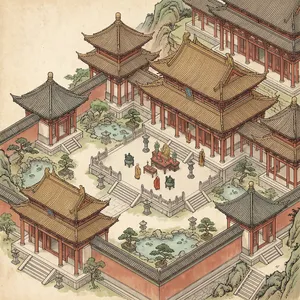
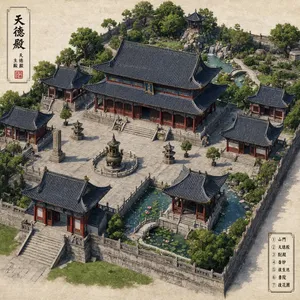
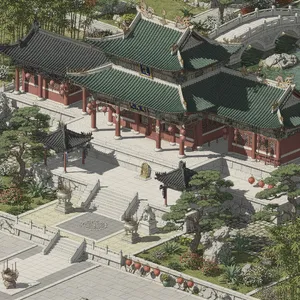
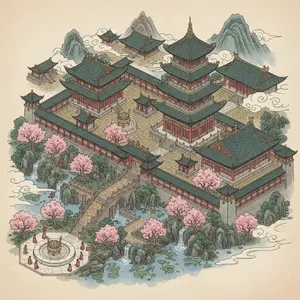
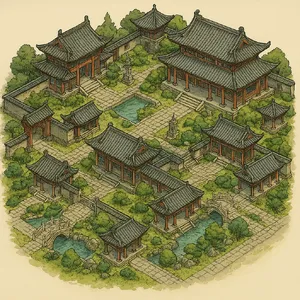
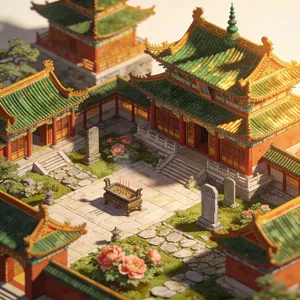
For rich, culturally accurate heritage rendering (like intricate mosaics, zellige tilework, or traditional woodwork):
📐 Technical Diagrams & Cutaways
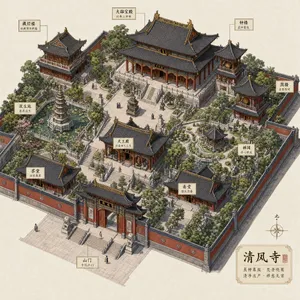
When you need isometric views, cross-sections, and infographic-style layouts:
🏙️ Modern Photorealism & Complex Optics
For contemporary spaces demanding hyper-realistic lighting, glass transparency, and material reflections:
- Top Picks: Muse Image (1345 Elo) and FLUX 3 Image (1360 Elo).
- Why: They excel at rendering natural sunlight, crisp shadows, and optical glass interactions. Muse Image delivered highly credible structural transparency and suspension details in the Glass skybridge prompt.
🚀 Speculative & Sci-Fi Spaces
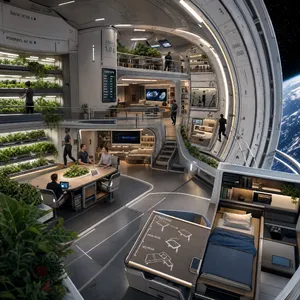
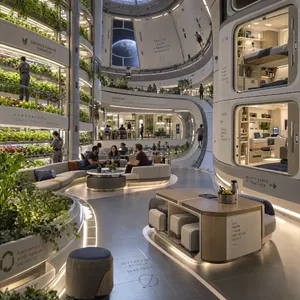
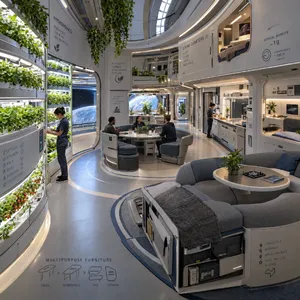
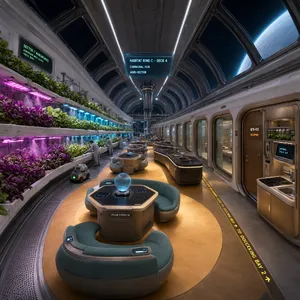
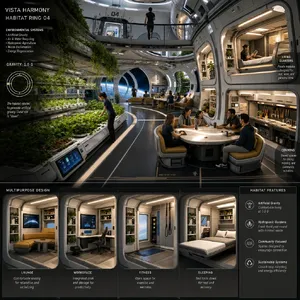
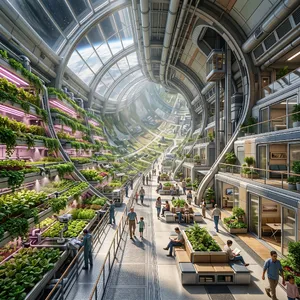
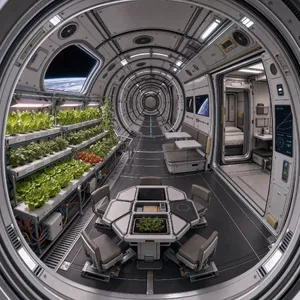
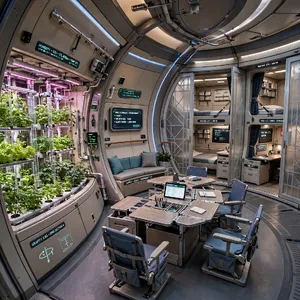
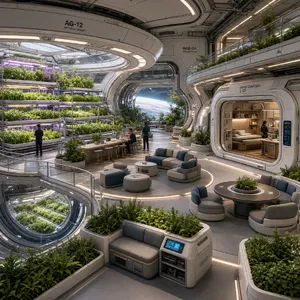
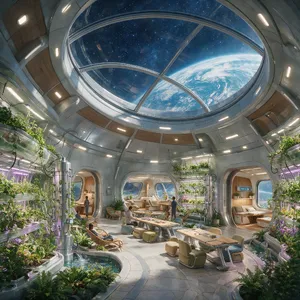
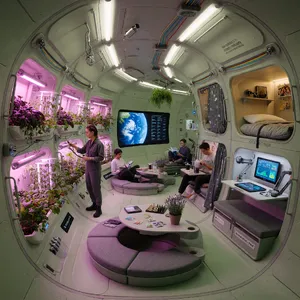
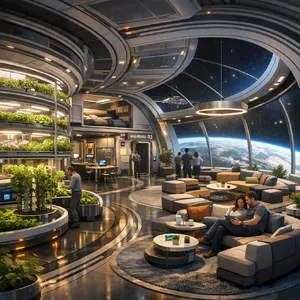
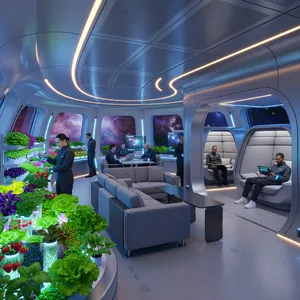
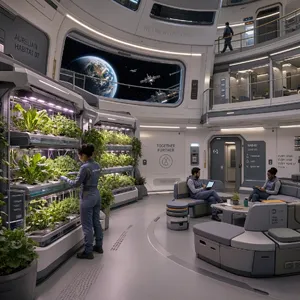
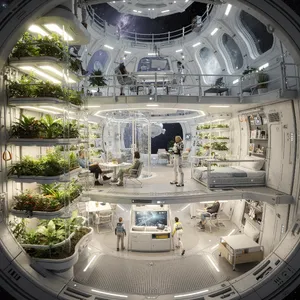
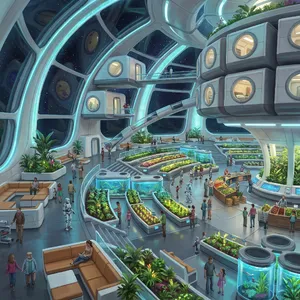
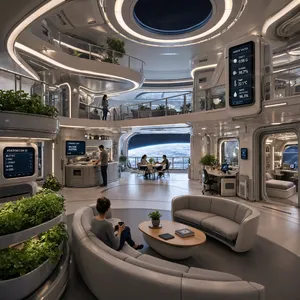
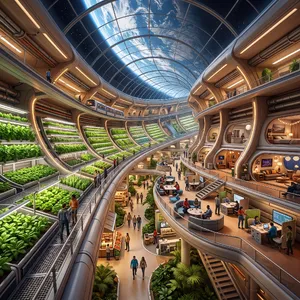
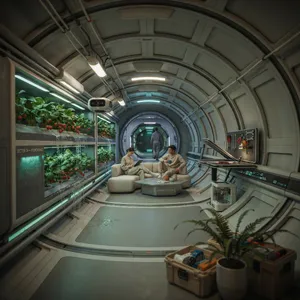
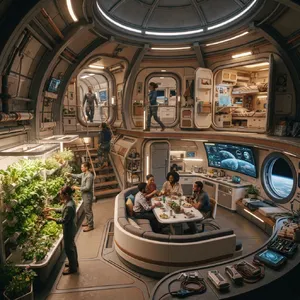
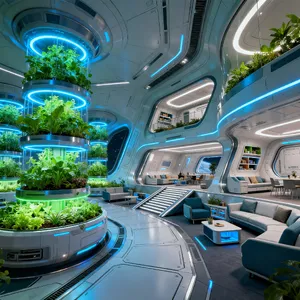
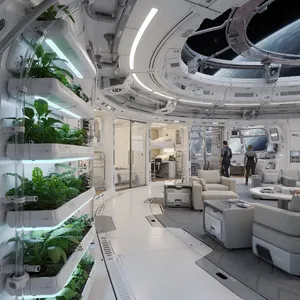
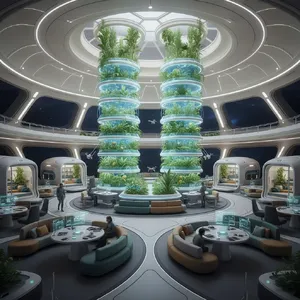
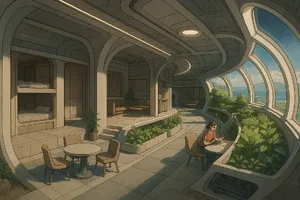
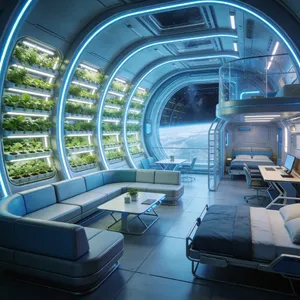
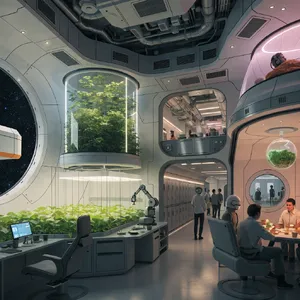
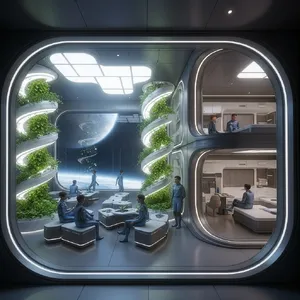
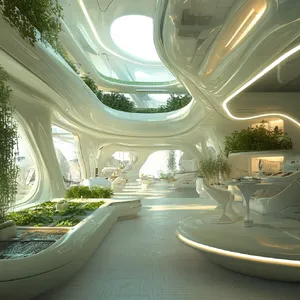
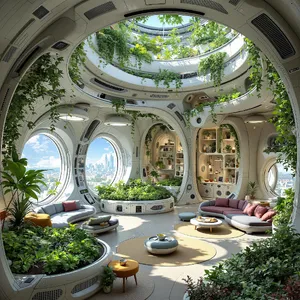
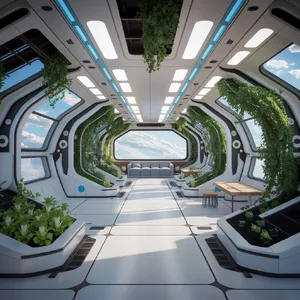
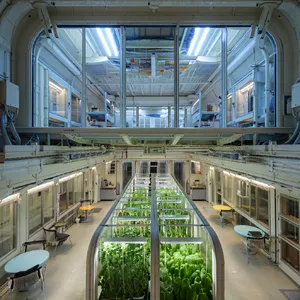
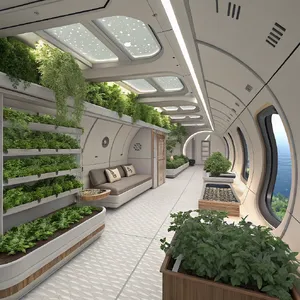
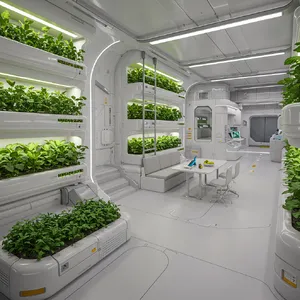
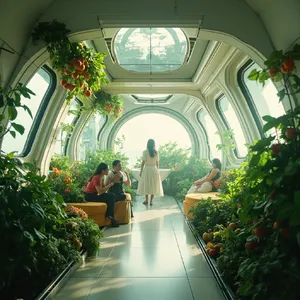
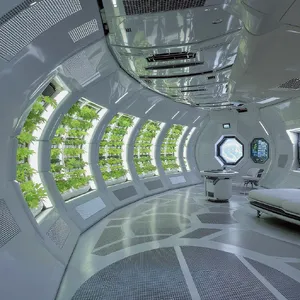
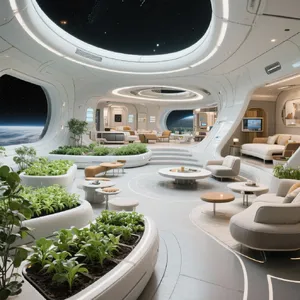
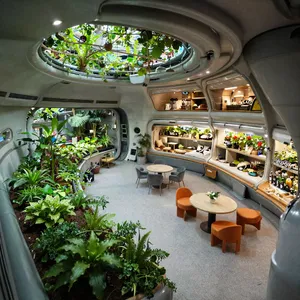
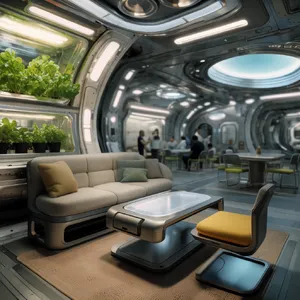
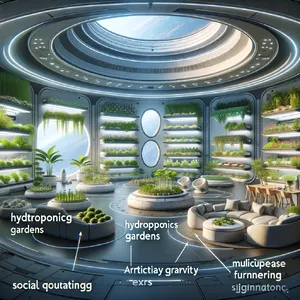
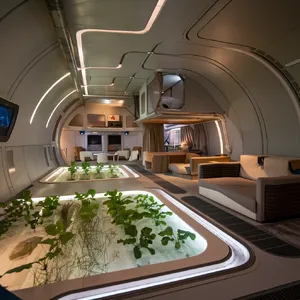
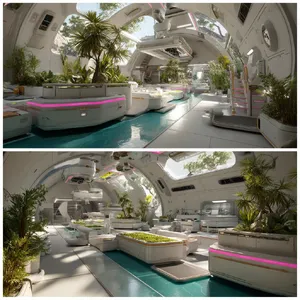
For imagining the future while keeping it functionally grounded (e.g., orbital habitats, sci-fi interiors):
- Top Picks: Qwen-Image-3.0-Pro and GPT Image 2.5 Sunburst.
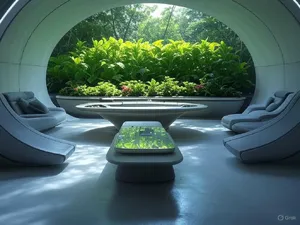
- Why: They successfully balance futuristic aesthetics with practical spatial logic, seamlessly rendering believable hydroponics and modular living quarters in the Space habitat challenge without letting the image dissolve into generic neon fantasy. 🌌