Summary for Surreal & Creative Prompts
Welcome to the analysis for the Surreal & Creative category! 🎨 This dataset pushes AI models to their absolute conceptual limits by demanding the blending of conflicting ideas, physics, and historical themes.
🏆 Top-Performing Models
📈 Major Trends
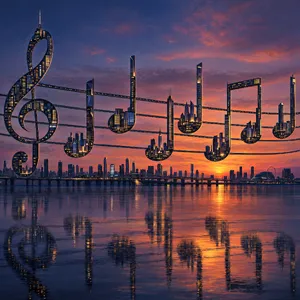
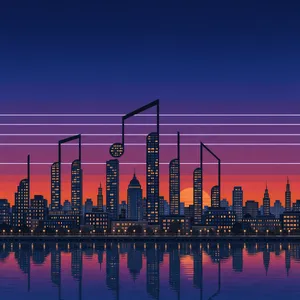
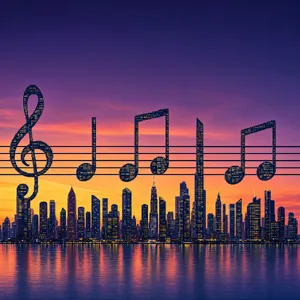
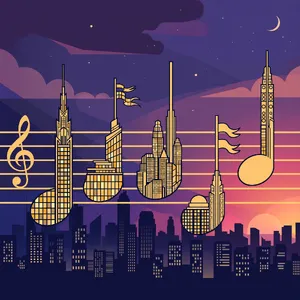
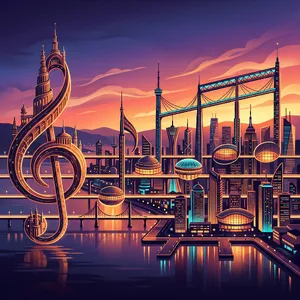
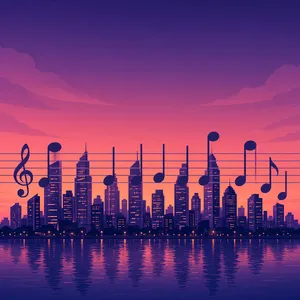
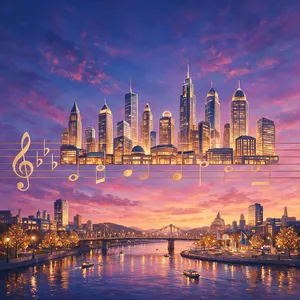
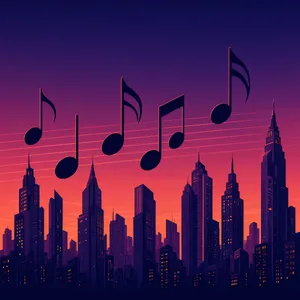
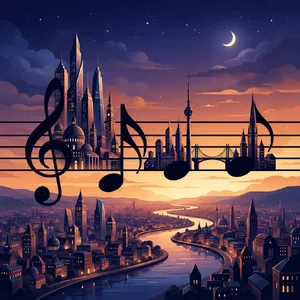
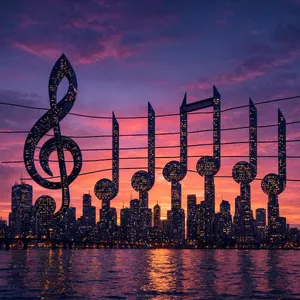
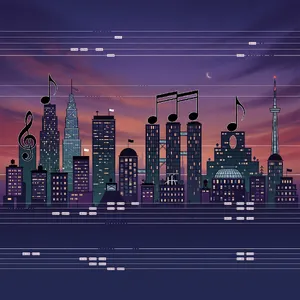
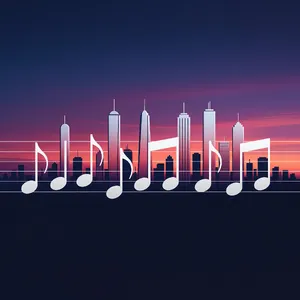
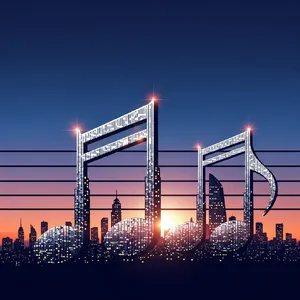
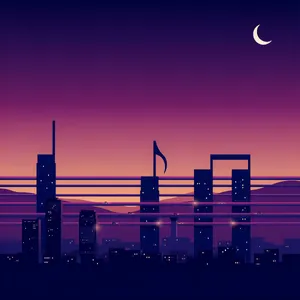
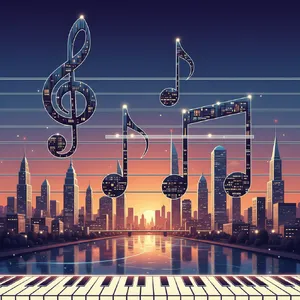
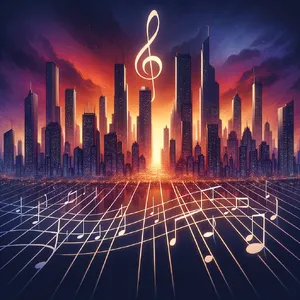
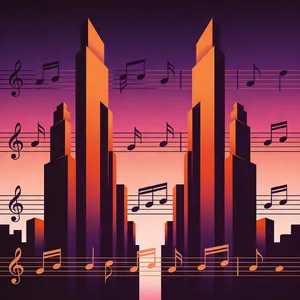
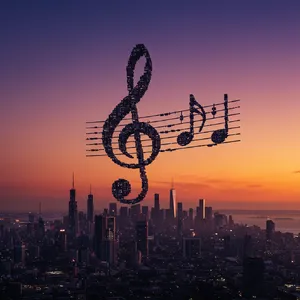
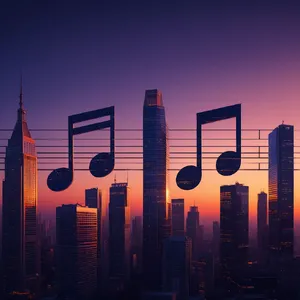
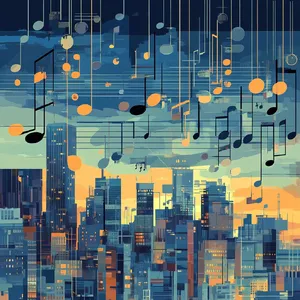
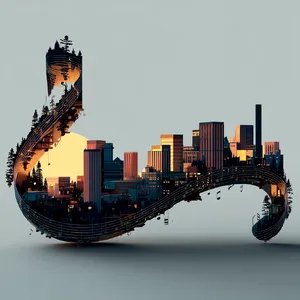
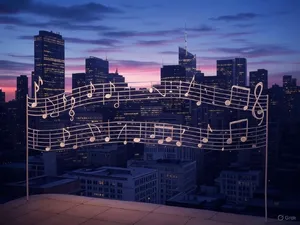
The most consistent dividing line in performance was the gap between overlaying and transforming. Top models successfully transmuted materials (e.g., making a skyline entirely out of musical notes), whereas lower-tier models simply placed discrete objects next to each other.
😲 Notable Discoveries
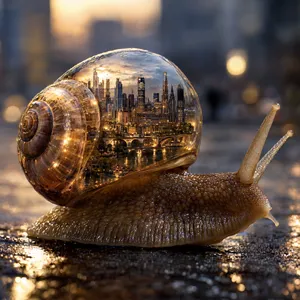
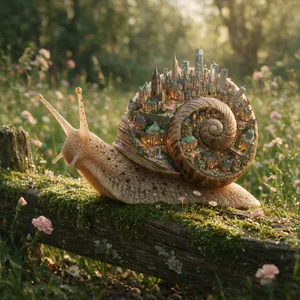
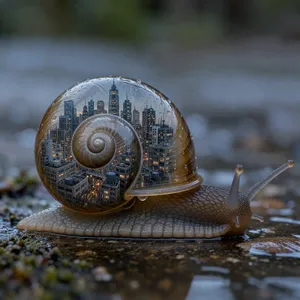
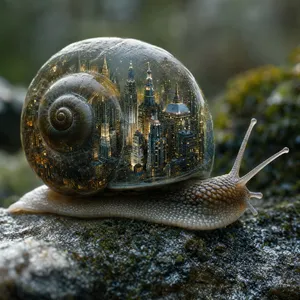
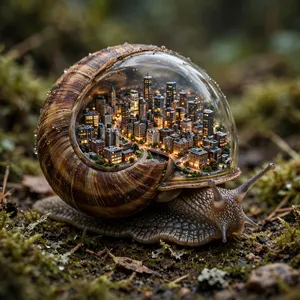
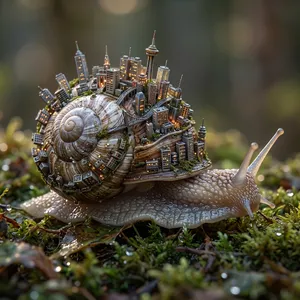
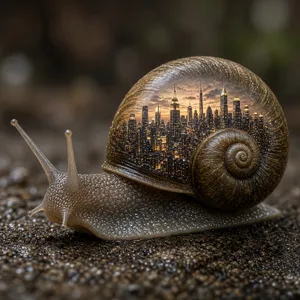
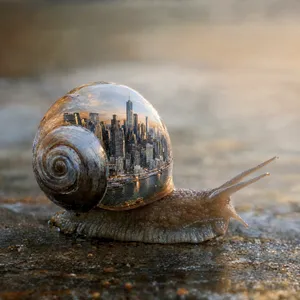
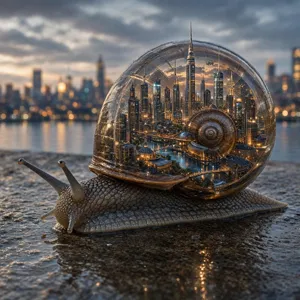
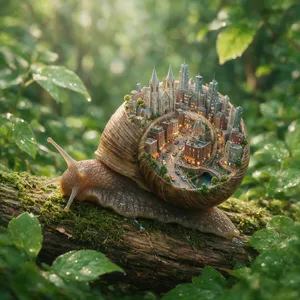
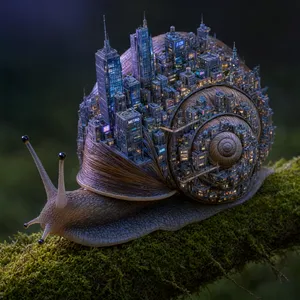
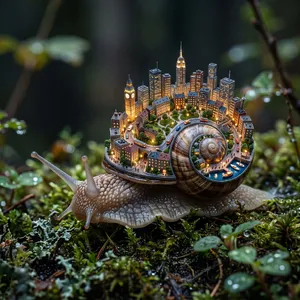
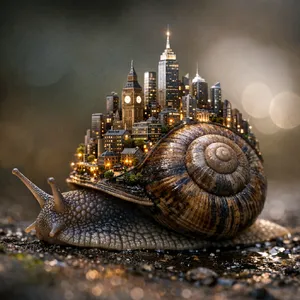
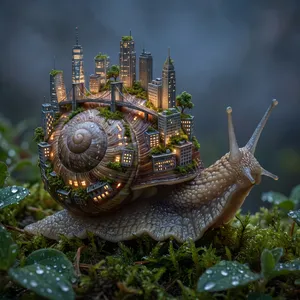
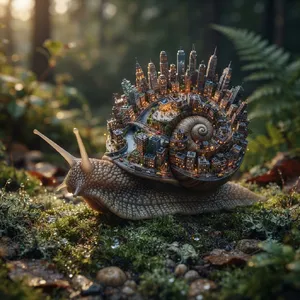
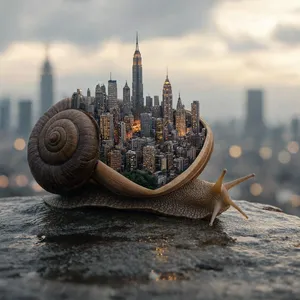
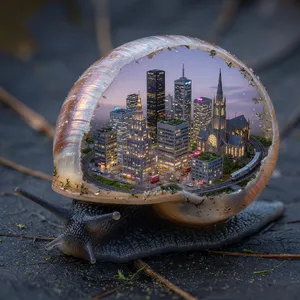
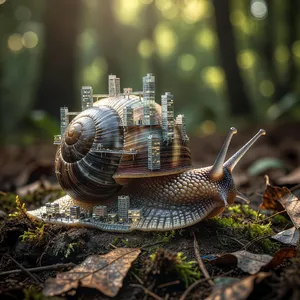
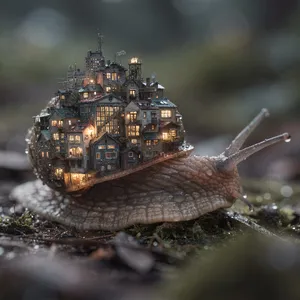
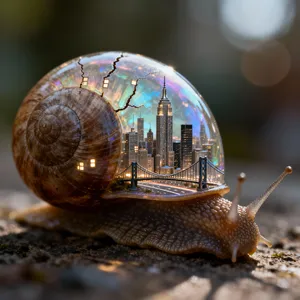
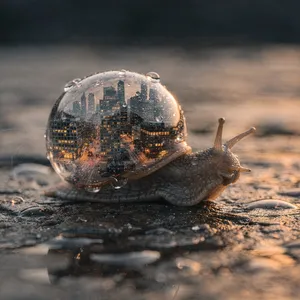
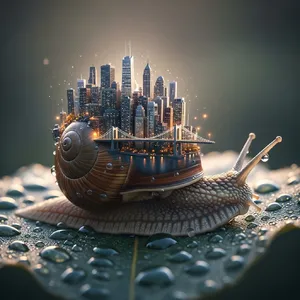
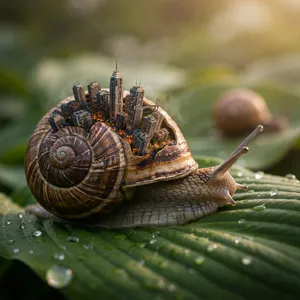
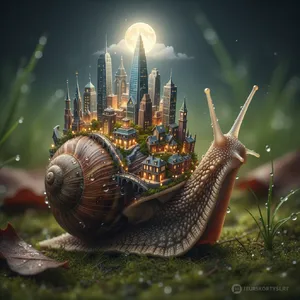
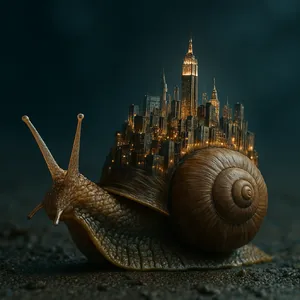
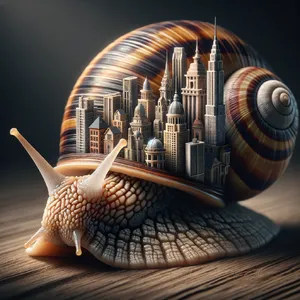
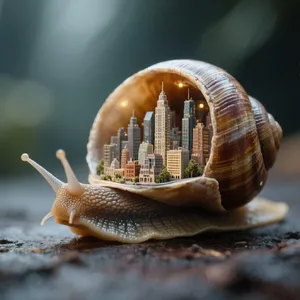
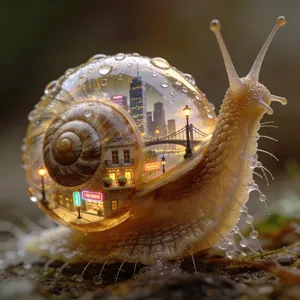
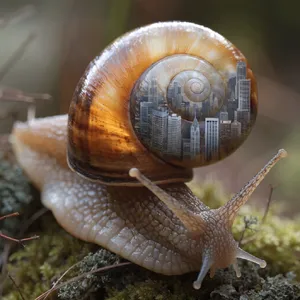
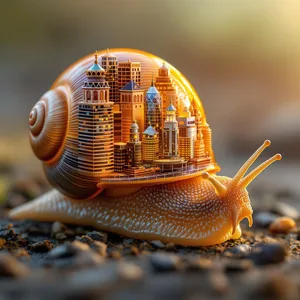
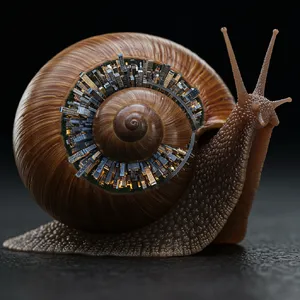
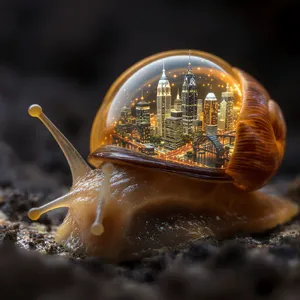
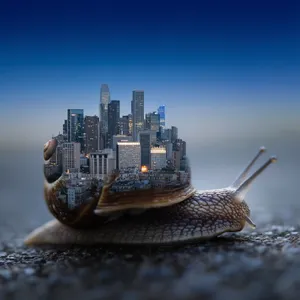
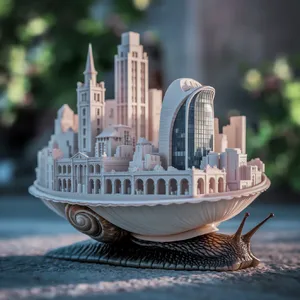
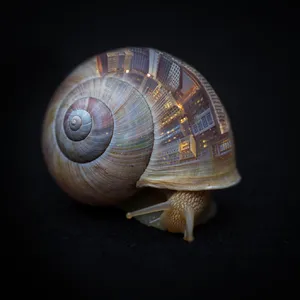
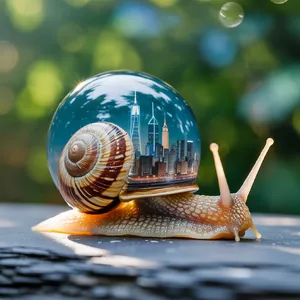
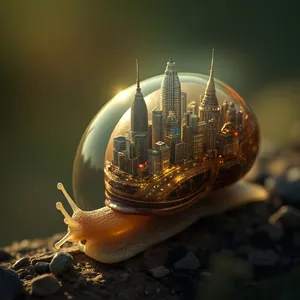
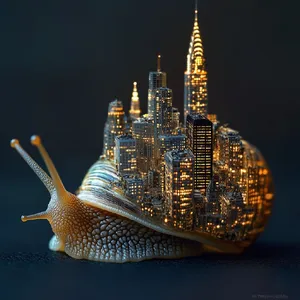
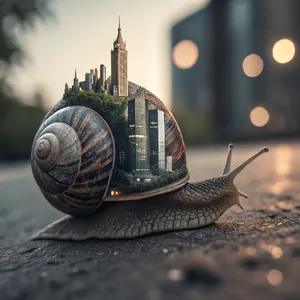
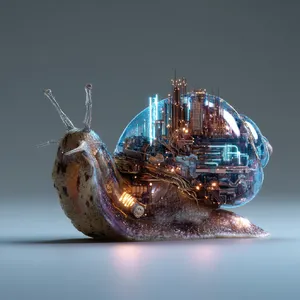
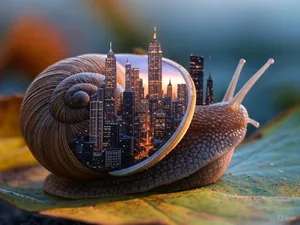
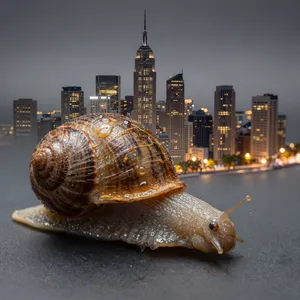
Even powerhouse technical models struggled with spatial logic when concepts clashed! For instance, in the Snail City prompt, many weaker models built cities on top of the snail rather than housed inside the shell (see Z-Image Turbo's attempt). True surreal coherence remains a massive hurdle for standard diffusion architectures.
General Analysis & Useful Insights
💪 Comparative Strengths
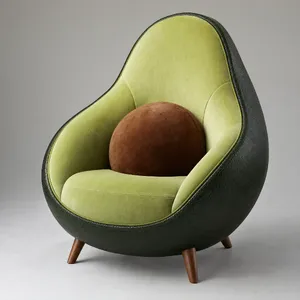
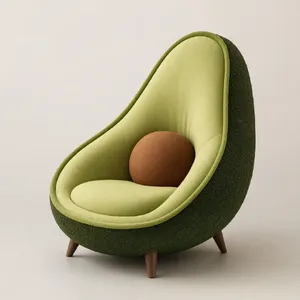
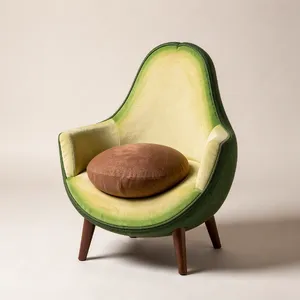
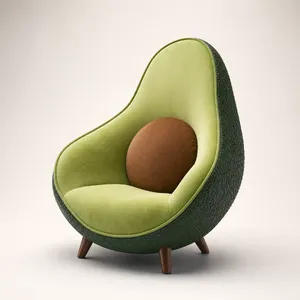
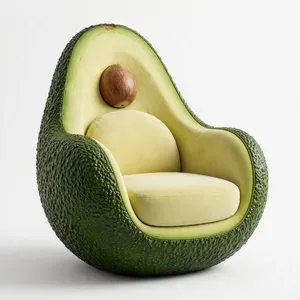
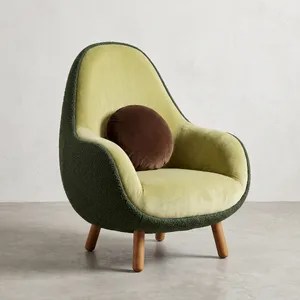
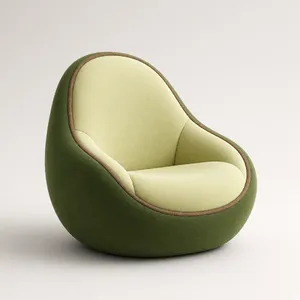
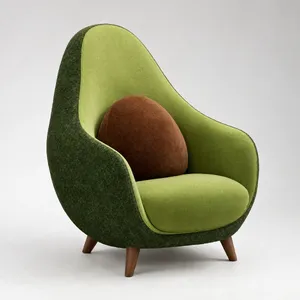
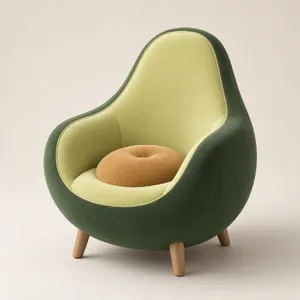
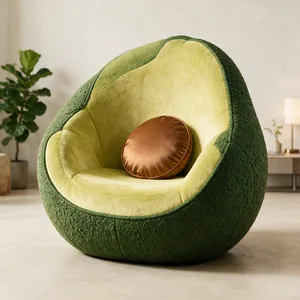
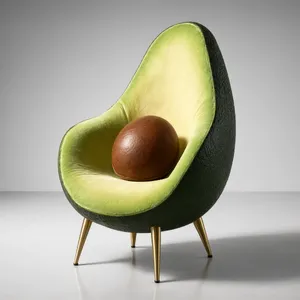
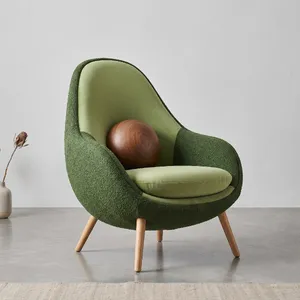
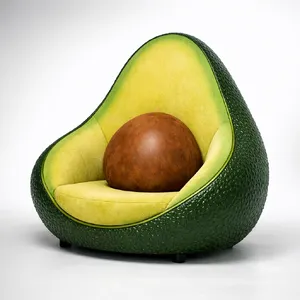
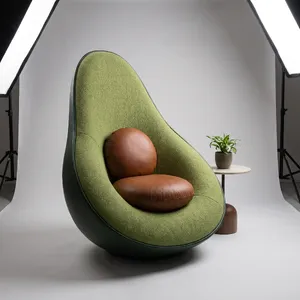
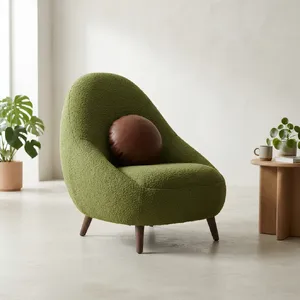
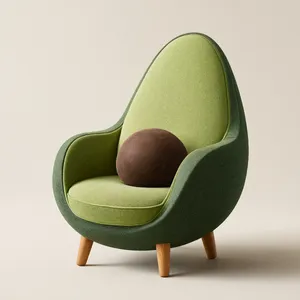
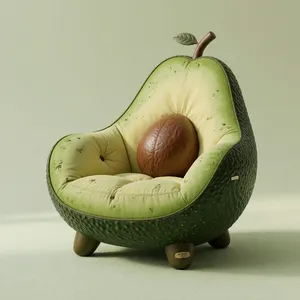
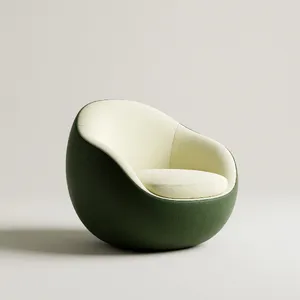
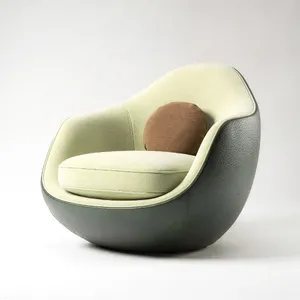
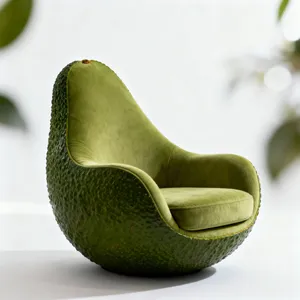
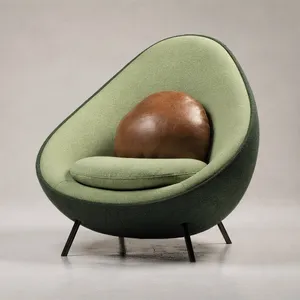
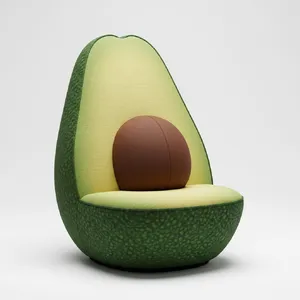
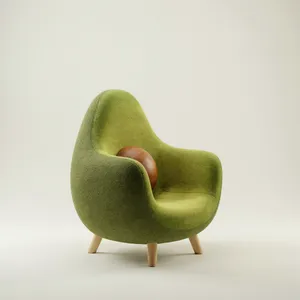
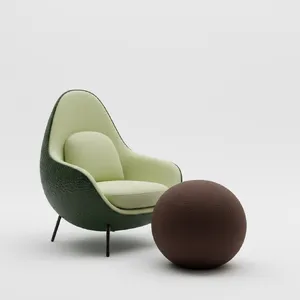
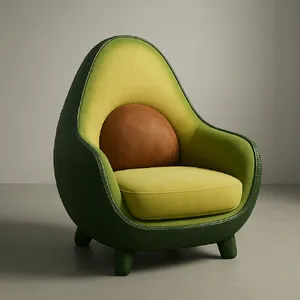
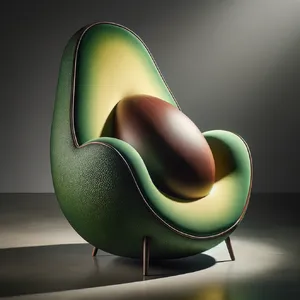
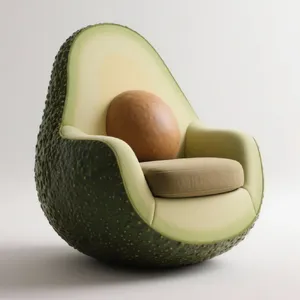
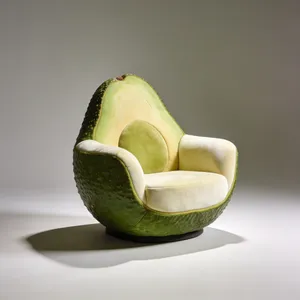
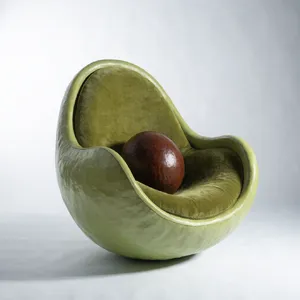
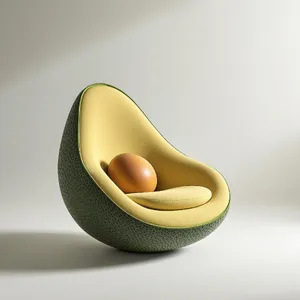
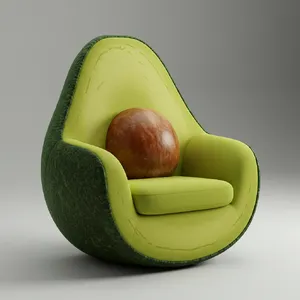
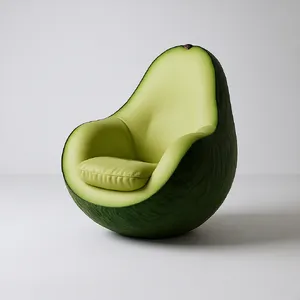
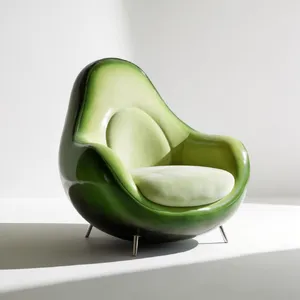
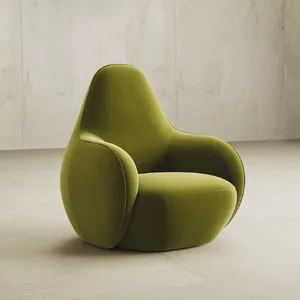
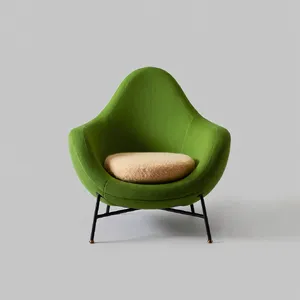
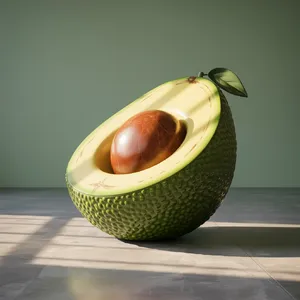
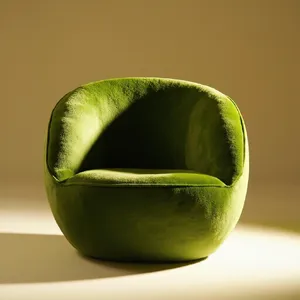
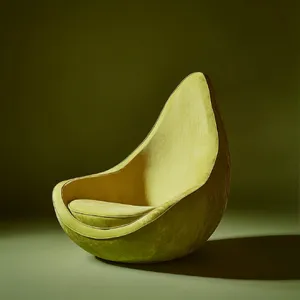
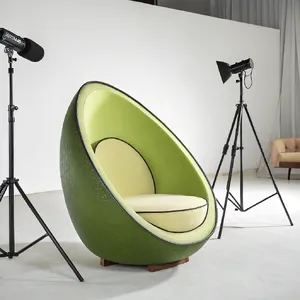
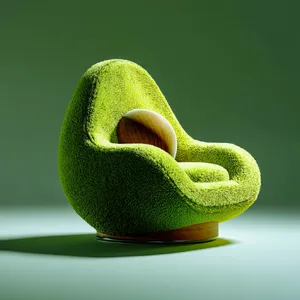
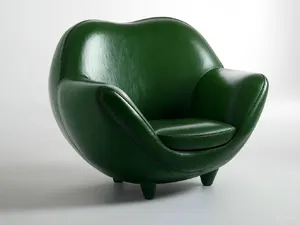
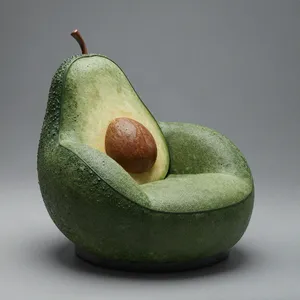
Models like GPT Image 2.5 Sunburst and Takumi 1 share a distinct strength: Material Coherence. When prompted for an Avocado Armchair, these models seamlessly transition between the pitted texture of avocado skin and the tailored seams of upholstery (see Avocado Armchair). They intuitively understand how a surreal concept should theoretically function in 3D space.
🌟 Distinguishing Quality Factors
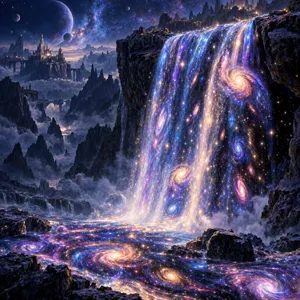
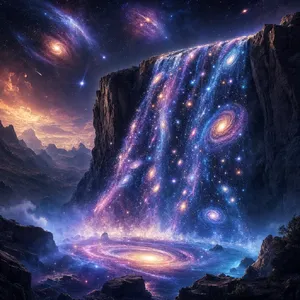
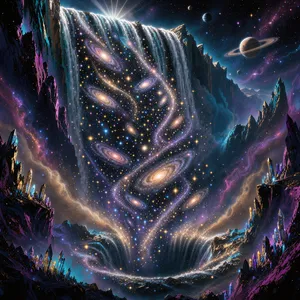
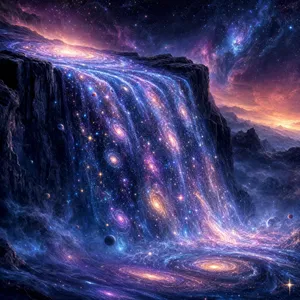
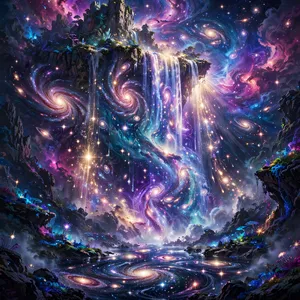
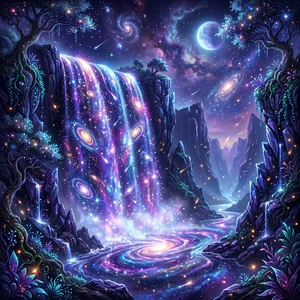
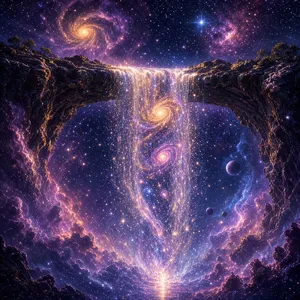
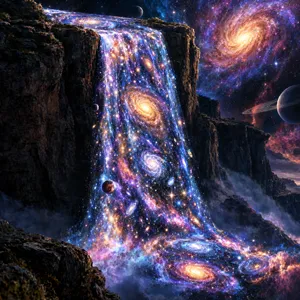
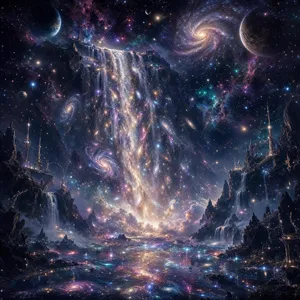
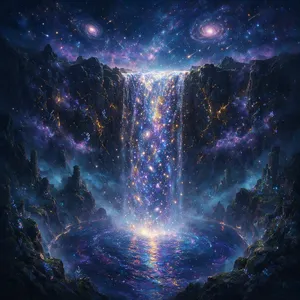
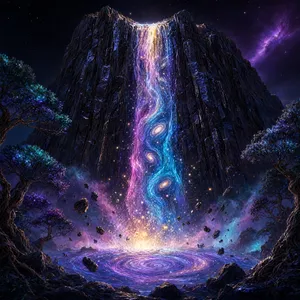
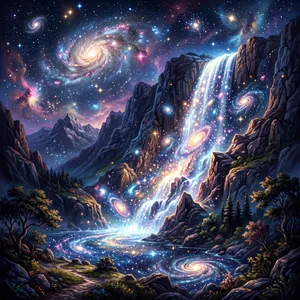
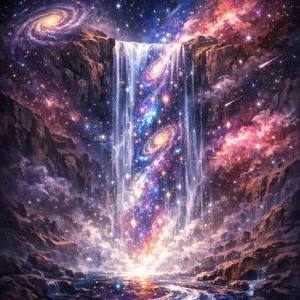
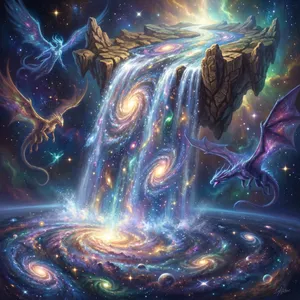
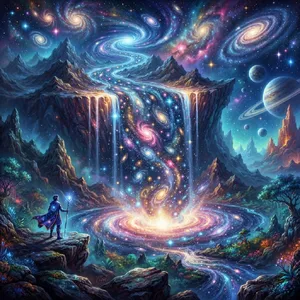
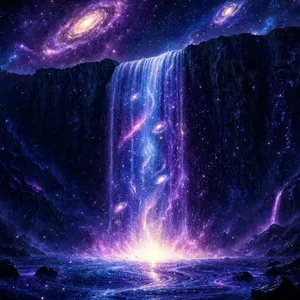
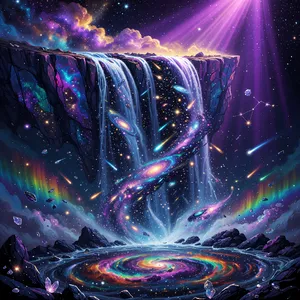
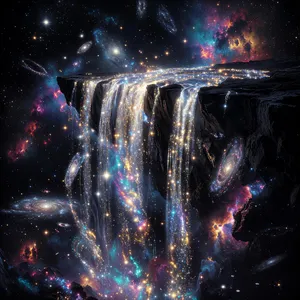
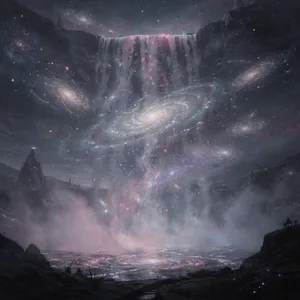
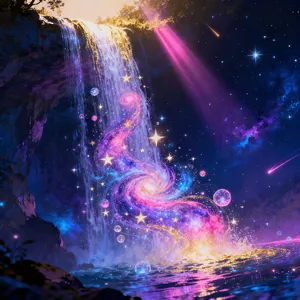
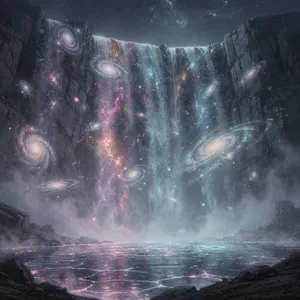
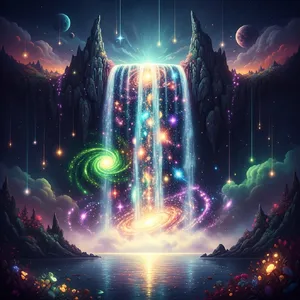
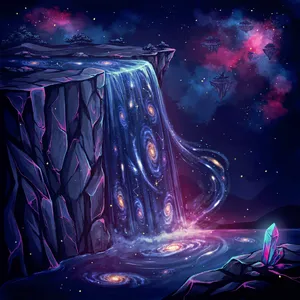
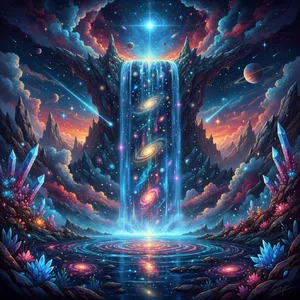
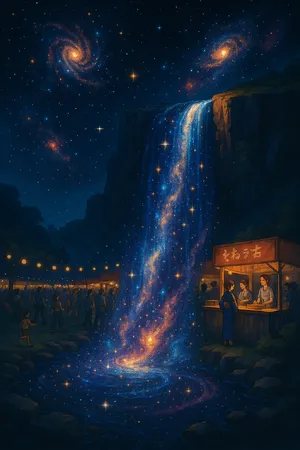
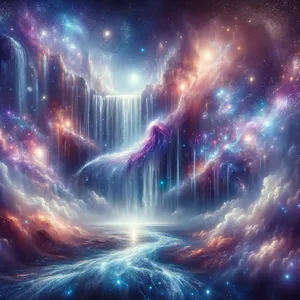
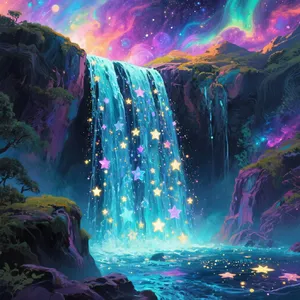
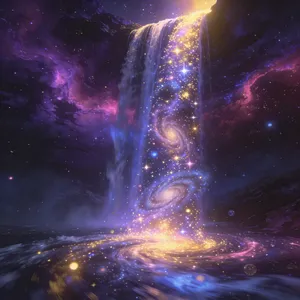
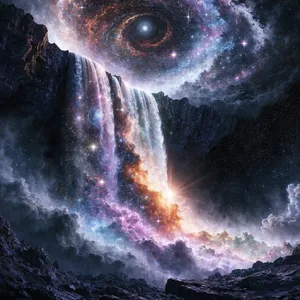
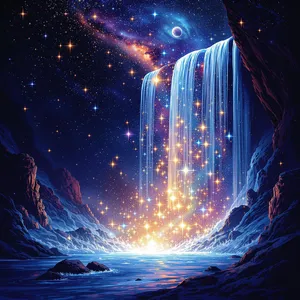
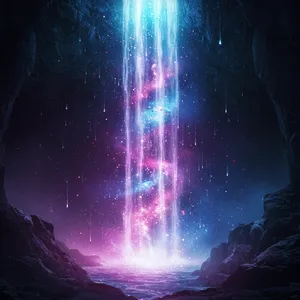
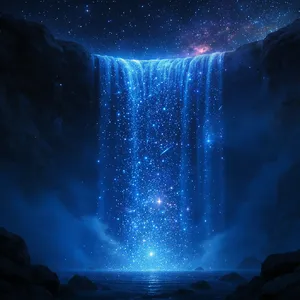
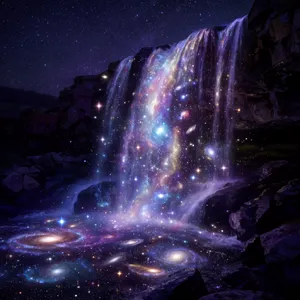
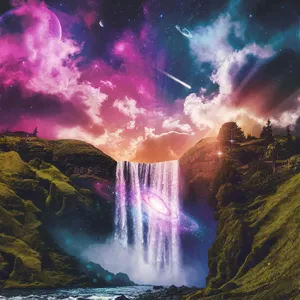
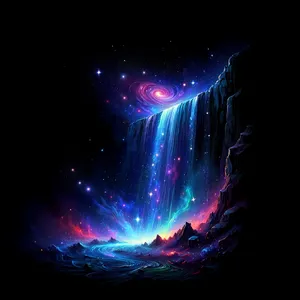
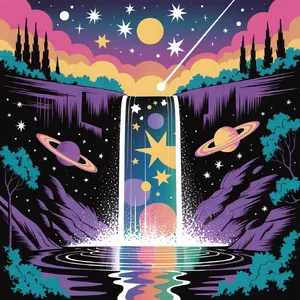
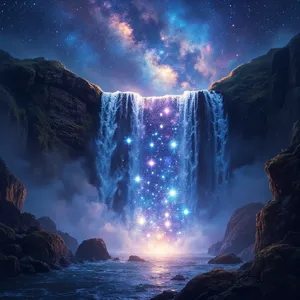
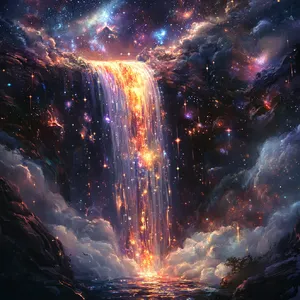
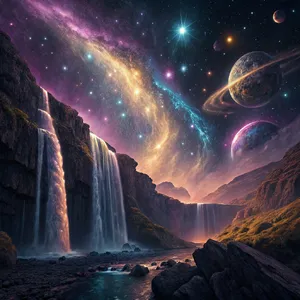
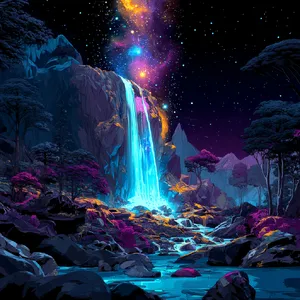
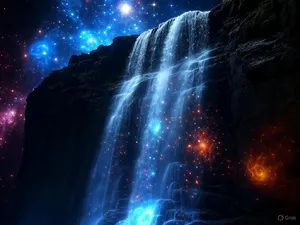
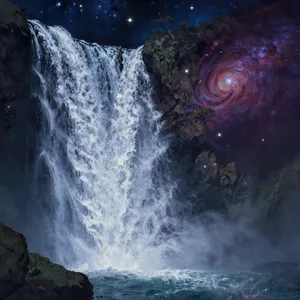
The best surreal generators excel at 'Atmospheric Glue.' In prompts like the Cosmic Waterfall, top performers used dramatic, luminous lighting to bind impossible galaxies to physical canyon walls, making the scene feel immersive rather than composited.
⚠️ Common Failure Modes
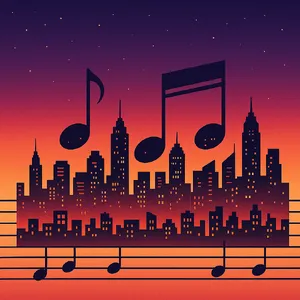
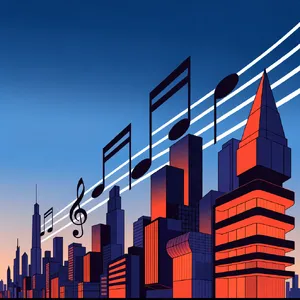
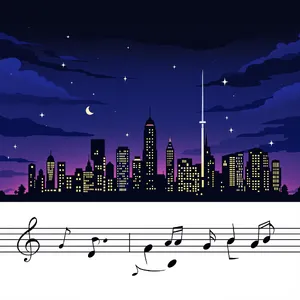
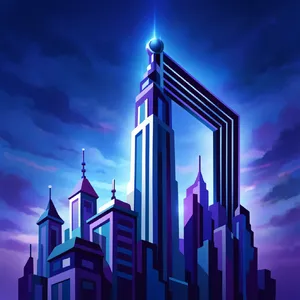
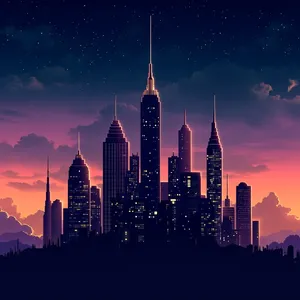
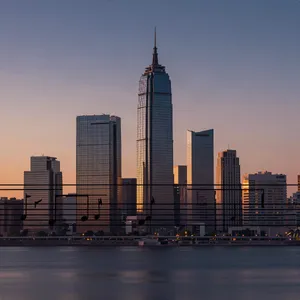
- The Collage Effect: Models like Ideogram 3.0 (Quality) or Recraft V3 often fell into the trap of 'clipping' elements together. For the Musical Skyline, many models just slapped a giant flat treble clef onto a generic city photo.
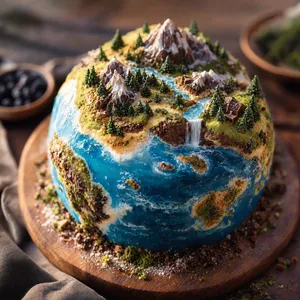
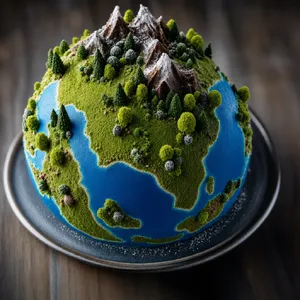
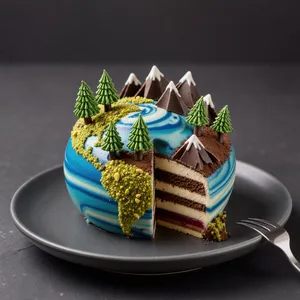
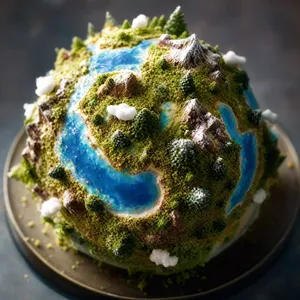
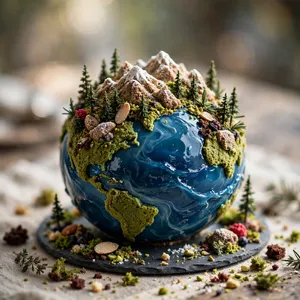
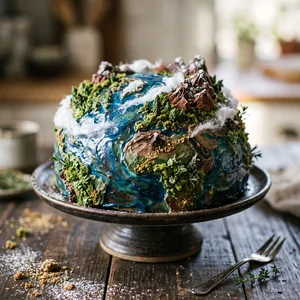
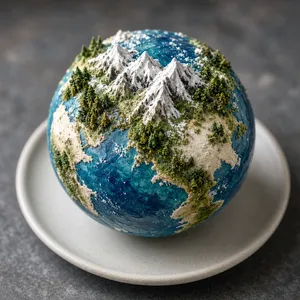
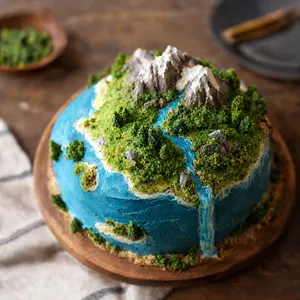
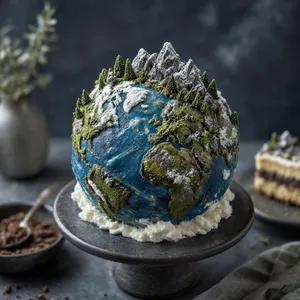
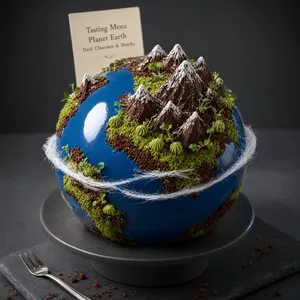
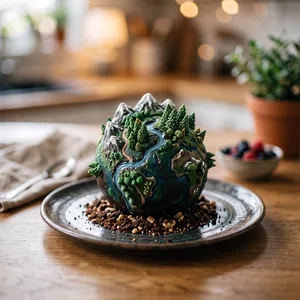
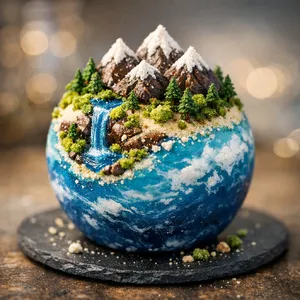
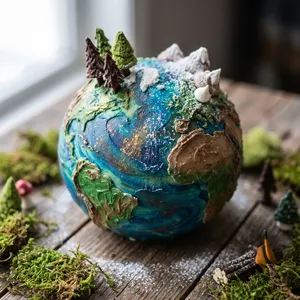
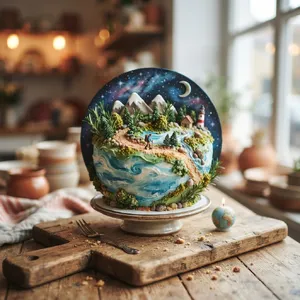
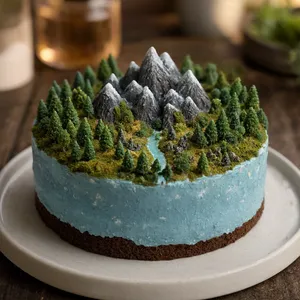
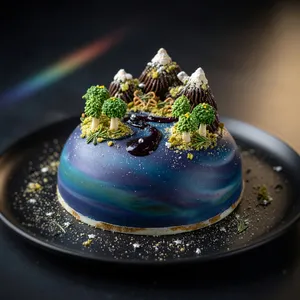
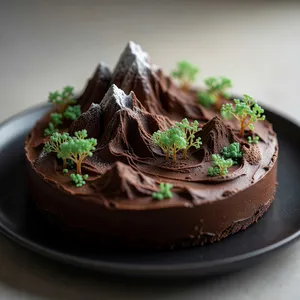
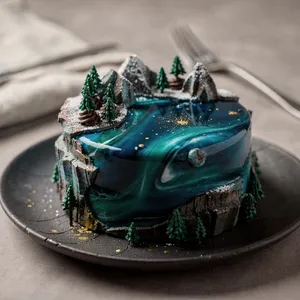
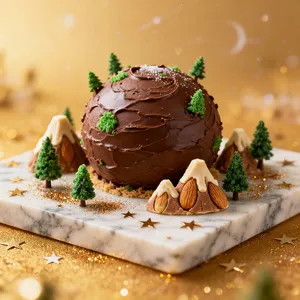
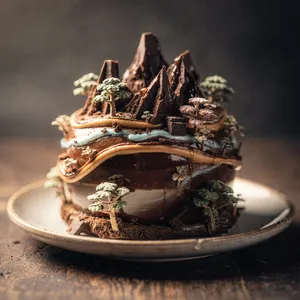
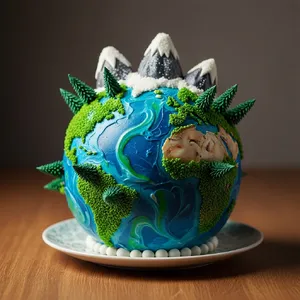
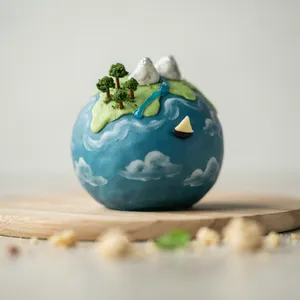
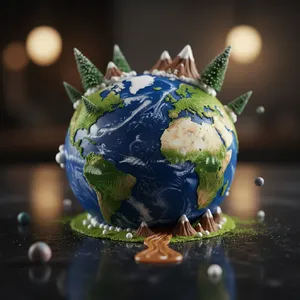
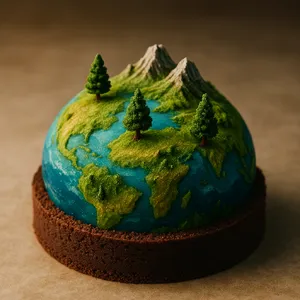
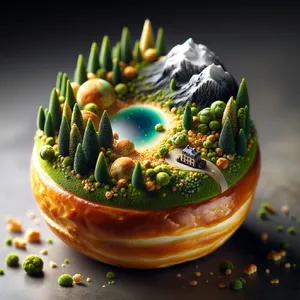
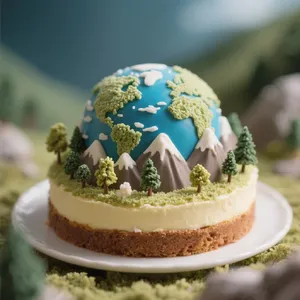
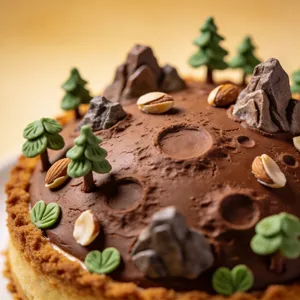
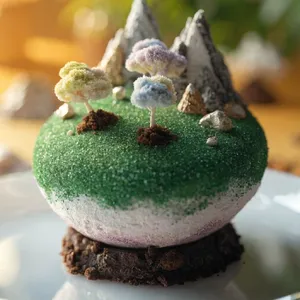
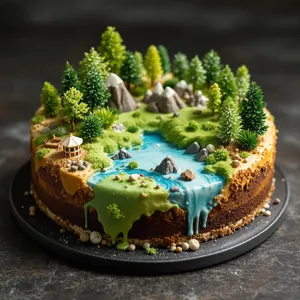
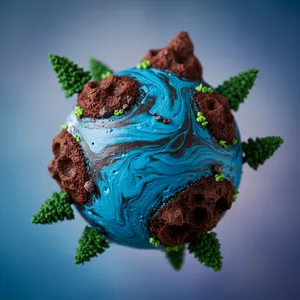
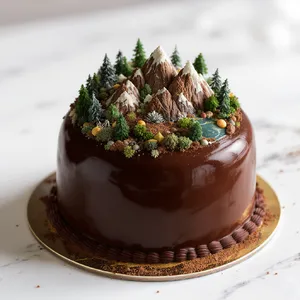
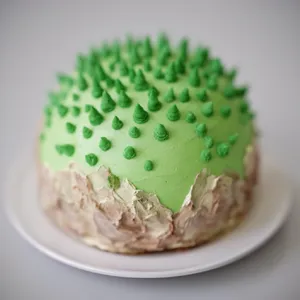
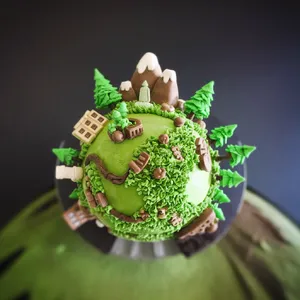
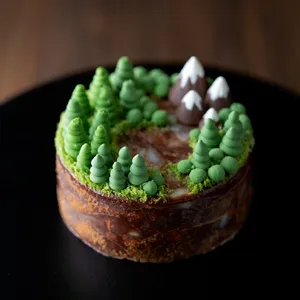
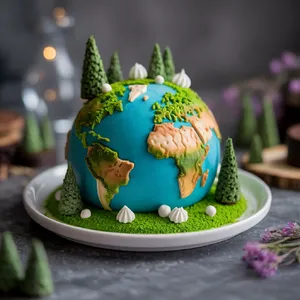
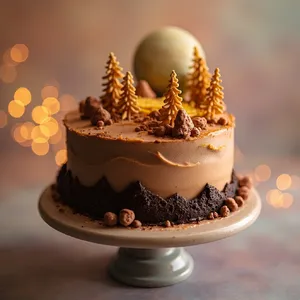
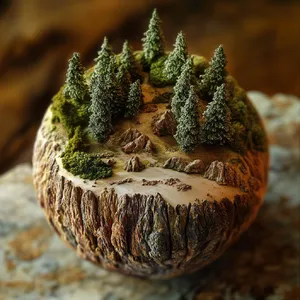
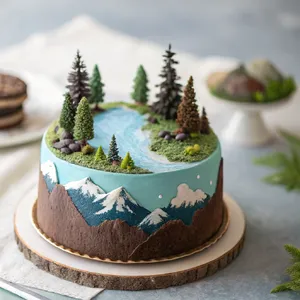
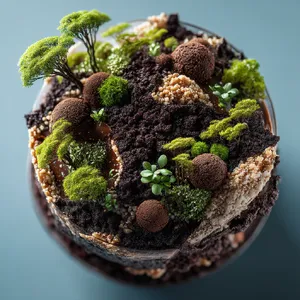
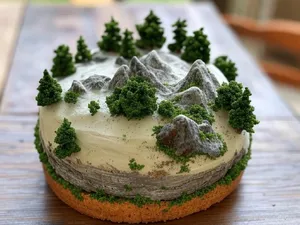
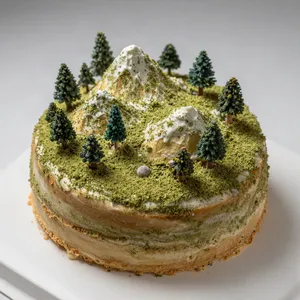
- Literalism vs. Imagination: In the Tiny Planet Cake challenge, some models just drew a normal cake. The AI prioritized the 'cake' token and discarded the 'tiny planet' morphology.
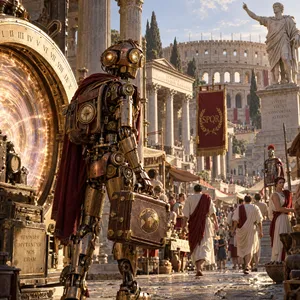
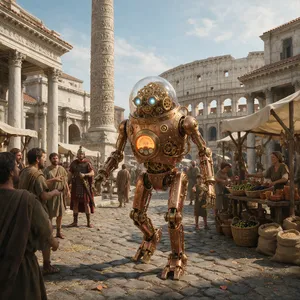
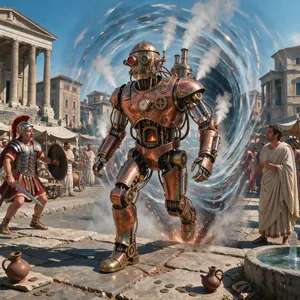
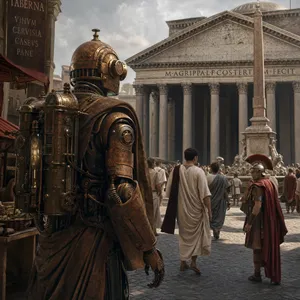
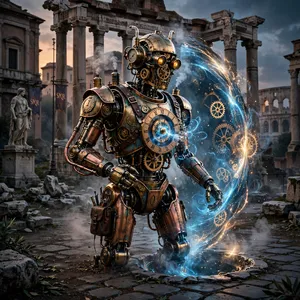
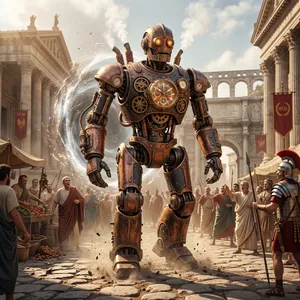
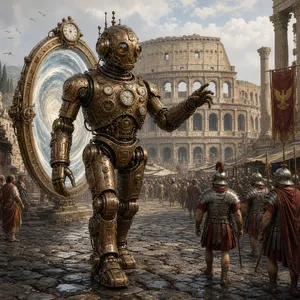
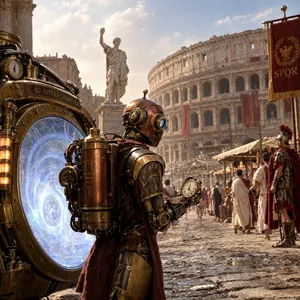
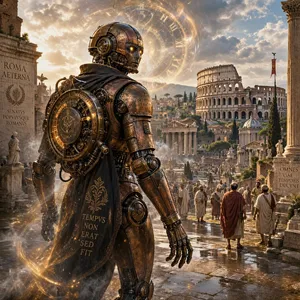
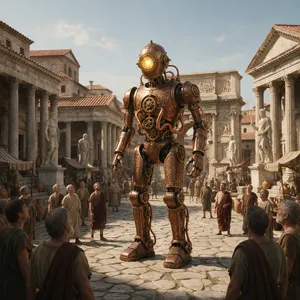
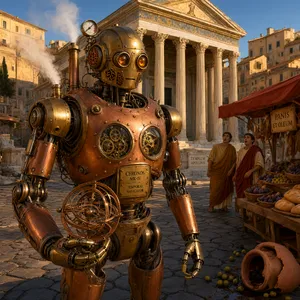
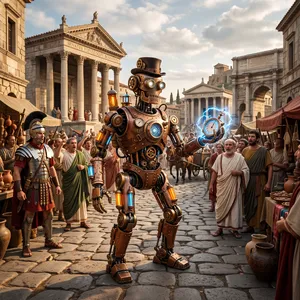
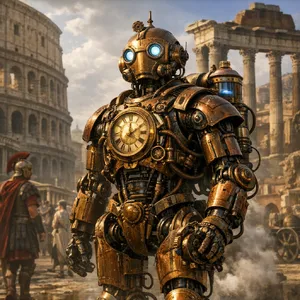
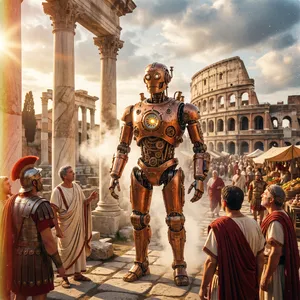
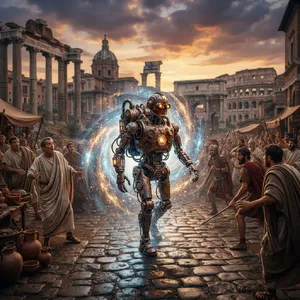
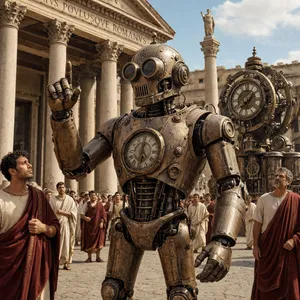
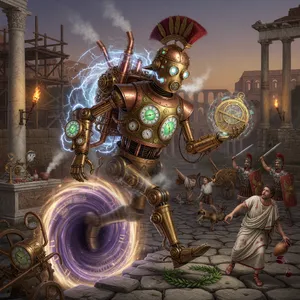
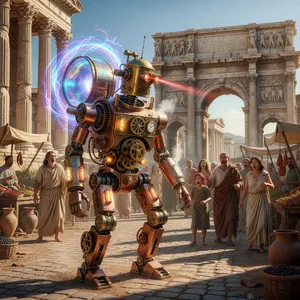
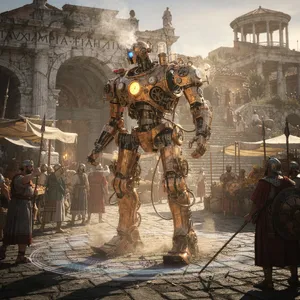
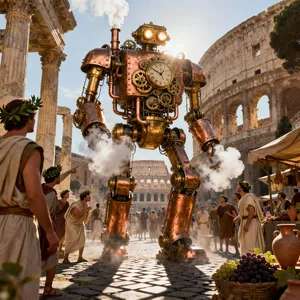
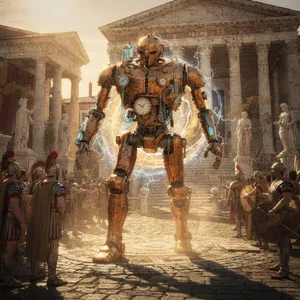
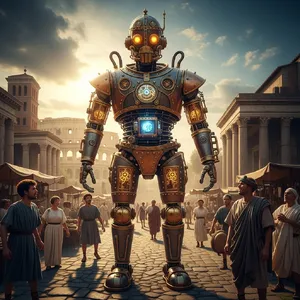
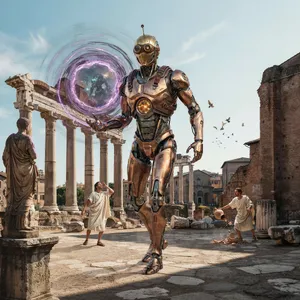
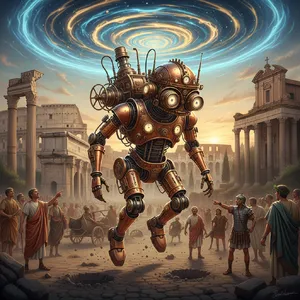
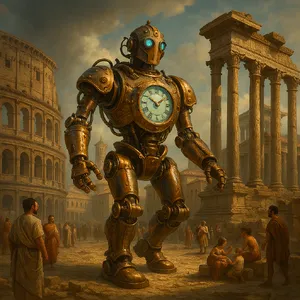
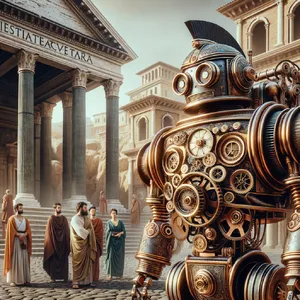
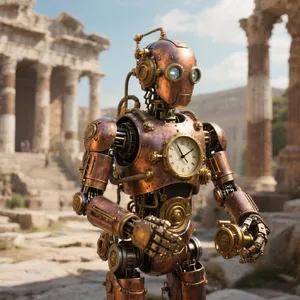
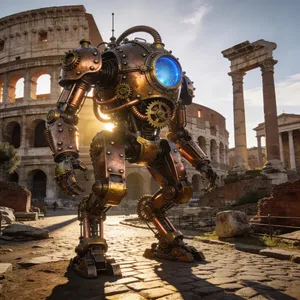
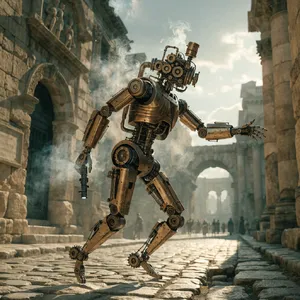
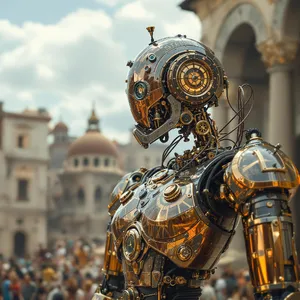
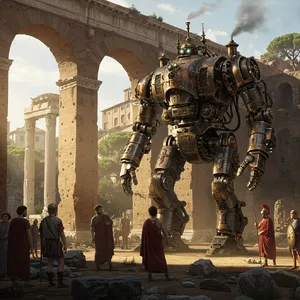
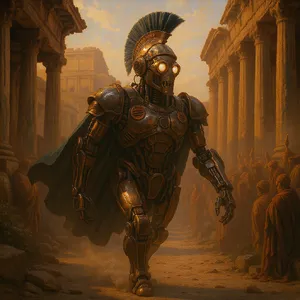
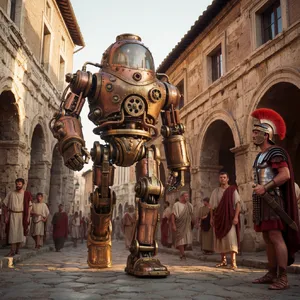
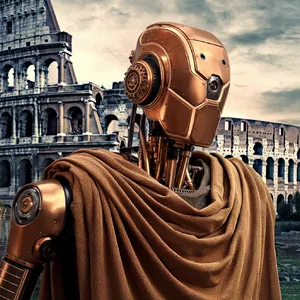
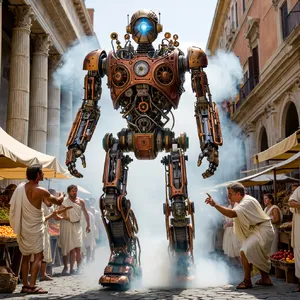
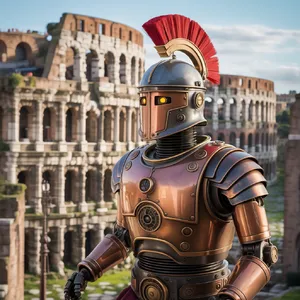
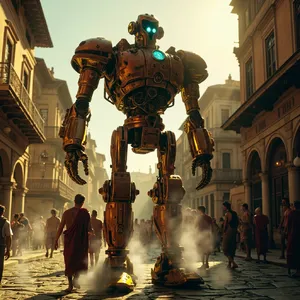
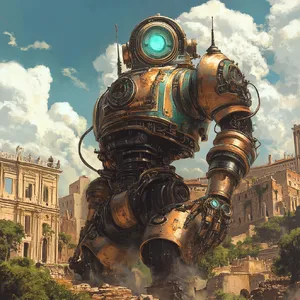
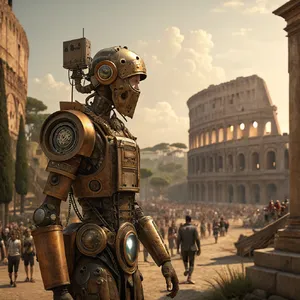
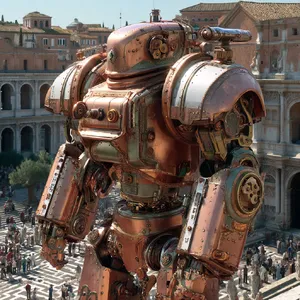
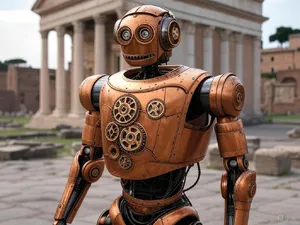
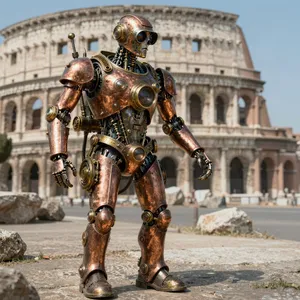
- Subject Dilution: Trying to blend too many concepts (e.g., Steampunk Rome) often resulted in anachronistic messes. Weaker models failed to depict 'ancient' Rome, opting instead for a modern ruined Colosseum populated with modern tourists.
Best Model Analysis by Use Case
🛋️ Object Mashups & Product Surreality
For blending two distinct physical objects (e.g., fruit and furniture, or food and planets), GPT Image 2.5 Sunburst and Nano Banana 2.1 are top-tier. They excel at maintaining photorealism while twisting morphology.
Recommendation: Use these models for creative product design, advertising mockups, or surreal food photography.
🌌 Ethereal & Elemental Magic
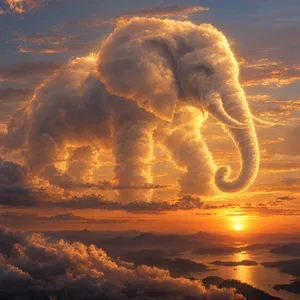
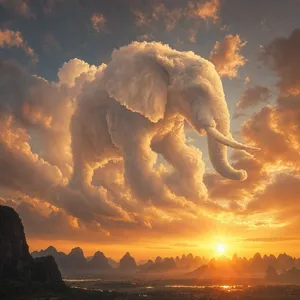
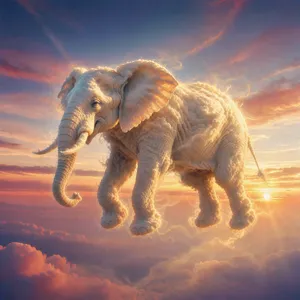
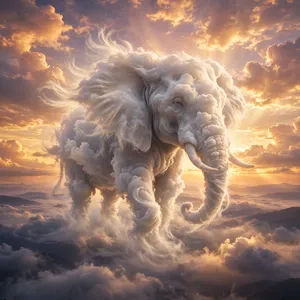
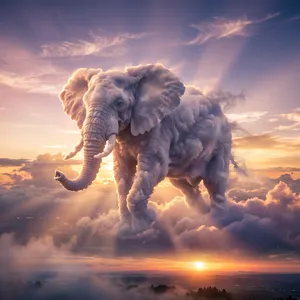
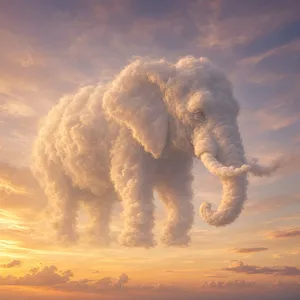
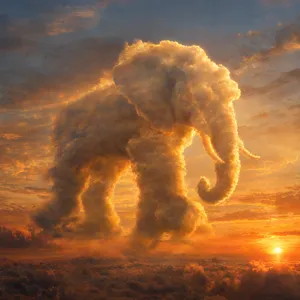
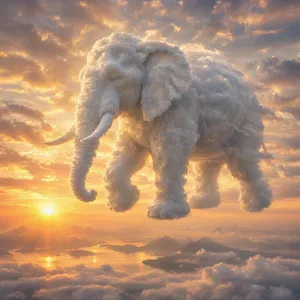
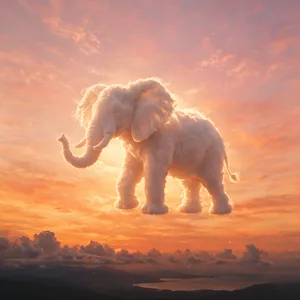
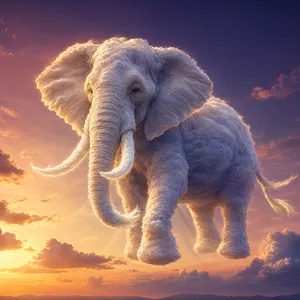
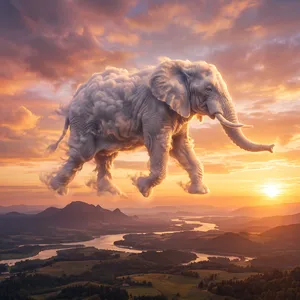
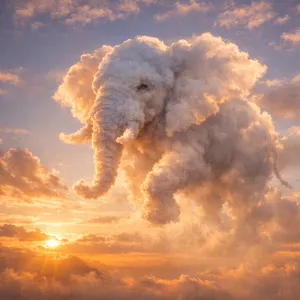
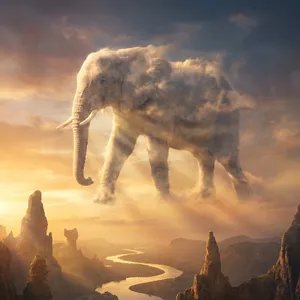
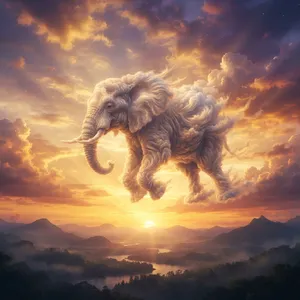
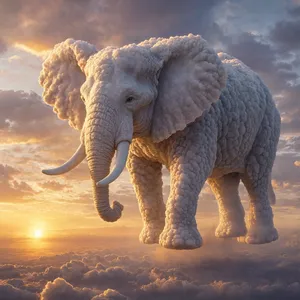
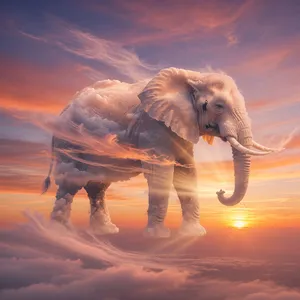
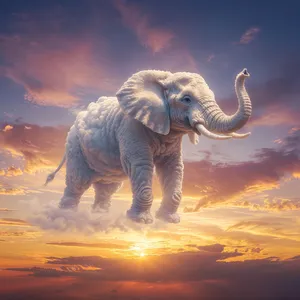
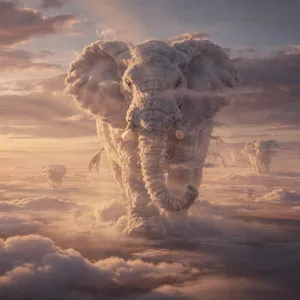
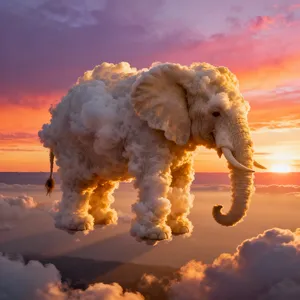
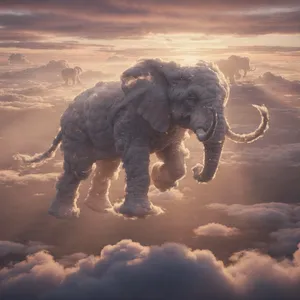
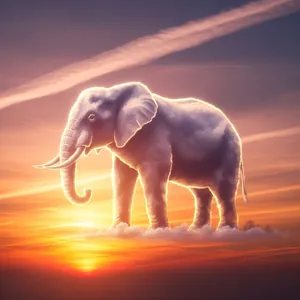
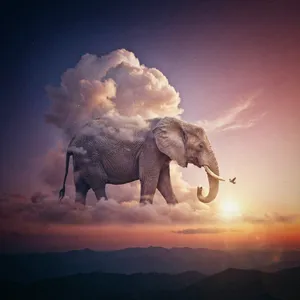
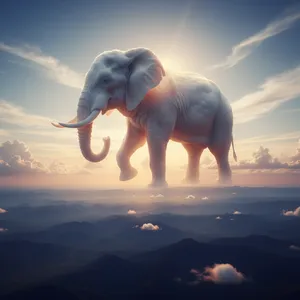
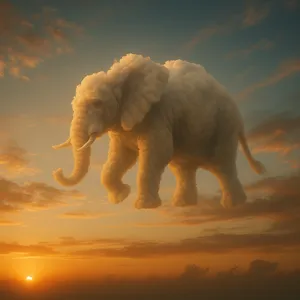
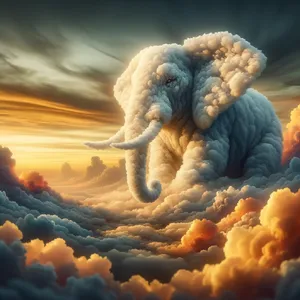
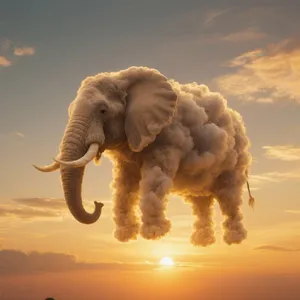
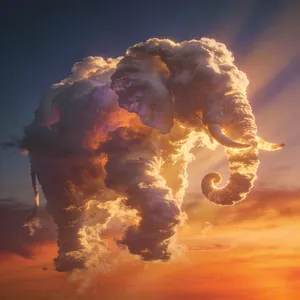
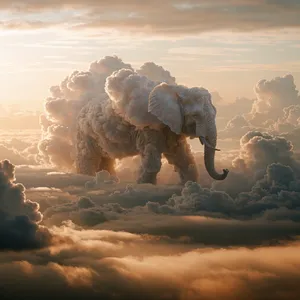
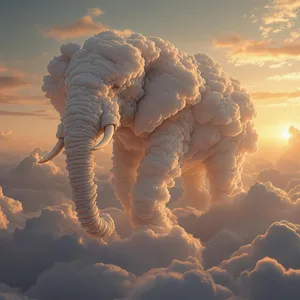
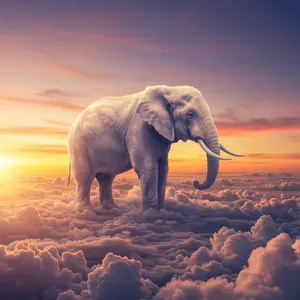
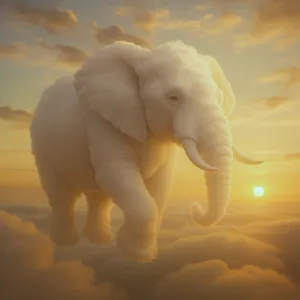
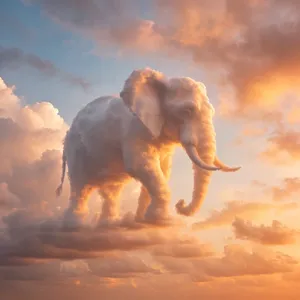
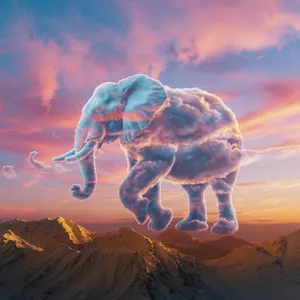
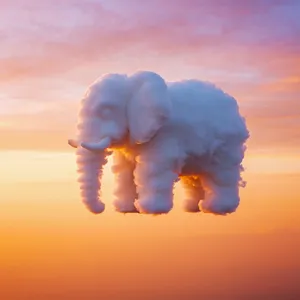
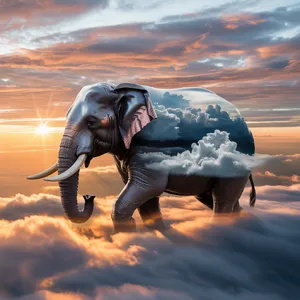
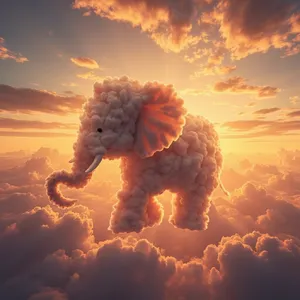
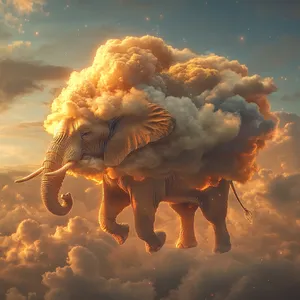
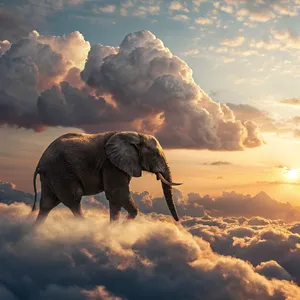
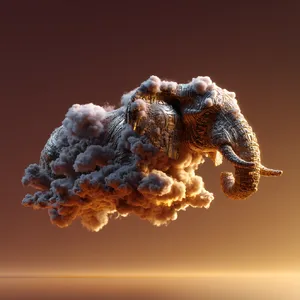
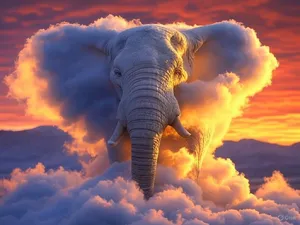
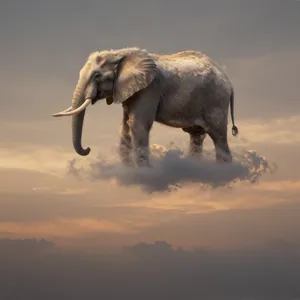
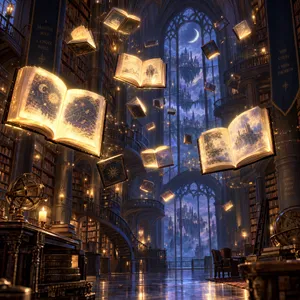
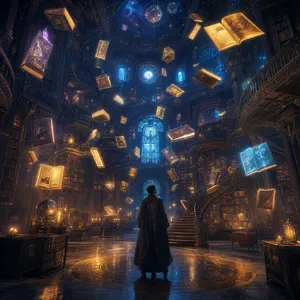
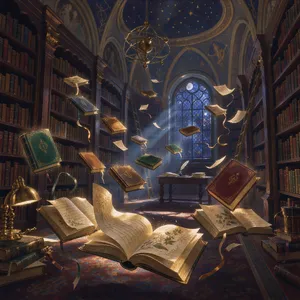
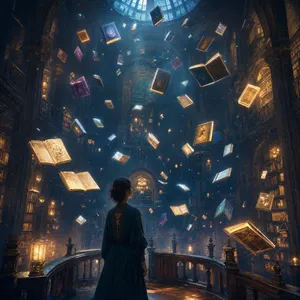
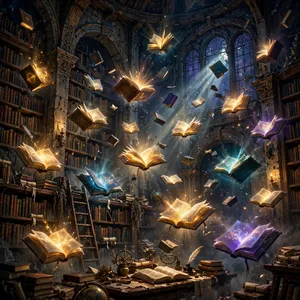
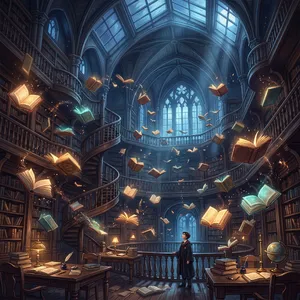
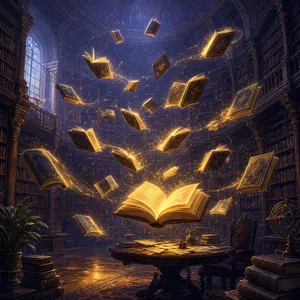
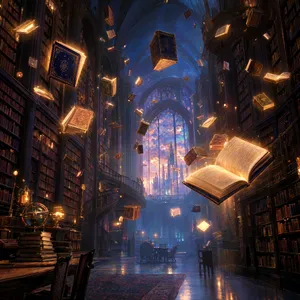
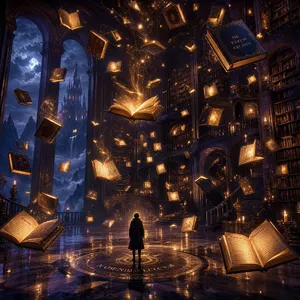
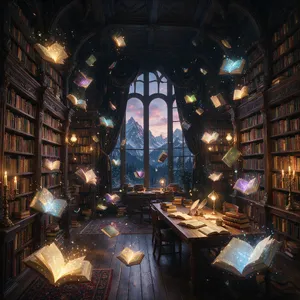
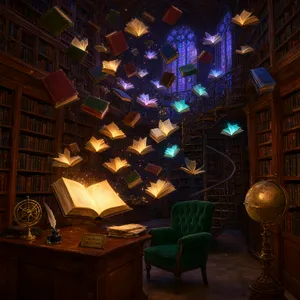
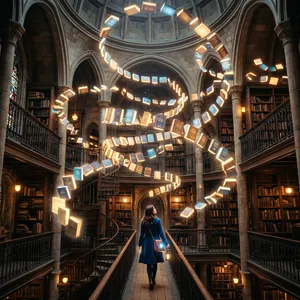
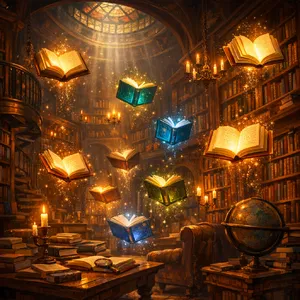
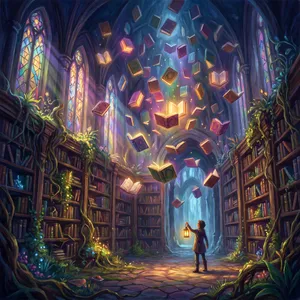
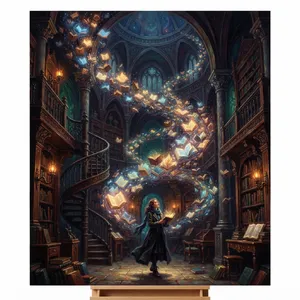
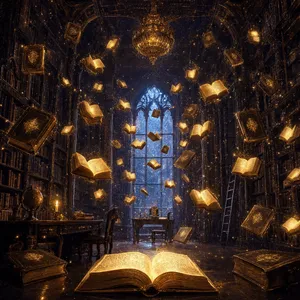
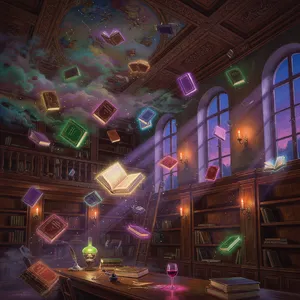
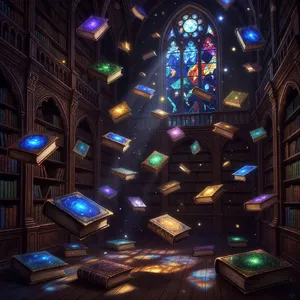
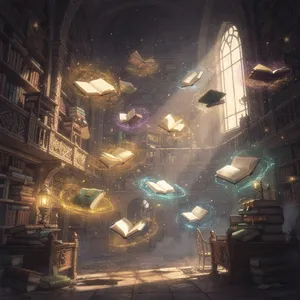
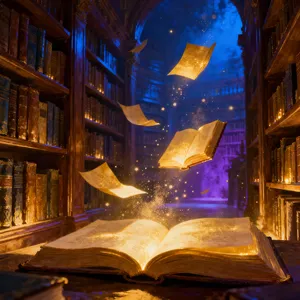
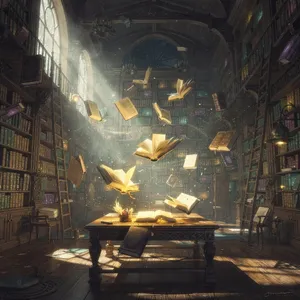
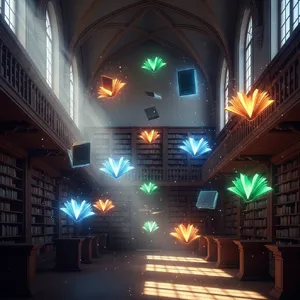
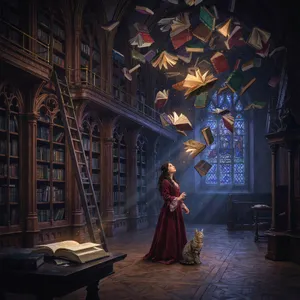
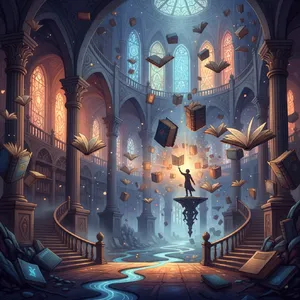
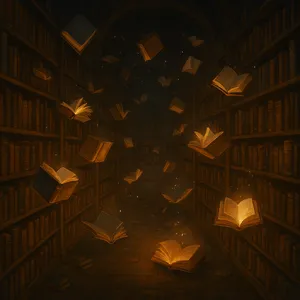
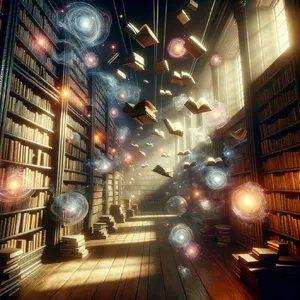
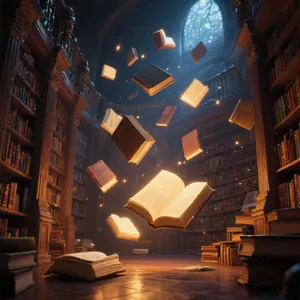
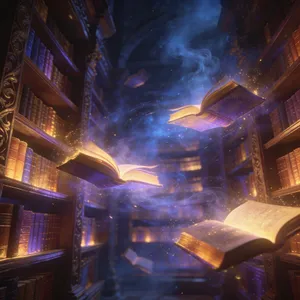
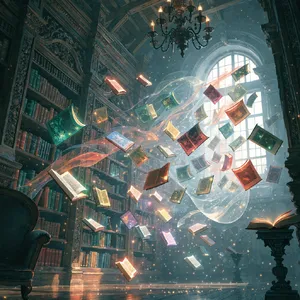
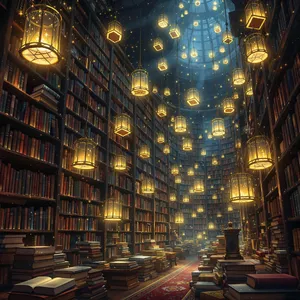
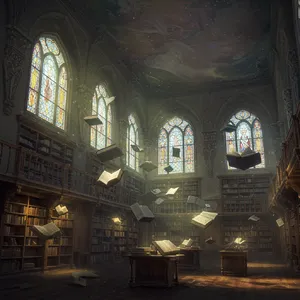
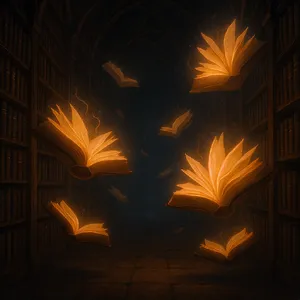
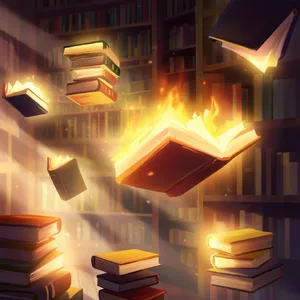
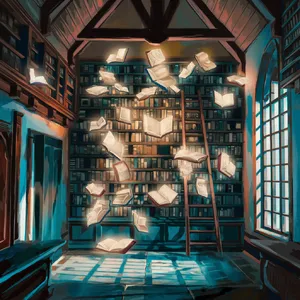
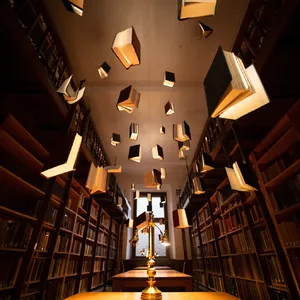
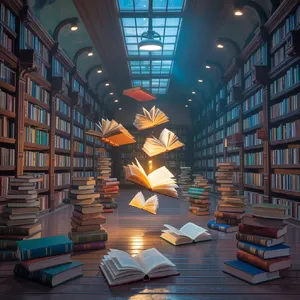
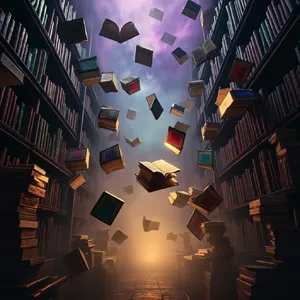
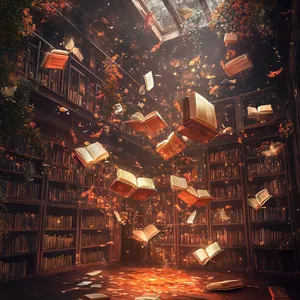
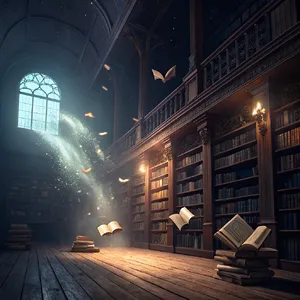
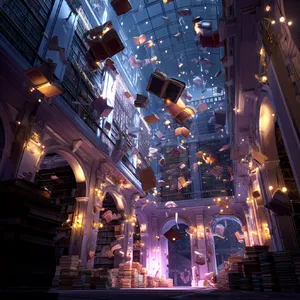
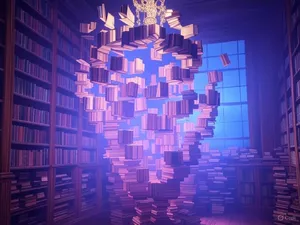
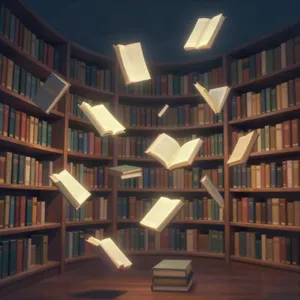
When dealing with glowing elements, floating objects, or atmospheric vapor (like the Cloud Elephant or Floating Books), MAI-Image-2.6 and Muse Image shine. They handle complex lighting setups and magical realism beautifully without destroying the core subject's definition.
Recommendation: Ideal for fantasy book covers, concept art, and magical realism scenes.
🕰️ Thematic & Historical Blending
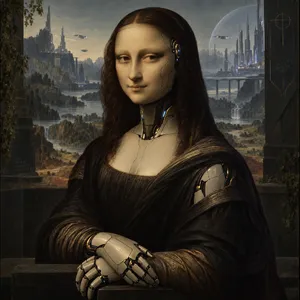
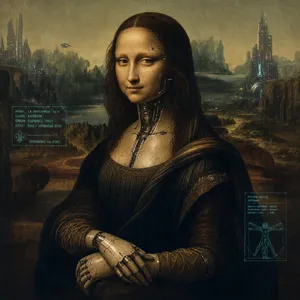
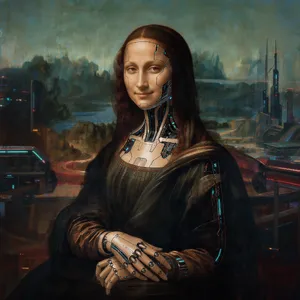
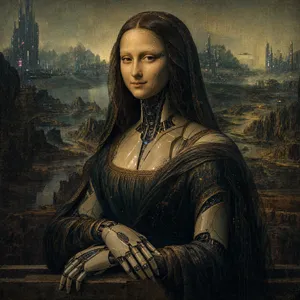
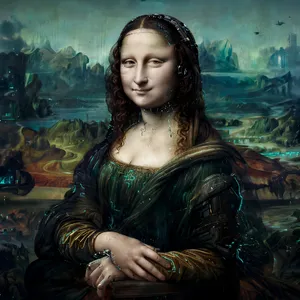
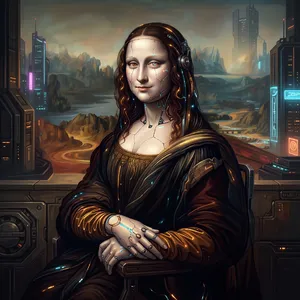
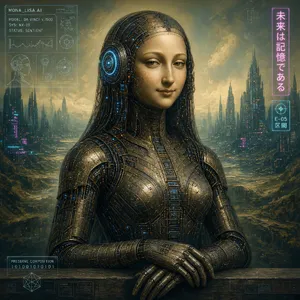
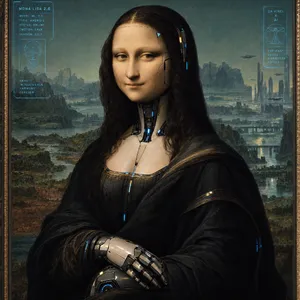
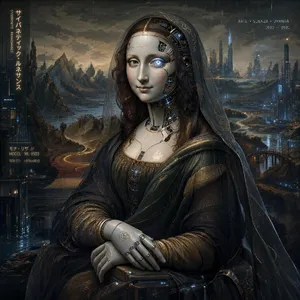
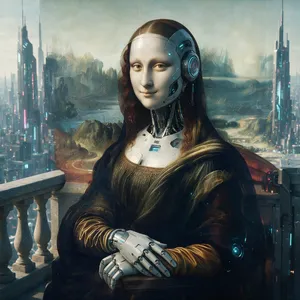
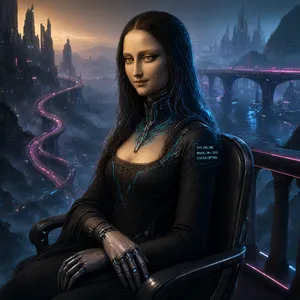
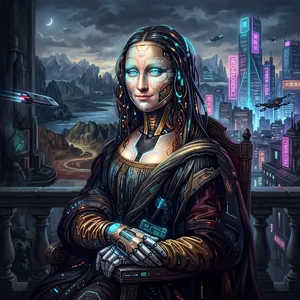
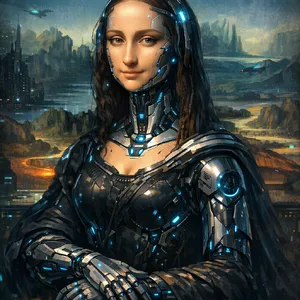
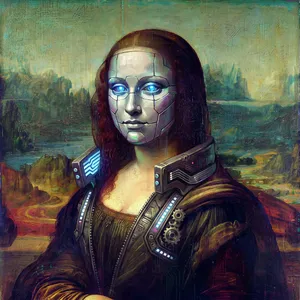
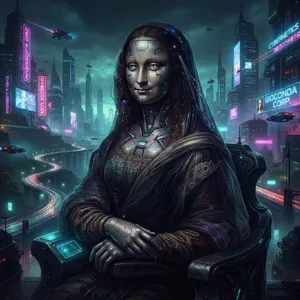
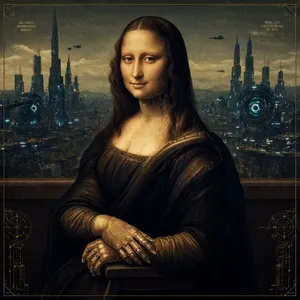
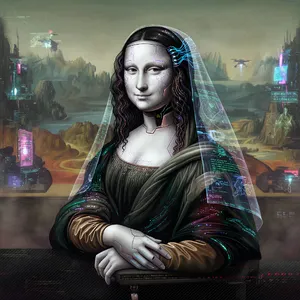
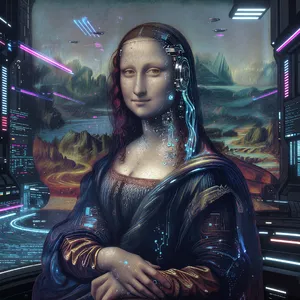
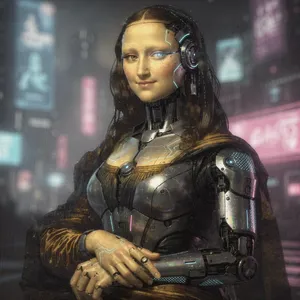
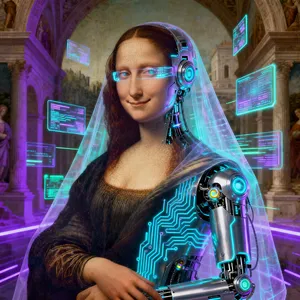
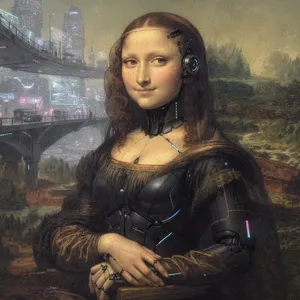
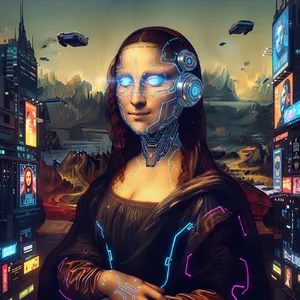
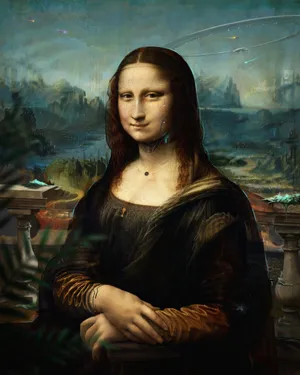
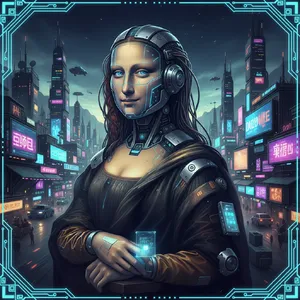
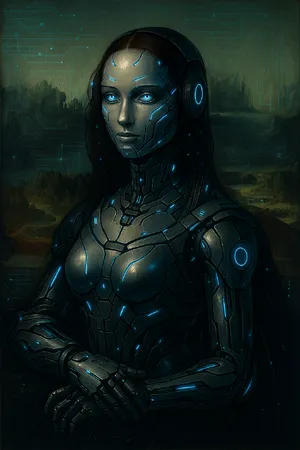
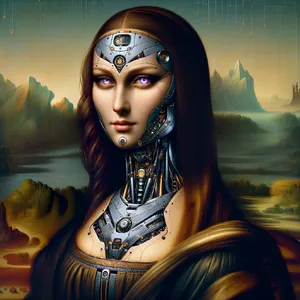
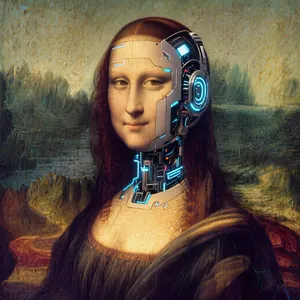
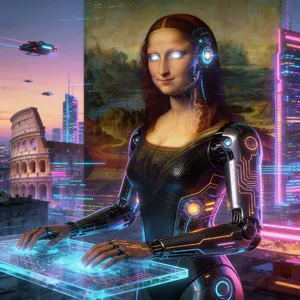
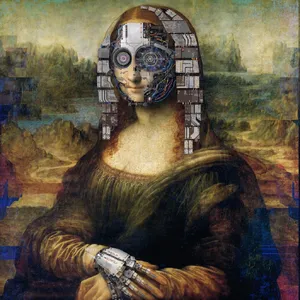
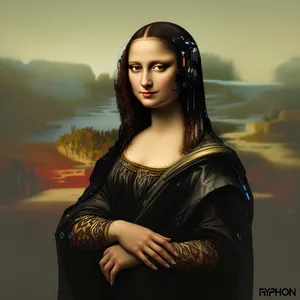
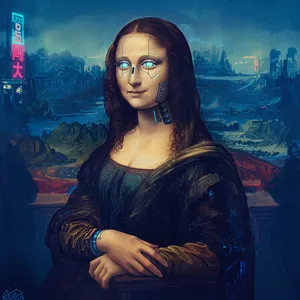
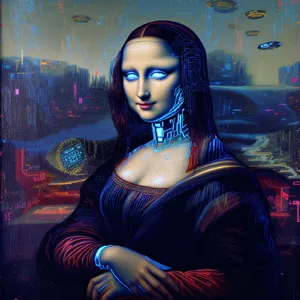
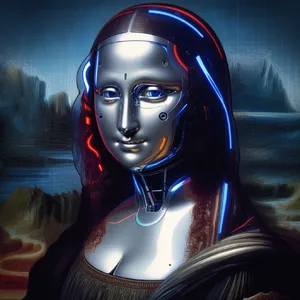
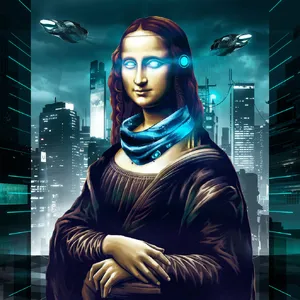
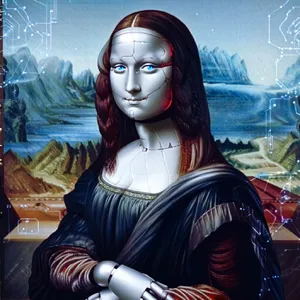
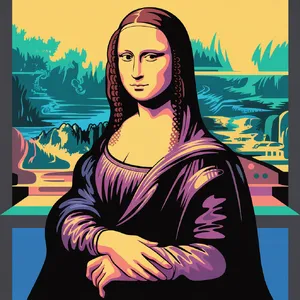
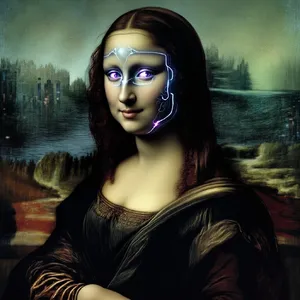
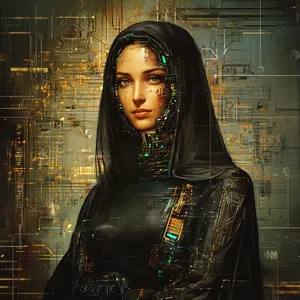
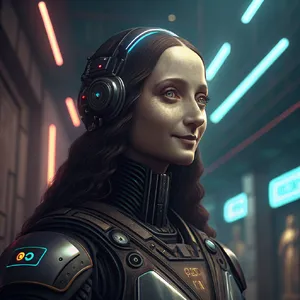
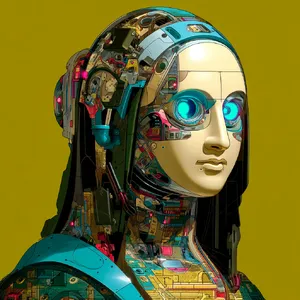
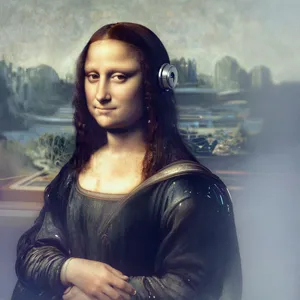
For prompts that merge historical epochs with sci-fi (such as the Cyberpunk Mona Lisa or Steampunk Rome), Takumi 1 and FLUX 3 Image offer exceptional thematic balance. They respect historical accuracy while weaving in retrofuturistic or cyberpunk elements tastefully (see Cyberpunk Mona Lisa by Takumi 1).
Recommendation: Best used for narrative worldbuilding, character design, and alternative-history visualizations.
🎨 Stylized Graphic & Animation Prompts
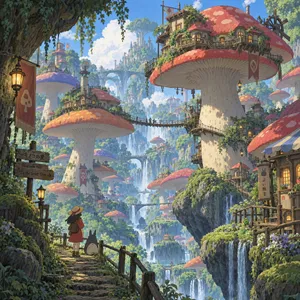
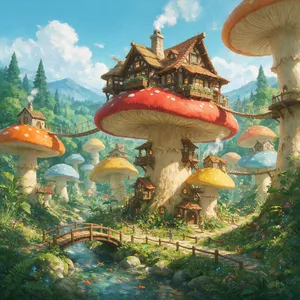
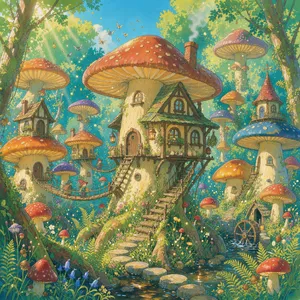
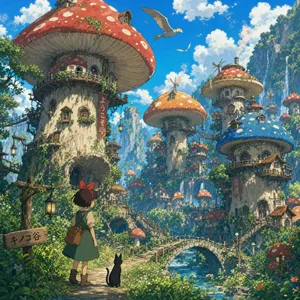
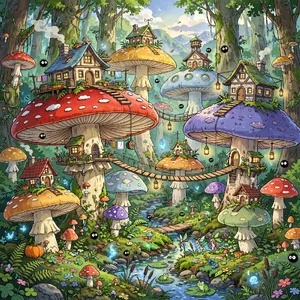
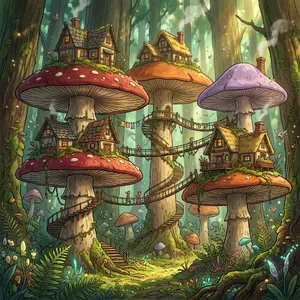
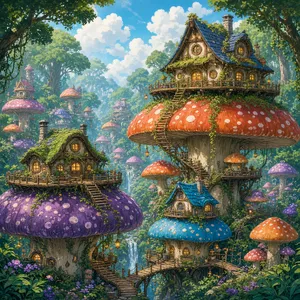
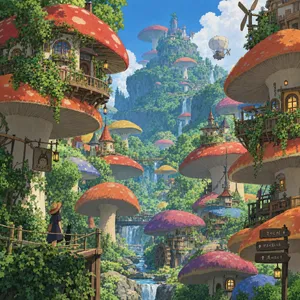
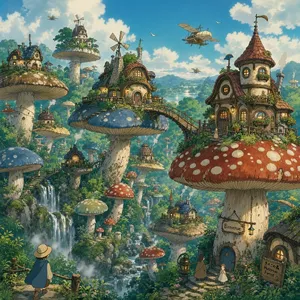
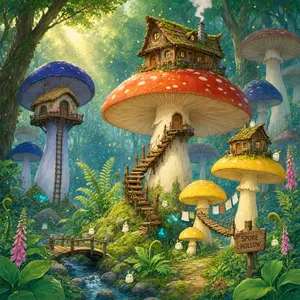
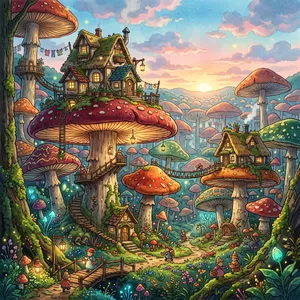
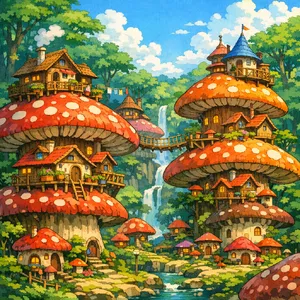
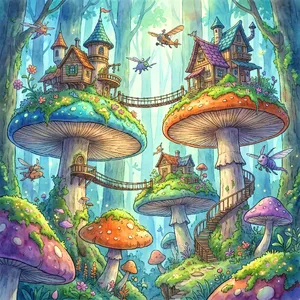
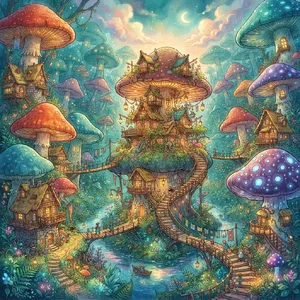
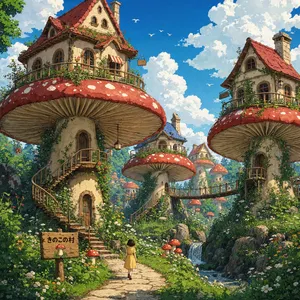
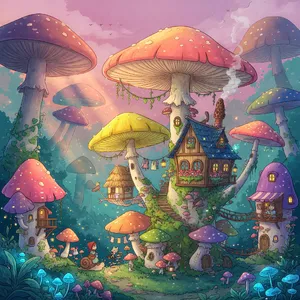
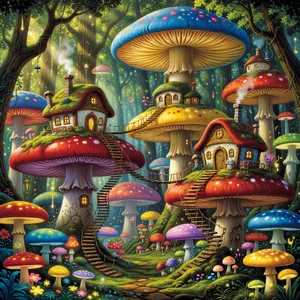
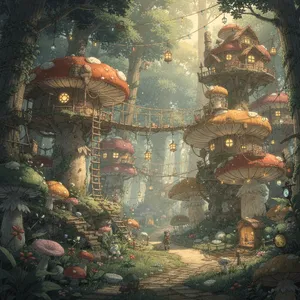
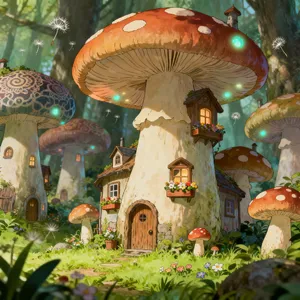
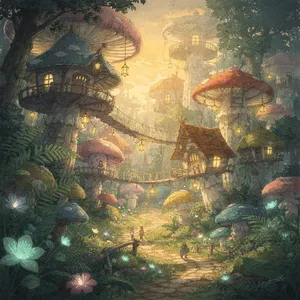
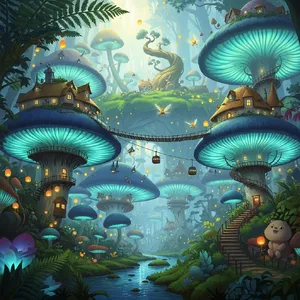
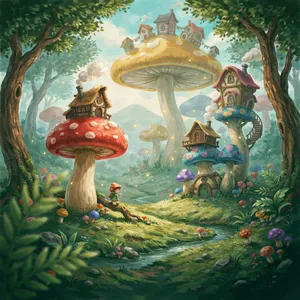
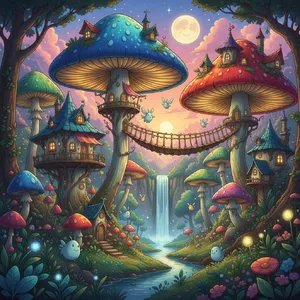
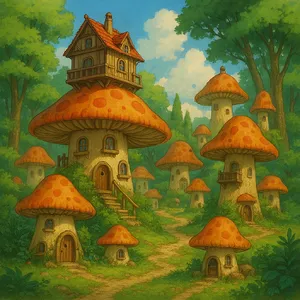
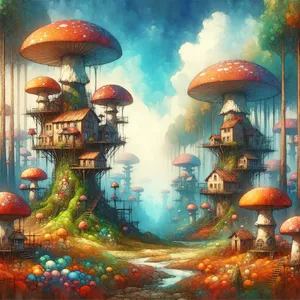
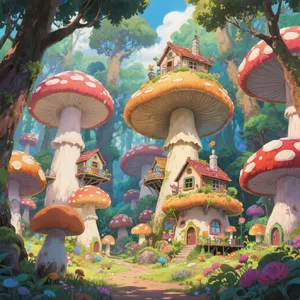
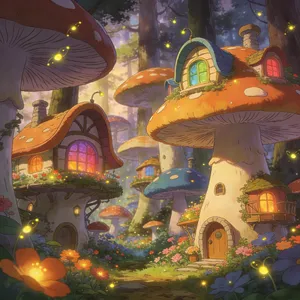
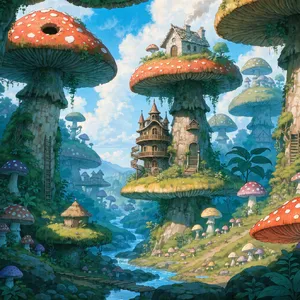
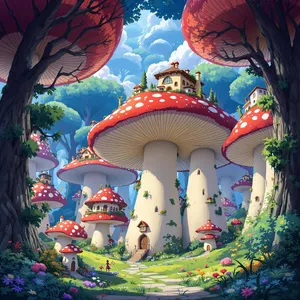
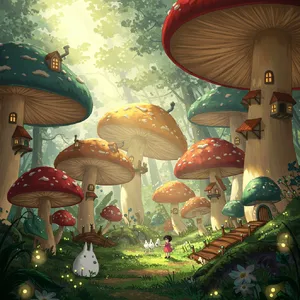
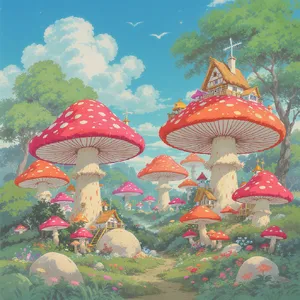
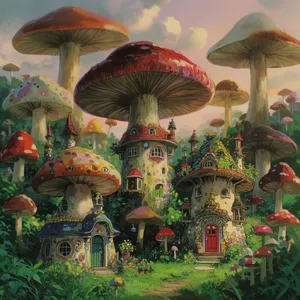
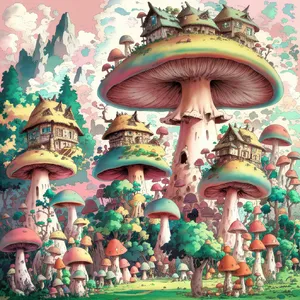
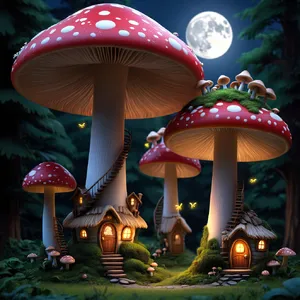
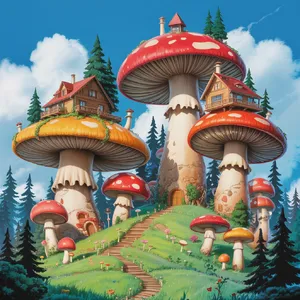
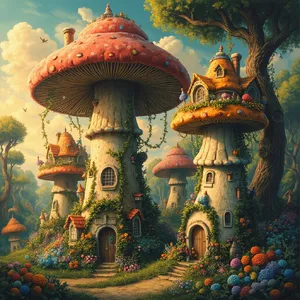
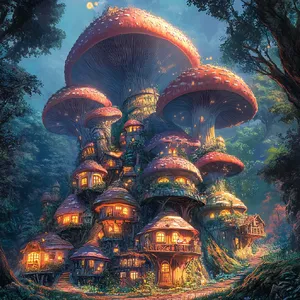
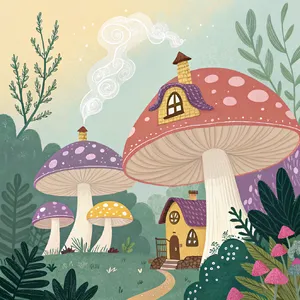
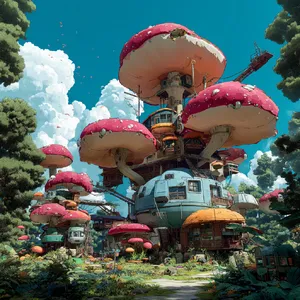
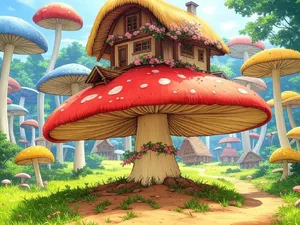
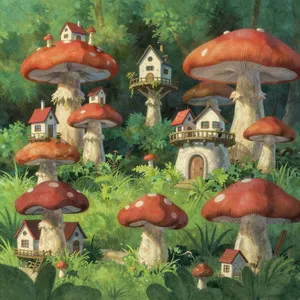
For stylized requests like the Ghibli Mushroom Forest or vector-style Musical Skyline, Qwen-Image-3.0-Pro and Nano Banana Pro proved to be incredibly capable at adapting their rendering engines to mimic specific artistic movements rather than defaulting to generic digital art.