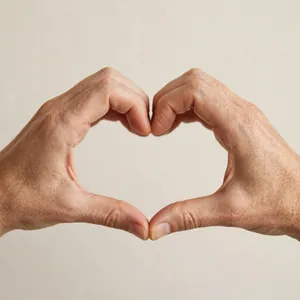
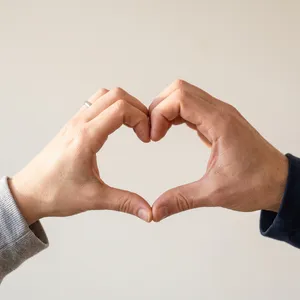
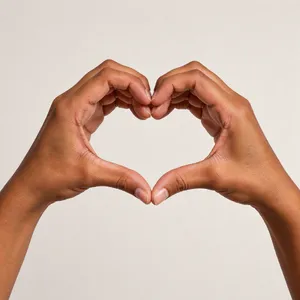
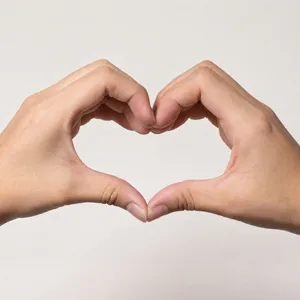
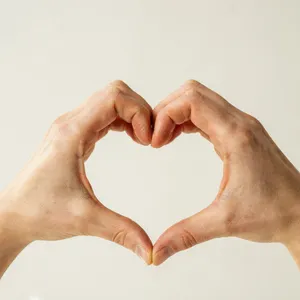
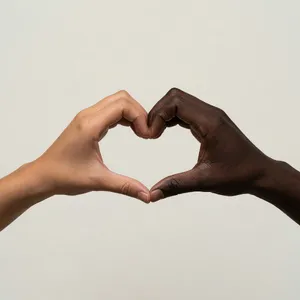
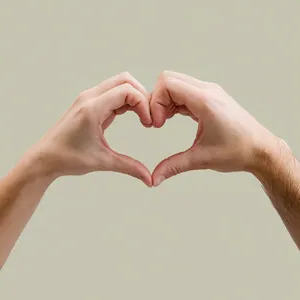
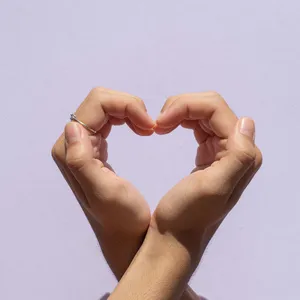
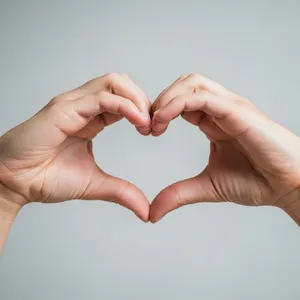
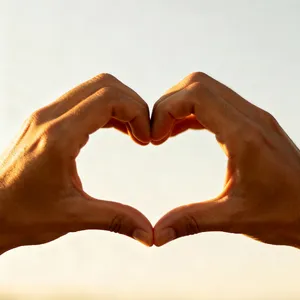
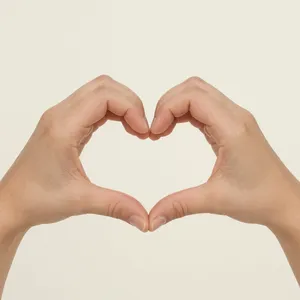
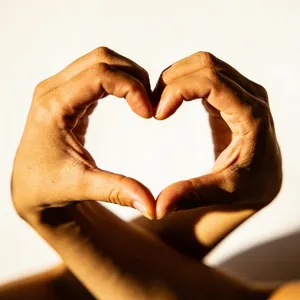
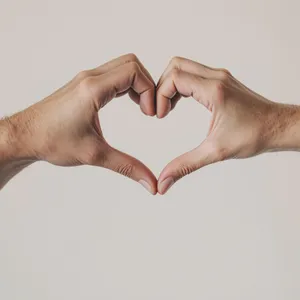
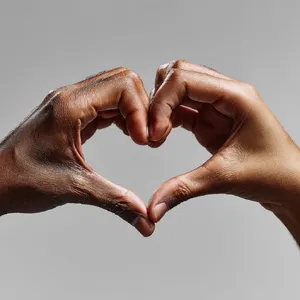
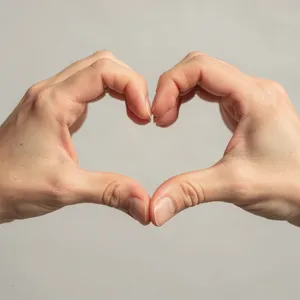
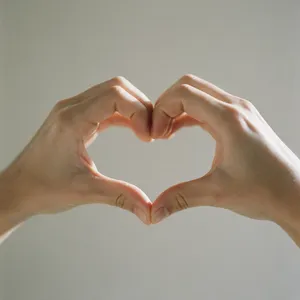
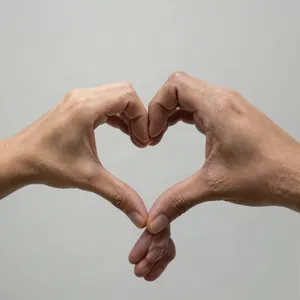
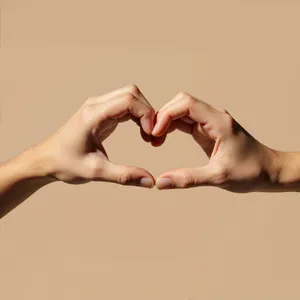
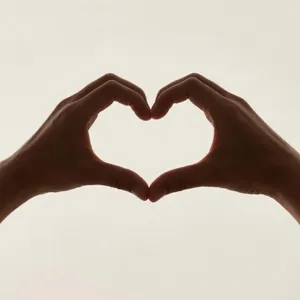
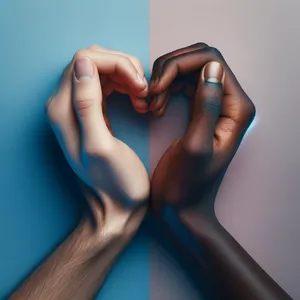
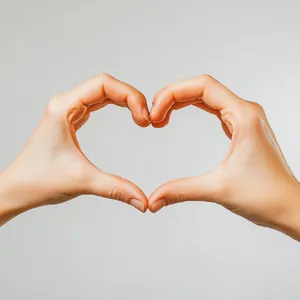
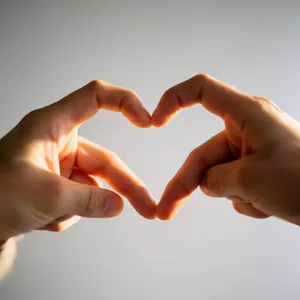
Summary for Hands & Anatomy
The Hands & Anatomy category remains one of the ultimate boss battles for AI image generators. While many models have mastered lighting and textures, assembling human joints, counting digits, and managing overlapping limbs still separates the masters from the apprentices. 🖐️
🏆 Top-Performing Models
- Muse Image leads the pack with an impressive 1347 Elo. It excels at delivering pristine anatomical connections and executing complex interactions without fused geometries.
- Nano Banana 2.1 closely follows at 1338 Elo, blending breathtaking photorealism with strict structural adherence. Because it is within 30 points of the leader, these two can be considered highly competitive peers.
- FLUX 3 Image secures the third spot with 1315 Elo, shining in dynamic motion and multi-person tasks.
📈 Major Trends & Surprises
- Photorealism Does Not Equal Anatomy: Models like Midjourney v7 (576 Elo) produced stunningly beautiful images but ranked near the bottom due to severe structural failures like extra fingers or limbs.
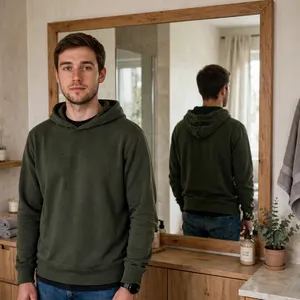
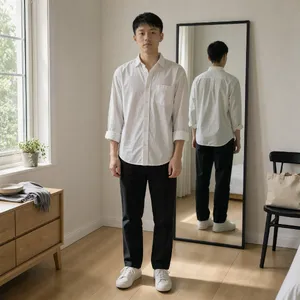
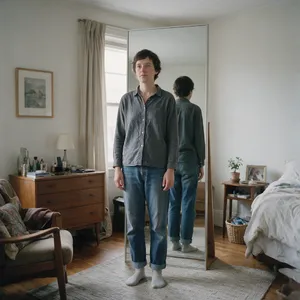
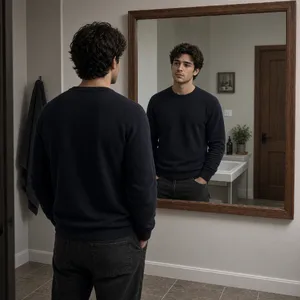
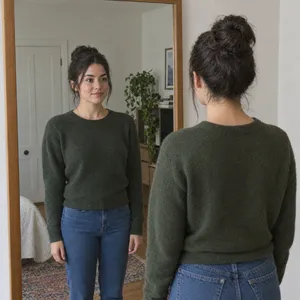
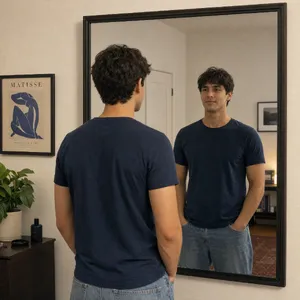
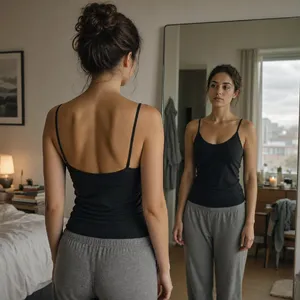
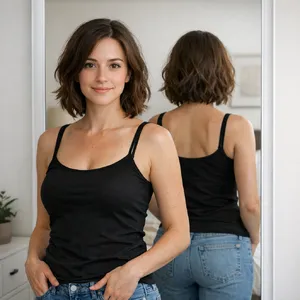
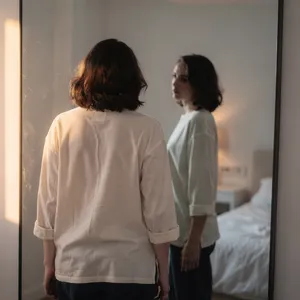
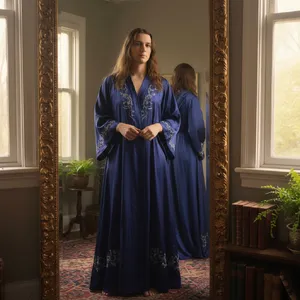
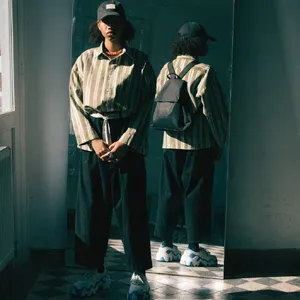
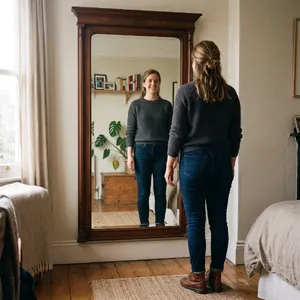
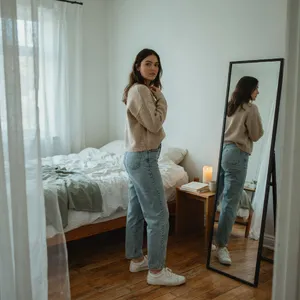
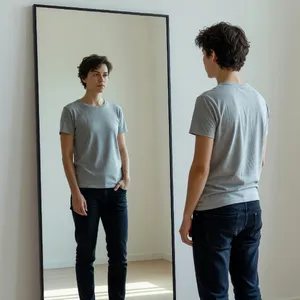
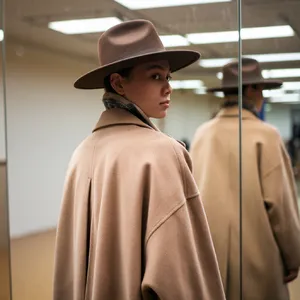
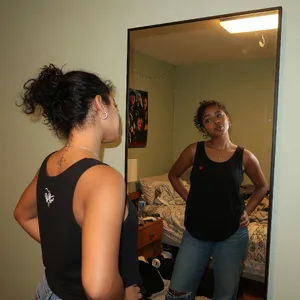
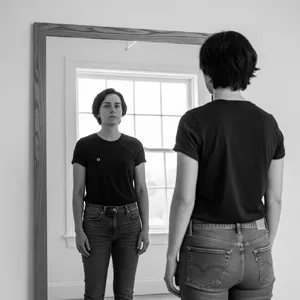
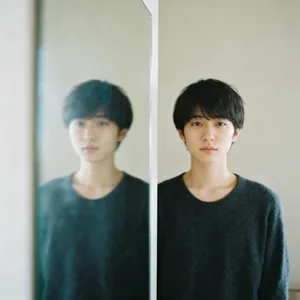
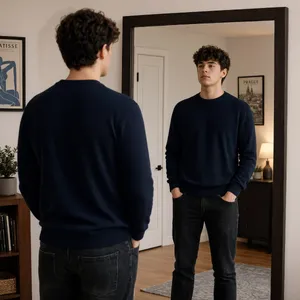
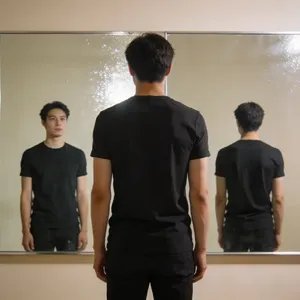
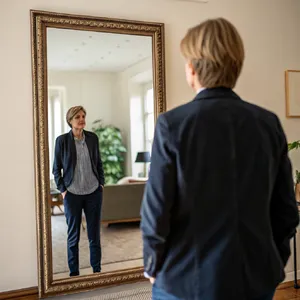
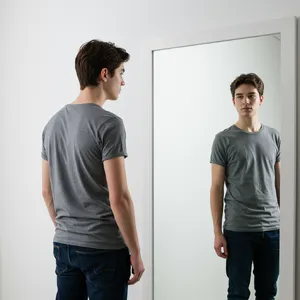
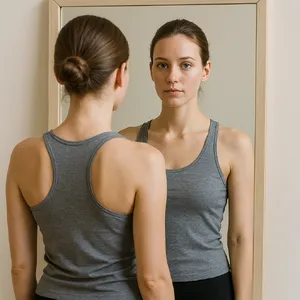
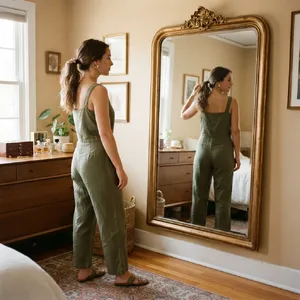
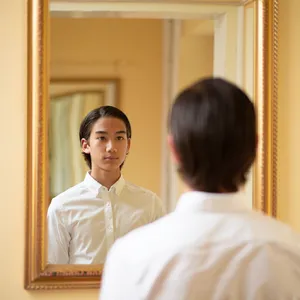
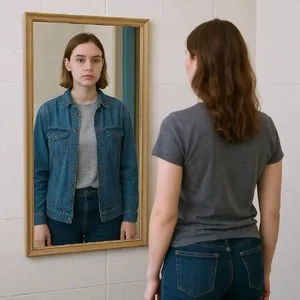
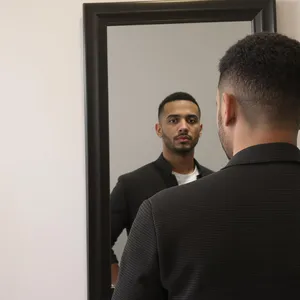
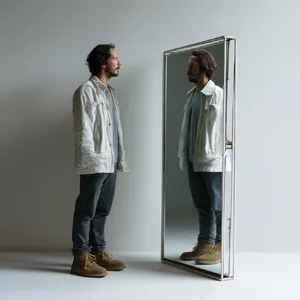
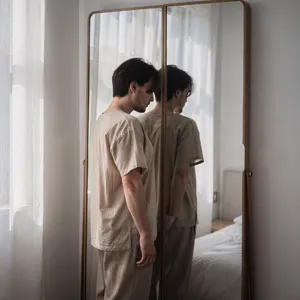
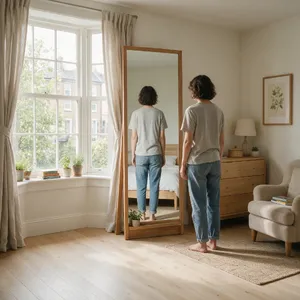
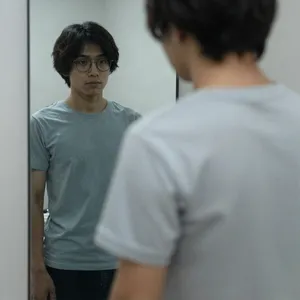
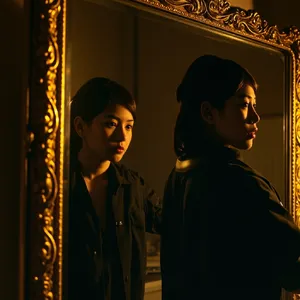
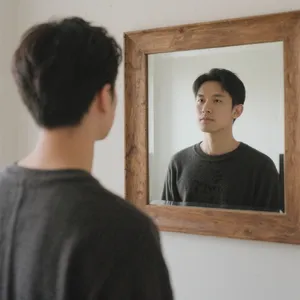
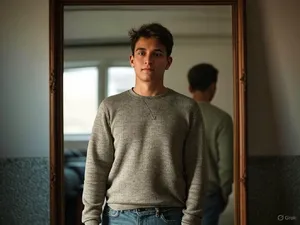
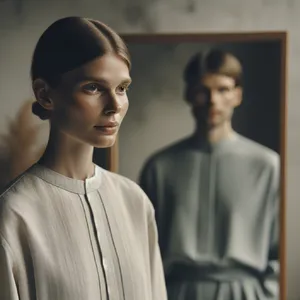
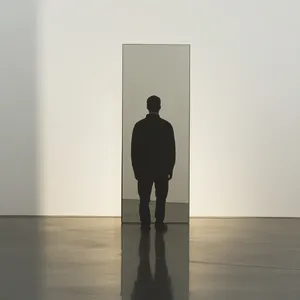
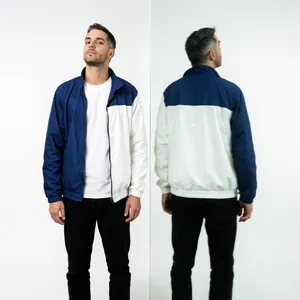
- The Reflection Blindspot: Almost all models struggled with the Mirror Reflection prompt, frequently generating a reflected front instead of the requested reflected back.
- The Six-Finger Curse Lives On: Even in mid-tier models, tightly clustered hands often resulted in melted or extra digits.
🔍 Comparative Strengths
The highest-ranking models consistently decoupled aesthetic gloss from structural logic. Models like GPT Image 2.5 Sunburst (1251 Elo) and Takumi 1 (1215 Elo) demonstrated an understanding of skeletal geometry, ensuring joints bent naturally and limbs attached to the correct torsos.
🛑 Common Failure Modes
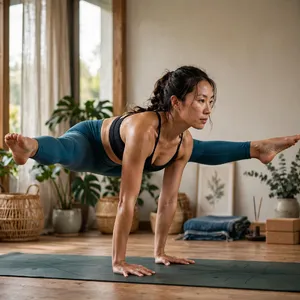
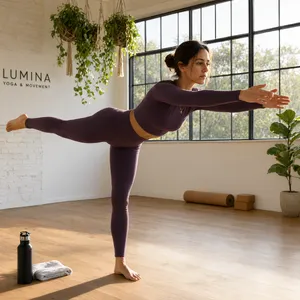
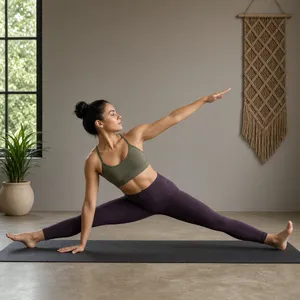
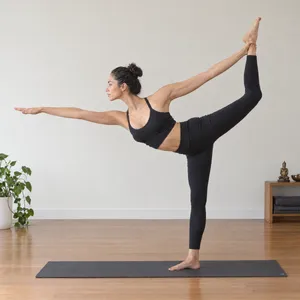
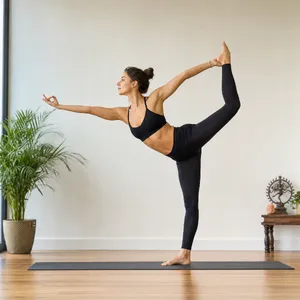
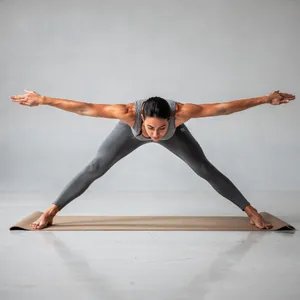
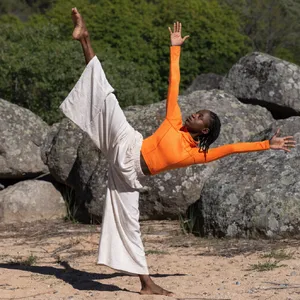
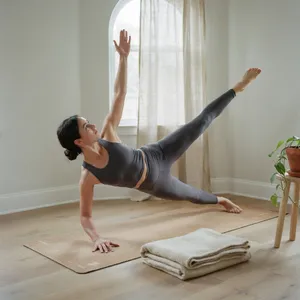
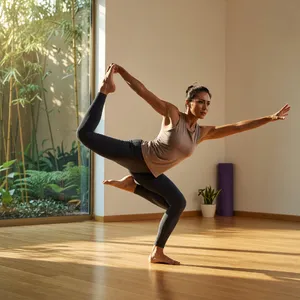
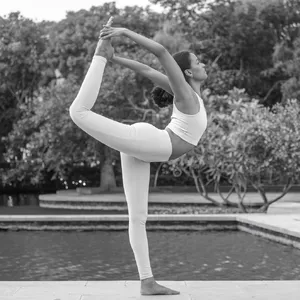
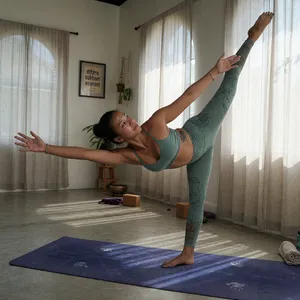
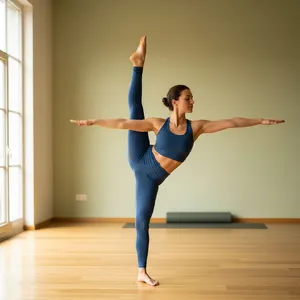
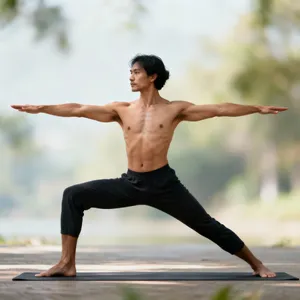
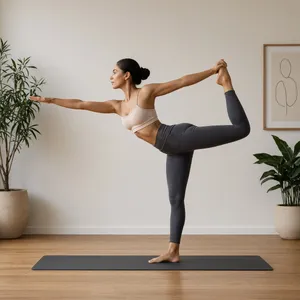
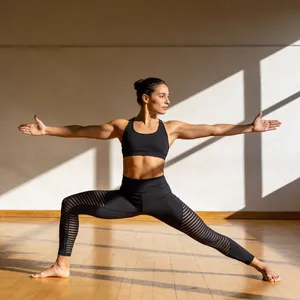
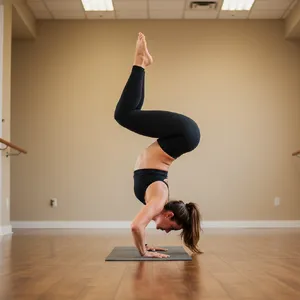
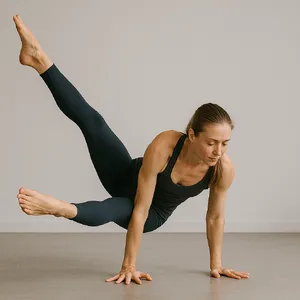
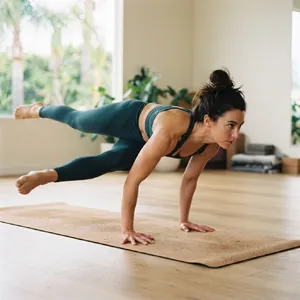
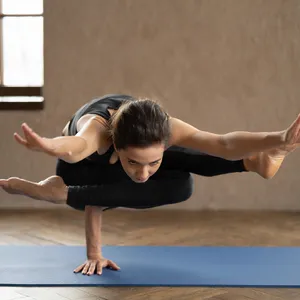
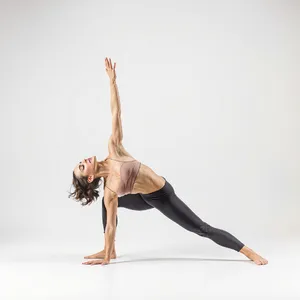
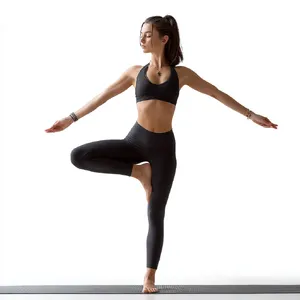
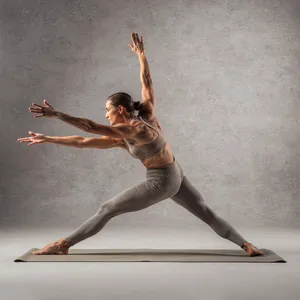
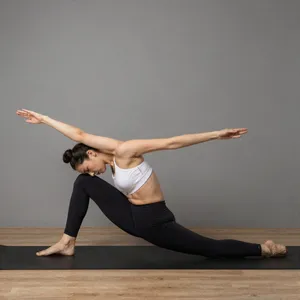
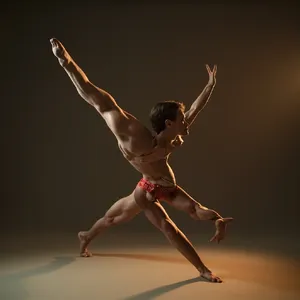
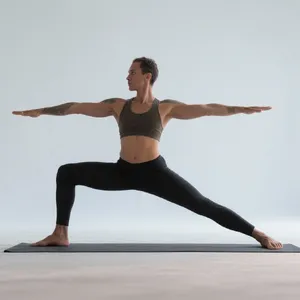
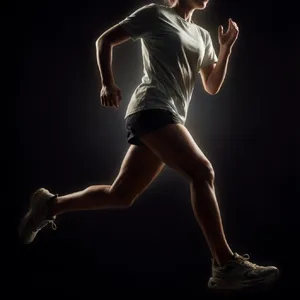
- Extra Limbs and Digits: Lower-tier models failed spectacularly on basic counts. For instance, Grok Imagine generated an impossible third foot in the Yoga Practitioner test.
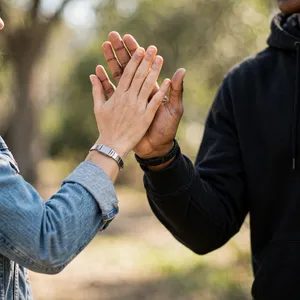
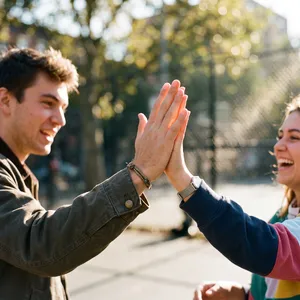
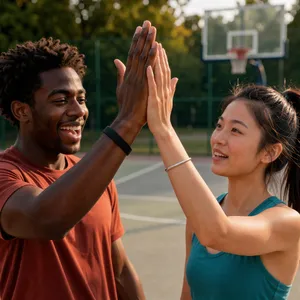
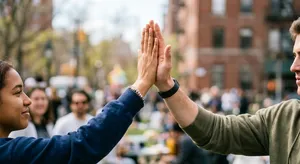
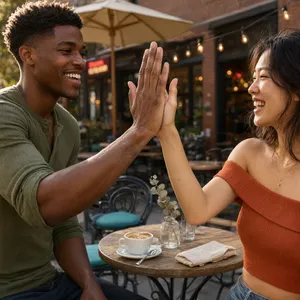
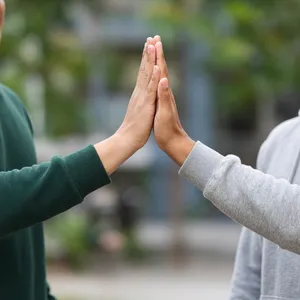
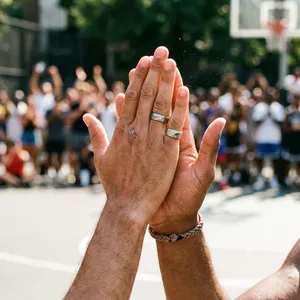
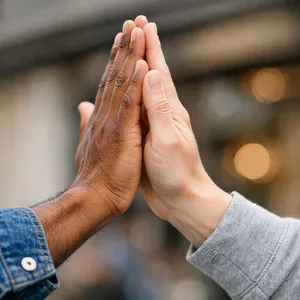
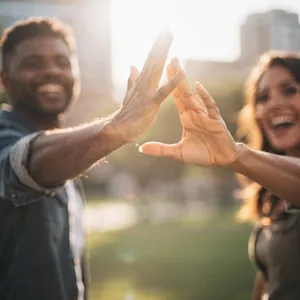
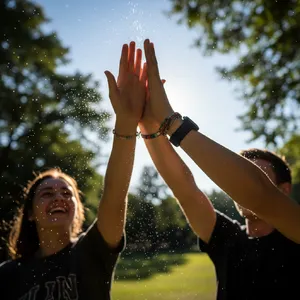
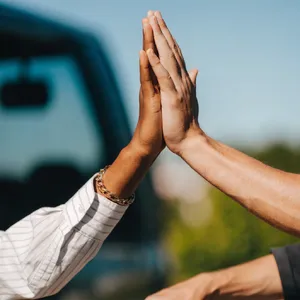
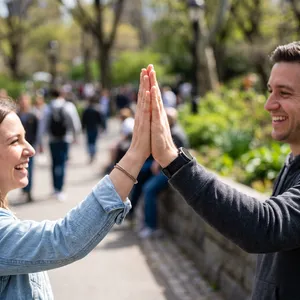
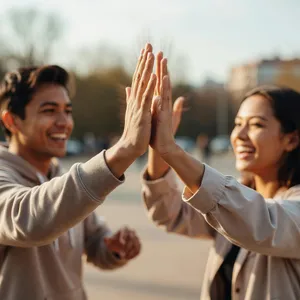
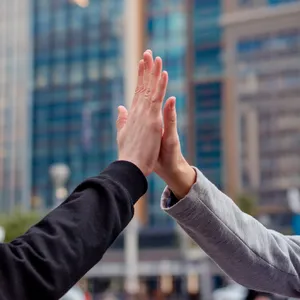
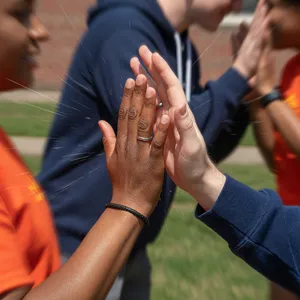
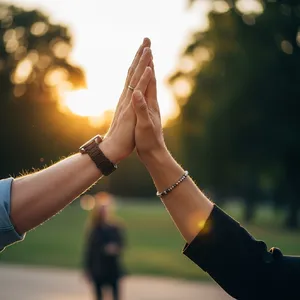
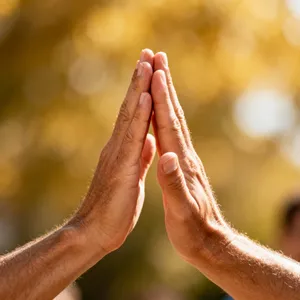
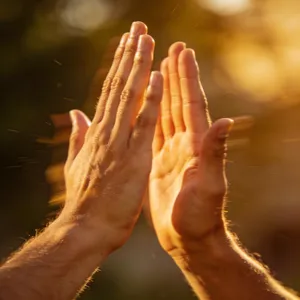
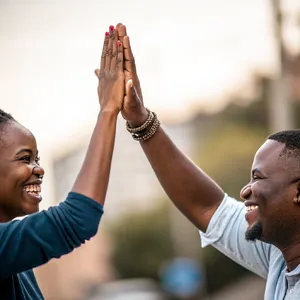
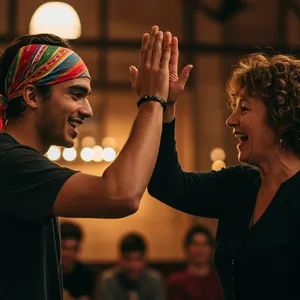
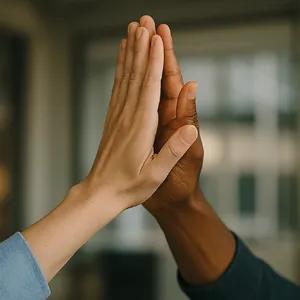
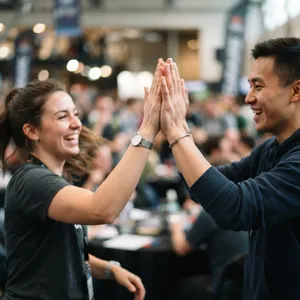
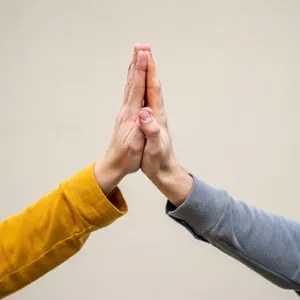
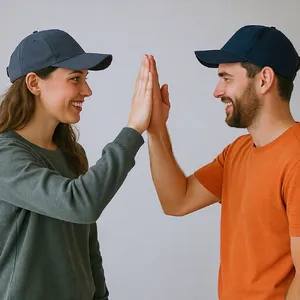
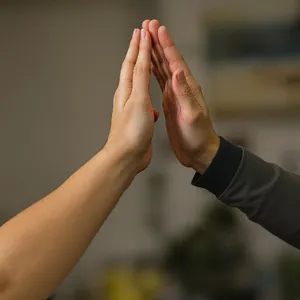
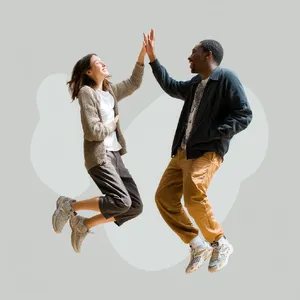
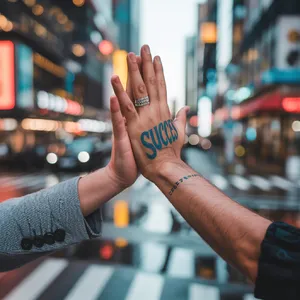
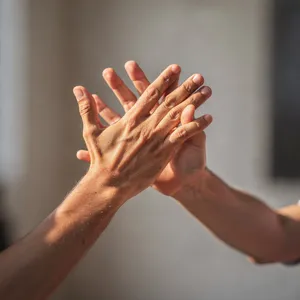
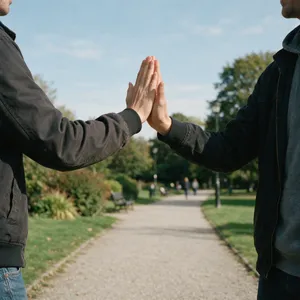
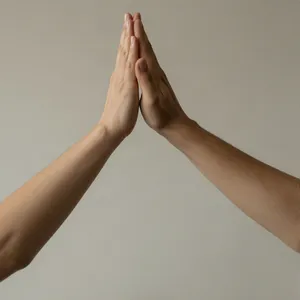
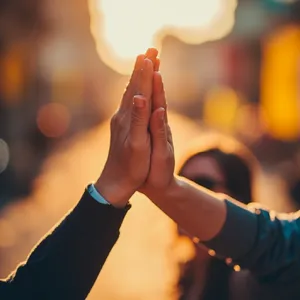
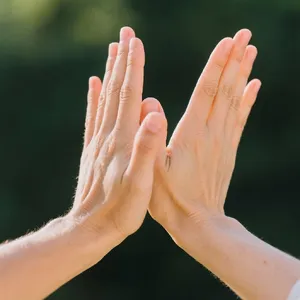
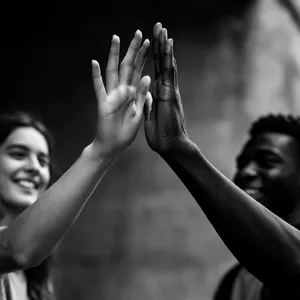
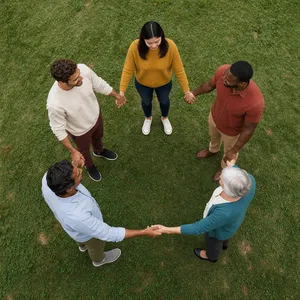
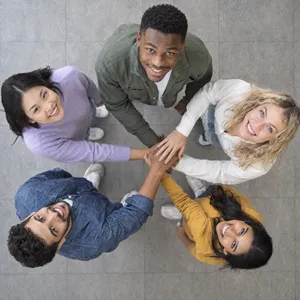
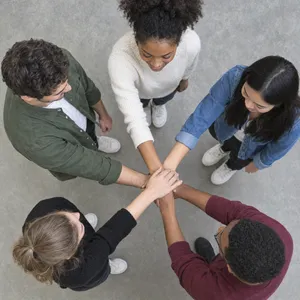
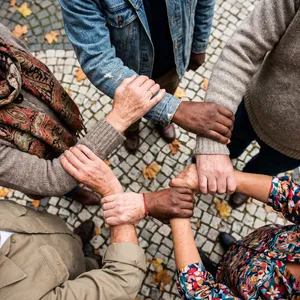
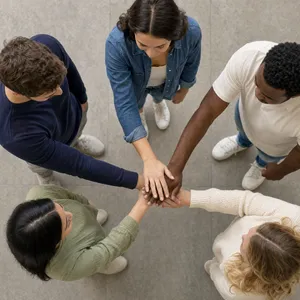
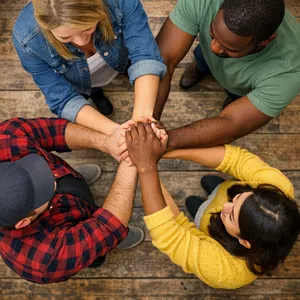
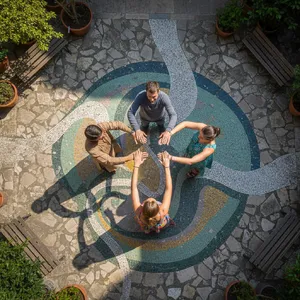
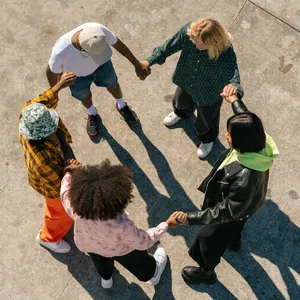
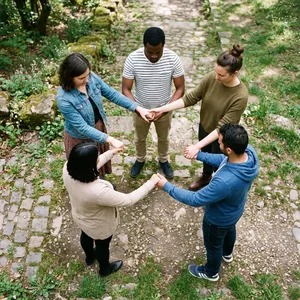
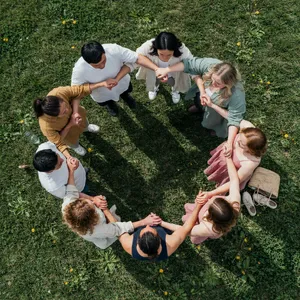
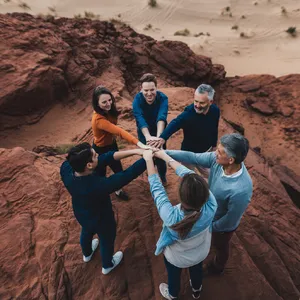
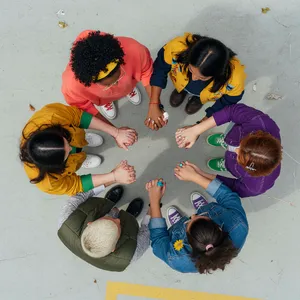
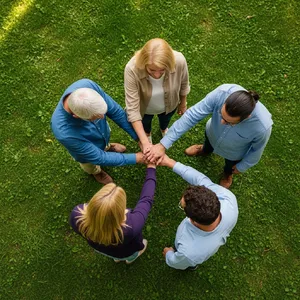
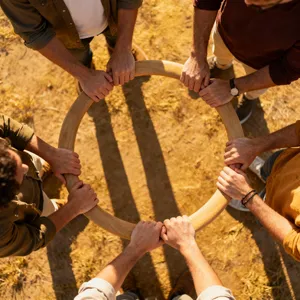
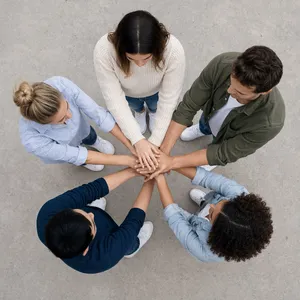
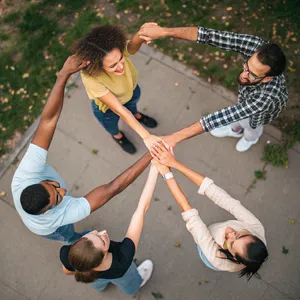
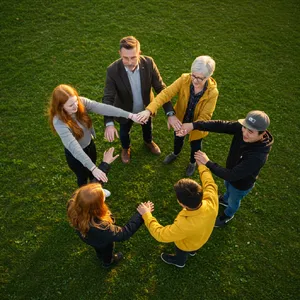
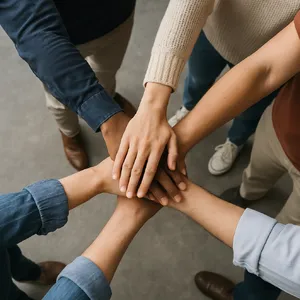
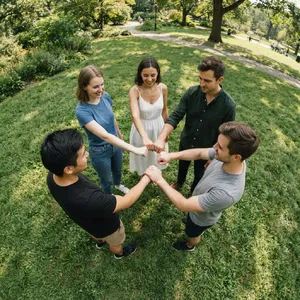
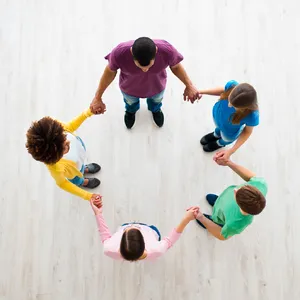
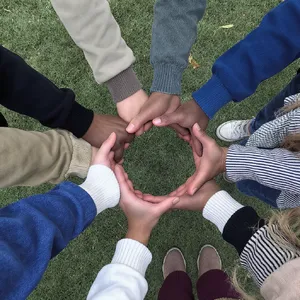
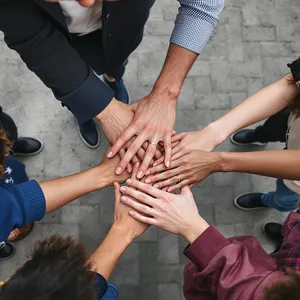
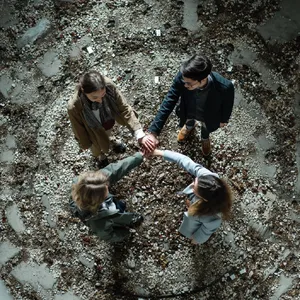
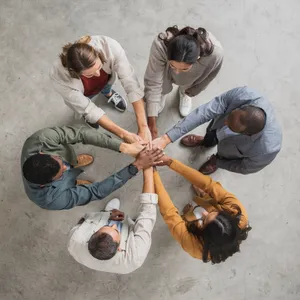
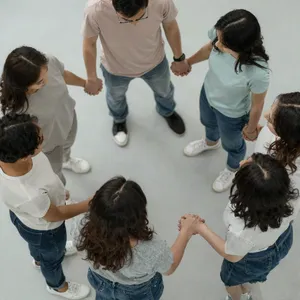
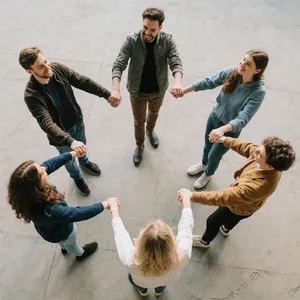
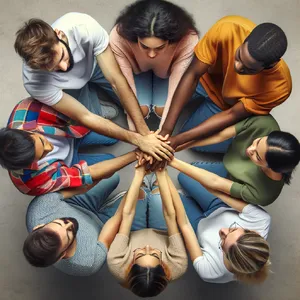
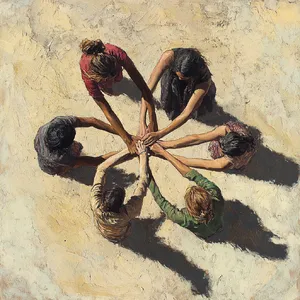
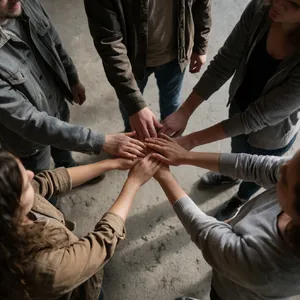
- Finger Fusion: In overlapping scenarios like the High-Five and Circle of Hands, mid-tier models often fused knuckles into a single fleshy mass.
- Directional Incoherence: In the Mirror Reflection challenge, many models showed an inability to maintain spatial logic, simply duplicating a frontal view instead of mapping a 3D environment.
💡 Quality Factors
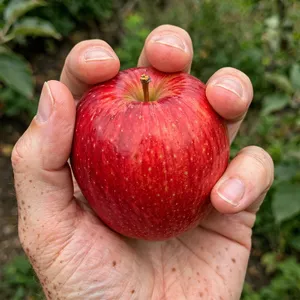
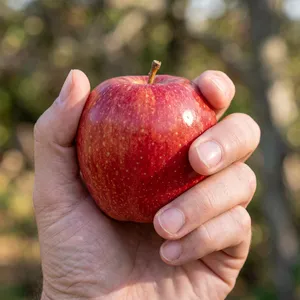
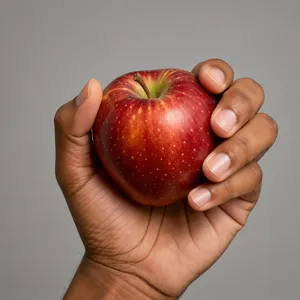
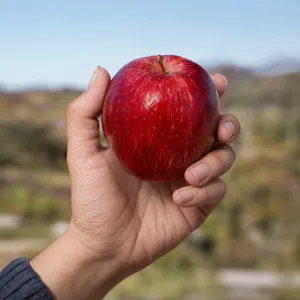
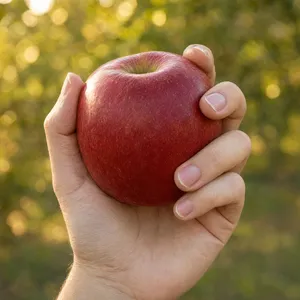
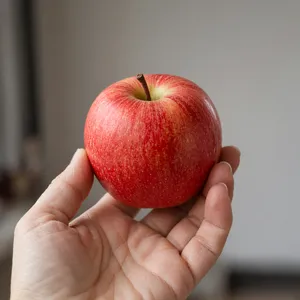
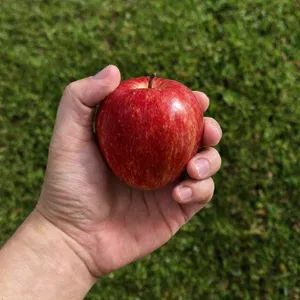
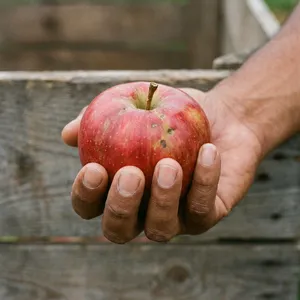
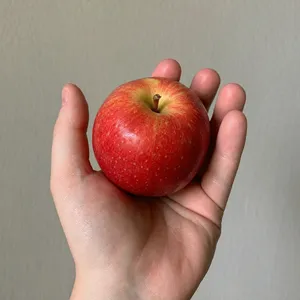
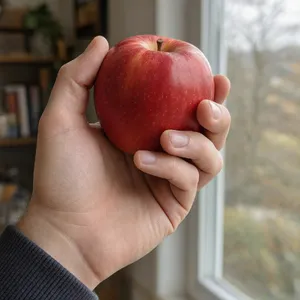
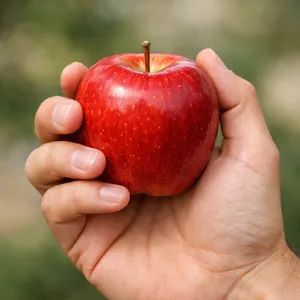
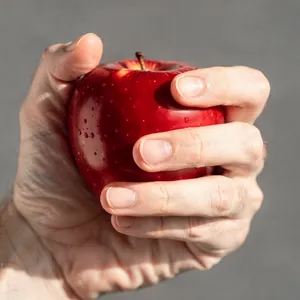
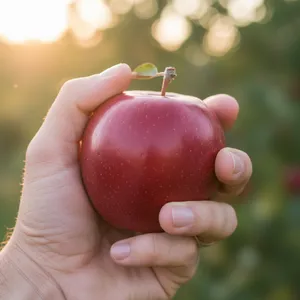
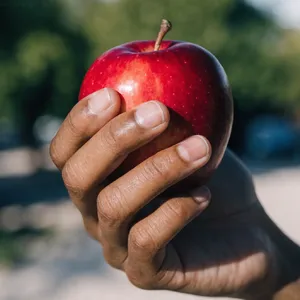
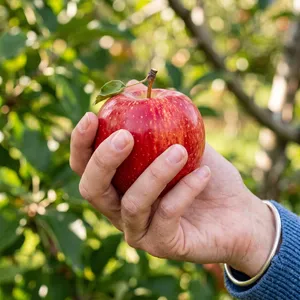
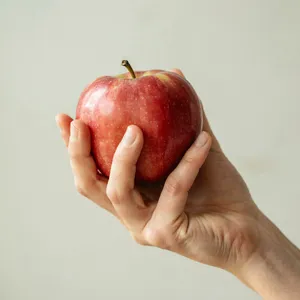
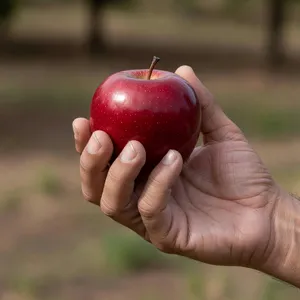
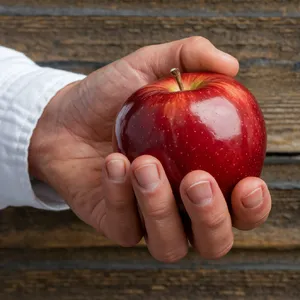
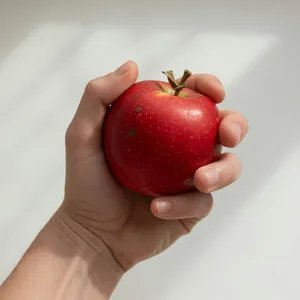
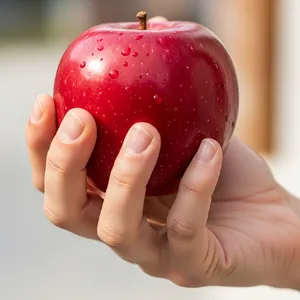
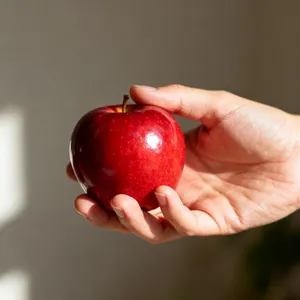
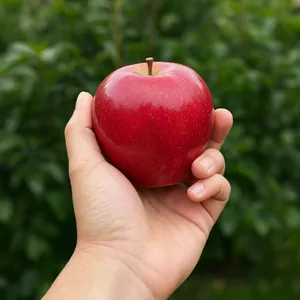
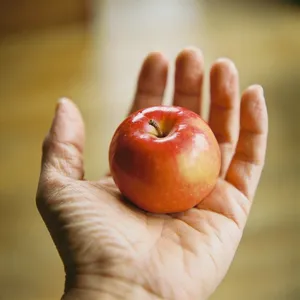
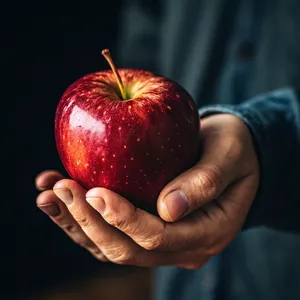
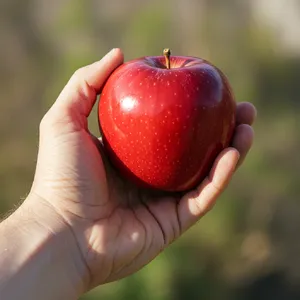
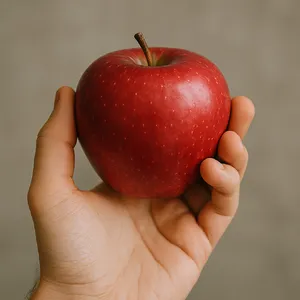
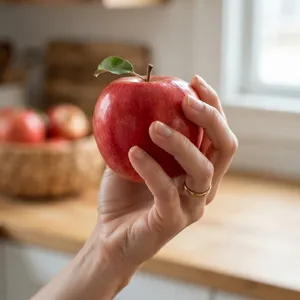
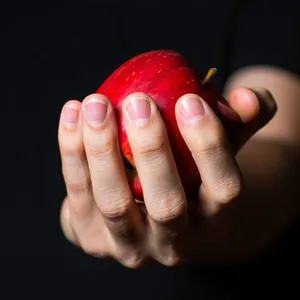
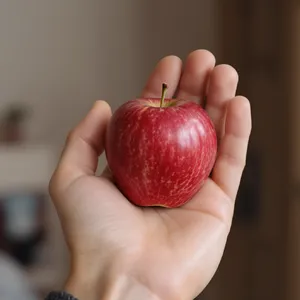
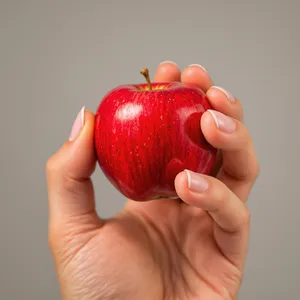
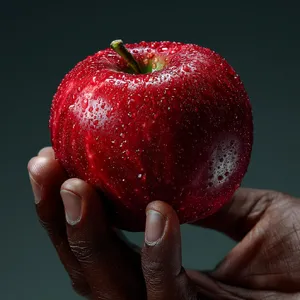
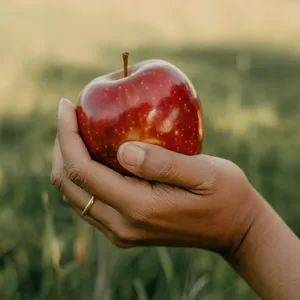
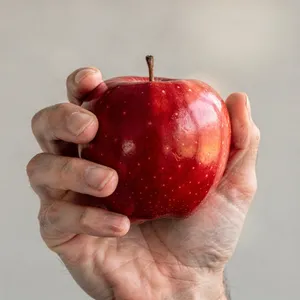
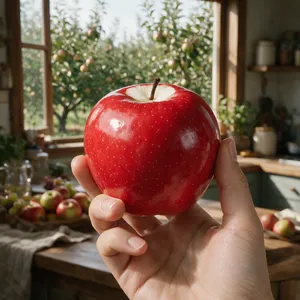
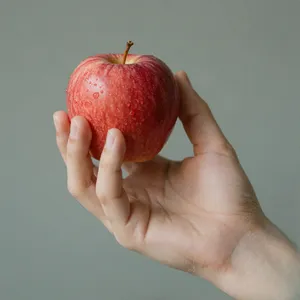
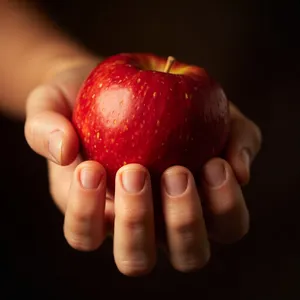
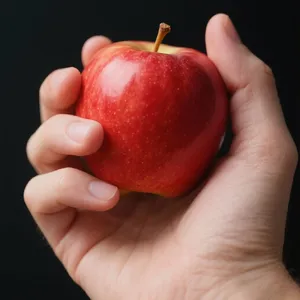
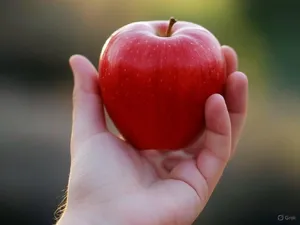
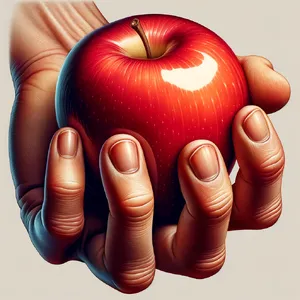
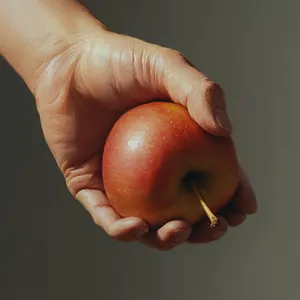
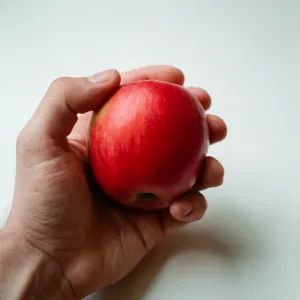
The defining characteristic of a top performer in this category is anatomical readability. For example, in the Red Apple prompt, winning models ensured every single finger was traceable and accounted for, whereas weaker models hid fingers behind the apple or merged them into the palm.
🎯 Best Models by Anatomical Use Case
1. Hand-Object Interaction
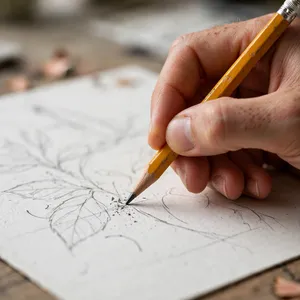
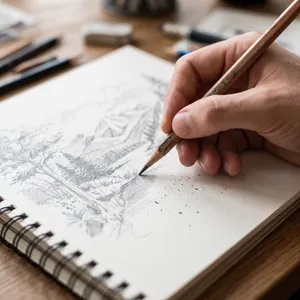
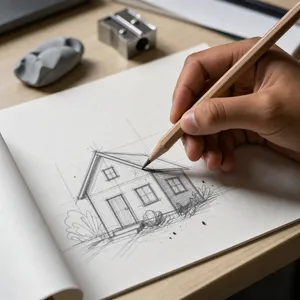
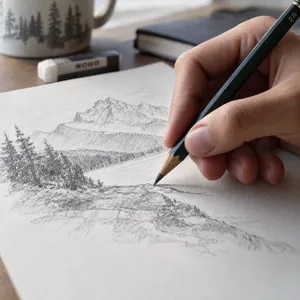
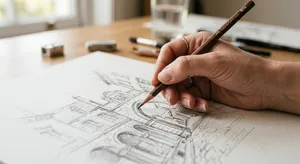
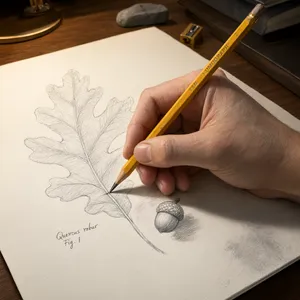
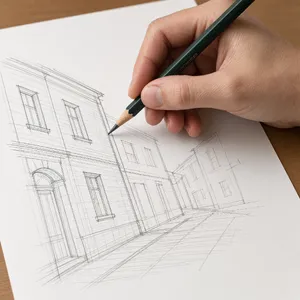
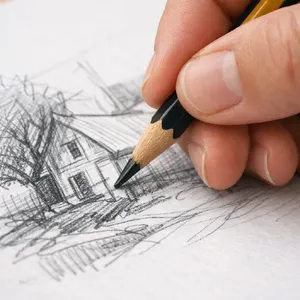
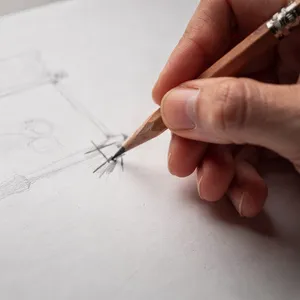
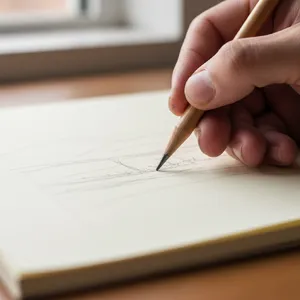
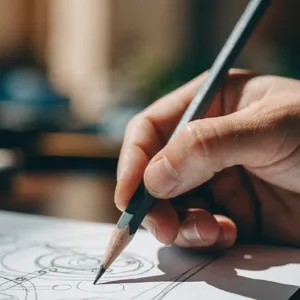
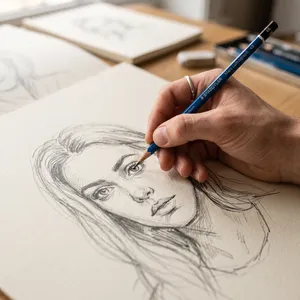
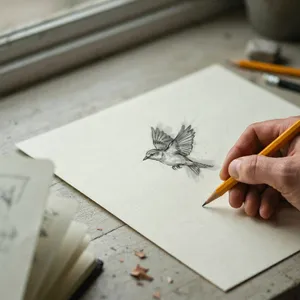
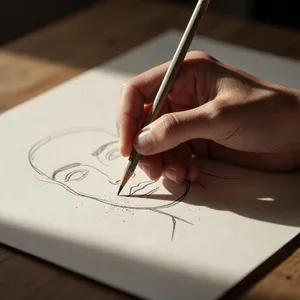
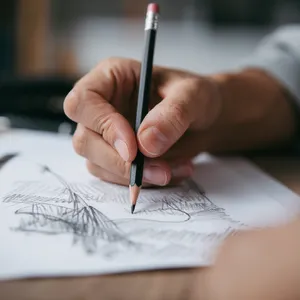
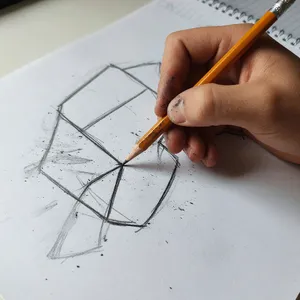
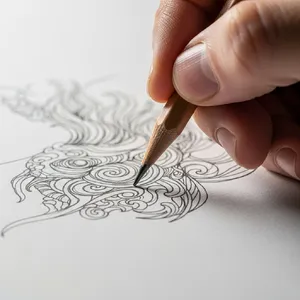
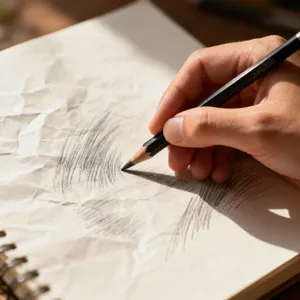
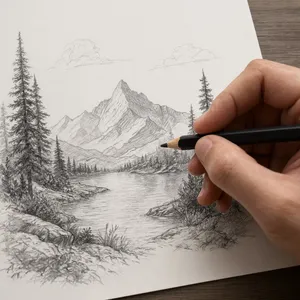
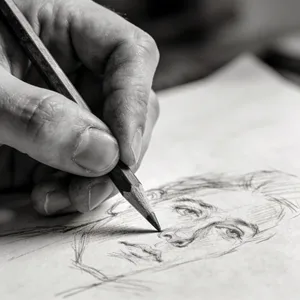
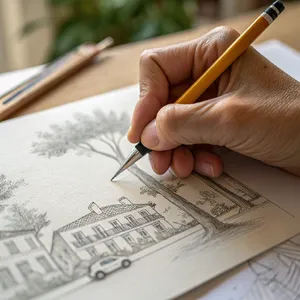
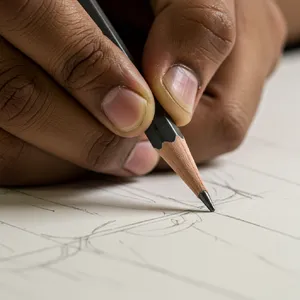
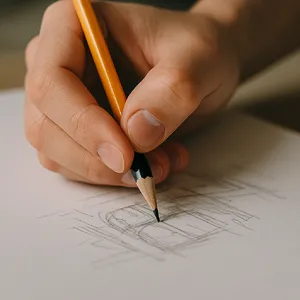
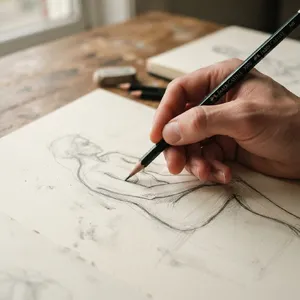
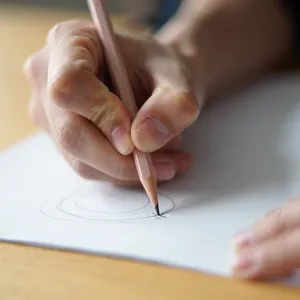
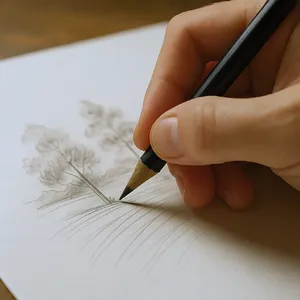
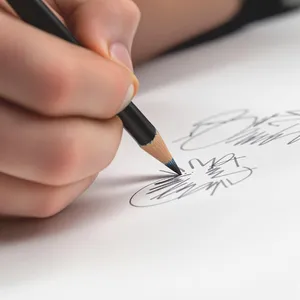
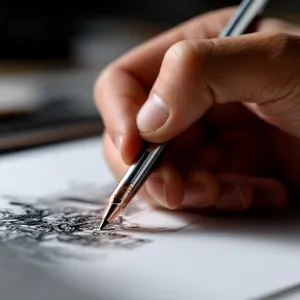
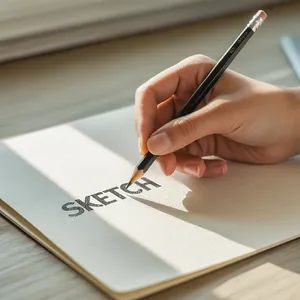
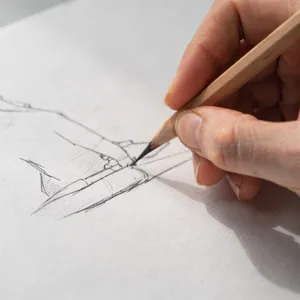
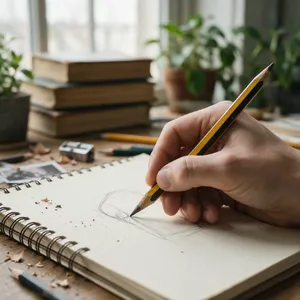
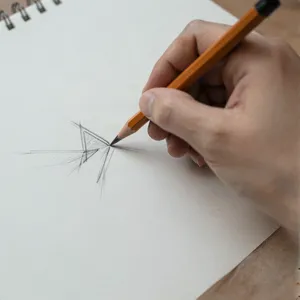
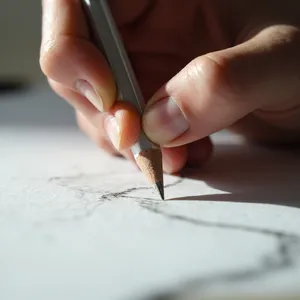
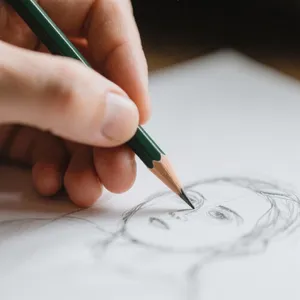
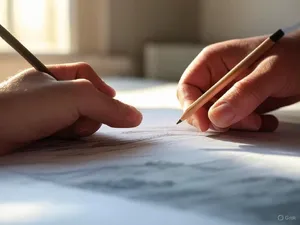
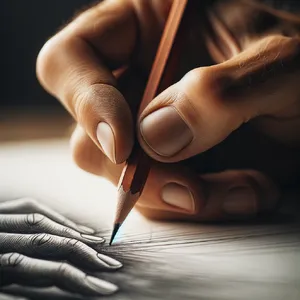
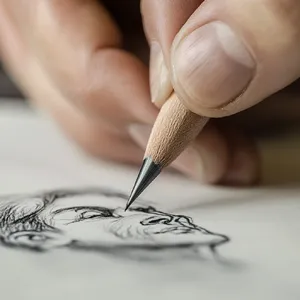
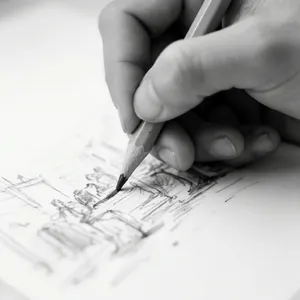
Tasks like holding an apple or sketching require precise contact shadows and fingertip placement.
- Top Pick: Muse Image
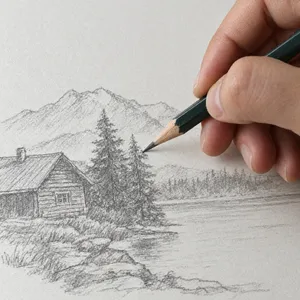
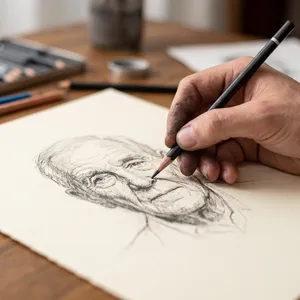
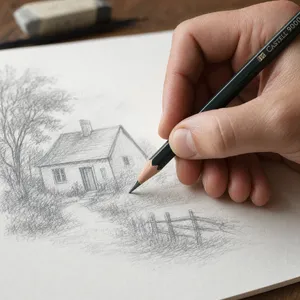
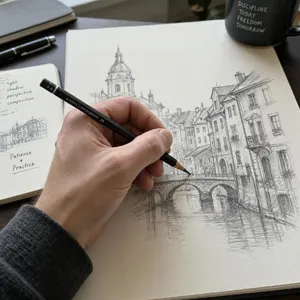
- Why: It achieved flawless focus and tactile realism. In the Pencil Sketch challenge, its Macro Pencil Sketch perfectly captured cuticle details, graphite crumbs, and a natural tripod grip without any AI artifacting.
2. Multi-Person Hand Contact
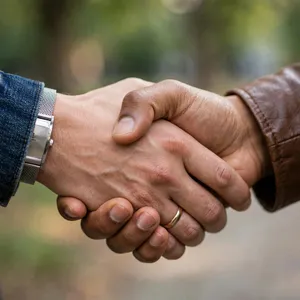
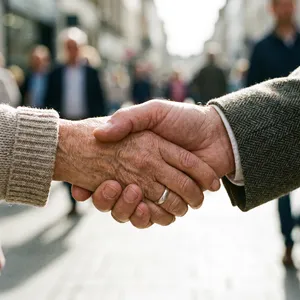
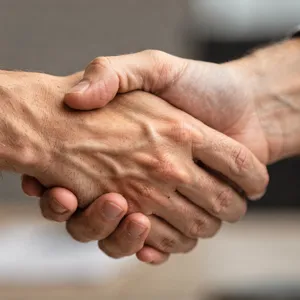
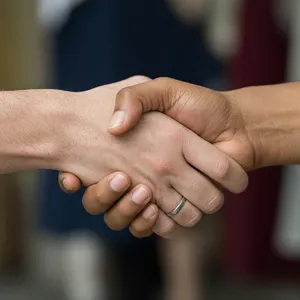
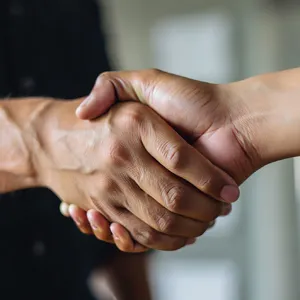
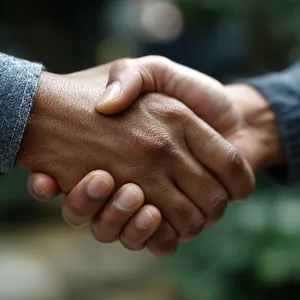
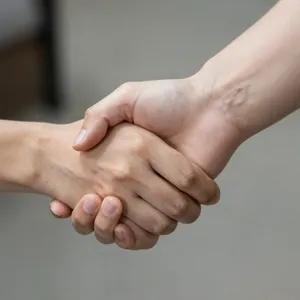
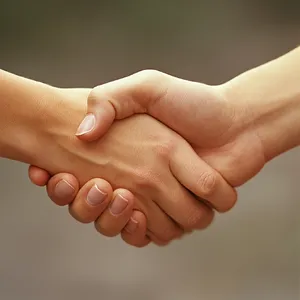
Handshakes and high-fives test a model's ability to separate distinct entities.
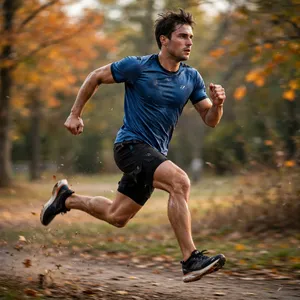
3. Full-Body & Complex Poses
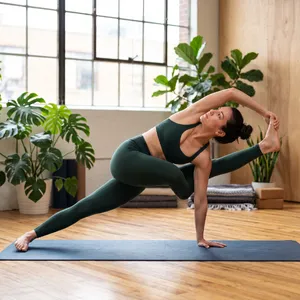
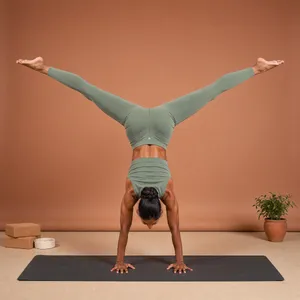
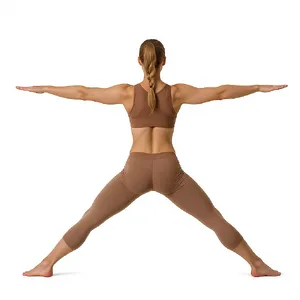
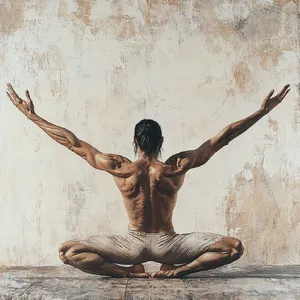
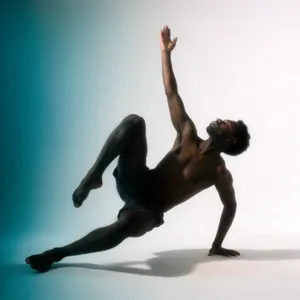
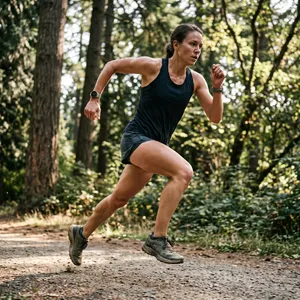
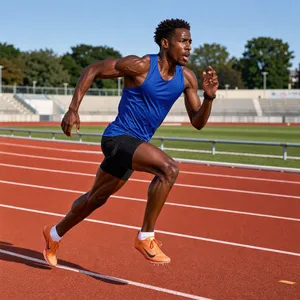
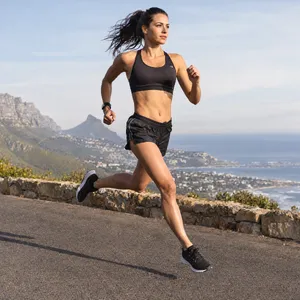
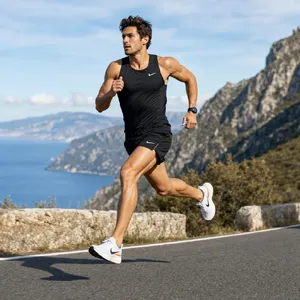
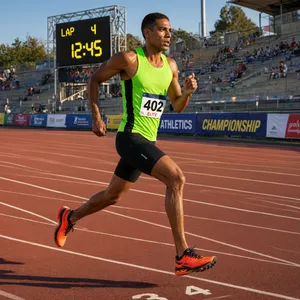
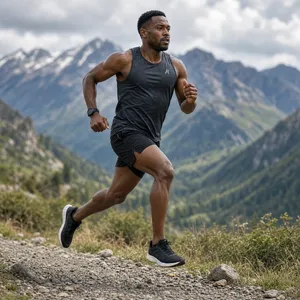
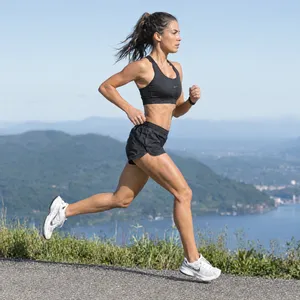
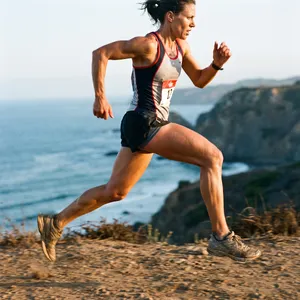
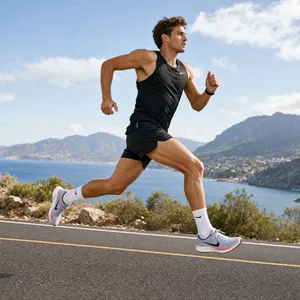
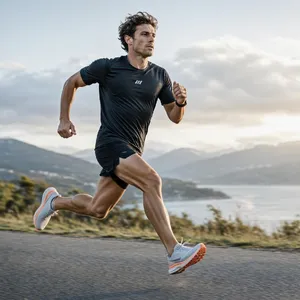
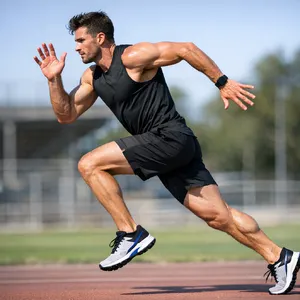
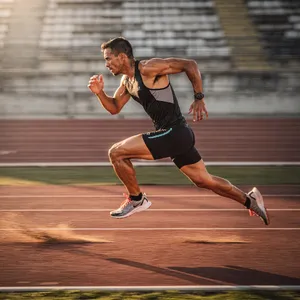
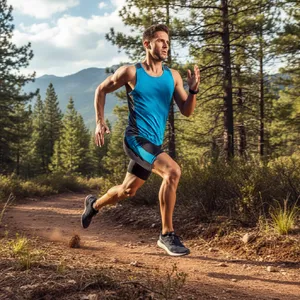
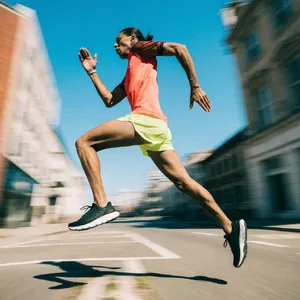
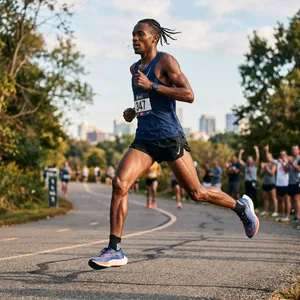
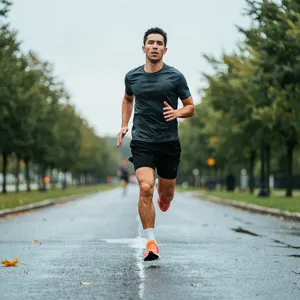
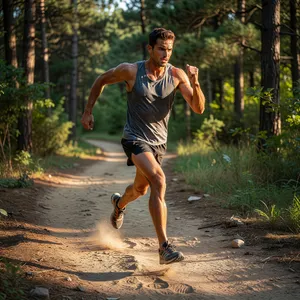
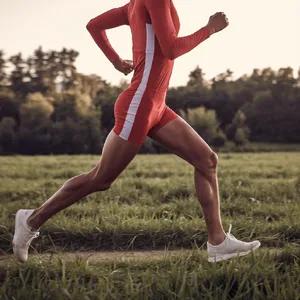
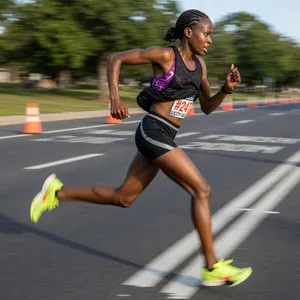
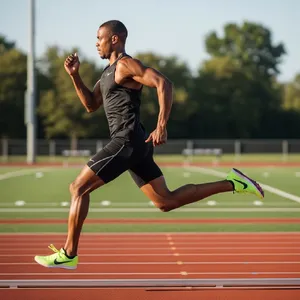
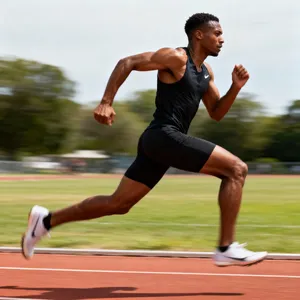
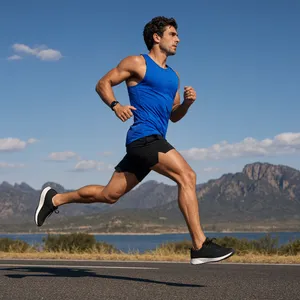
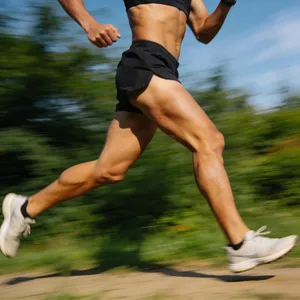
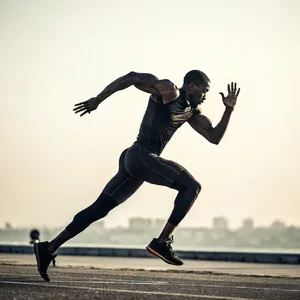
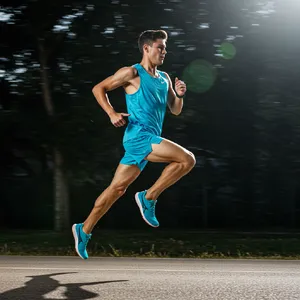
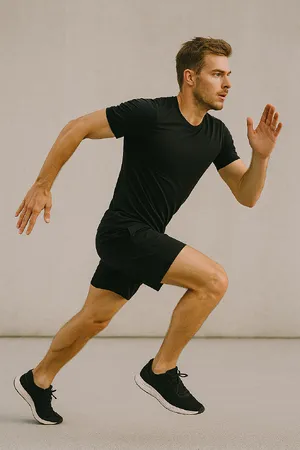
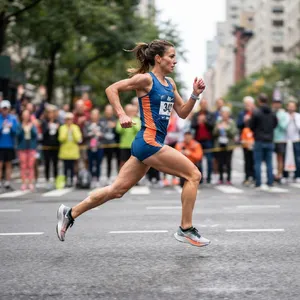
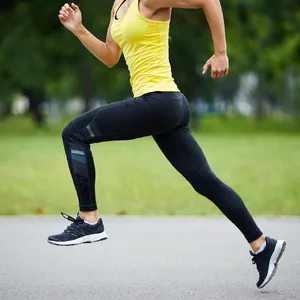
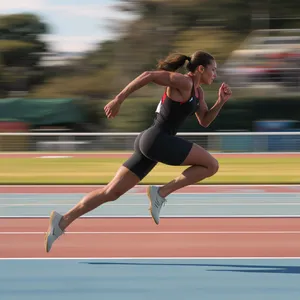
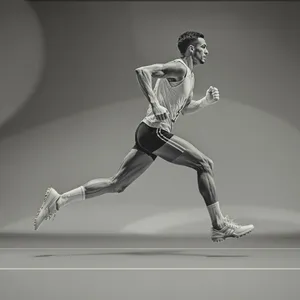
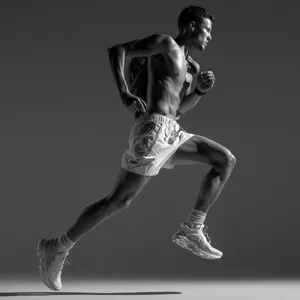
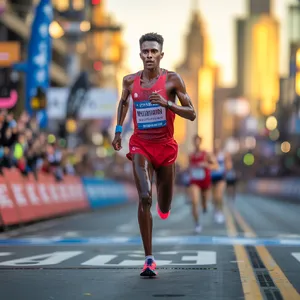
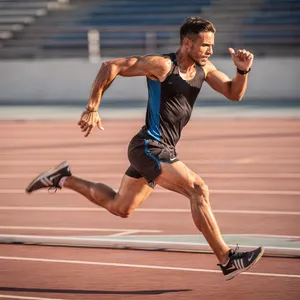
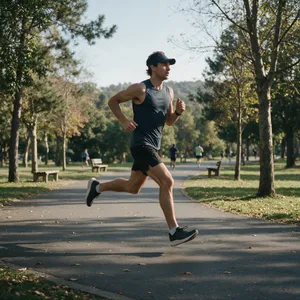
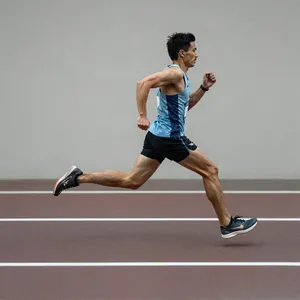
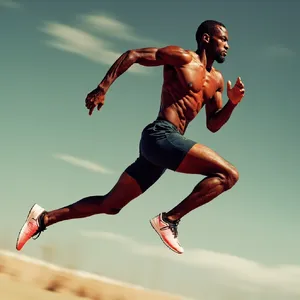
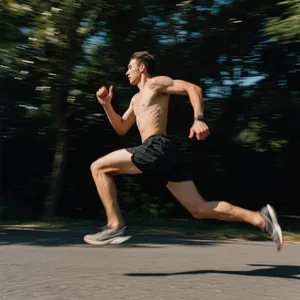
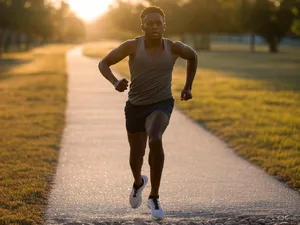
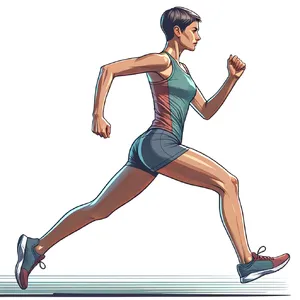
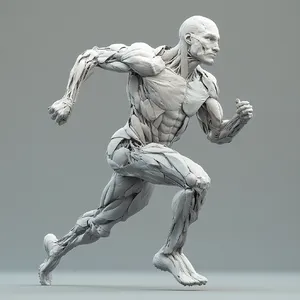
Running and advanced yoga poses require holistic skeletal awareness.
4. Group Mechanics
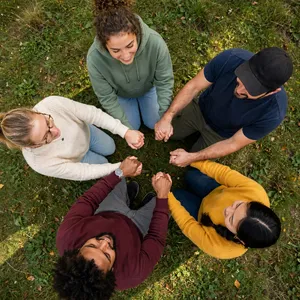
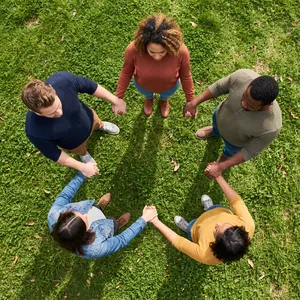
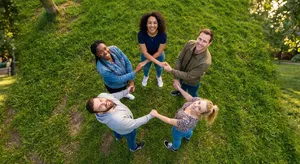
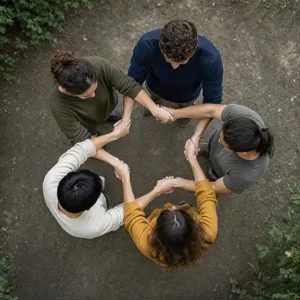
Generating 5+ people holding hands is a notorious weak point for AI.
- Top Pick: Takumi 1
- Why: It reliably followed the participant count constraints while keeping the central hand chains coherent, outperforming models that resorted to messy hand piles.