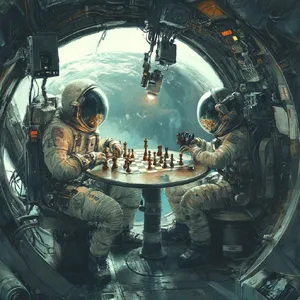
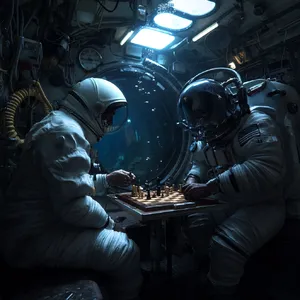
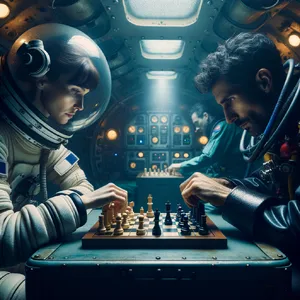
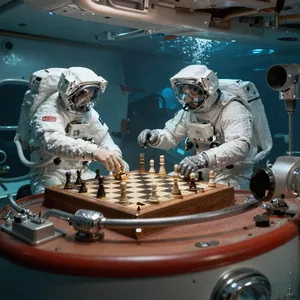
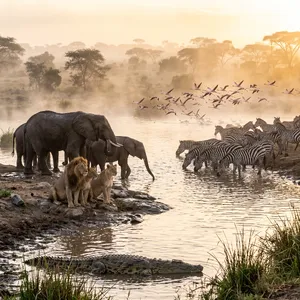
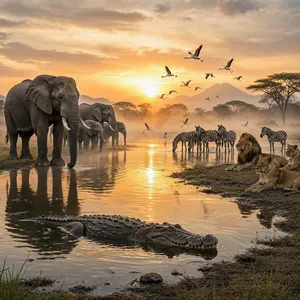
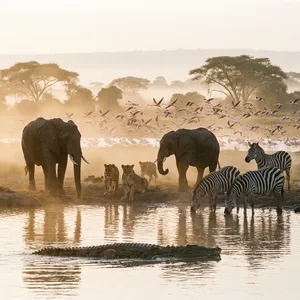
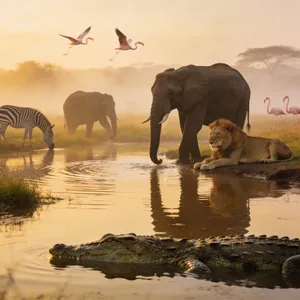
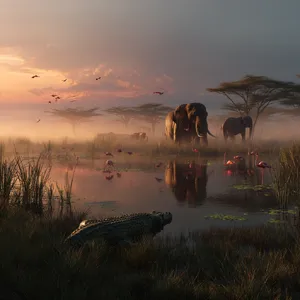
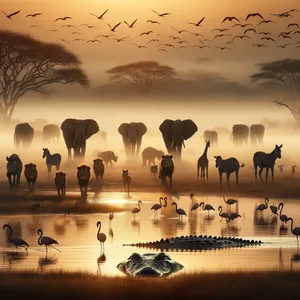
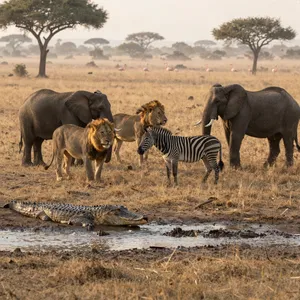
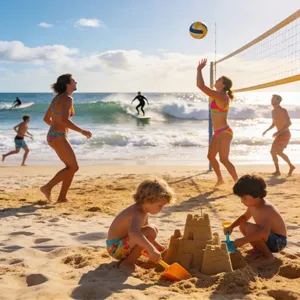
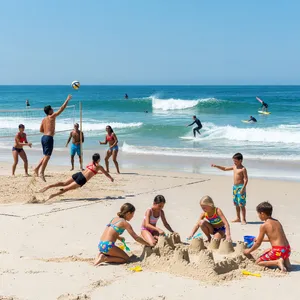
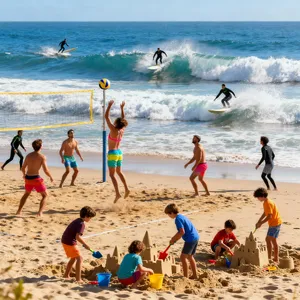
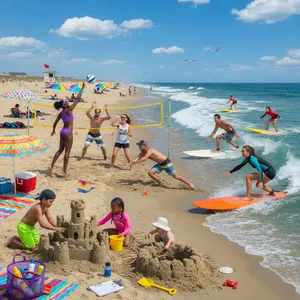
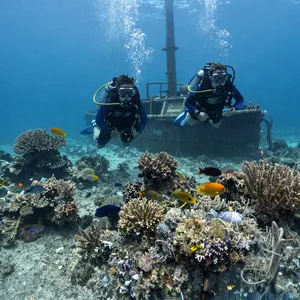
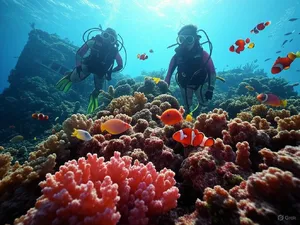
Summary for Complex Scenes
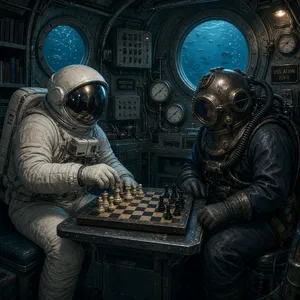
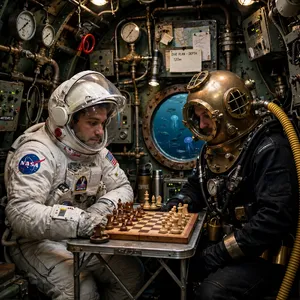
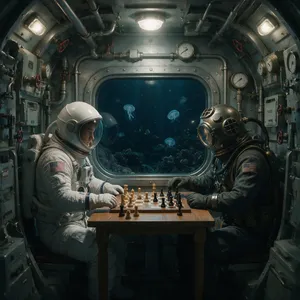
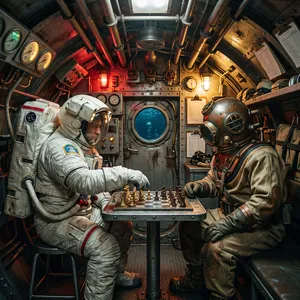
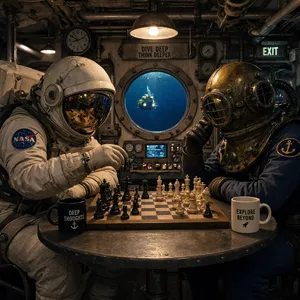
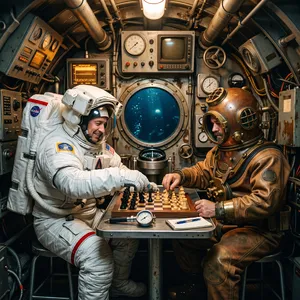
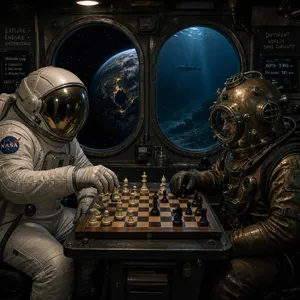
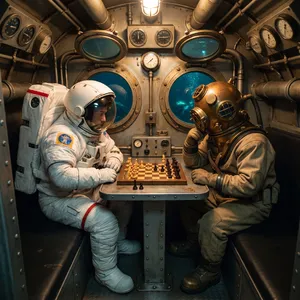
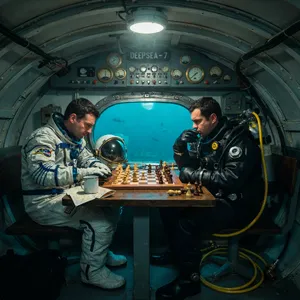
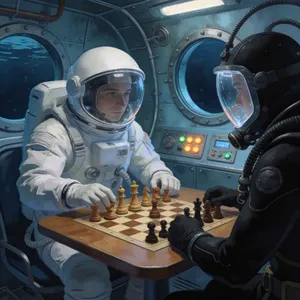
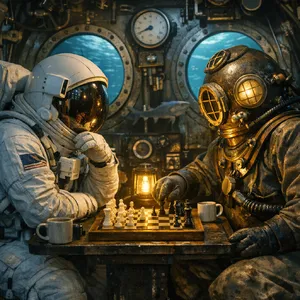
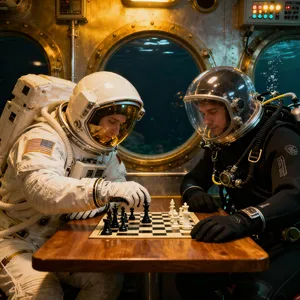
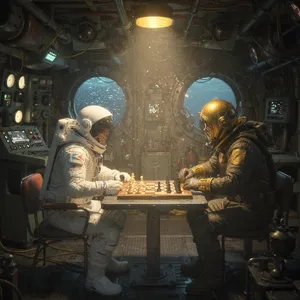
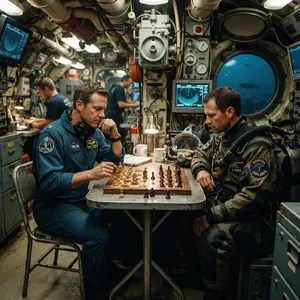
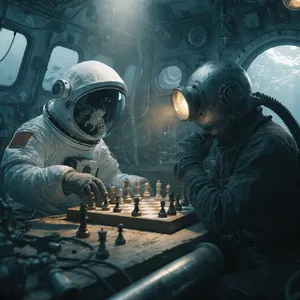
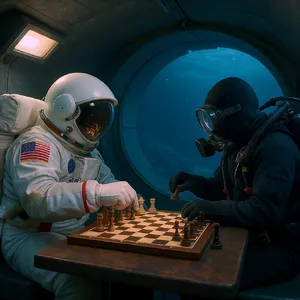
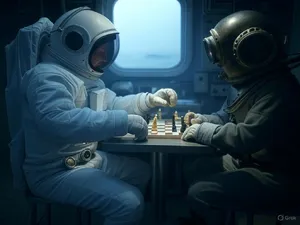
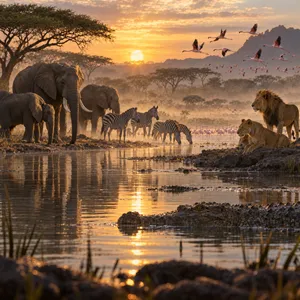
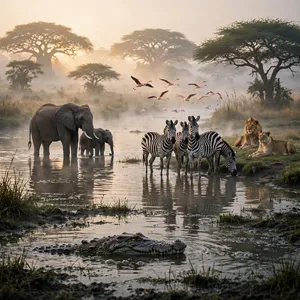
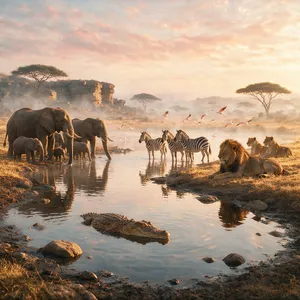
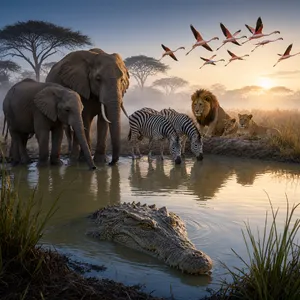
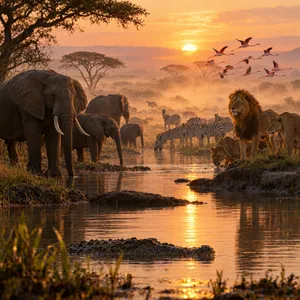
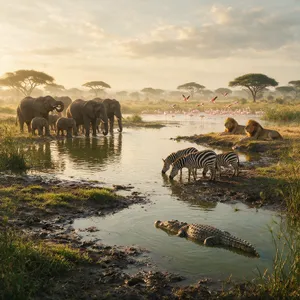
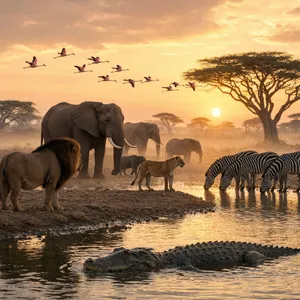
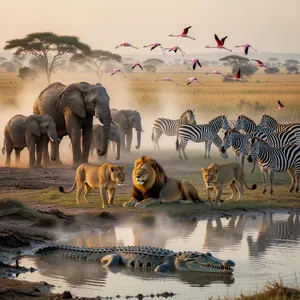
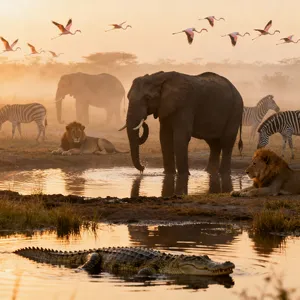
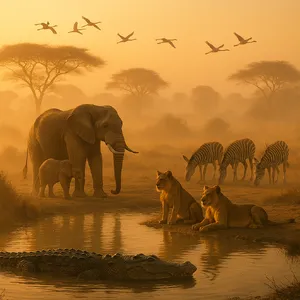
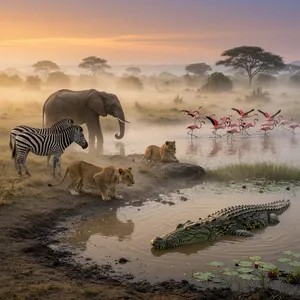
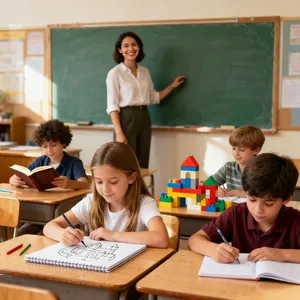
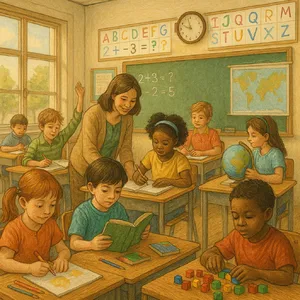
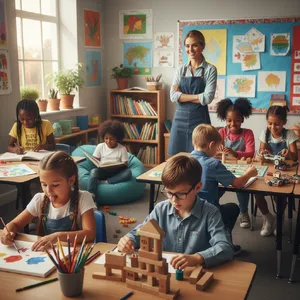
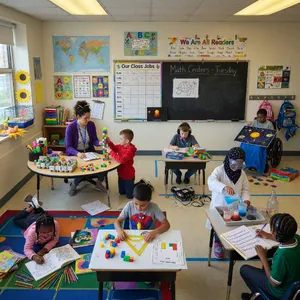
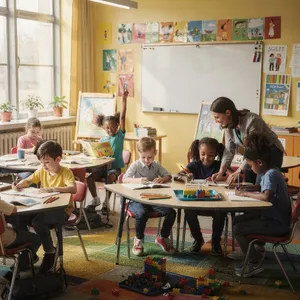
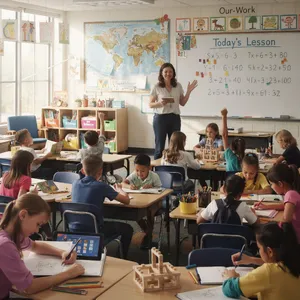
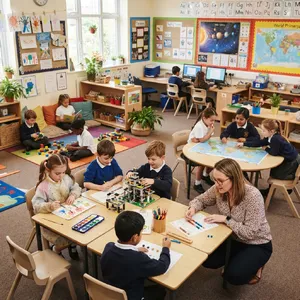
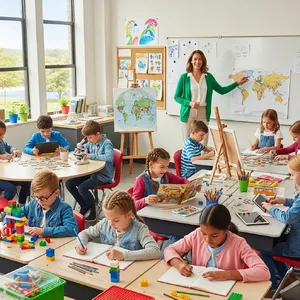
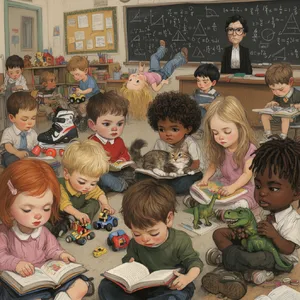
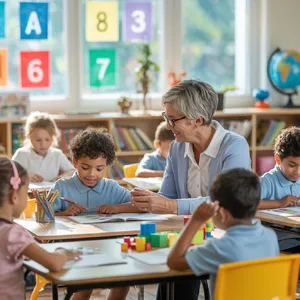
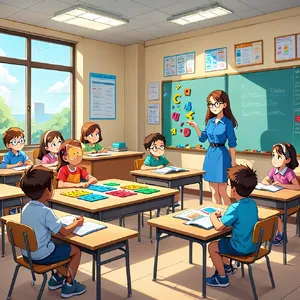
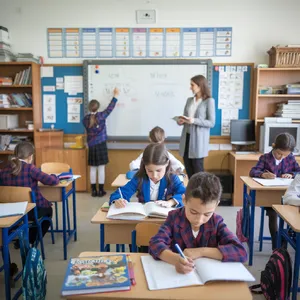
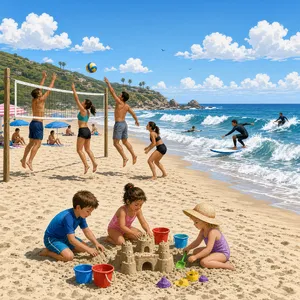
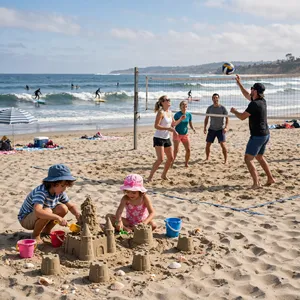
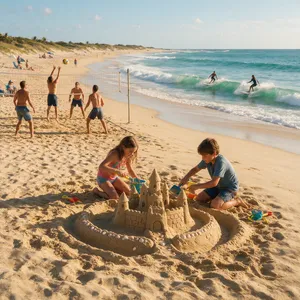
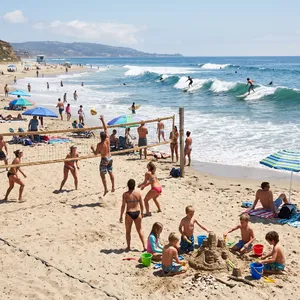
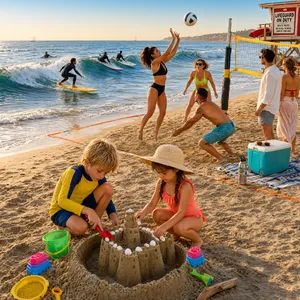
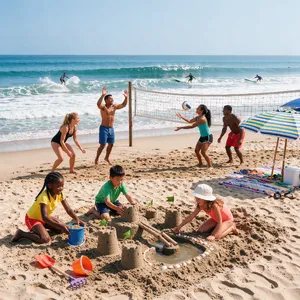
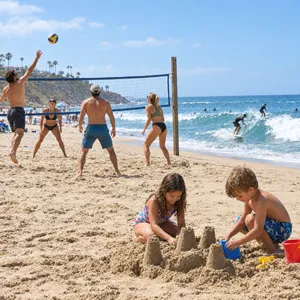
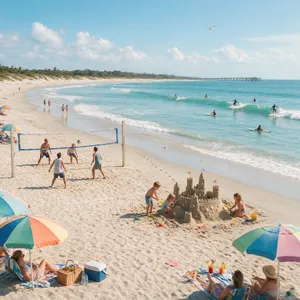
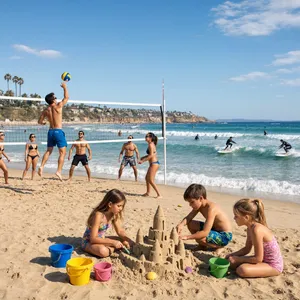
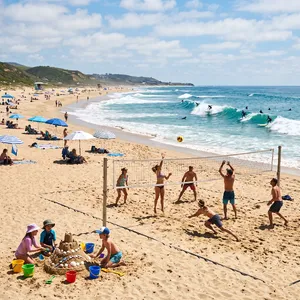
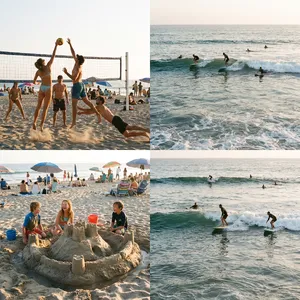
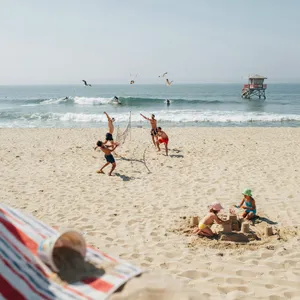
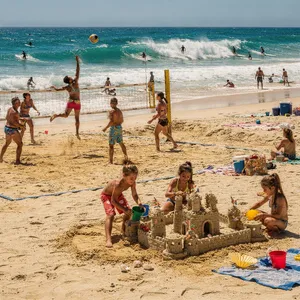
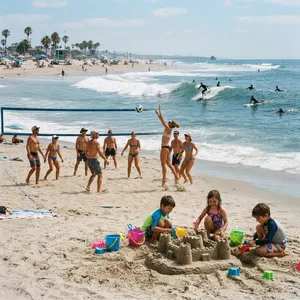
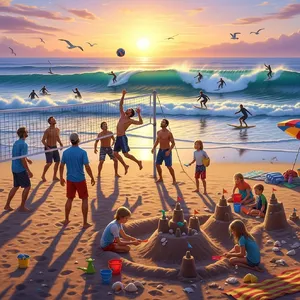
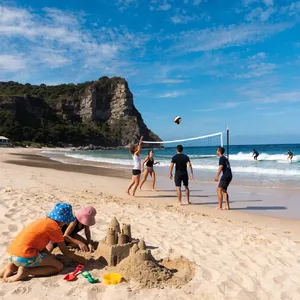
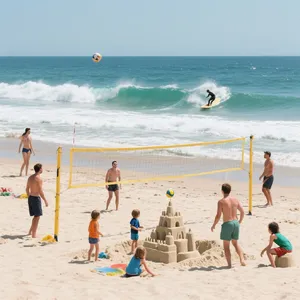
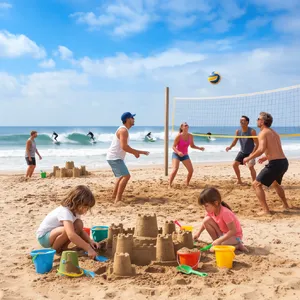
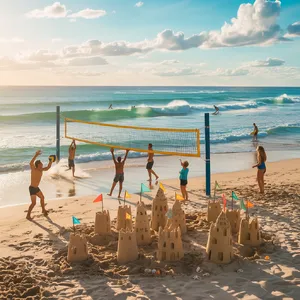
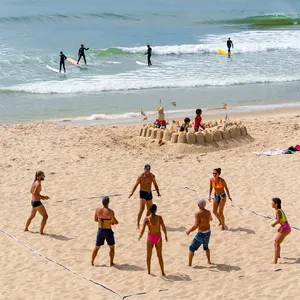
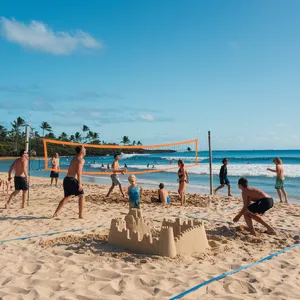
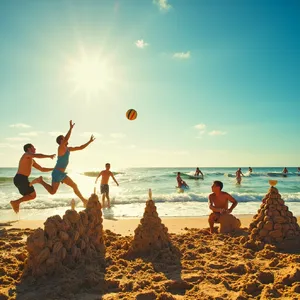
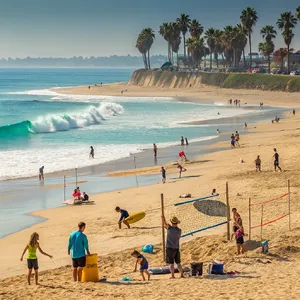
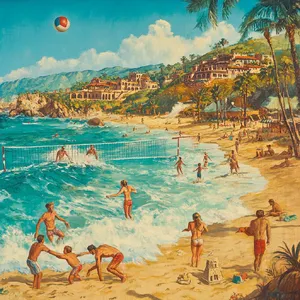
Welcome to the ultimate test of AI visual orchestration! The Complex Scenes category pushes models to their limits by demanding multiple subjects, intricate interactions, and rich, cohesive backgrounds.
Here are the key takeaways:
- 🏆 Top Performers: GPT Image 2 takes the absolute crown with an impressive 1443 Elo, closely followed by GPT Image 2.5 Sunburst (1433 Elo) and Grok Imagine 2.0 (1425 Elo).
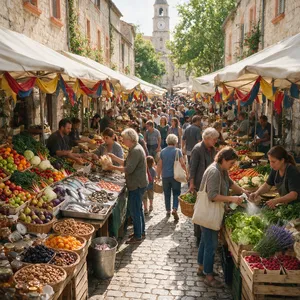
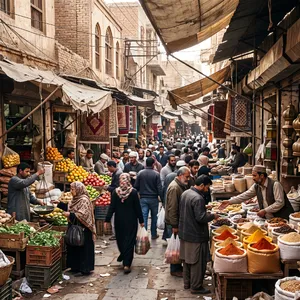
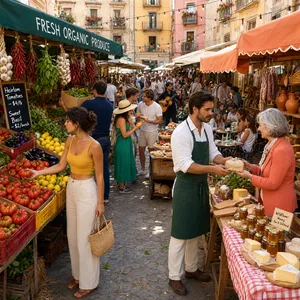
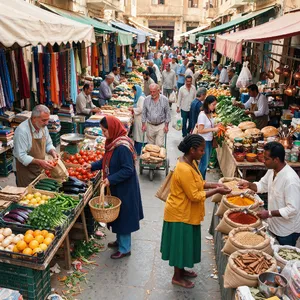
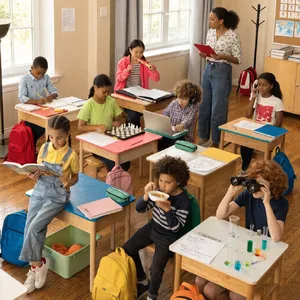
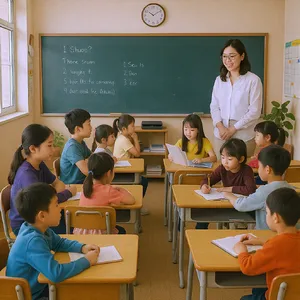
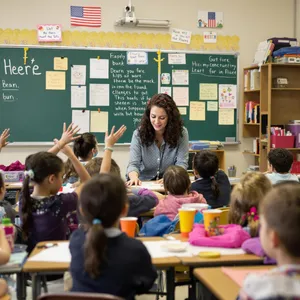
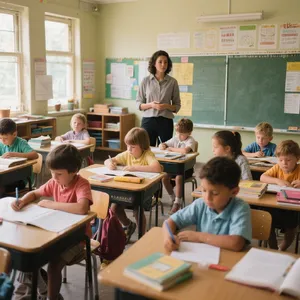
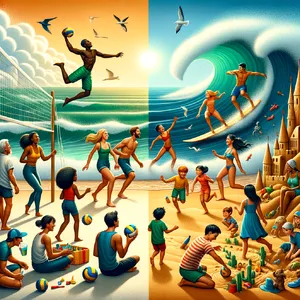
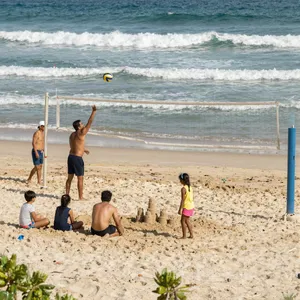
- 🔍 The 'Crowd' Challenge: The biggest hurdle for mid-to-lower tier models is 'crowd merging'. Many models succeed at the primary foreground subject but completely fail when rendering background characters, resulting in merged limbs, extra hands, and distorted faces.
- 😲 Surprising Drops: Popular models like Midjourney V6.1 (738 Elo) and Ideogram V2 (463 Elo) struggled significantly in this specific category, often falling victim to cluttered compositions and severe anatomical breakdowns when overloaded with multiple subjects.
- ✨ Actionable Insight: If you need a bustling, busy scene with distinct, anatomically correct background characters, stick to the top-tier OpenAI or XAI models!
General Analysis & Useful Insights
Generating a single beautiful subject is easy; generating thirty interacting subjects is a whole different ballgame. Let's explore the patterns we found in the evaluation data:
💪 Strengths of the Top Performers
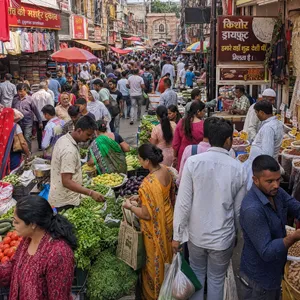
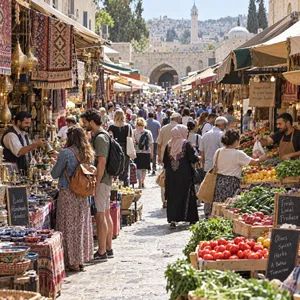
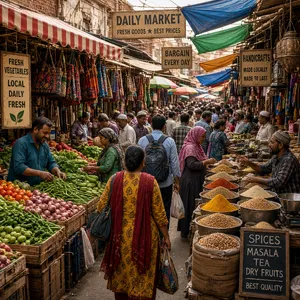
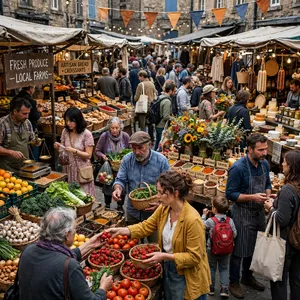
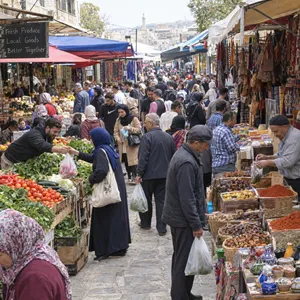
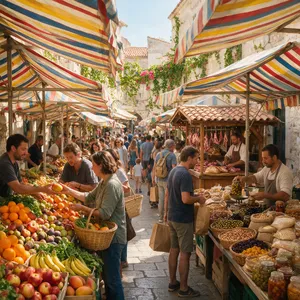
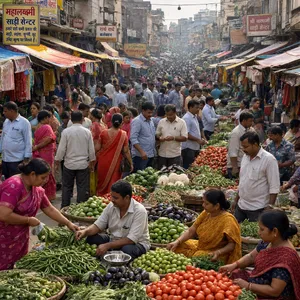
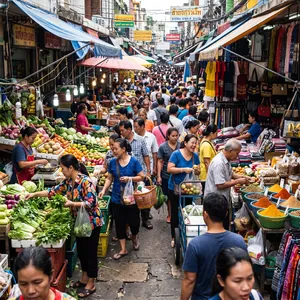
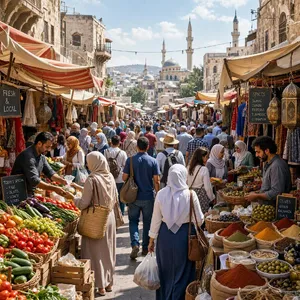
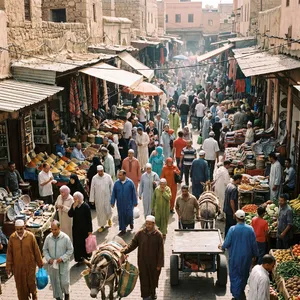
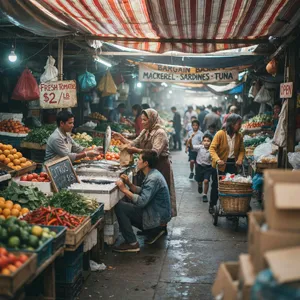
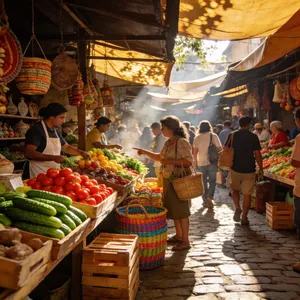
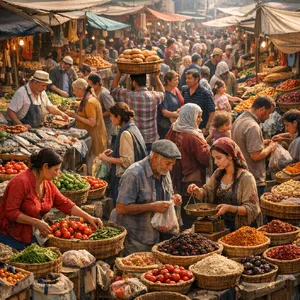
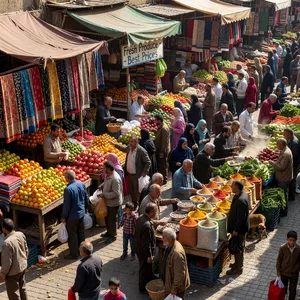
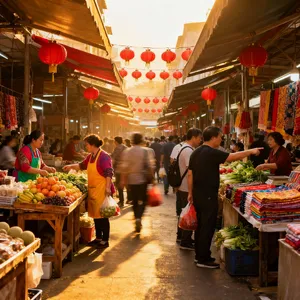
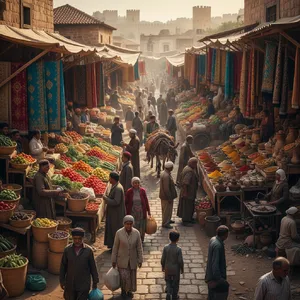
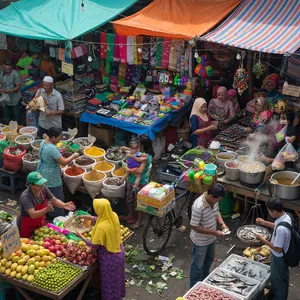
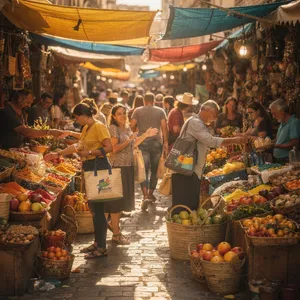
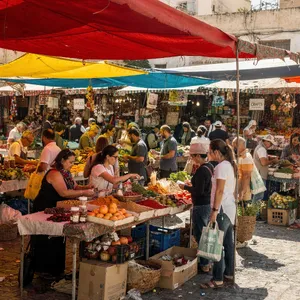
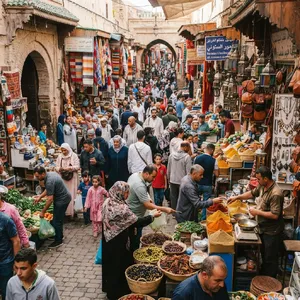
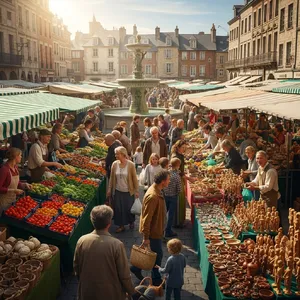
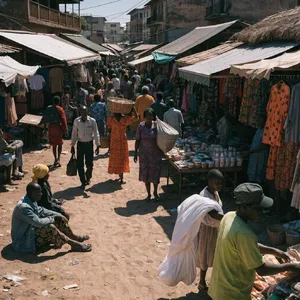
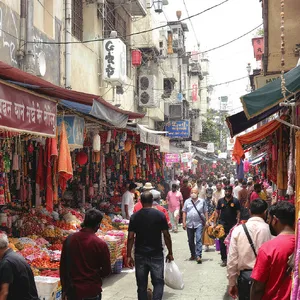
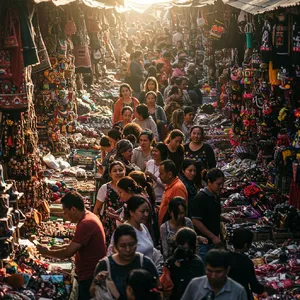
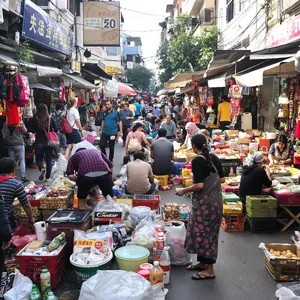
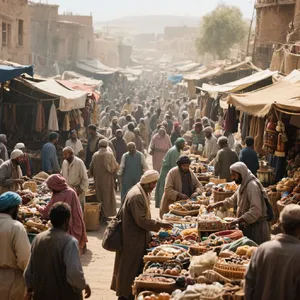
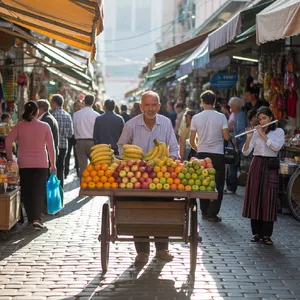
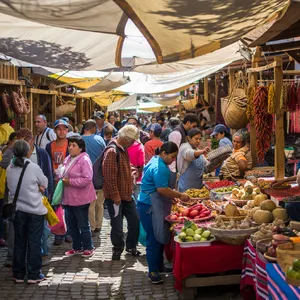
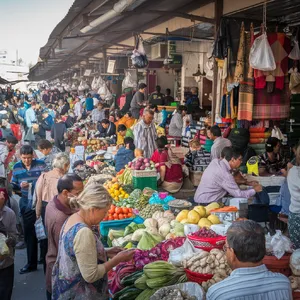
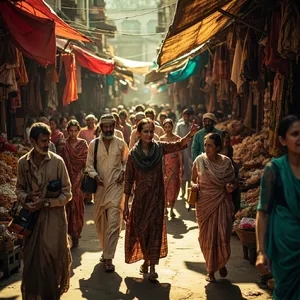
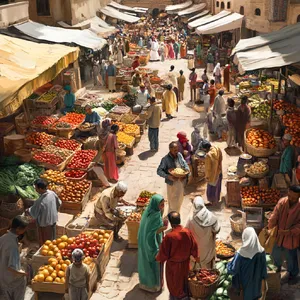
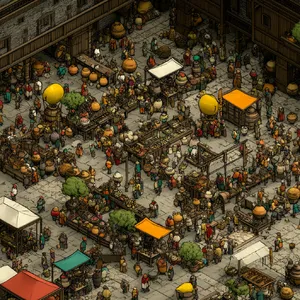
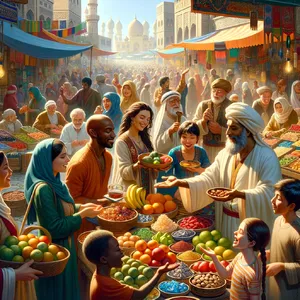
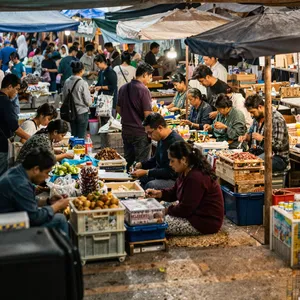
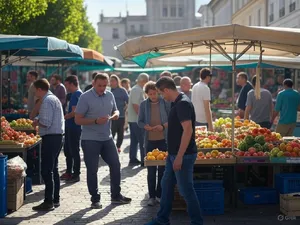
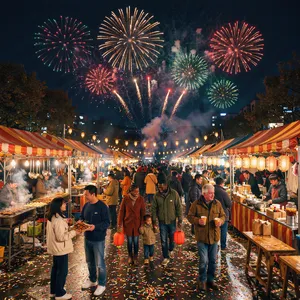
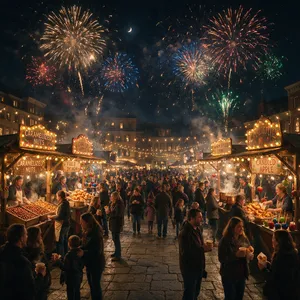
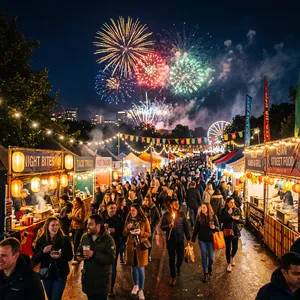
The leading models excel at spatial coherence and focal hierarchy. For example, in the Bustling market scene, GPT Image 2 successfully renders a densely crowded street while keeping the foreground subjects anatomically believable and explicitly engaged in commerce. Top models don't just fill space with noise; they create distinct, readable depth layers.
📉 Common Failure Modes
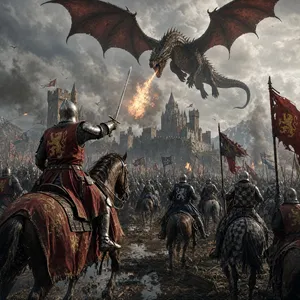
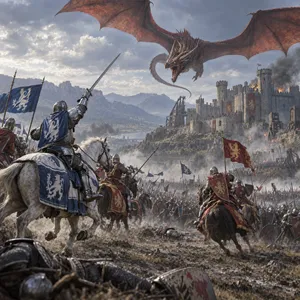
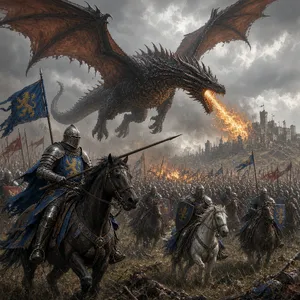
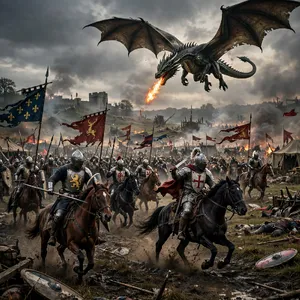
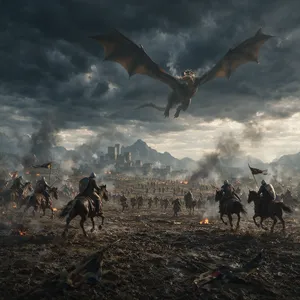
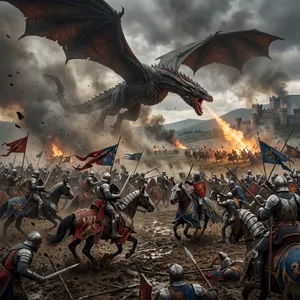
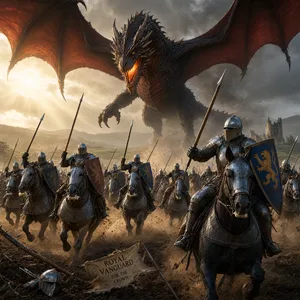
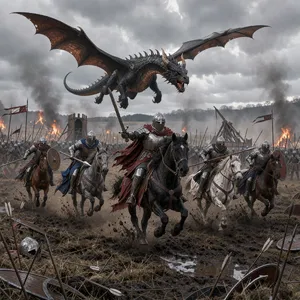
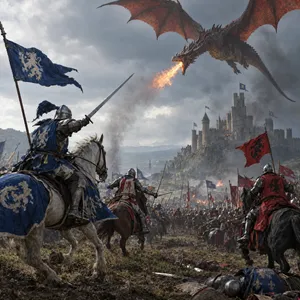
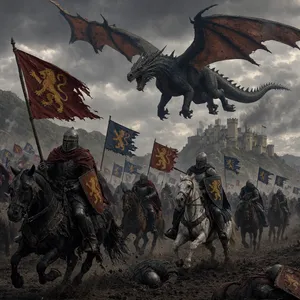
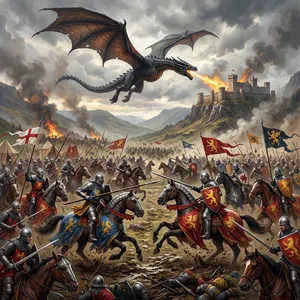
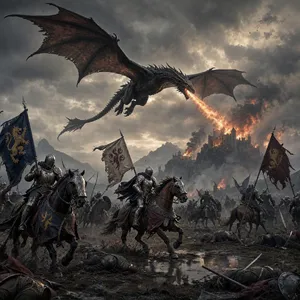
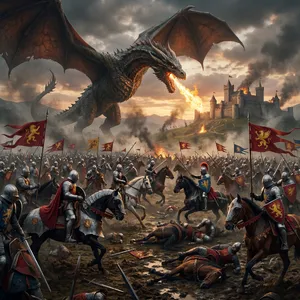
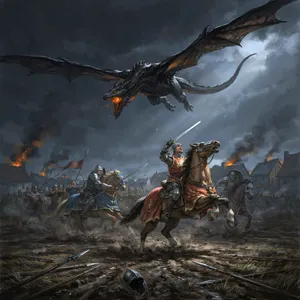
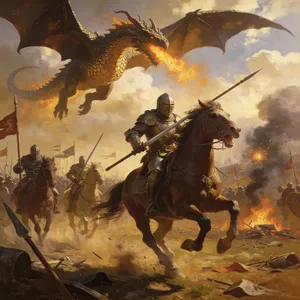
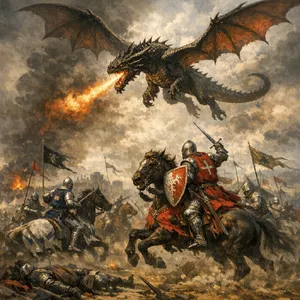
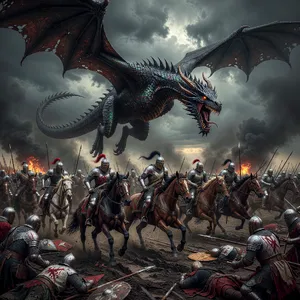
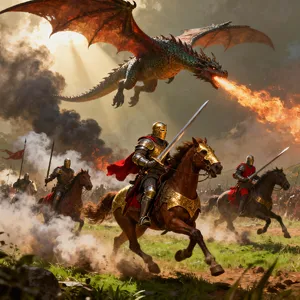
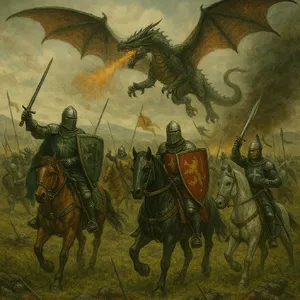
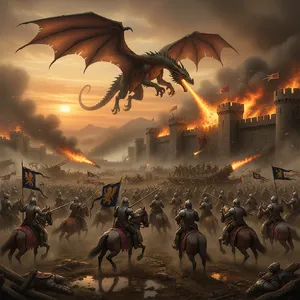
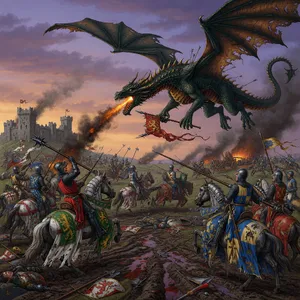
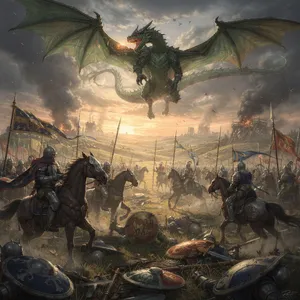
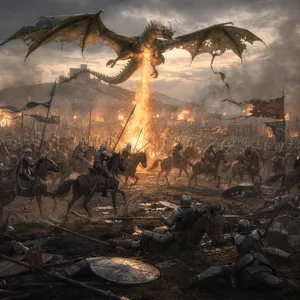
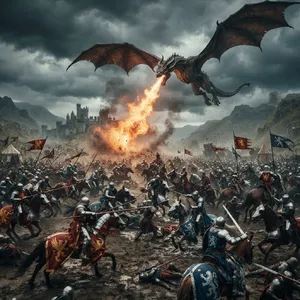
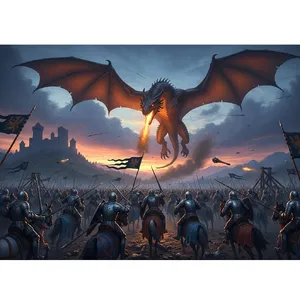
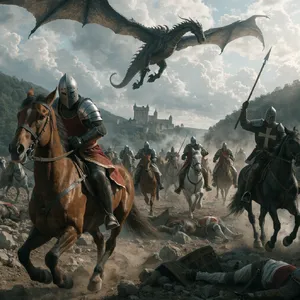
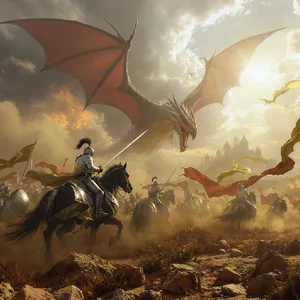
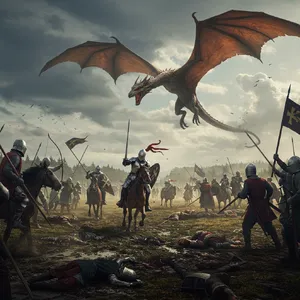
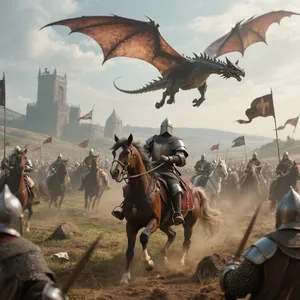
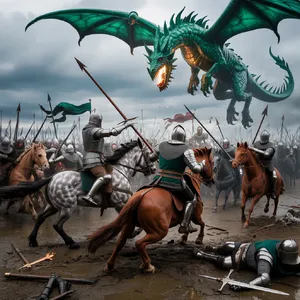
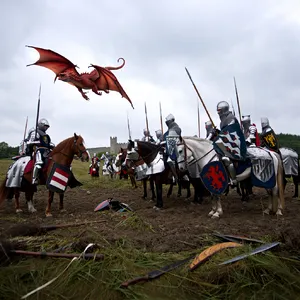
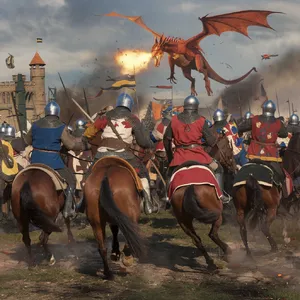
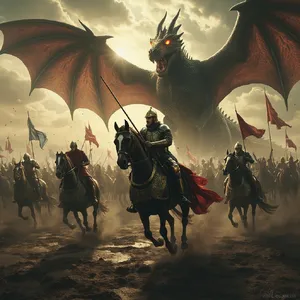
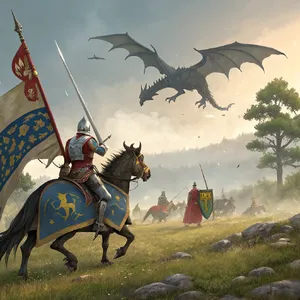
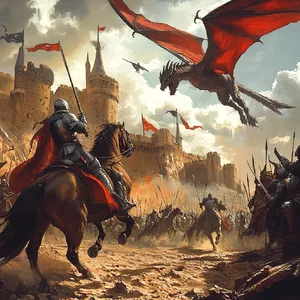
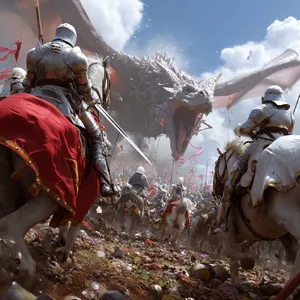
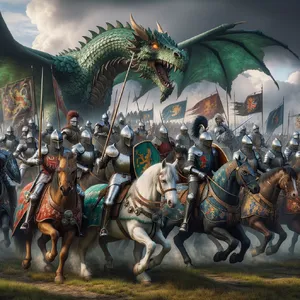
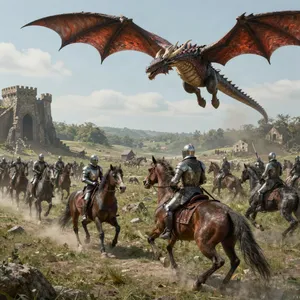
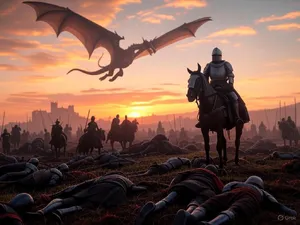
- The 'Extra Limb' Phenomenon: As scenes get crowded, lower-ranked models lose track of basic anatomy. In the Medieval battlefield prompt, many mid-tier models produced horses with five legs or riders inexplicably fused to their mounts.
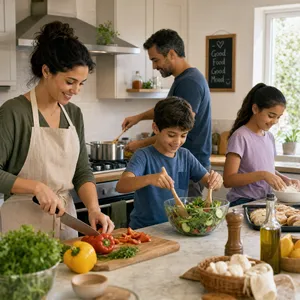
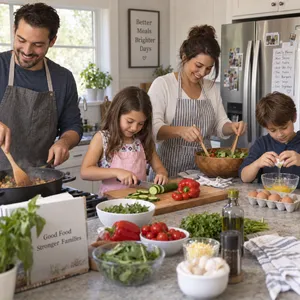
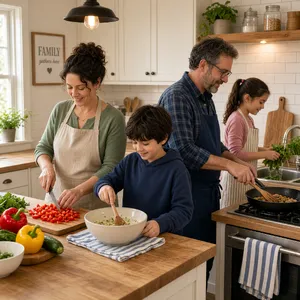
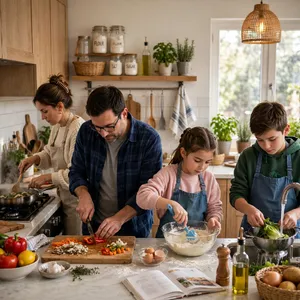
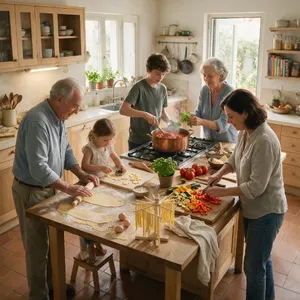
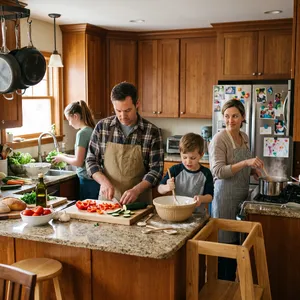
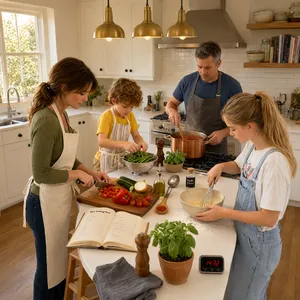
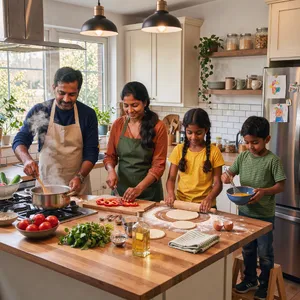
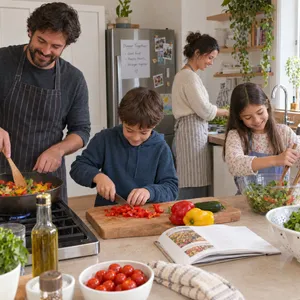
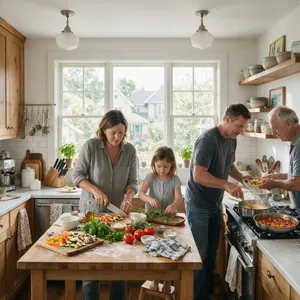
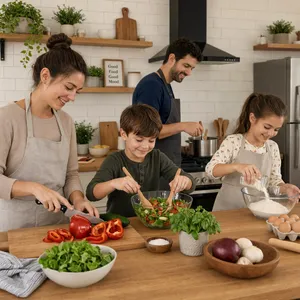
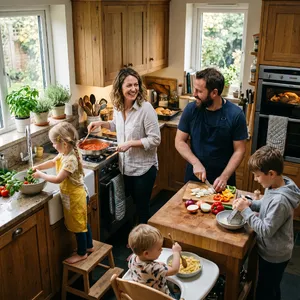
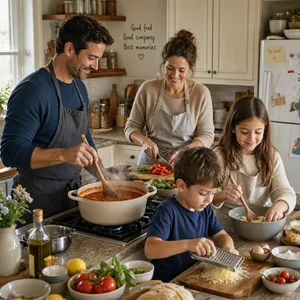
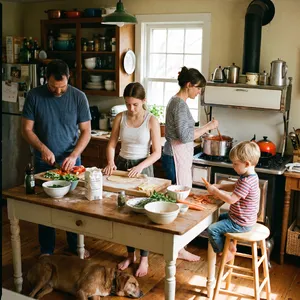
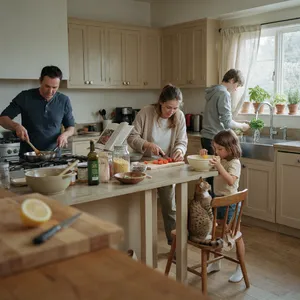
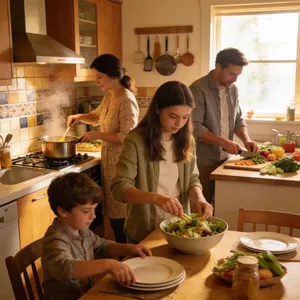
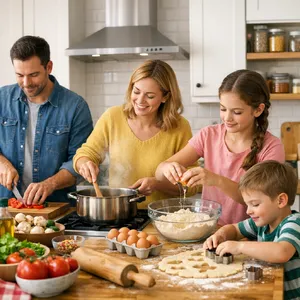
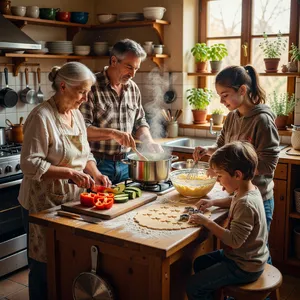
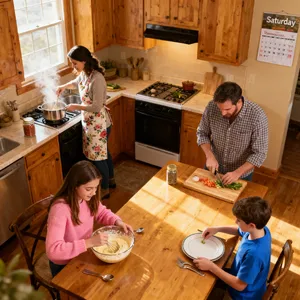
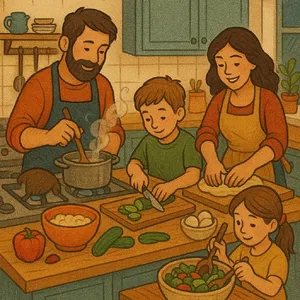
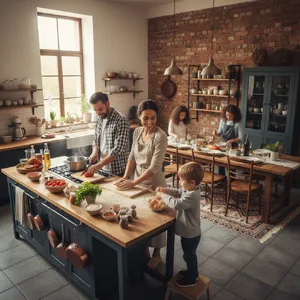
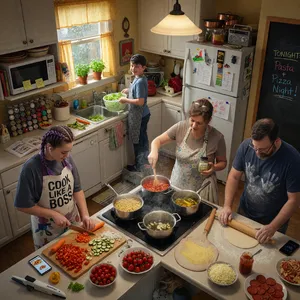
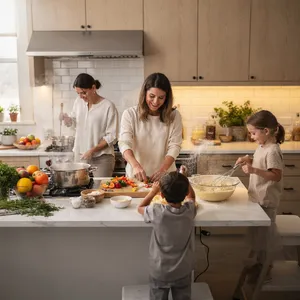
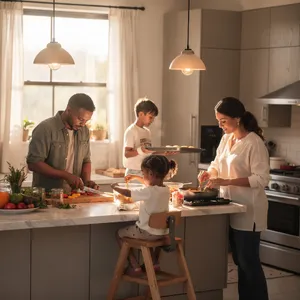
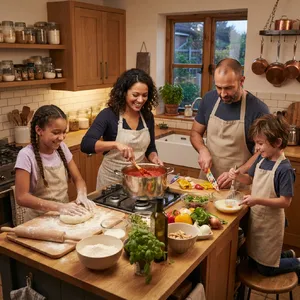
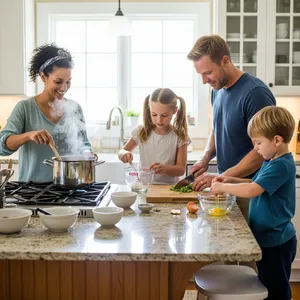
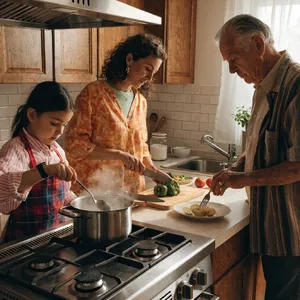
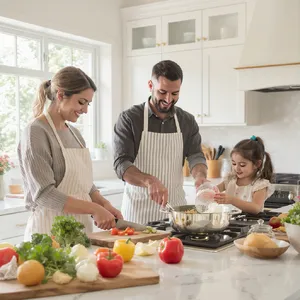
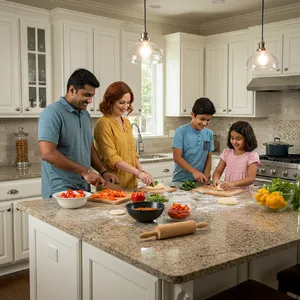
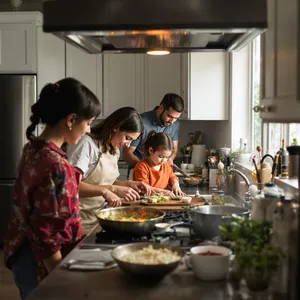
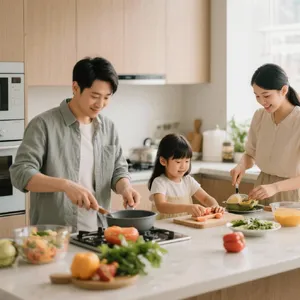
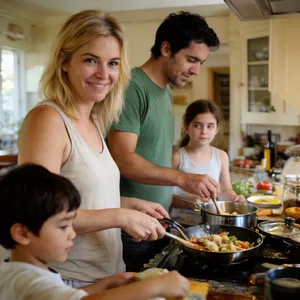
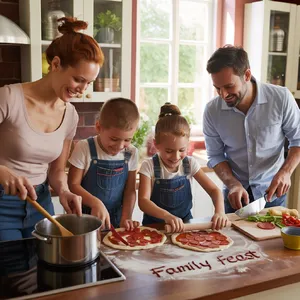
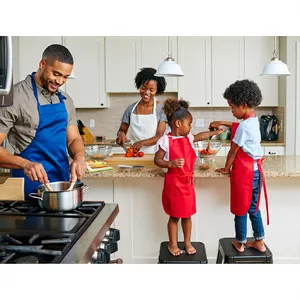
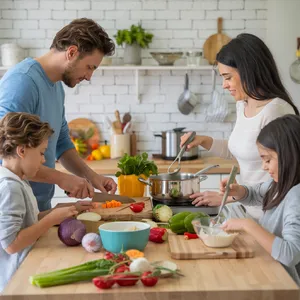
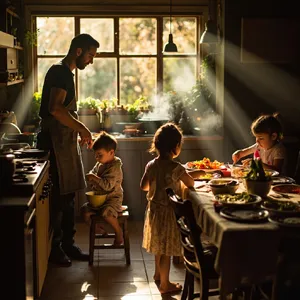
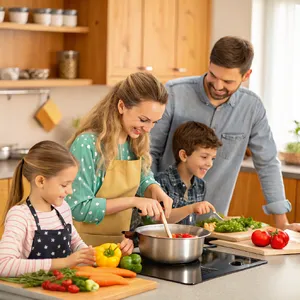
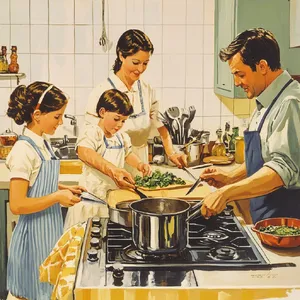
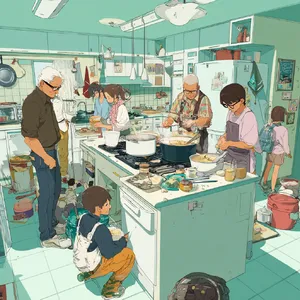
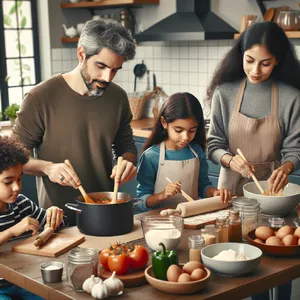
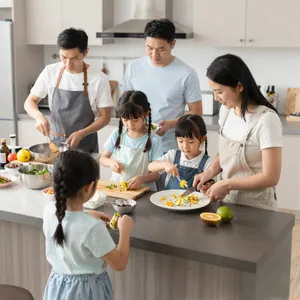
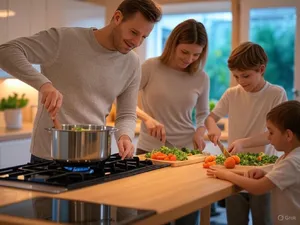
- Activity Duplication: When asked to depict different activities, weaker models try to cheat. In the Family cooking together prompt, models like DALL-E 3 failed by having multiple characters perform the exact same repetitive task instead of distinct, individualized actions.
- Background Degradation: Models like Recraft V3 often nail the foreground but let the background dissolve into smeared, unresolved noise when overwhelmed by the prompt.
🎨 Photorealism vs. Illustration
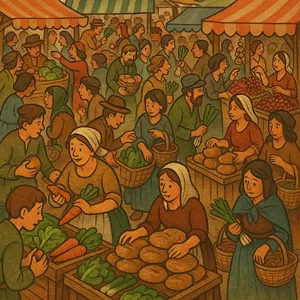
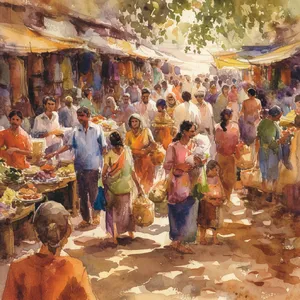
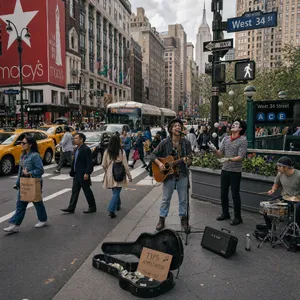
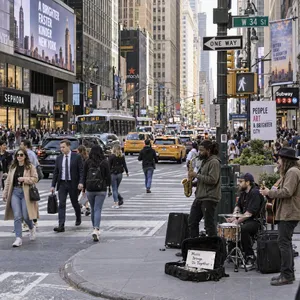
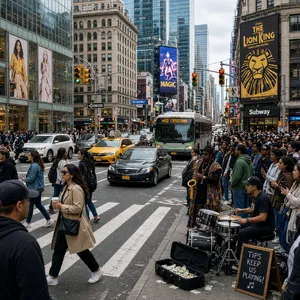
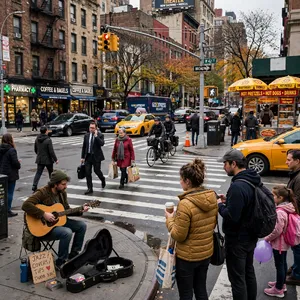
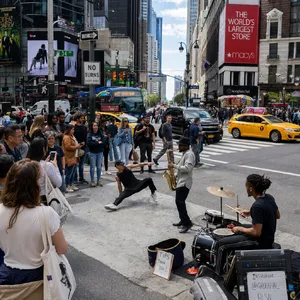
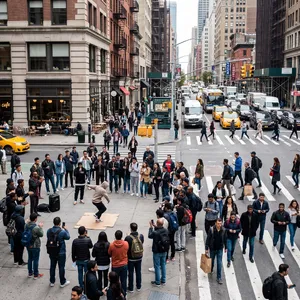
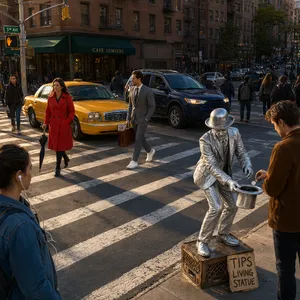
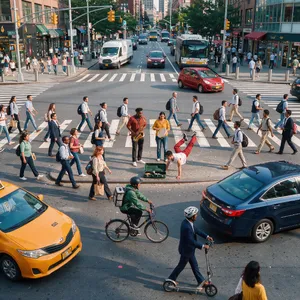
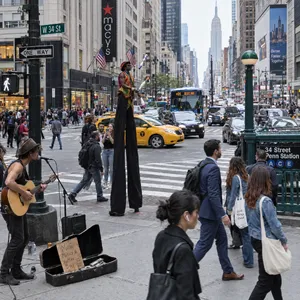
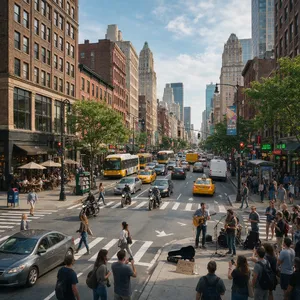
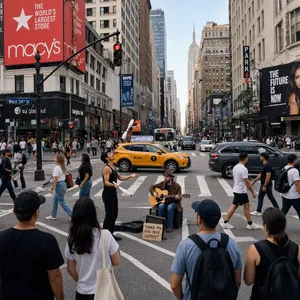
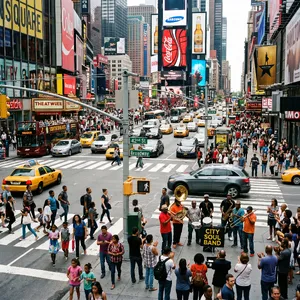
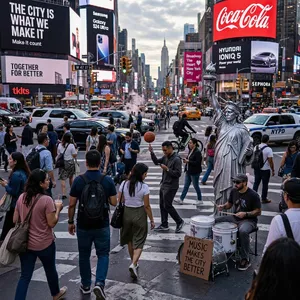
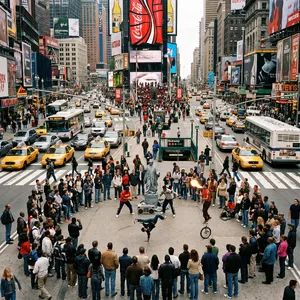
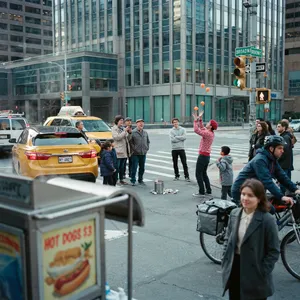
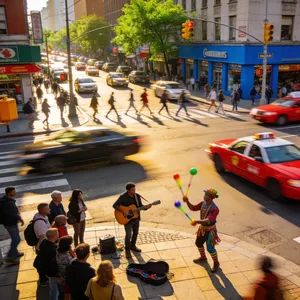
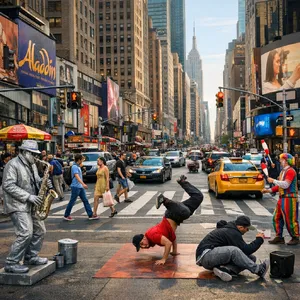
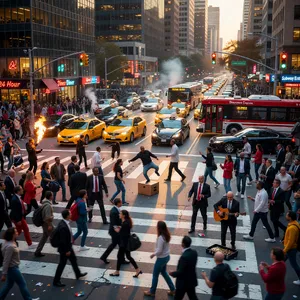
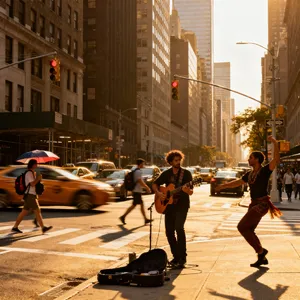
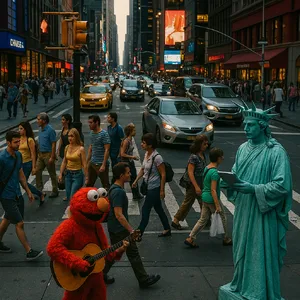
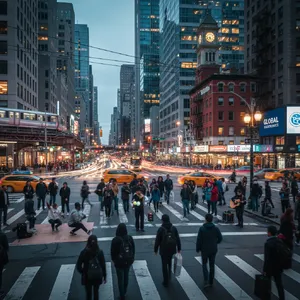
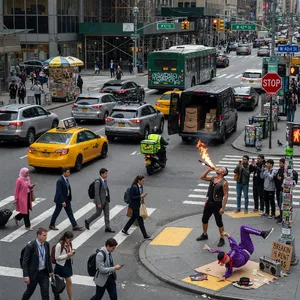
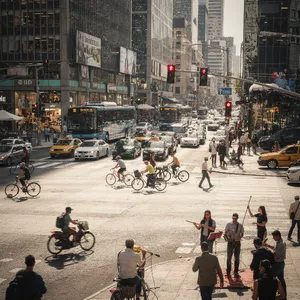
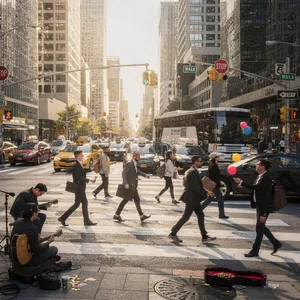
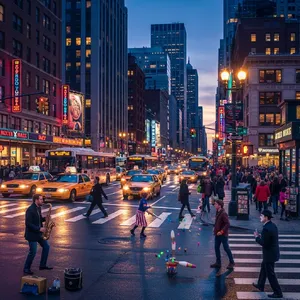
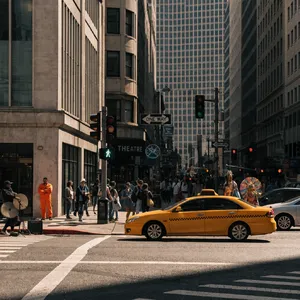
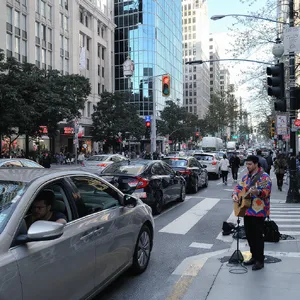
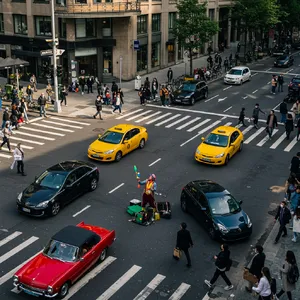
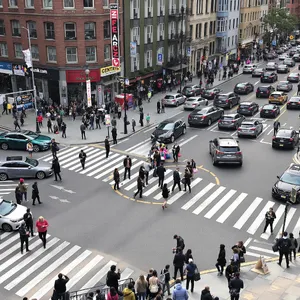
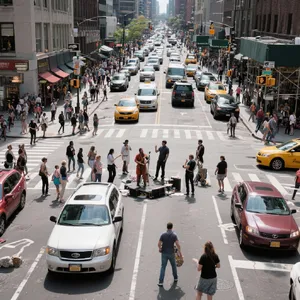
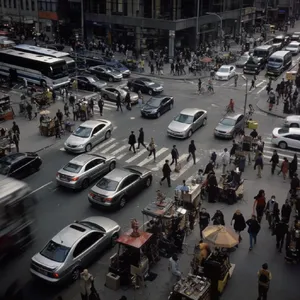
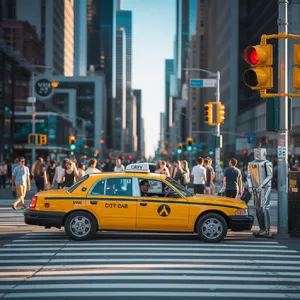
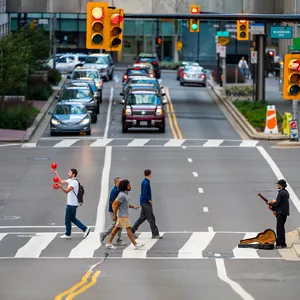
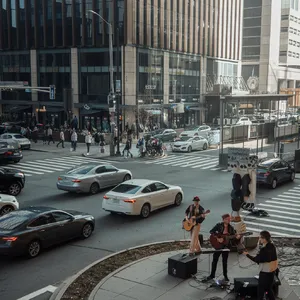
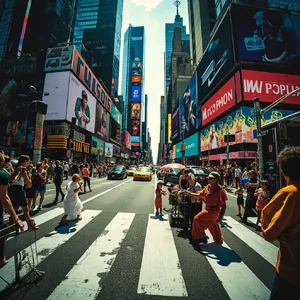
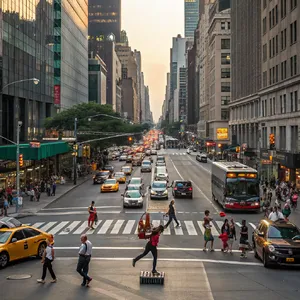
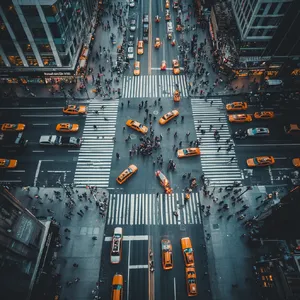
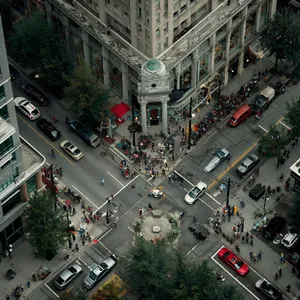
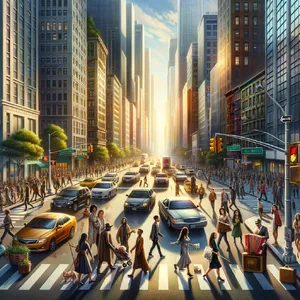
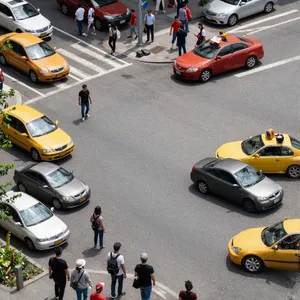
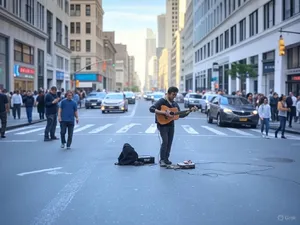
There is a notable correlation between high scores and photorealism in this category. Models that default to highly stylized or painterly aesthetics sometimes successfully mask anatomical flaws but lose points for lacking 'realistic' dynamic human interactions, as seen heavily in the Busy city intersection prompt.
Best Model Analysis by Use Case
Different models shine depending on the specific flavor of complexity you need. Here is a breakdown of the best models for specialized scenarios:
🌆 Dense Urban Crowds & Markets
- Top Pick: GPT Image 2
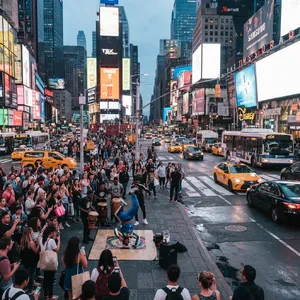
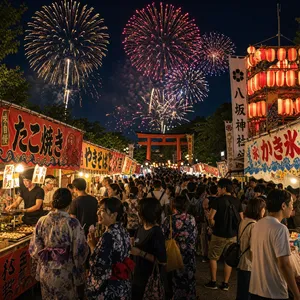
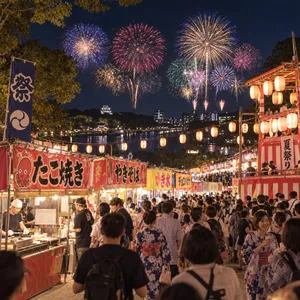
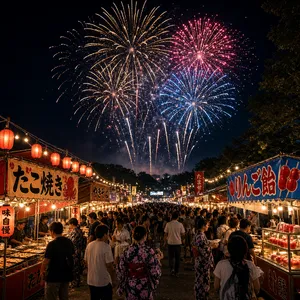
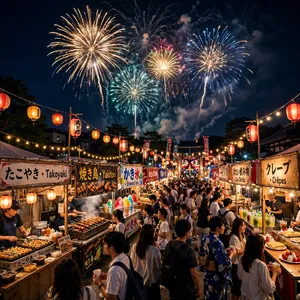
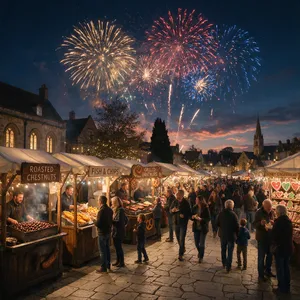
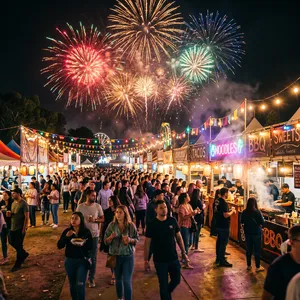
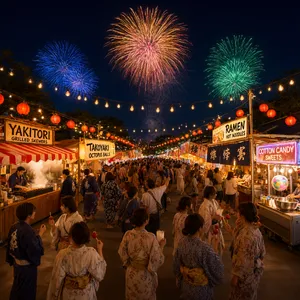
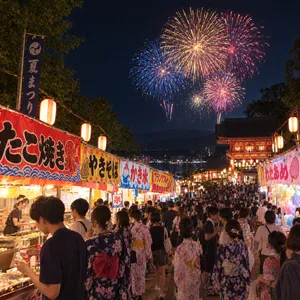
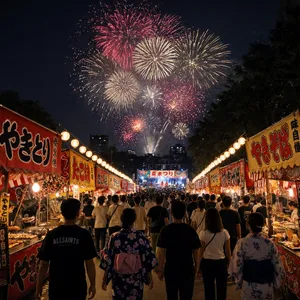
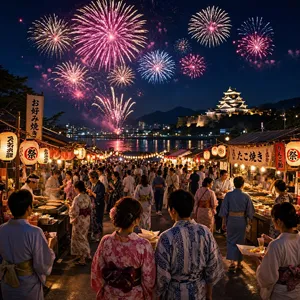
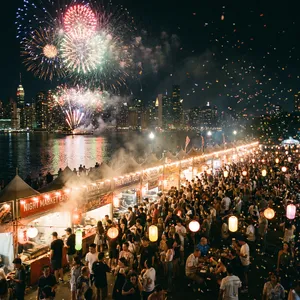
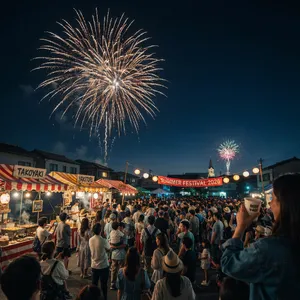
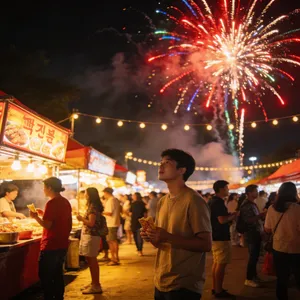
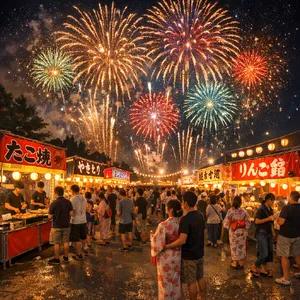
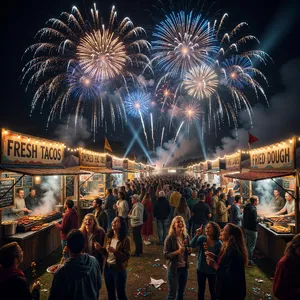
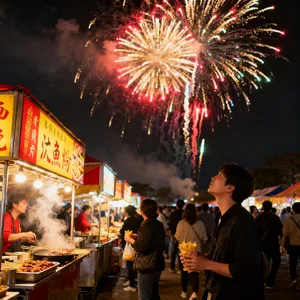
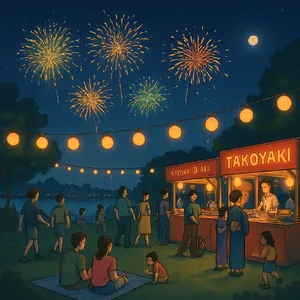
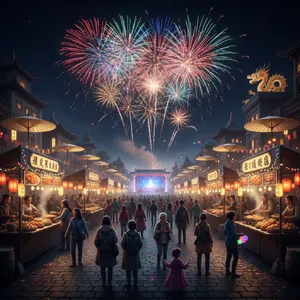
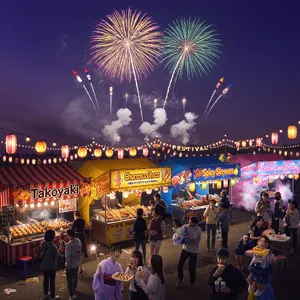
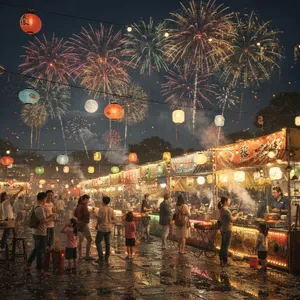
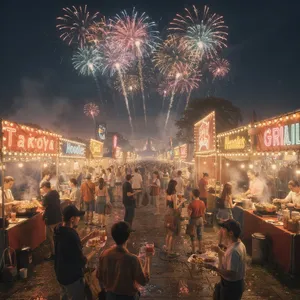
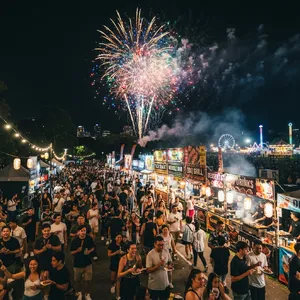
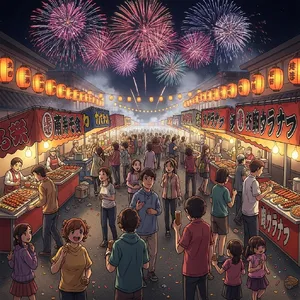
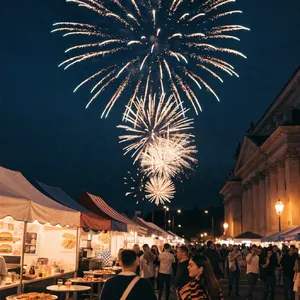
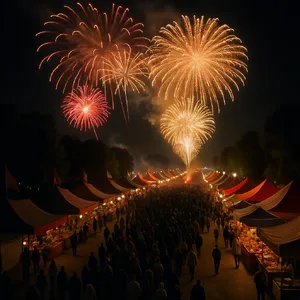
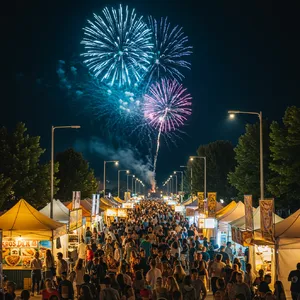
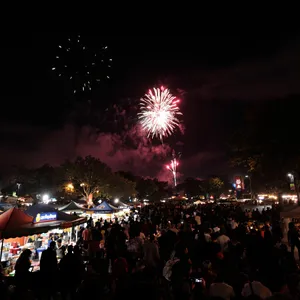
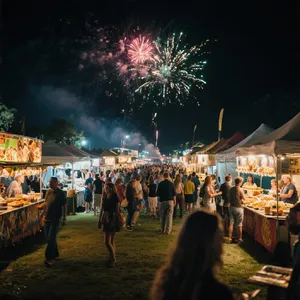
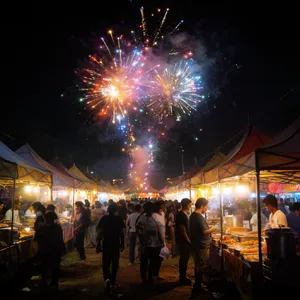
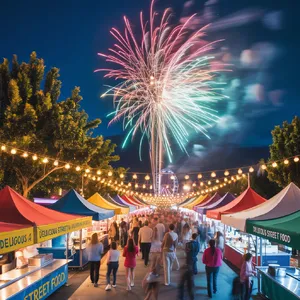
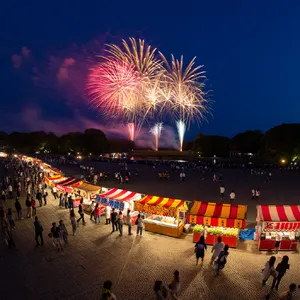
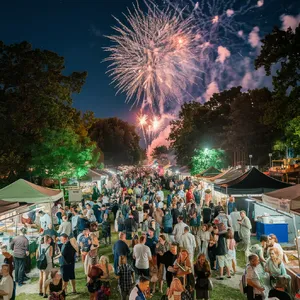
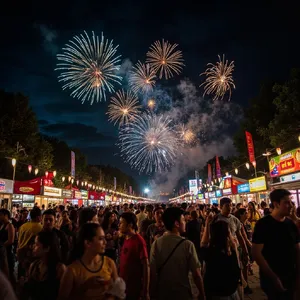
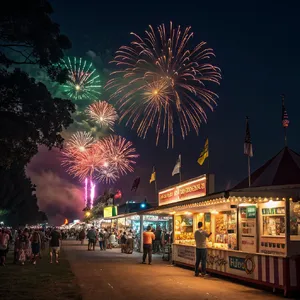
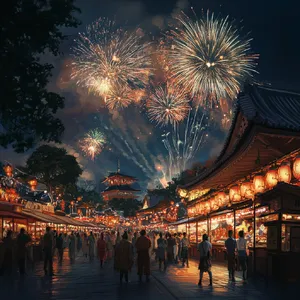
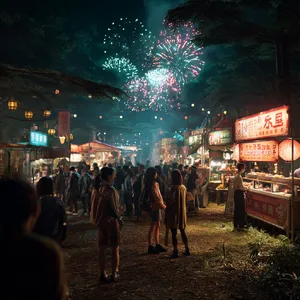
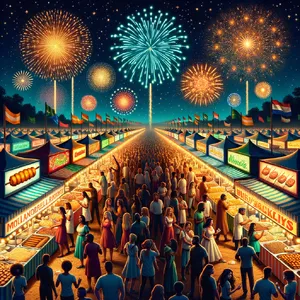
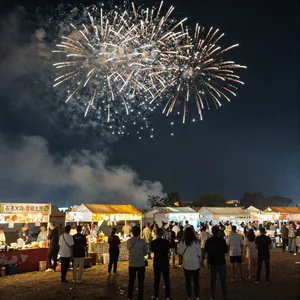
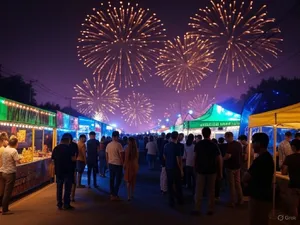
- Why: When tackling scenes with dozens of people, like the Nighttime festival, this model excels at preserving individual faces, clothing textures, and distinct actions even in the deep background. It handles the chaos of a city layout perfectly without turning people into unrecognizable blobs.
🧑🍳 Coordinated Multi-Subject Tasks
🐉 Fantasy & Surreal Integration
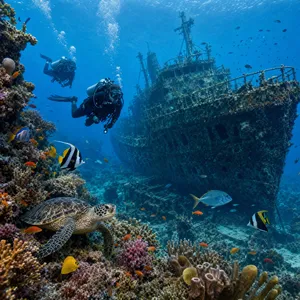
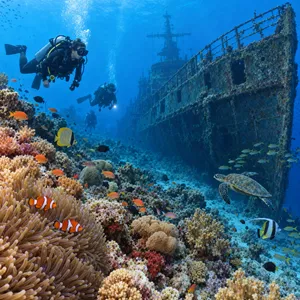
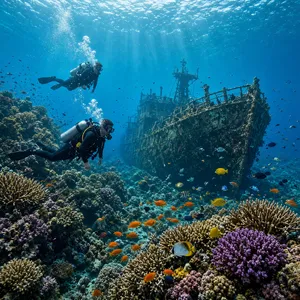
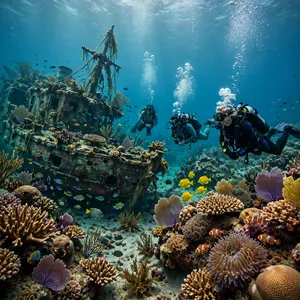
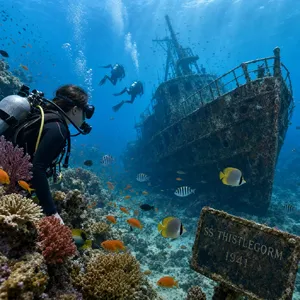
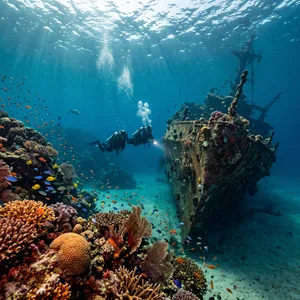
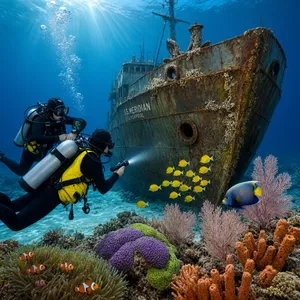
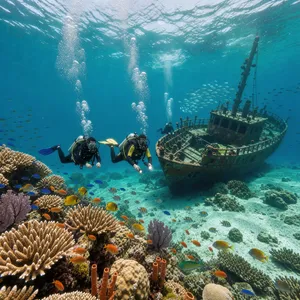
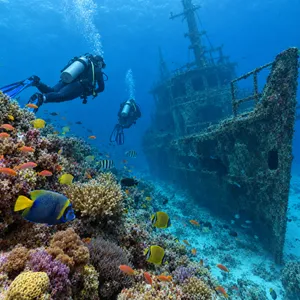
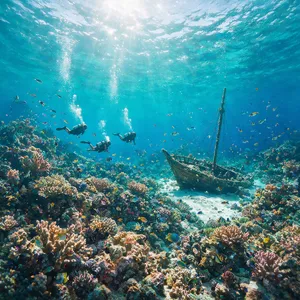
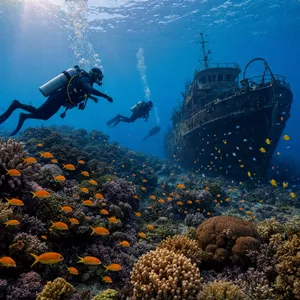
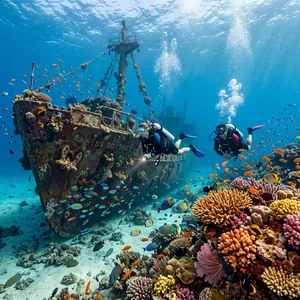
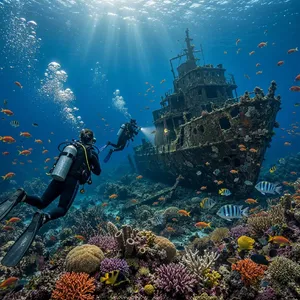
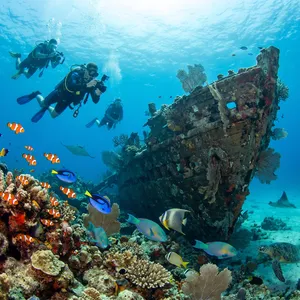
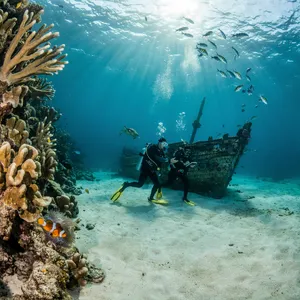
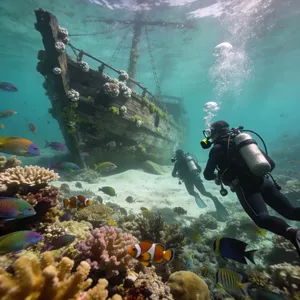
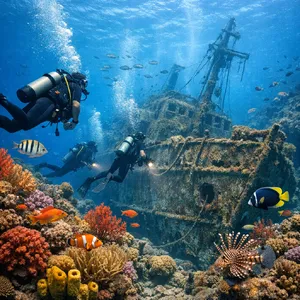
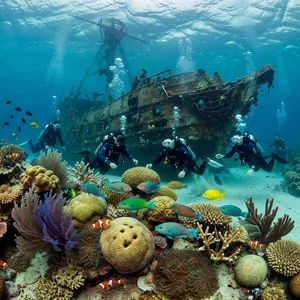
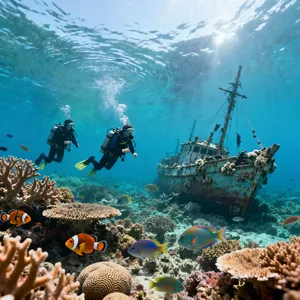
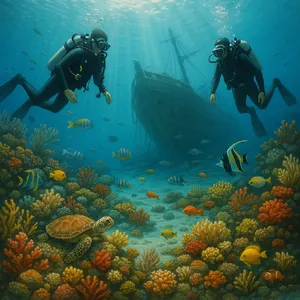
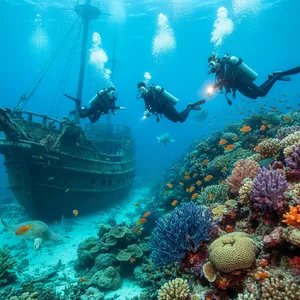
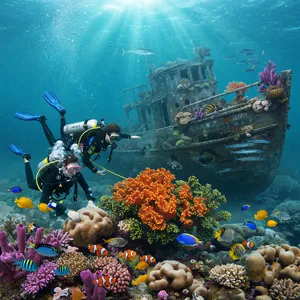
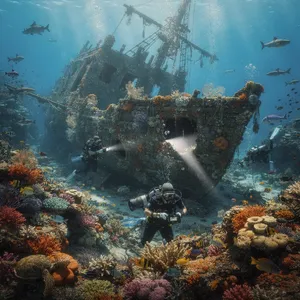
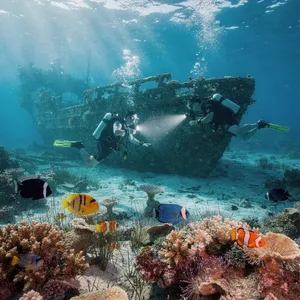
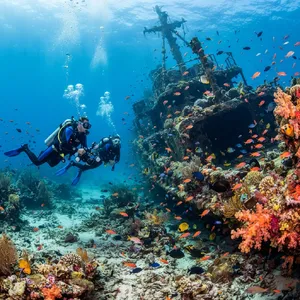
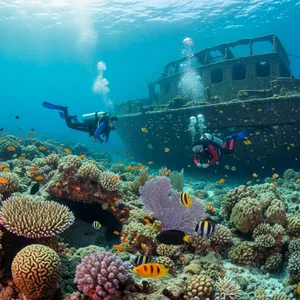
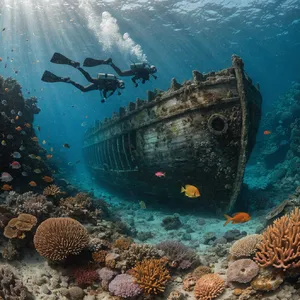
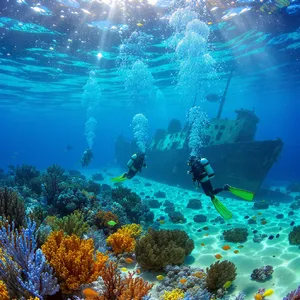
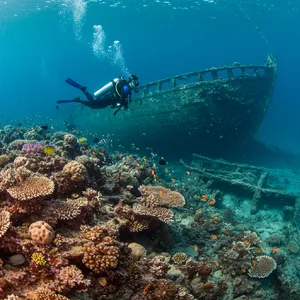
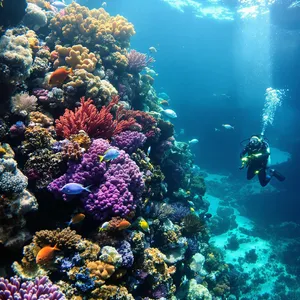
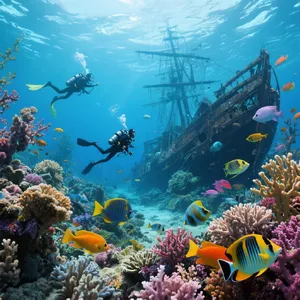
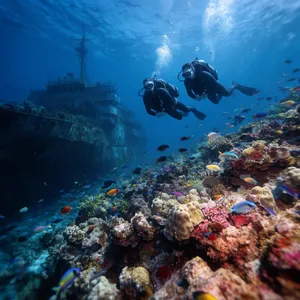
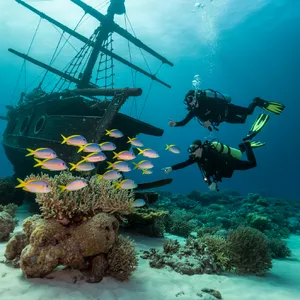
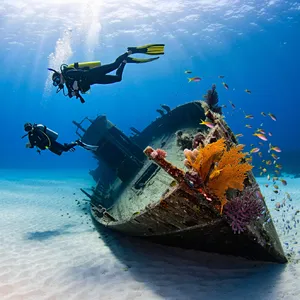
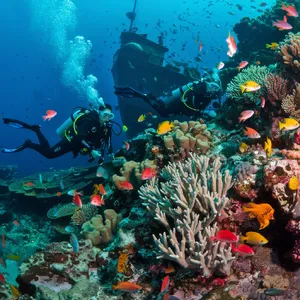
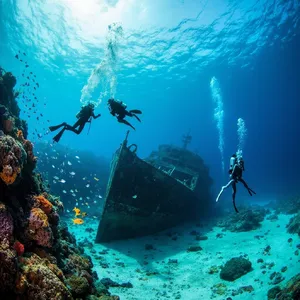
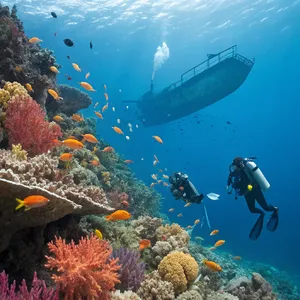
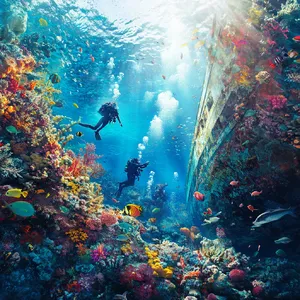
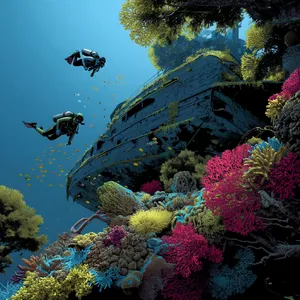
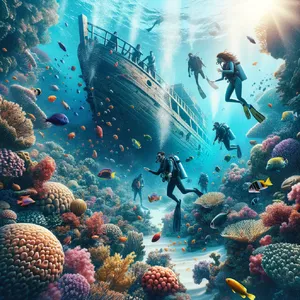
🐠 Underwater & Ecological Diversity