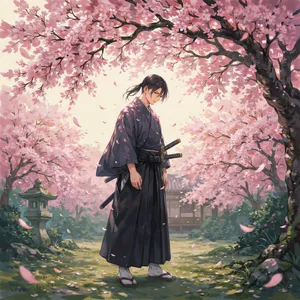
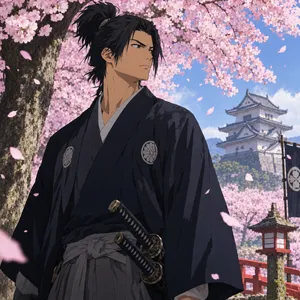
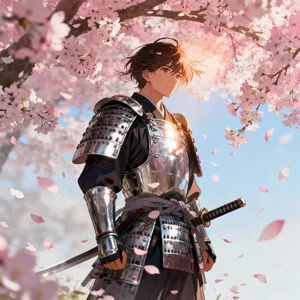
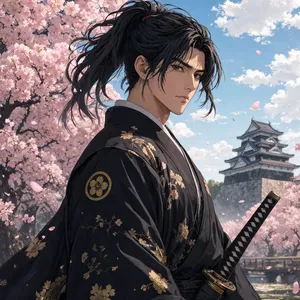
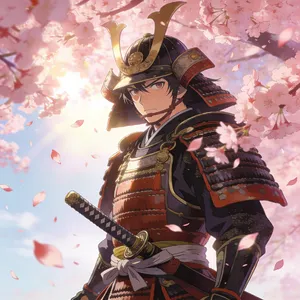
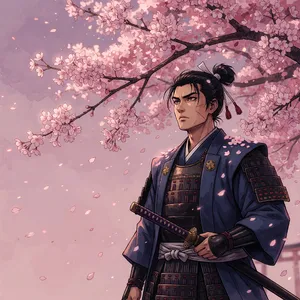
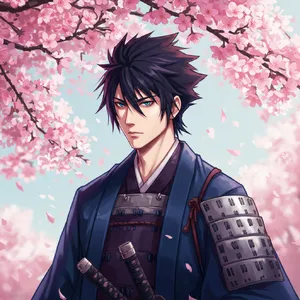
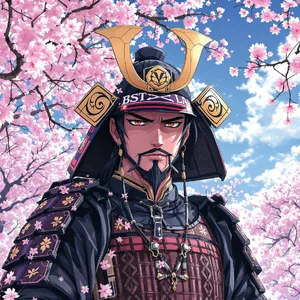
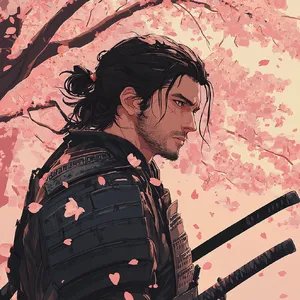
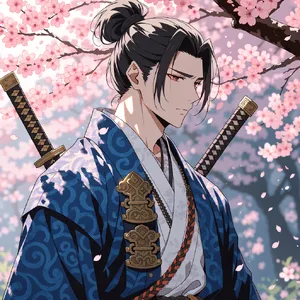
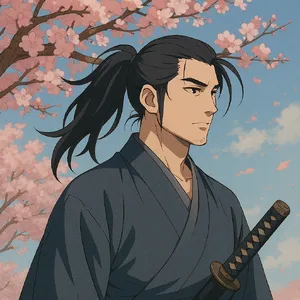
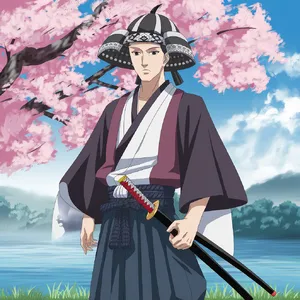
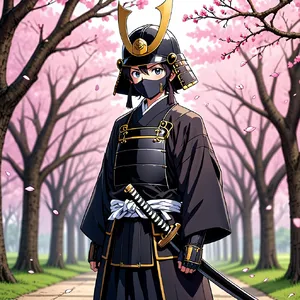
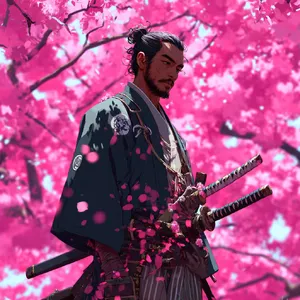
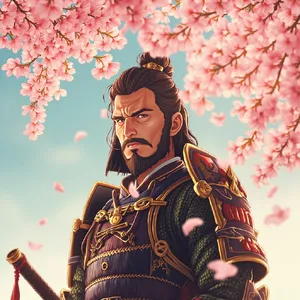
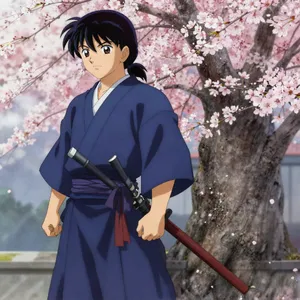
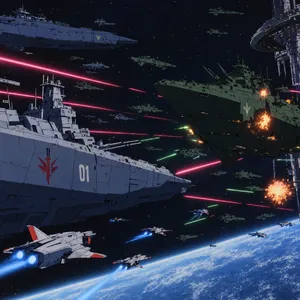
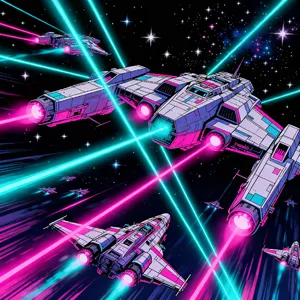
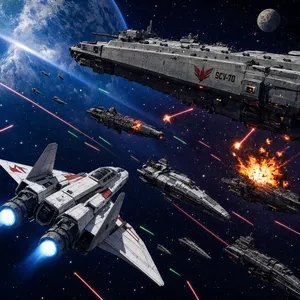
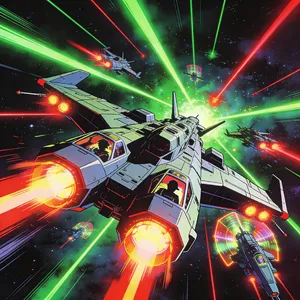
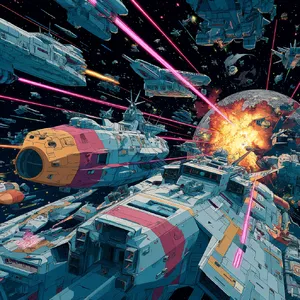
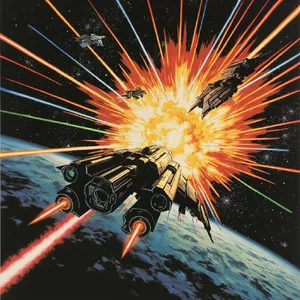
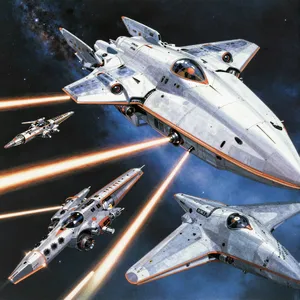
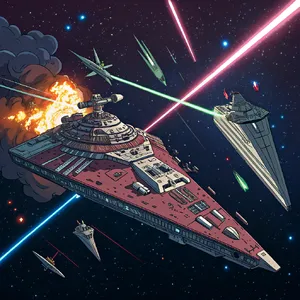
Summary for Anime & Cartoon Style
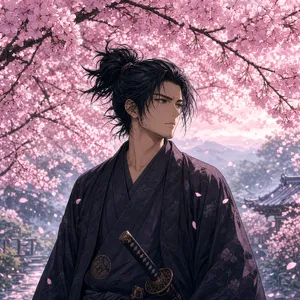
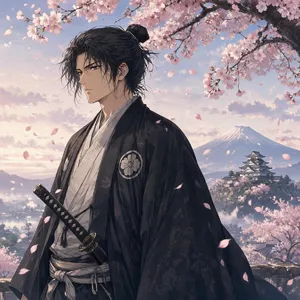
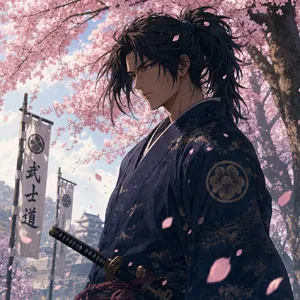
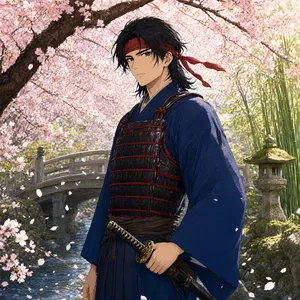
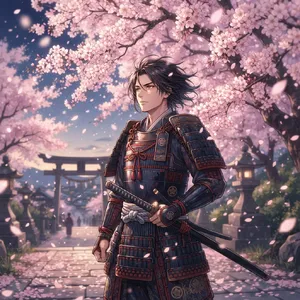
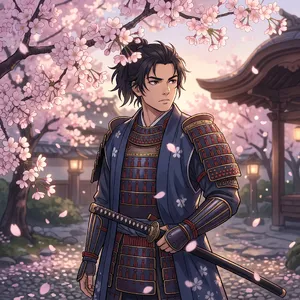
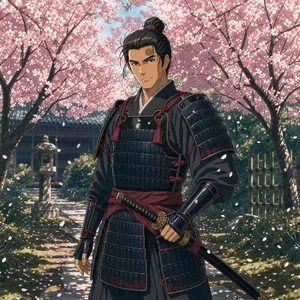
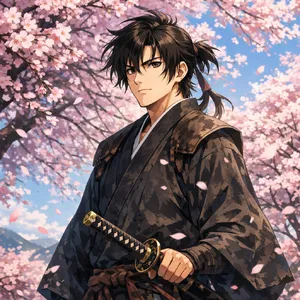
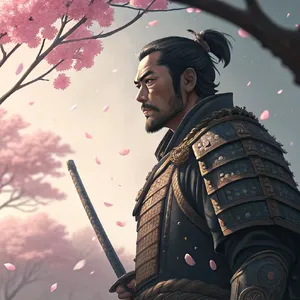
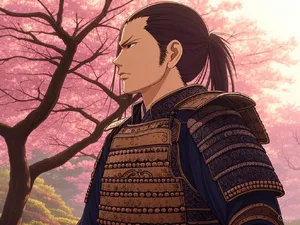
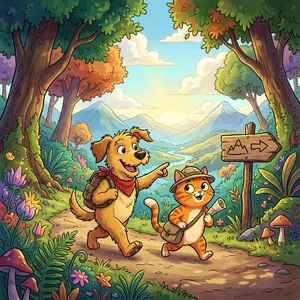
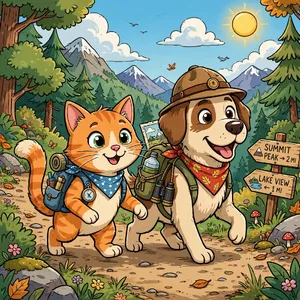
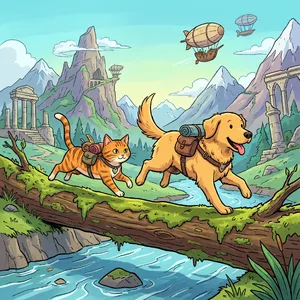
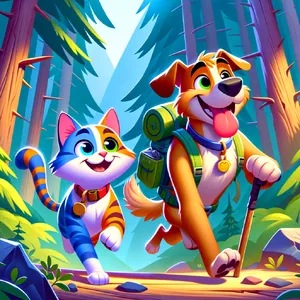
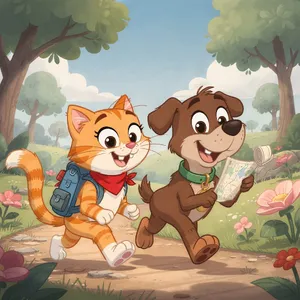
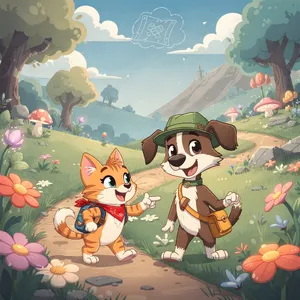
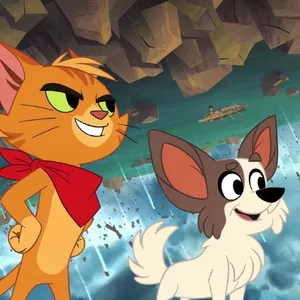
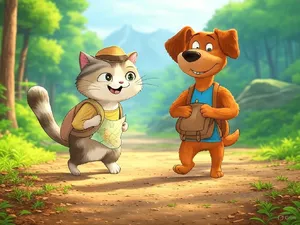
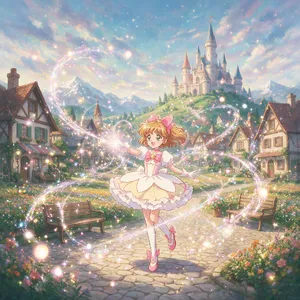
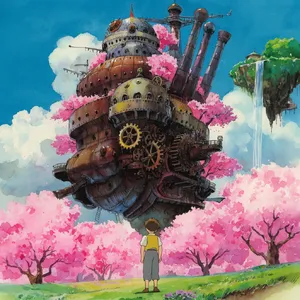
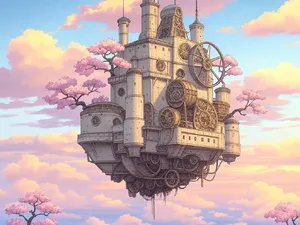
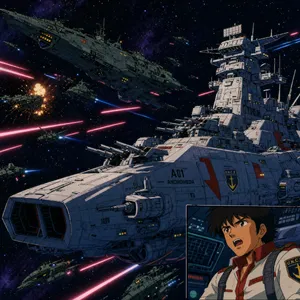
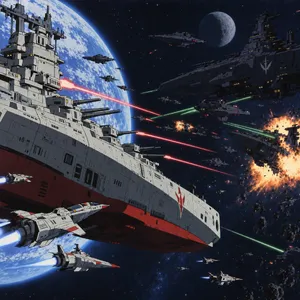
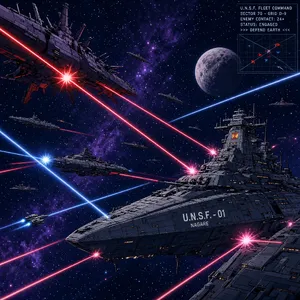
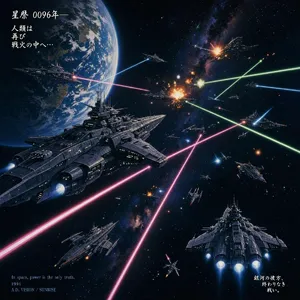
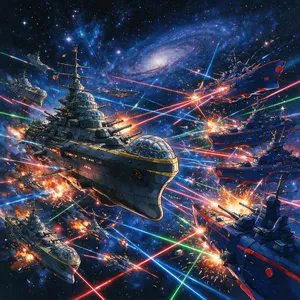
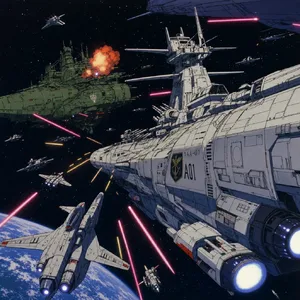
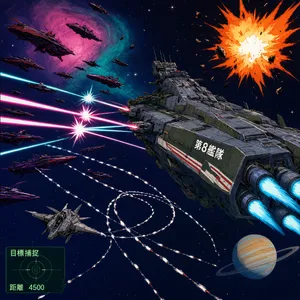
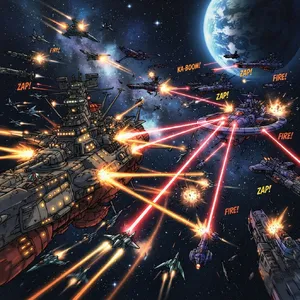
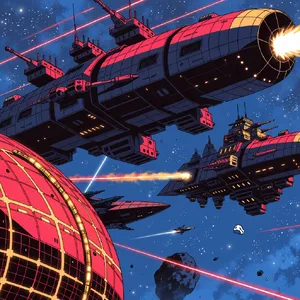
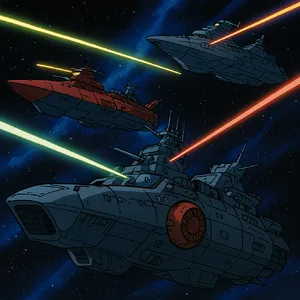
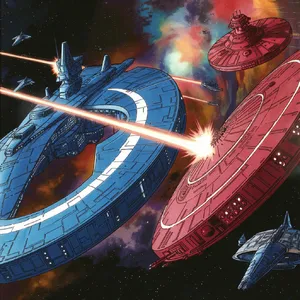
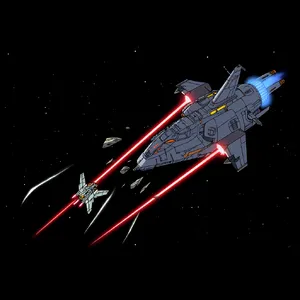
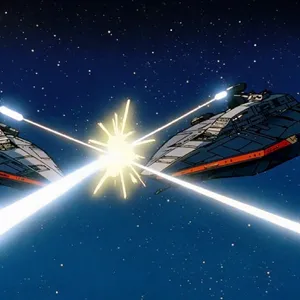
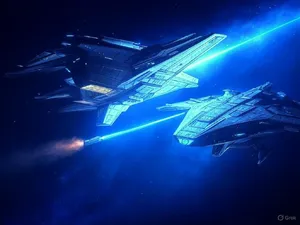
The Anime & Cartoon Style category evaluates how well AI models capture highly stylized illustration styles, ranging from nostalgic 90s anime to vintage 2D western cartoons. The results highlight a sharp divide between models that genuinely understand 2D stylistic constraints and those that incorrectly apply generic 3D finishes.
🏆 Top Performing Models:
- Nano Banana 2.1 dominated the leaderboard with an impressive 1446 Elo. It excelled at authentic stylistic execution, managing complex visual gags and authentic comic rendering flawlessly.
- Muse Image secured second place with 1351 Elo, showing exceptional capability in storybook and western 2D aesthetics.
- GPT Image 2.5 Sunburst and GPT Image 2 tied for the third tier (both 1344 Elo), proving highly reliable at atmospheric, anime-authentic scene building.
✨ Major Trends:
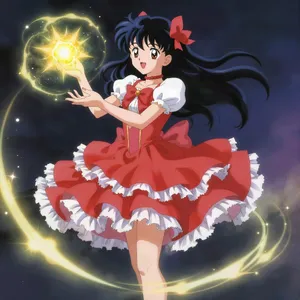
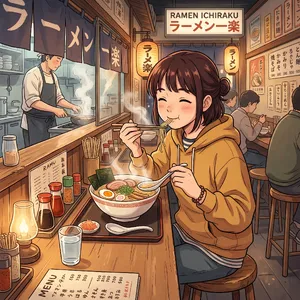
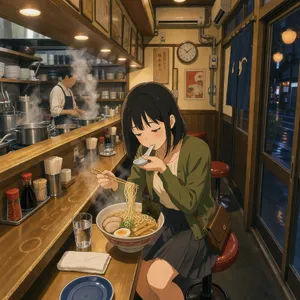
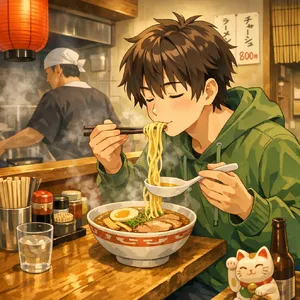
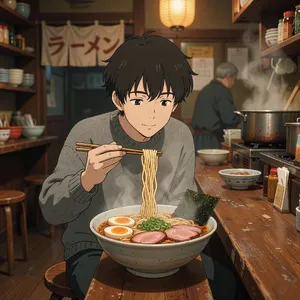
- Authenticity Wins: The highest-rated models successfully simulated specific mediums, such as the cel-shading of 90s anime or the halftone printing of comic books.
- The 3D/CGI Trap: A recurring failure mode for lower-ranked models was applying volumetric, 3D CGI rendering when a prompt explicitly asked for a flat 2D style.
💡 Surprising Results:
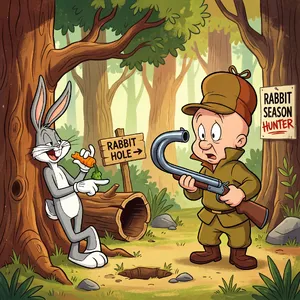
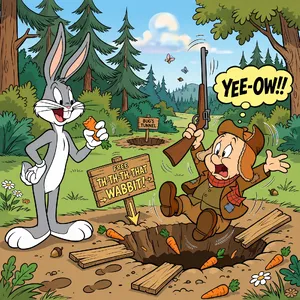
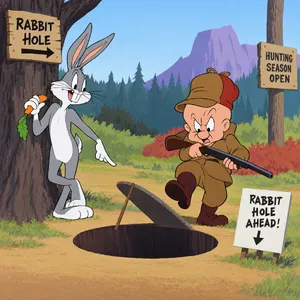
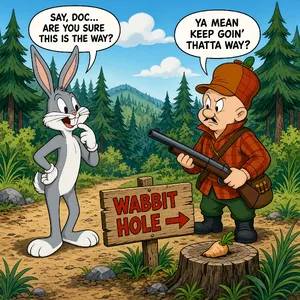
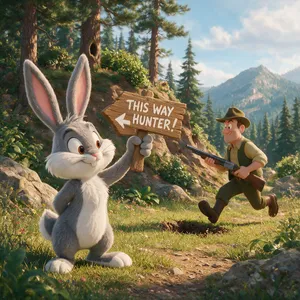
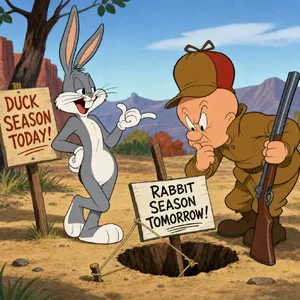
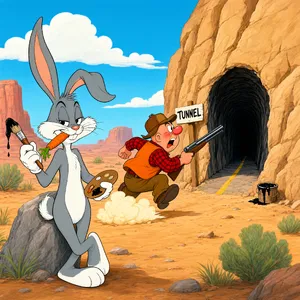
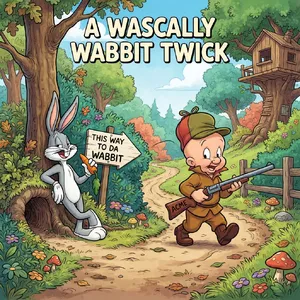
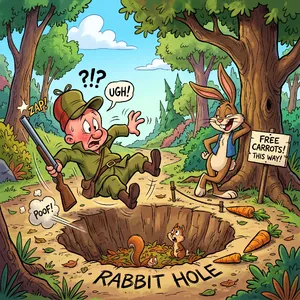
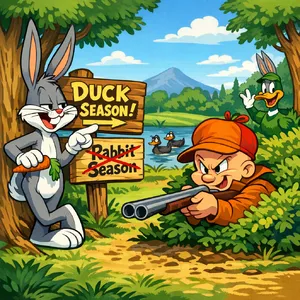
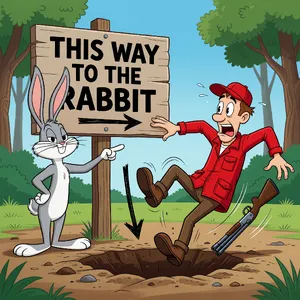
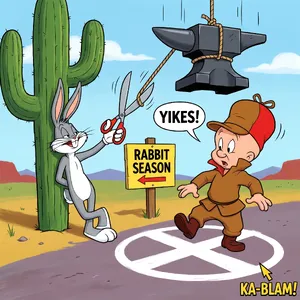
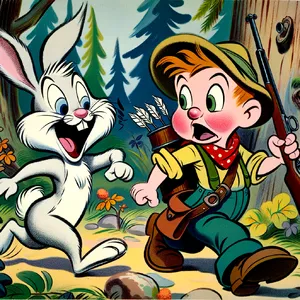
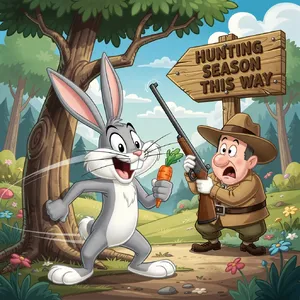
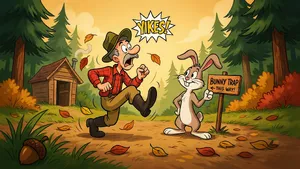
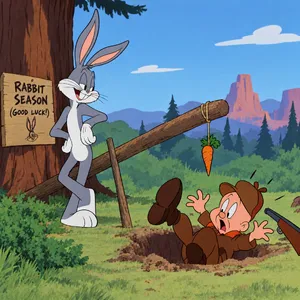
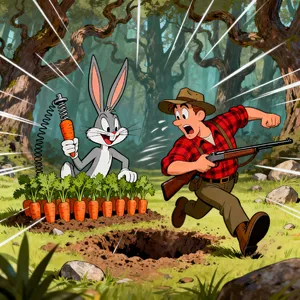
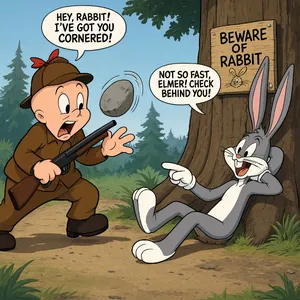
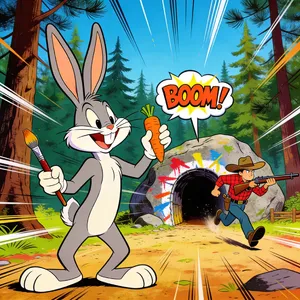
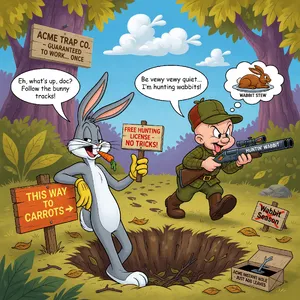
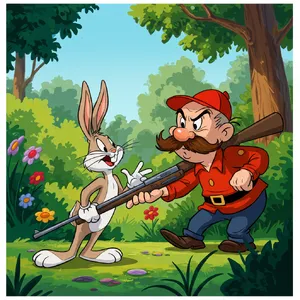
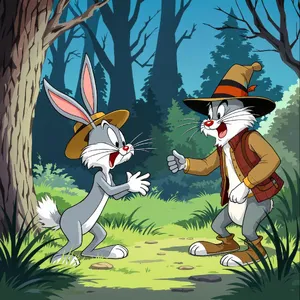
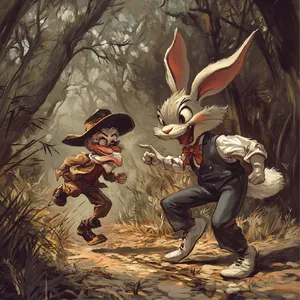
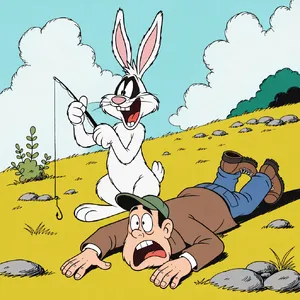
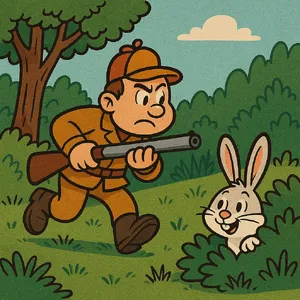
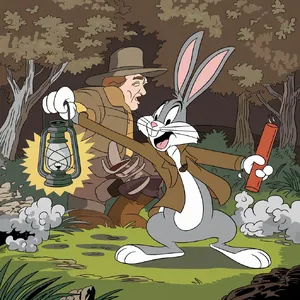
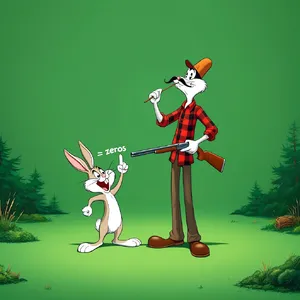
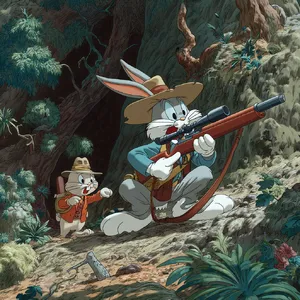
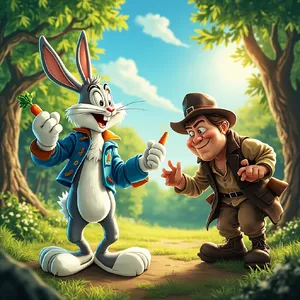
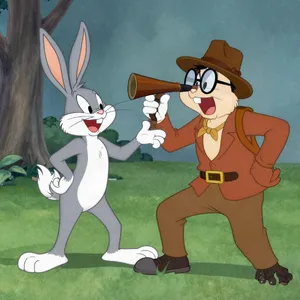
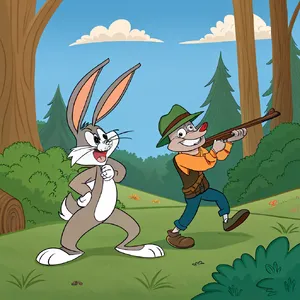
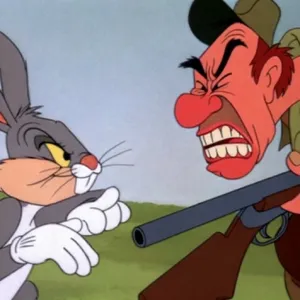
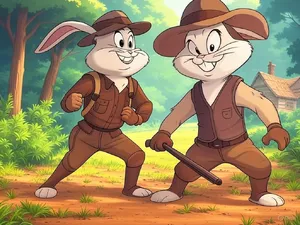
- Highly sophisticated models occasionally failed simple slapstick logic. For example, in the Looney Tunes-inspired trick prompt, many mid-tier models rendered beautiful scenes but entirely forgot to include the actual 'trick'!
General Analysis & Useful Insights
Delving into the data reveals clear patterns in how AI models interpret and execute highly stylized prompts.
Stylistic Authenticity vs. Over-Rendering 🎨
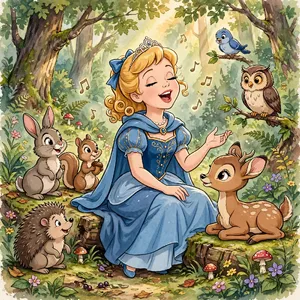
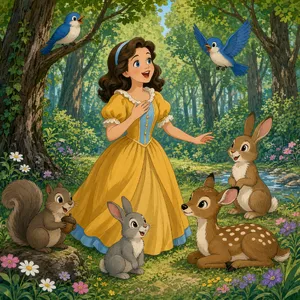
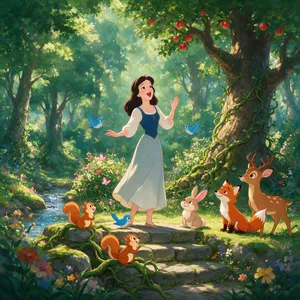
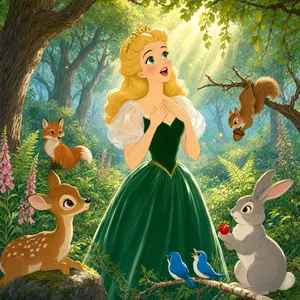
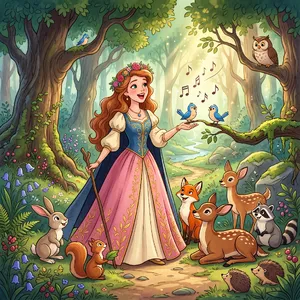
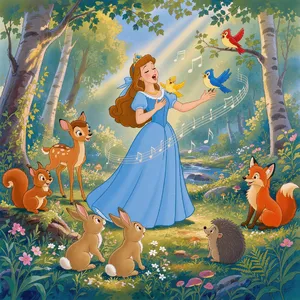
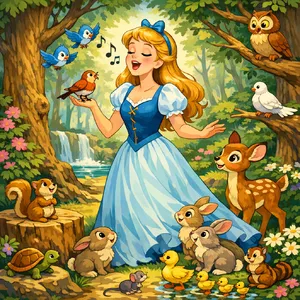
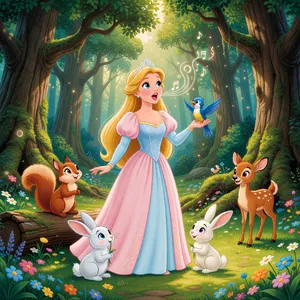
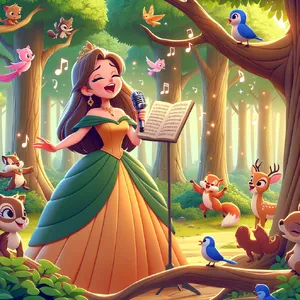
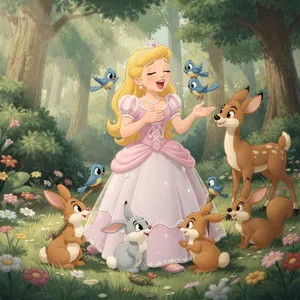
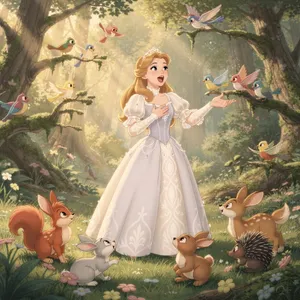
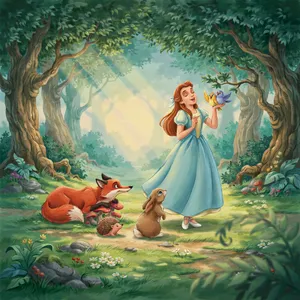
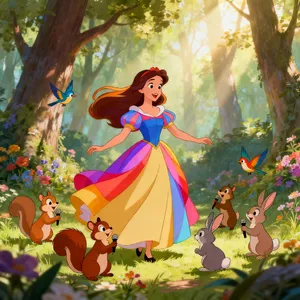
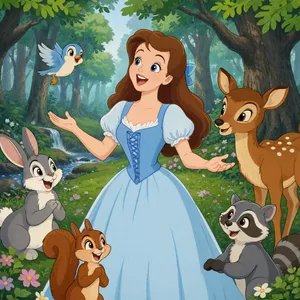
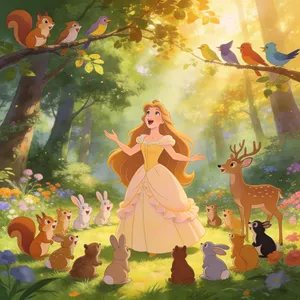
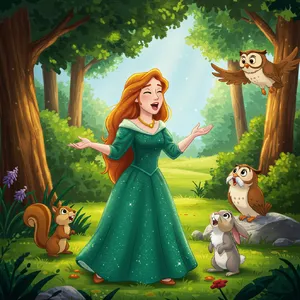
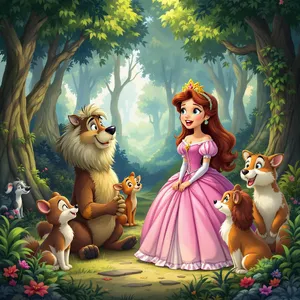
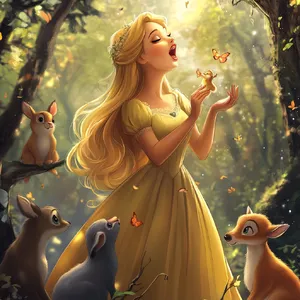
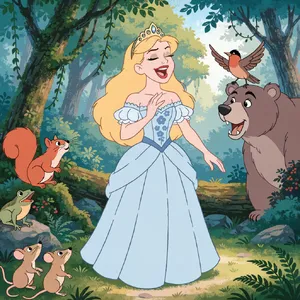
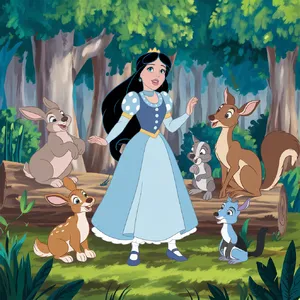
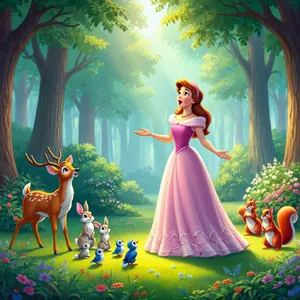
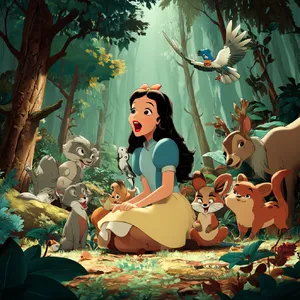
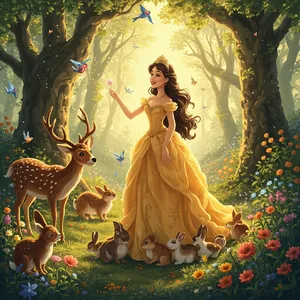
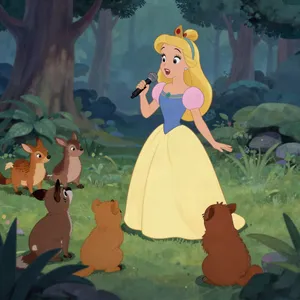
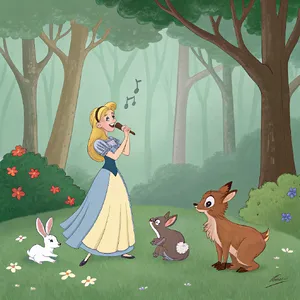
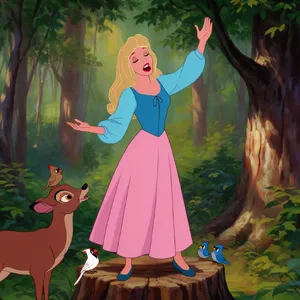
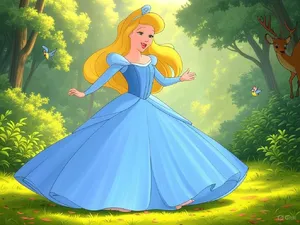
A major dividing line between top-tier and bottom-tier models was their restraint. In prompts like the Disney-like 2D cartoon princess or the Colorful 2D cartoon, models like Nano Banana 2.1 and Muse Image accurately reproduced flat coloring, bold outlines, and traditional cel-like shading. Conversely, lower-rated models (and even some popular mainstays) defaulted to glossy, volumetric, 'Pixar-style' 3D finishes. This inability to turn off the '3D realism' engine severely hurt their prompt adherence scores.
Coherence in Narrative & Complex Staging 🎬
Cartoon and anime styles often demand specific visual storytelling, which proved to be a difficult hurdle.
Detail Execution and Anatomy ✋
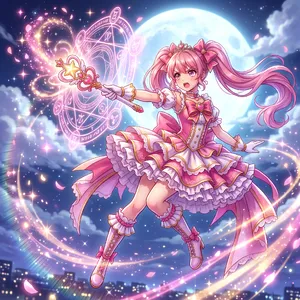
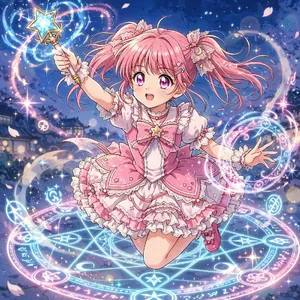
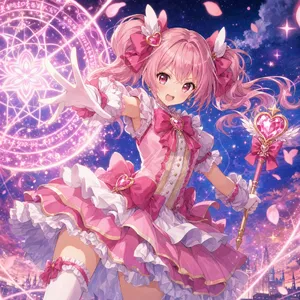
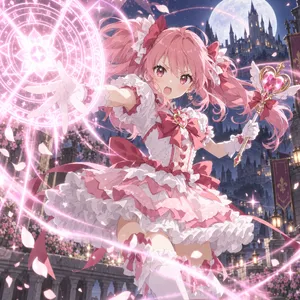
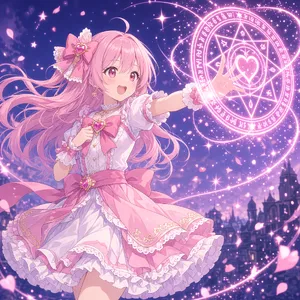
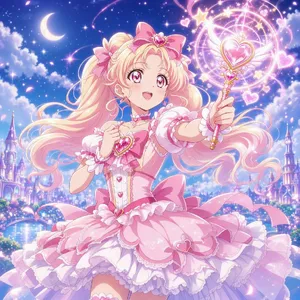
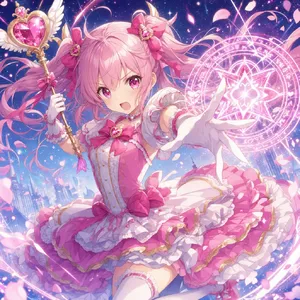
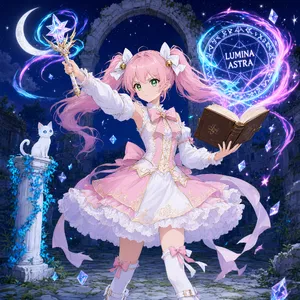
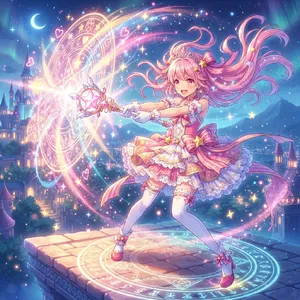
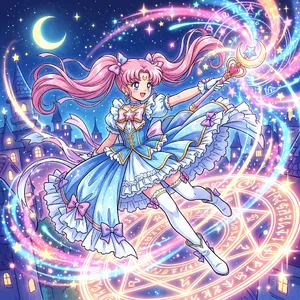
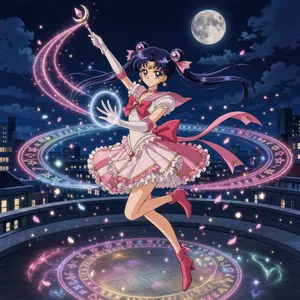
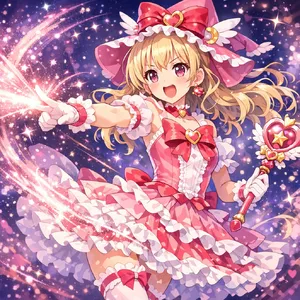
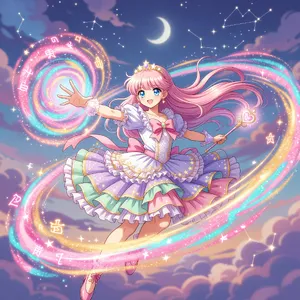
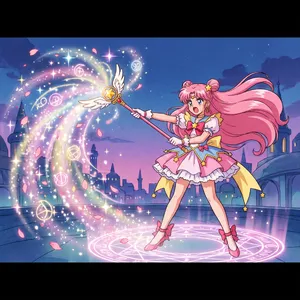
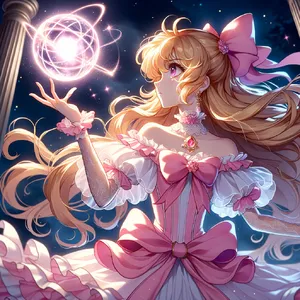
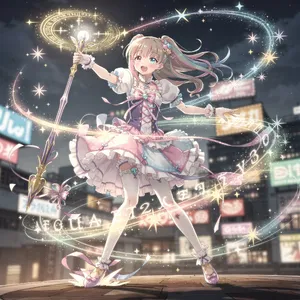
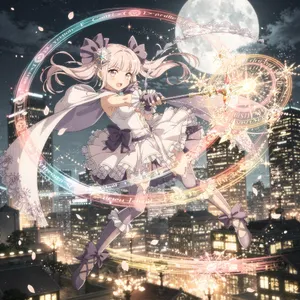
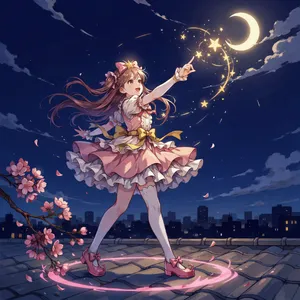
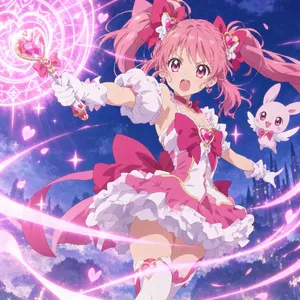
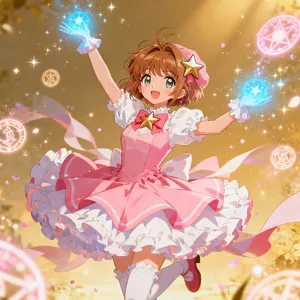
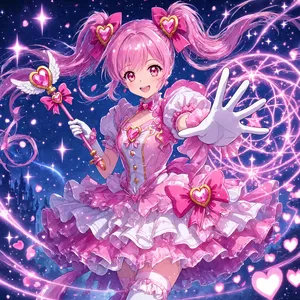
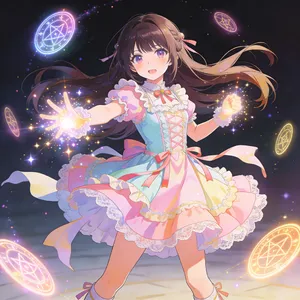
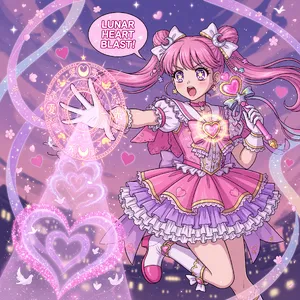
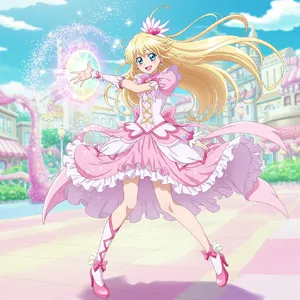
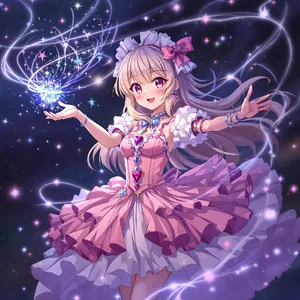
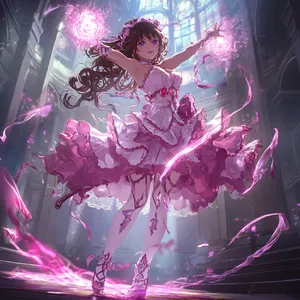
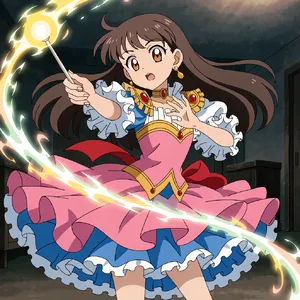
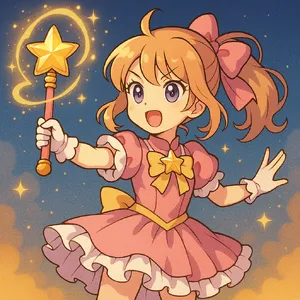
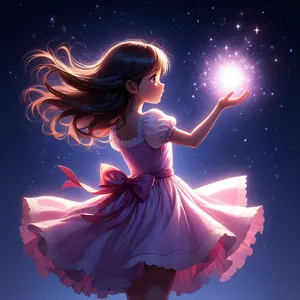
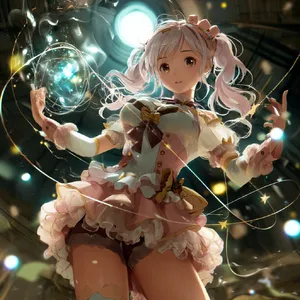
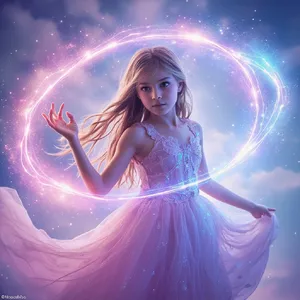
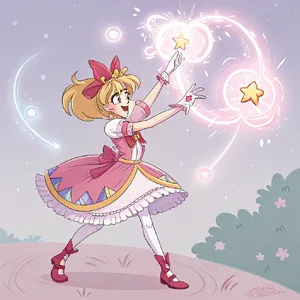
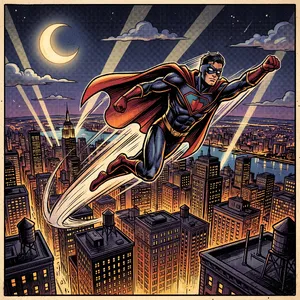
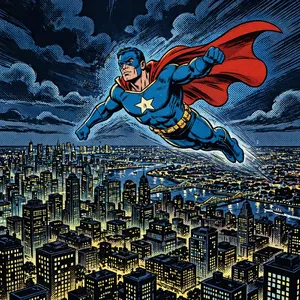
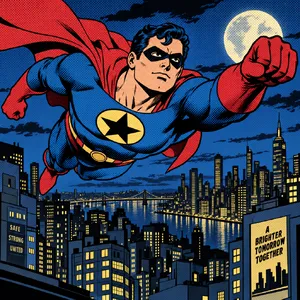
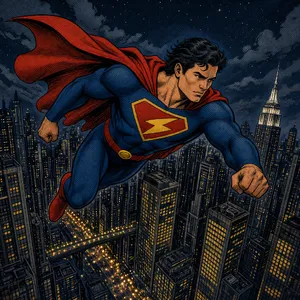
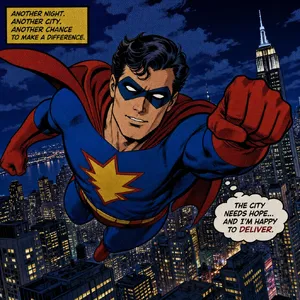
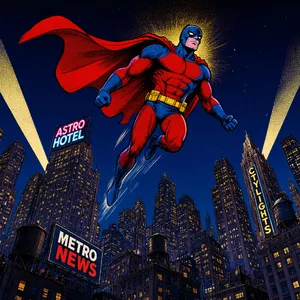
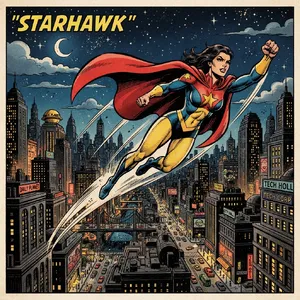
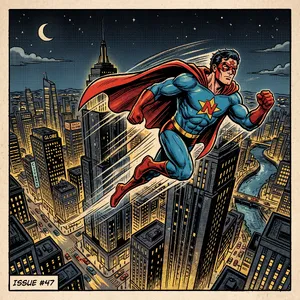
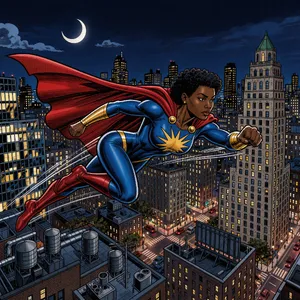
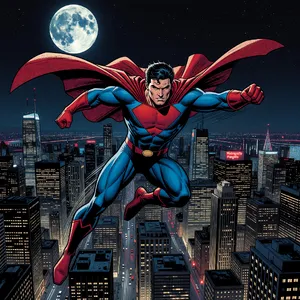
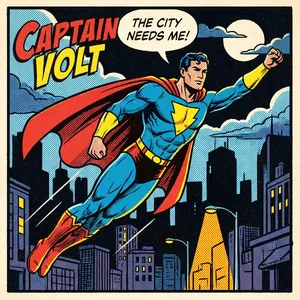
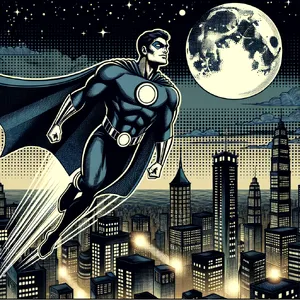
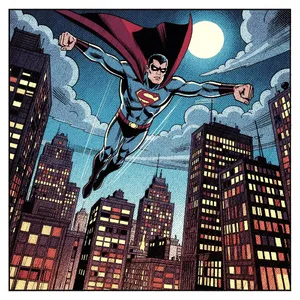
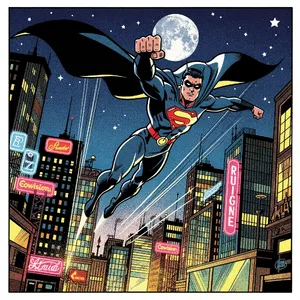
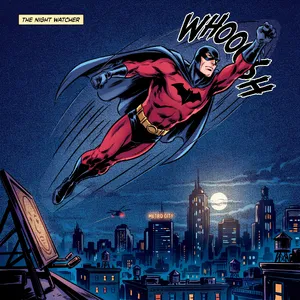
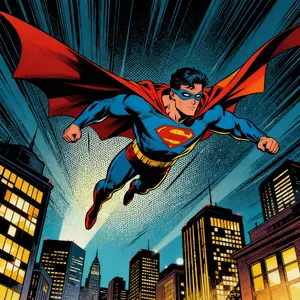
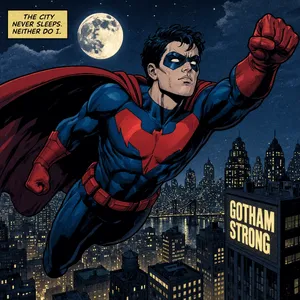
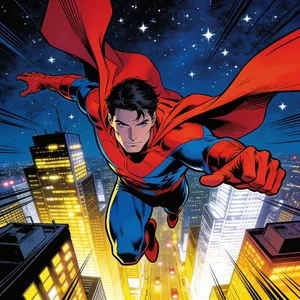
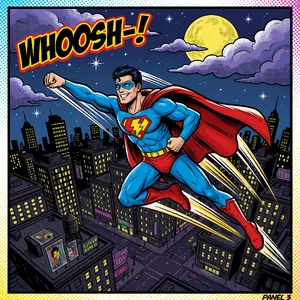
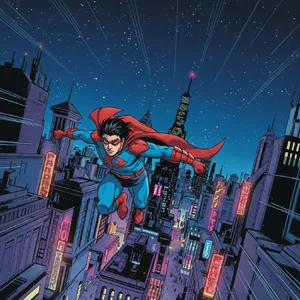
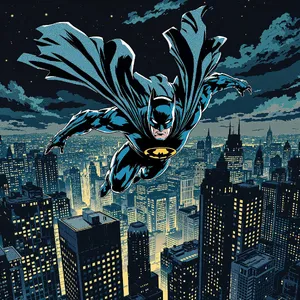
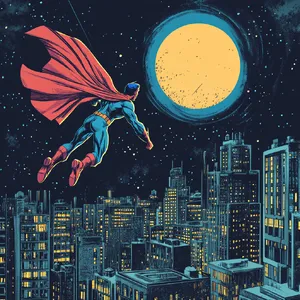
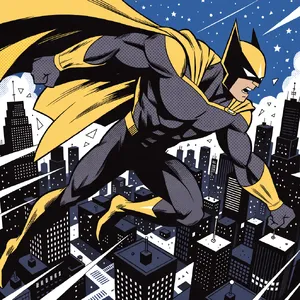
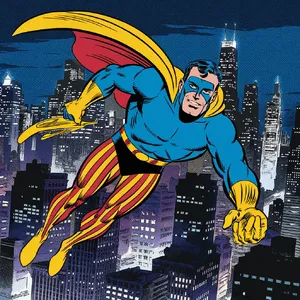
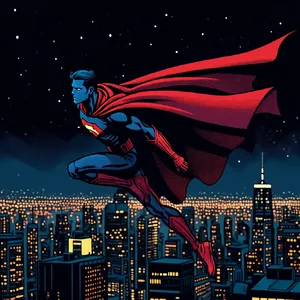
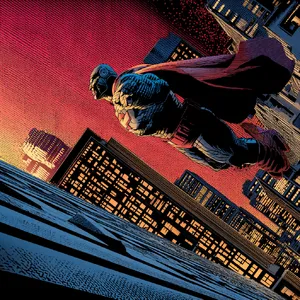
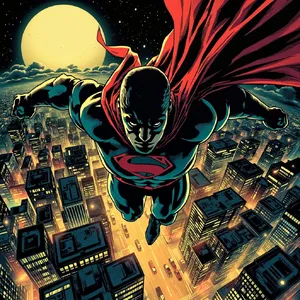
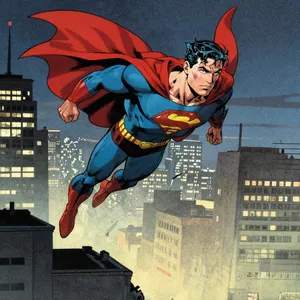
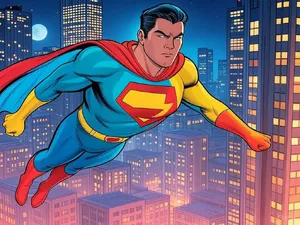
Even in stylized art, anatomy matters. In the Magical Girl prompt, hands casting spells were a major pain point. Stronger models navigated this by using clever foreshortening and adhering strictly to anime proportional tropes. Furthermore, in the Comic-book superhero prompt, applying actual halftone shading separated the great from the average. Models like Nano Banana 2.1 integrated halftone dots seamlessly into the shadows, while others just slapped a grainy noise filter over the image.
Best Model Analysis by Use Case
Different models showed distinct preferences for specific visual sub-genres within the Anime & Cartoon category. Here is a breakdown of which models to choose based on your specific use case:
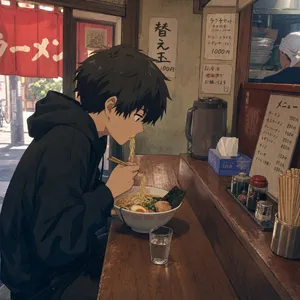
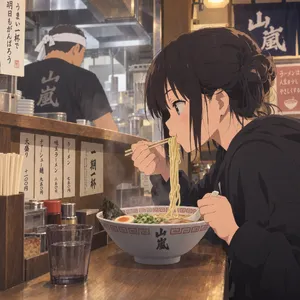
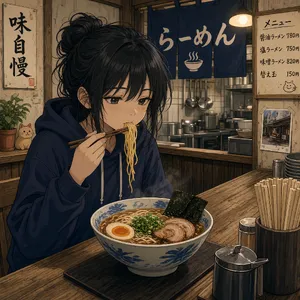
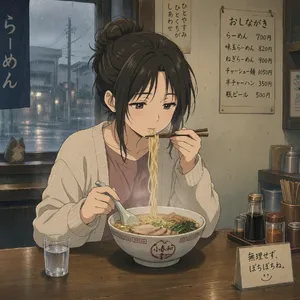
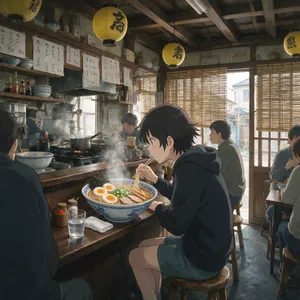
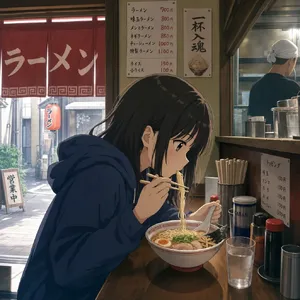
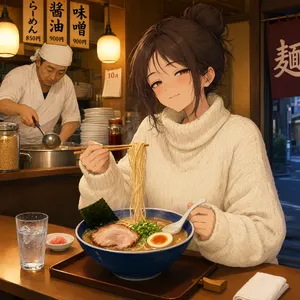
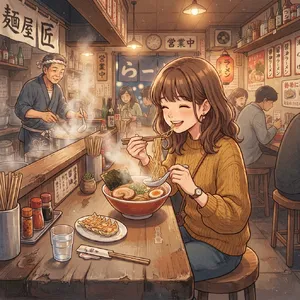
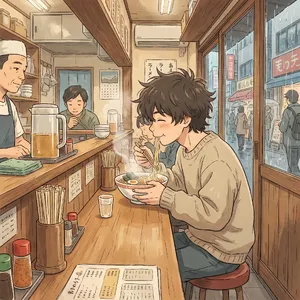
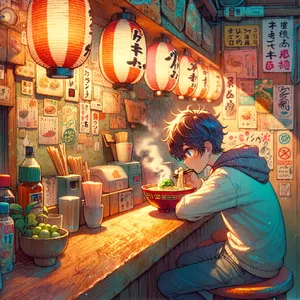
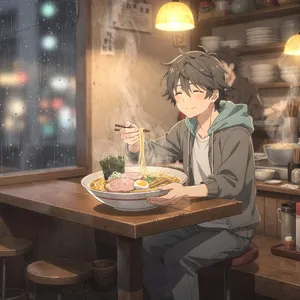
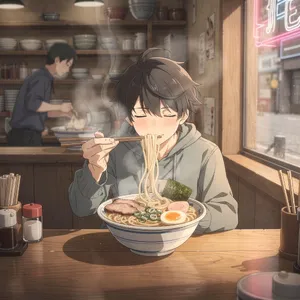
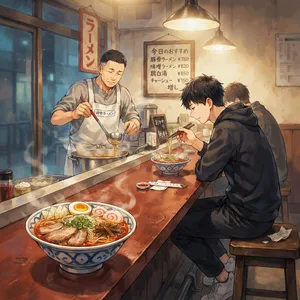
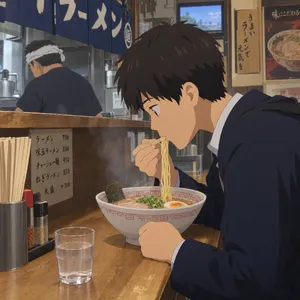
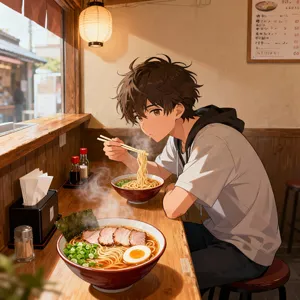
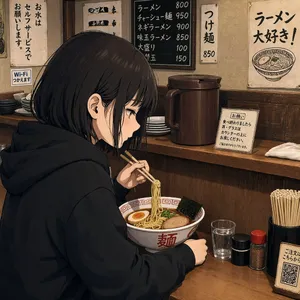
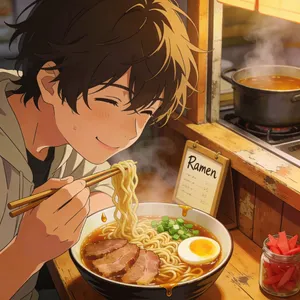
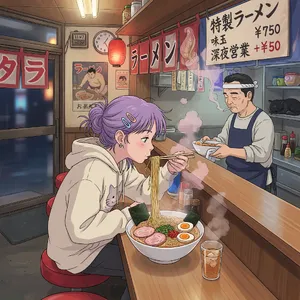
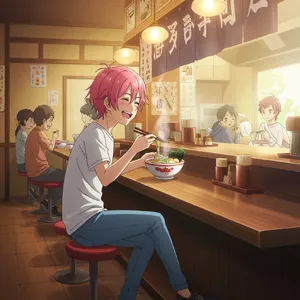
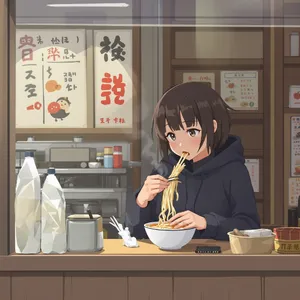
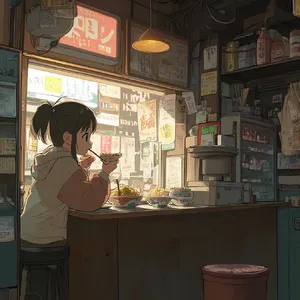
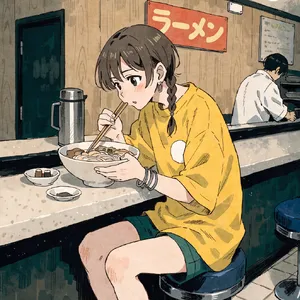
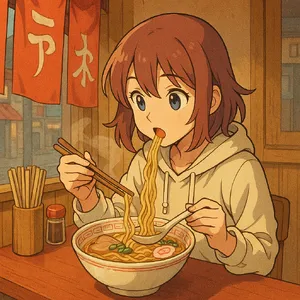
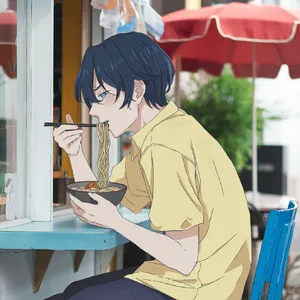
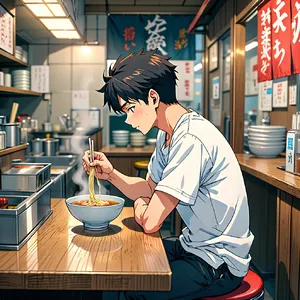
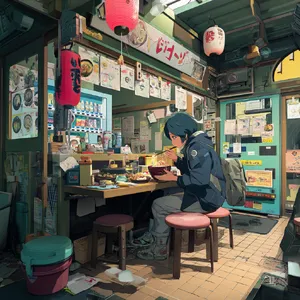
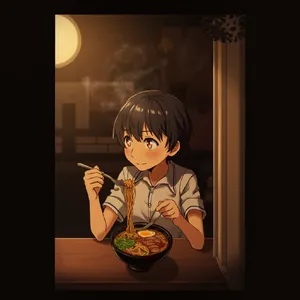
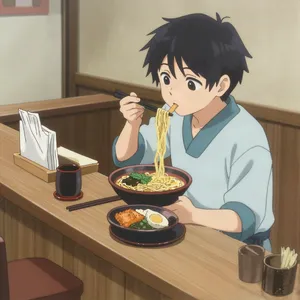
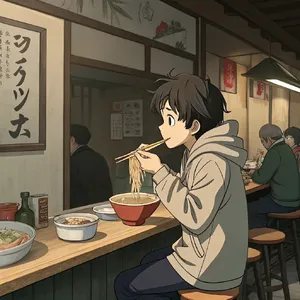
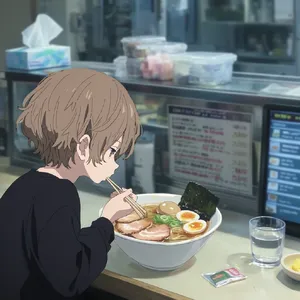
1. Retro & Classic Anime (90s Cel-Shading, Ghibli, Slice-of-Life) 🍜
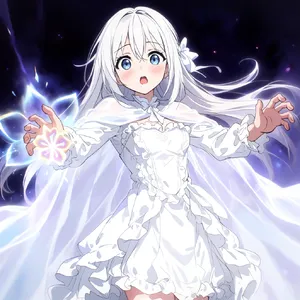
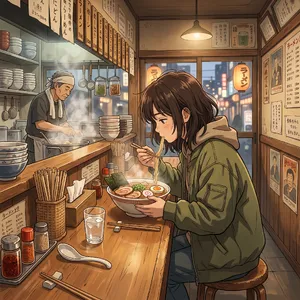
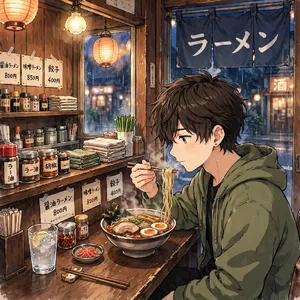
For prompts requiring authentic 90s cel-shading, rich painted backgrounds, or cinematic anime framing, the OpenAI suite and XAI models shine.
2. Western 2D Cartoons & Slapstick Humor 🐰
If you need vintage storybook aesthetics, flat 2D coloring, or visual comedy (like classic Disney or Looney Tunes), look toward Meta and Google's tailored models.
- Top Recommendations: Nano Banana 2.1 and Muse Image.
- Why: They understand 2D constraints and visual gag composition. Nano Banana 2.1 scored perfectly on the slapstick prompt because it understood the cause-and-effect relationship required for a cartoon trap.
3. Comic Book & Graphic Print Styles 💥
Simulating printed media requires specialized texturing (like halftone shading and ink hatching) without ruining the underlying anatomy.
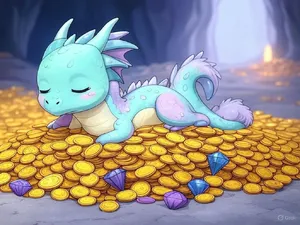
4. Chibi & Cute Mascot Art 🐉
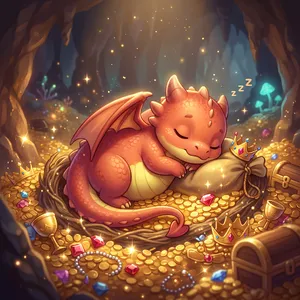
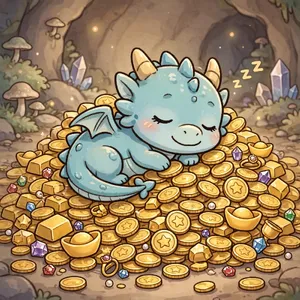
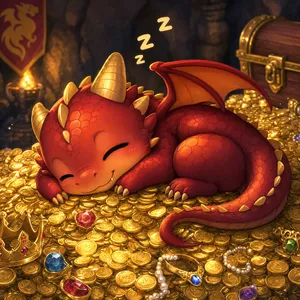
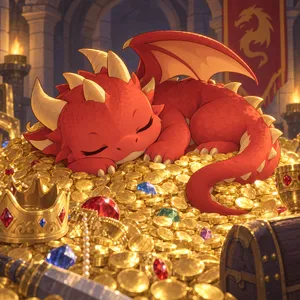
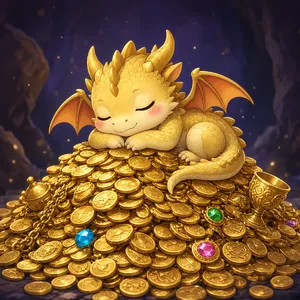
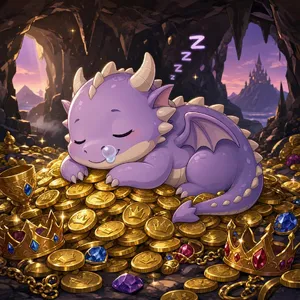
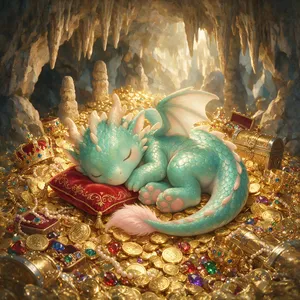
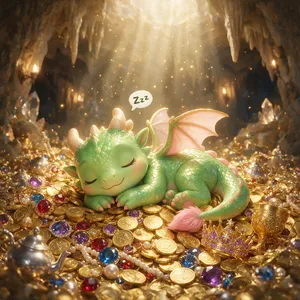
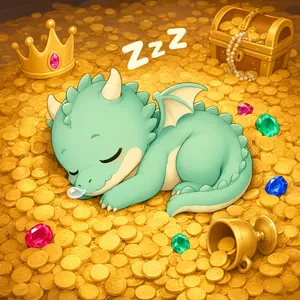
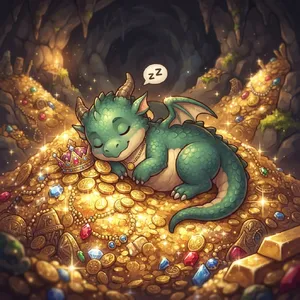
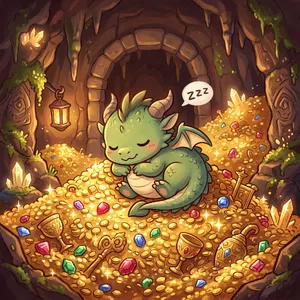
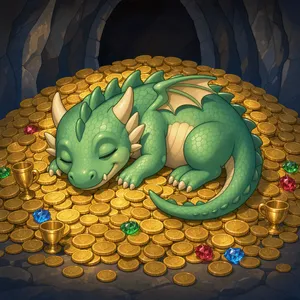
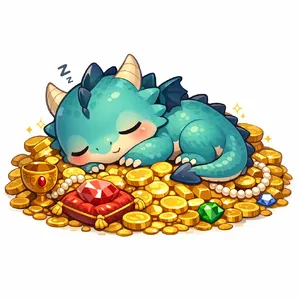
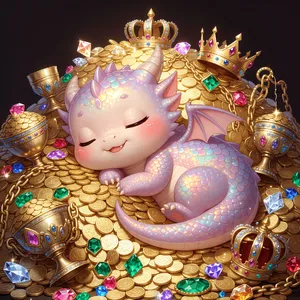
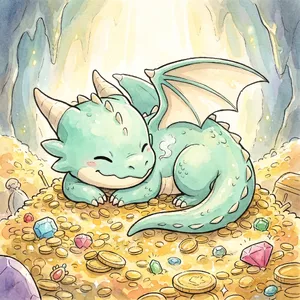
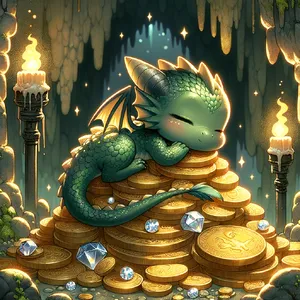
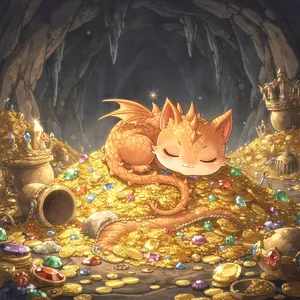
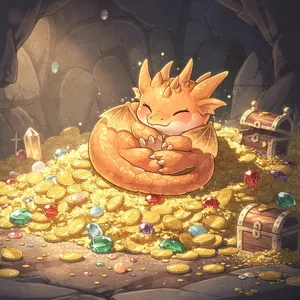
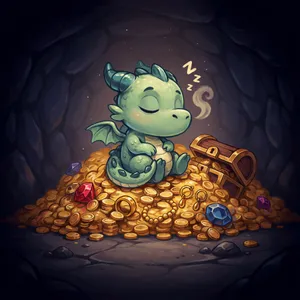
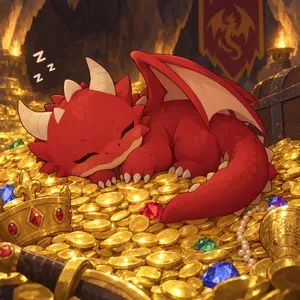
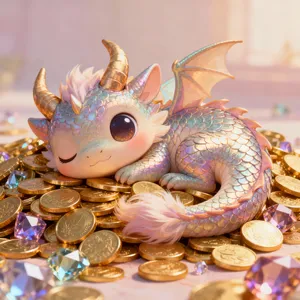
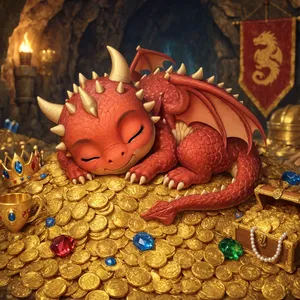
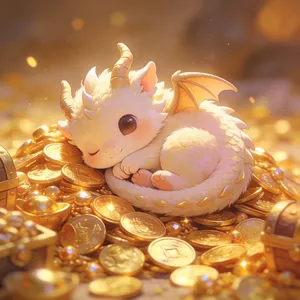
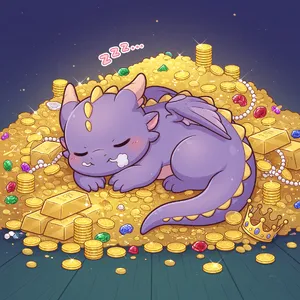
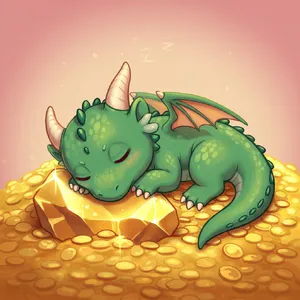
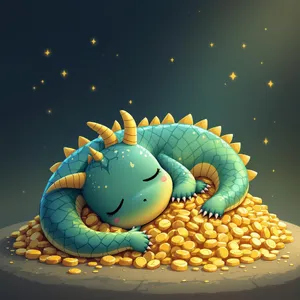
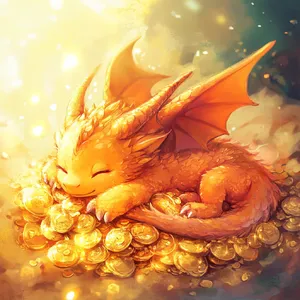
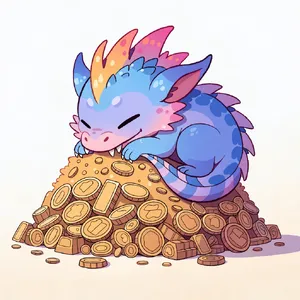
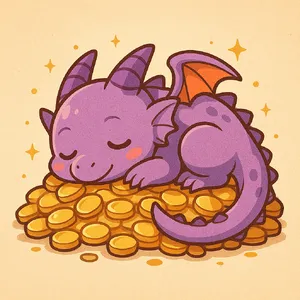
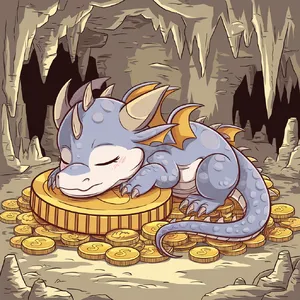
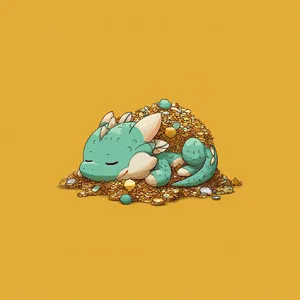
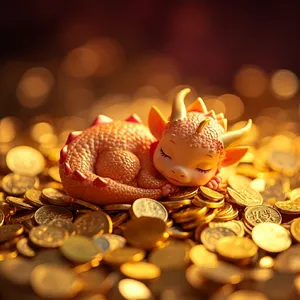
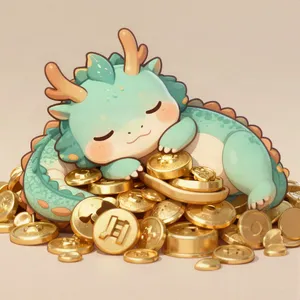
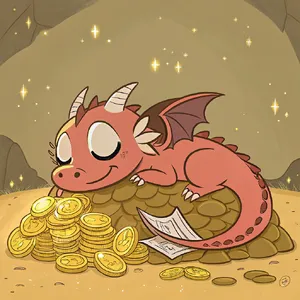
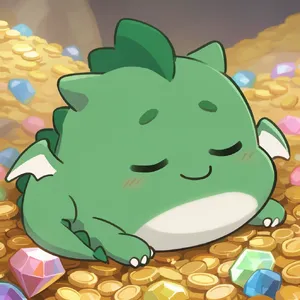
For highly stylized, adorable, exaggerated proportions requiring intricate detail (like the Cute chibi-style dragon).