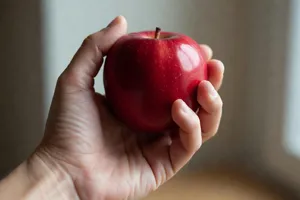
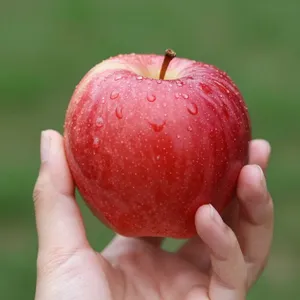
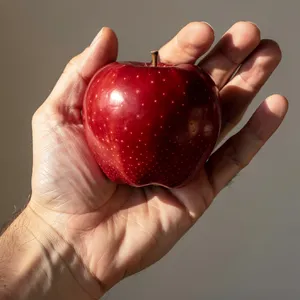
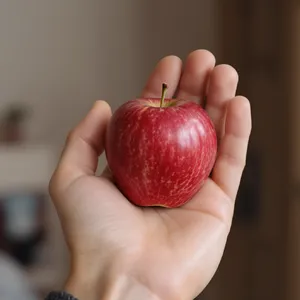
Summary for Hands & Anatomy
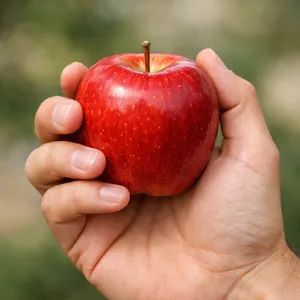
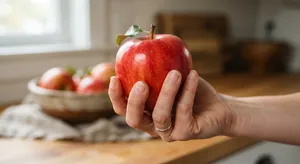
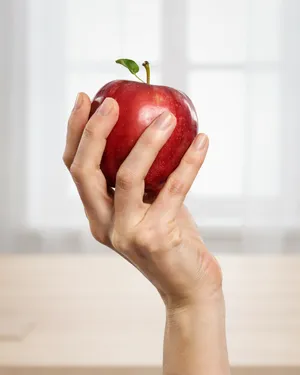
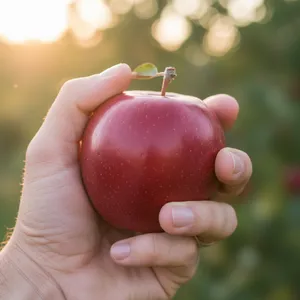
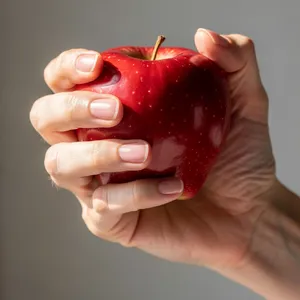
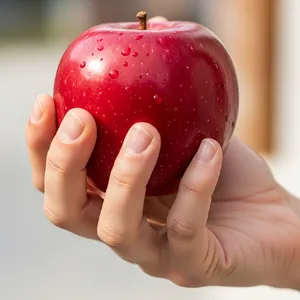
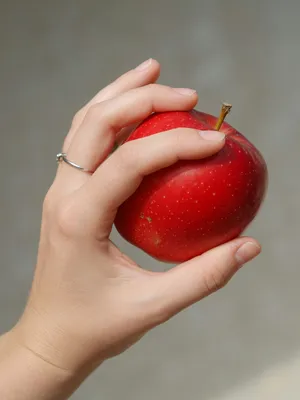
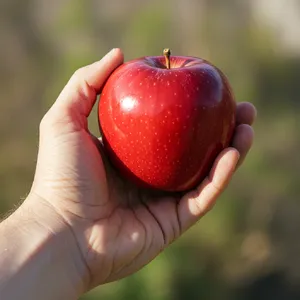
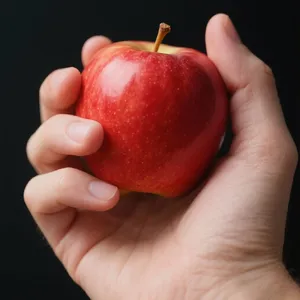
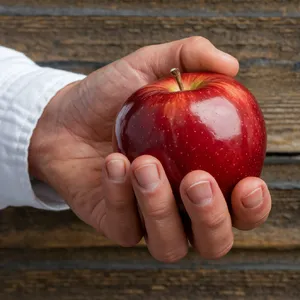
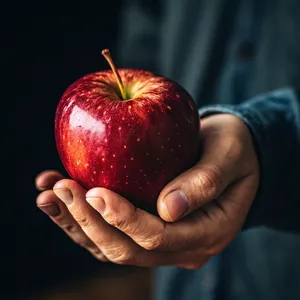
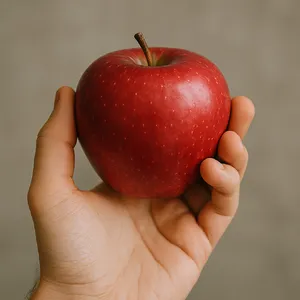
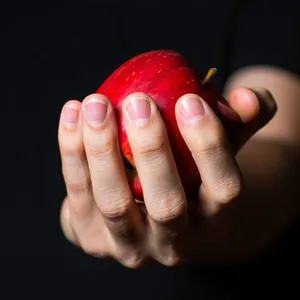
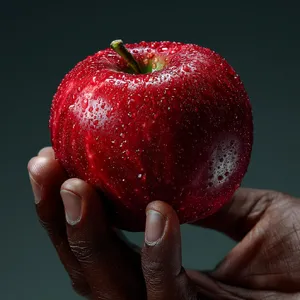
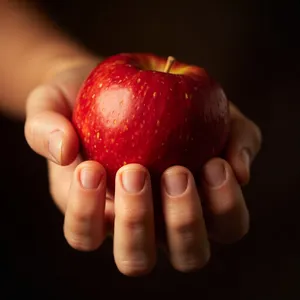
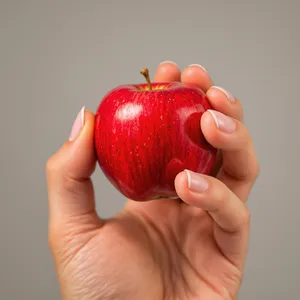
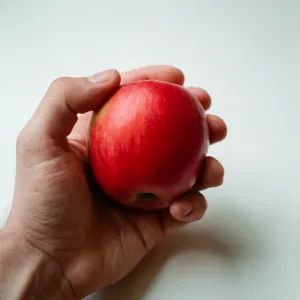
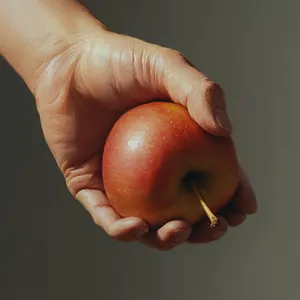
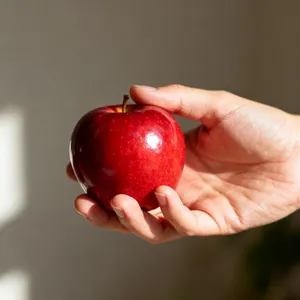
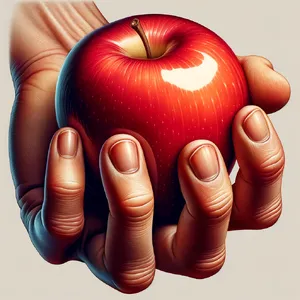
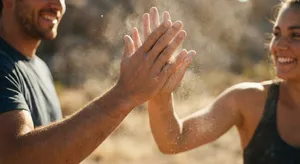
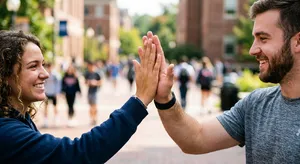
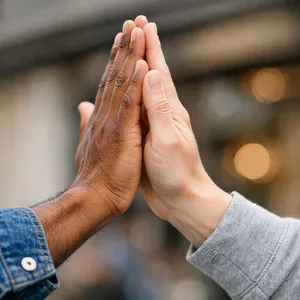
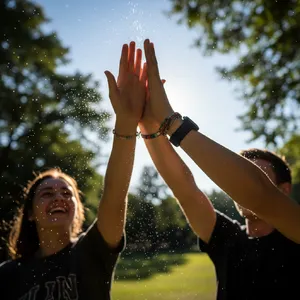
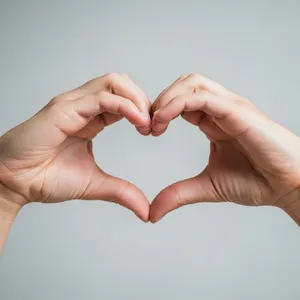
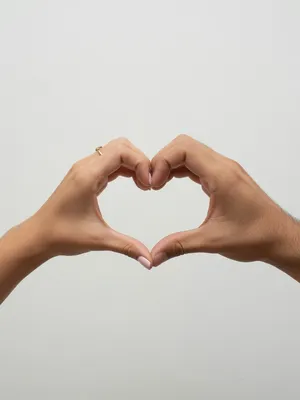
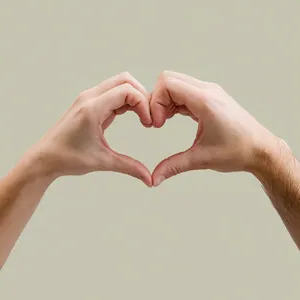
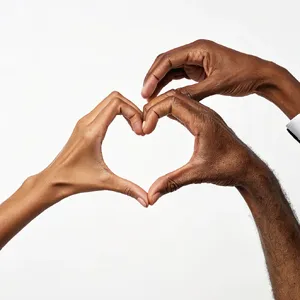
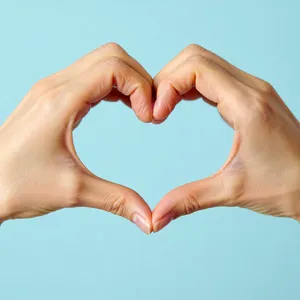
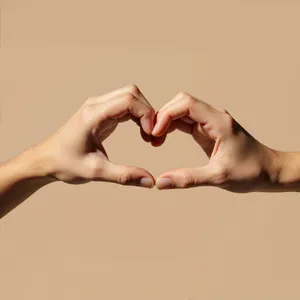
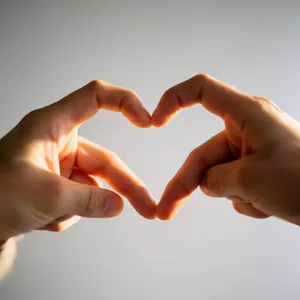
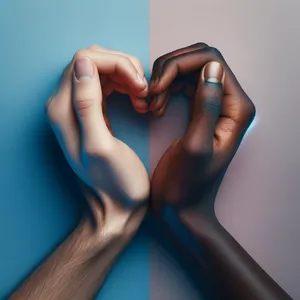
Welcome to the ultimate anatomical stress test! 🦴 Generating realistic hands, limbs, and physical reflections remains one of the final frontiers for AI image generation.
🚀 Key Discoveries:
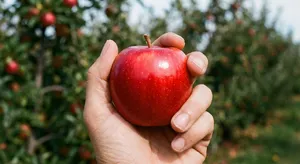
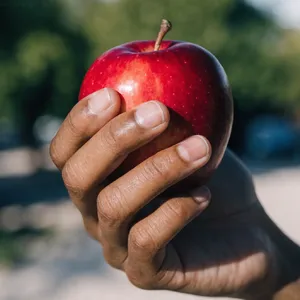
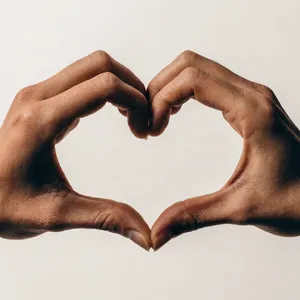
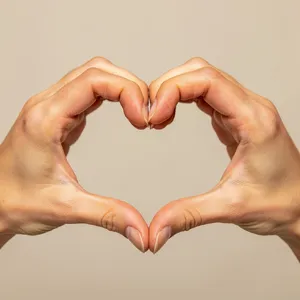
- The Heavyweights: Models like GPT Image 2, Takumi 1, and Nano Banana 2 Lite consistently dominated this category. They excelled not just at rendering five fingers, but at capturing realistic joint pressure, skin texture, and object interaction.
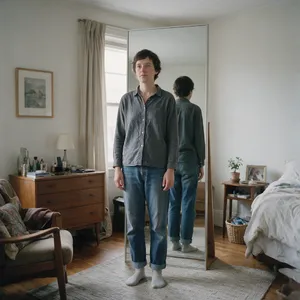
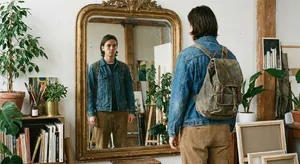
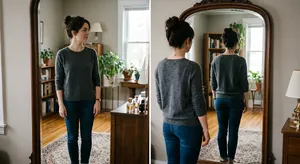
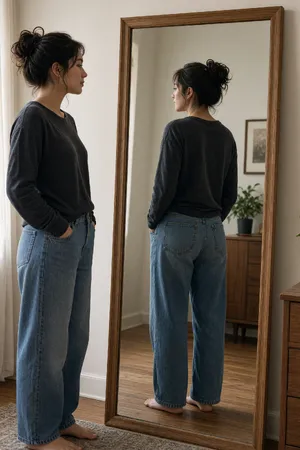
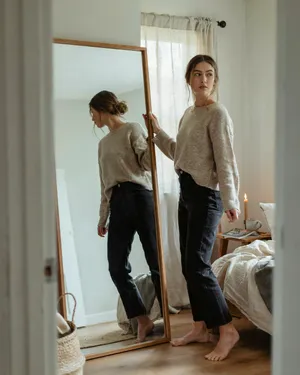
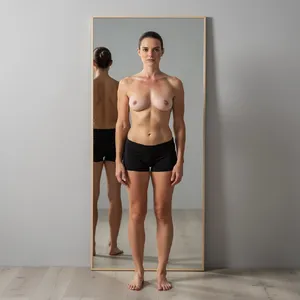
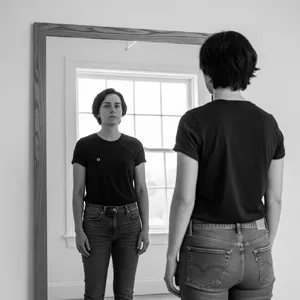
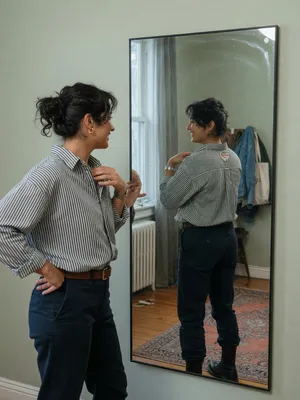
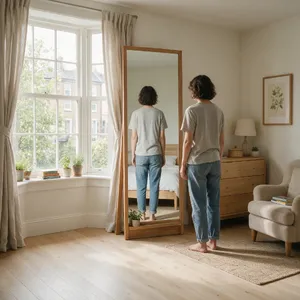
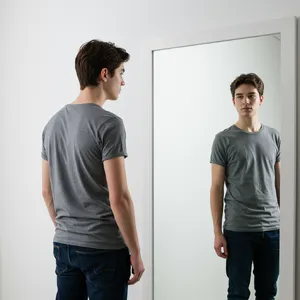
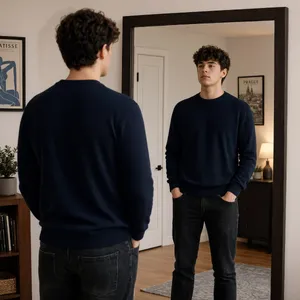
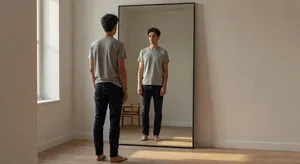
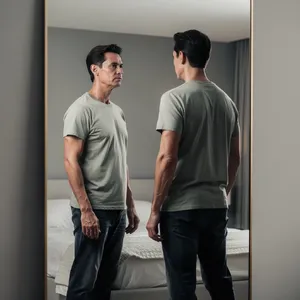
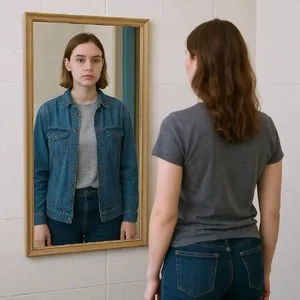
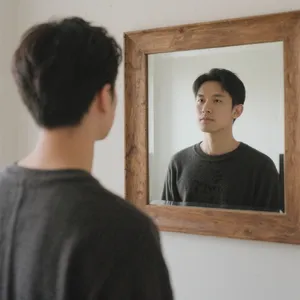
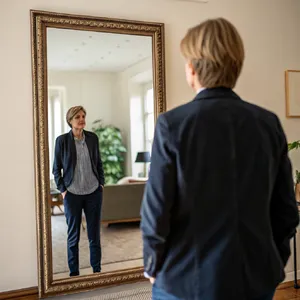
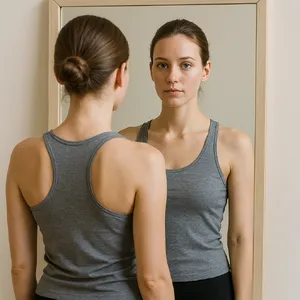
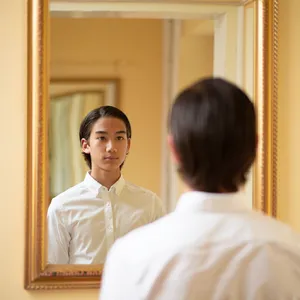
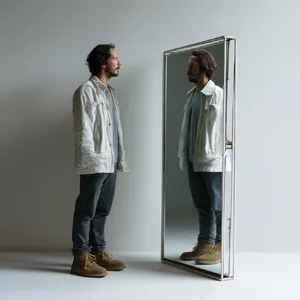
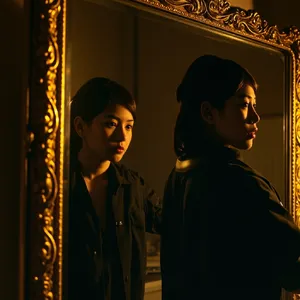
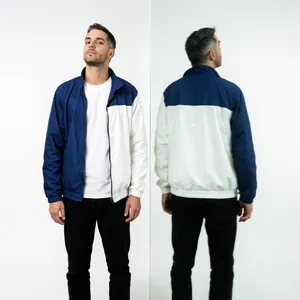
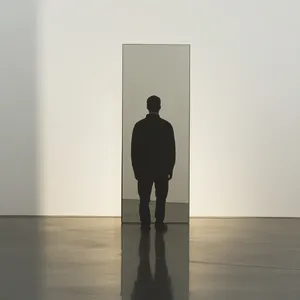
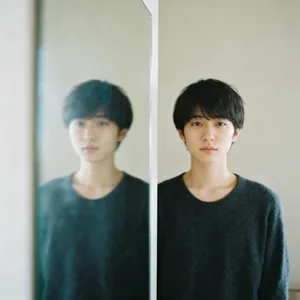
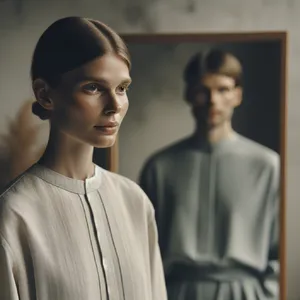
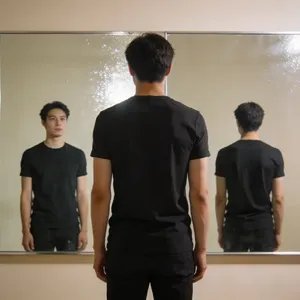
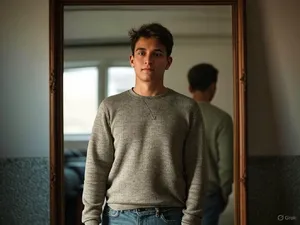
- The Mirror Trap: Spatial logic and reflection physics broke nearly every mid-tier model. In the Person standing before a mirror prompt, most models hallucinated impossible physics, often reflecting a person's back with... another back!
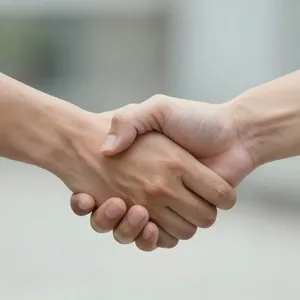
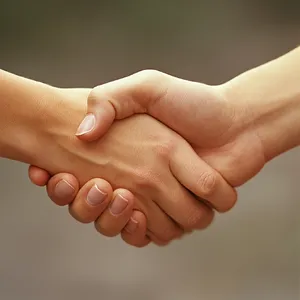
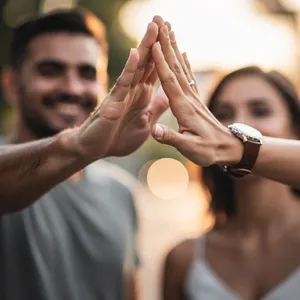
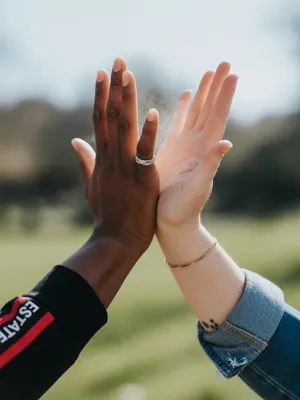
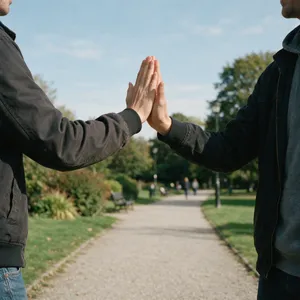
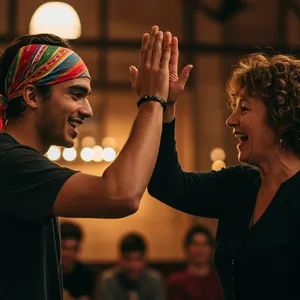
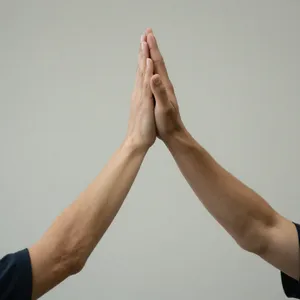
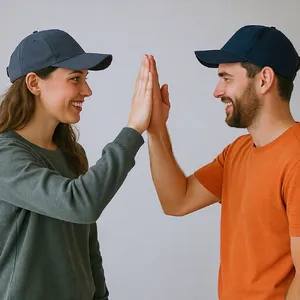
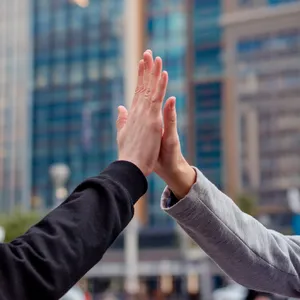
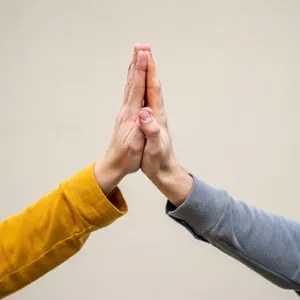
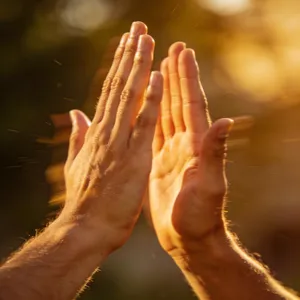
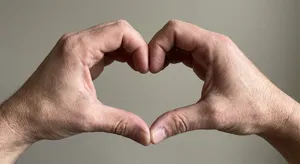
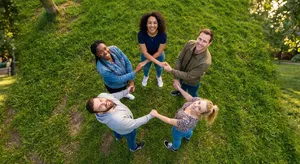
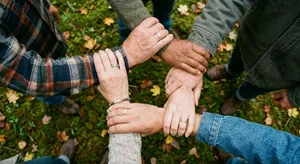
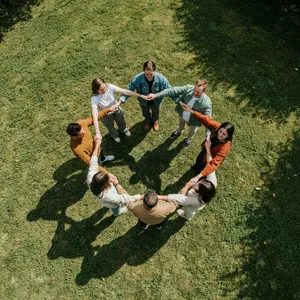
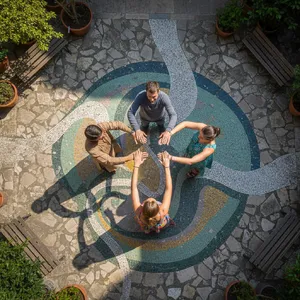
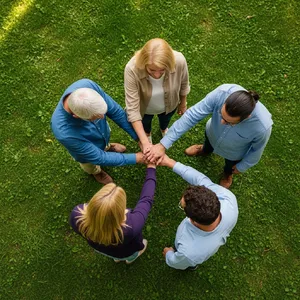
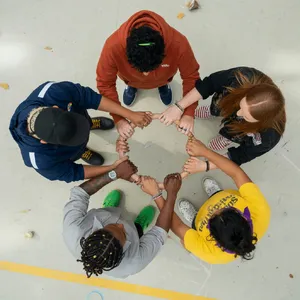
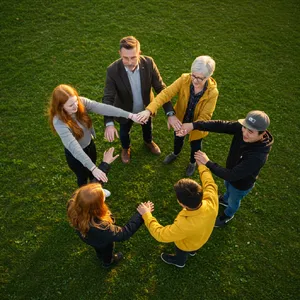
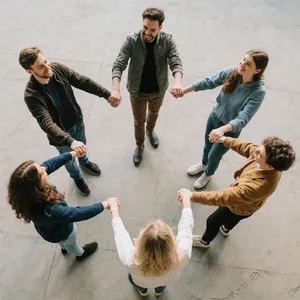
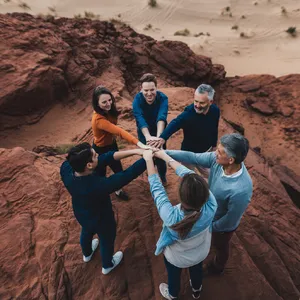
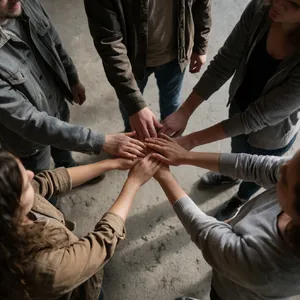
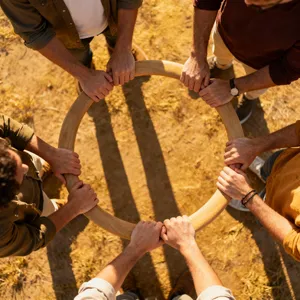
- Group Dynamics are Messy: Creating multiple interacting subjects, such as in the Five people joining hands prompt, forced many models to generate tangled, fleshy "knots" of fingers or hallucinate extra arms.
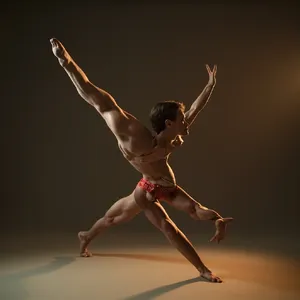
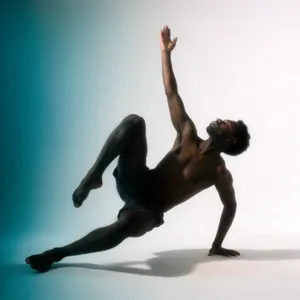
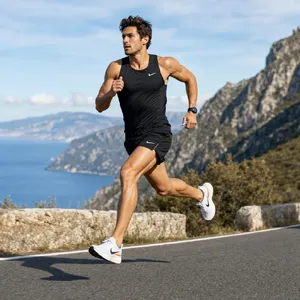
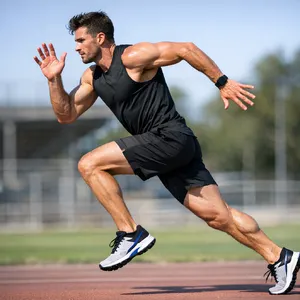
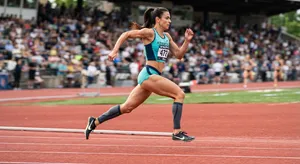
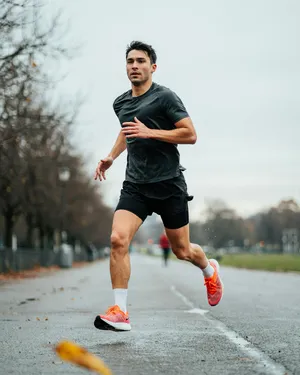
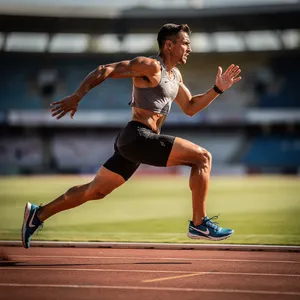
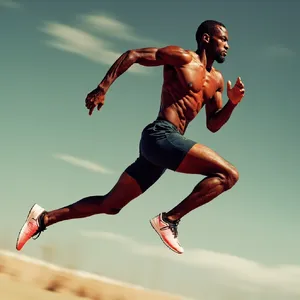
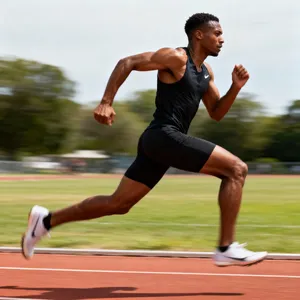
- Quick Takeaway: If you need flawless human anatomy or realistic object interaction, stick to premium tiers like GPT Image 2. For sweeping motion and sports photography, Nano Banana Pro is a remarkable standout.
📊 General Analysis & Useful Insights
Let's dive into the microscopic details of how AI currently interprets the human body:
💪 The Evolution of the "AI Hand"
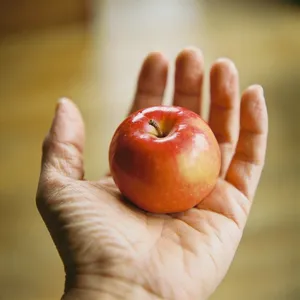
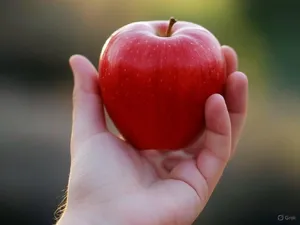
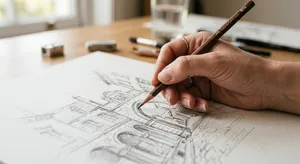
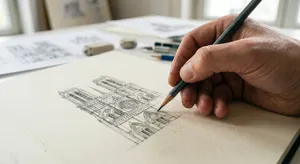
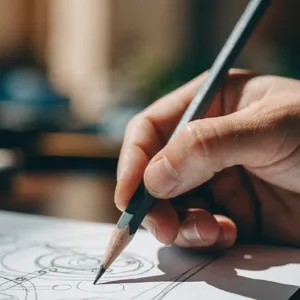
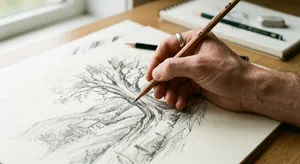
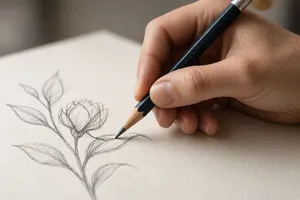
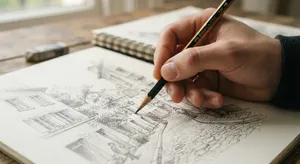
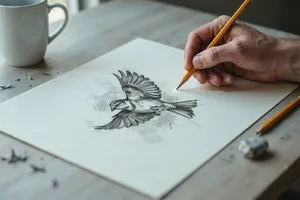
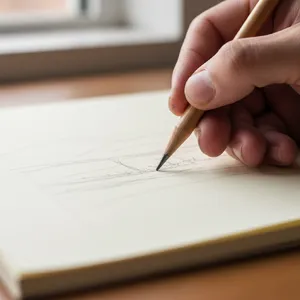
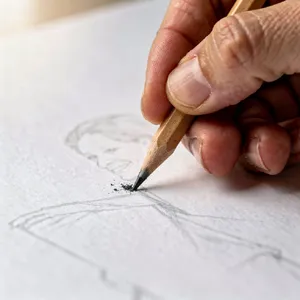
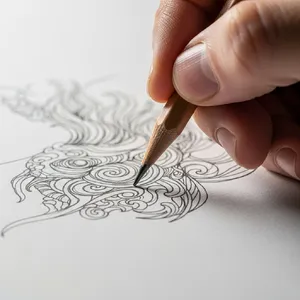
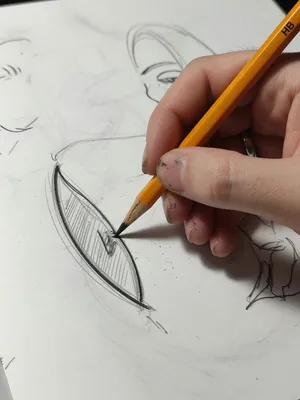
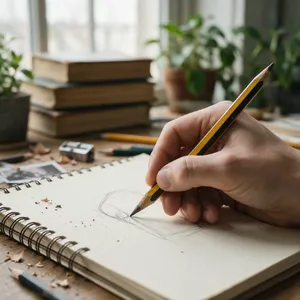
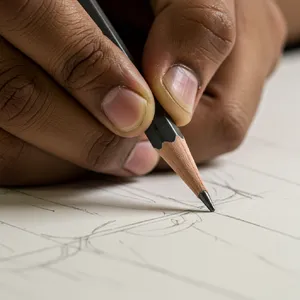
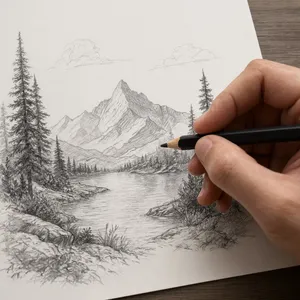
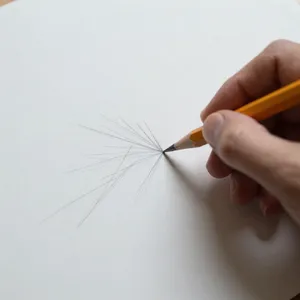
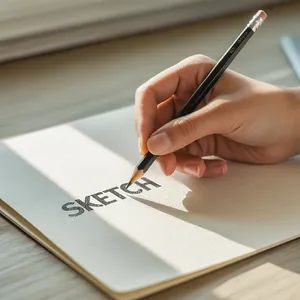
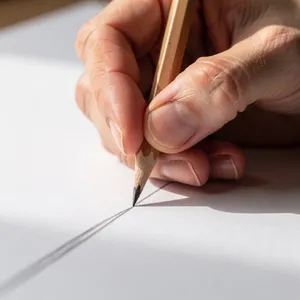
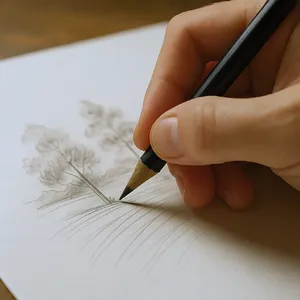
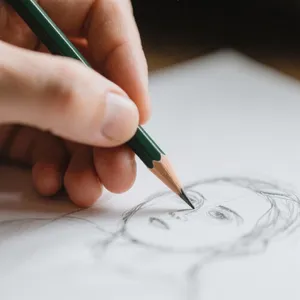
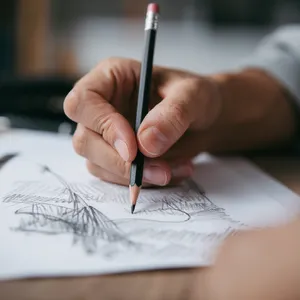
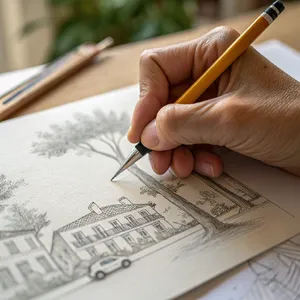
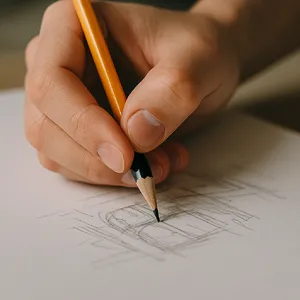
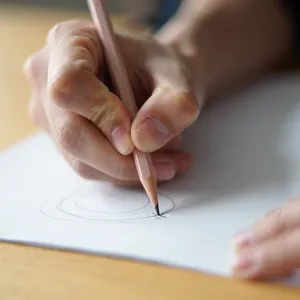
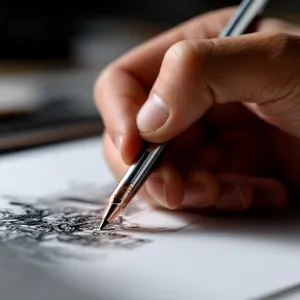
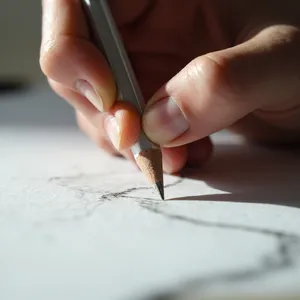
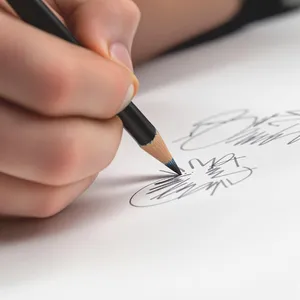
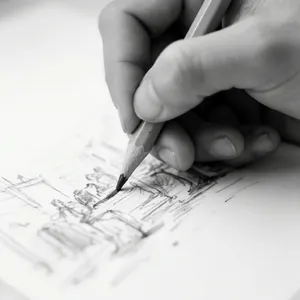
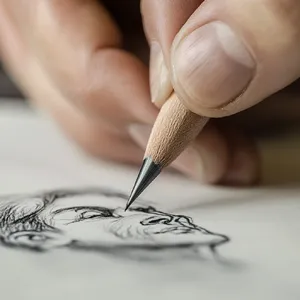
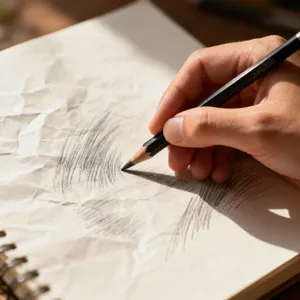
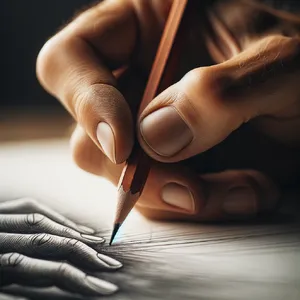
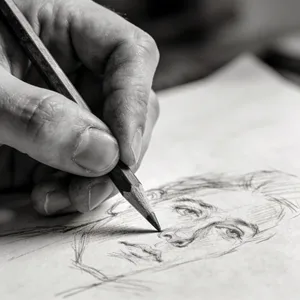
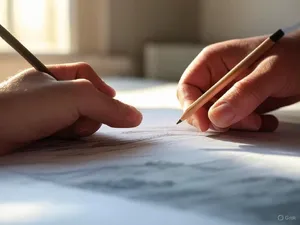
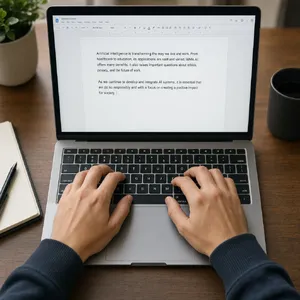
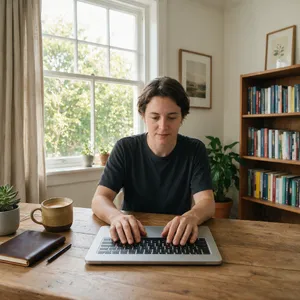
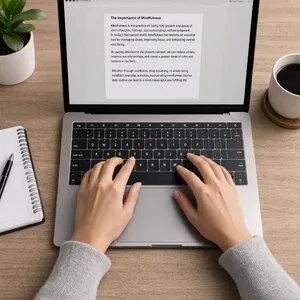
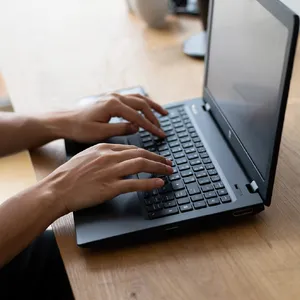
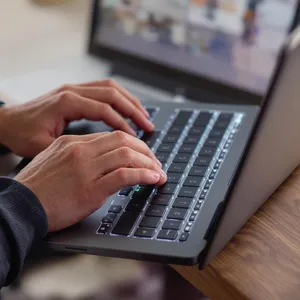
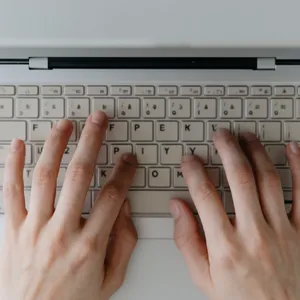
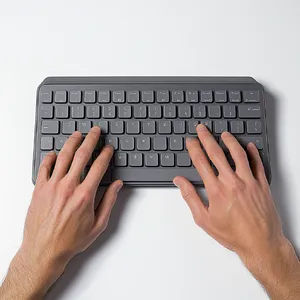
The notorious "six-finger" curse is largely eradicated in top-tier models, but the real challenge has shifted to interaction. When hands must interact with objects—like in the Person typing on a laptop or Hand drawing a sketch prompts—many models fail to understand basic physics. Fingers often melt into keyboards or hold pencils with biologically impossible grips. However, models like GPT Image 2 show incredible prowess, accurately capturing the pressure of fingertips on keys in its stellar Typing generation.
🪞 Spatial Logic & The Mirror Problem
The Person standing before a mirror prompt was a computational bloodbath. A vast majority of models failed by either reversing the front/back relationship or generating impossible physics (e.g., Ideogram V2 completely breaking the laws of optics). The notable champion here was Takumi 1, which flawlessly nailed the spatial relationship in this beautiful Mirror reflection.
🏃 Biomechanics & Kinetic Motion
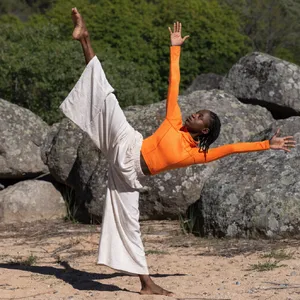
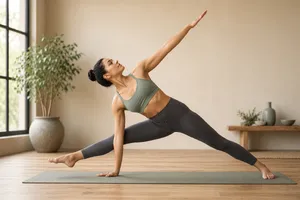
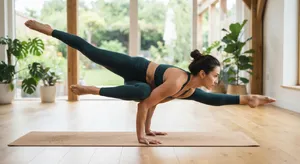
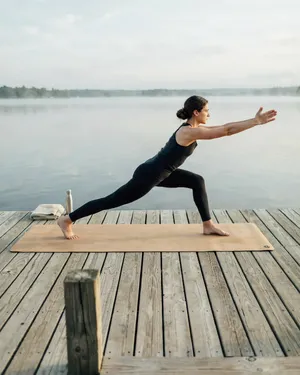
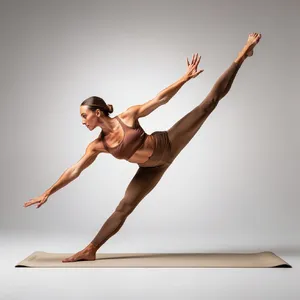
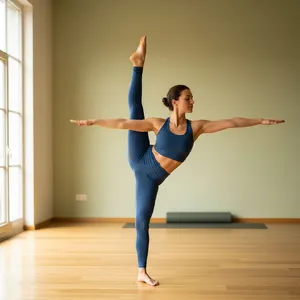
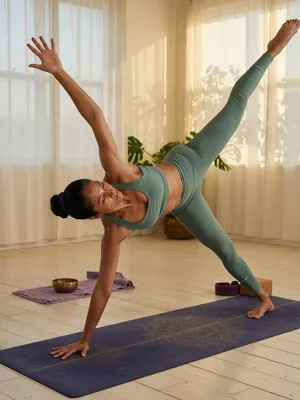
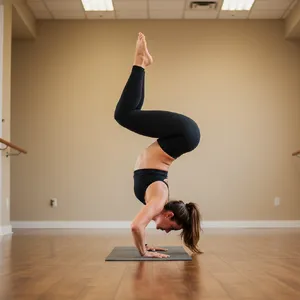
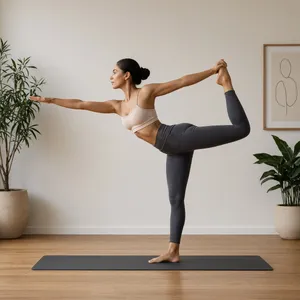
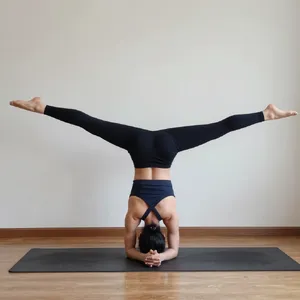
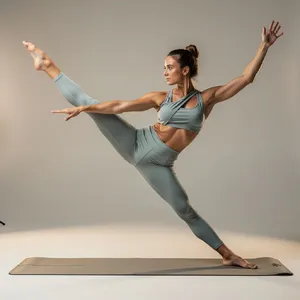
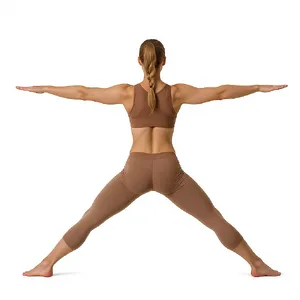
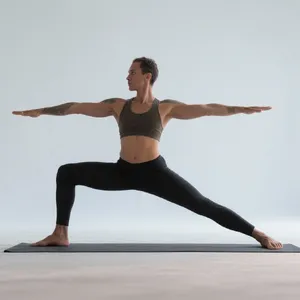
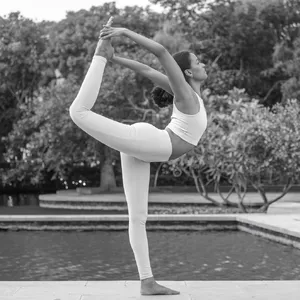
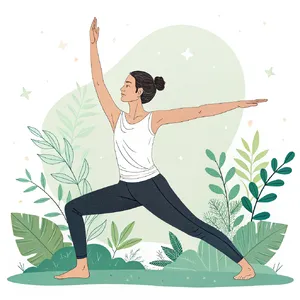
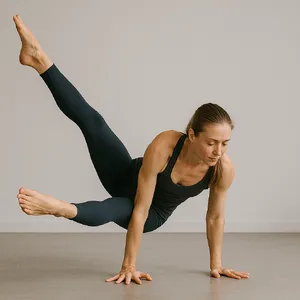
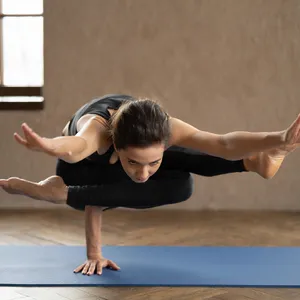
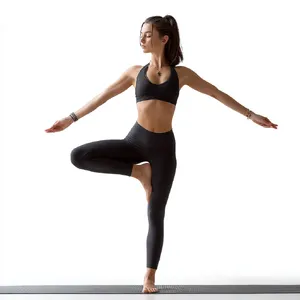
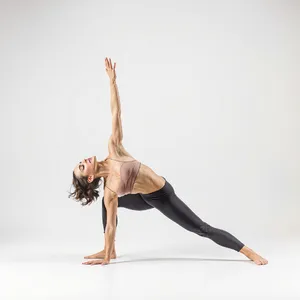
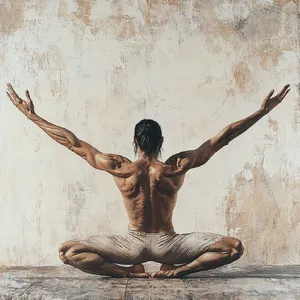
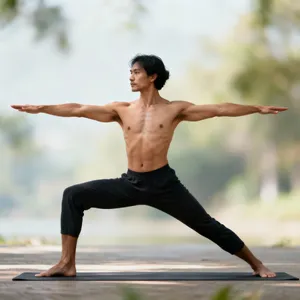
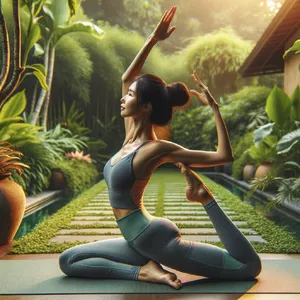
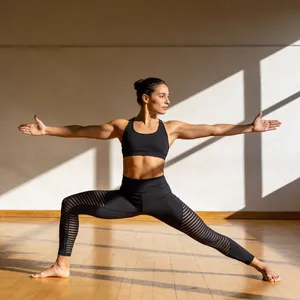
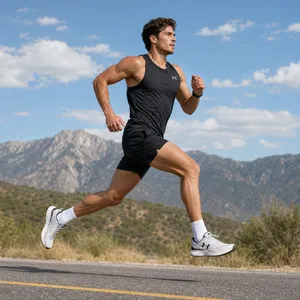
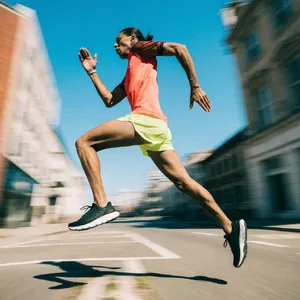
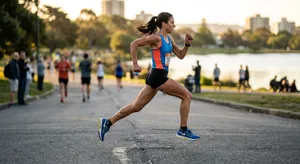
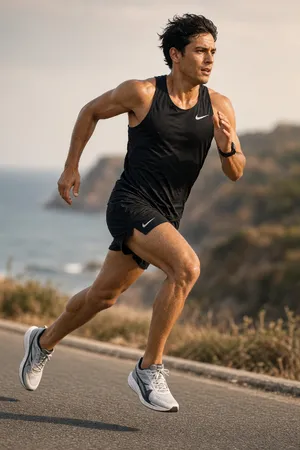
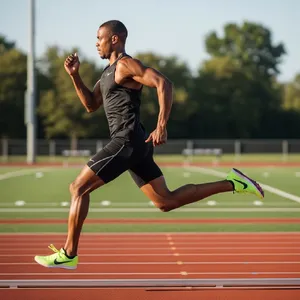
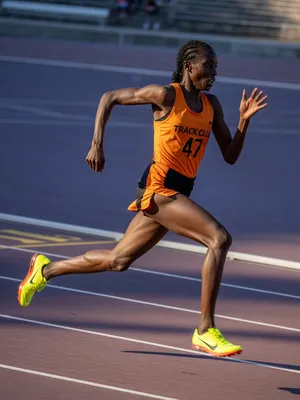
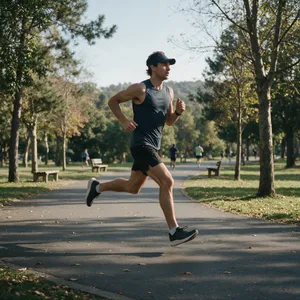
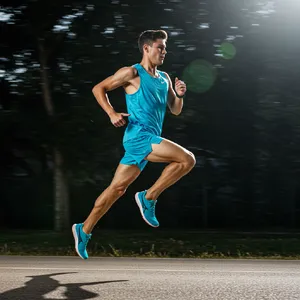
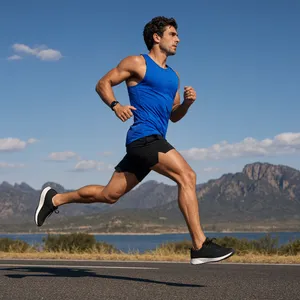
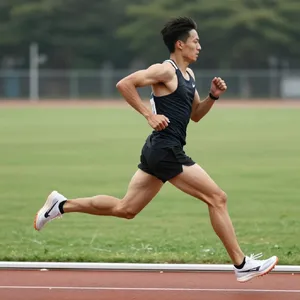
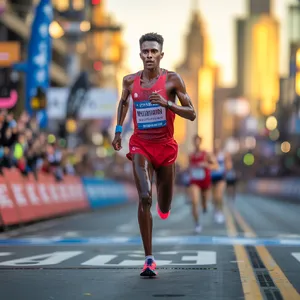
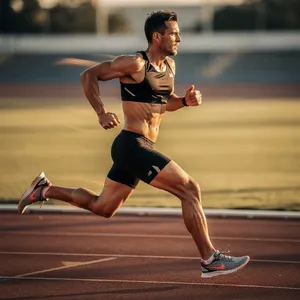
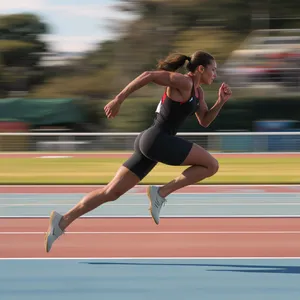
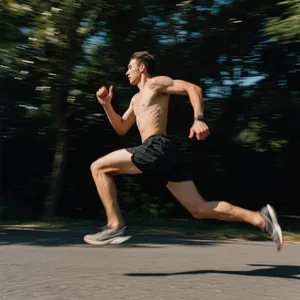
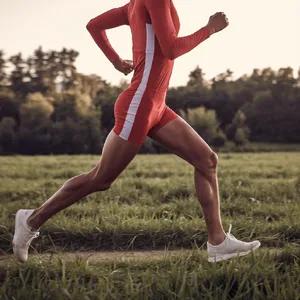
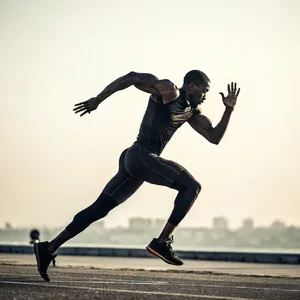
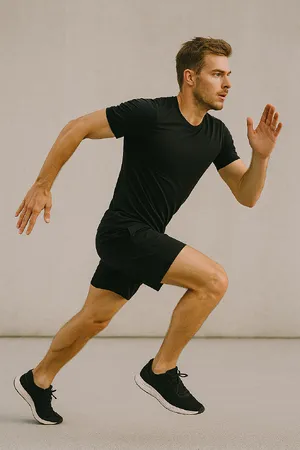
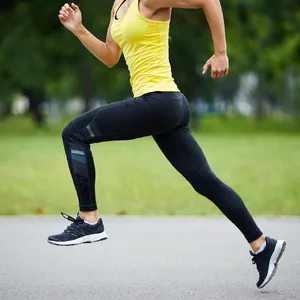
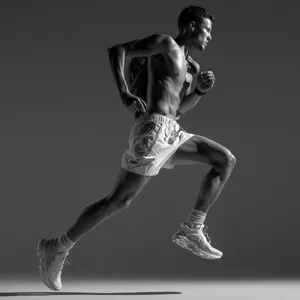
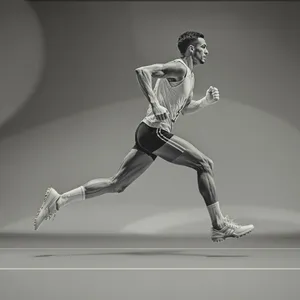
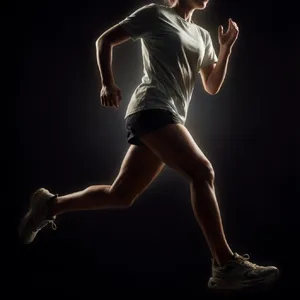
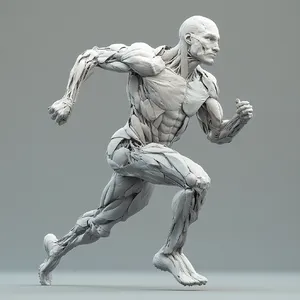
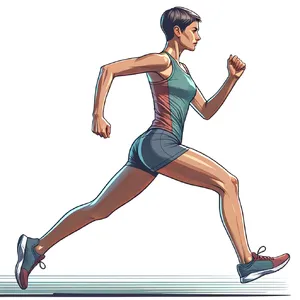
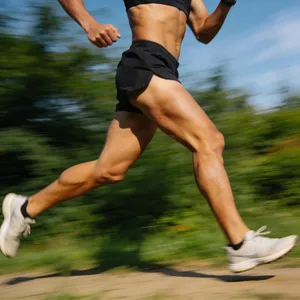
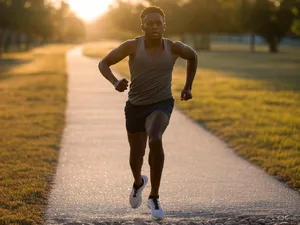
For high-action shots like the Runner mid-stride and the Yoga practitioner, models had to prove their understanding of the skeletal system.
- The Strengths: Grok Imagine 2.0 (Preview) and Z-Image Turbo excelled at rendering muscular tension, correct joint alignment, and believable weight distribution.
- The Pitfalls: Lower-scoring models tended to "float" subjects without convincing ground contact, rendered wildly elongated limbs, or completely missed prompt requirements by cropping out heads and feet.
🎯 Best Model Analysis by Use Case
Different projects require vastly different anatomical strengths. Here is your cheat sheet for selecting the right model for your specific needs:
1. Close-Up Hand Interactions & Macros
2. Complex Group Anatomy & Crowds
3. Sports, Kinetics & Full-Body Posing
4. Spatial Coherence & Optical Reflections
- Best Models: Takumi 1, GPT Image 1.5
- Why: For prompts involving mirrors, glass, or complex physical orientations, Takumi 1 is the reigning champion. It possesses a rare "understanding" of spatial geometry that totally eliminates the uncanny-valley mirror artifacts that severely penalize other AI systems.