Summary for Surreal & Creative Prompts
Welcome to the analysis of the most imaginative category! 🎨 Here is a quick overview of how the top AI models handled these mind-bending challenges:
🏆 Top-Performing Models
📈 Key Trends & Discoveries
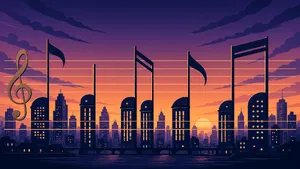
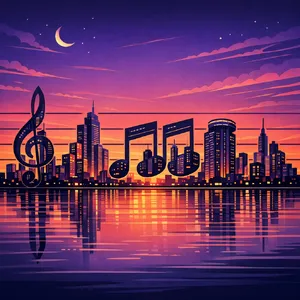
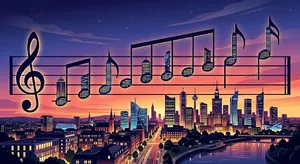
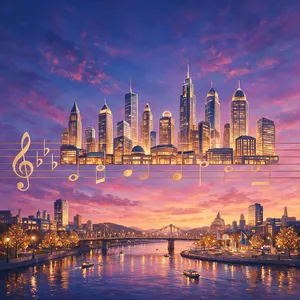
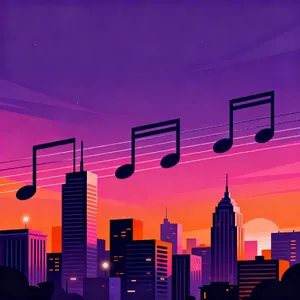
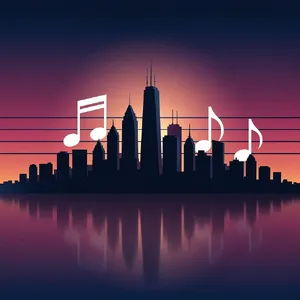
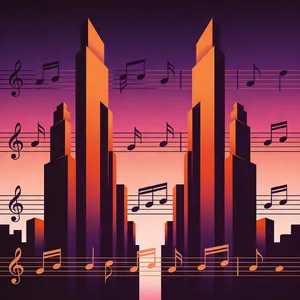
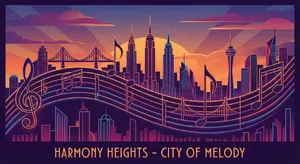
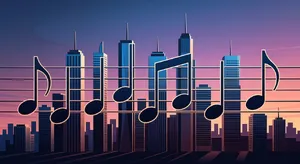
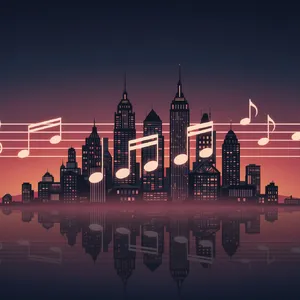
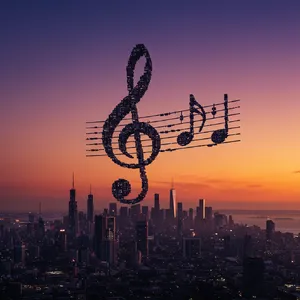
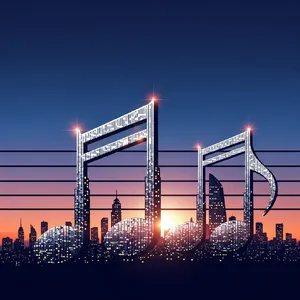
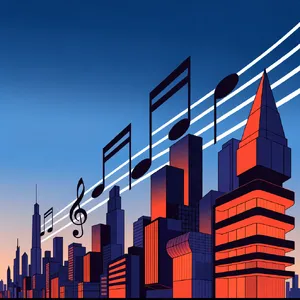
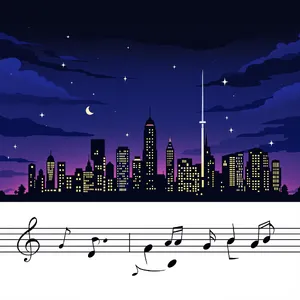
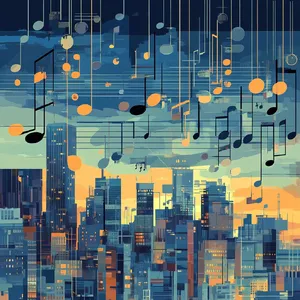
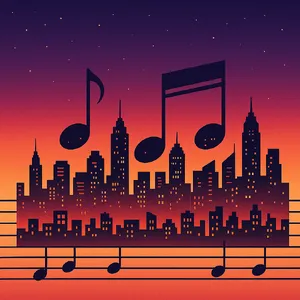
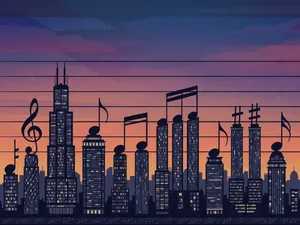
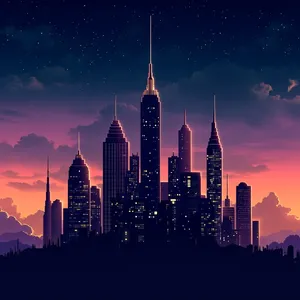
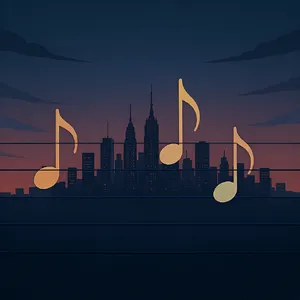
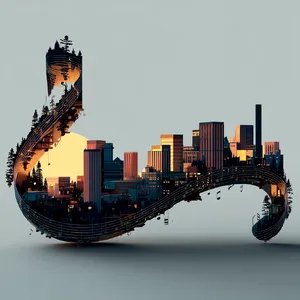
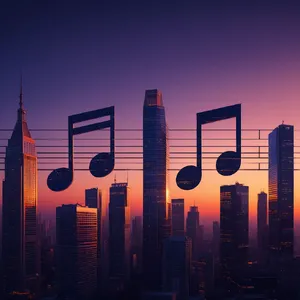
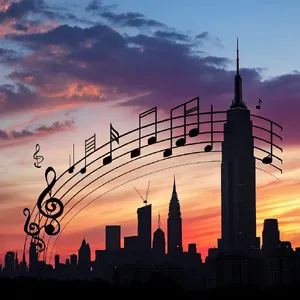
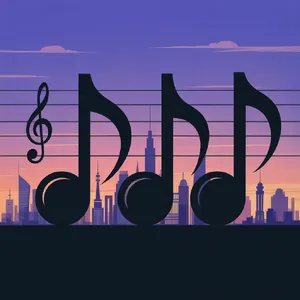
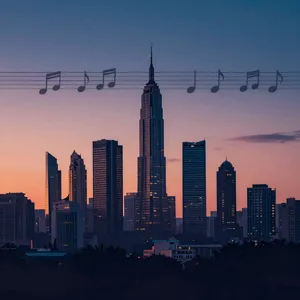
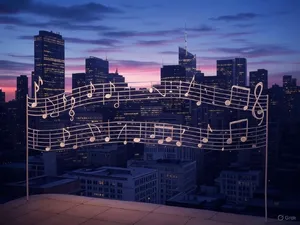
- Literal vs. Symbolic: Models often struggle when asked to fuse objects fundamentally (e.g., turning a skyline into notes). Many default to superimposing them as separate layers.
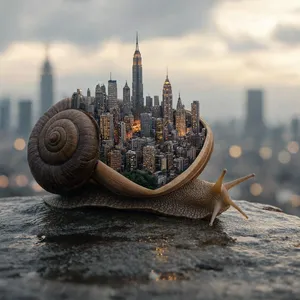
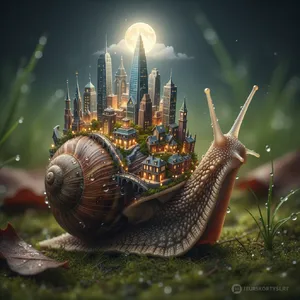
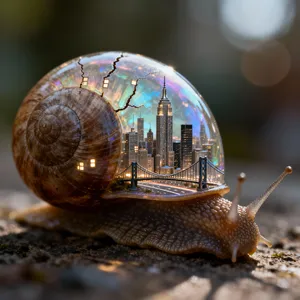
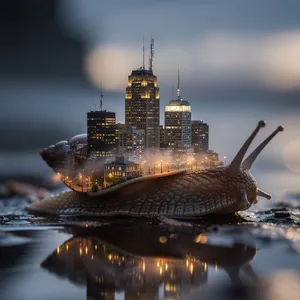
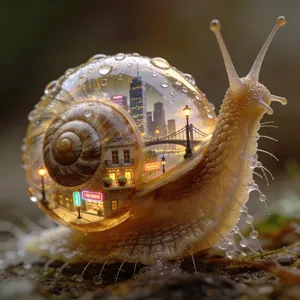
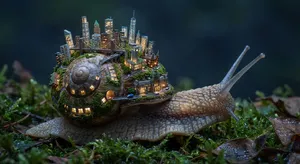
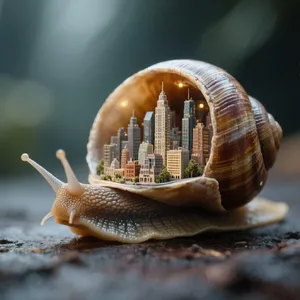
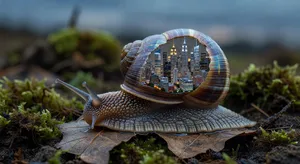
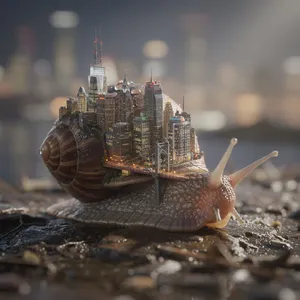
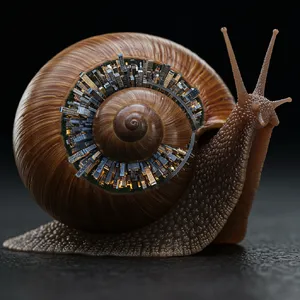
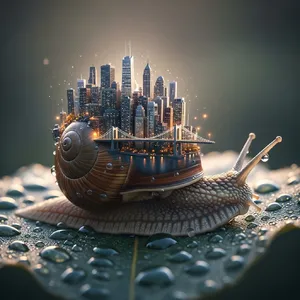
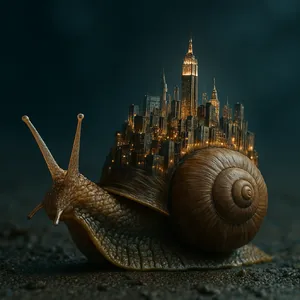
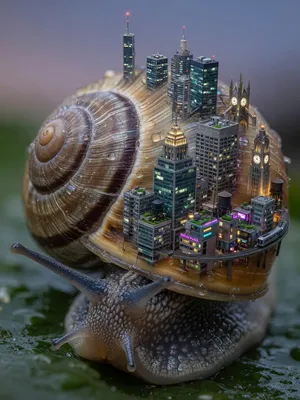
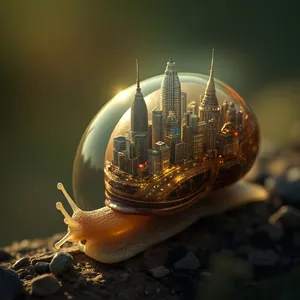
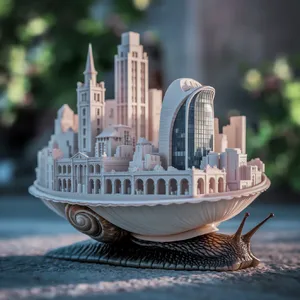
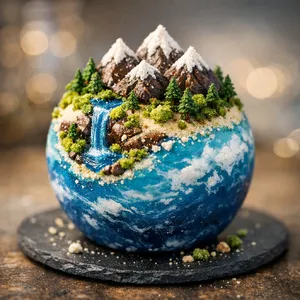
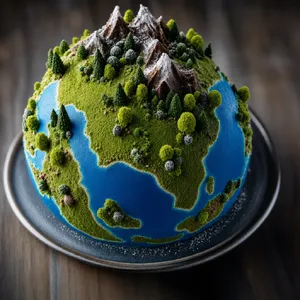
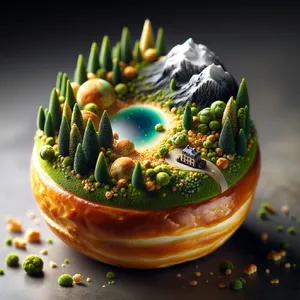
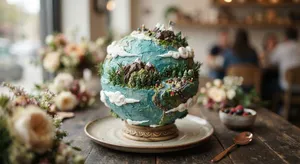
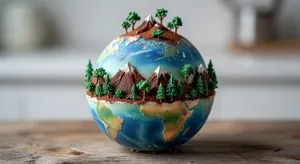
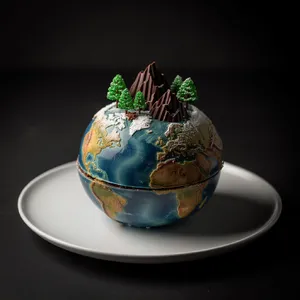
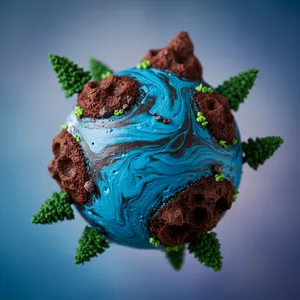
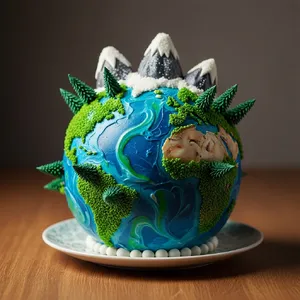
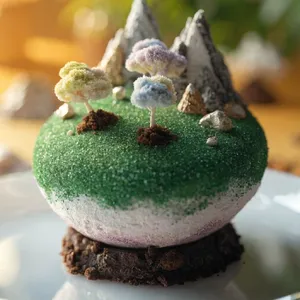
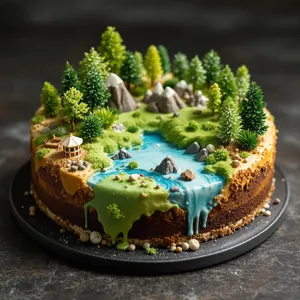
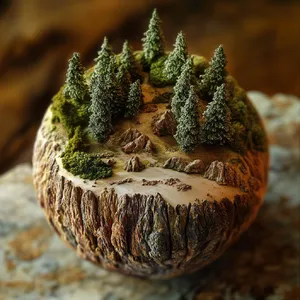
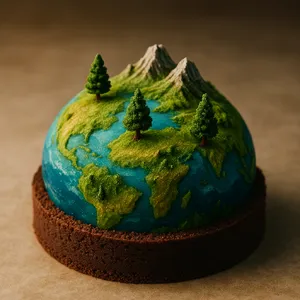
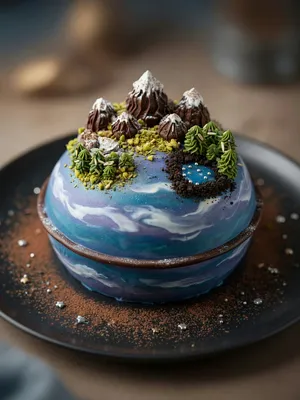
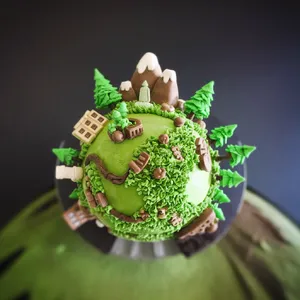
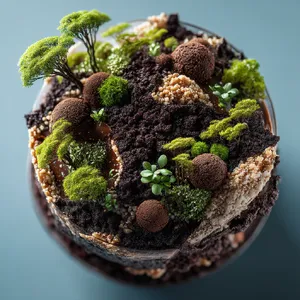
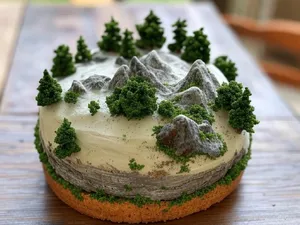
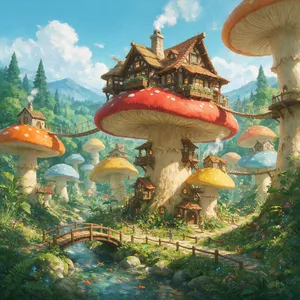
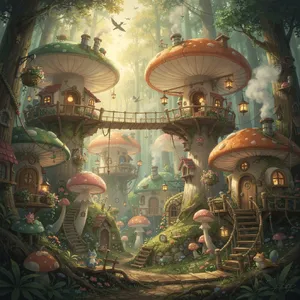
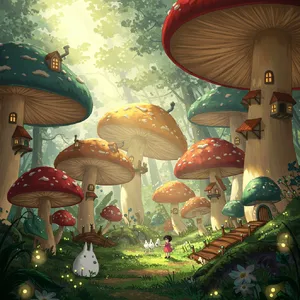
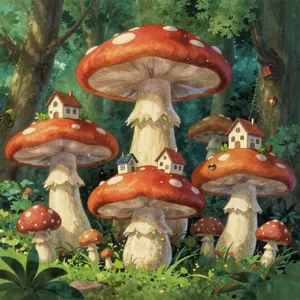
- Miniature Worlds: AI models excel at macro/tilt-shift photography, rendering incredibly intricate diorama-style imagery with convincing tactile textures!
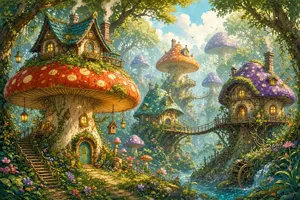
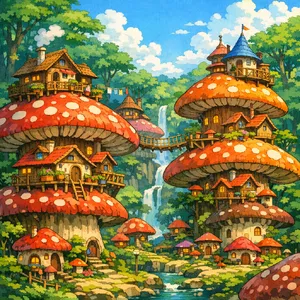
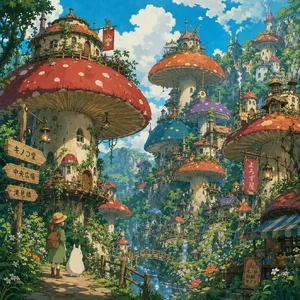
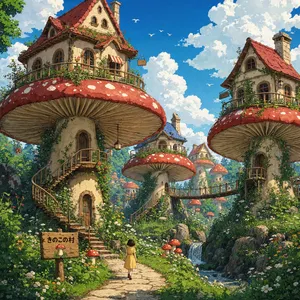
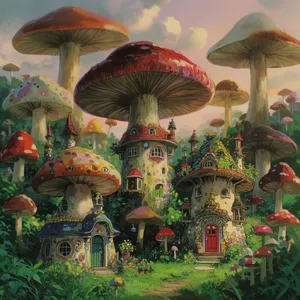
- Style Bleed: When asked for specific aesthetics like "Studio Ghibli," some models output generic digital fantasy rather than the requested hand-drawn animation style.
🔍 Deep Dive: Patterns, Strengths, and Weaknesses
Generating surreal imagery requires models to balance photorealistic rendering with impossible physics. Here is how the models navigated this tightrope:
💪 Strengths: Macro & Materials
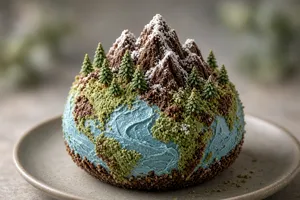
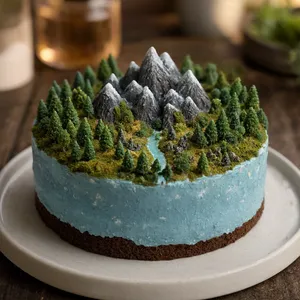
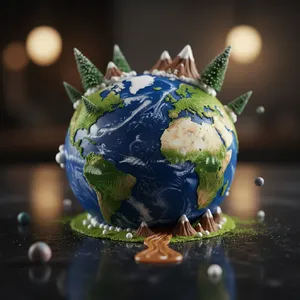
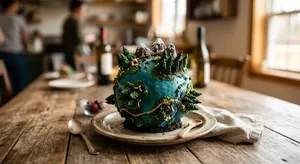
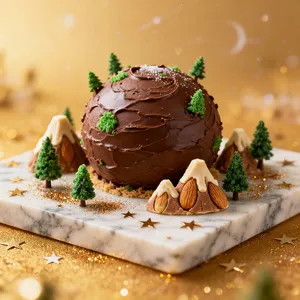
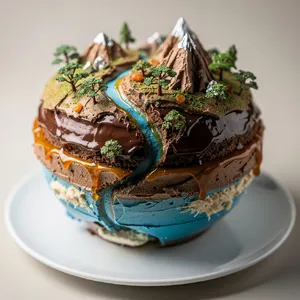
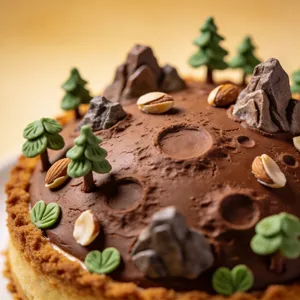
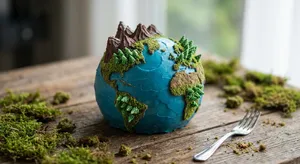
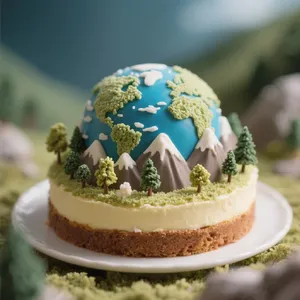
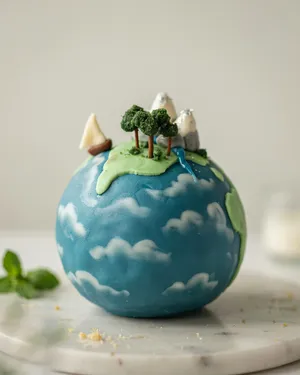
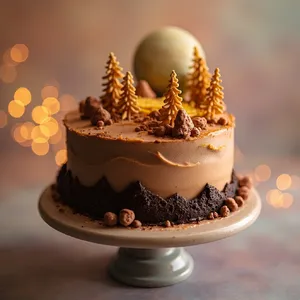
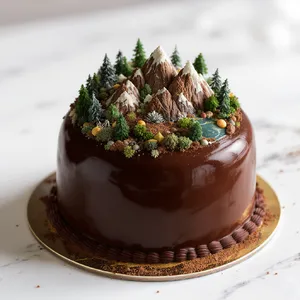
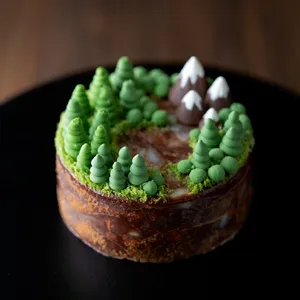
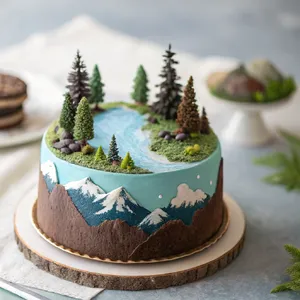
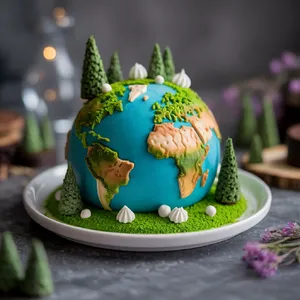
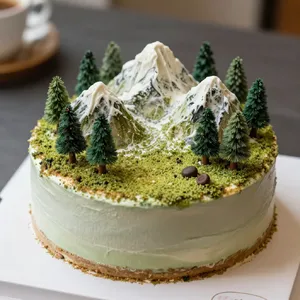
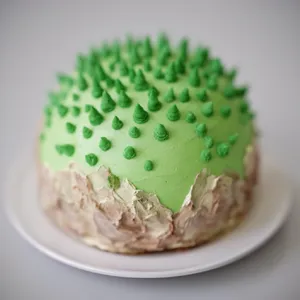
Models like Nano Banana 2.5 Flash and GPT Image 1.5 showed incredible aptitude for material textures and macro photography. In the Cake Planet challenge, the best models beautifully distinguished between crumbly cake textures, glossy icing, and fondant trees, making the impossible look delicious.
⚠️ Common Failure Modes
The most frequent stumbling block in surreal generation is Conceptual Separation. When asked to merge two objects, many models keep them apart:
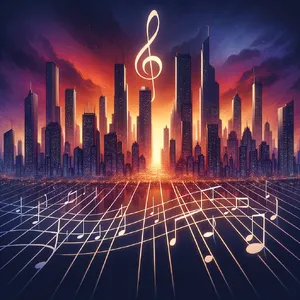
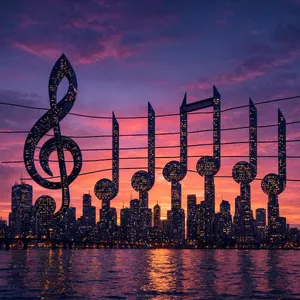
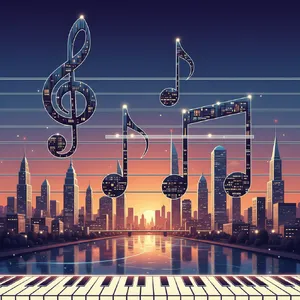
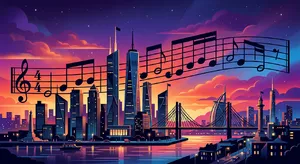
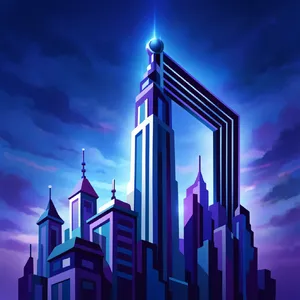
- In the Musical Skyline prompt, models like Recraft V3 and Ideogram 3.0 (Quality) simply overlaid black musical notes on top of a city rather than shaping the buildings into notes.
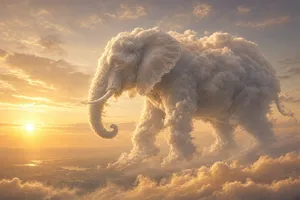
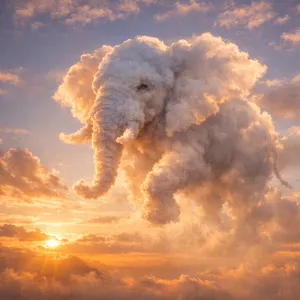
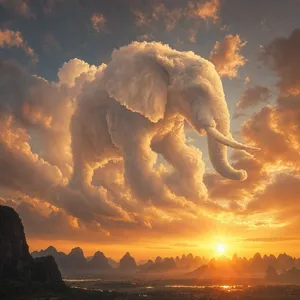
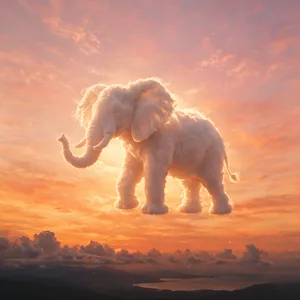
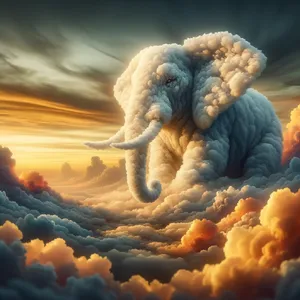
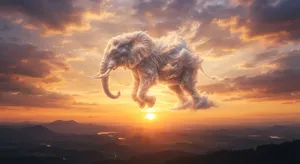
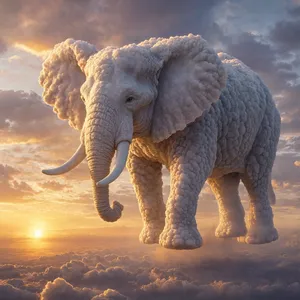
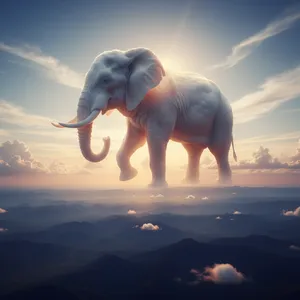
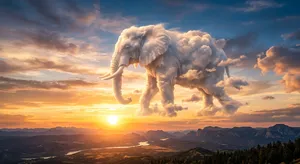
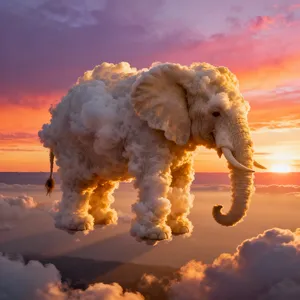
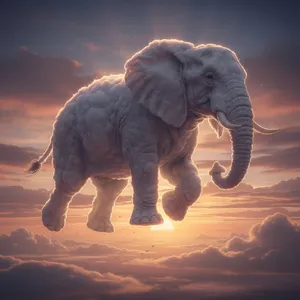
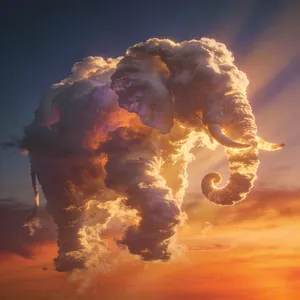
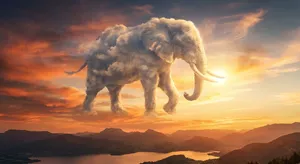
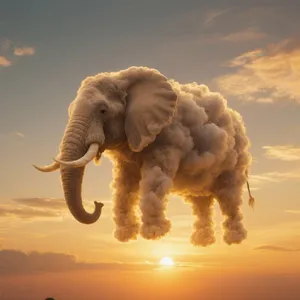
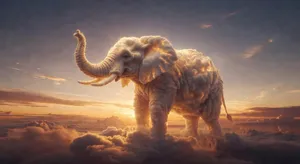
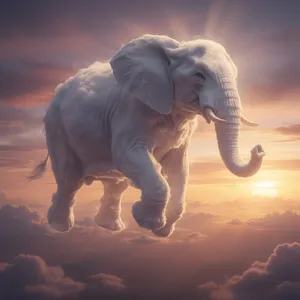
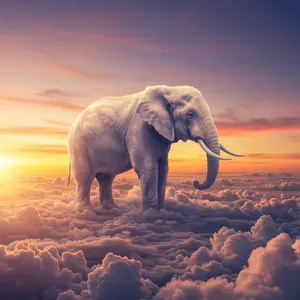
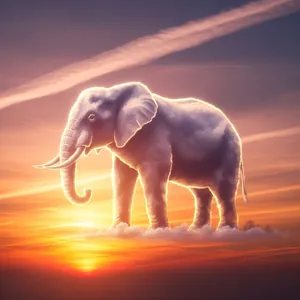
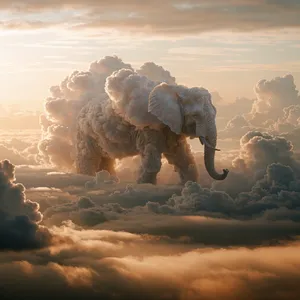
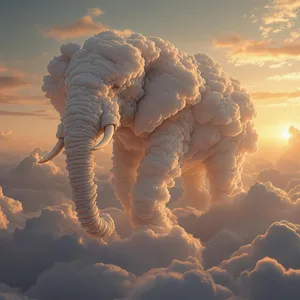
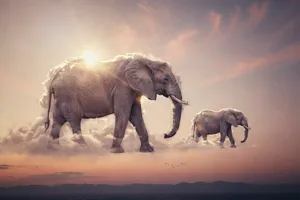
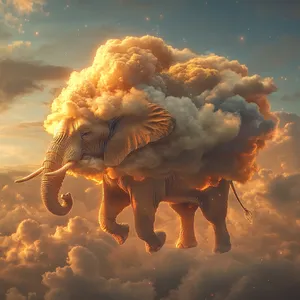
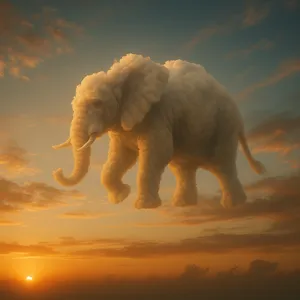
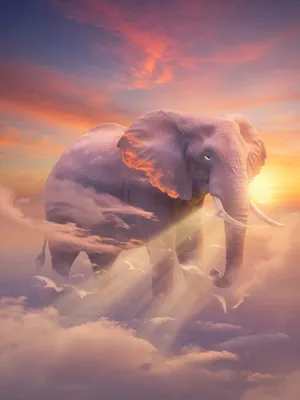
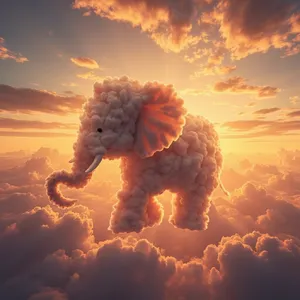
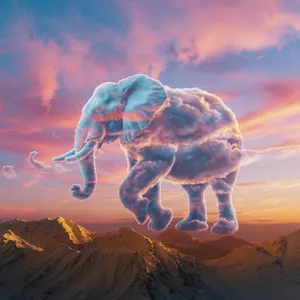
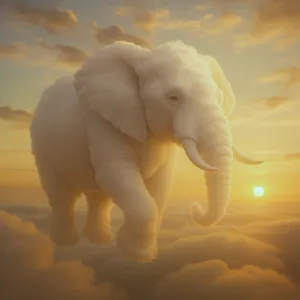
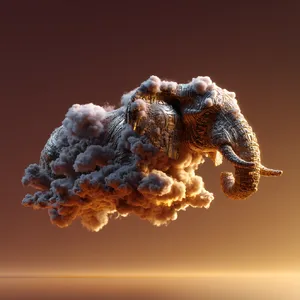
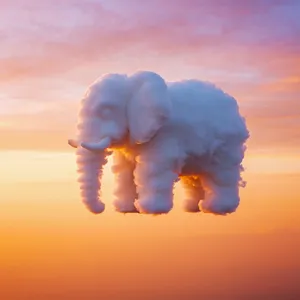
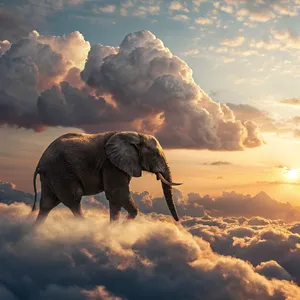
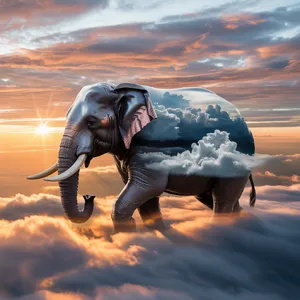
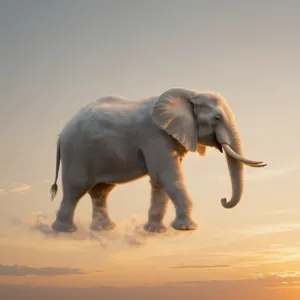
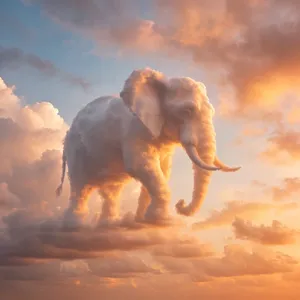
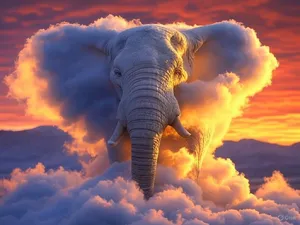
- For the Cloud Elephant, weaker models drew a normal solid elephant standing on top of clouds, missing the 'made of clouds' directive completely.
🎨 Preserving Composition in Reinterpretations
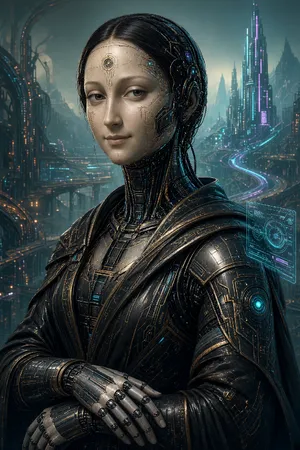
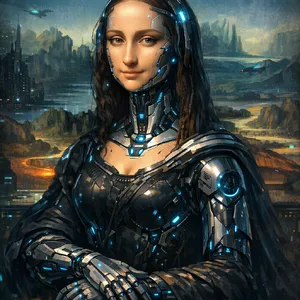
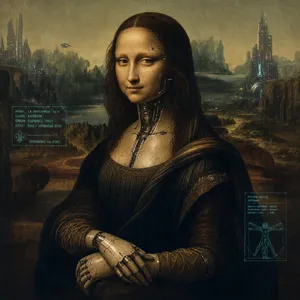
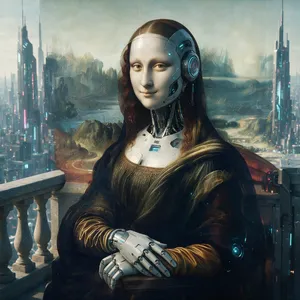
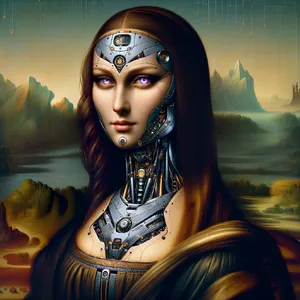
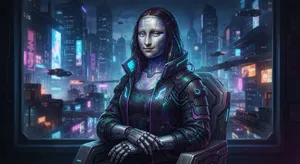
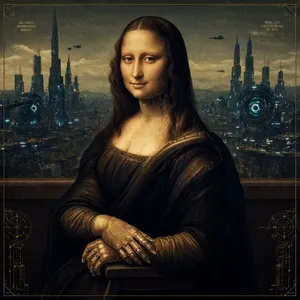
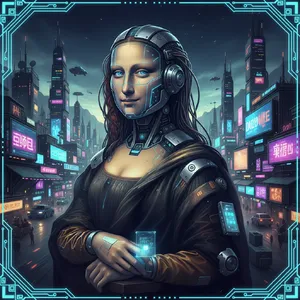
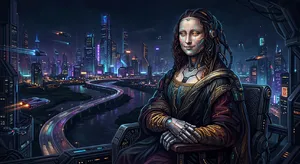
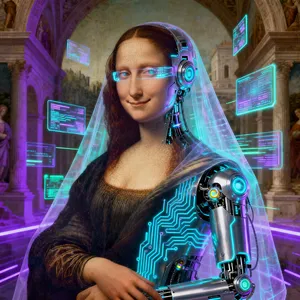
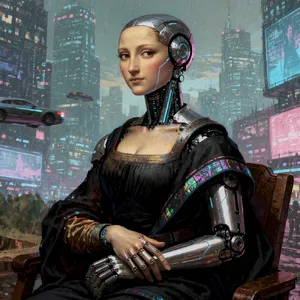
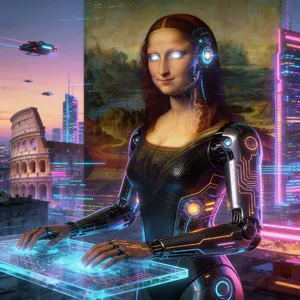
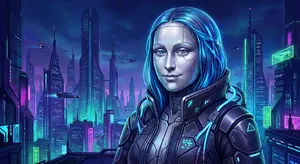
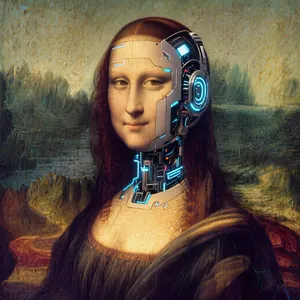
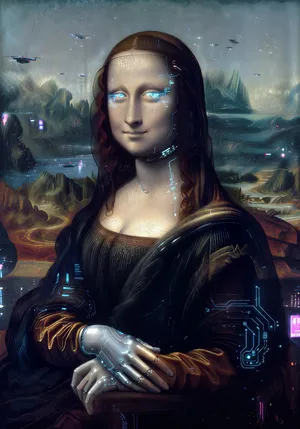
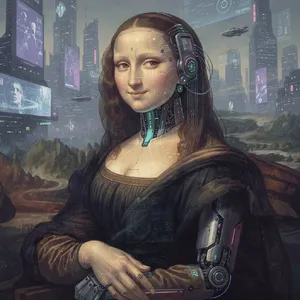
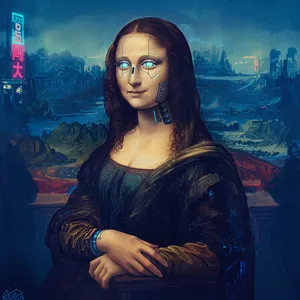
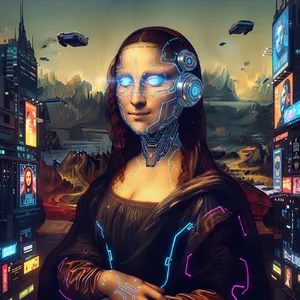
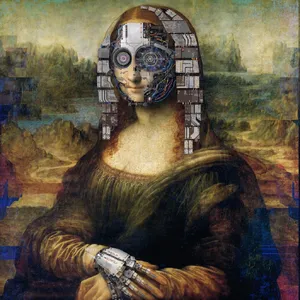
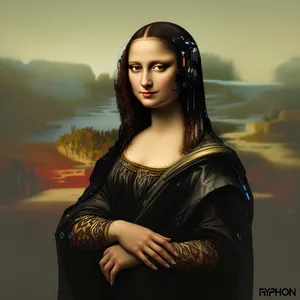
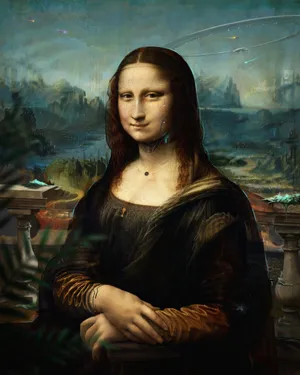
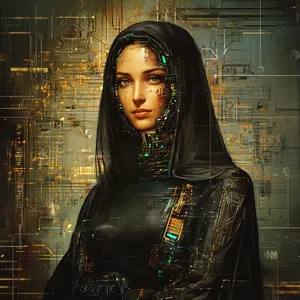
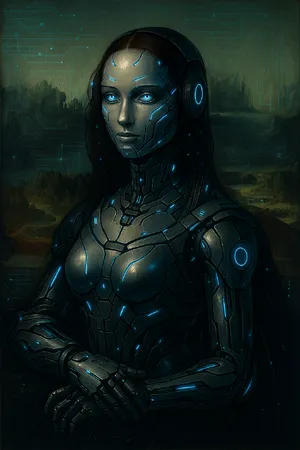
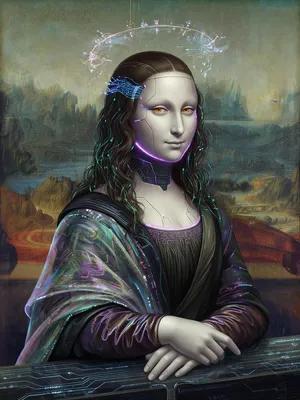
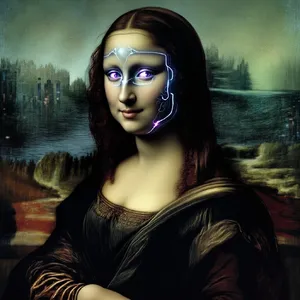
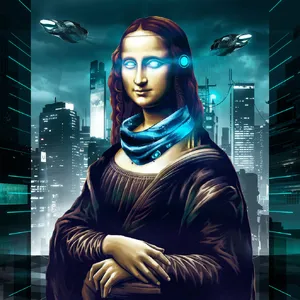
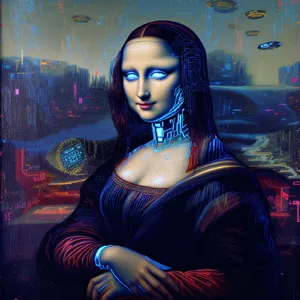
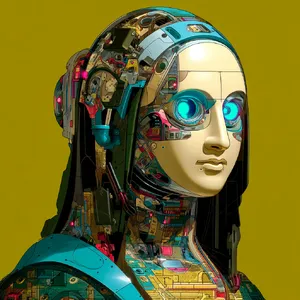
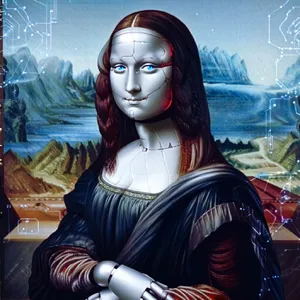
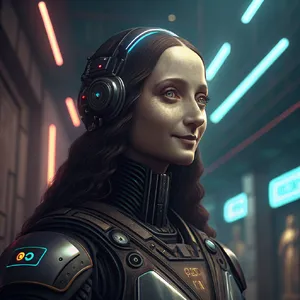
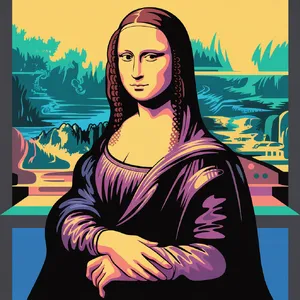
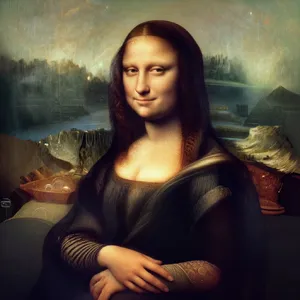
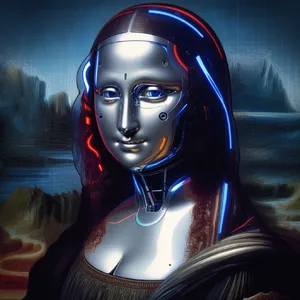
The Cyberpunk Mona Lisa prompt tested whether models could maintain Da Vinci's iconic composition while swapping the aesthetic.
- Seedream 5.0 Pro and Takumi 1 excelled here, perfectly retaining the crossed hands and portrait framing while seamlessly integrating intricate cybernetic details.
- Other models, like Ideogram V2, struggled with coherence, introducing distorted hands or losing the classic landscape background entirely.
🎯 Best Models by Surreal Scenario
Different surreal tasks require different AI strengths. Here is a breakdown of which models to choose based on your specific creative needs:
1. Miniature Worlds & Dioramas 🌍
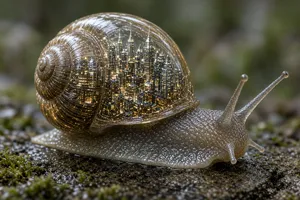
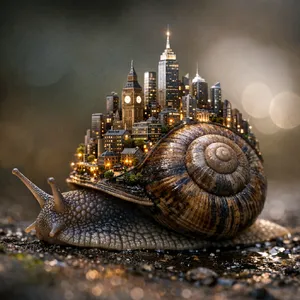
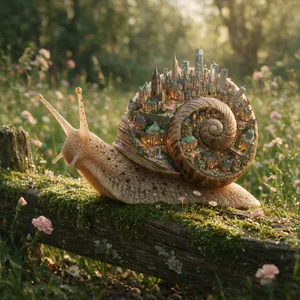
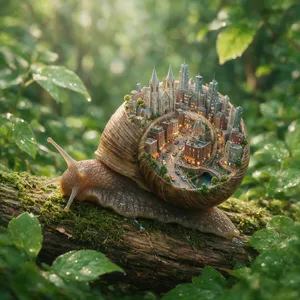
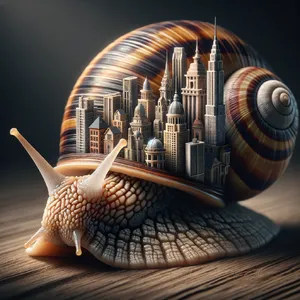
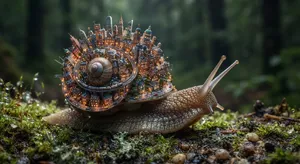
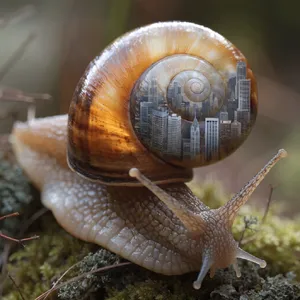
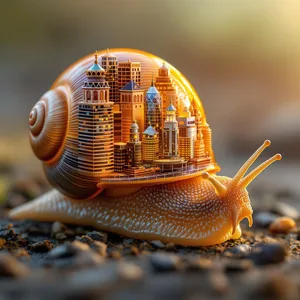
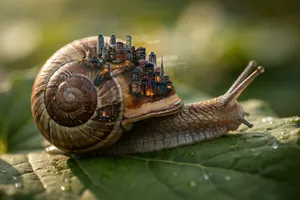
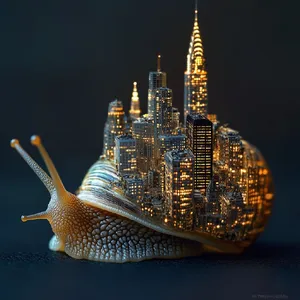
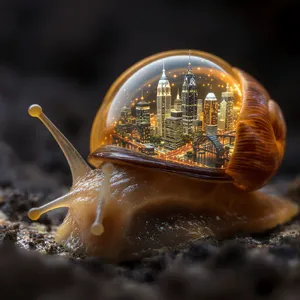
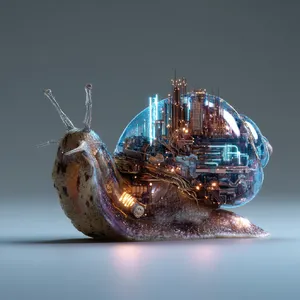
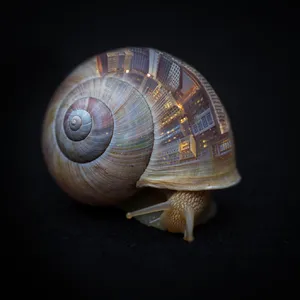
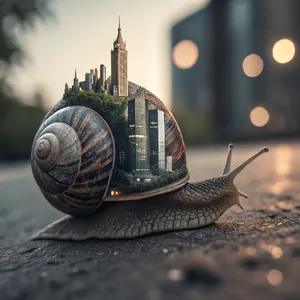
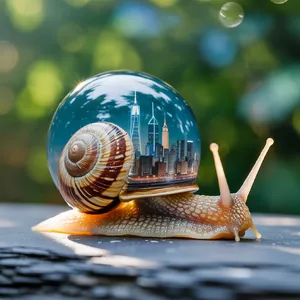
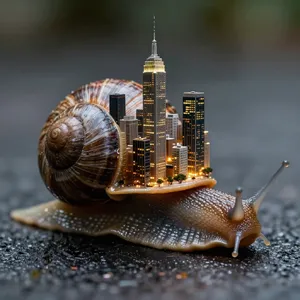
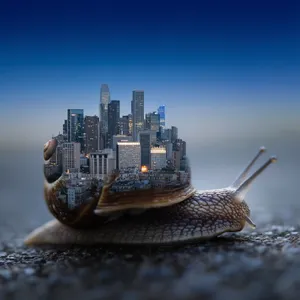
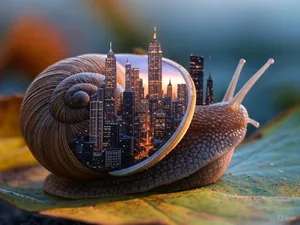
When creating tiny, intricate ecosystems (like the Snail City or Cake Planet):
- Grok Imagine 2.0 (Preview): Offers unparalleled detail density without becoming visually chaotic.
- Nano Banana 2: Delivers exceptional macro depth-of-field and tilt-shift effects, making tiny elements feel incredibly tactile. See its stunning Snail City.
2. Ethereal & Cosmic Lighting ✨
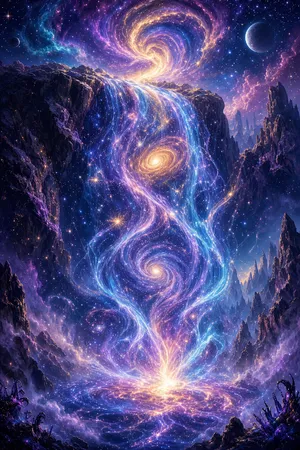
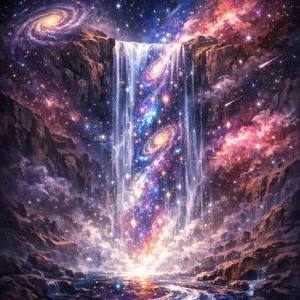
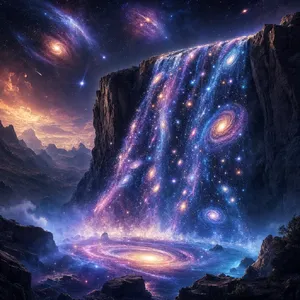
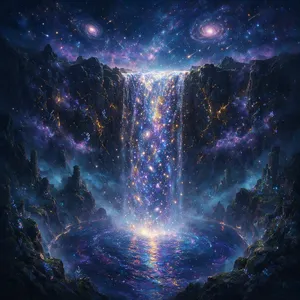
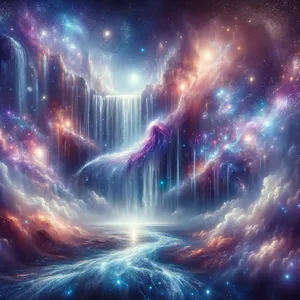
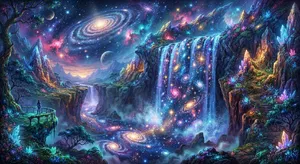
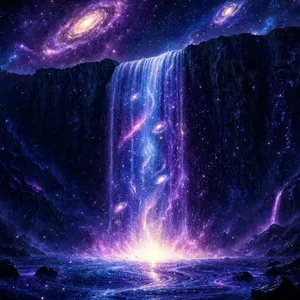
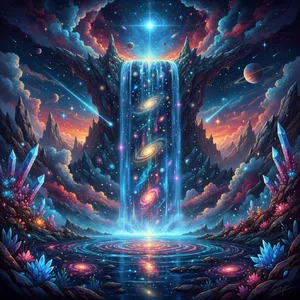
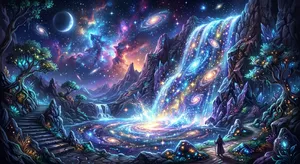
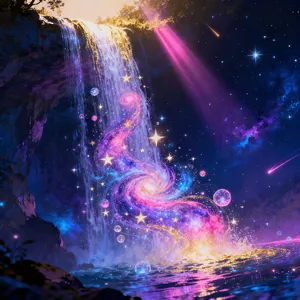
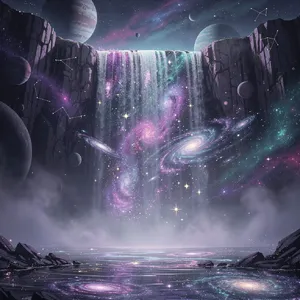
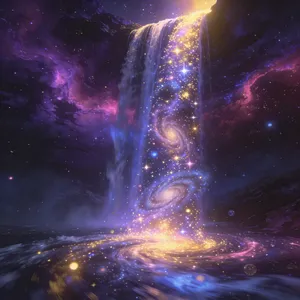
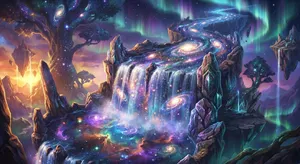
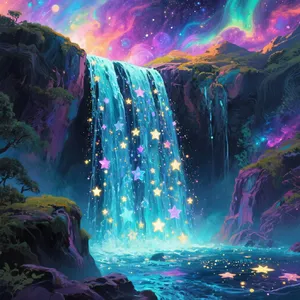
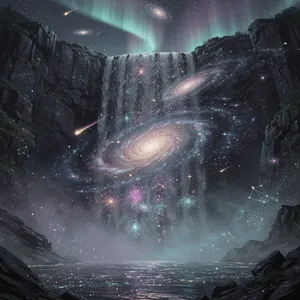
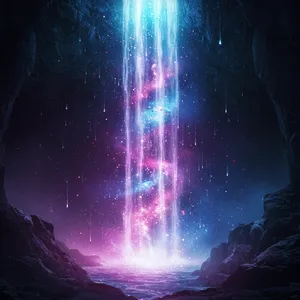
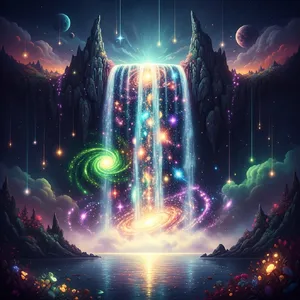
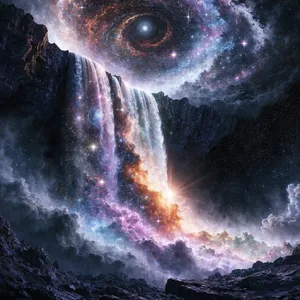
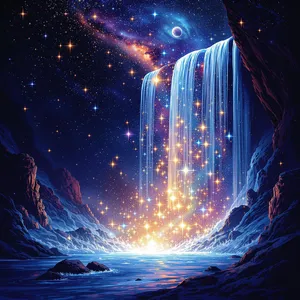
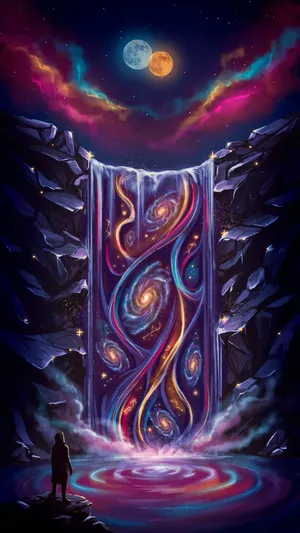
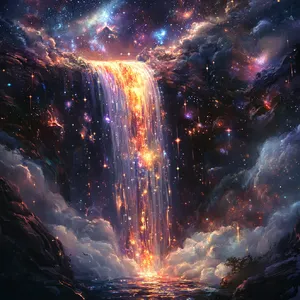
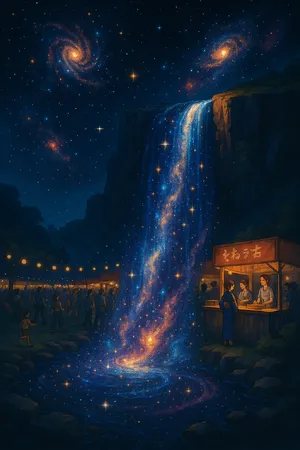
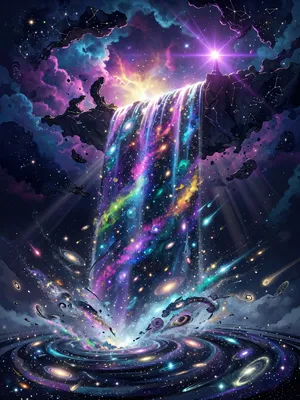
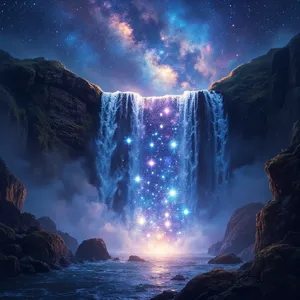
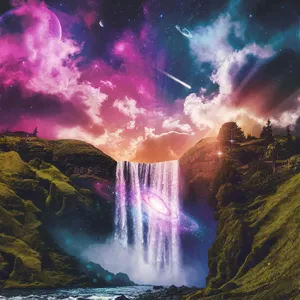
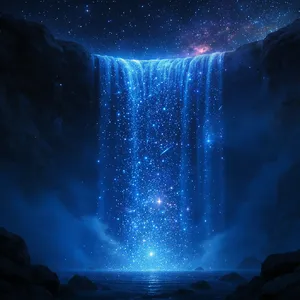
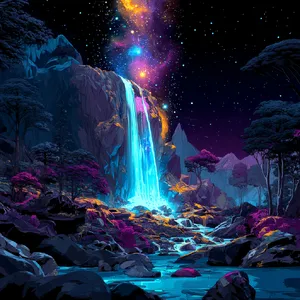
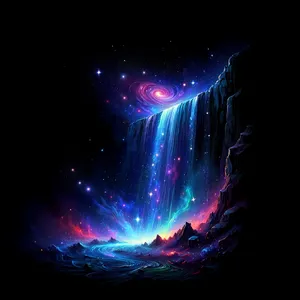
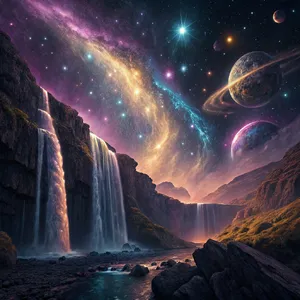
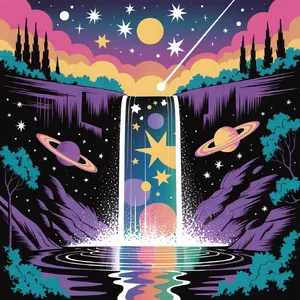
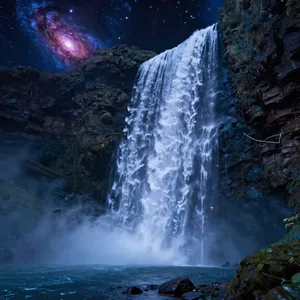
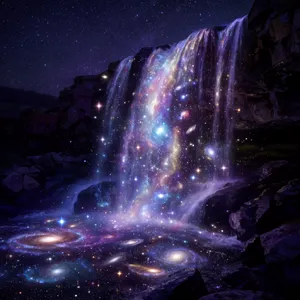
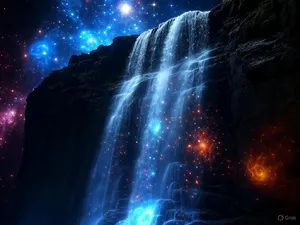
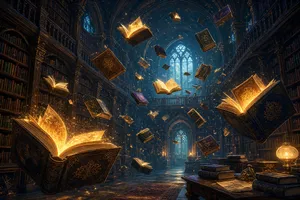
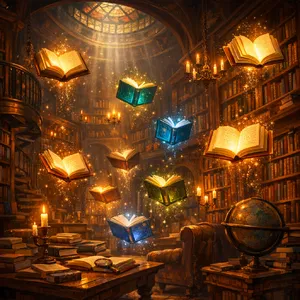
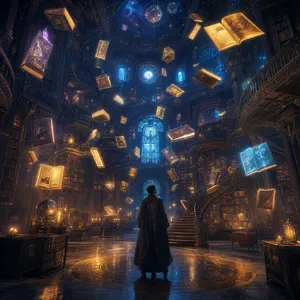
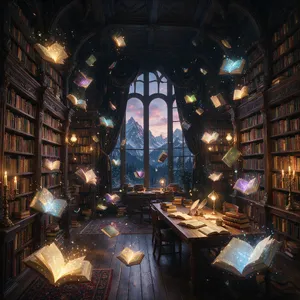
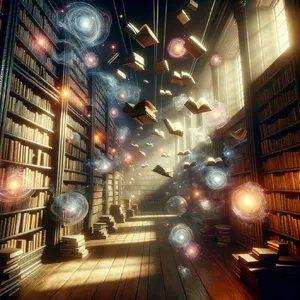
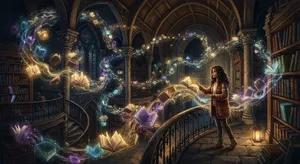
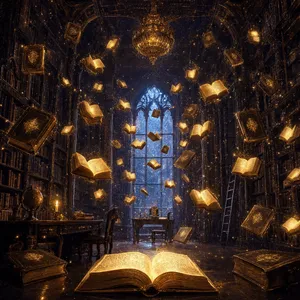
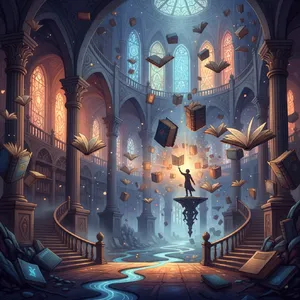
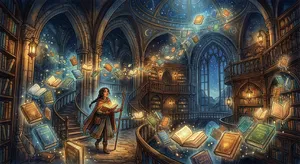
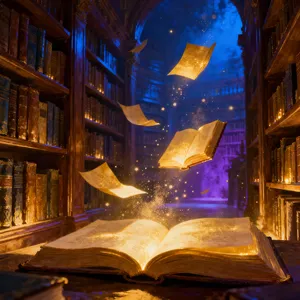
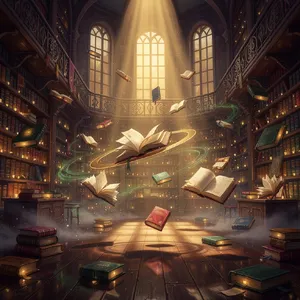
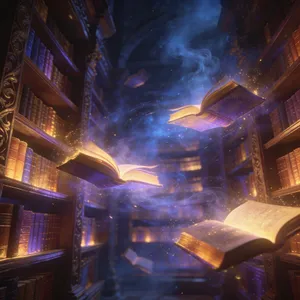
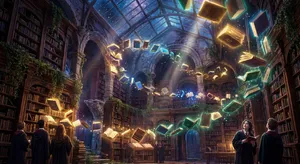
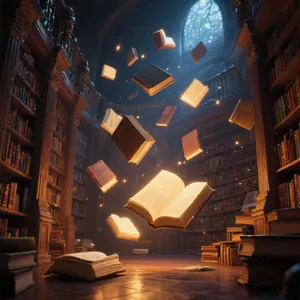
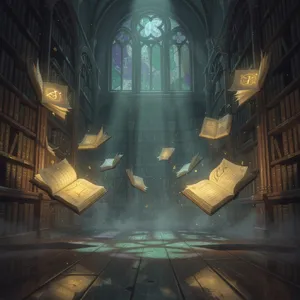
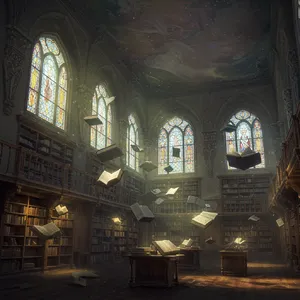
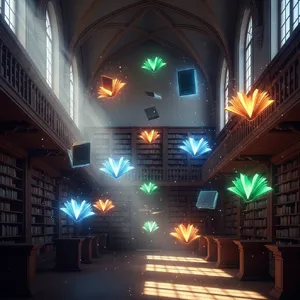
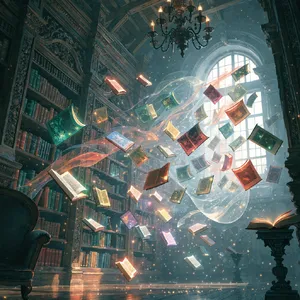
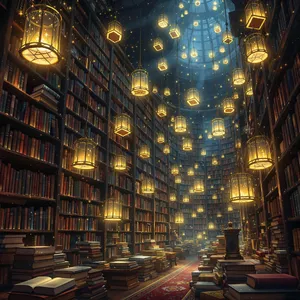
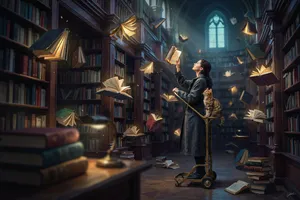
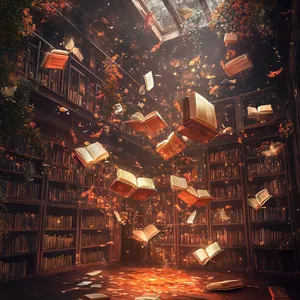
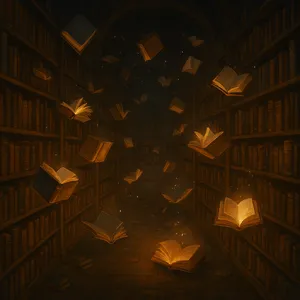
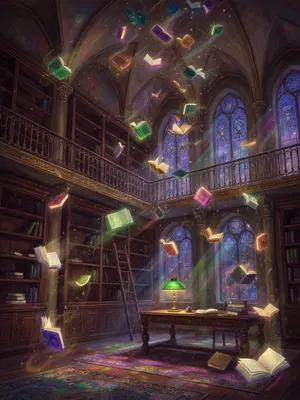
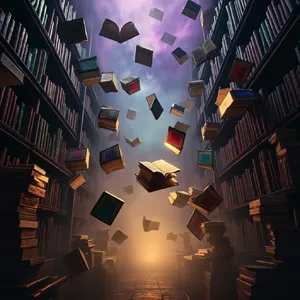
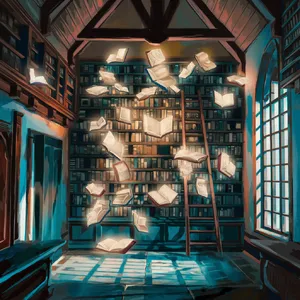
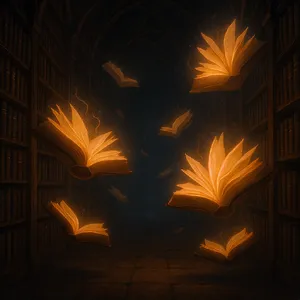
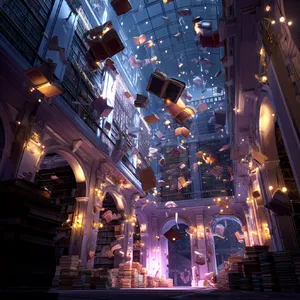
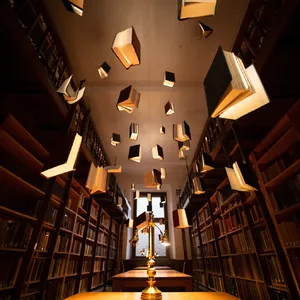
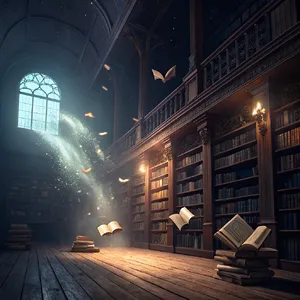
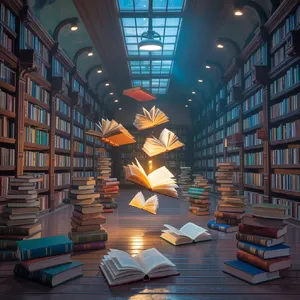
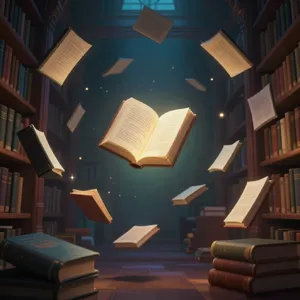
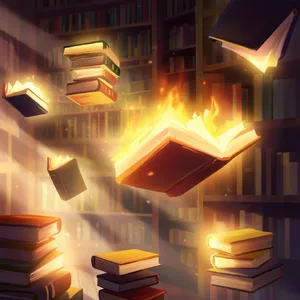
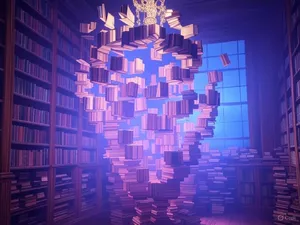
For prompts requiring magical glows, glowing particles, and cosmic phenomena (like the Floating Books or Galaxy Waterfall):
3. Stylized & Graphic Design Fusions 🎼
When you need flat graphic styles, vector aesthetics, or symbolic fusions (like the Musical Skyline):
4. Historical & Sci-Fi Mashups 🕰️
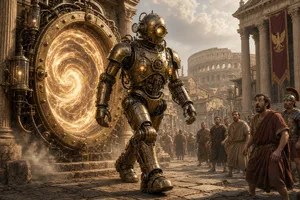
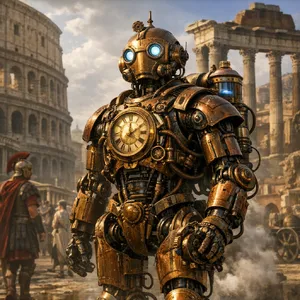
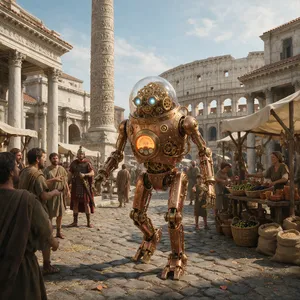
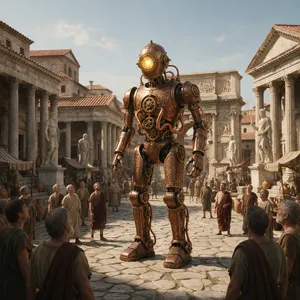
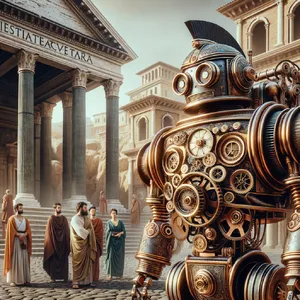
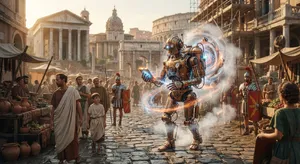
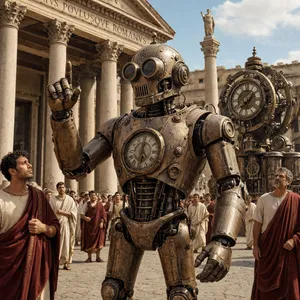
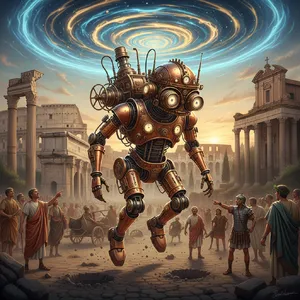
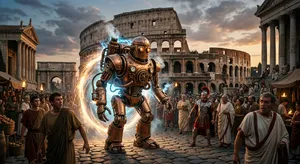
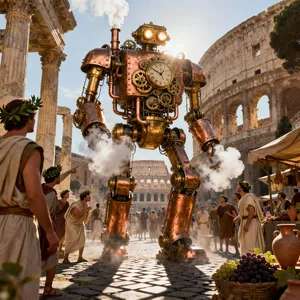
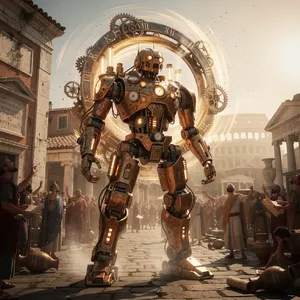
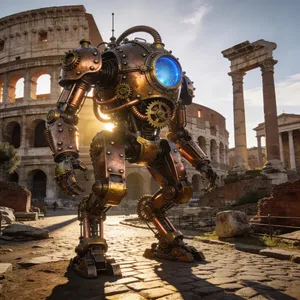
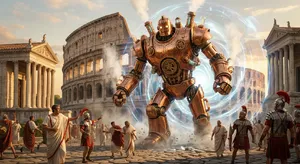
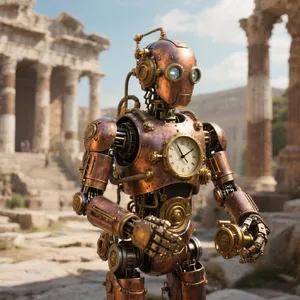
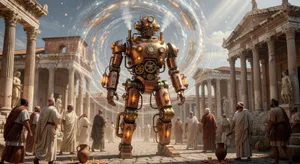
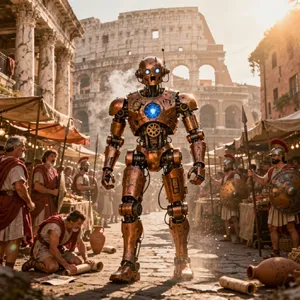
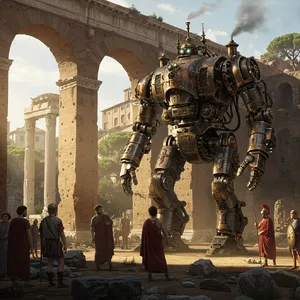
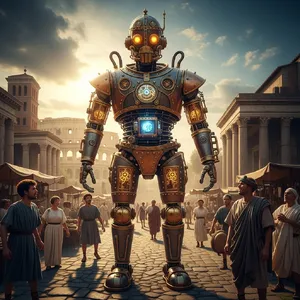
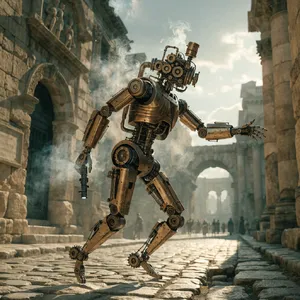
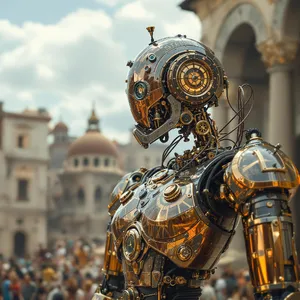
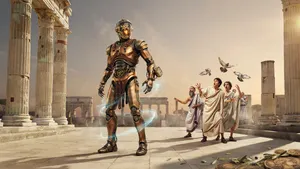
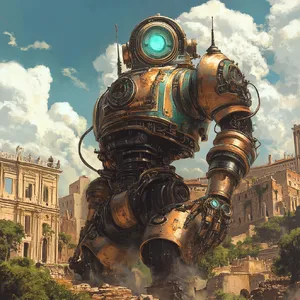
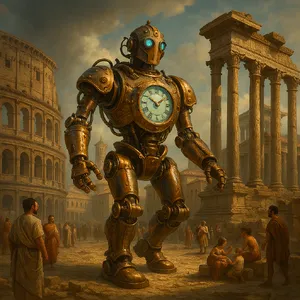
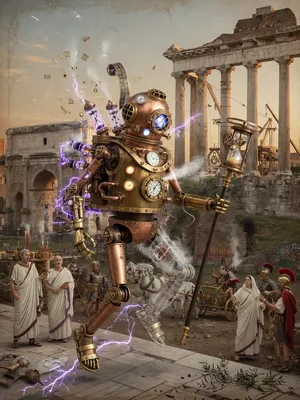
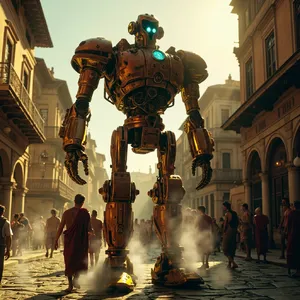
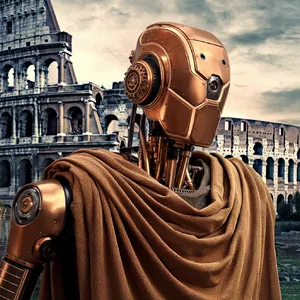
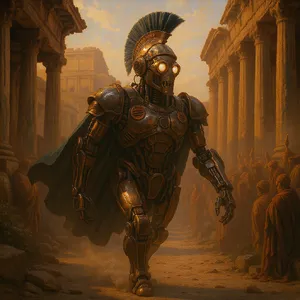
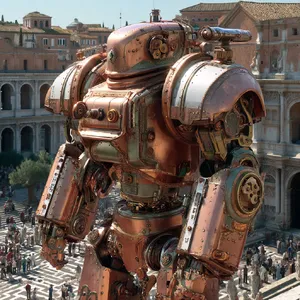
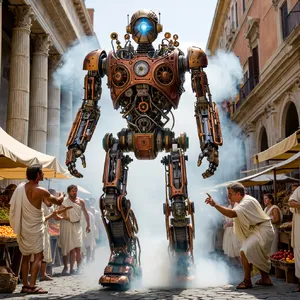
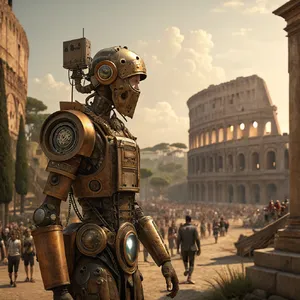
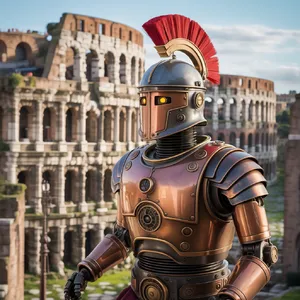
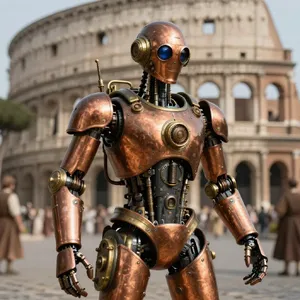
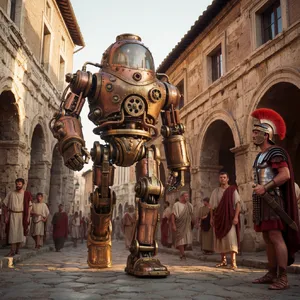
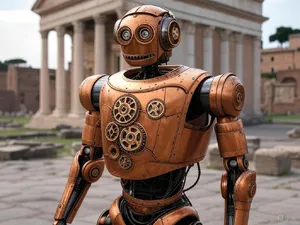
For blending contrasting eras (like the Rome Steampunk Robot):
- Ideogram V2: Surprisingly adept at seamlessly placing anachronistic elements into historical contexts, achieving a very natural integration.
- Takumi 1: Excellent at generating cinematic, blockbuster-style frames with massive crowds and intricate retro-futuristic machinery. Take a look at its Rome Steampunk Robot.