Summary for Complex Scenes 🏆
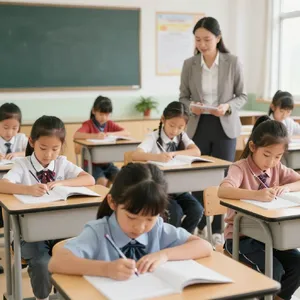
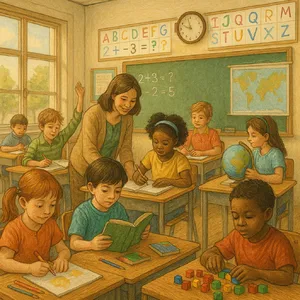
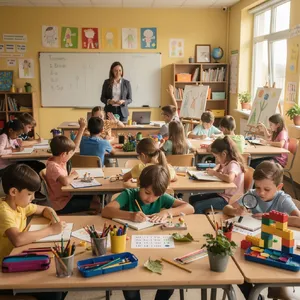
Generating complex scenes is the ultimate stress test for AI image models! The data reveals a massive performance gap between older legacy models and the newest generation of visual AI. Creating a busy scene isn't just about adding more items; it is about grounding them in a believable, shared reality.
Here is a quick overview of the key discoveries:
- Top-Performing Models: Models like Grok Imagine 2.0 (Preview), Nano Banana 2 Lite, Seedream 5.0 Pro, and GPT Image 2 absolutely dominate this category, consistently scoring 8s, 9s, and 10s.
- Major Trends: Models excel at adding items but frequently struggle to integrate them. The best performers create physically plausible interactions, while mid-tier models often resort to unnatural, staged line-ups.
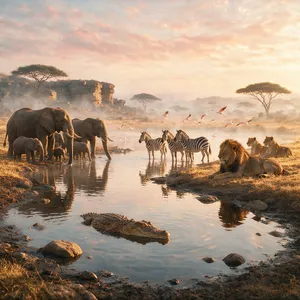
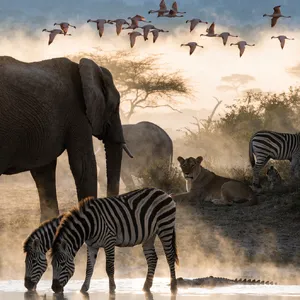
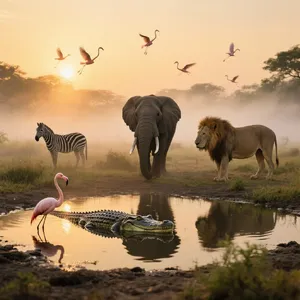
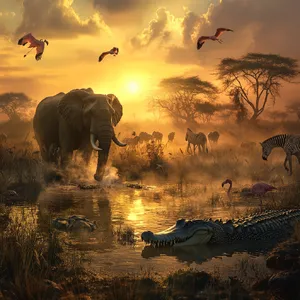
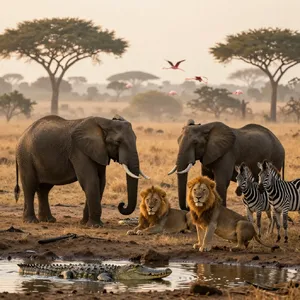
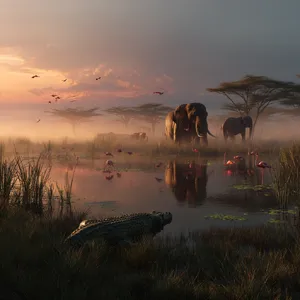
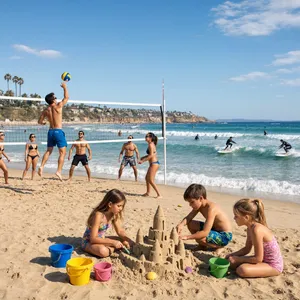
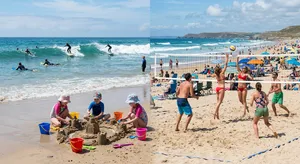
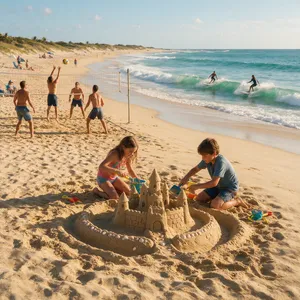
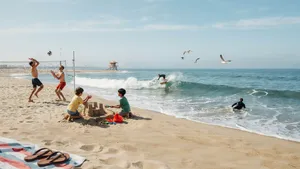
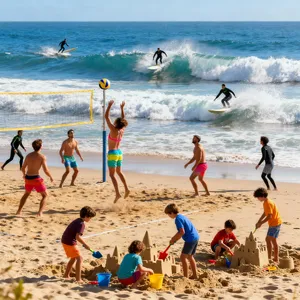
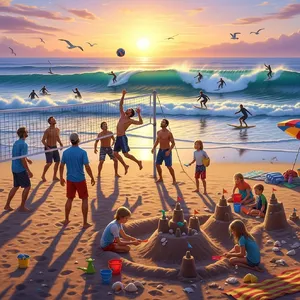
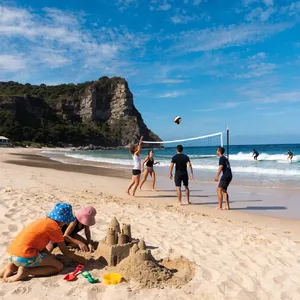
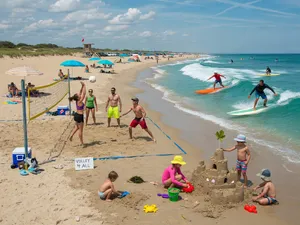
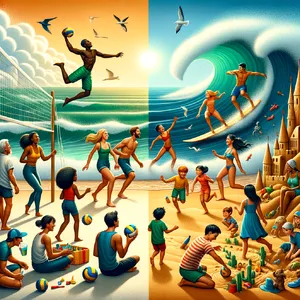
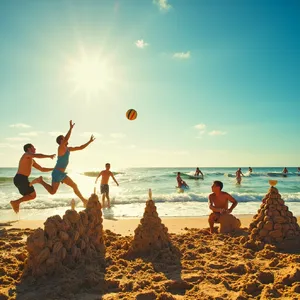
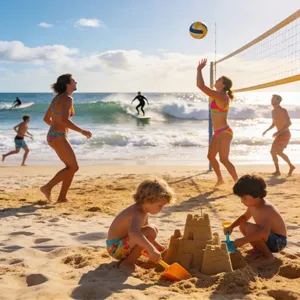
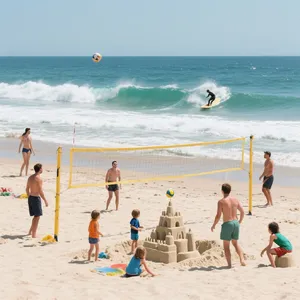
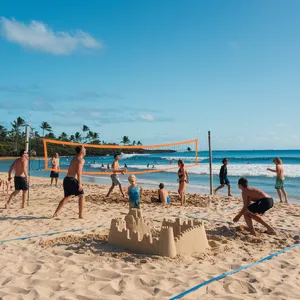
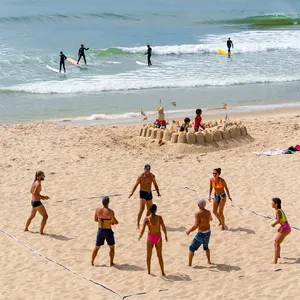
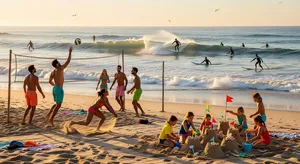
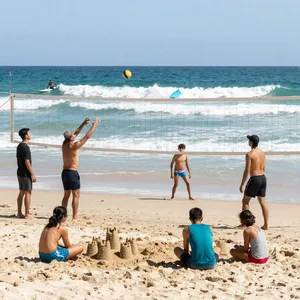
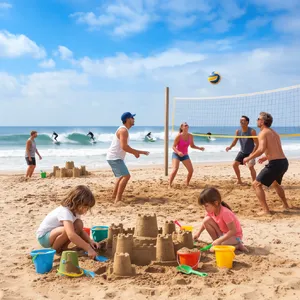
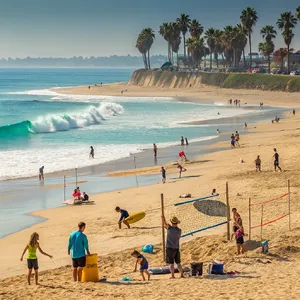
- Surprising Results: Older stalwarts like Midjourney V6.1 create breathtakingly beautiful and atmospheric images but frequently fail strict prompt adherence by simply omitting difficult subjects—such as completely missing the lions in the African savanna prompt or dropping the surfers in the Beach scene.
- Quick Takeaway: If your prompt involves more than three interacting subjects, you must use top-tier modern models to avoid subject fusion and concept dropping.
General Analysis & Useful Insights 📊
Handling multiple subjects in a single frame is where AI image generation becomes incredibly complex. Here is a deep dive into the patterns and insights observed across the dataset.
Comparative Strengths
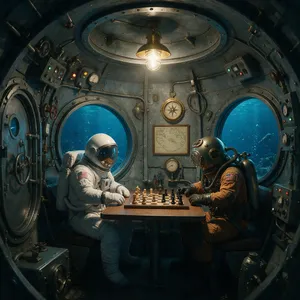
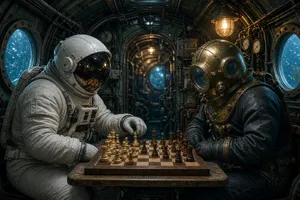
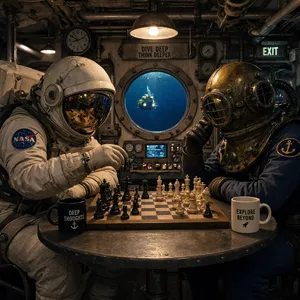
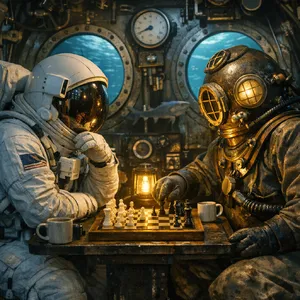
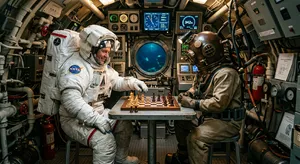
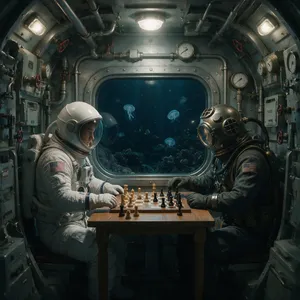
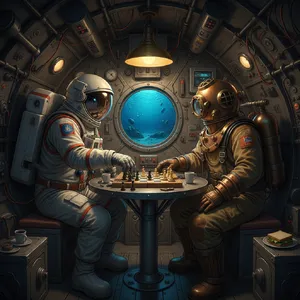
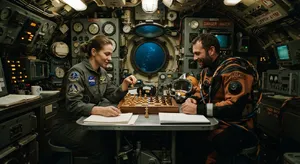
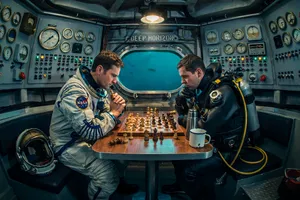
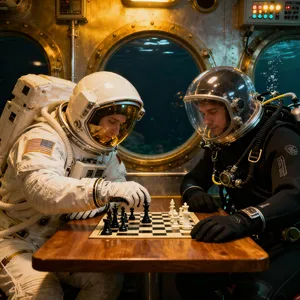
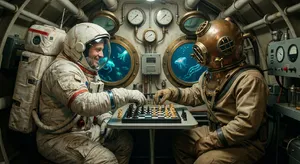
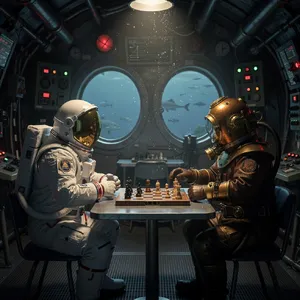
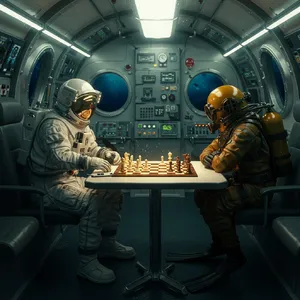
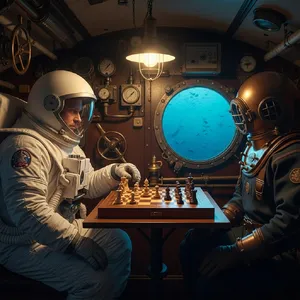
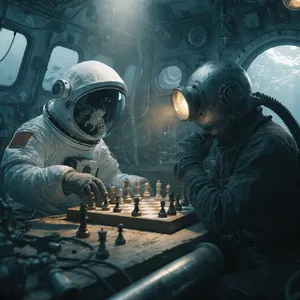
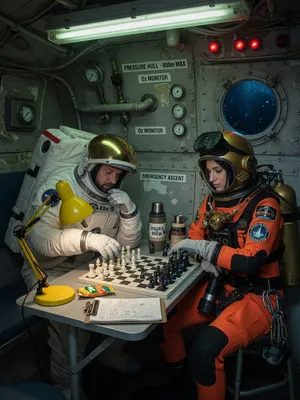
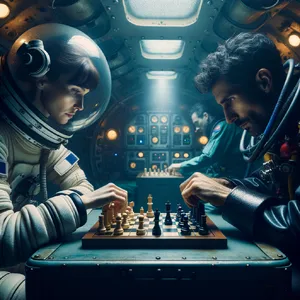
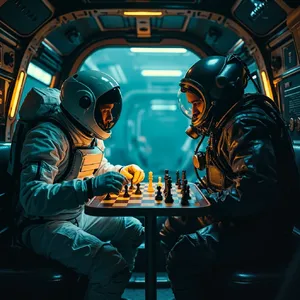
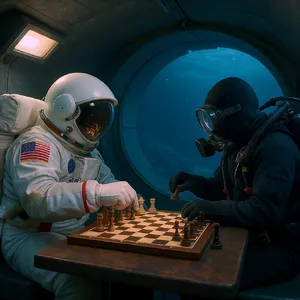
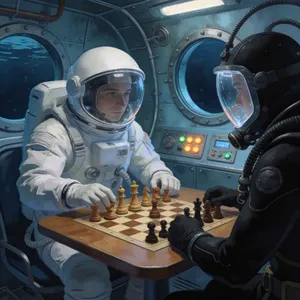
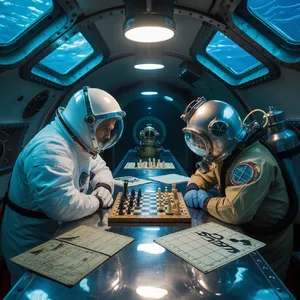
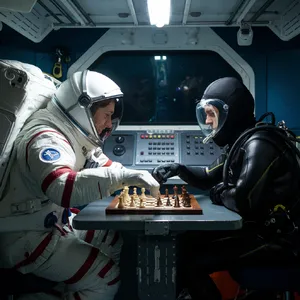
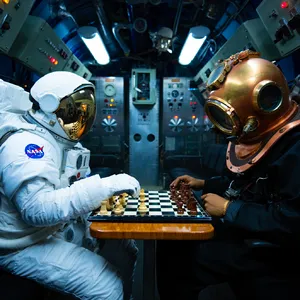
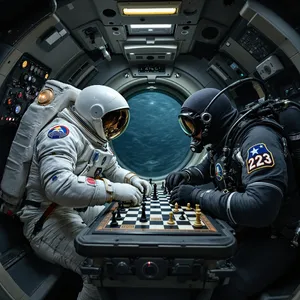
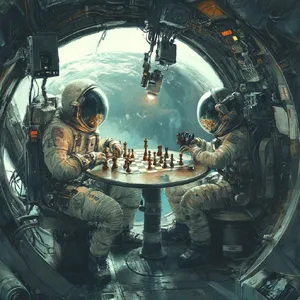
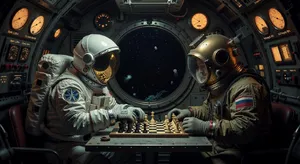
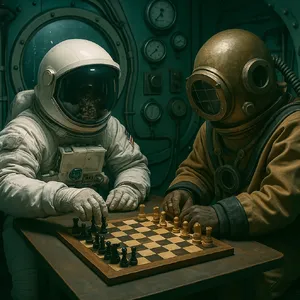
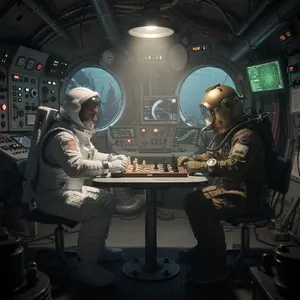
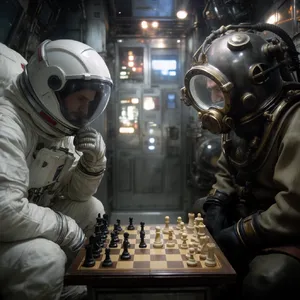
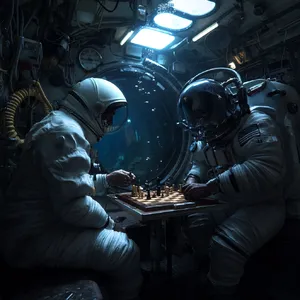
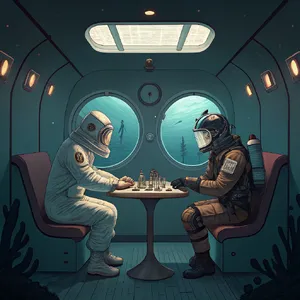
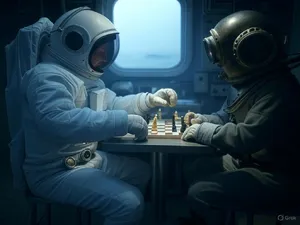
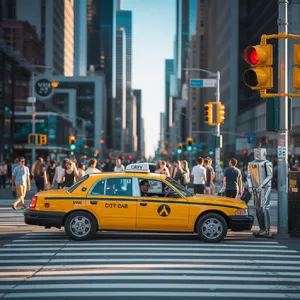
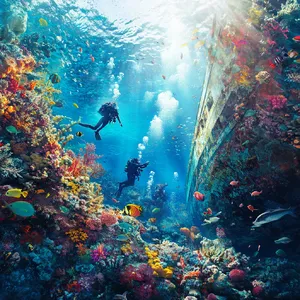
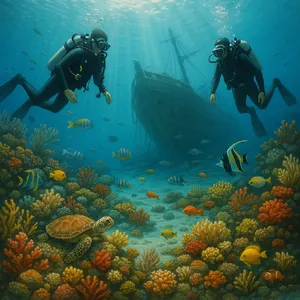
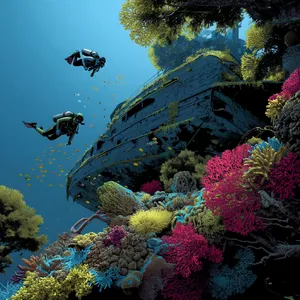
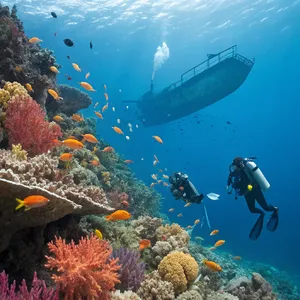
The newest generation models, such as Takumi 1 and Reve 2.1, show incredible spatial awareness and depth layering. They can process highly contradictory elements—like in the Astronaut and deep-sea diver prompt—and balance the lighting, reflections, and atmosphere seamlessly without breaking the illusion.
Quality Factors of Top Performers
What differentiates a solid 7 from a flawless 10? Coherence and Micro-Detailing.
- Precise Overlaps: Top models correctly render occlusion (one object standing behind another) without limbs blending together or creating tangled geometry.
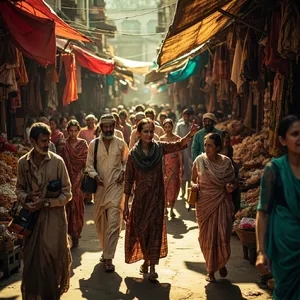
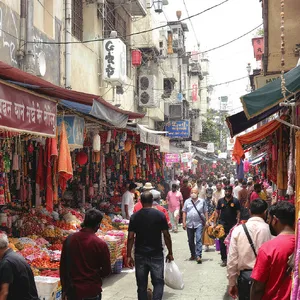
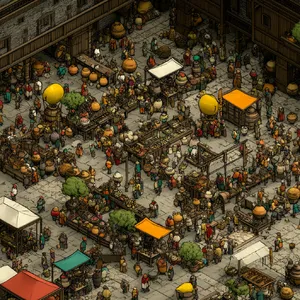
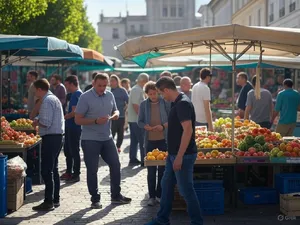
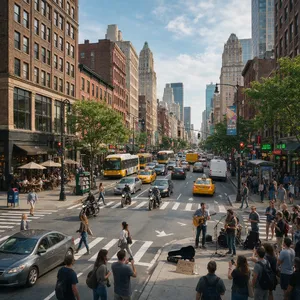
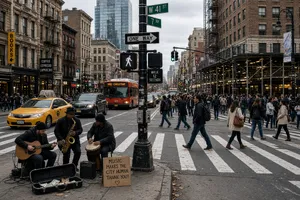
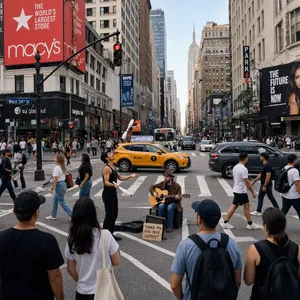
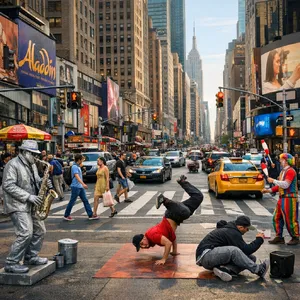
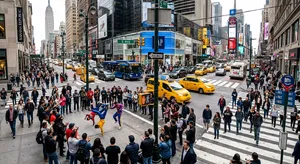
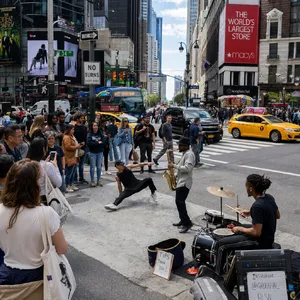
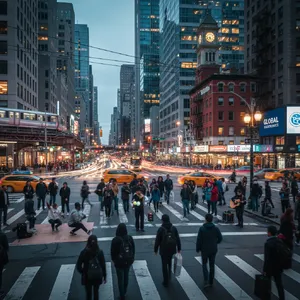
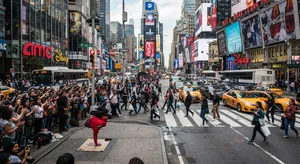
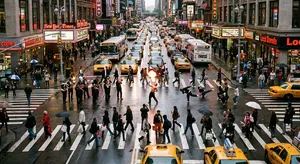
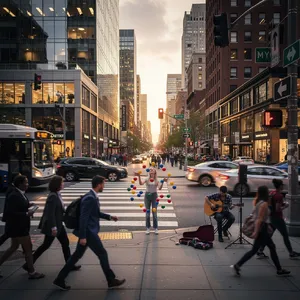
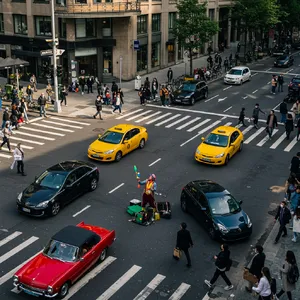
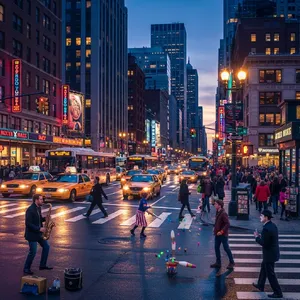
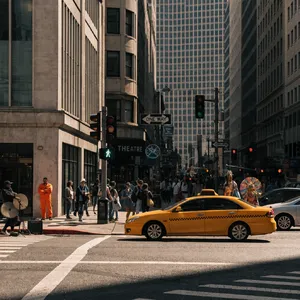
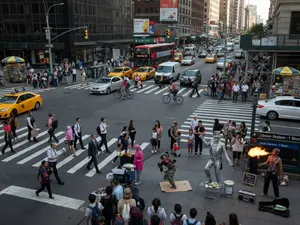
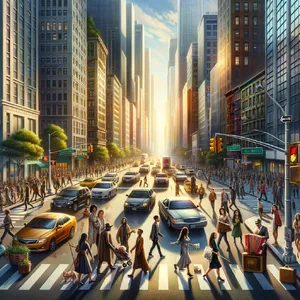
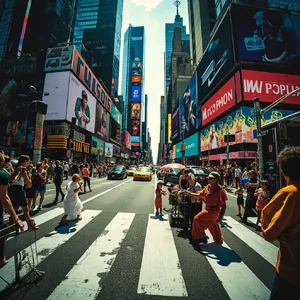
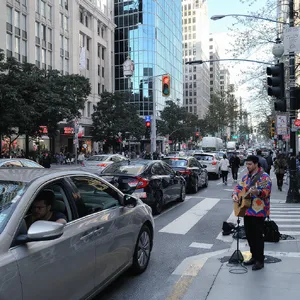
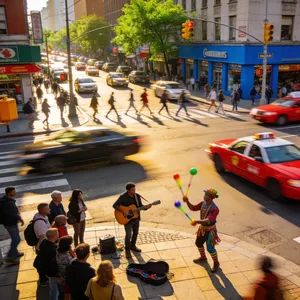
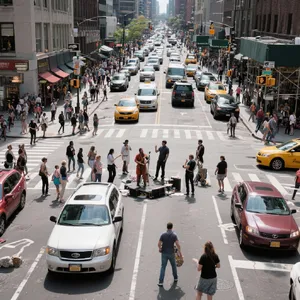
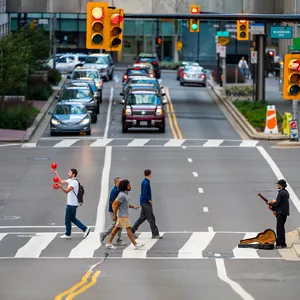
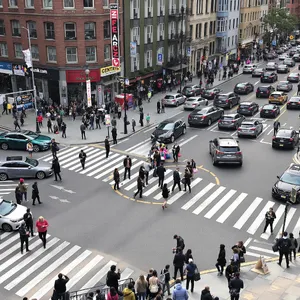
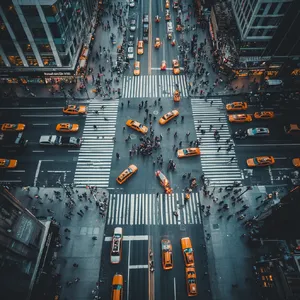
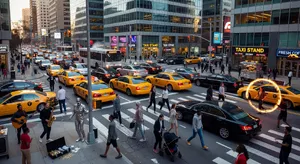
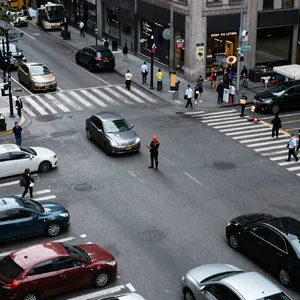
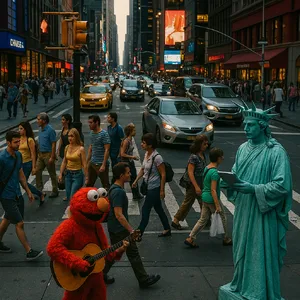
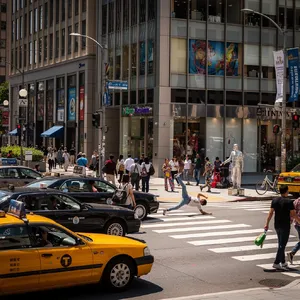
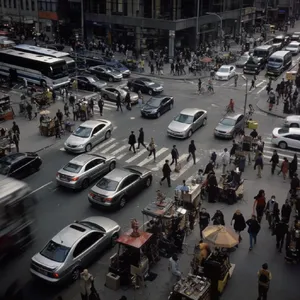
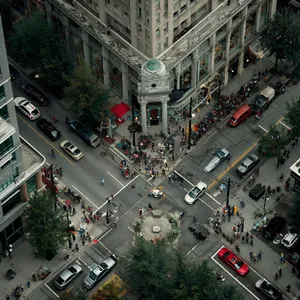
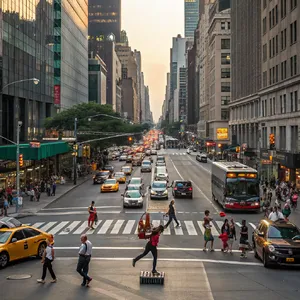
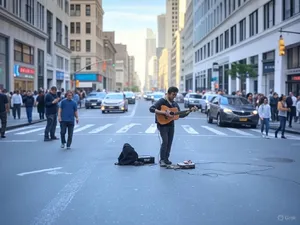
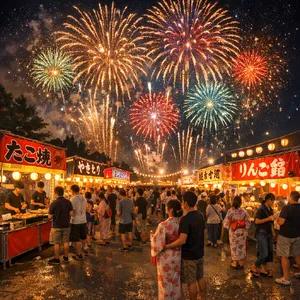
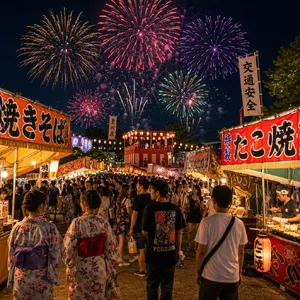
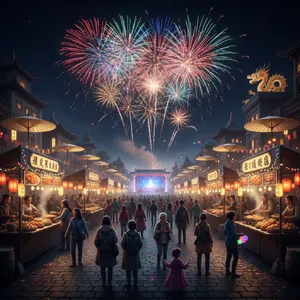
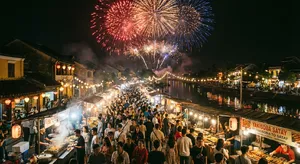
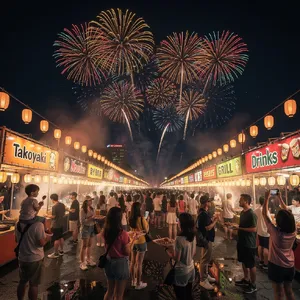
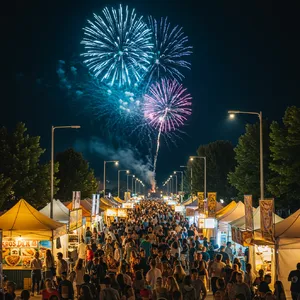
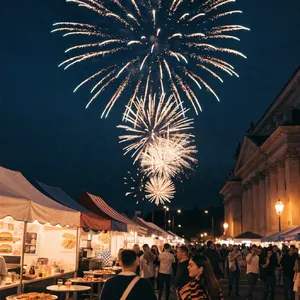
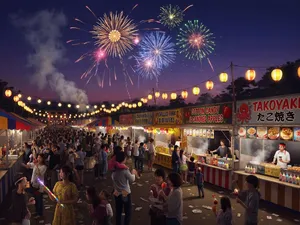
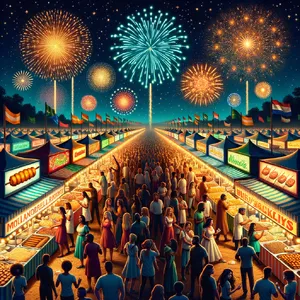
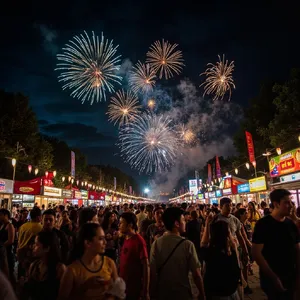
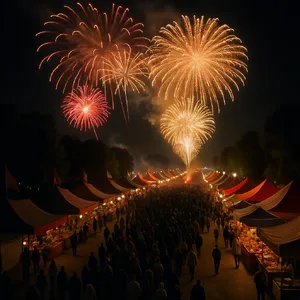
- Deep Background Fidelity: The best models excel at rendering text, faces, and fingers even in the deep background, as seen in the dense crowds of the Busy city intersection prompt.
Common Failure Modes ⚠️
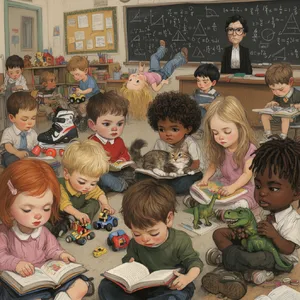
- Concept Dropping: When a prompt asks for too much, weaker models simply ignore parts of it to maintain aesthetic balance.
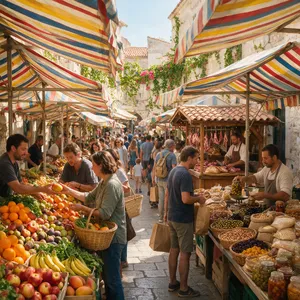
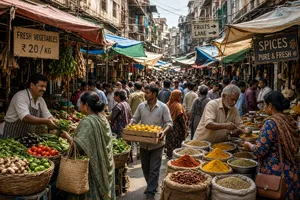
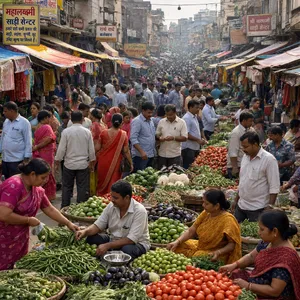
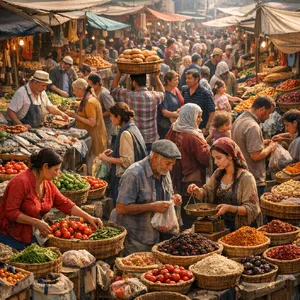
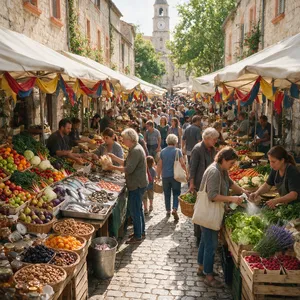
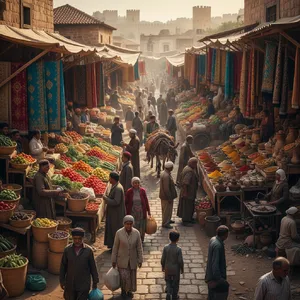
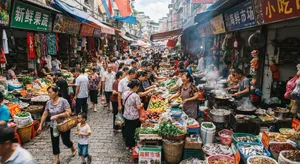
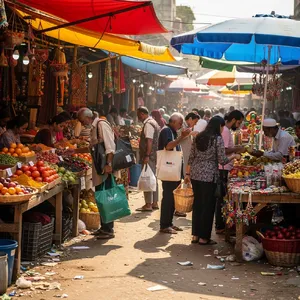
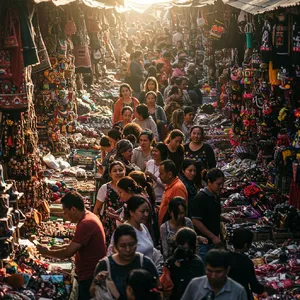
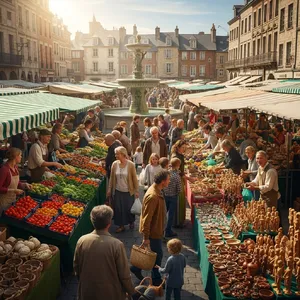
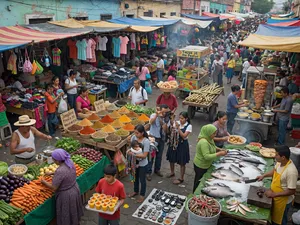
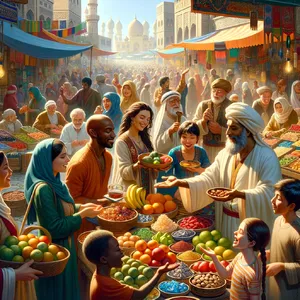
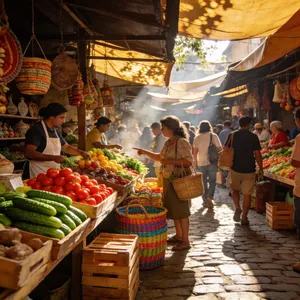
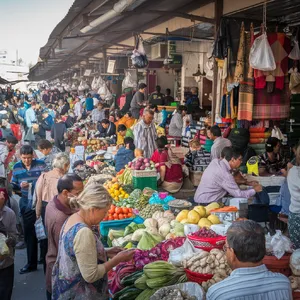
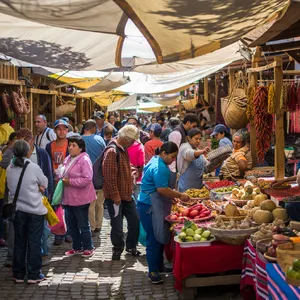
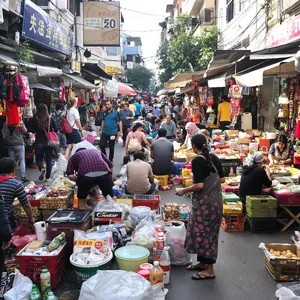
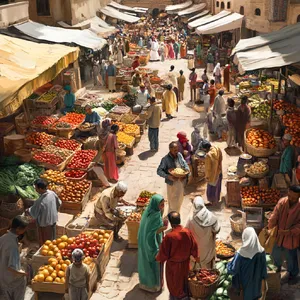
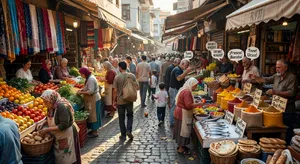
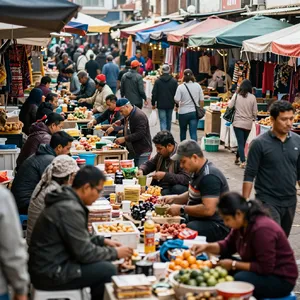
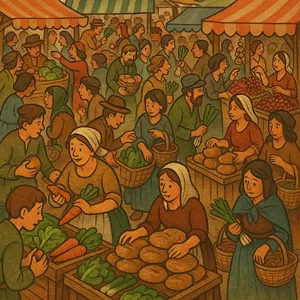
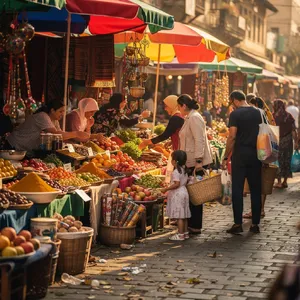
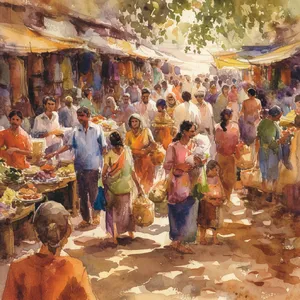
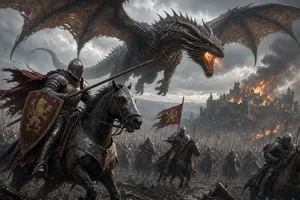
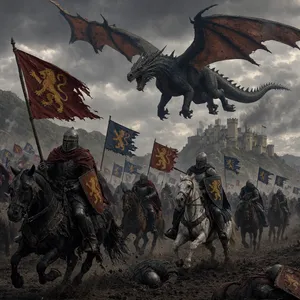
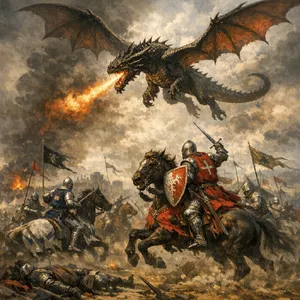
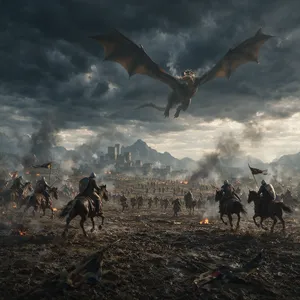
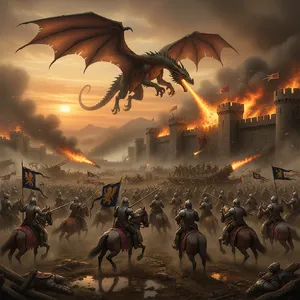
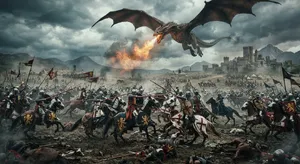
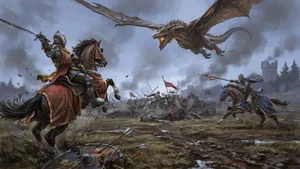
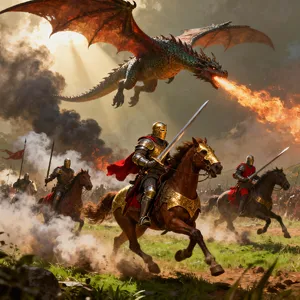
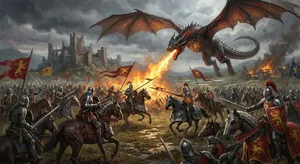
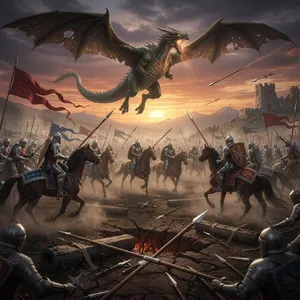
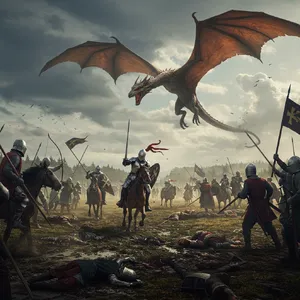
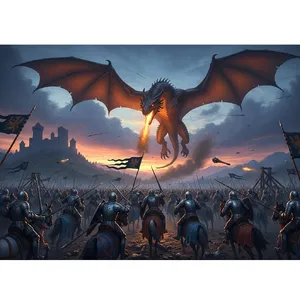
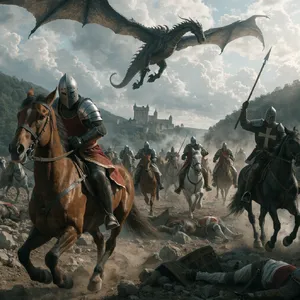
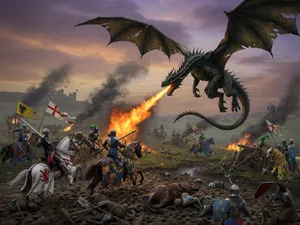
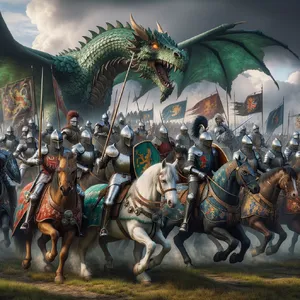
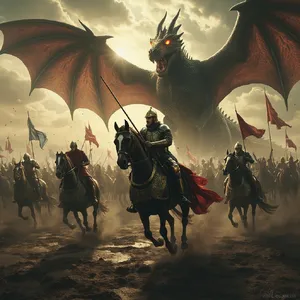
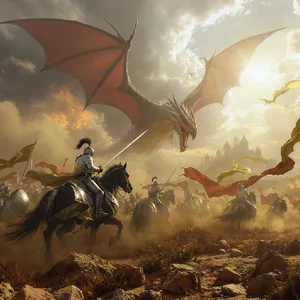
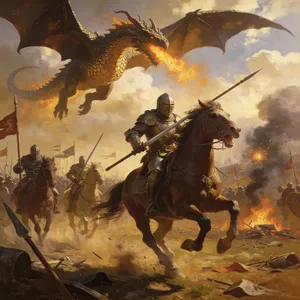
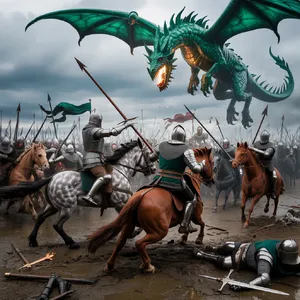
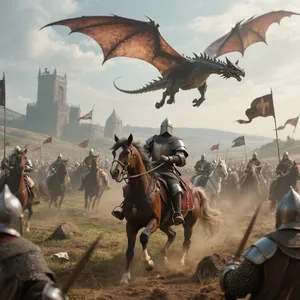
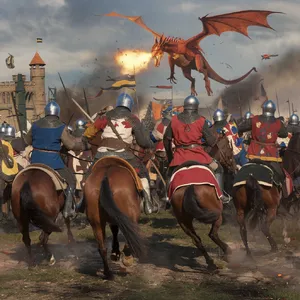
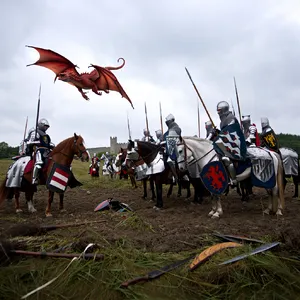
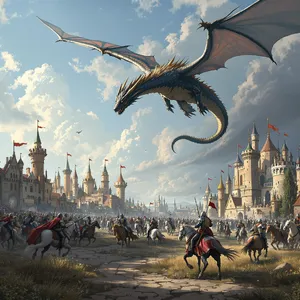
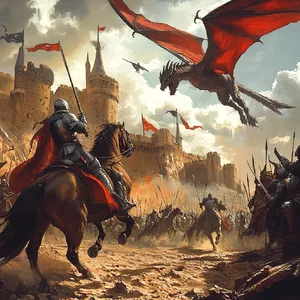
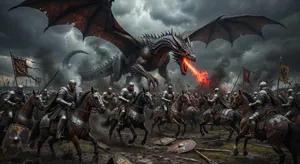
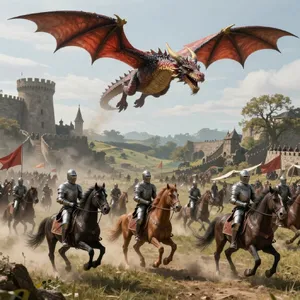
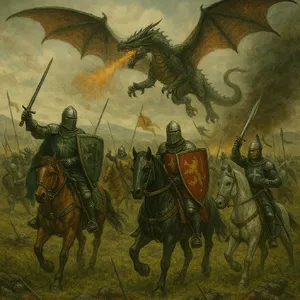
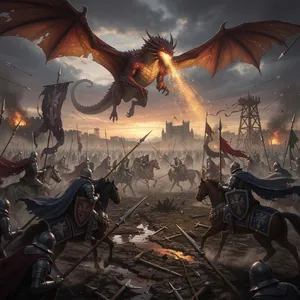
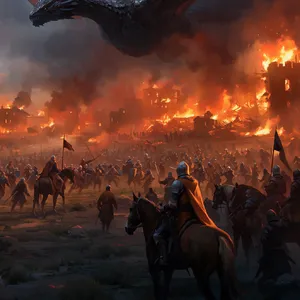
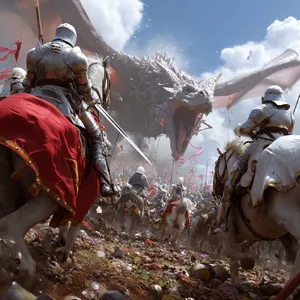
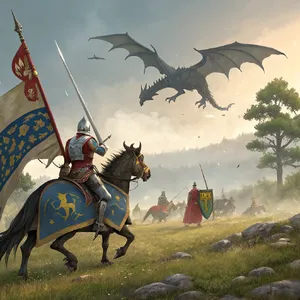
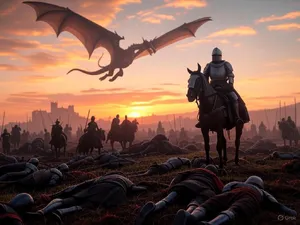
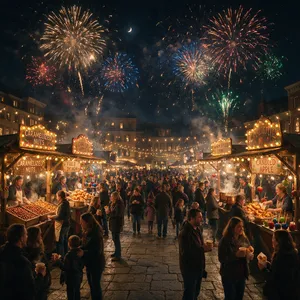
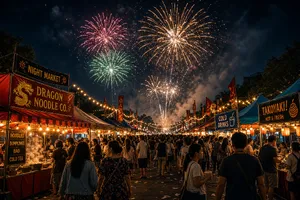
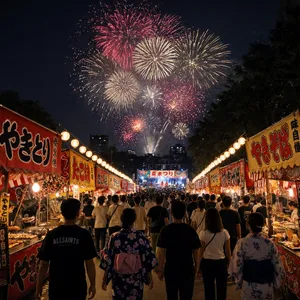
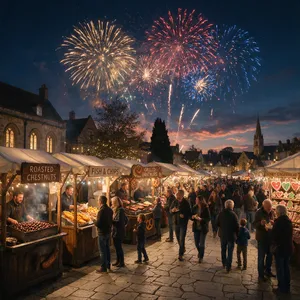
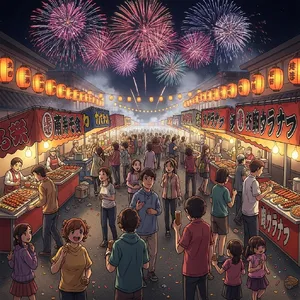
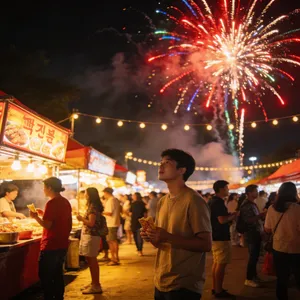
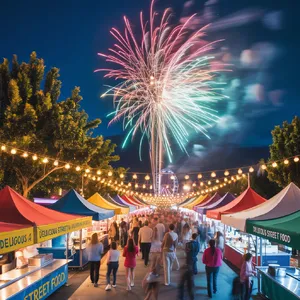
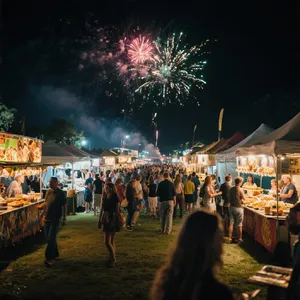
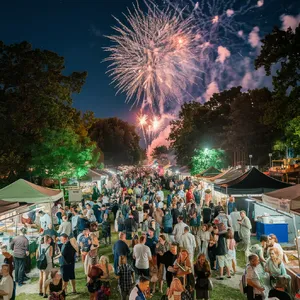
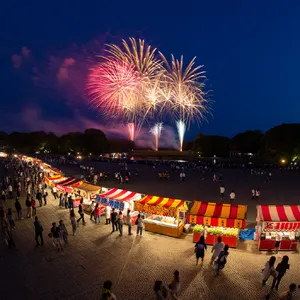
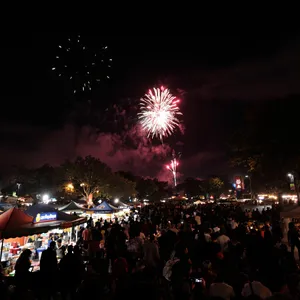
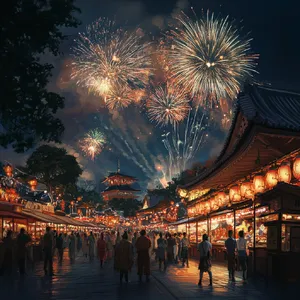
- Subject Fusion: This is a classic AI "tell." In crowded scenarios like the Medieval battlefield or the Bustling market scene, subjects often melt into a continuous blob of armor, fabric, and extra legs.
- Staged Composition: Struggling models line subjects up side-by-side like a theatrical play rather than integrating them naturally into a dynamic environment.
Best Model Analysis by Use Case 🎯
Different models excel at different types of complex scenes. Based on the evaluation data, here are the top recommendations tailored to specific multi-subject needs:
1. Dense Crowds & Urban Chaos
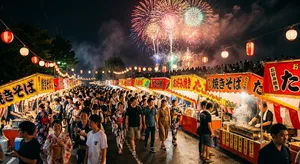
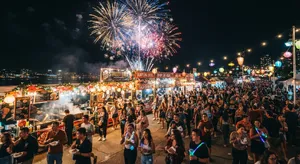
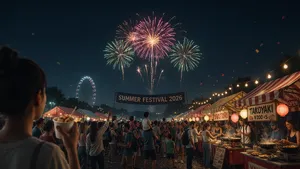
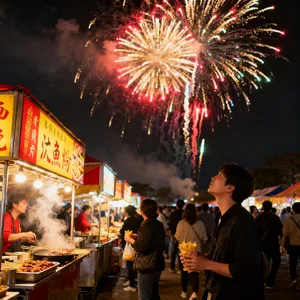
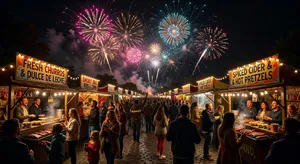
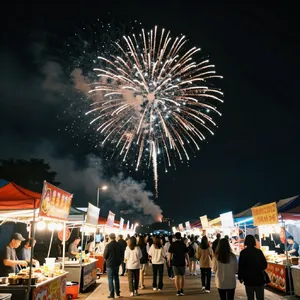
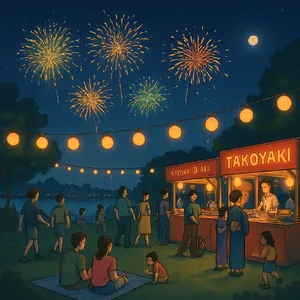
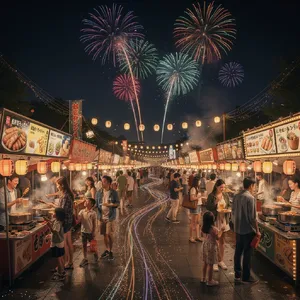
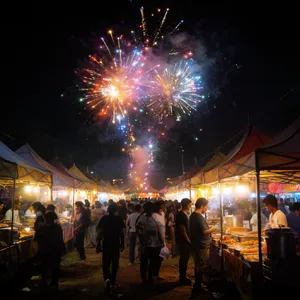
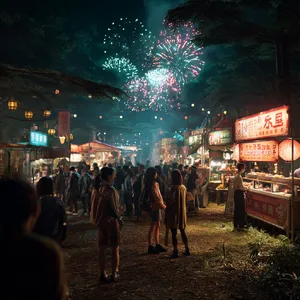
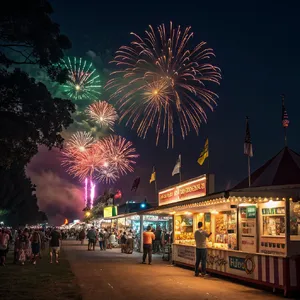
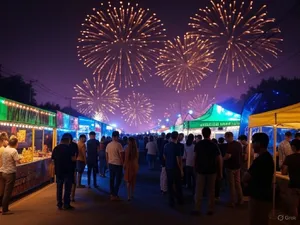
If you need sprawling cityscapes, festivals, or massive crowds, you need models that don't compromise on background details or resort to gibberish text.
2. Multi-Task Human Interaction
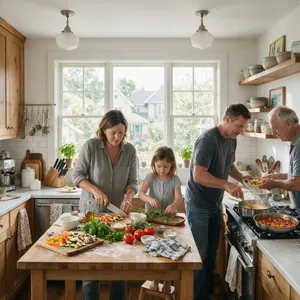
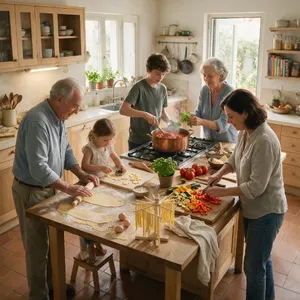
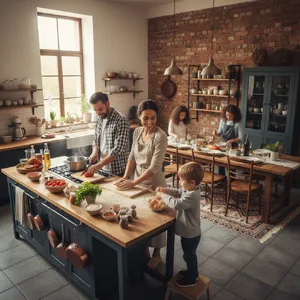
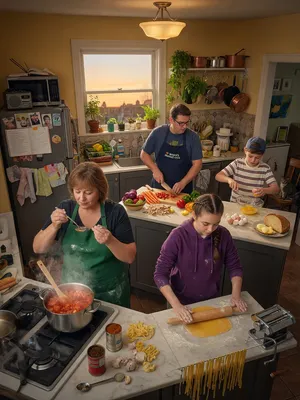
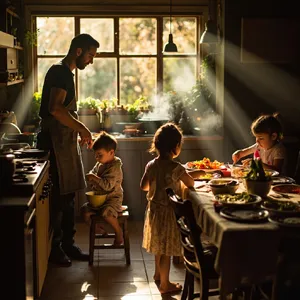
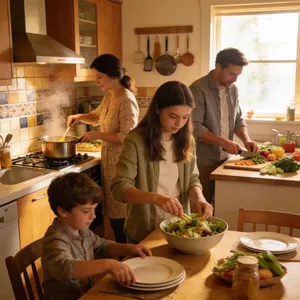
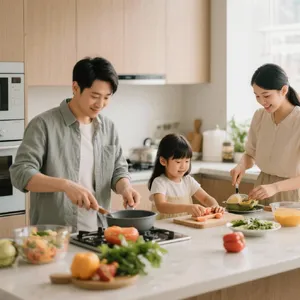
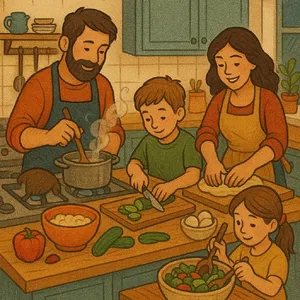
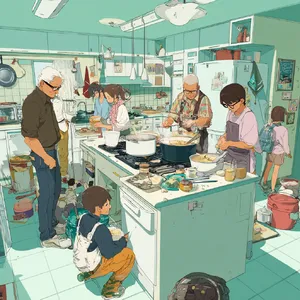
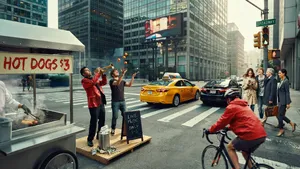
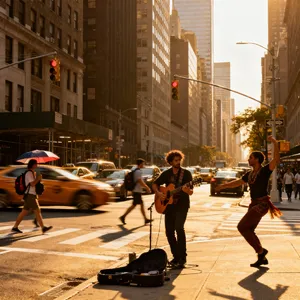
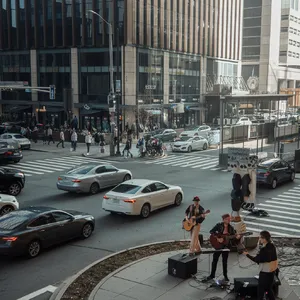
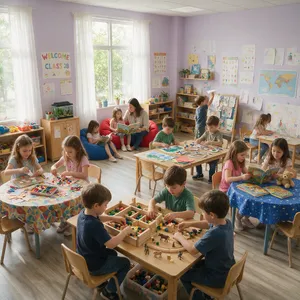
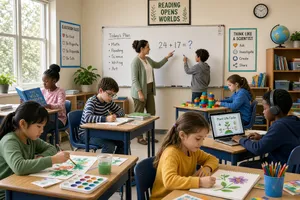
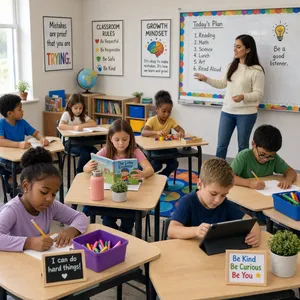
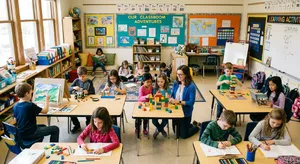
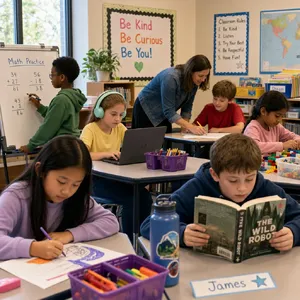
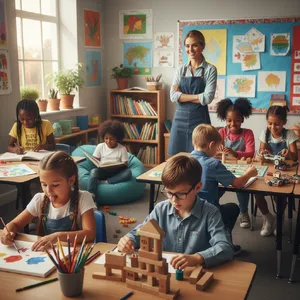
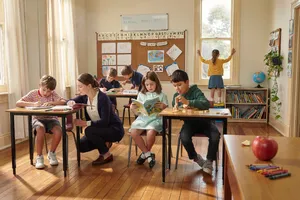
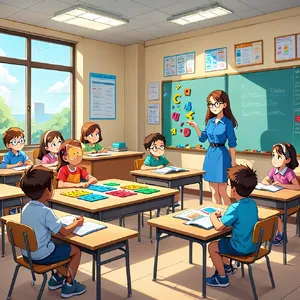
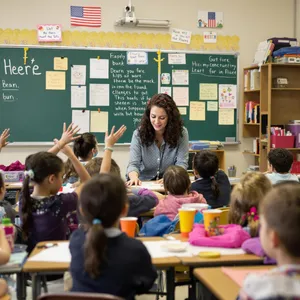
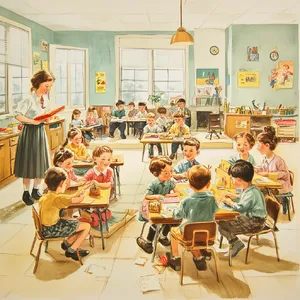
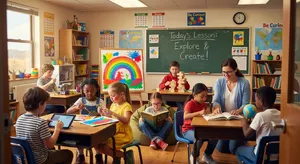
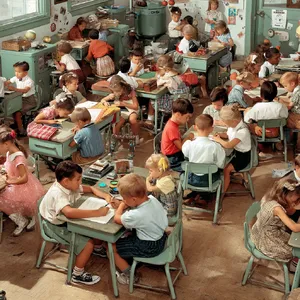
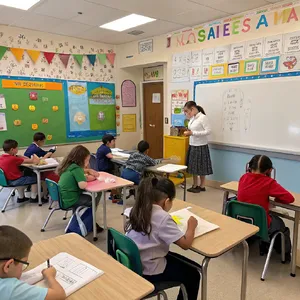
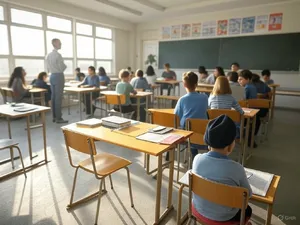
Scenes requiring humans doing different things simultaneously demand high logical coherence and precise focal points.
3. Nature & Wildlife Ecosystems
Balancing different animal species organically requires excellent environmental scaling, lighting, and an avoidance of the "staged zoo" look.
4. Epic Fantasy & Sci-Fi Integration
When blending historical, sci-fi, and fantasy elements, lighting and dramatic staging are crucial to sell the illusion.