Summary for Architecture & Interiors
Welcome to the ultimate architectural showdown! 🏛️ In the realm of AI-generated architecture and interior design, the bar has been raised to astonishing heights. The dataset reveals that while almost all modern models can generate a "pretty" room, only the elite tier can maintain strict structural logic and precise material rendering.
🏆 Top-Performing Models
📈 Major Trends
- Photorealism is standard, logic is rare: Models easily nail lighting and textures, but often fail on basic physics (e.g., stairs leading nowhere or impossible load-bearing beams).
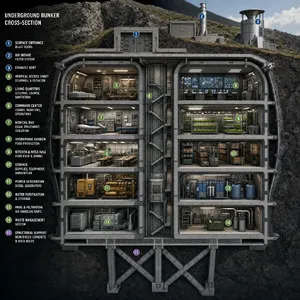
- The Text Hurdle: Technical diagrams heavily separated the pack. Models that hallucinate gibberish text lost significant points.
😲 Surprising Discoveries
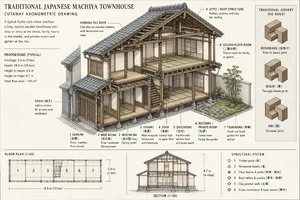
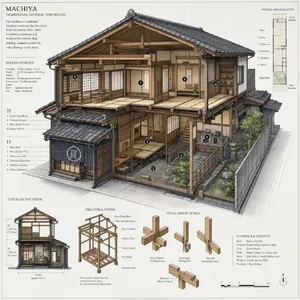
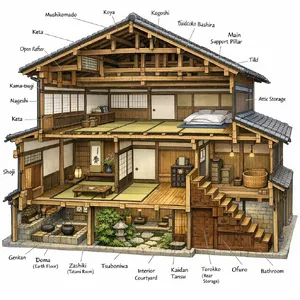
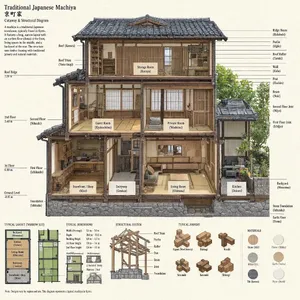
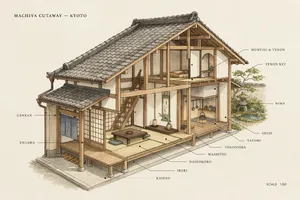
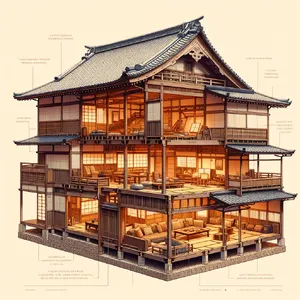
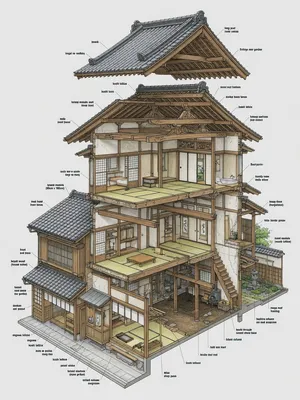
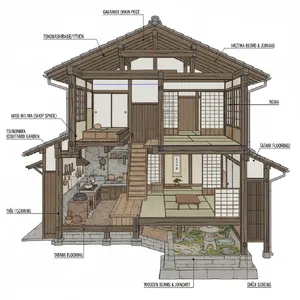
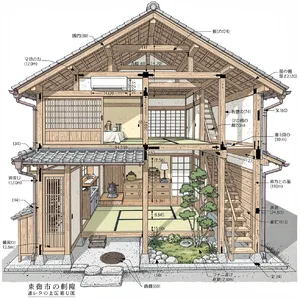
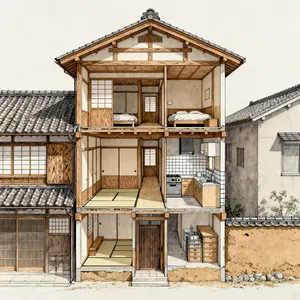
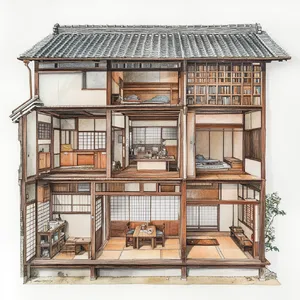
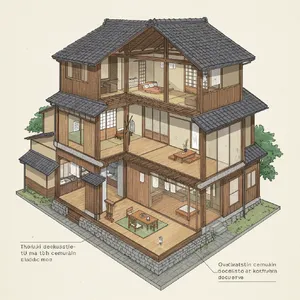
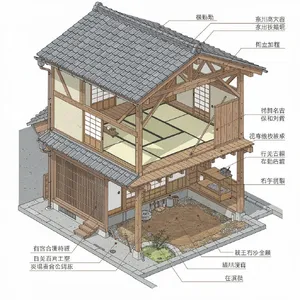
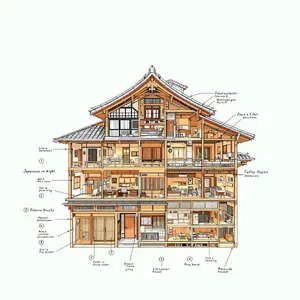
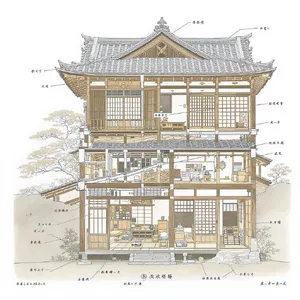
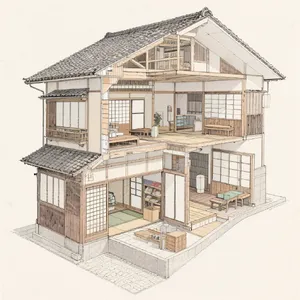
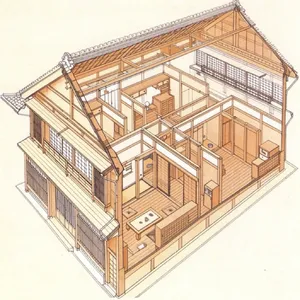
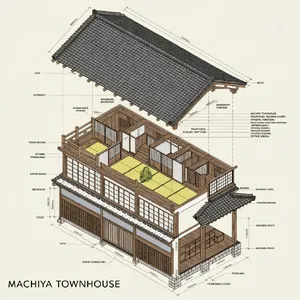
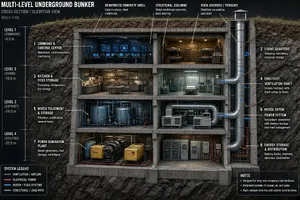
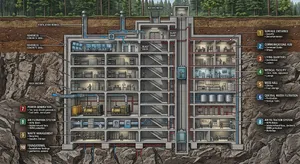
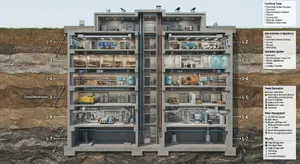
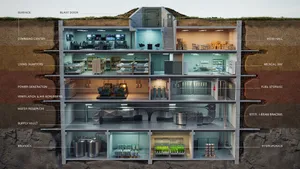
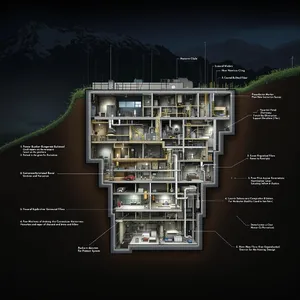
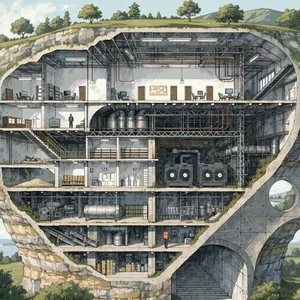
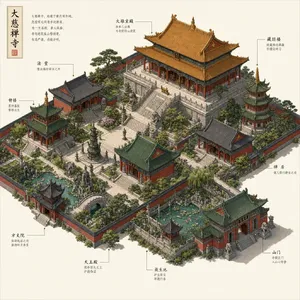
Even highly-ranked models like DALL-E 3 struggled immensely with technical labels, often overlaying gorgeous cutaways with nonsensical alien languages. Meanwhile, newer models like Takumi 1 proved that AI can now generate clean, legible, and accurate architectural infographics!
🏗️ General Analysis & Useful Insights
Diving deeper into the data, we uncover fascinating patterns in how AI interprets spatial and architectural data.
Comparative Strengths
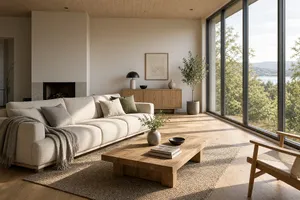
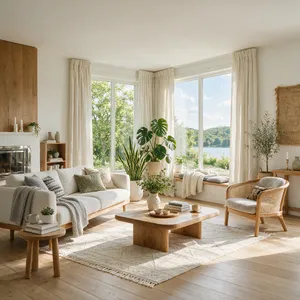
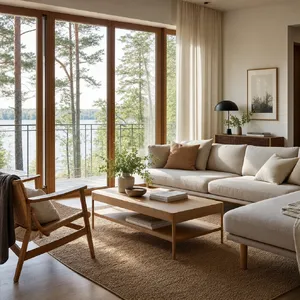
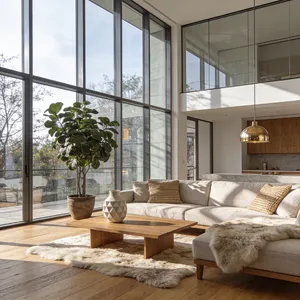
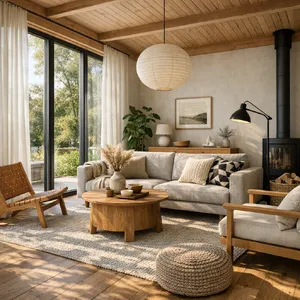
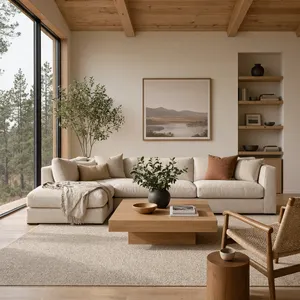
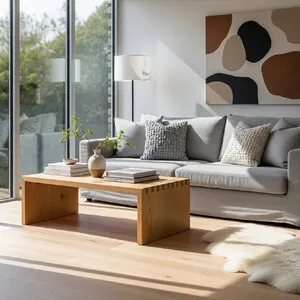
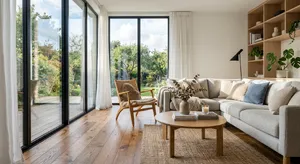
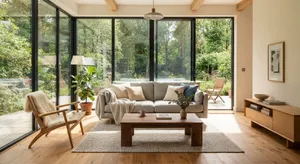
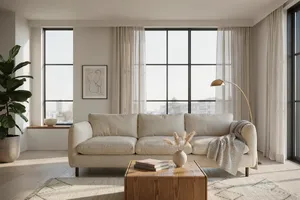
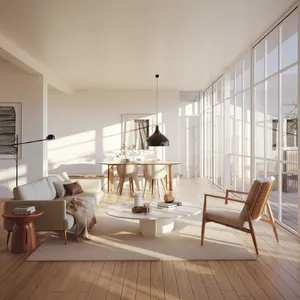
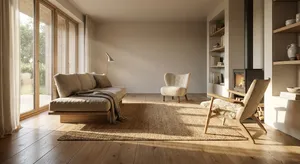
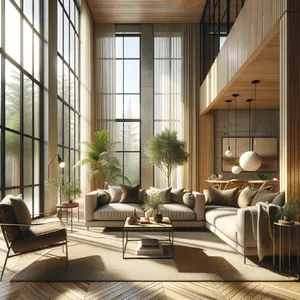
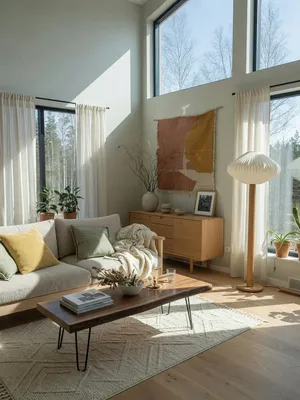
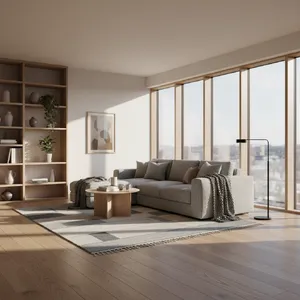
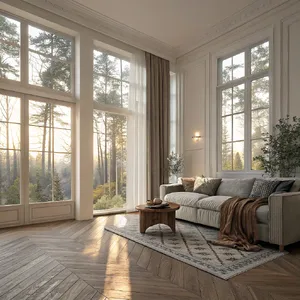
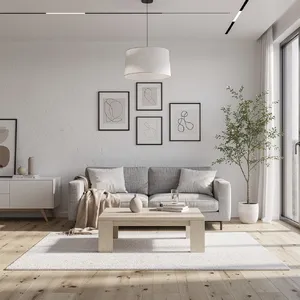
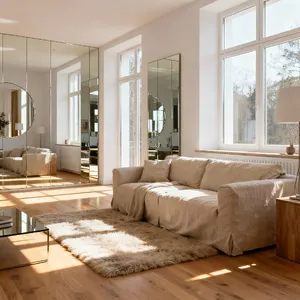
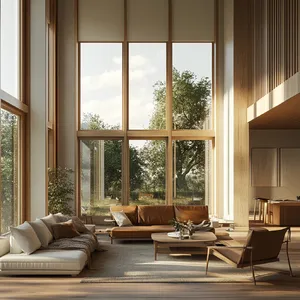
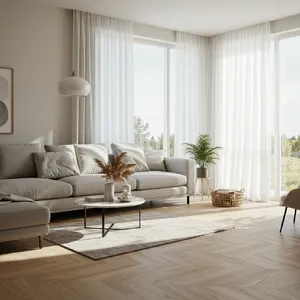
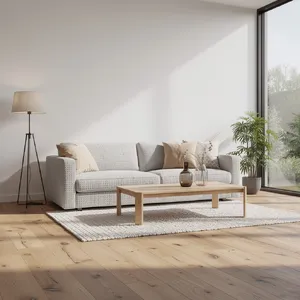
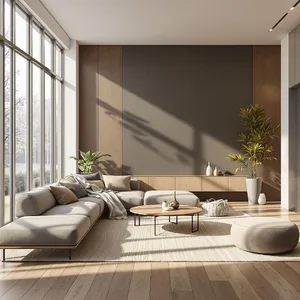
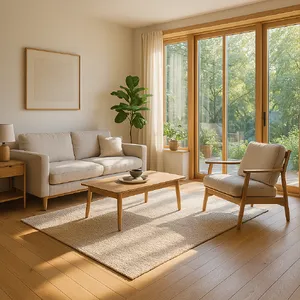
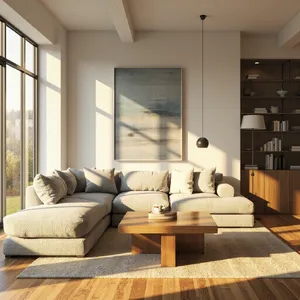
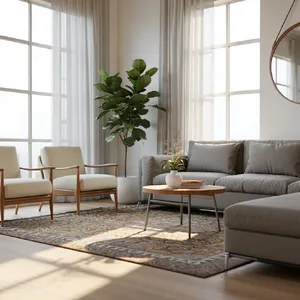
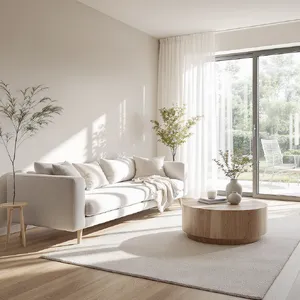
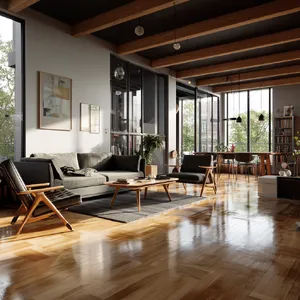
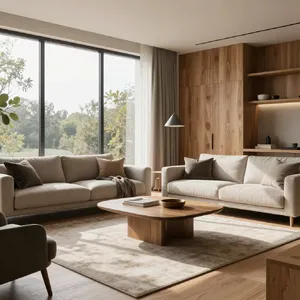
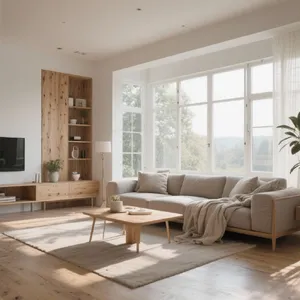
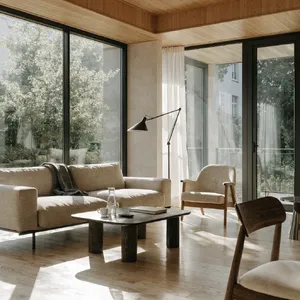
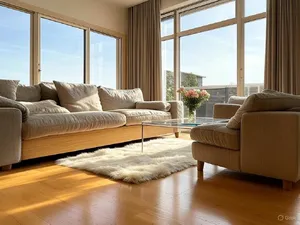
Models like Grok Imagine 2.0 (Preview) and GPT Image 2 show an incredible ability to balance macro-composition with micro-details. When rendering the Scandinavian Living Room, these models captured both the sweeping natural light and the fine weave of the upholstery. Conversely, models like Midjourney V6.1 excel at creating a specific "vibe" or atmosphere but occasionally sacrifice strict prompt adherence to achieve that aesthetic.
Quality Factors of Top Performers
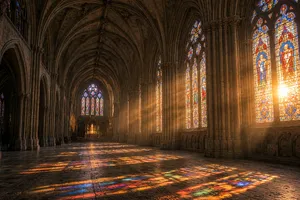
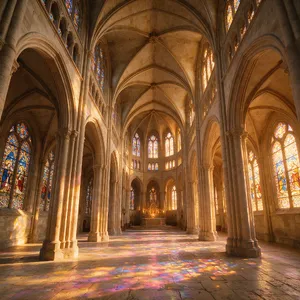
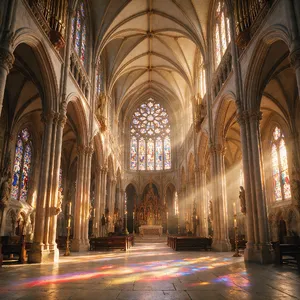
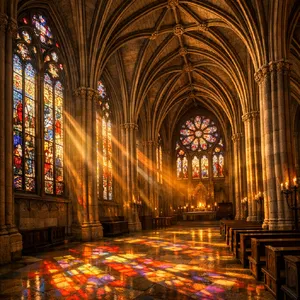
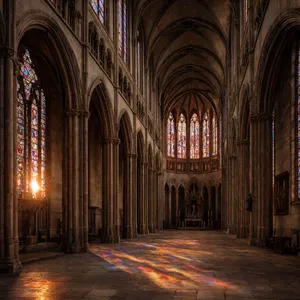
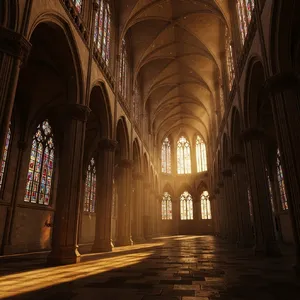
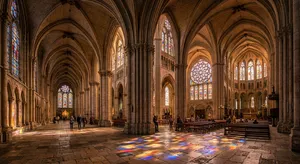
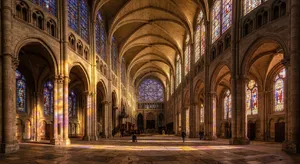
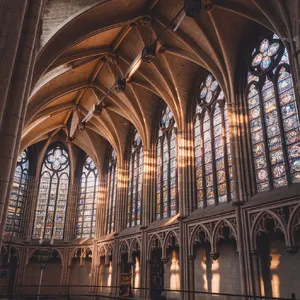
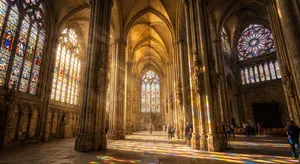
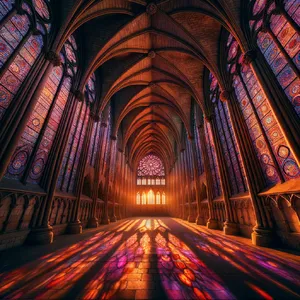
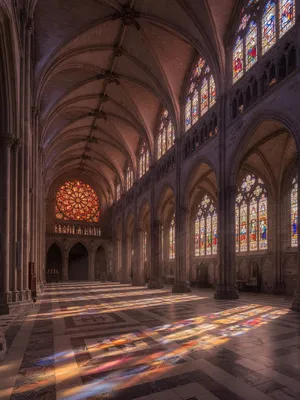
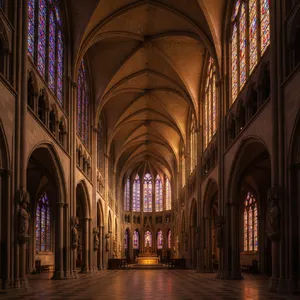
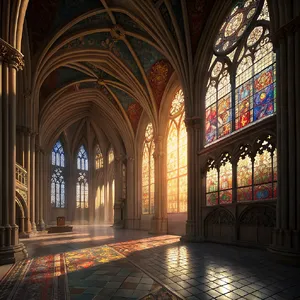
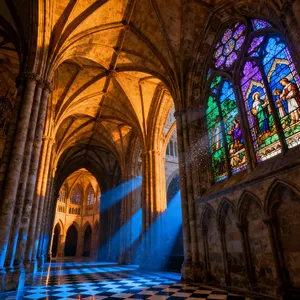
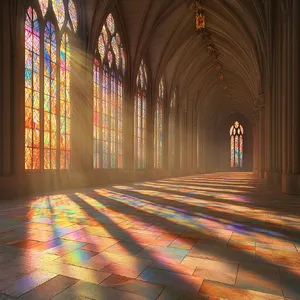
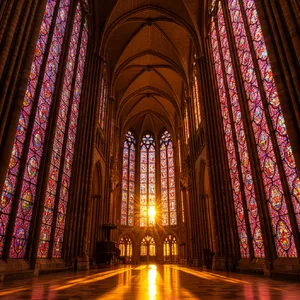
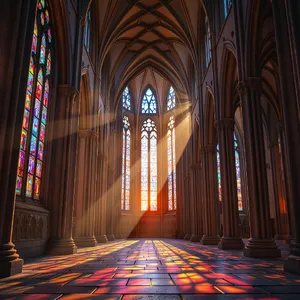
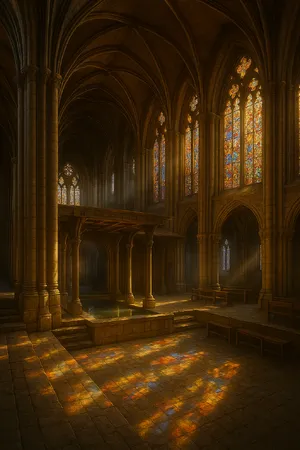
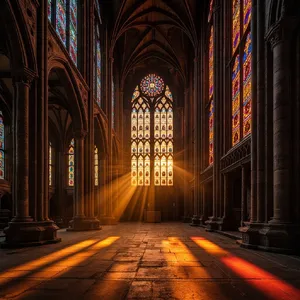
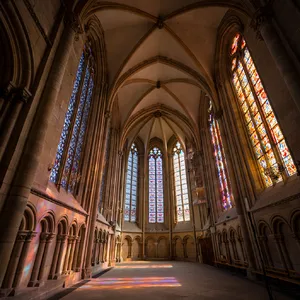
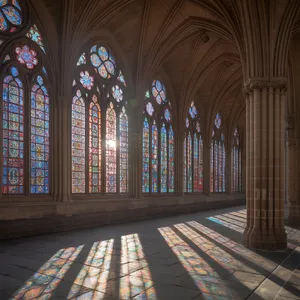
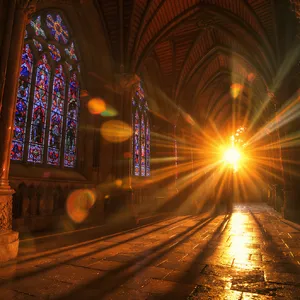
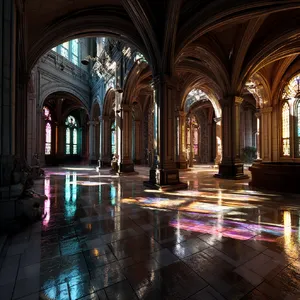
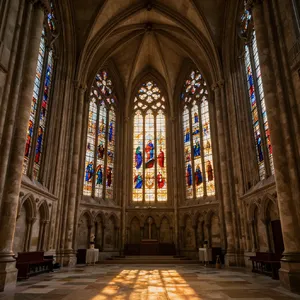
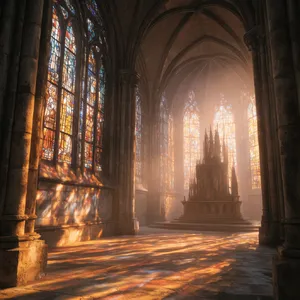
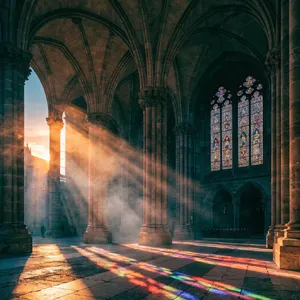
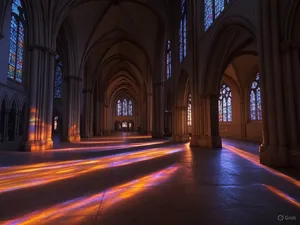
- Material Interaction: The best models understand how light interacts with specific materials. For example, in the Gothic Cathedral prompt, top models successfully projected colored light from stained glass onto stone, rather than just generating a generic glowing window.
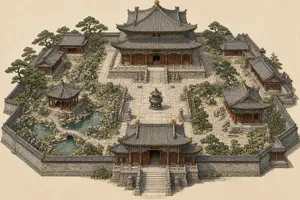
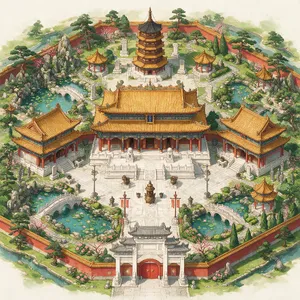
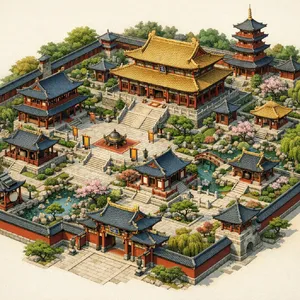
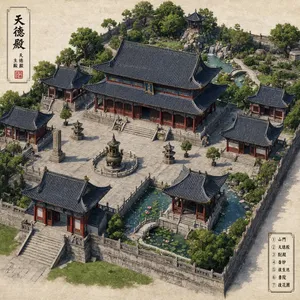
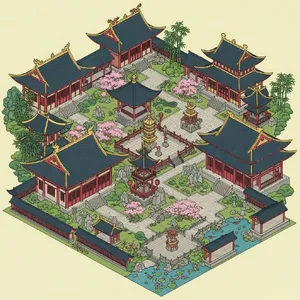
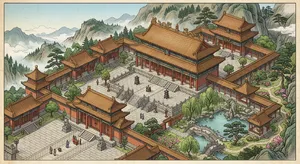
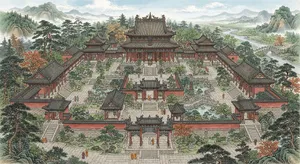
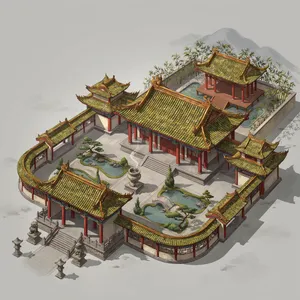
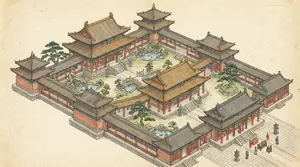
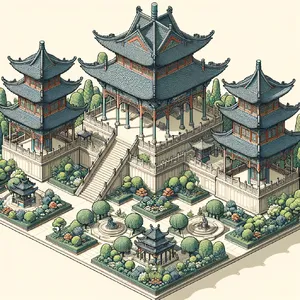
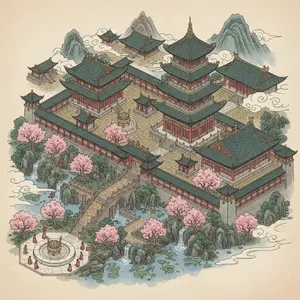
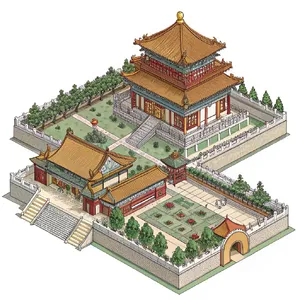
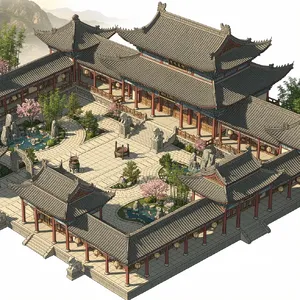
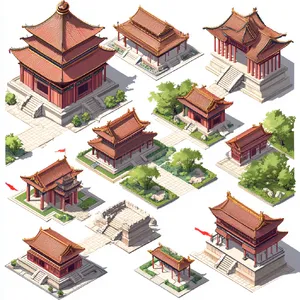
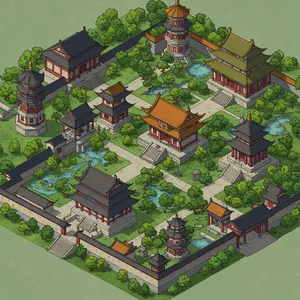
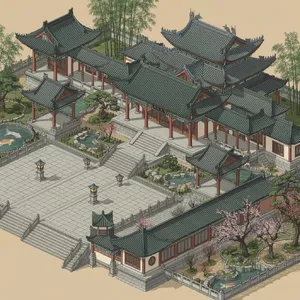
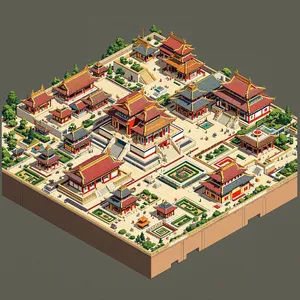
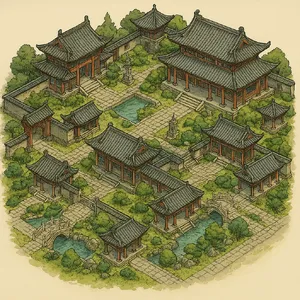
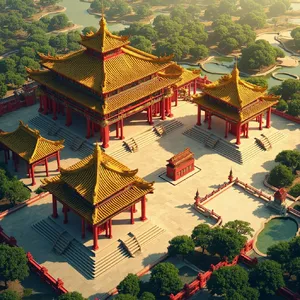
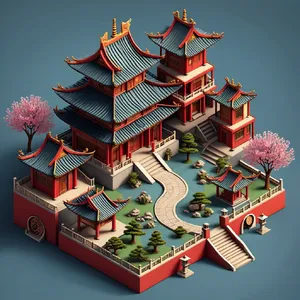
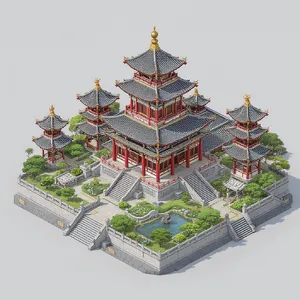
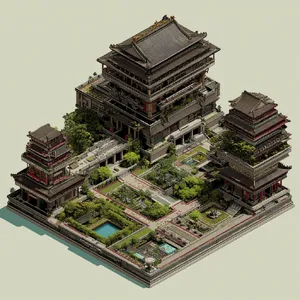
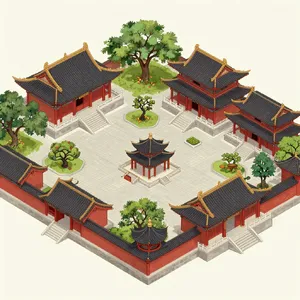
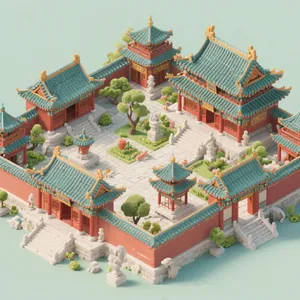
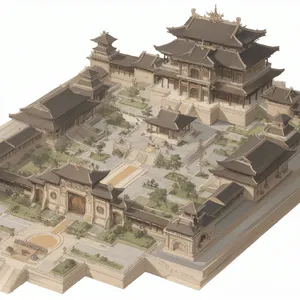
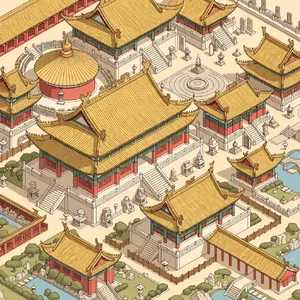
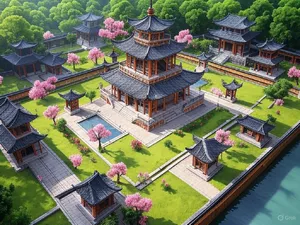
- Spatial Coherence: Elite models understand depth. They do not merge foreground elements into background elements, which is a frequent issue in the highly complex Chinese Temple Isometric prompt.
Common Failure Modes 🚩
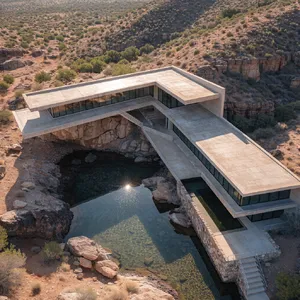
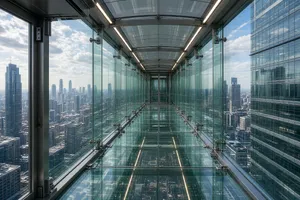
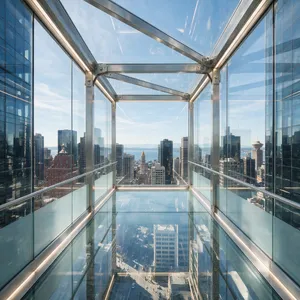
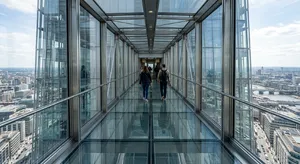
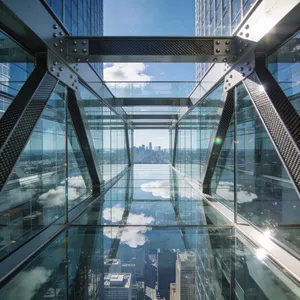
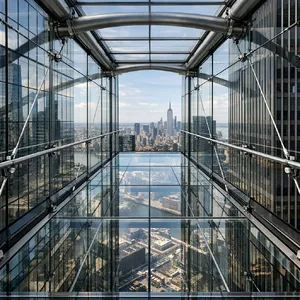
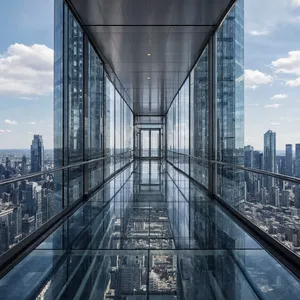
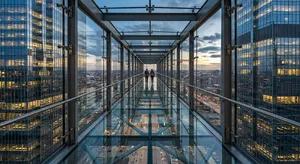
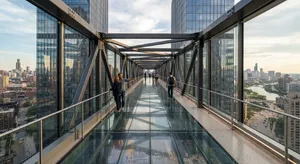
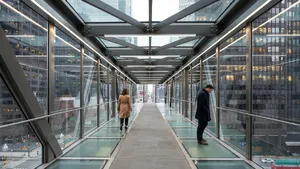
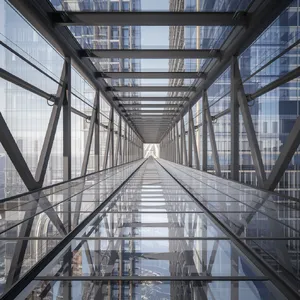
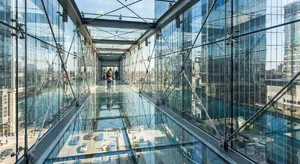
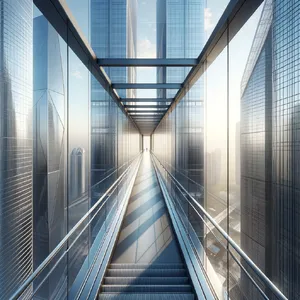
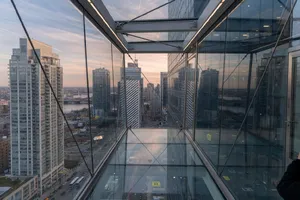
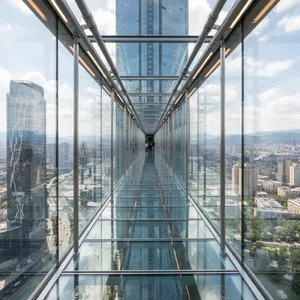
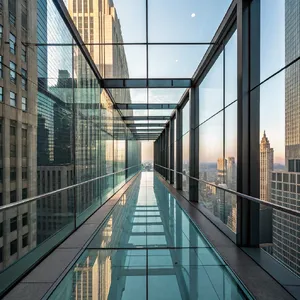
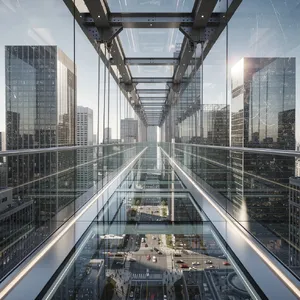
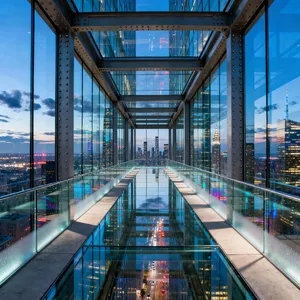
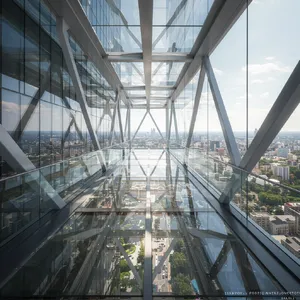
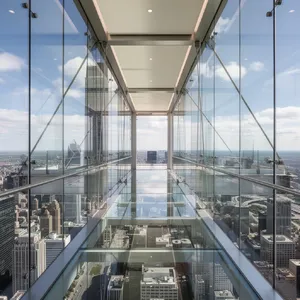
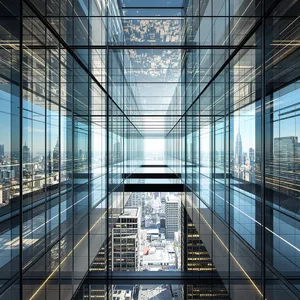
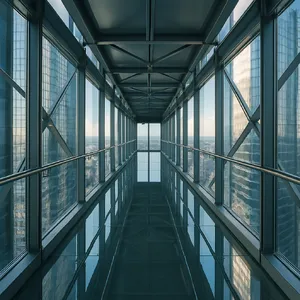
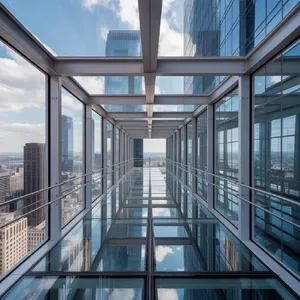
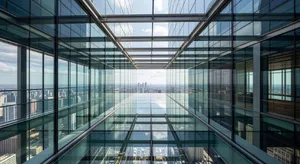
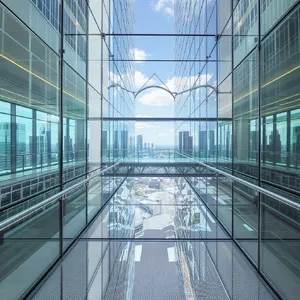
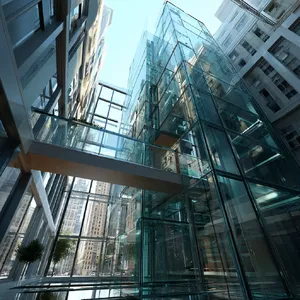
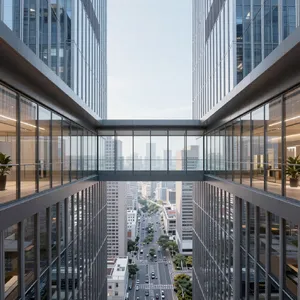
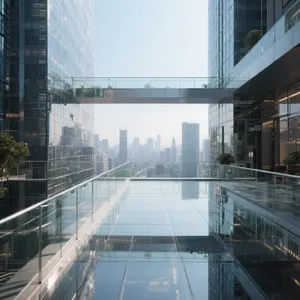
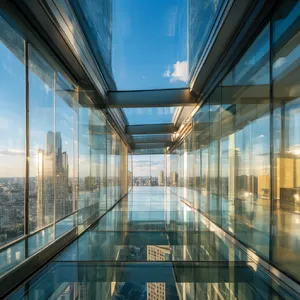
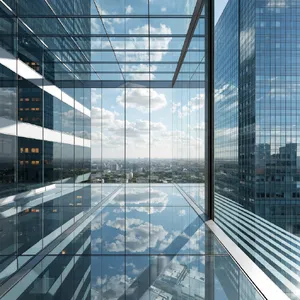
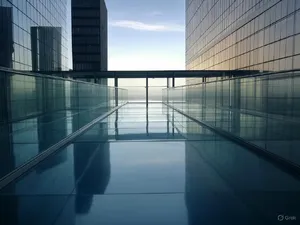
- The "Escher" Effect: Mid-tier models frequently generate impossible geometry. In the Glass Skybridge, some models failed to provide credible support structures, making the glass floors look like floating magic.
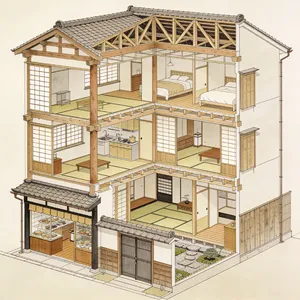
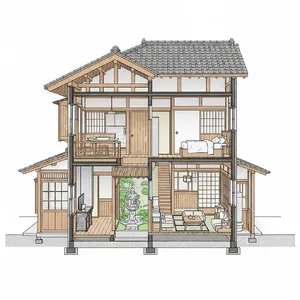
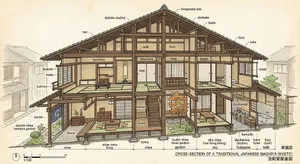
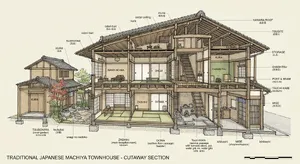
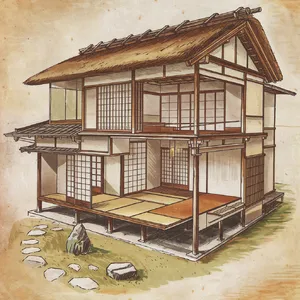
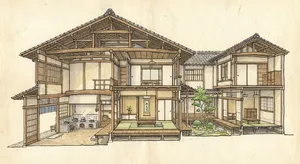
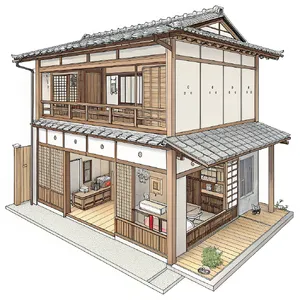
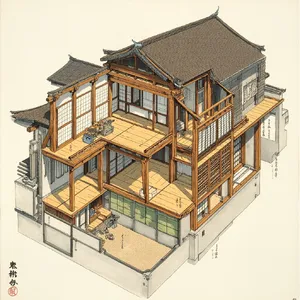
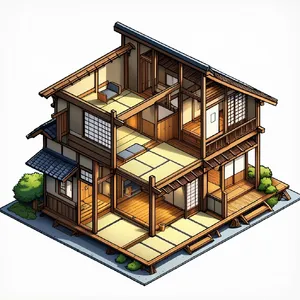
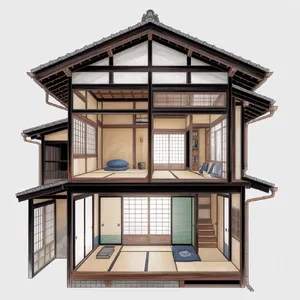
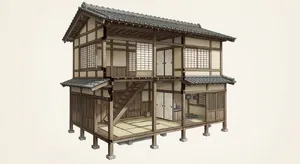
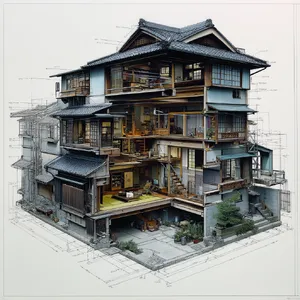
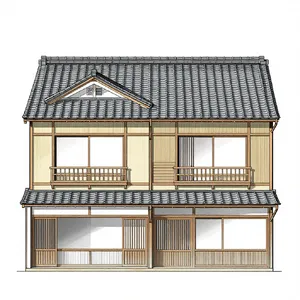
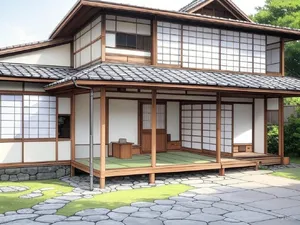
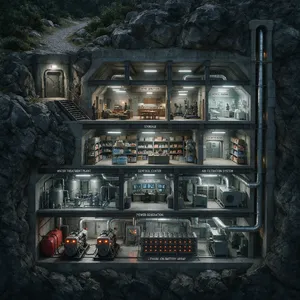
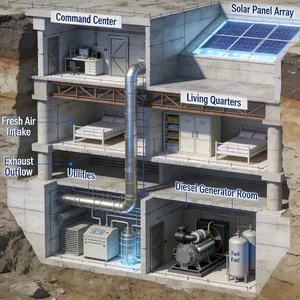
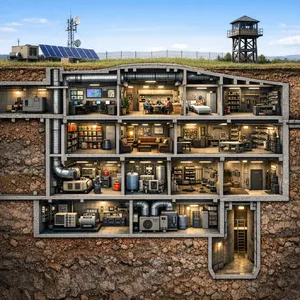
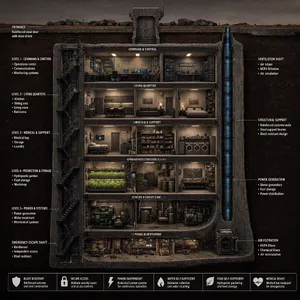
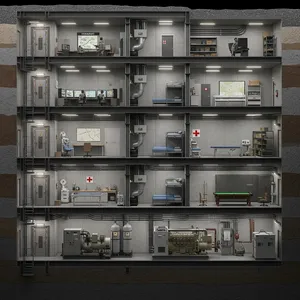
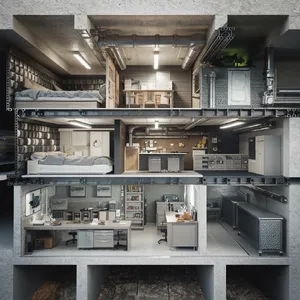
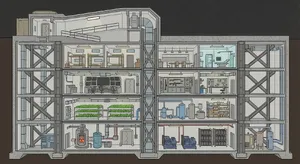
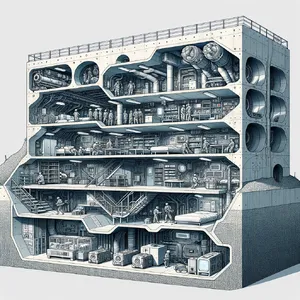
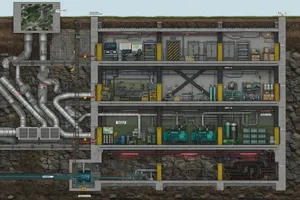
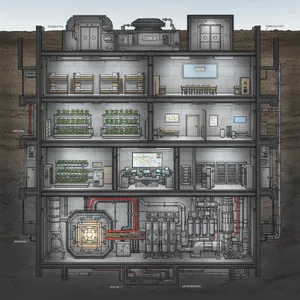
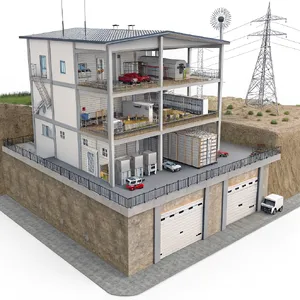
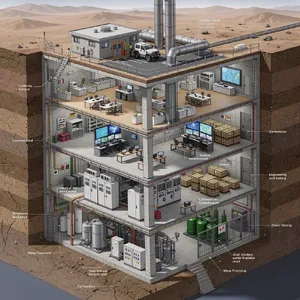
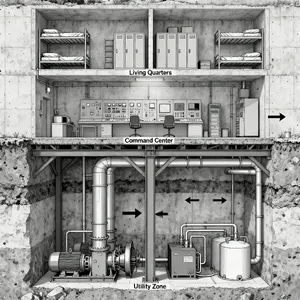
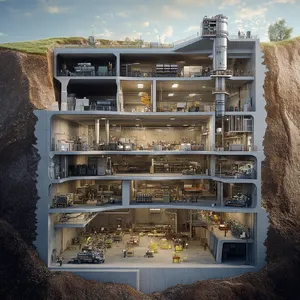
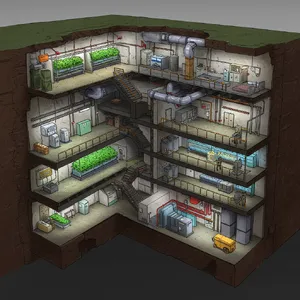
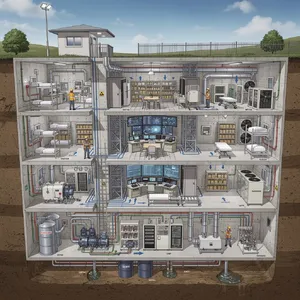
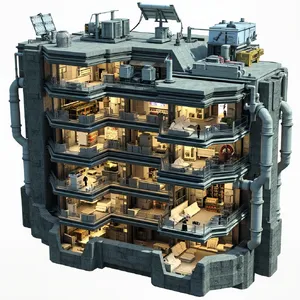
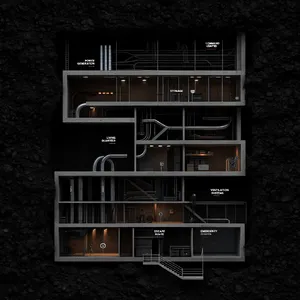
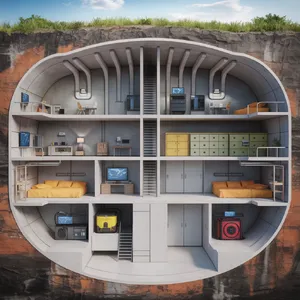
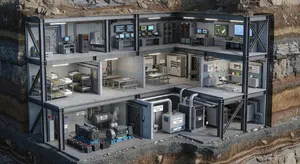
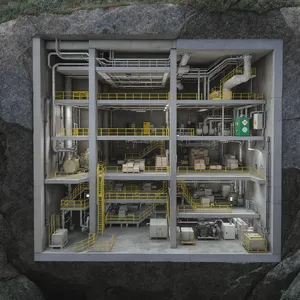
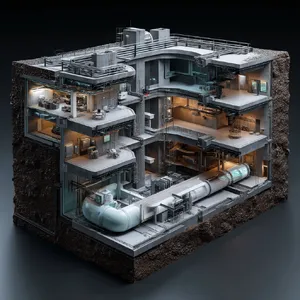
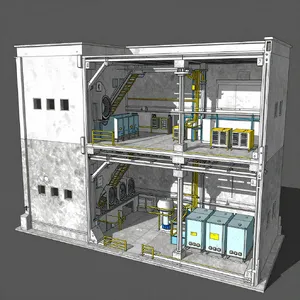
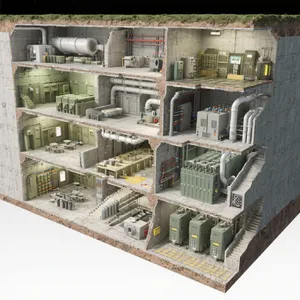
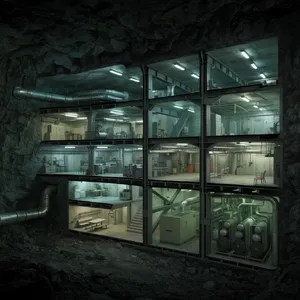
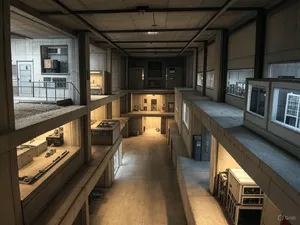
- Text Hallucinations: In prompts requiring diagrams like the Japanese Machiya Cutaway and the Underground Bunker, many models ruined otherwise stellar images by adding unreadable, malformed text annotations.
- Over-Smoothing: Some models give everything a "plastic" or over-polished CGI look, stripping away the natural imperfections required for true photorealism.
Prompt Correlations
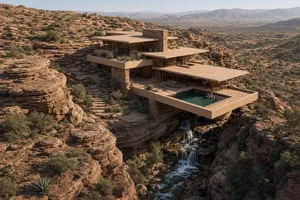
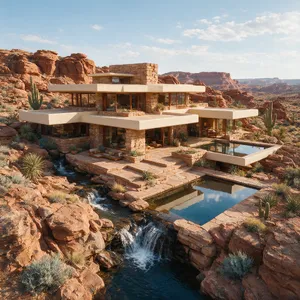
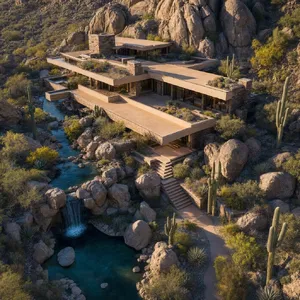
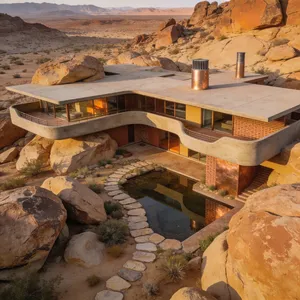
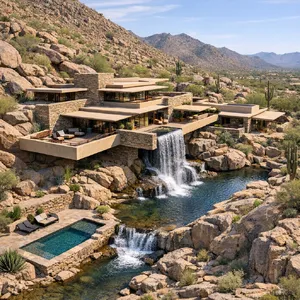
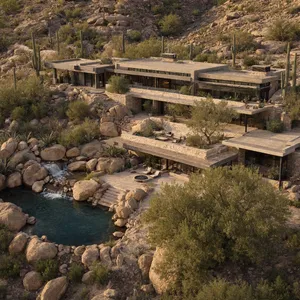
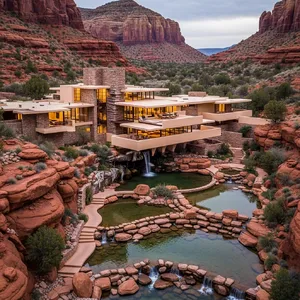
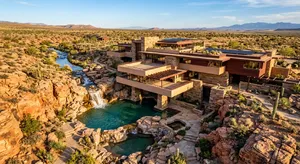
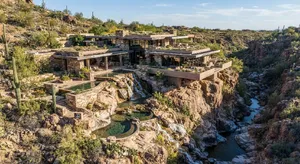
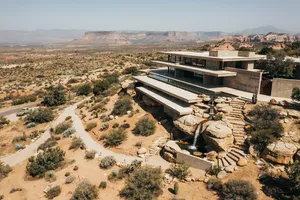
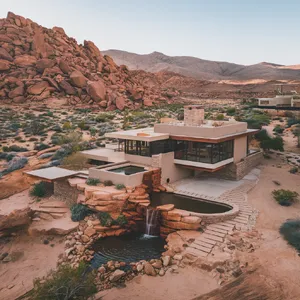
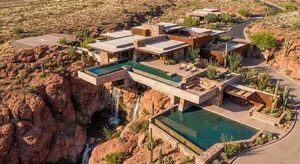
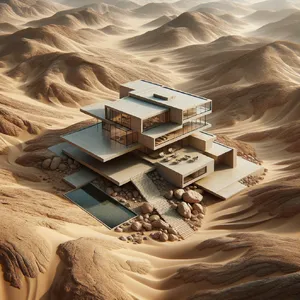
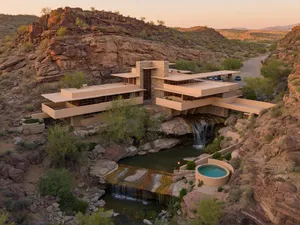
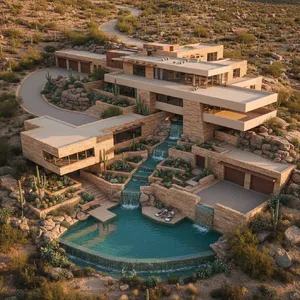
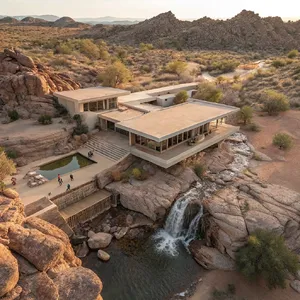
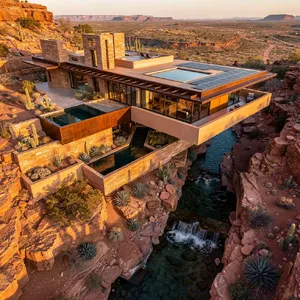
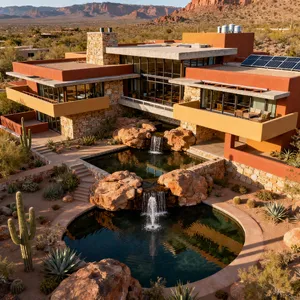
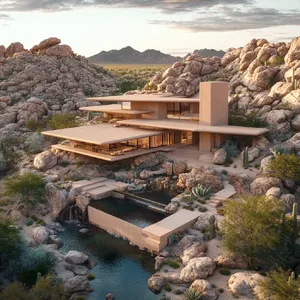
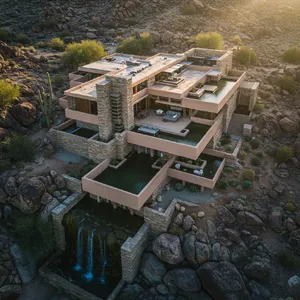
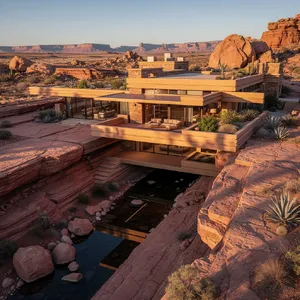
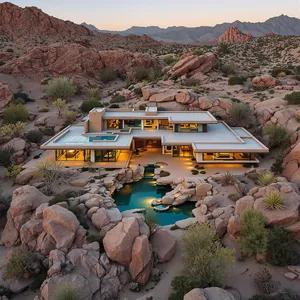
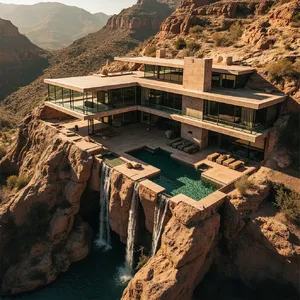
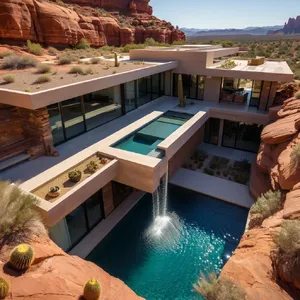
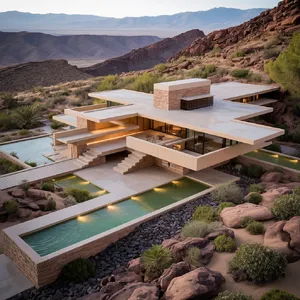
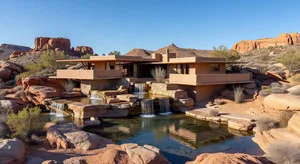
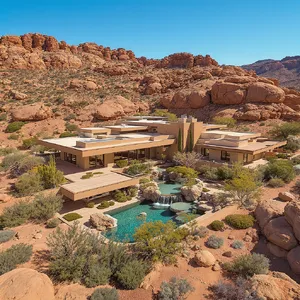
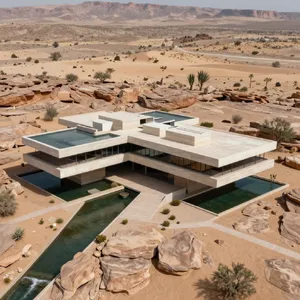
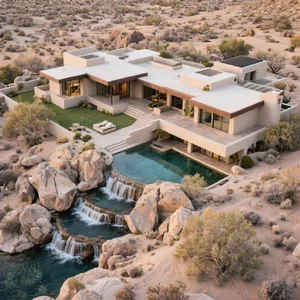
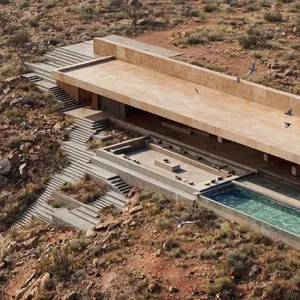
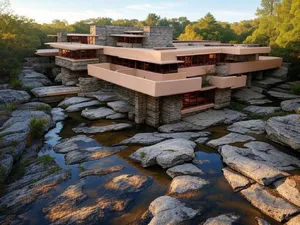
Performance varied wildly by prompt type. Purely visual, atmospheric prompts (like the Cathedral or Desert Home) saw higher average scores. In contrast, rigid technical prompts (Cutaways, Isometric plans) caused average scores to plummet due to the strict logical constraints required.
🛠️ Best Model Analysis by Use Case
Different architectural projects require different tools. Here is how the models stack up across specialized scenarios:
📸 Photorealistic Interiors & Exteriors
Best for: Real estate visualization, interior design concepts, exterior renders.
📐 Technical Diagrams & Cutaways
Best for: Isometric planning, sectional drawings, and structural infographics.
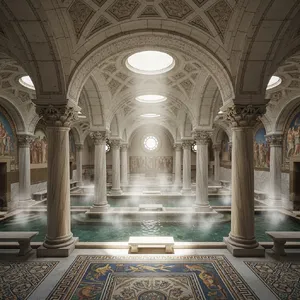
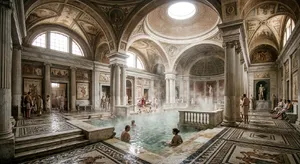
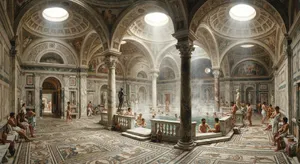
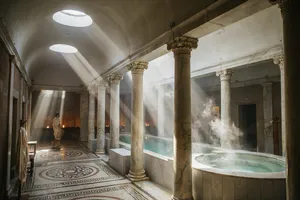
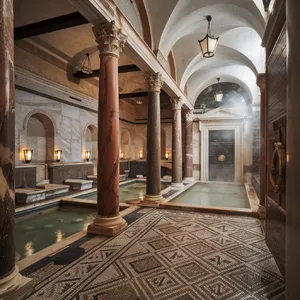
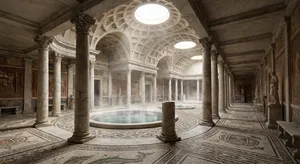
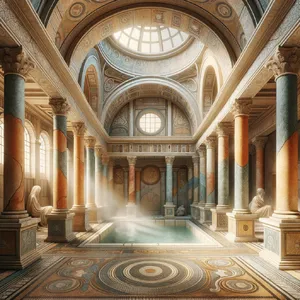
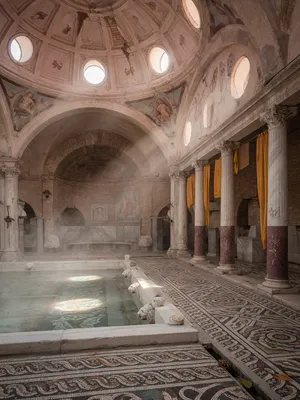
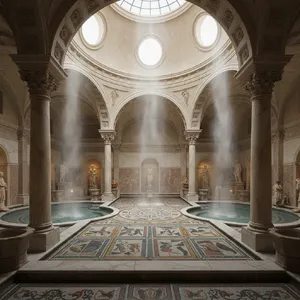
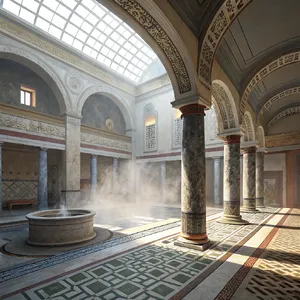
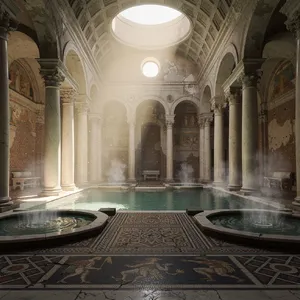
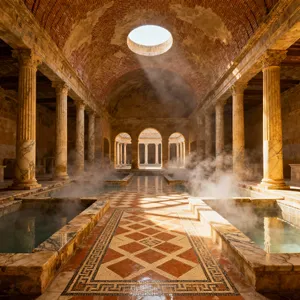
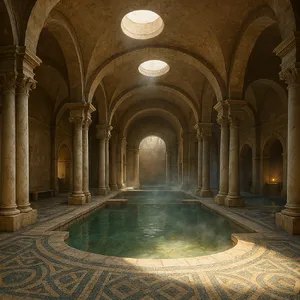
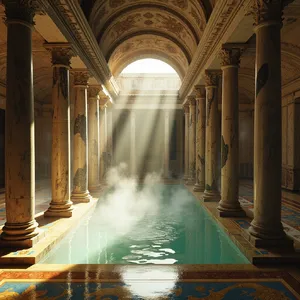
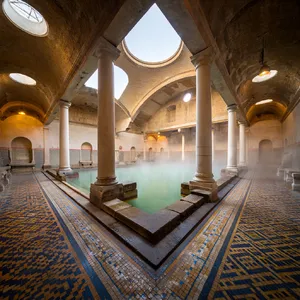
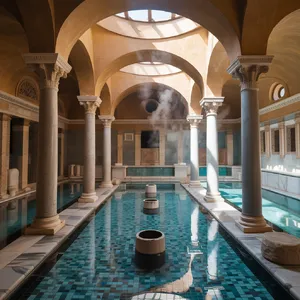
🏺 Historical & Atmospheric Architecture
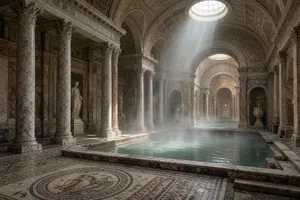
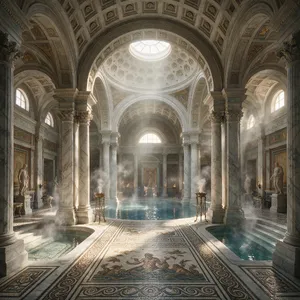
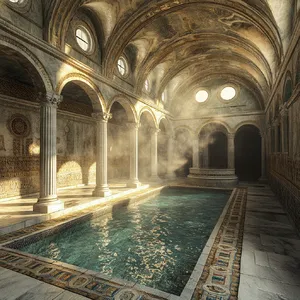
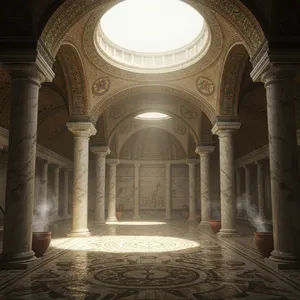
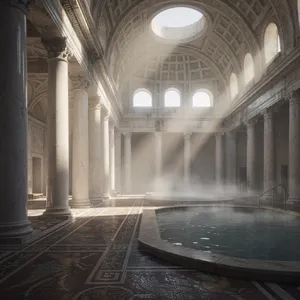
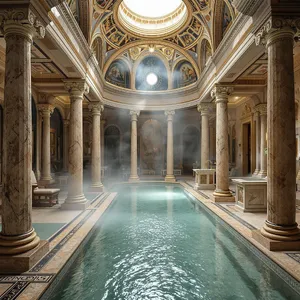
Best for: Historical reconstructions, complex decorative patterns, and dramatic lighting.
- Top Picks: Seedream 4.5, Nano Banana 2, DALL-E 3
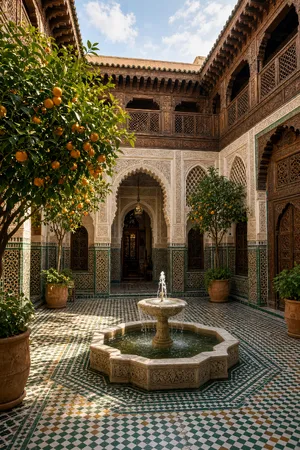
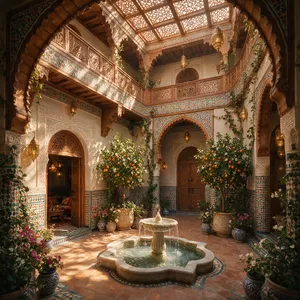
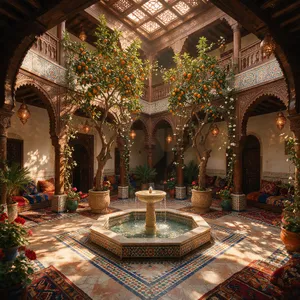
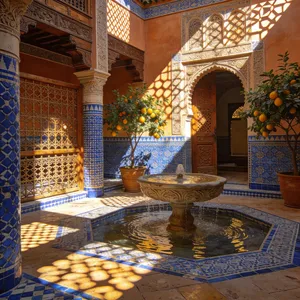
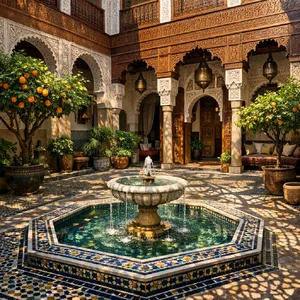
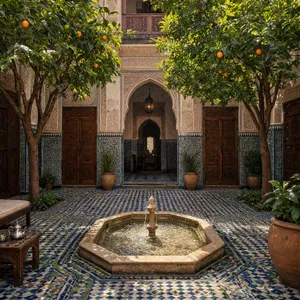
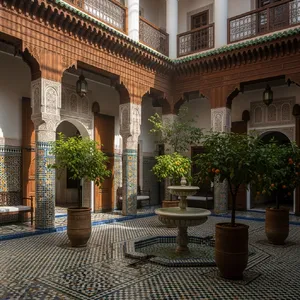
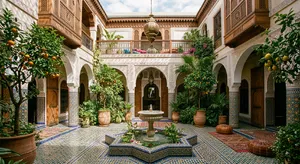
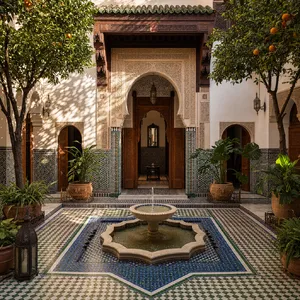
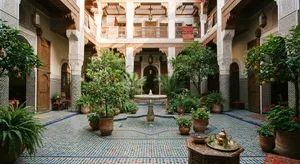
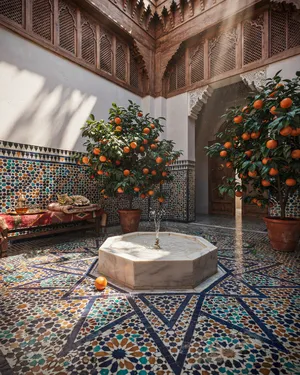
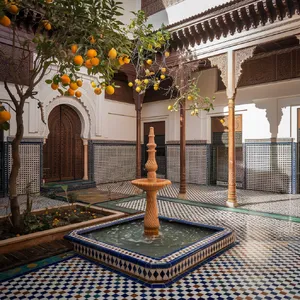
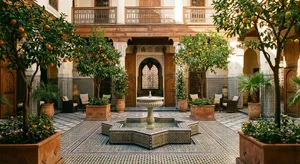
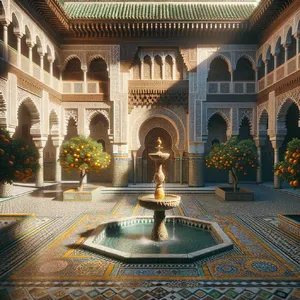
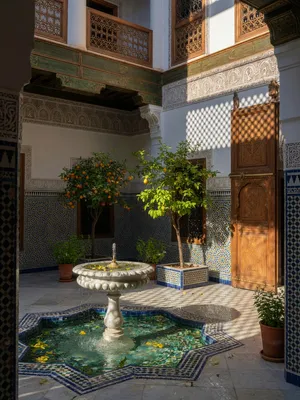
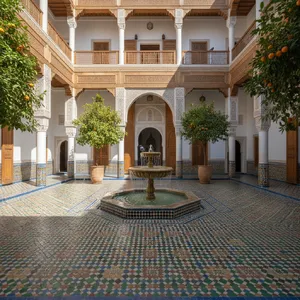
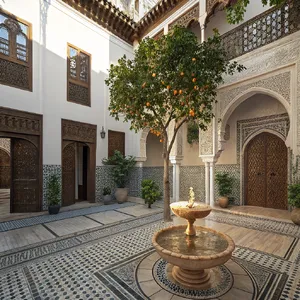
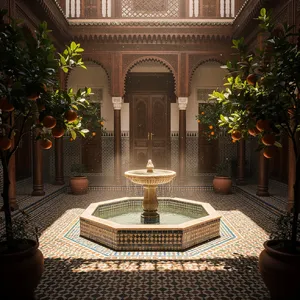
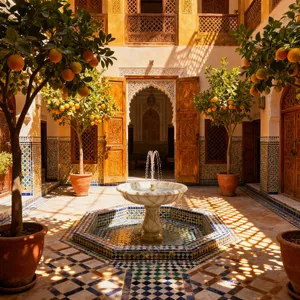
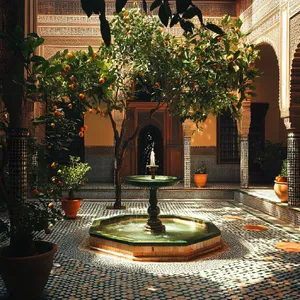
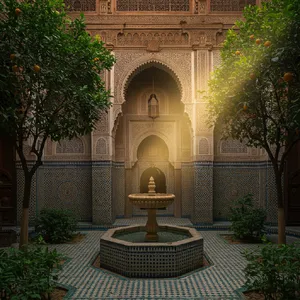
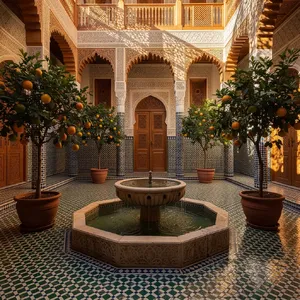
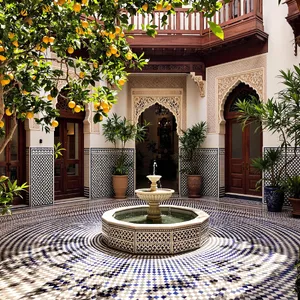
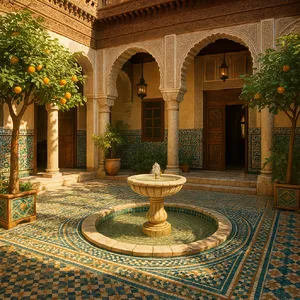
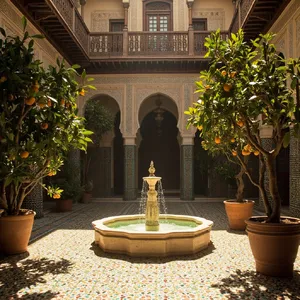
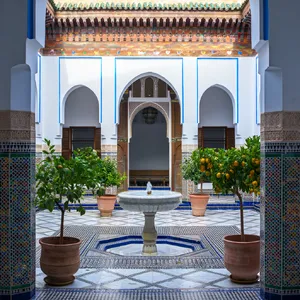
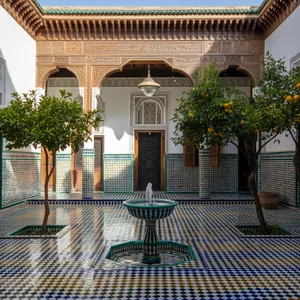
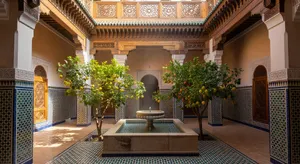
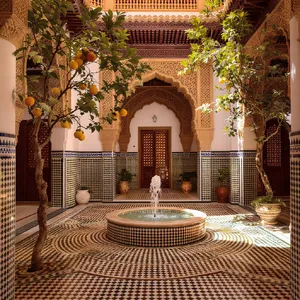
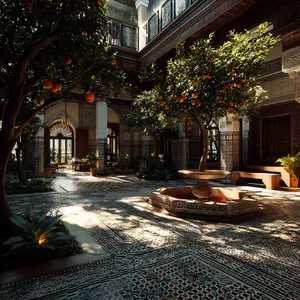
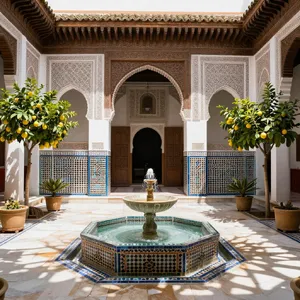
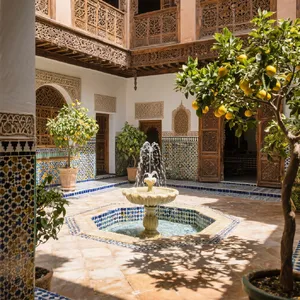
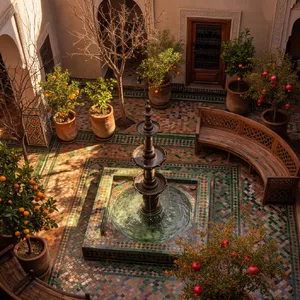
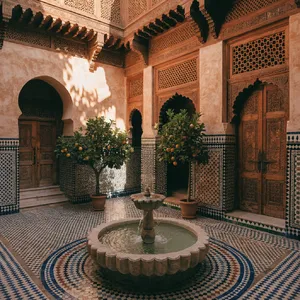
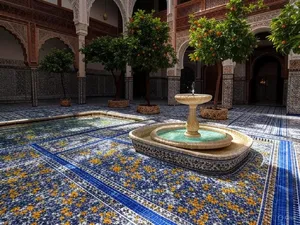
- Why: Capturing the essence of history requires handling immense decorative density without devolving into noise. Seedream 4.5 generated a flawless 10/10 Moroccan Riad, perfectly managing the intricate Zellige tilework and complex morning shadow patterns.
🚀 Sci-Fi & Speculative Architecture
Best for: Space habitats, futuristic compounds, and unconventional geometries.
- Top Picks: Ideogram V2, Reve 2.1, Ideogram 4.0 (Quality)
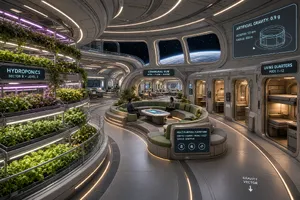
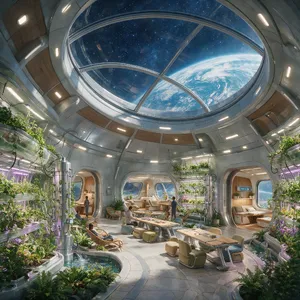
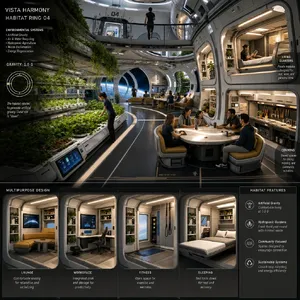
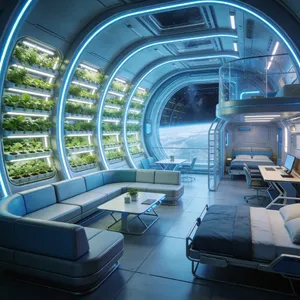
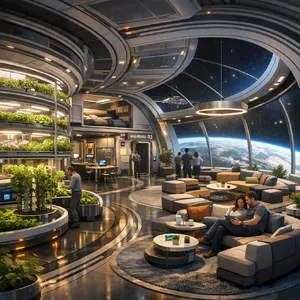
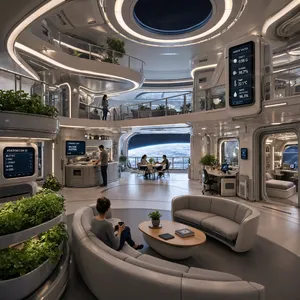
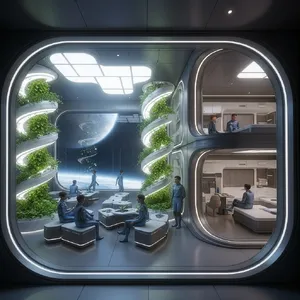
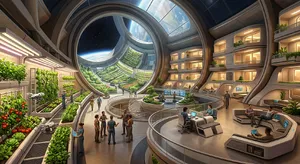
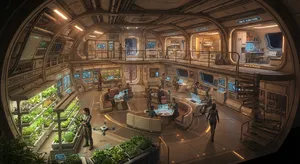
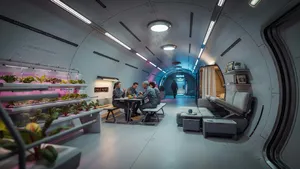
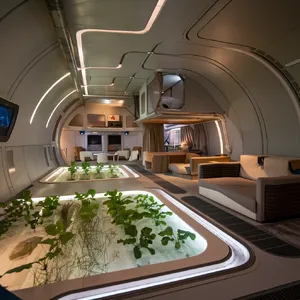
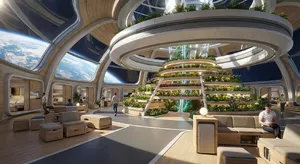
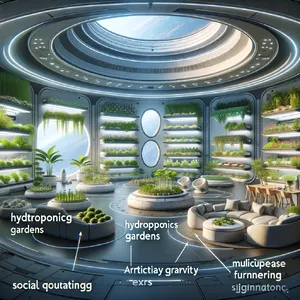
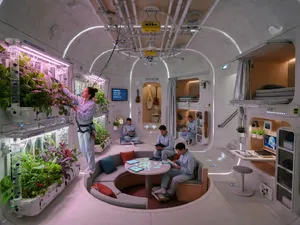
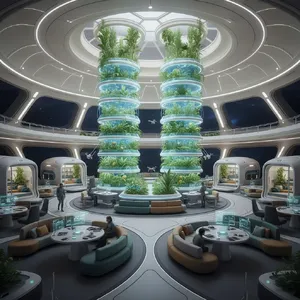
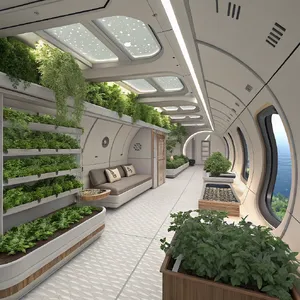
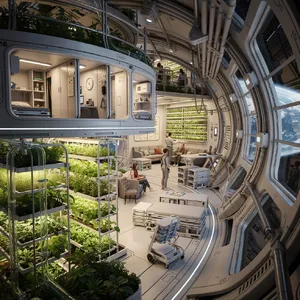
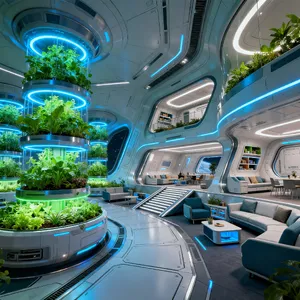
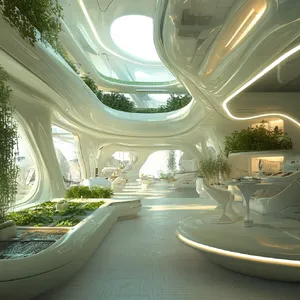
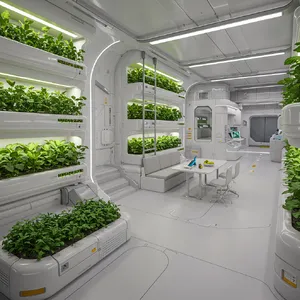
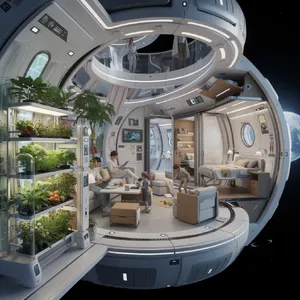
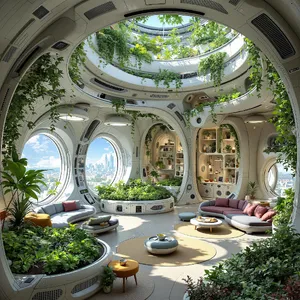
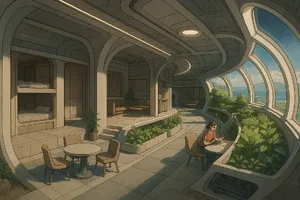
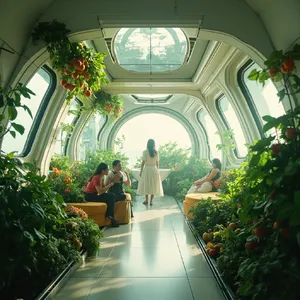
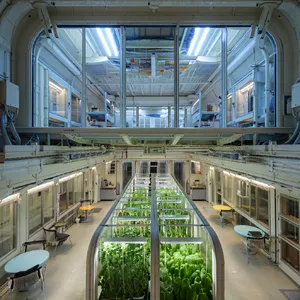
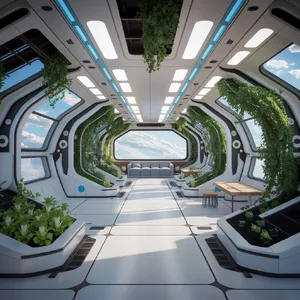
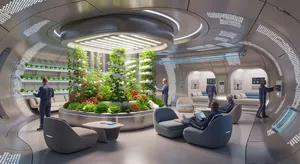
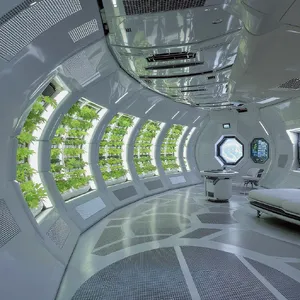
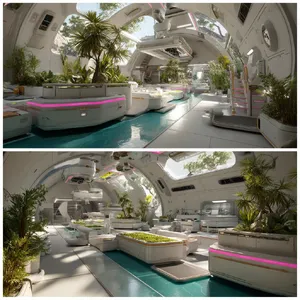
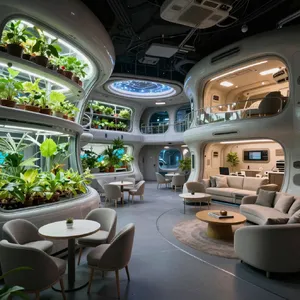
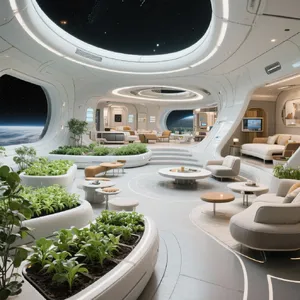
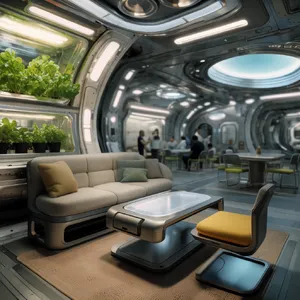
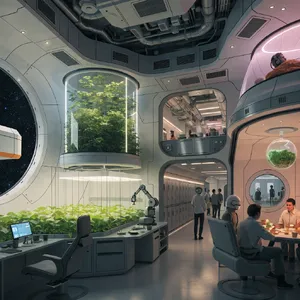
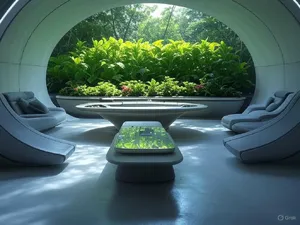
- Why: Speculative architecture requires balancing imaginative shapes (like curved habitat walls) with functional logic (hydroponics, artificial gravity). Ideogram V2's Space Habitat managed to make a futuristic tubular module look incredibly grounded, functional, and realistic.