Summary for Architecture & Interiors
Welcome to the deep dive into the Architecture & Interiors category! 🏛️ This evaluation rigorously tested AI models on their ability to render diverse architectural styles, complex lighting, material textures, and structural diagrams.
🏆 Top-Performing Models
Overall, the heavyweights in architectural rendering were GPT Image 2, Imagen 4.0 Ultra, and Seedream 5.0 Pro. These models consistently delivered near-photorealistic lighting, exquisite material accuracy, and high adherence to complex architectural constraints.
📈 Major Trends in the Data
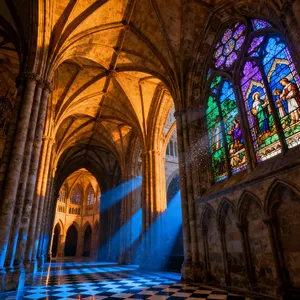
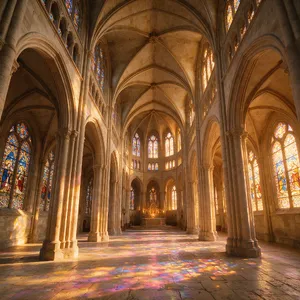
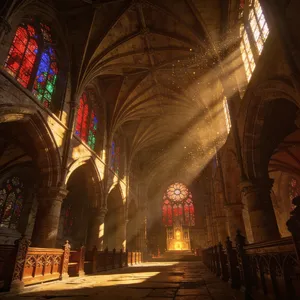
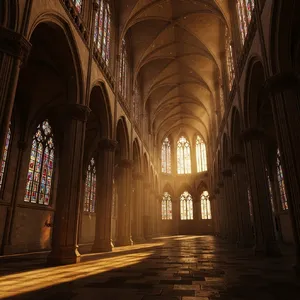
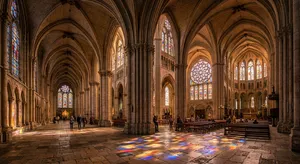
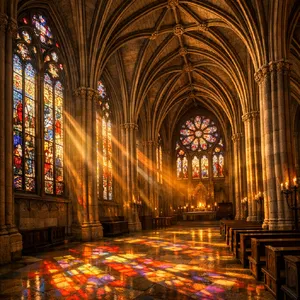
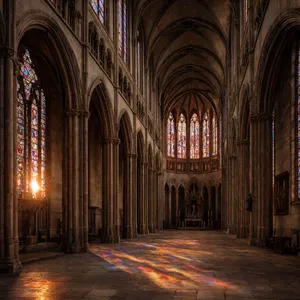
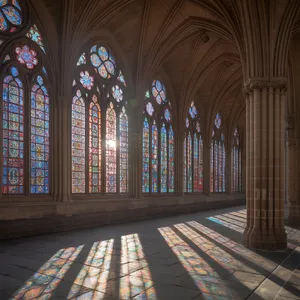
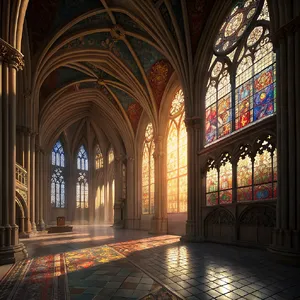
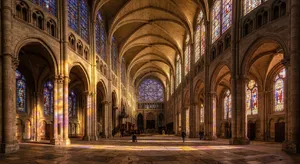
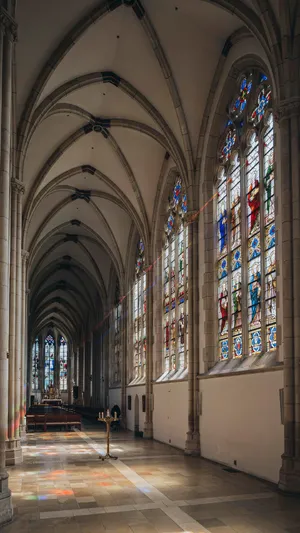
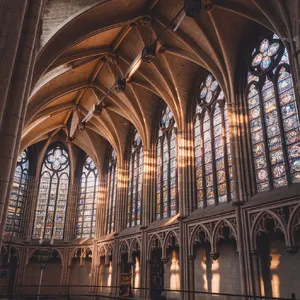
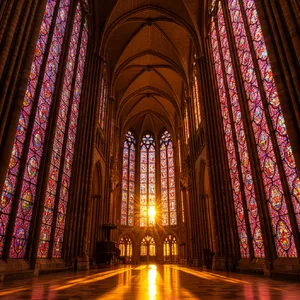
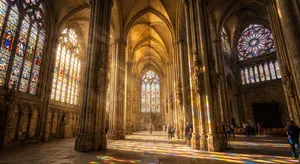
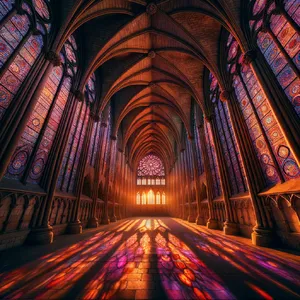
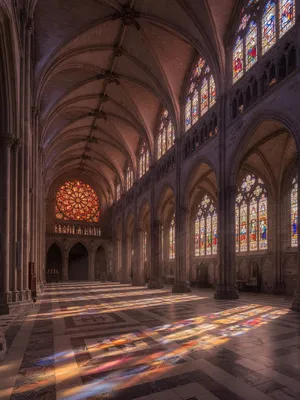
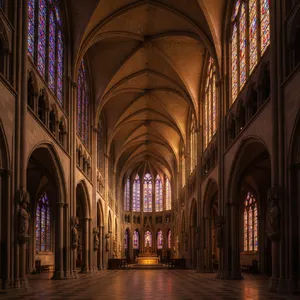
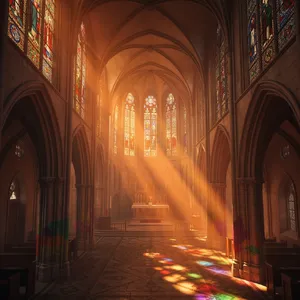
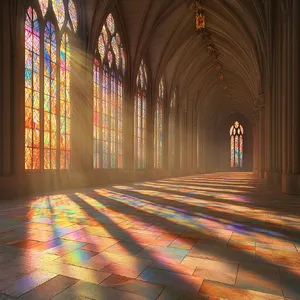
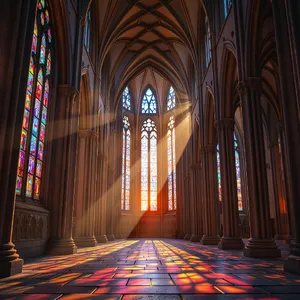
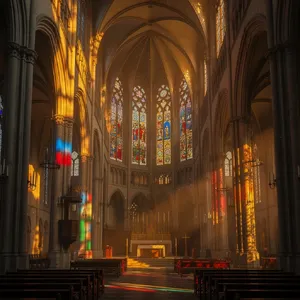
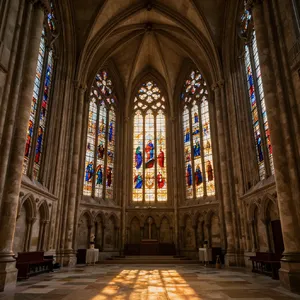
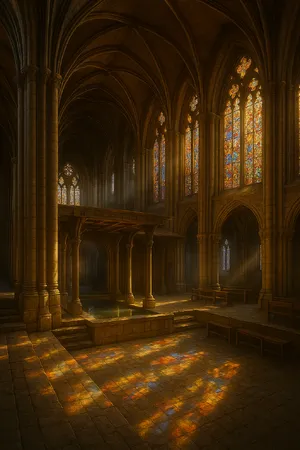
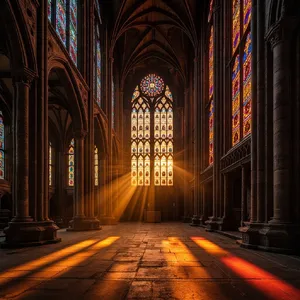
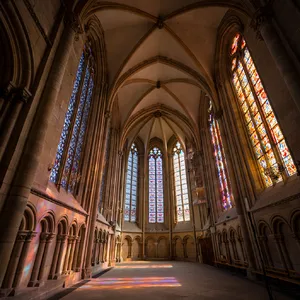
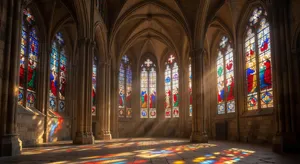
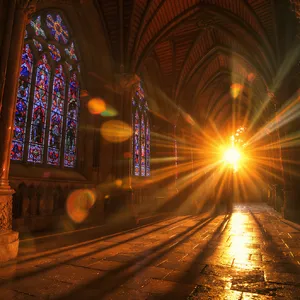
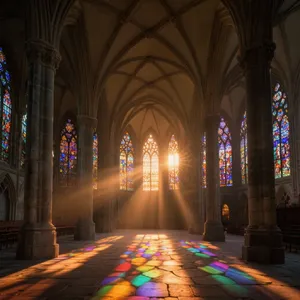
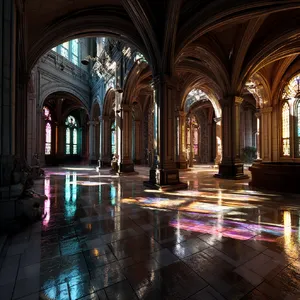
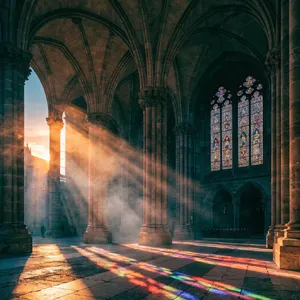
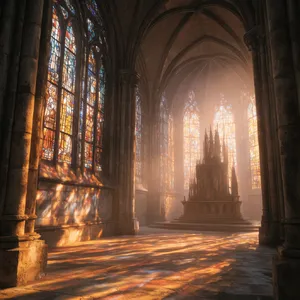
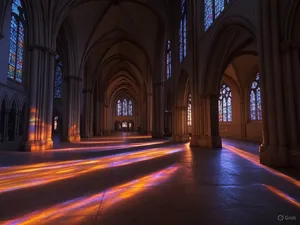
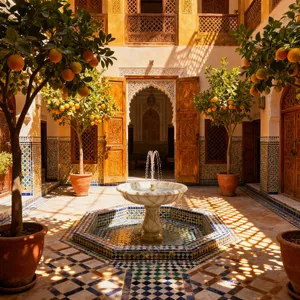
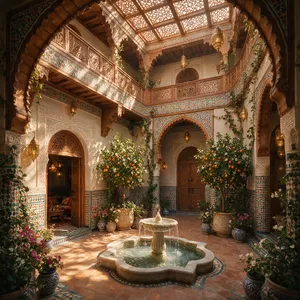
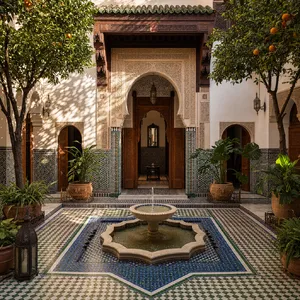
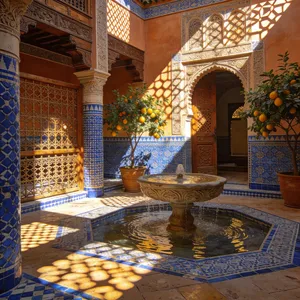
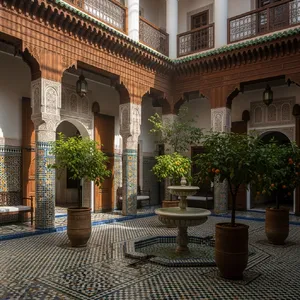
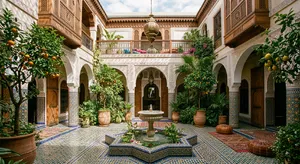
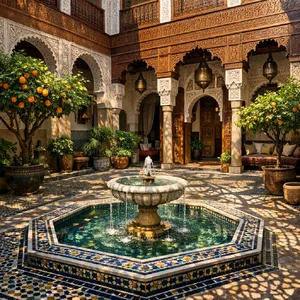
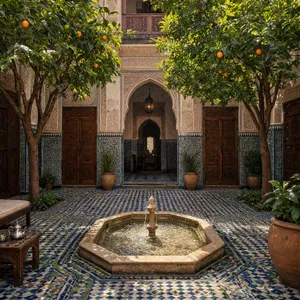
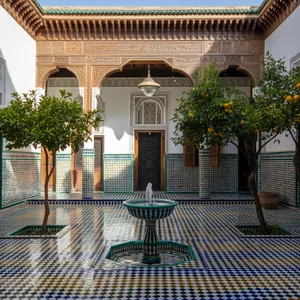
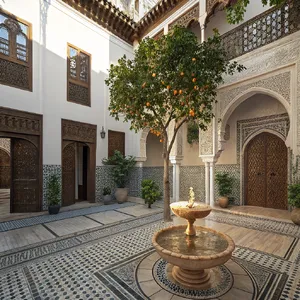
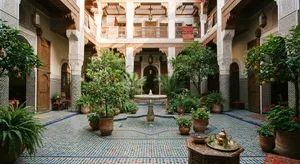
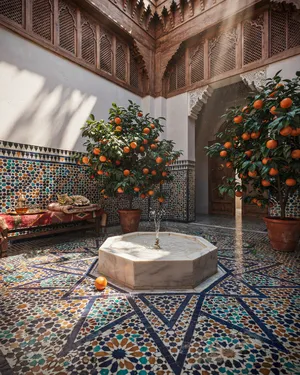
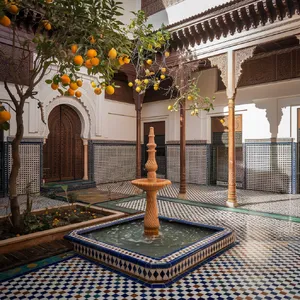
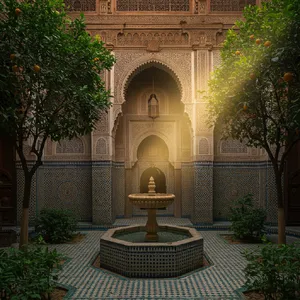
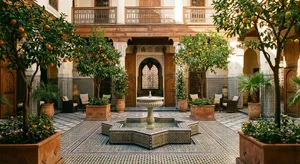
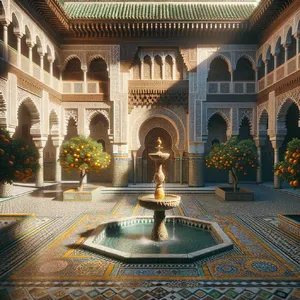
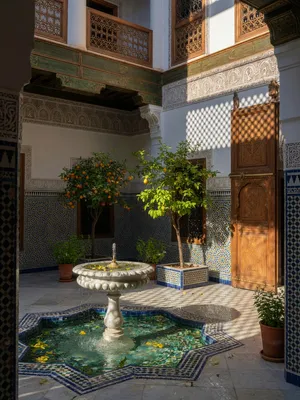
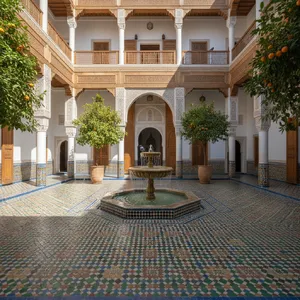
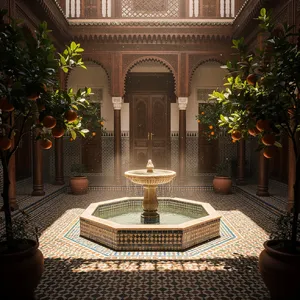
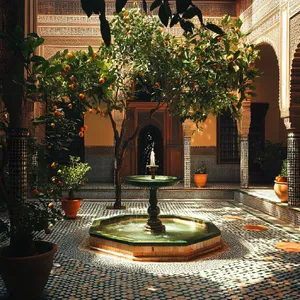
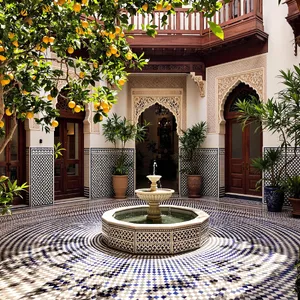
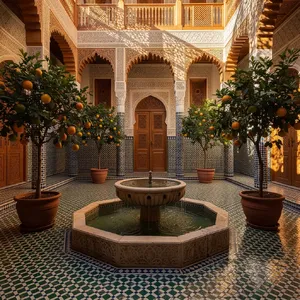
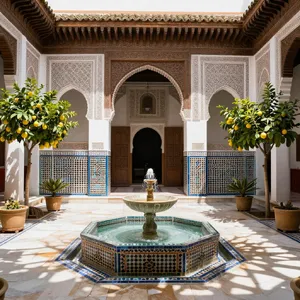
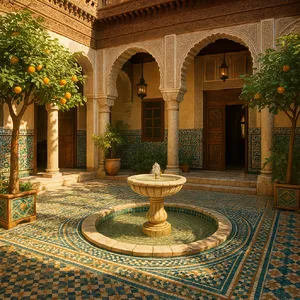
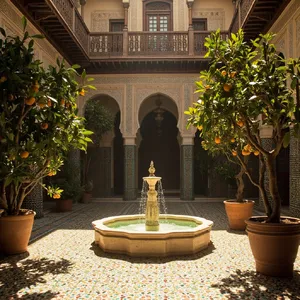
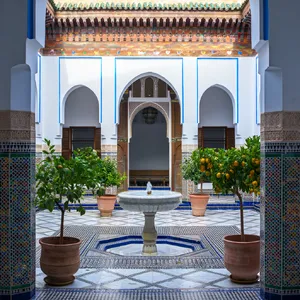
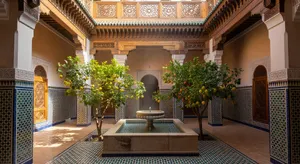
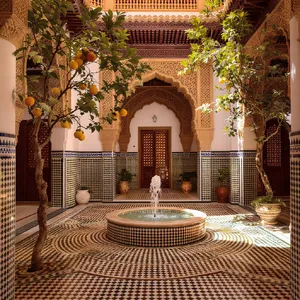
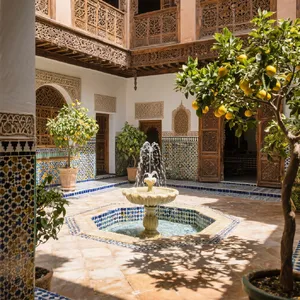
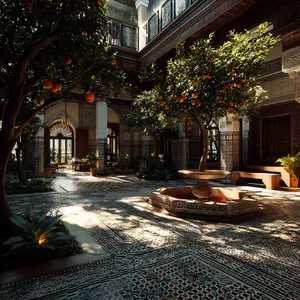
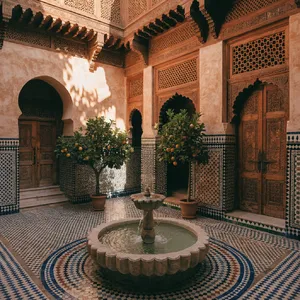
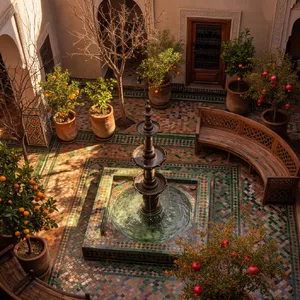
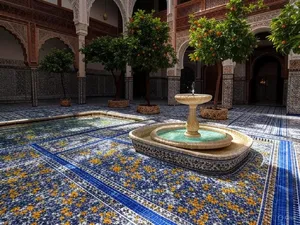
- Mastery of Light & Mood: Most mid-to-high-tier models excel at atmospheric lighting. The Gothic Cathedral and Moroccan Riad prompts showcased incredibly beautiful sunlight and shadow play across almost all platforms.
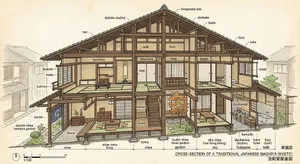
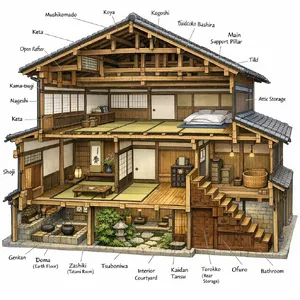
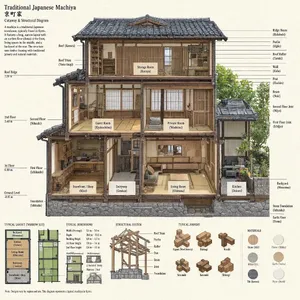
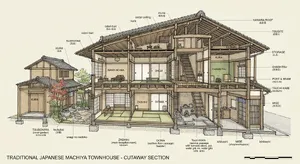
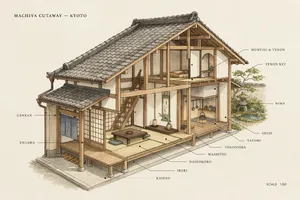
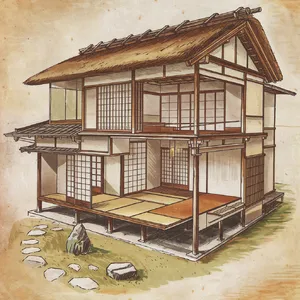
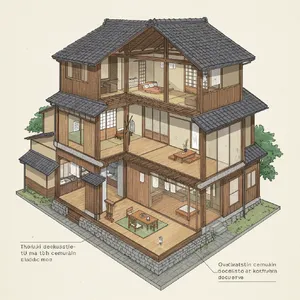
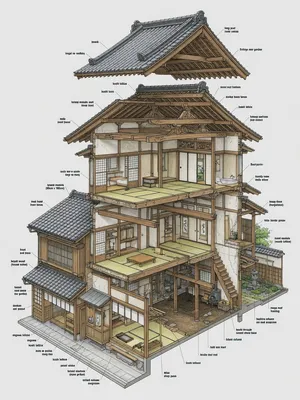
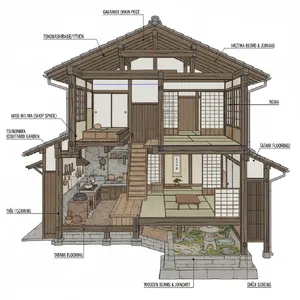
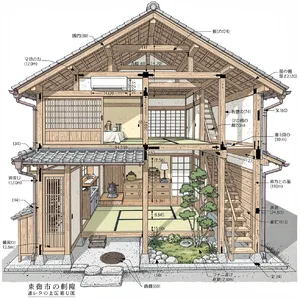
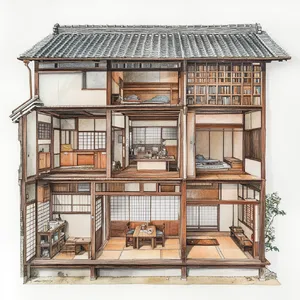
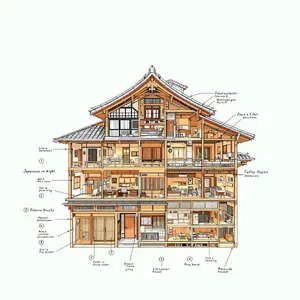
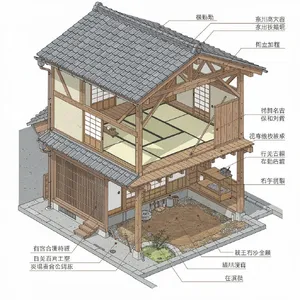
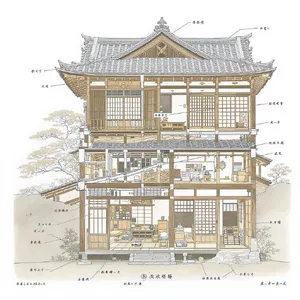
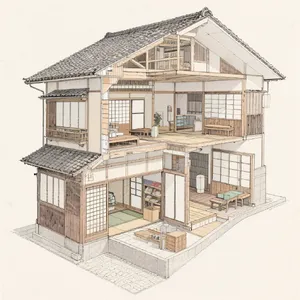
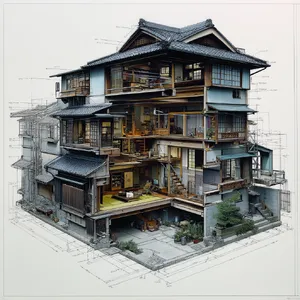
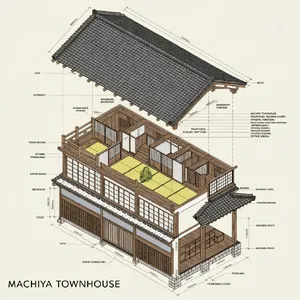
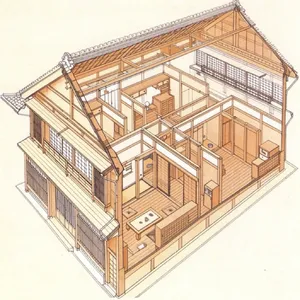
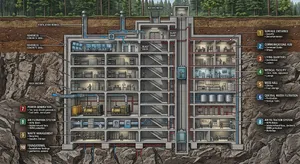
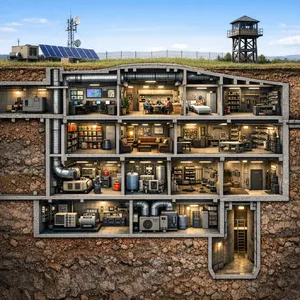
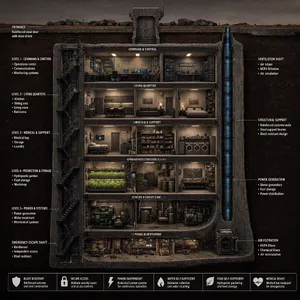
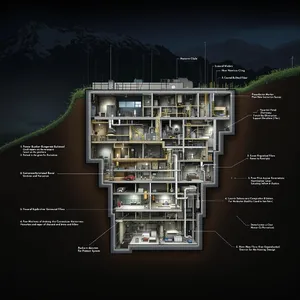
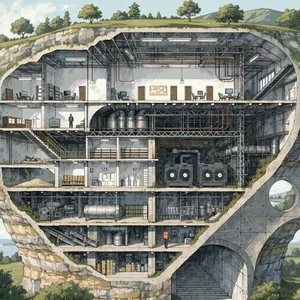
- The Technical Drawing Hurdle: Cutaways and blueprints remain the biggest challenge. Models struggled to maintain structural logic and frequently generated highly distracting gibberish text when attempting to label diagrams.
😲 Surprising Discoveries
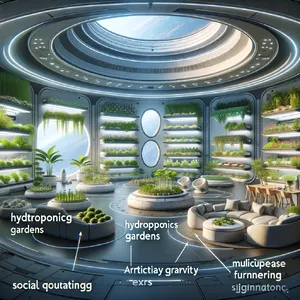
- Text Ruins Everything: Even top-tier aesthetic models like Flux 1.1 Pro Ultra tanked in scoring on technical prompts because they littered beautiful diagrams with nonsensical AI alphabet soup (see this Text Failure).
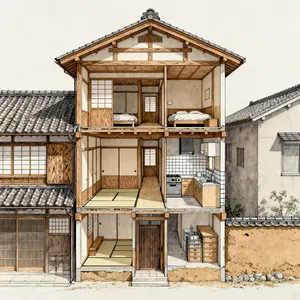
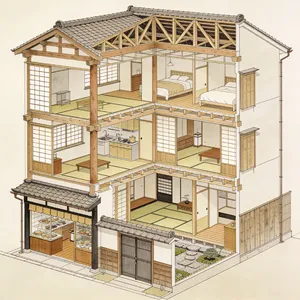
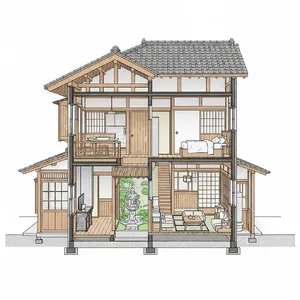
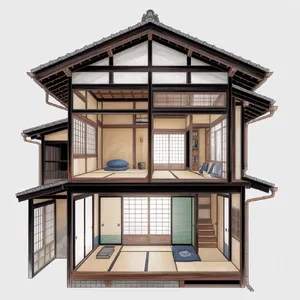
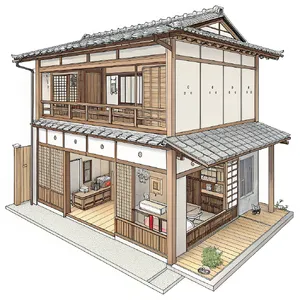
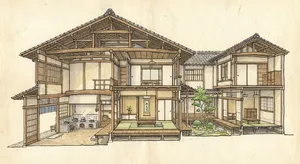
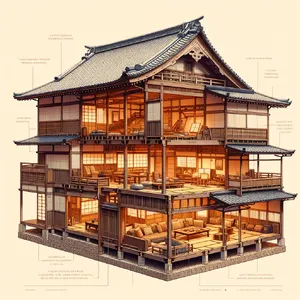
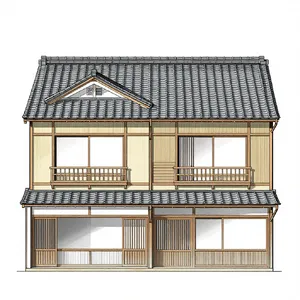
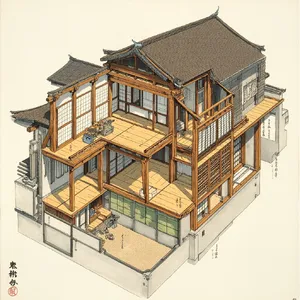
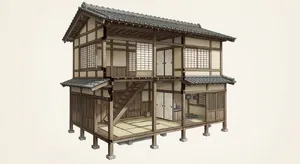
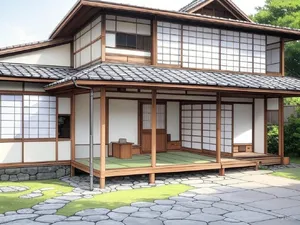
- Safety Filter False Positives: Generative AI filters still struggle with context. A simple prompt for a Machiya Townhouse cutaway was blocked by ChatGPT 4o for supposed policy violations.
🏗️ In-Depth Pattern Analysis
The dataset reveals fascinating insights into how AI "understands" the built environment. While aesthetic generation has reached breathtaking heights, technical and physical logic remains a distinct frontier.
✨ Comparative Strengths
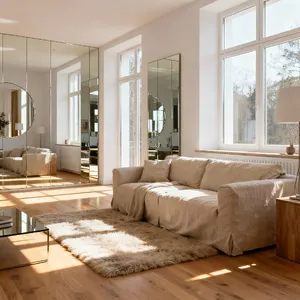
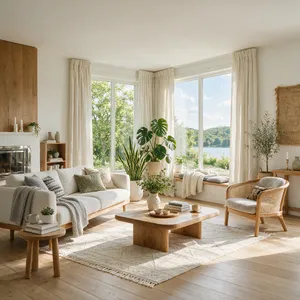
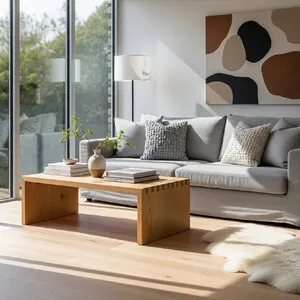
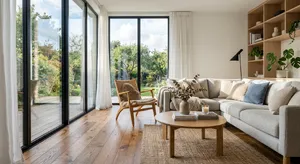
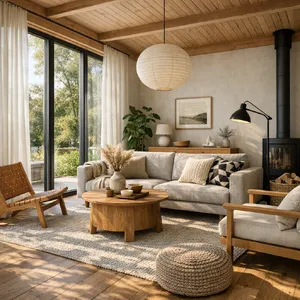
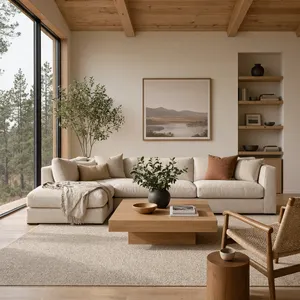
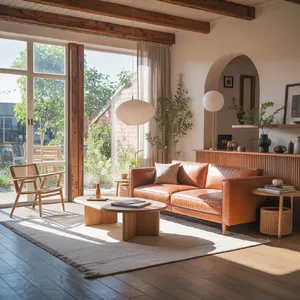
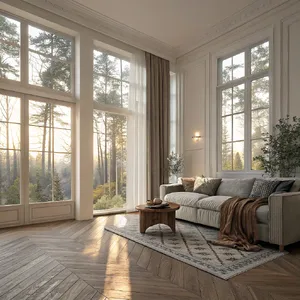
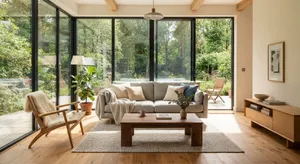
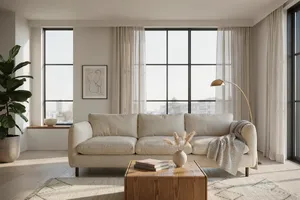
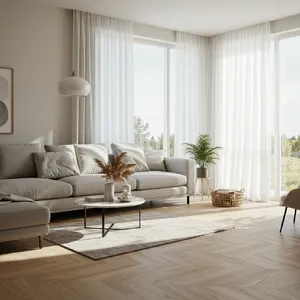
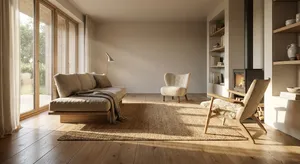
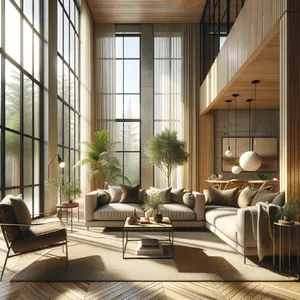
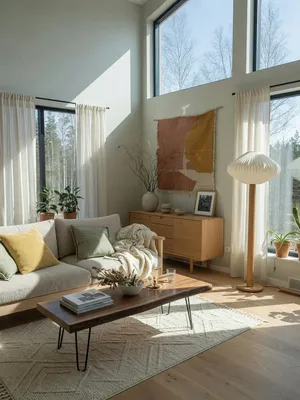
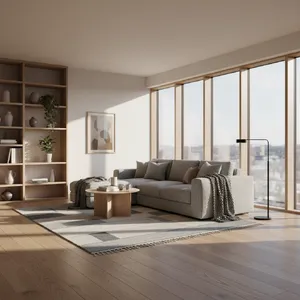
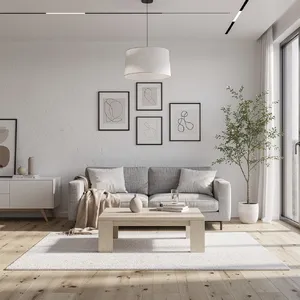
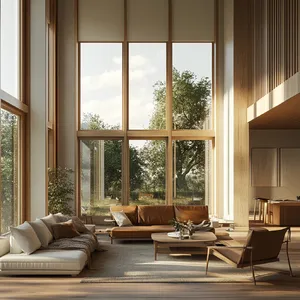
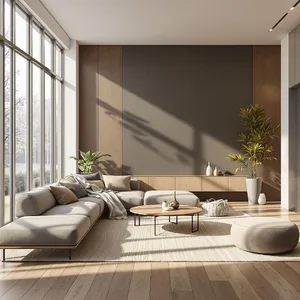
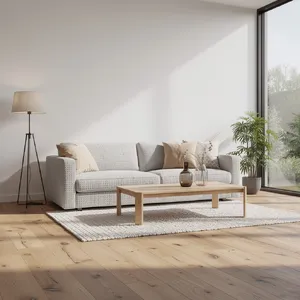
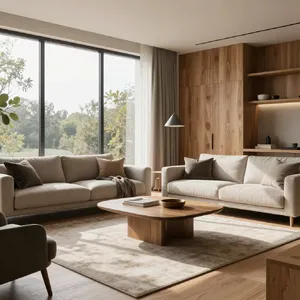
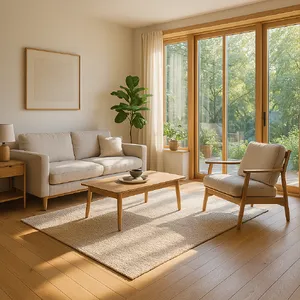
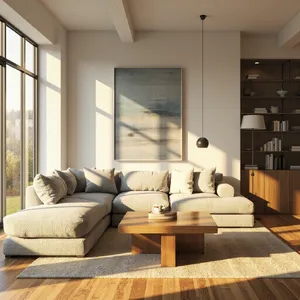
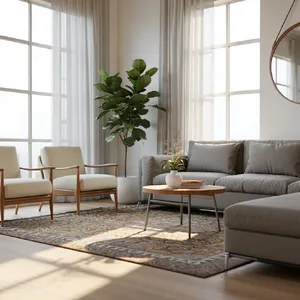
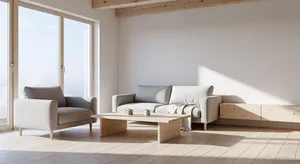
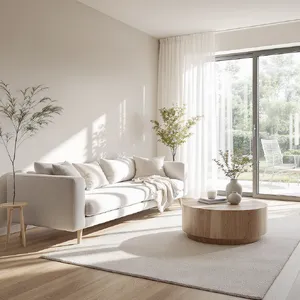
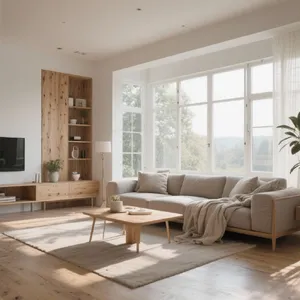
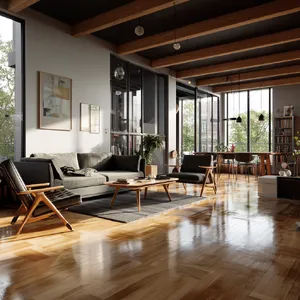
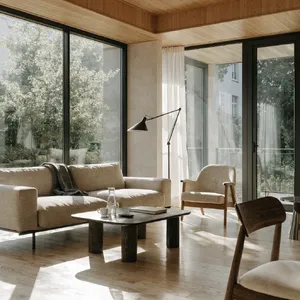
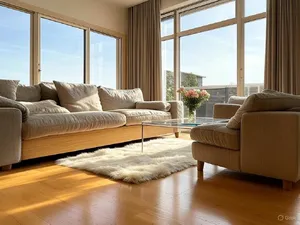
- Atmosphere & Photorealism: Models like Imagen 4.0 Ultra and Z-Image Turbo are virtually indistinguishable from high-end architectural photography. They expertly handle the complex interplay of light, such as subsurface scattering on marble or the translucency of sheer curtains in the Scandinavian Living Room.
- Complex Textures: The ability to render culturally specific textures has drastically improved. Ideogram 4.0 (Quality) and Seedream 4.5 successfully generated intricate, non-repetitive zellige tiles and carved woodwork without collapsing into generic geometric noise.
🚧 Common Failure Modes & Limitations
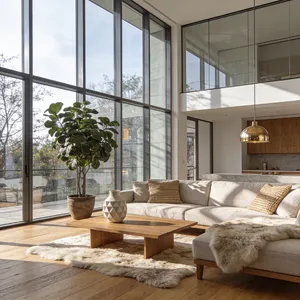
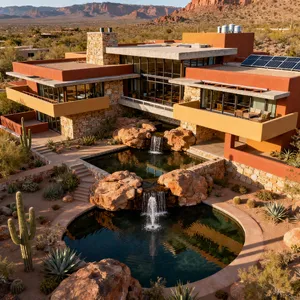
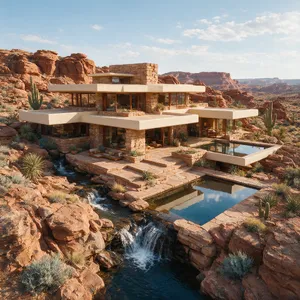
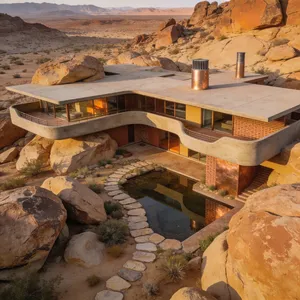
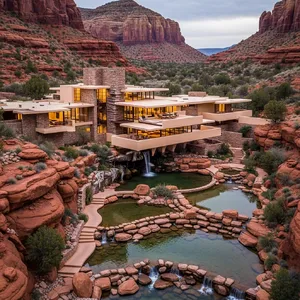
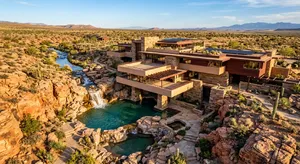
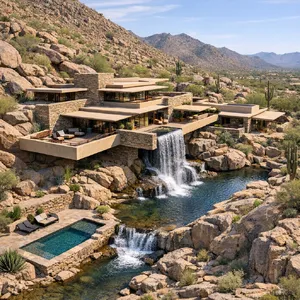
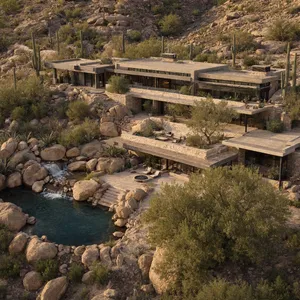
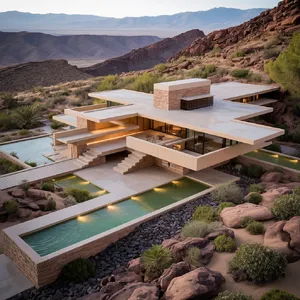
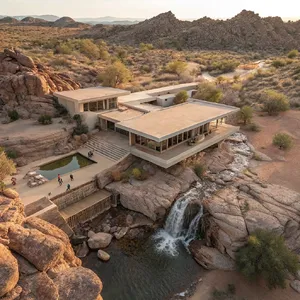
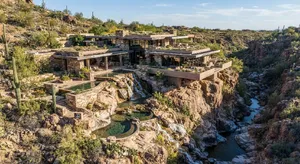
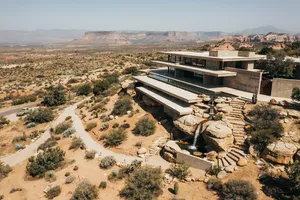
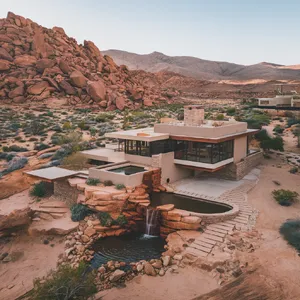
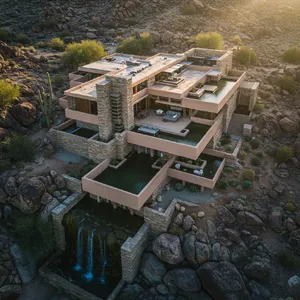
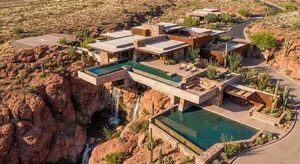
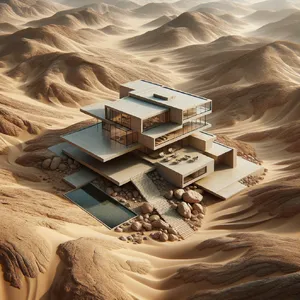
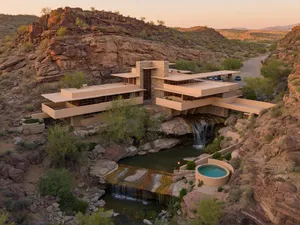
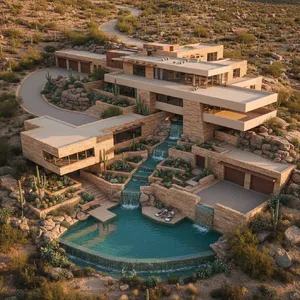
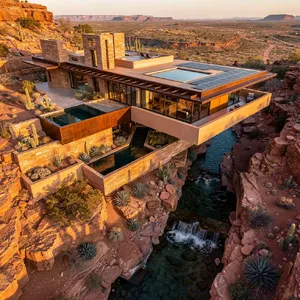
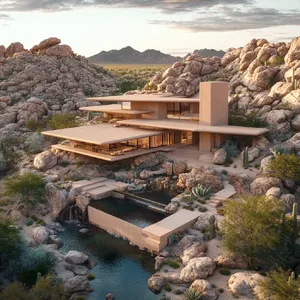
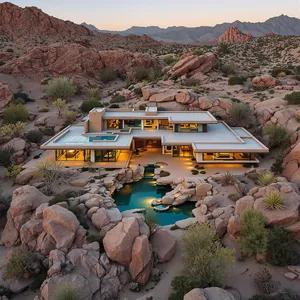
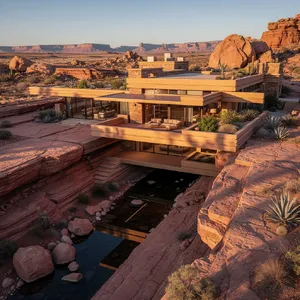
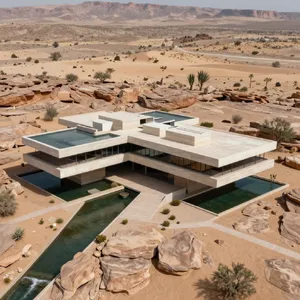
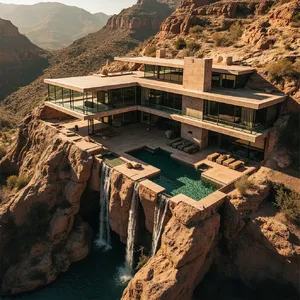
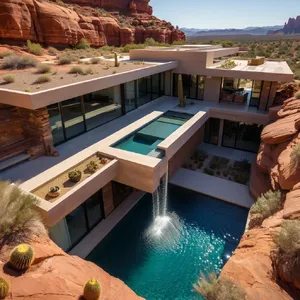
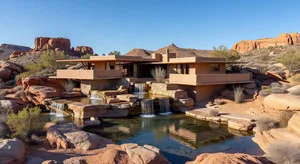
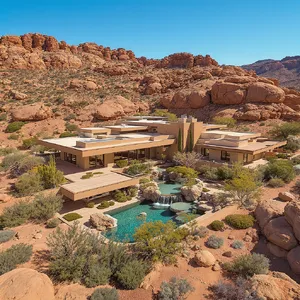
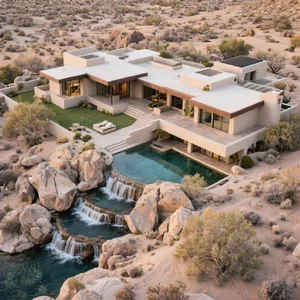
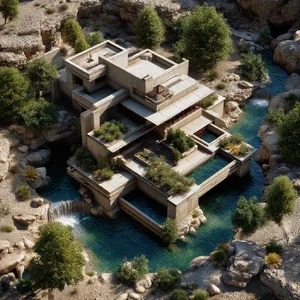
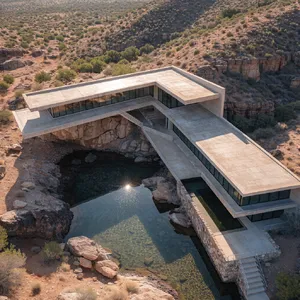
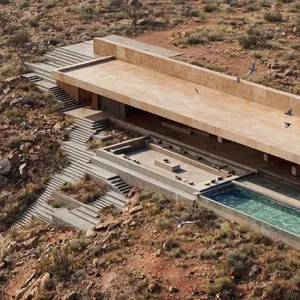
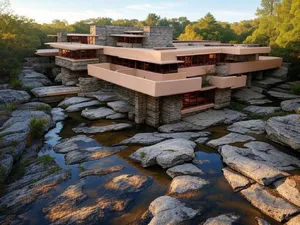
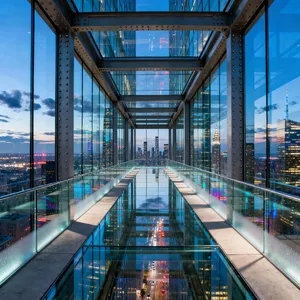
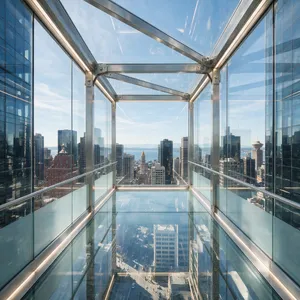
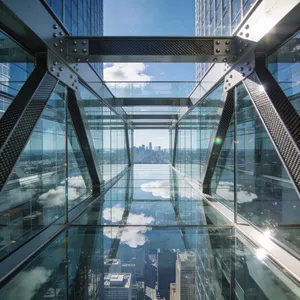
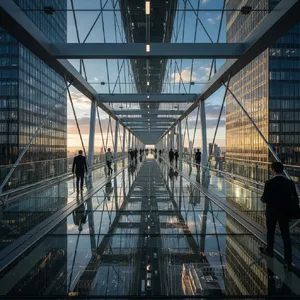
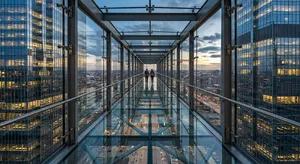
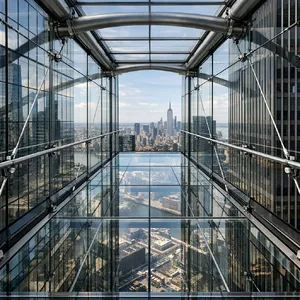
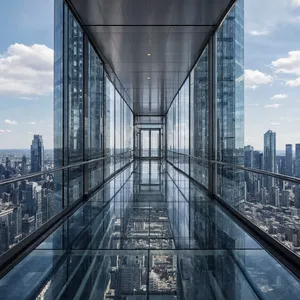
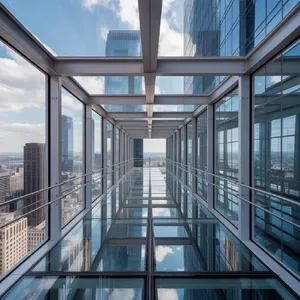
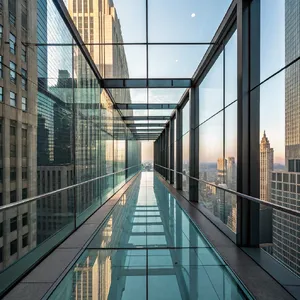
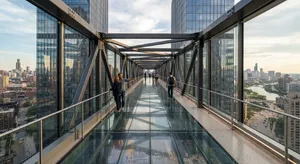
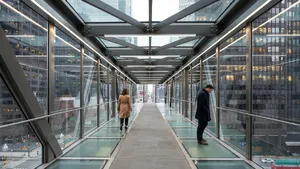
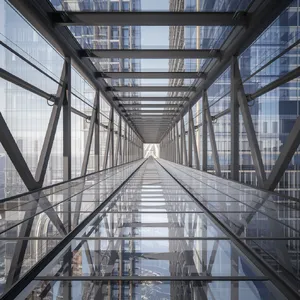
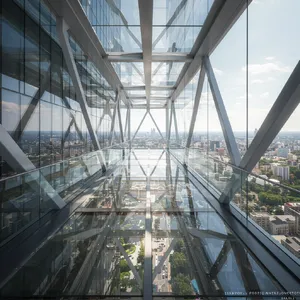
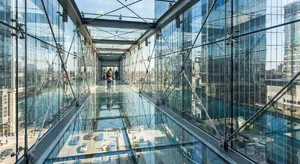
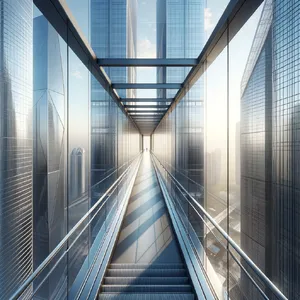
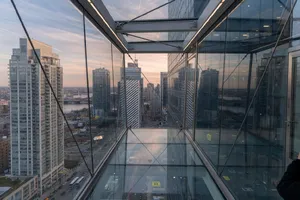
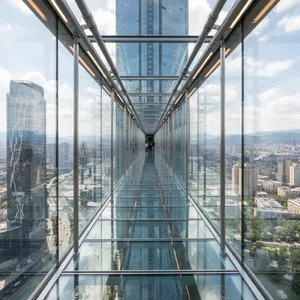
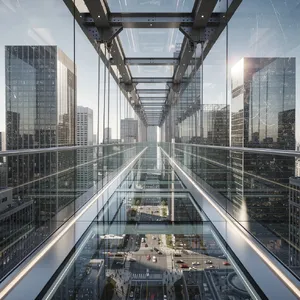
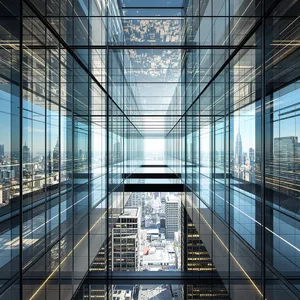
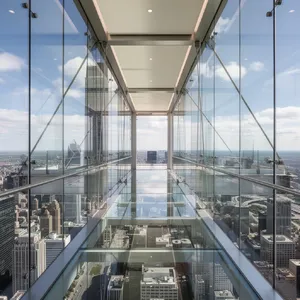
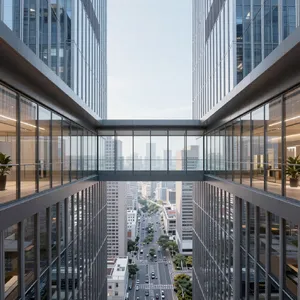
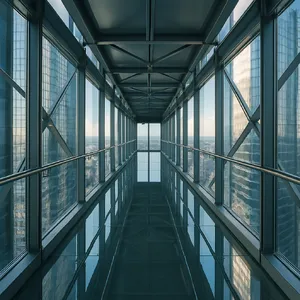
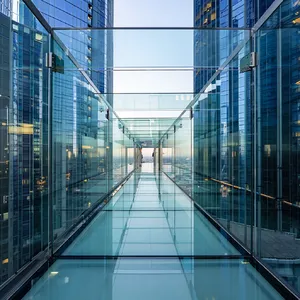
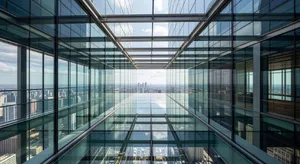
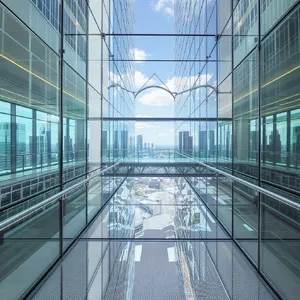
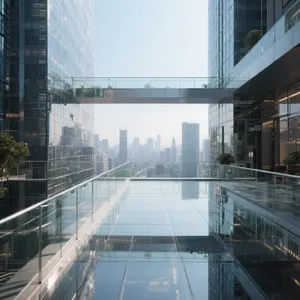
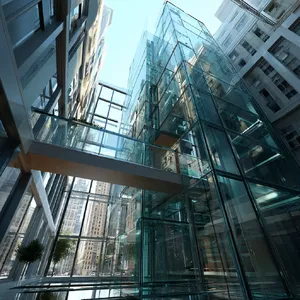
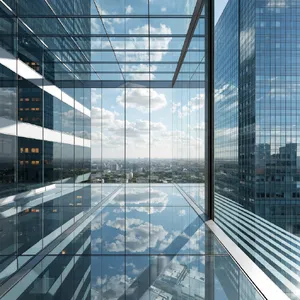
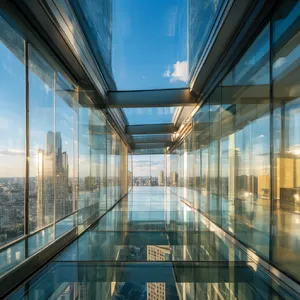
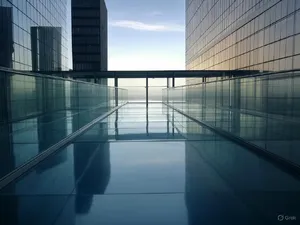
- Structural Implausibility: When tasked with complex engineering like the Glass Skybridge or the Modernist Desert Home, many models generated massive cantilevered concrete or glass spans with absolutely zero visible structural support.
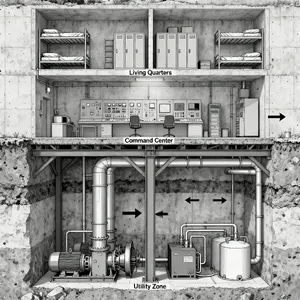
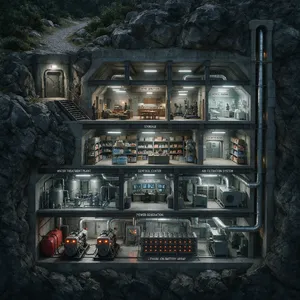
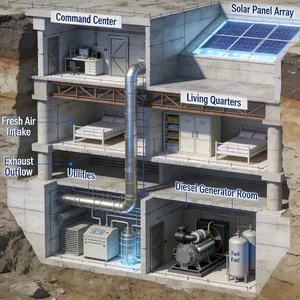
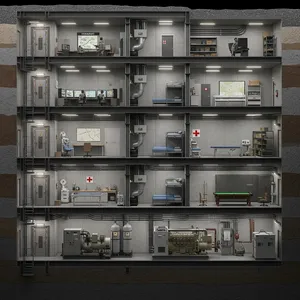
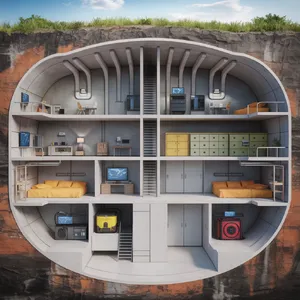
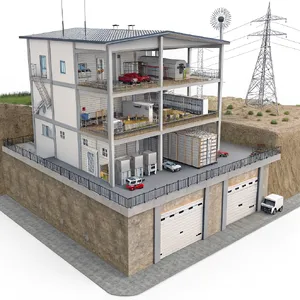
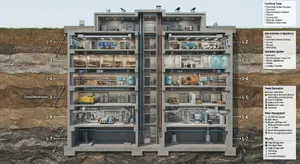
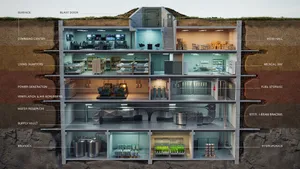
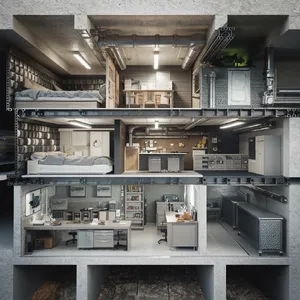
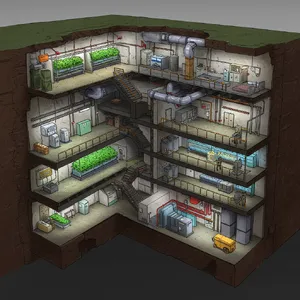
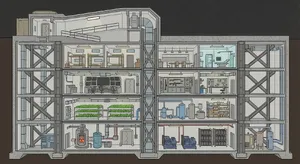
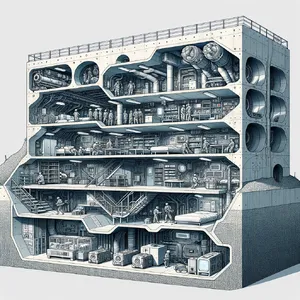
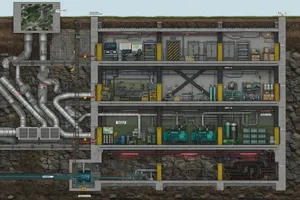
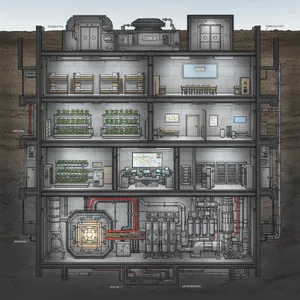
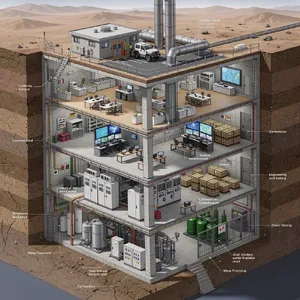
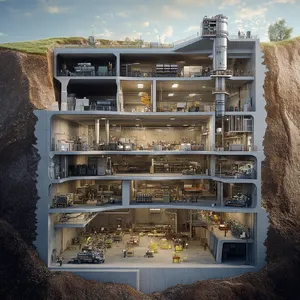
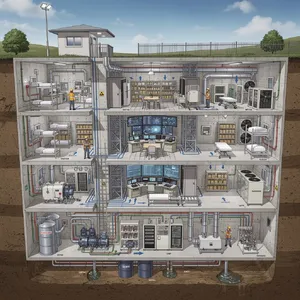
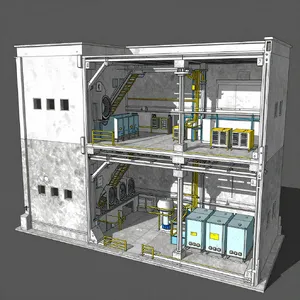
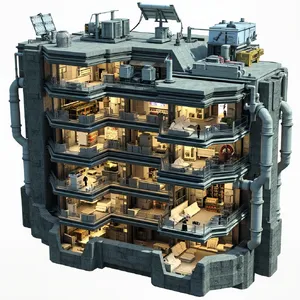
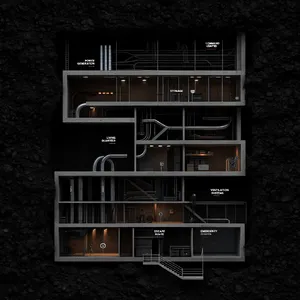
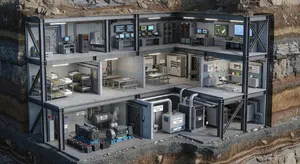
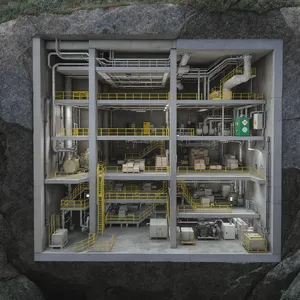
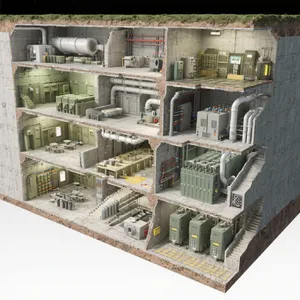
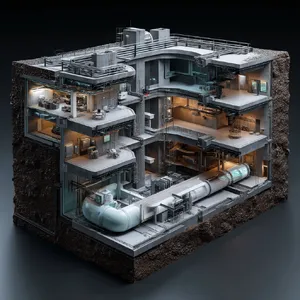
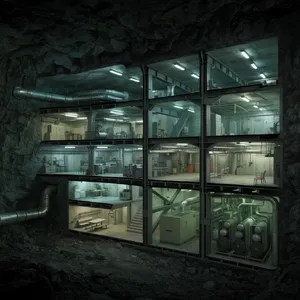
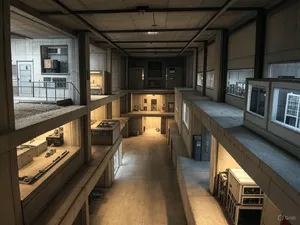
- The "Diagram" Trap: Prompts requesting cross-sections or isometric views, such as the Underground Bunker, often confused the AI. Models would either generate unreadable text labels, merge distinct functional rooms into one chaotic space, or create M.C. Escher-style impossible staircases.
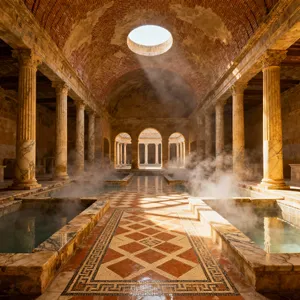
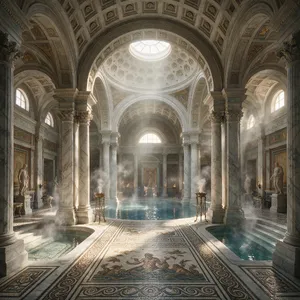
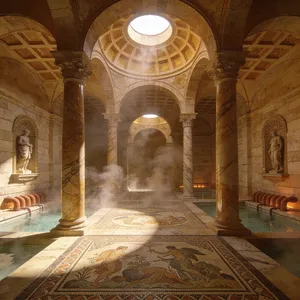
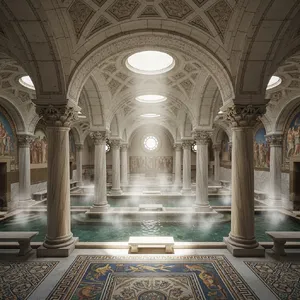
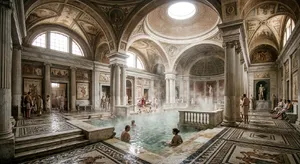
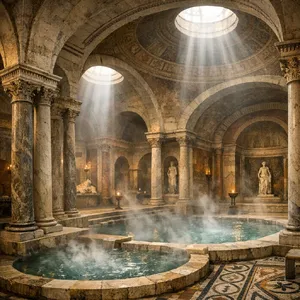
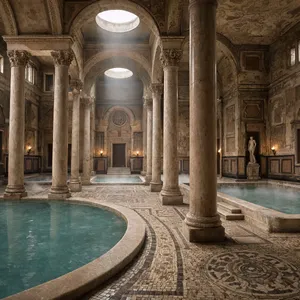
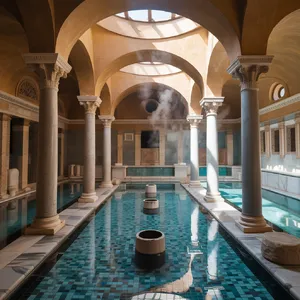
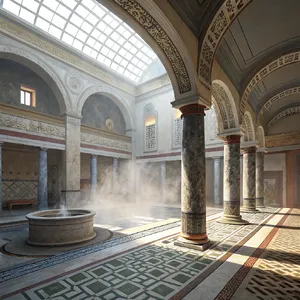
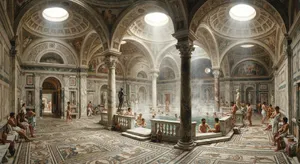
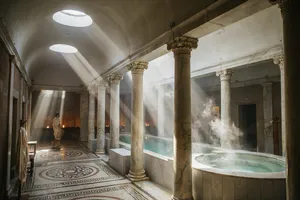
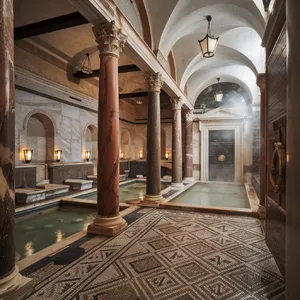
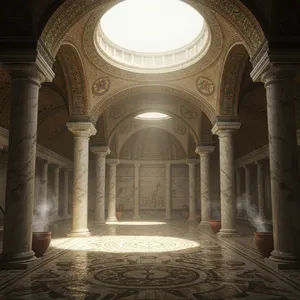
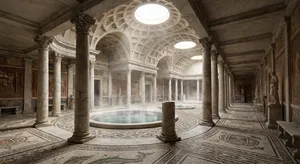
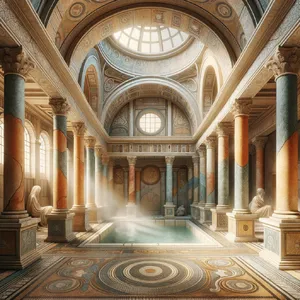
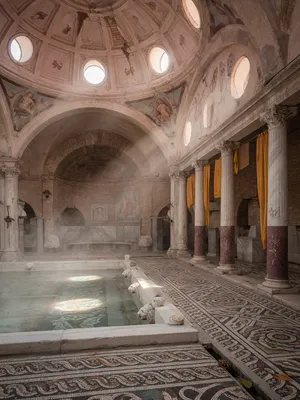
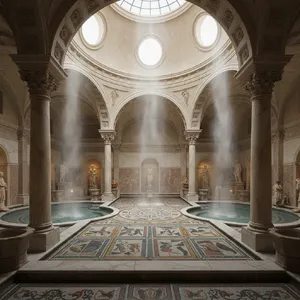
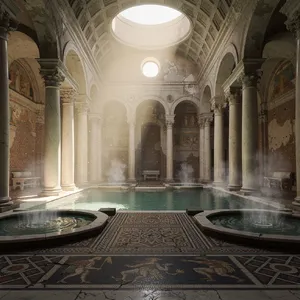
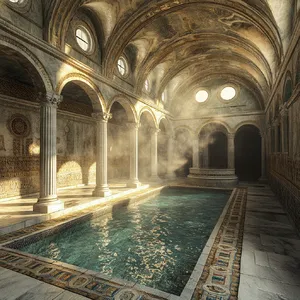
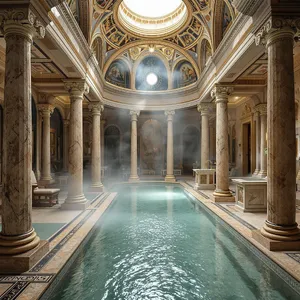
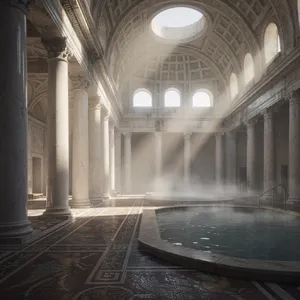
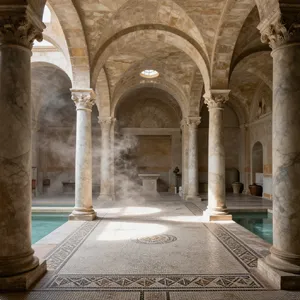
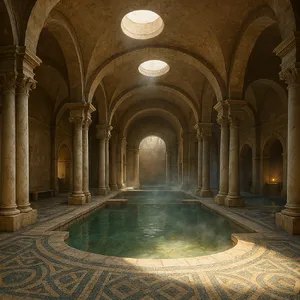
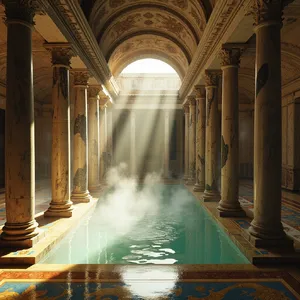
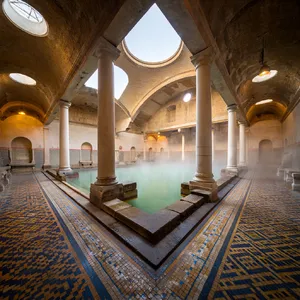
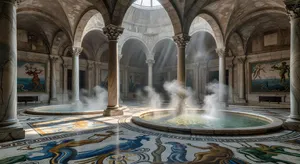
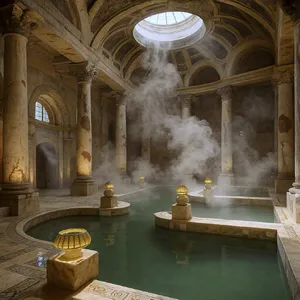
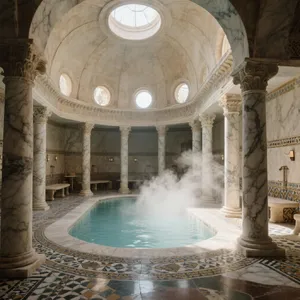
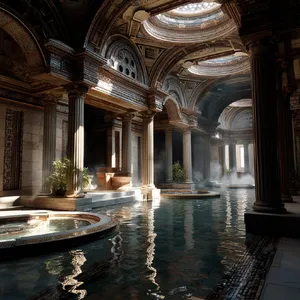
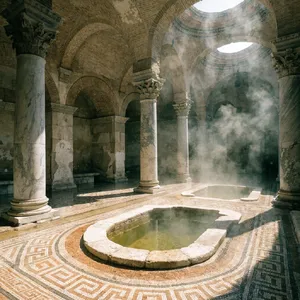
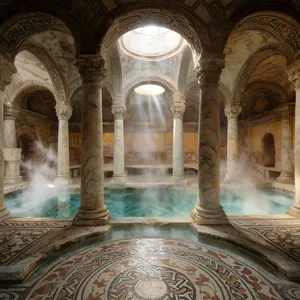
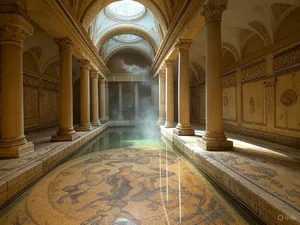
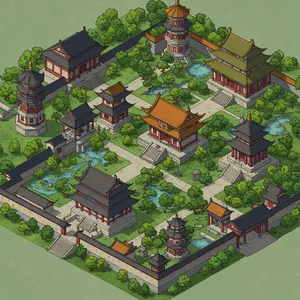
- Over-Stylization: Some models default to a "video game concept art" style rather than photorealism when faced with historical prompts, rendering the Roman Bathhouse as a fantasy dungeon rather than an archaeological reconstruction.
🔗 Prompt Correlation
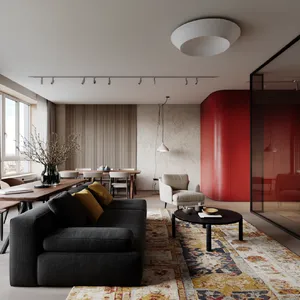
Prompts that relied heavily on mood and interior styling (like the Riad and the Cathedral) saw much higher average scores than prompts requiring rigid spatial organization (like the Bunker or the Machiya Townhouse). AI is currently better at decorating a space than engineering one.
🎯 Best Models by Architectural Use Case
Depending on what you are trying to design or visualize, different models have distinct superpowers. Here is a breakdown of the best tools for specific architectural scenarios:
🛋️ Photorealistic Interior Design
If your goal is high-end interior visualization, mood boarding, or real estate staging:
📐 Technical Diagrams & Cutaways
Creating orthographic sections, isometric layouts, and labeled diagrams is incredibly difficult for AI, but a few models rise to the challenge:
🏛️ Historical & Cultural Reconstructions
For recreating ancient temples, traditional courtyards, or classical architecture with ornate, culturally specific detailing:
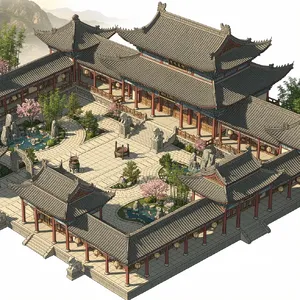
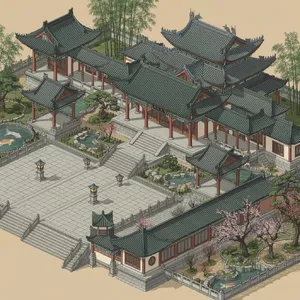
- Top Picks: Seedream 5.0 Pro, Nano Banana 2, Ideogram 4.0 (Quality)
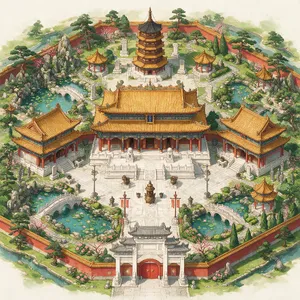
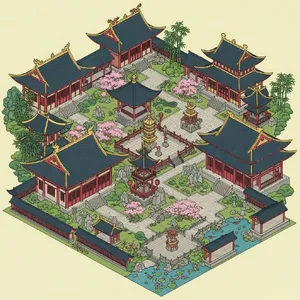
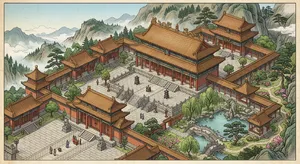
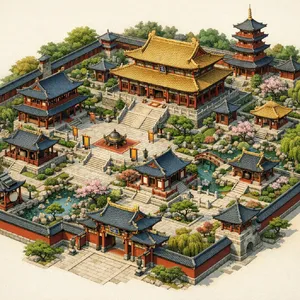
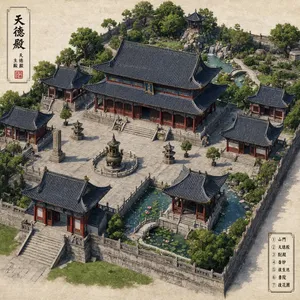
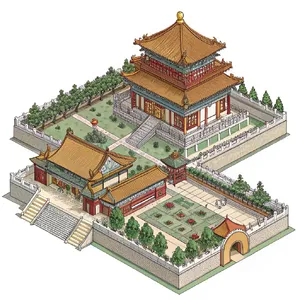
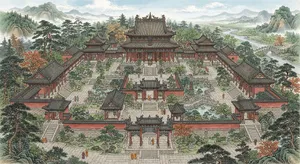
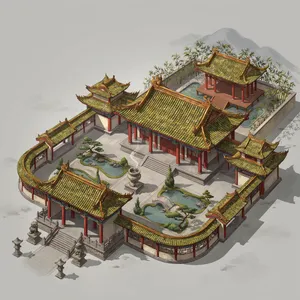
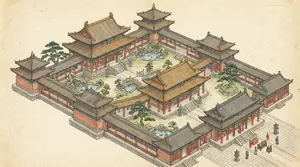
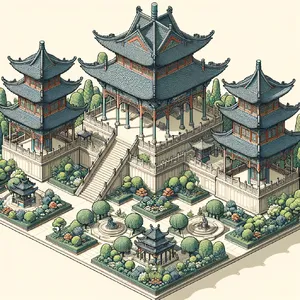
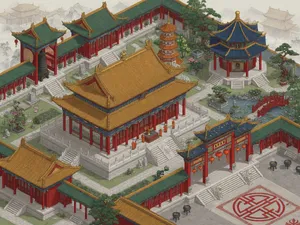
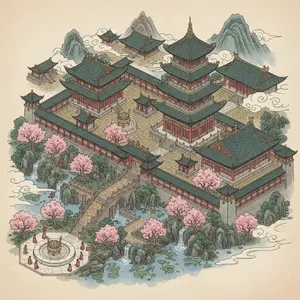
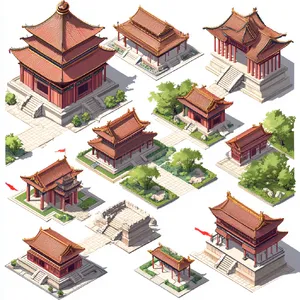
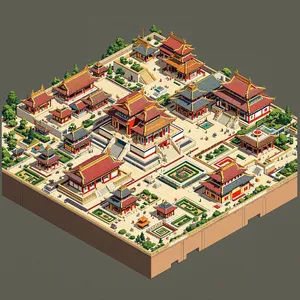
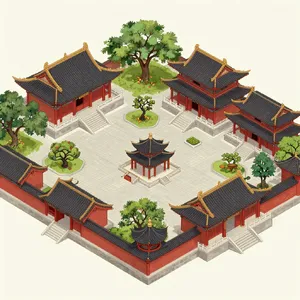
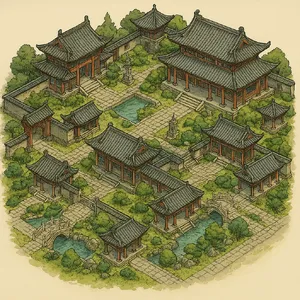
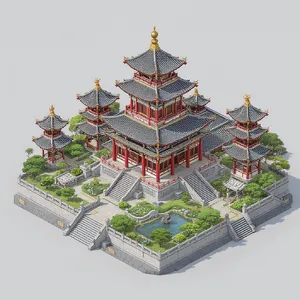
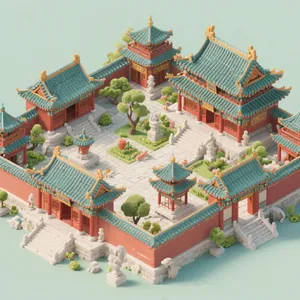
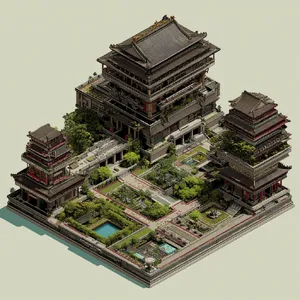
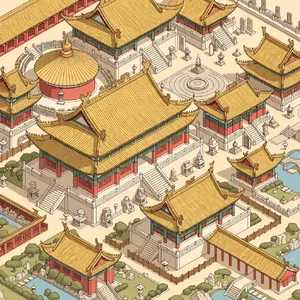
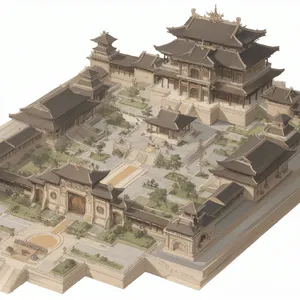
- Why: They excel at managing high-density details without creating visual "noise". They accurately reproduced complex ribbed vaulting, Chinese roof bracketing, and Moroccan tilework. For instance, Seedream 5.0 Pro generated breathtaking historical depth in the Chinese Temple.
🚀 Speculative & Sci-Fi Architecture
When designing futuristic space habitats or conceptual mega-structures:
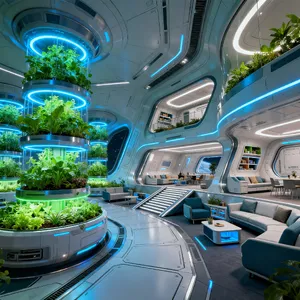
- Top Picks: Ideogram V2, Seedream 4.0
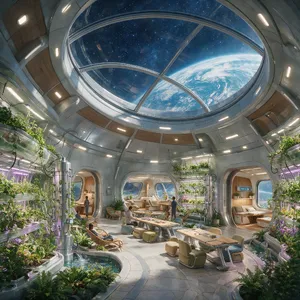
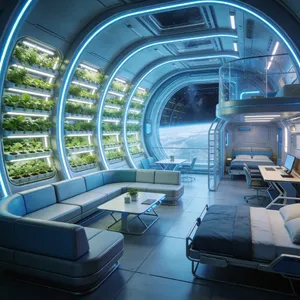
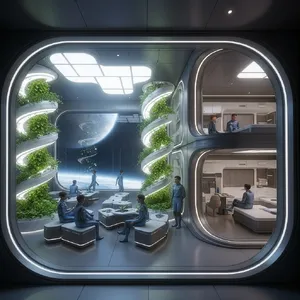
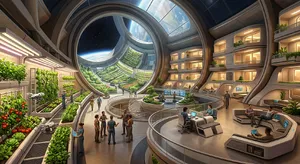
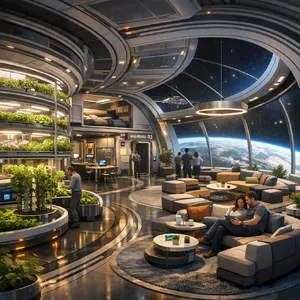
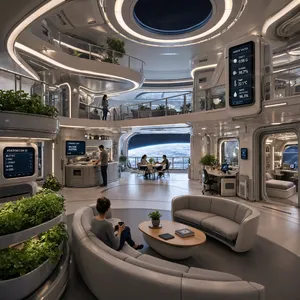
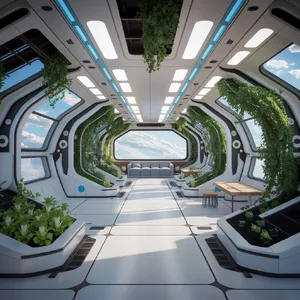
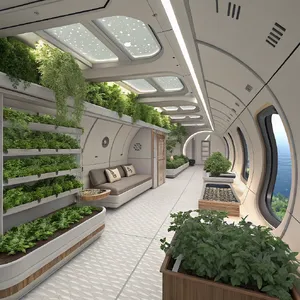
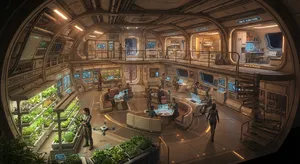
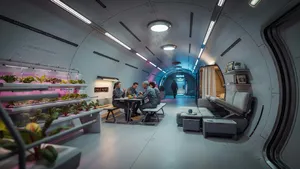
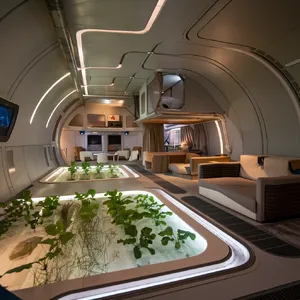
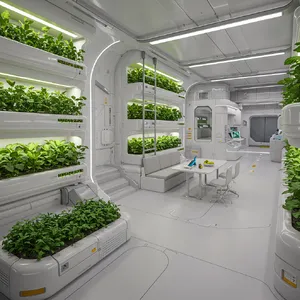
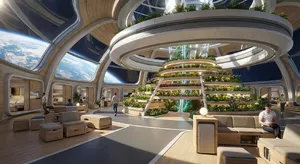
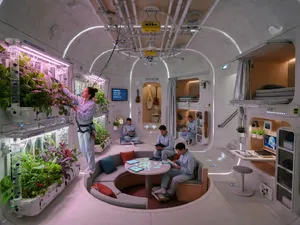
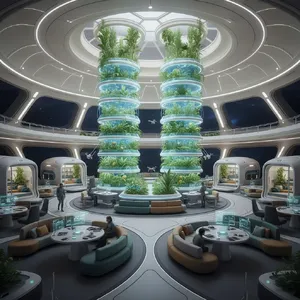
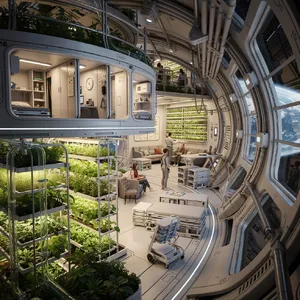
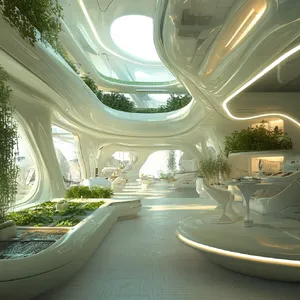
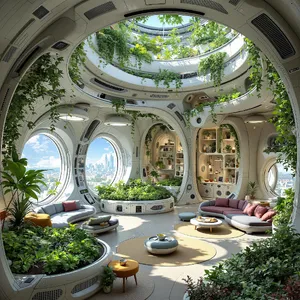
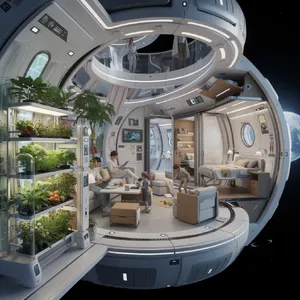
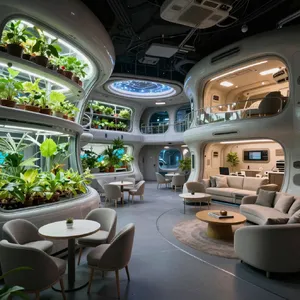
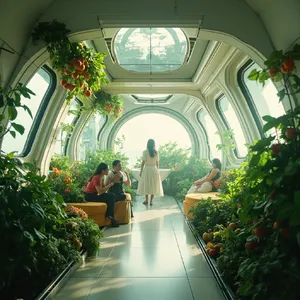
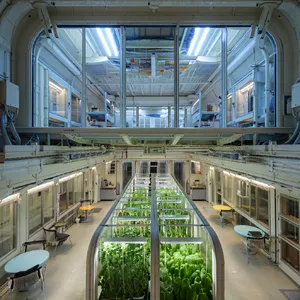
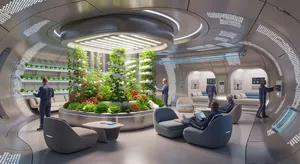
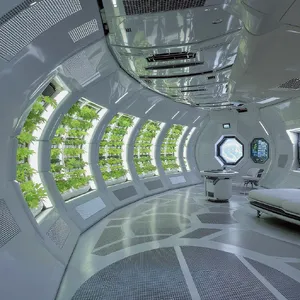
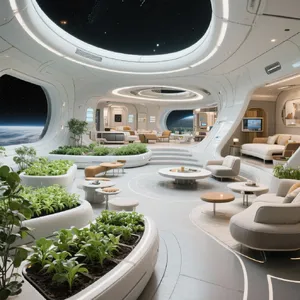
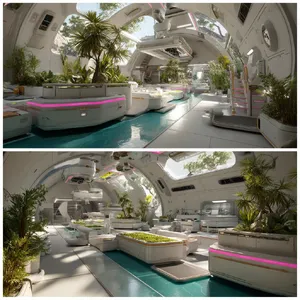
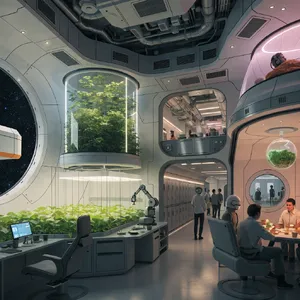
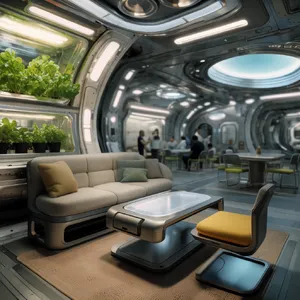
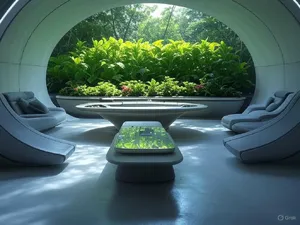
- Why: These models are highly imaginative while maintaining enough functional logic (like hydroponic lighting and curved pressure-walls) to make the space feel grounded and believable. Take a look at this Space Habitat by Ideogram V2 to see excellent futuristic spatial planning.