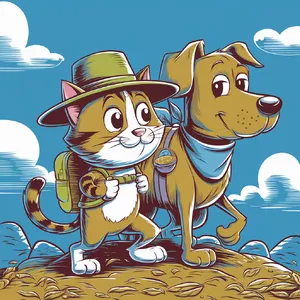
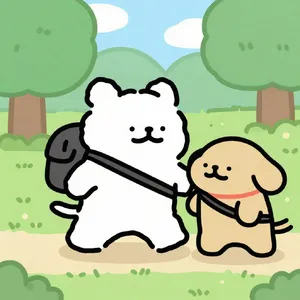
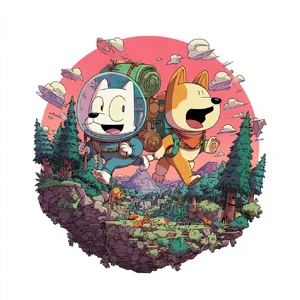
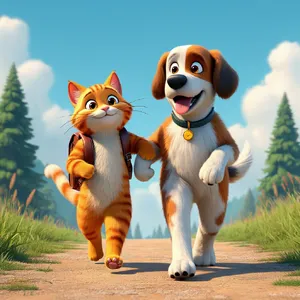
Summary for Anime & Cartoon Style
Welcome to the deep dive into the Anime & Cartoon Style category! 🎨 This analysis reveals fascinating insights into how modern AI models handle the stylized, expressive, and highly specific world of 2D animation, anime, and comic books.
Here are the top-level discoveries:
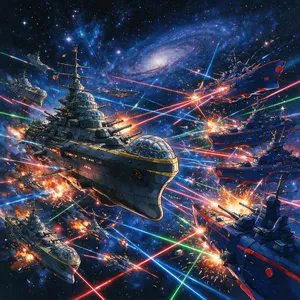
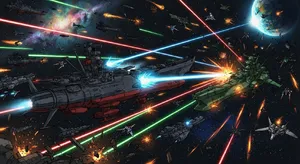
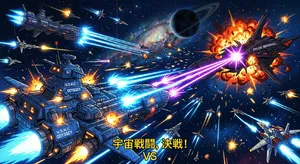
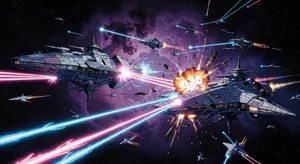
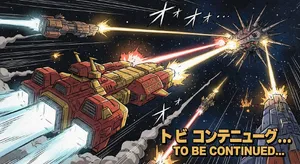
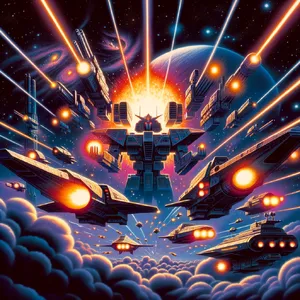
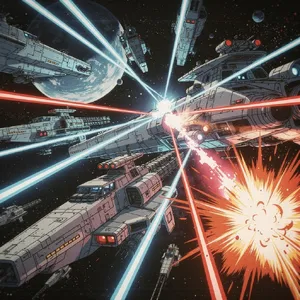
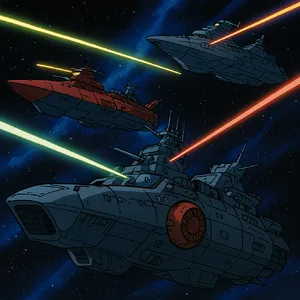
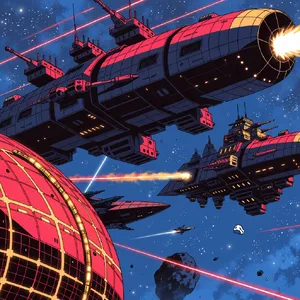
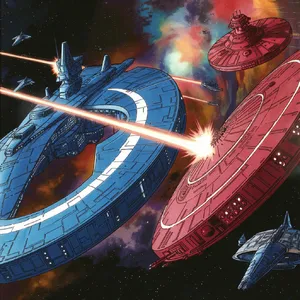
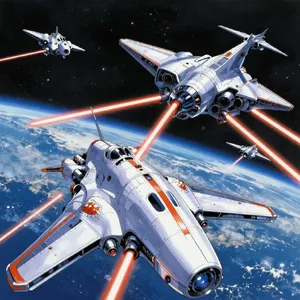
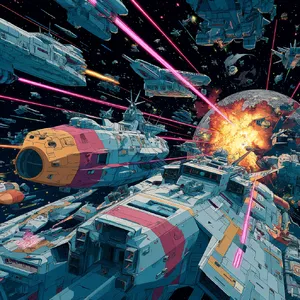
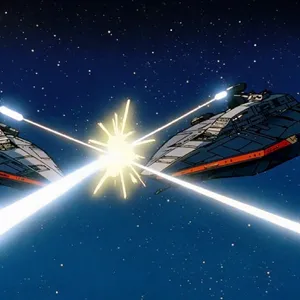
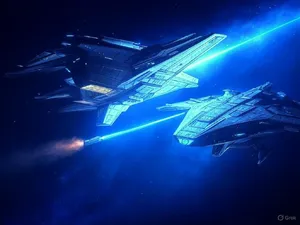
- The Heavyweights: Grok Imagine 2.0 (Preview), Nano Banana 2 Lite, and Imagen 4.0 Ultra consistently topped the charts. They showcased incredible versatility, mastering everything from vintage halftone comics to 90s space operas.
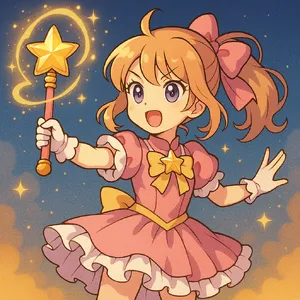
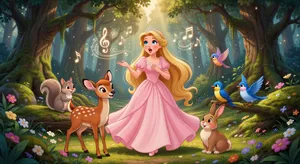
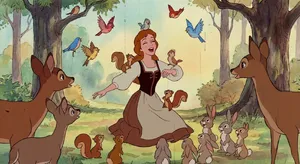
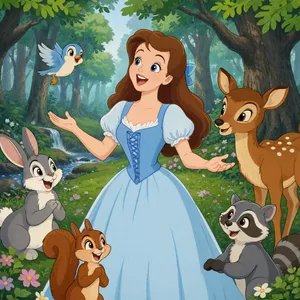
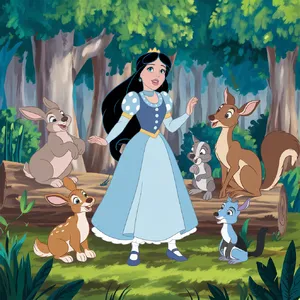
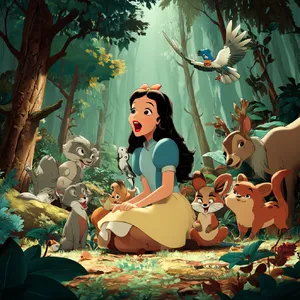
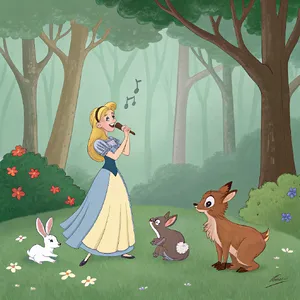
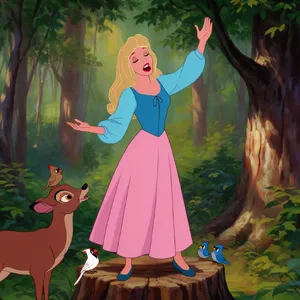
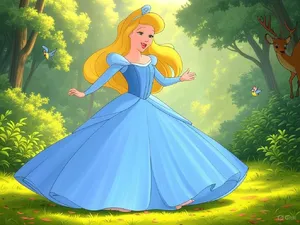
- The 3D Gloss Trap: A major trend across the board is the AI tendency to "over-polish." When asked for flat cel-shading or classic Disney-like 2D, many models stubbornly produced glossy, modern 3D renders instead.
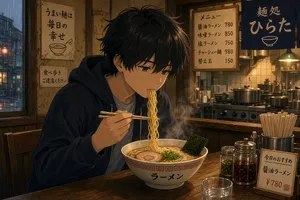
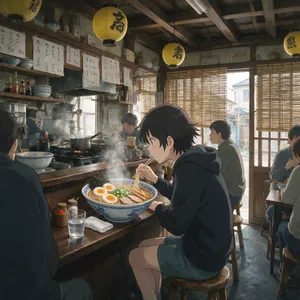
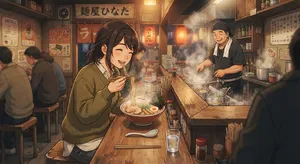
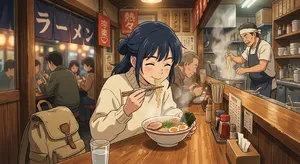
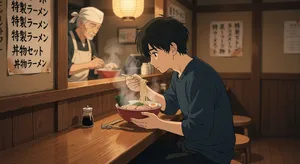
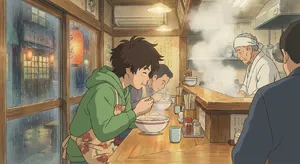
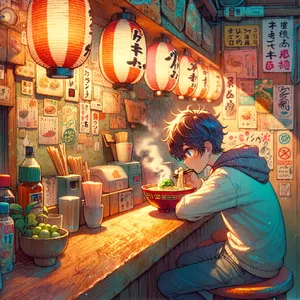
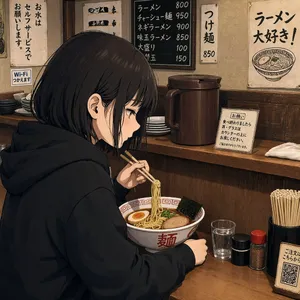
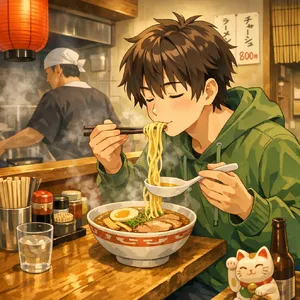
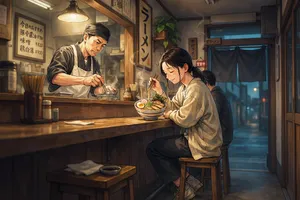
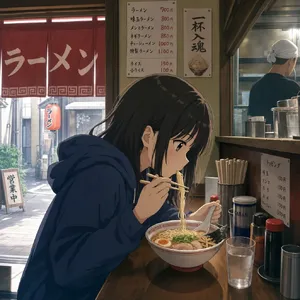
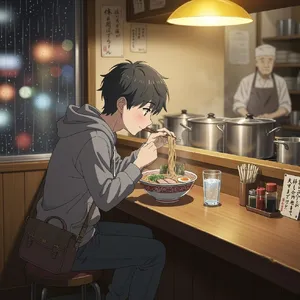
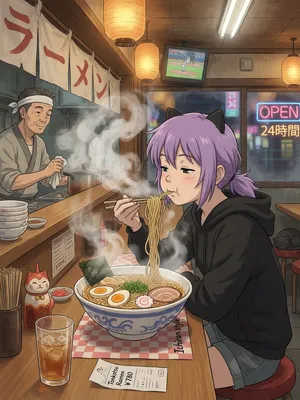
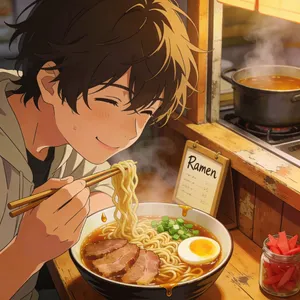
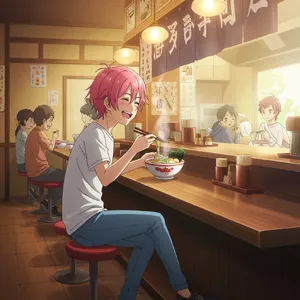
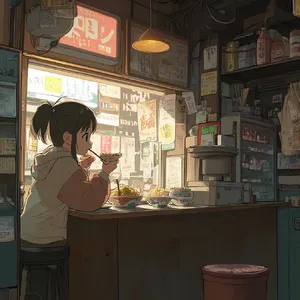
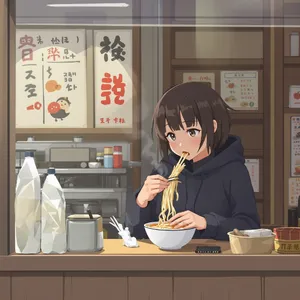
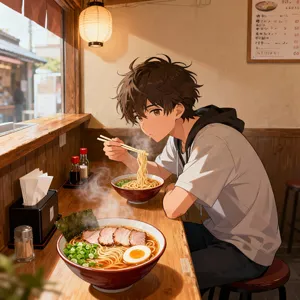
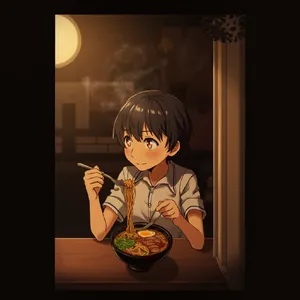
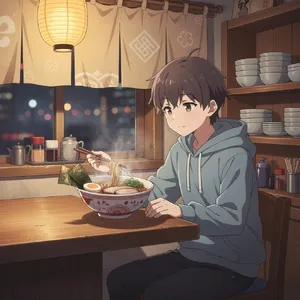
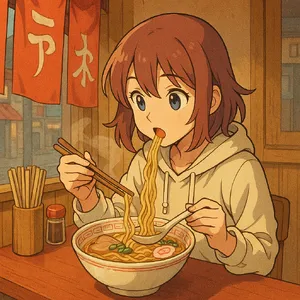
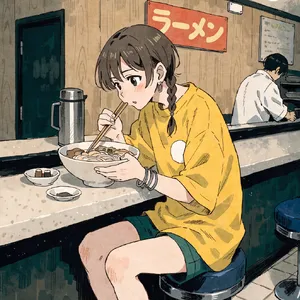
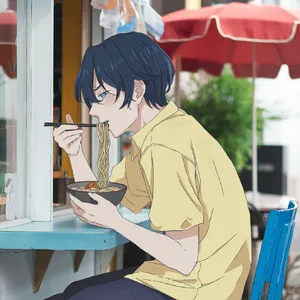
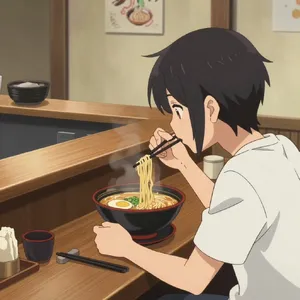
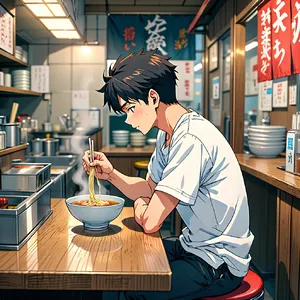
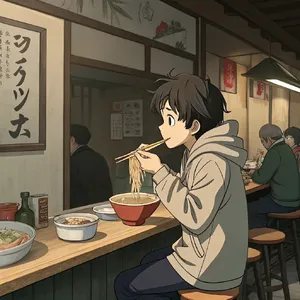
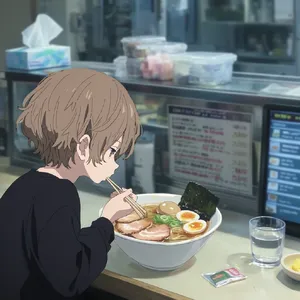
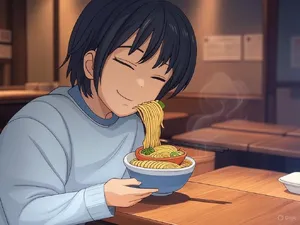
- The Interaction Struggle: Models generally struggled with complex physical interactions. Eating noodles with chopsticks or wrestling over a prop often resulted in merged hands or floating objects.
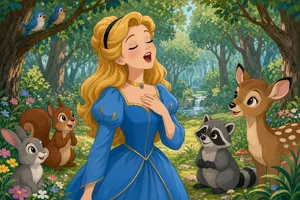
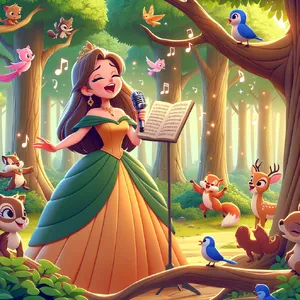
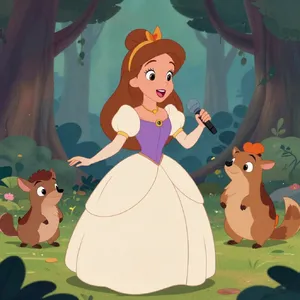
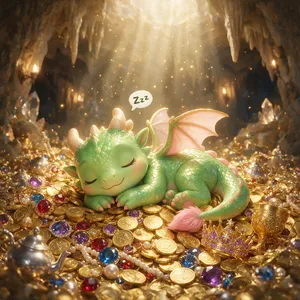
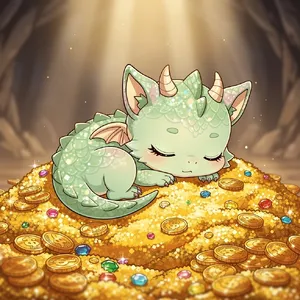
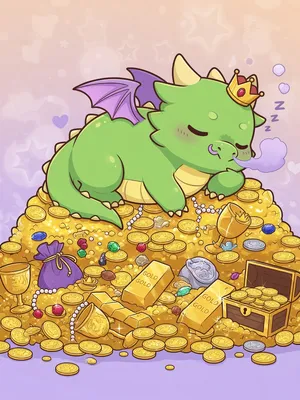
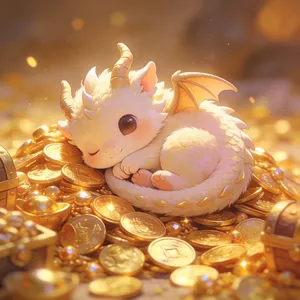
- Surprising Extremes: DALL-E 3 achieved a flawless
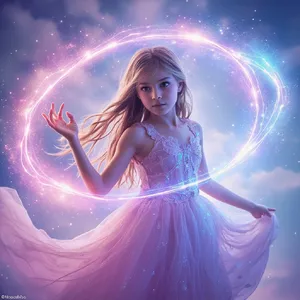
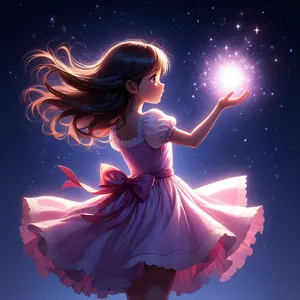
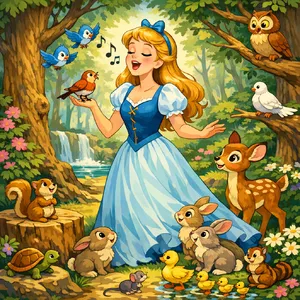
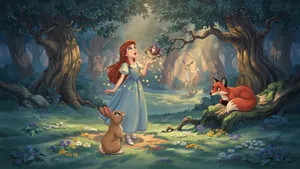
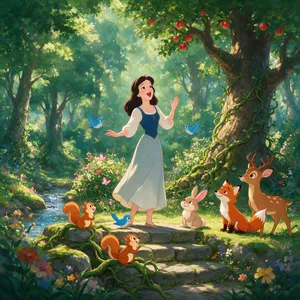
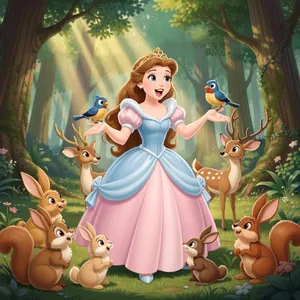
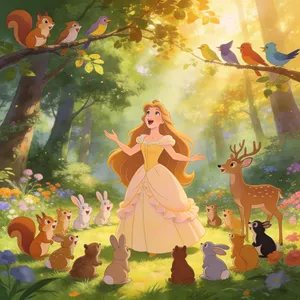
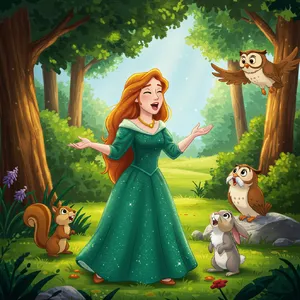
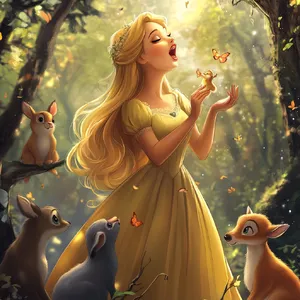
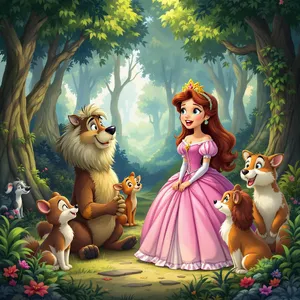
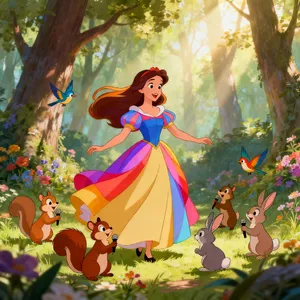
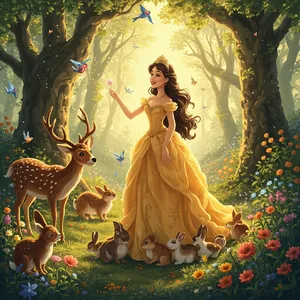
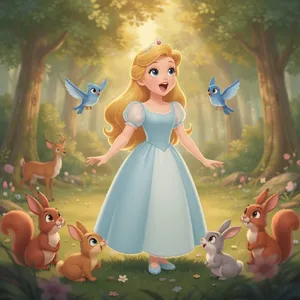
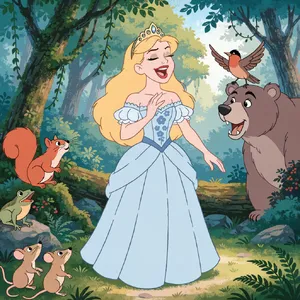
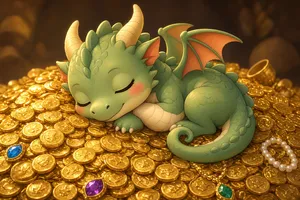
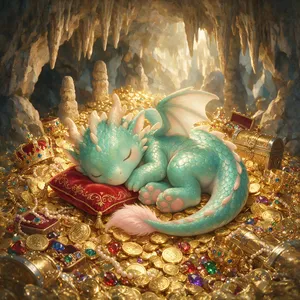
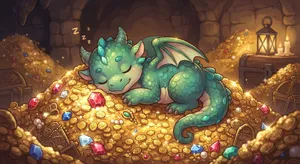
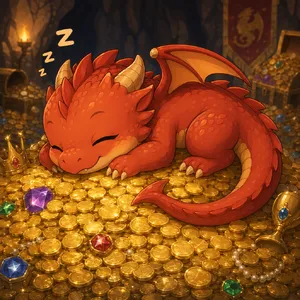
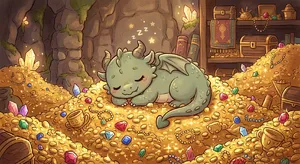
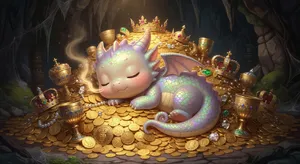
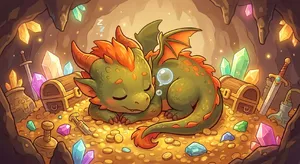
10/10 on the Chibi Dragon prompt, but scored a dismal 4/10 on the Disney Princess prompt by rendering a 3D girl with an anachronistic microphone!
Quick Reference Guide: If you need high-end anime aesthetics, rely on the Nano Banana family and Grok Imagine 2.0. For pure retro authenticity, Imagen 4.0 Ultra is your best bet.
General Analysis & Useful Insights
Diving deeper into the data, several key patterns emerge regarding how AI image generators interpret cartoon and anime styling.
Comparative Strengths Across Models 🚀
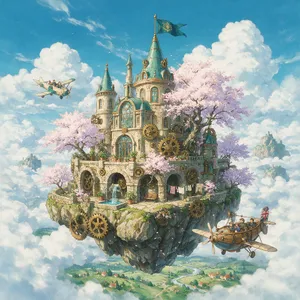
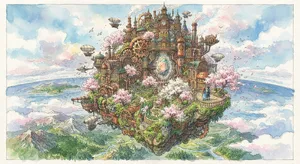
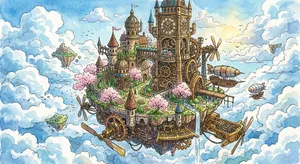
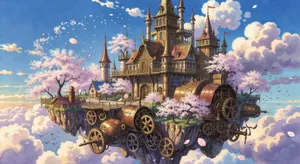
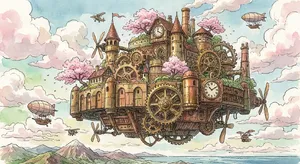
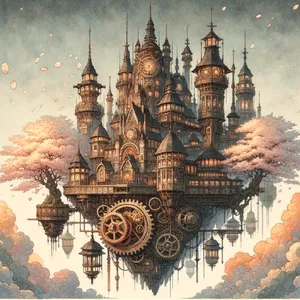
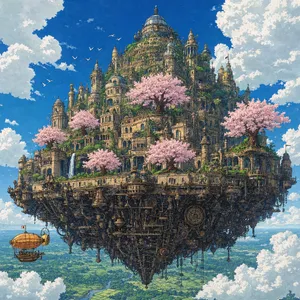
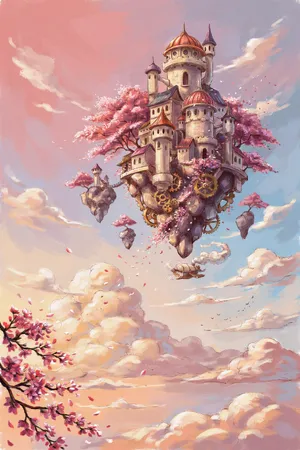
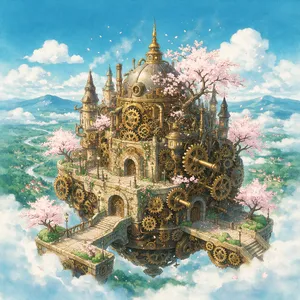
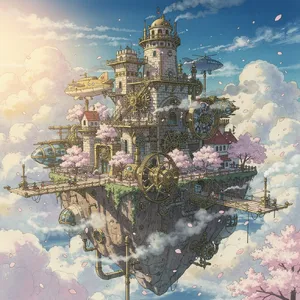
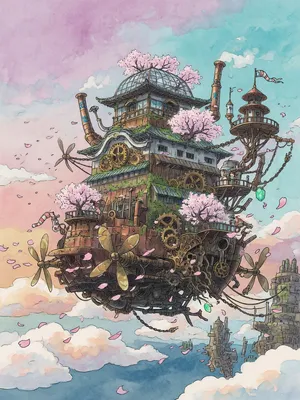
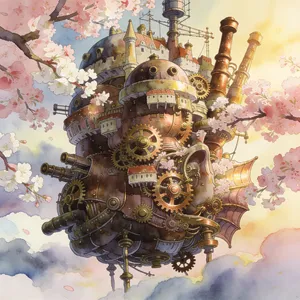
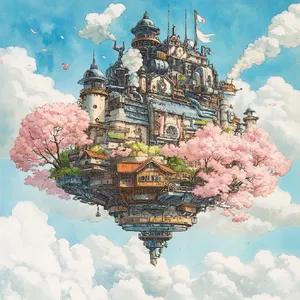
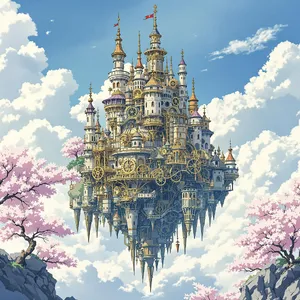
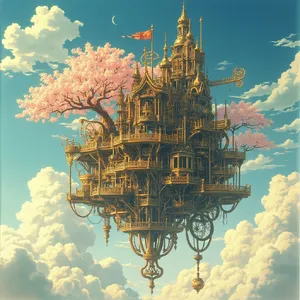
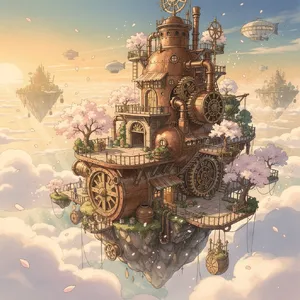
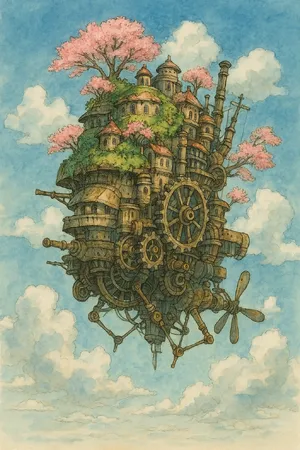
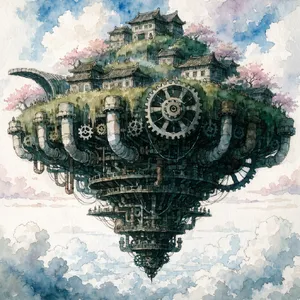
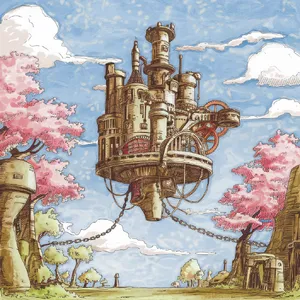
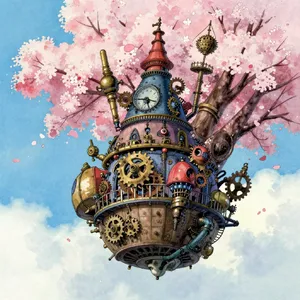
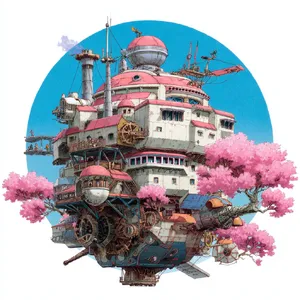
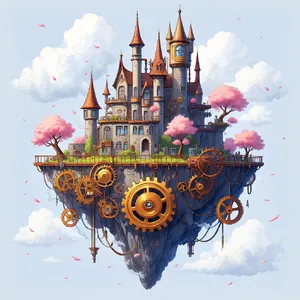
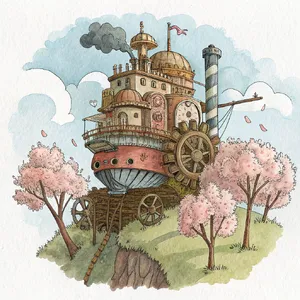
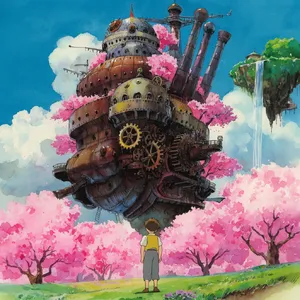
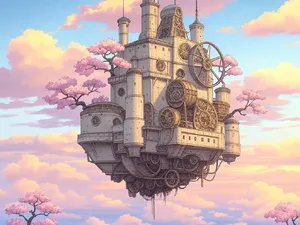
- Environmental Storytelling: Models like Nano Banana 2 and Seedream 5.0 Pro excel at world-building. In prompts like the Steampunk Castle, these models created sweeping, intricate backgrounds filled with airships, gardens, and tiny figures that invited exploration.
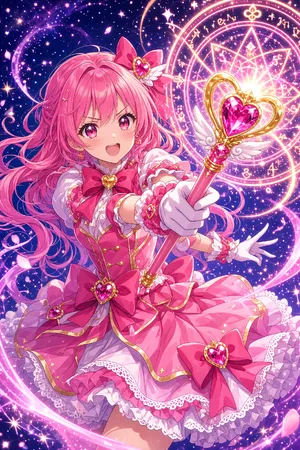
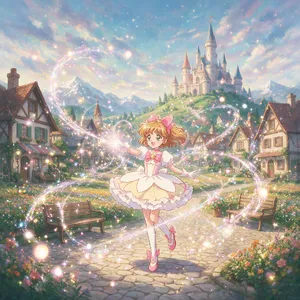
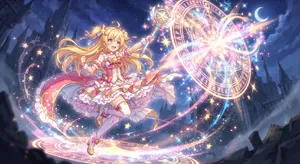
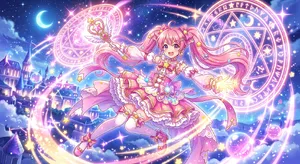
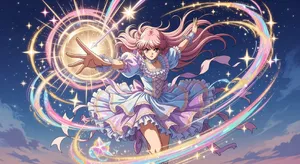
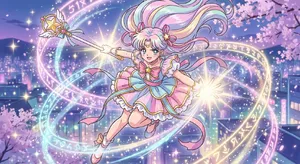
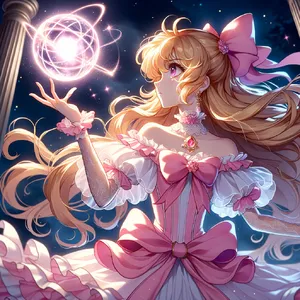
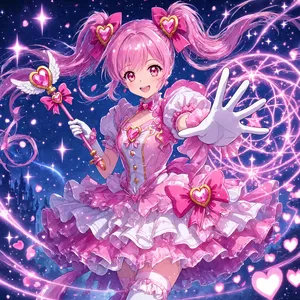
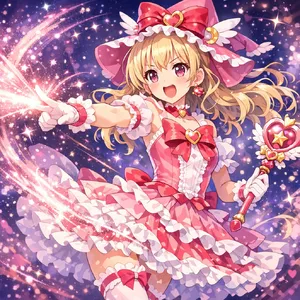
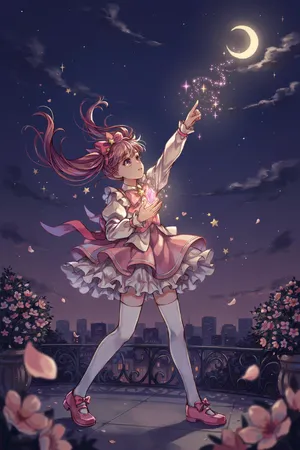
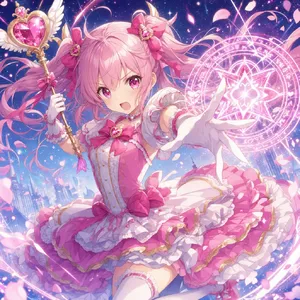
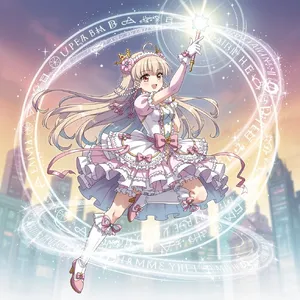
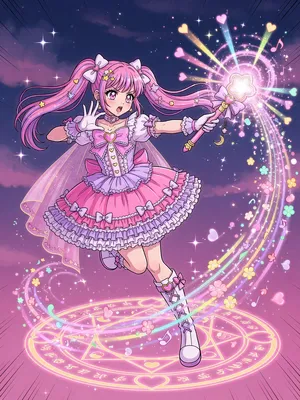
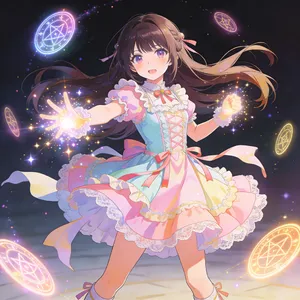
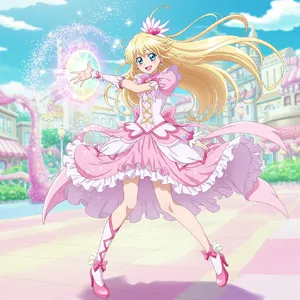
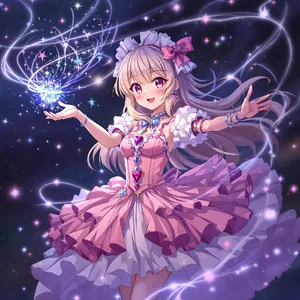
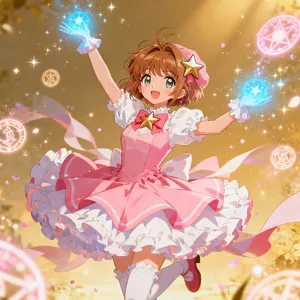
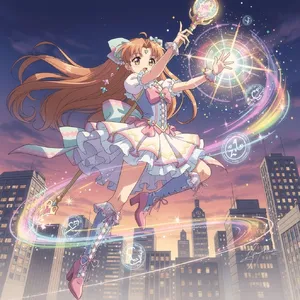
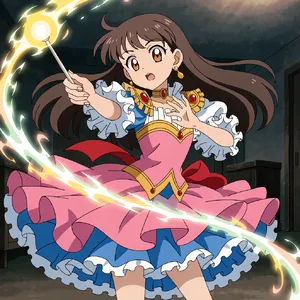
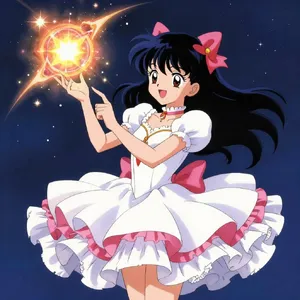
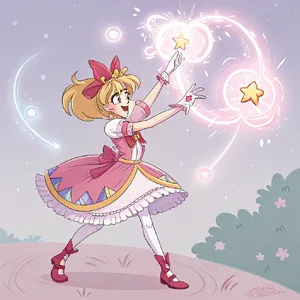
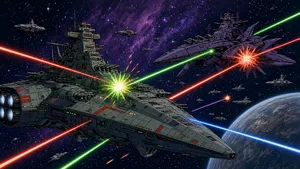
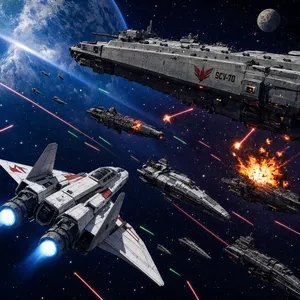
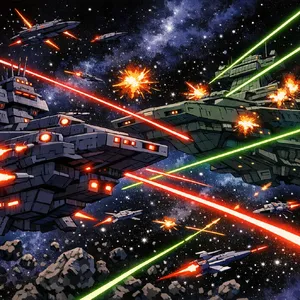
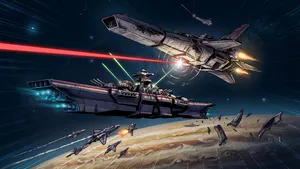
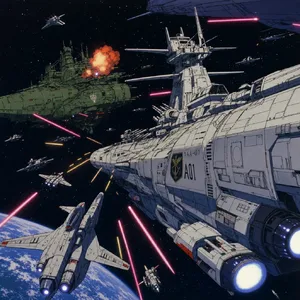
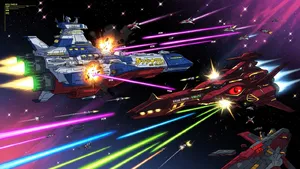
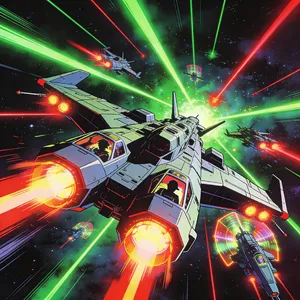
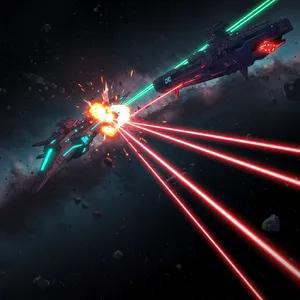
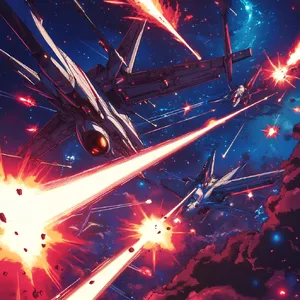
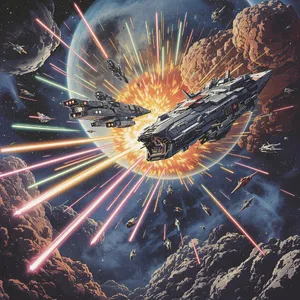
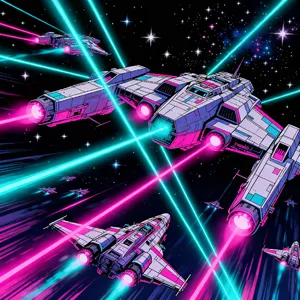
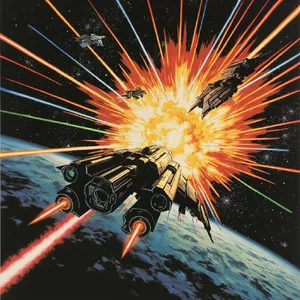
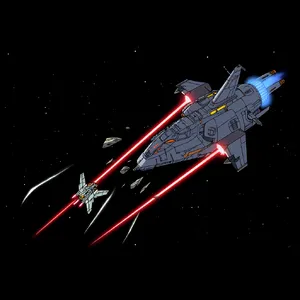
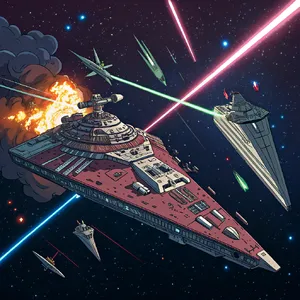
- Authentic Era Emulation: Imagen 4.0 Ultra has an uncanny ability to replicate specific eras of animation. Its Space Battle and Magical Girl generations perfectly mimicked 90s cel-animation line weights and coloring.
Common Failure Modes & Limitations ⚠️
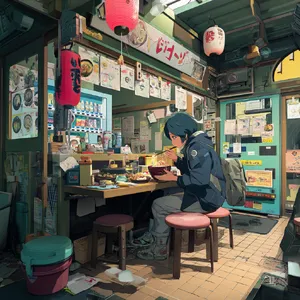
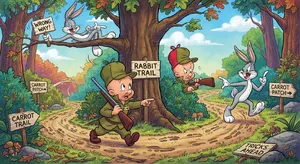
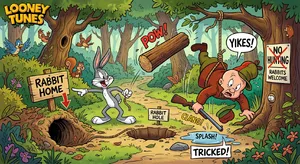
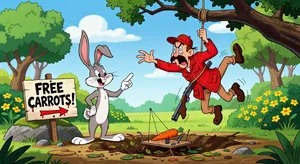
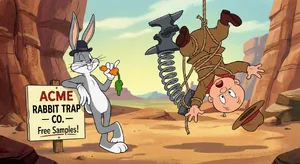
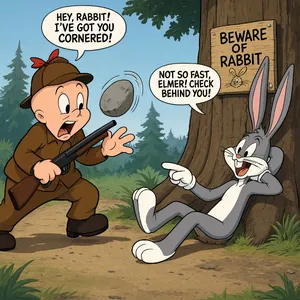
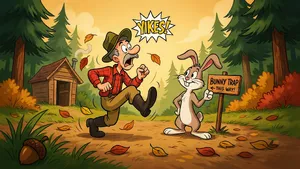
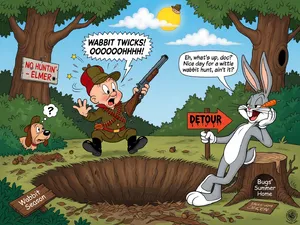
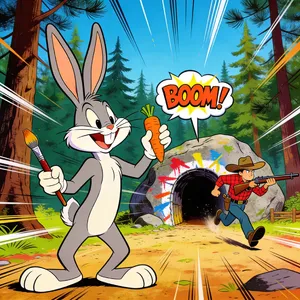
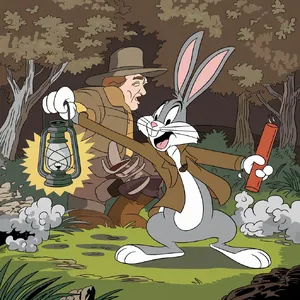
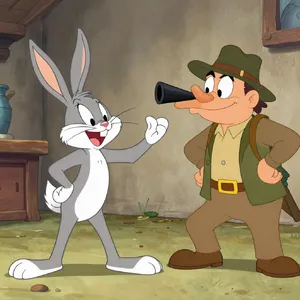
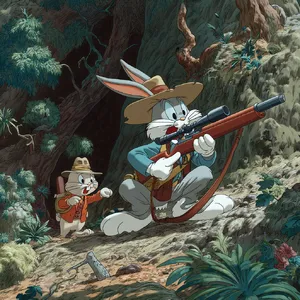
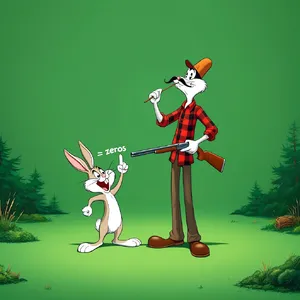
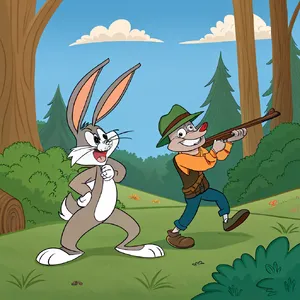
- Anatomical Hallucinations: Complex interactions break the illusion. In the Ramen Shop prompt, many mid-tier models generated floating chopsticks or fused hands. Similarly, in the Looney Tunes trap scenes, the mechanical logic of ropes, pulleys, and anvils often resulted in nonsensical, Escher-like geometry.
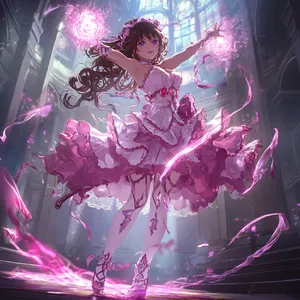
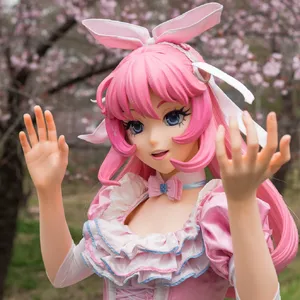
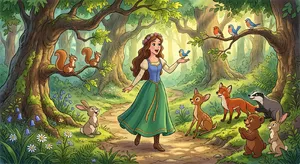
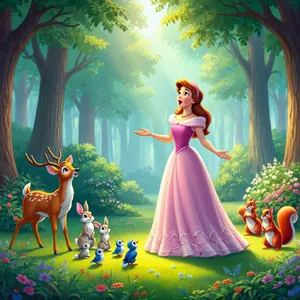
- Stylistic Bleed: The biggest hurdle for AI in this category is resisting the urge to over-render. When asked for a Disney Princess in a 2D style, models like FLUX.1 Kontext Max and Midjourney V6.1 produced highly detailed, digitally painted 3D characters. They look beautiful, but they fail the stylistic constraint of the prompt.
Prompt Correlations 📊
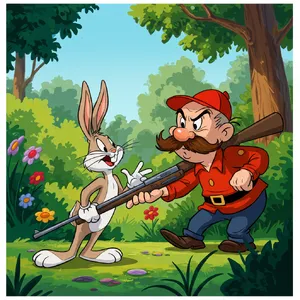
- Static vs. Kinetic: Models scored much higher on static portraits (e.g., Chibi Dragon) than on kinetic action scenes requiring precise comedic timing or logic (e.g., Looney Tunes).
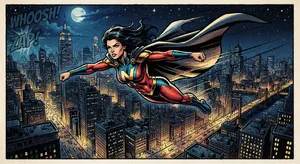
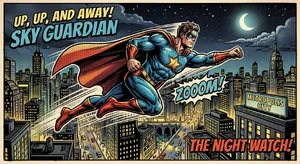
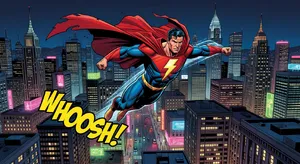
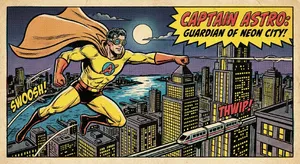
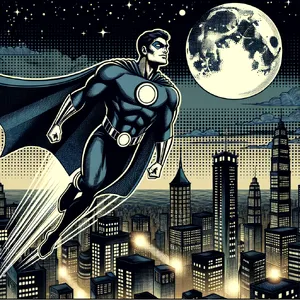
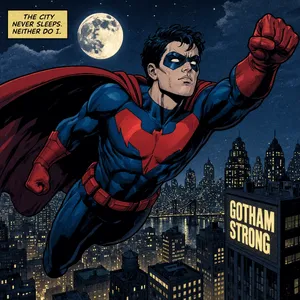
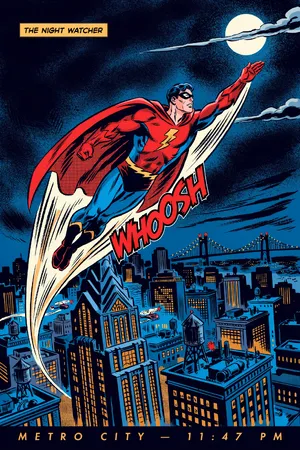
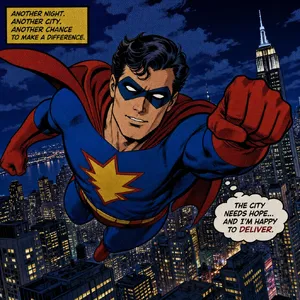
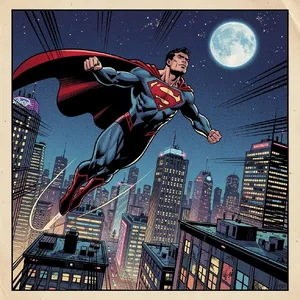
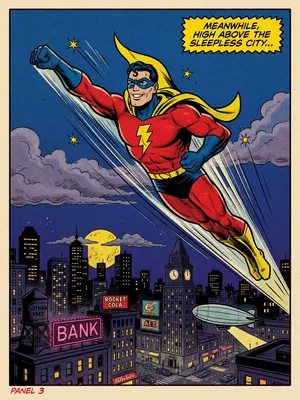
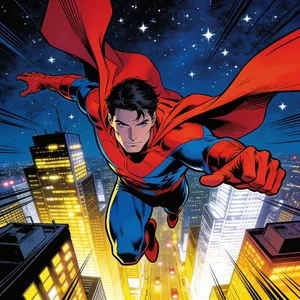
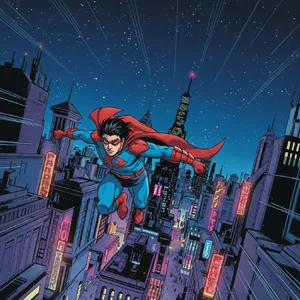
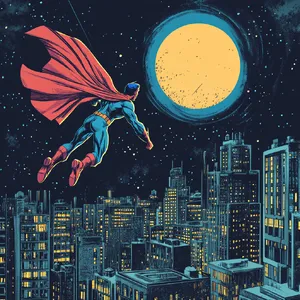
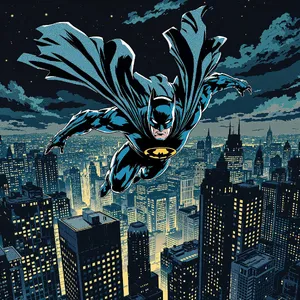
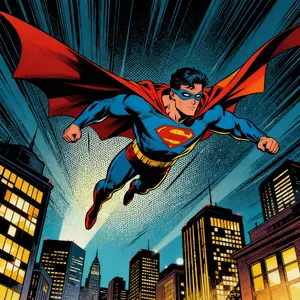
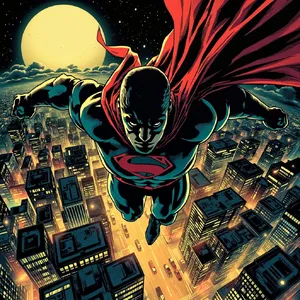
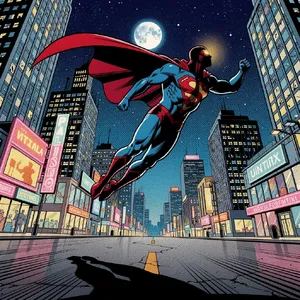
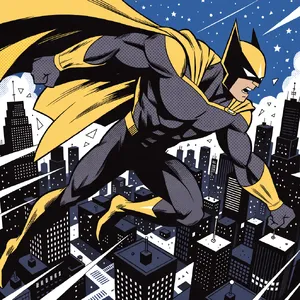
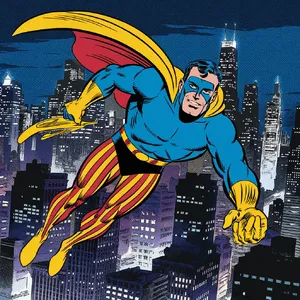
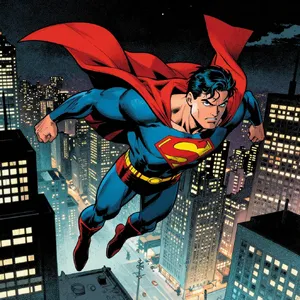
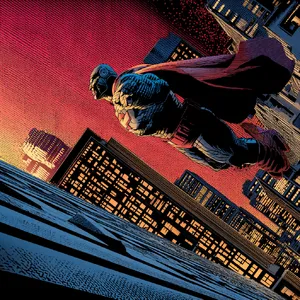
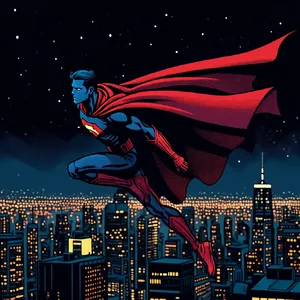
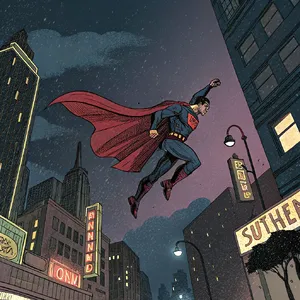
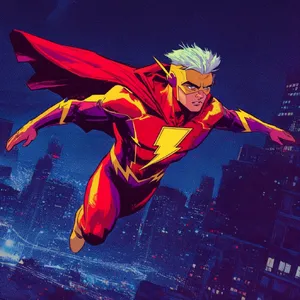
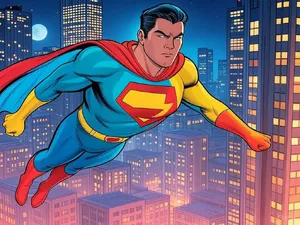
- Visual Noise: When generating highly detailed action, like the Superhero prompt, models occasionally suffered from "visual noise," where capes, motion lines, and cityscapes merged into confusing, unreadable blobs.
Best Model Analysis by Use Case
Different artistic intents require different models. Here is a breakdown of the best tools for specific anime and cartoon sub-genres:
1. Vintage & 90s Retro Anime 📺
If you want to capture the nostalgic glow of 1990s television animation, Imagen 4.0 Ultra is the undisputed champion.
- Why it wins: It understands flat cel-shading, vintage color palettes, and period-accurate special effects (like hand-drawn laser beams). It scored a perfect
10/10 on the Space Battle and Magical Girl prompts.
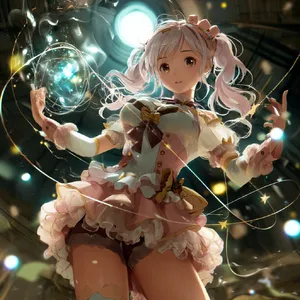
- Runner up: Nano Banana 2 Lite is fantastic for classic anime character design and magical atmospheric effects.
2. Western 2D & Classic Cartoon Humor 🐰
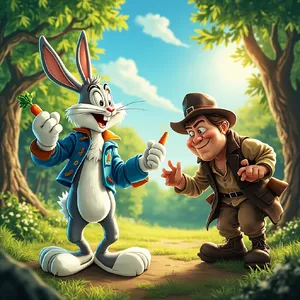
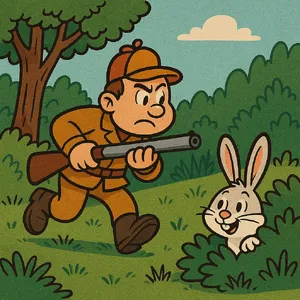
For capturing the essence of classic American theatrical cartoons (think Looney Tunes or old-school Disney), you need models that understand expressive poses and visual gags.
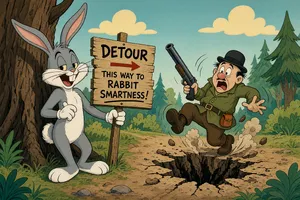
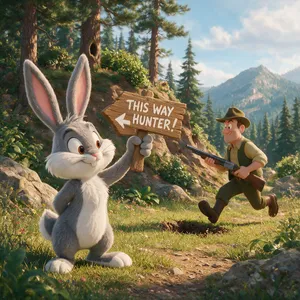
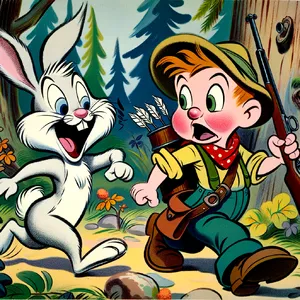
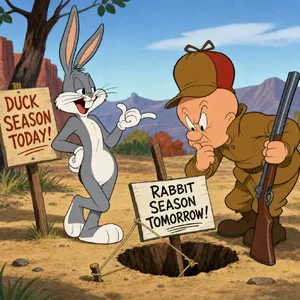
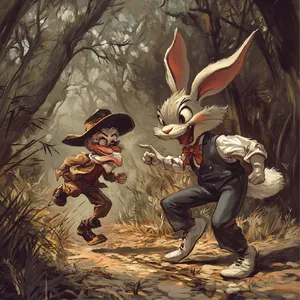
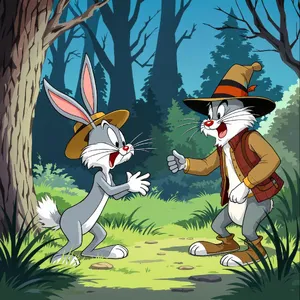
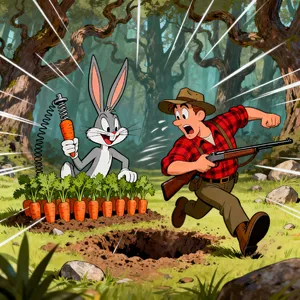
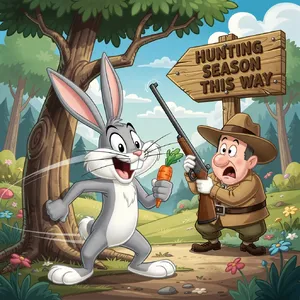
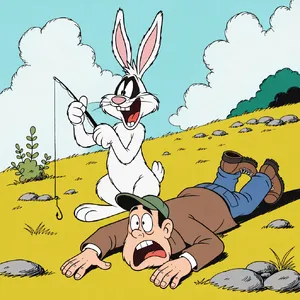
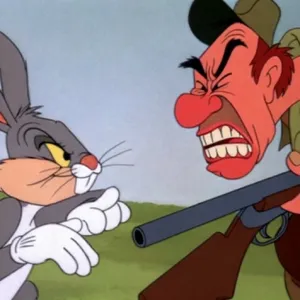
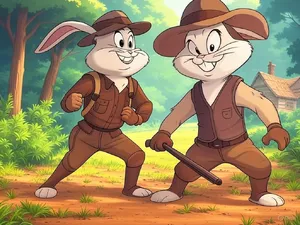
- Why it wins: Grok Imagine 2.0 (Preview) scored brilliantly on the Looney Tunes prompt. It successfully rendered a slapstick visual joke (a hunter falling into a pit) with excellent comedic timing and elastic, hand-drawn-style expressions.
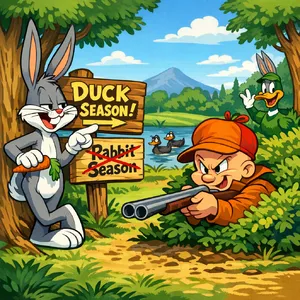
- Runner up: GPT Image 1.5 did a fantastic job executing the classic "Duck Season/Rabbit Season" sign gag with great character staging.
3. Comic Book & Halftone Aesthetics 💥
Generating authentic printed comic book pages requires high contrast, dynamic forced perspective, and a mastery of halftone dot shading.
- Why it wins: Grok Imagine 2.0 (Preview) and Nano Banana 2 Lite both delivered masterclasses on the Superhero prompt. They perfectly integrated heavy ink lines, dramatic foreshortening, and actual halftone grain rather than just slapping a cheap digital filter over a 3D image.
4. Kawaii & Chibi Mascot Design 🐉
When the goal is pure, unadulterated cuteness with high commercial polish, you want models that handle rounded proportions and soft lighting well.
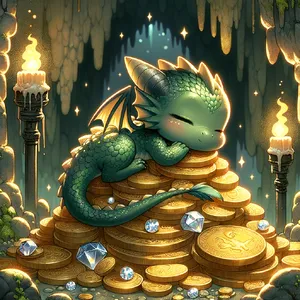
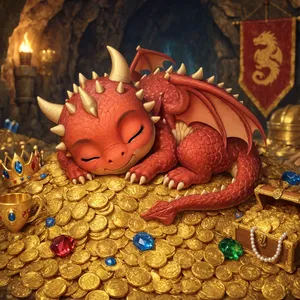
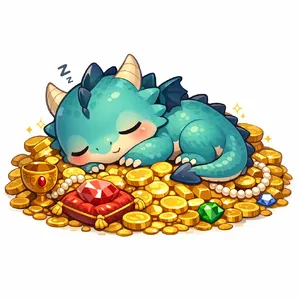
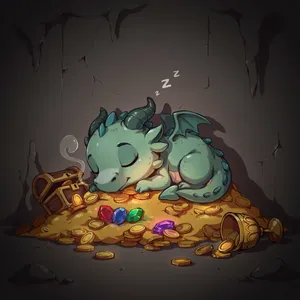
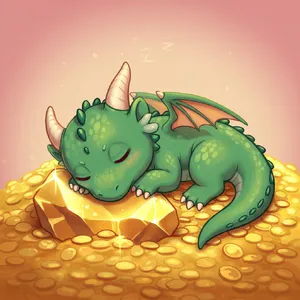
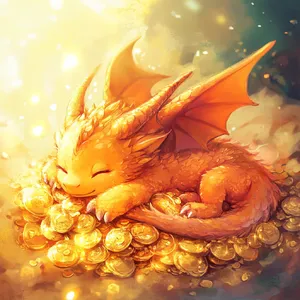
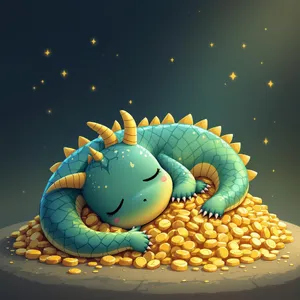
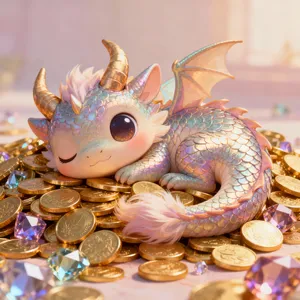
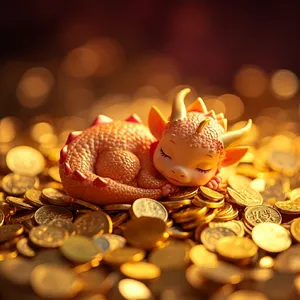
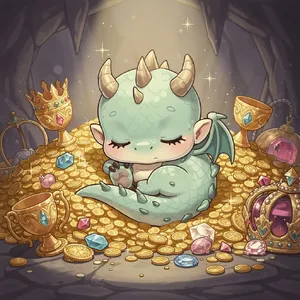
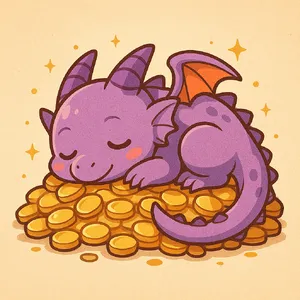
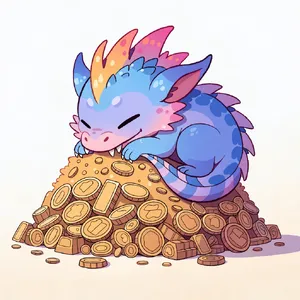
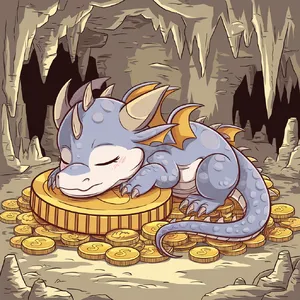
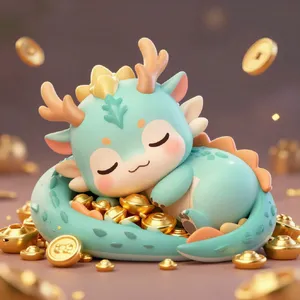
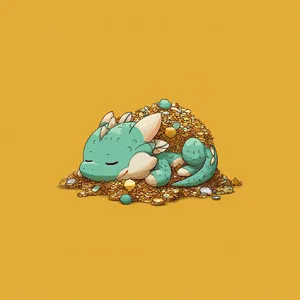
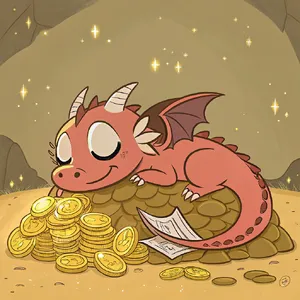
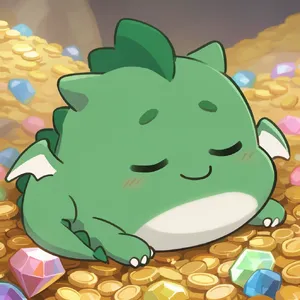
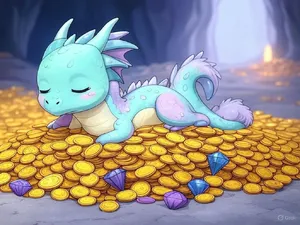
- Why it wins: DALL-E 3 is a powerhouse for mascot design. Its Chibi Dragon achieved a rare perfect
10/10 for its adorable stylization, crisp lighting, and immaculate environmental details.
- Runner up: Ideogram 4.0 (Quality) and Seedream 5.0 Pro both offer exceptionally detailed and cute chibi compositions with rich, treasure-filled environments.