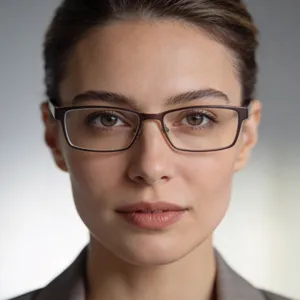
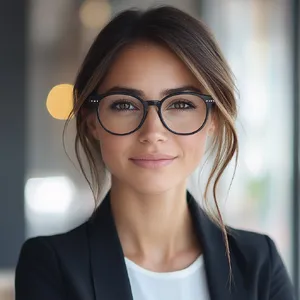
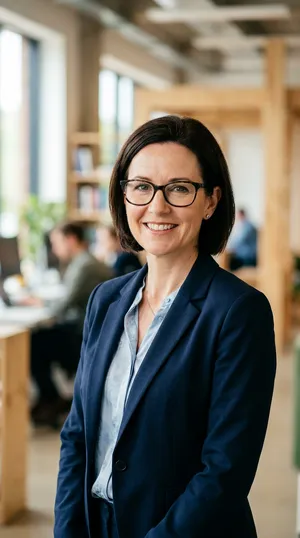
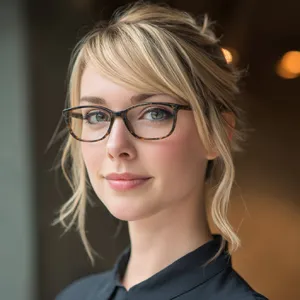
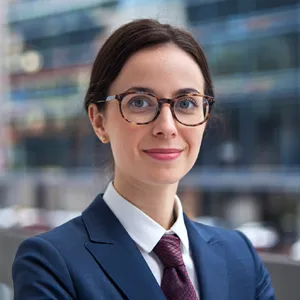
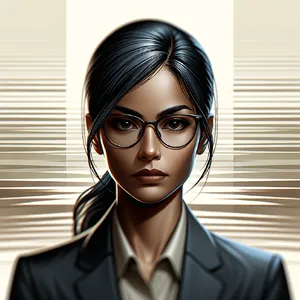
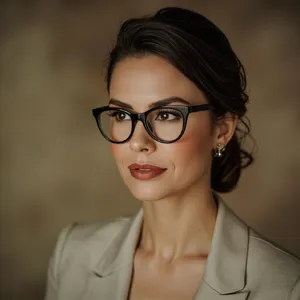
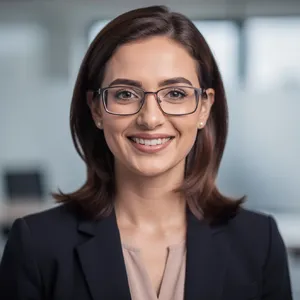
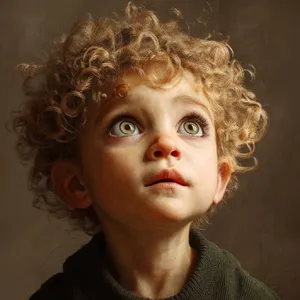
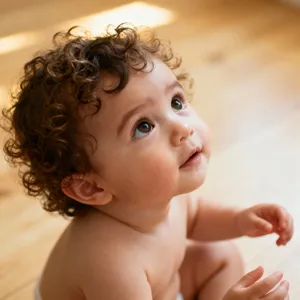
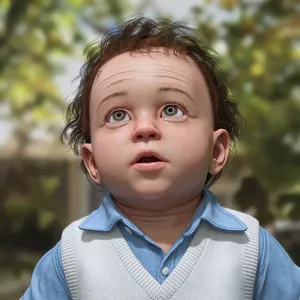
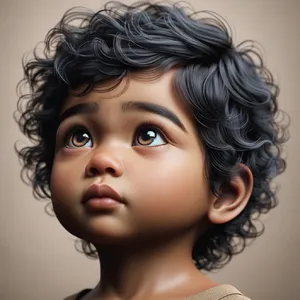
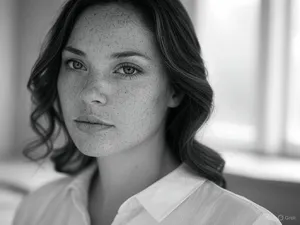
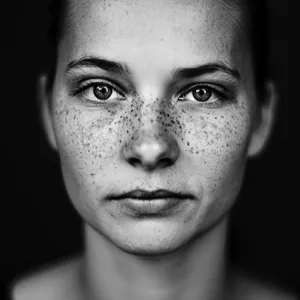
Summary for Photorealistic People & Portraits
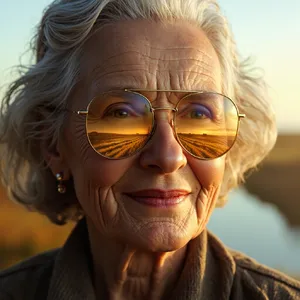
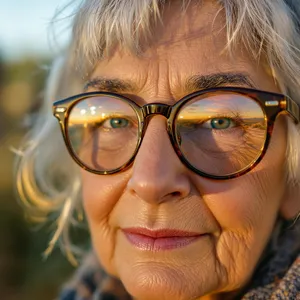
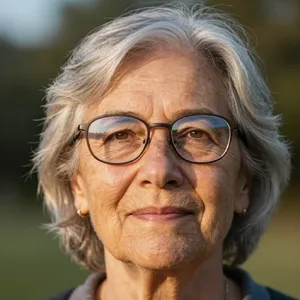
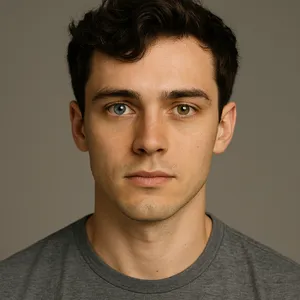
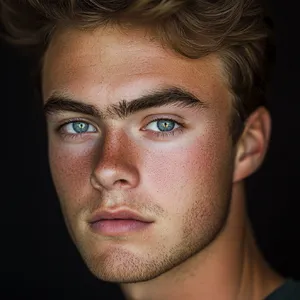
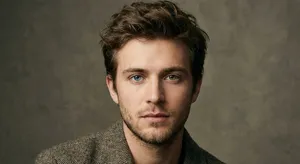
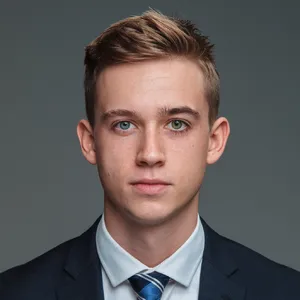
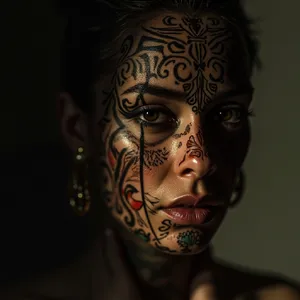
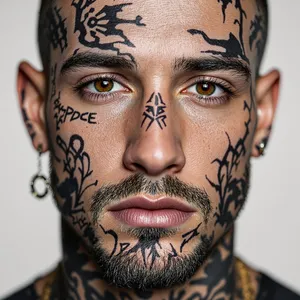
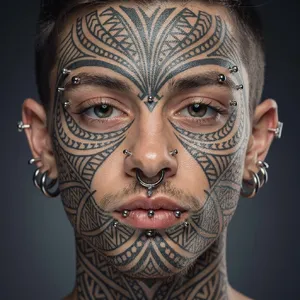
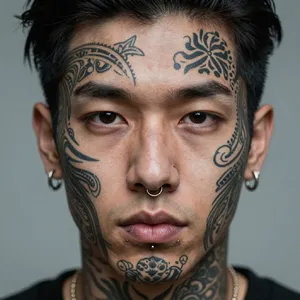
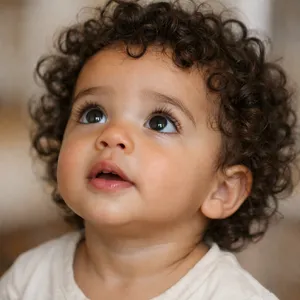
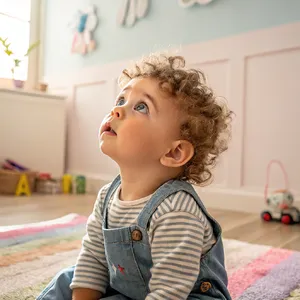
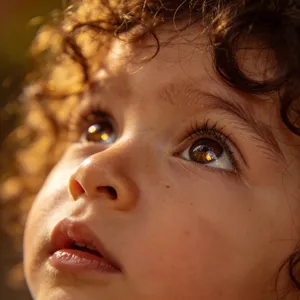
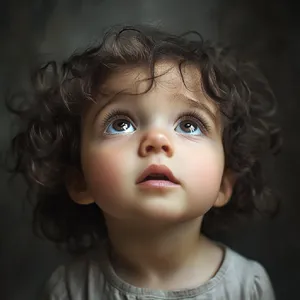
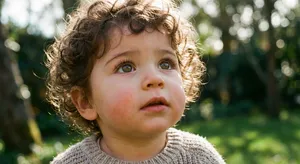
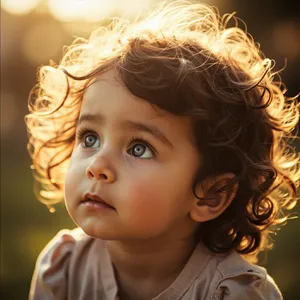
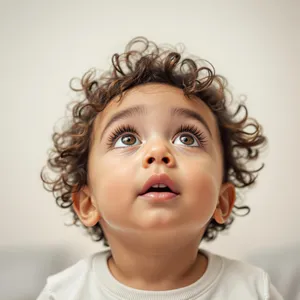
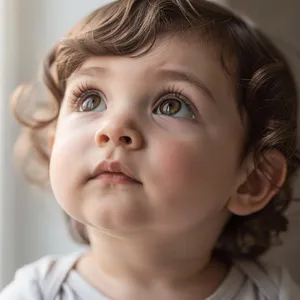
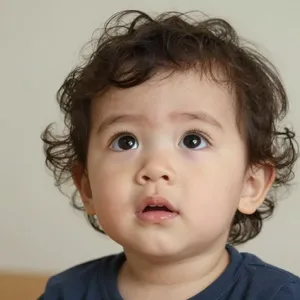
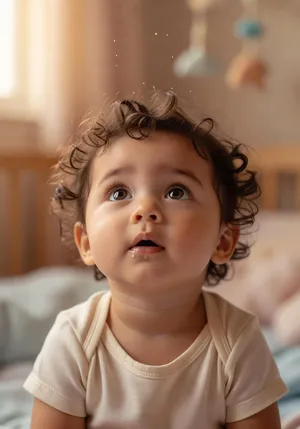
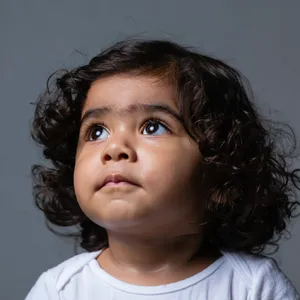
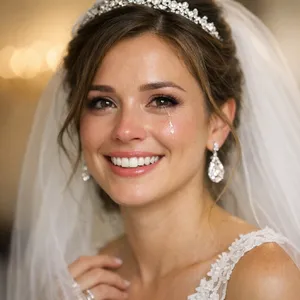
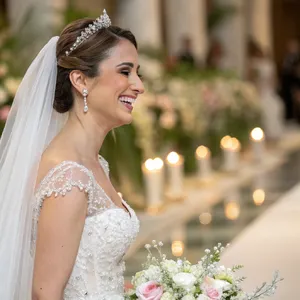
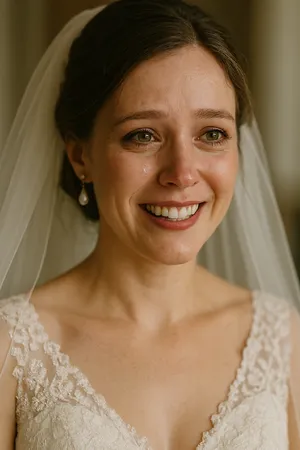
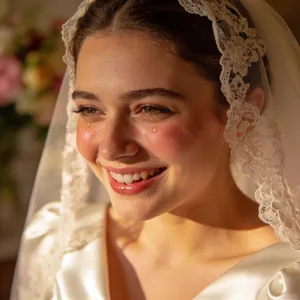
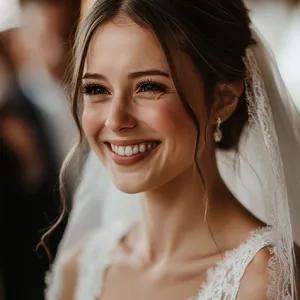
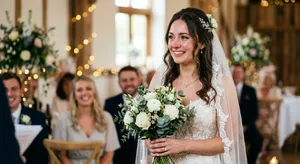
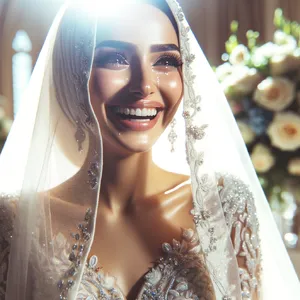
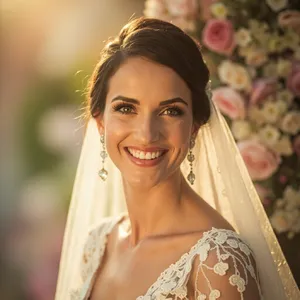
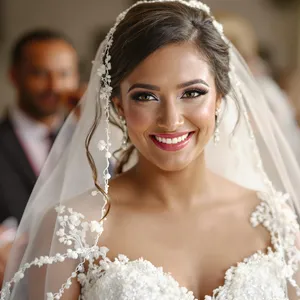
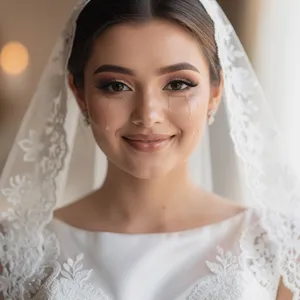
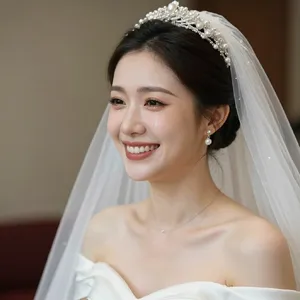
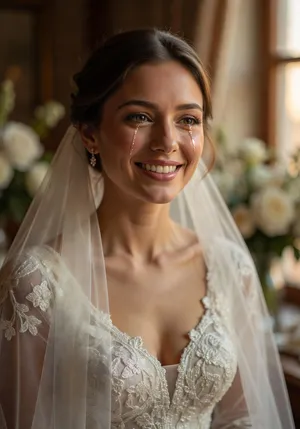
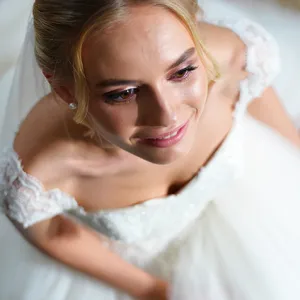
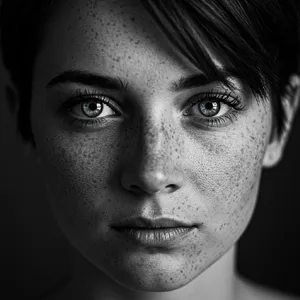
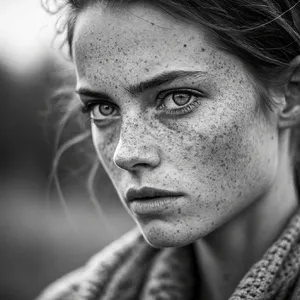
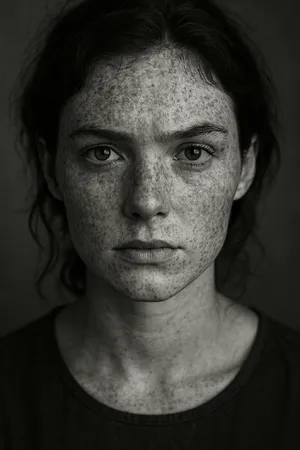
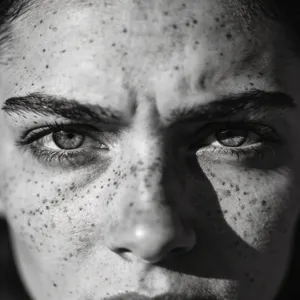
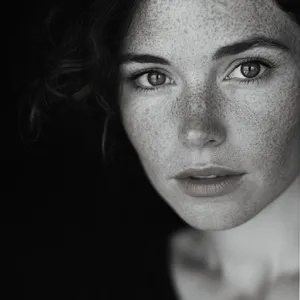
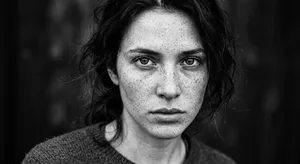
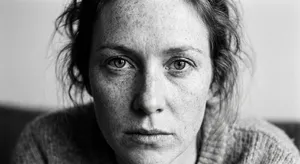
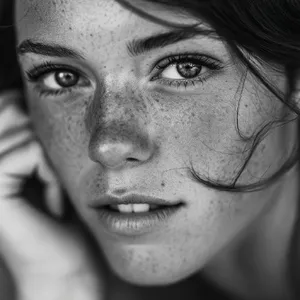
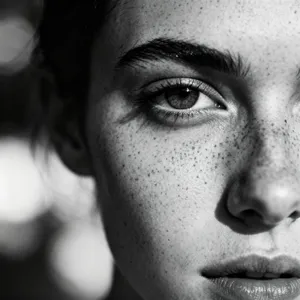
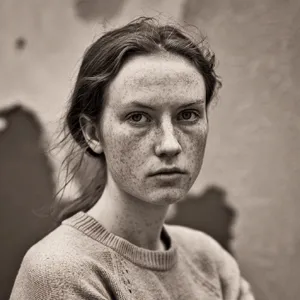
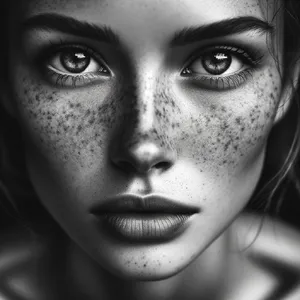
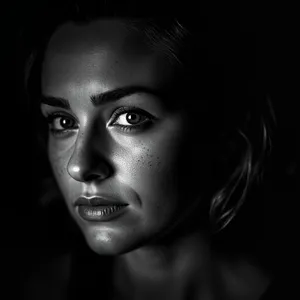
The quest for true photorealism in AI image generation reveals a stark divide between models that understand organic micro-textures and those that default to a 'plastic' or heavily airbrushed aesthetic. 📸
- Top Performers: Models like Recraft V3, ChatGPT 4o, Imagen 3.0, and GPT Image 1.5 consistently dominated the category by rendering genuine skin textures and natural lighting.
- The 'AI Sheen' Penalty: The fastest way for a model to lose points in this category was by generating overly smooth, poreless skin. Models like DALL-E 3 and Flux 2 Pro frequently suffered severe deductions for this 'CGI' look.
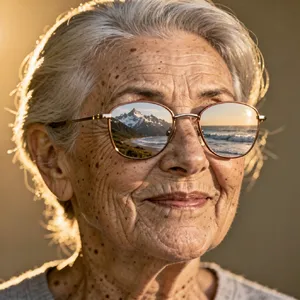
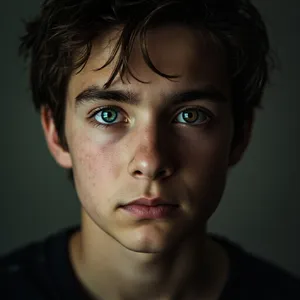
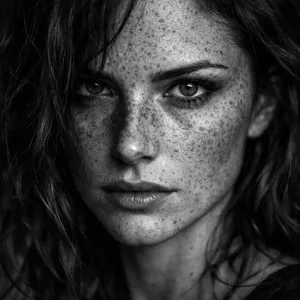
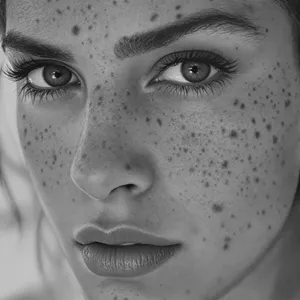
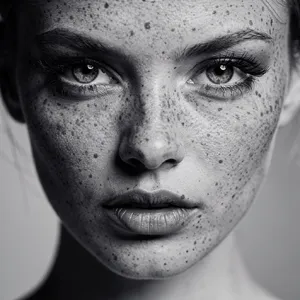
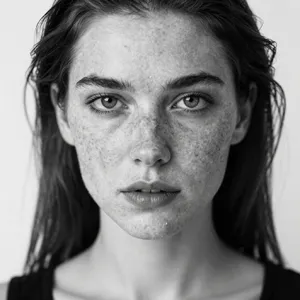
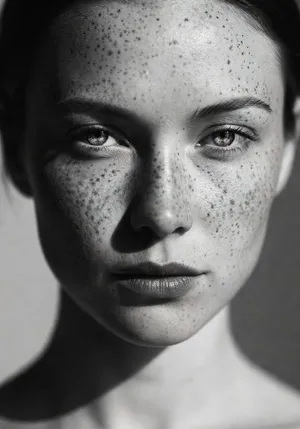
- Surprising Results: Smaller or lesser-known models such as Nano Banana Pro and Grok Imagine produced exceptional micro-details (like individual freckles and vellus hair), occasionally outperforming heavyweights like Midjourney V6.1, which sometimes over-stylized the outputs into 'hyper-realism'.
- Quick Conclusion: If you need genuine, raw human portraits, prioritize models that render micro-imperfections (blemishes, asymmetrical features, sun damage) over perfect, glossy symmetry.
📊 General Analysis & Useful Insights
Delving into the data reveals several fascinating trends about how different AI models interpret and render human features:
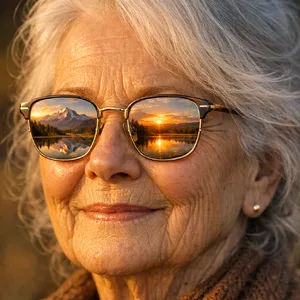
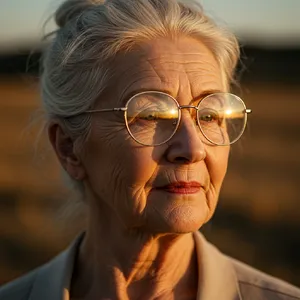
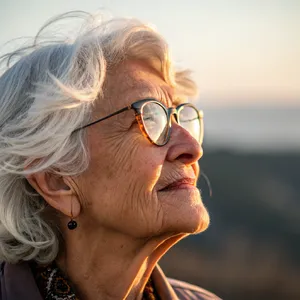
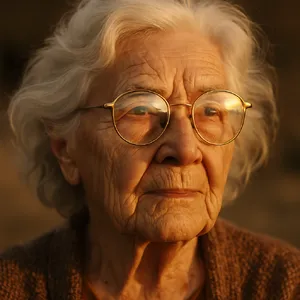
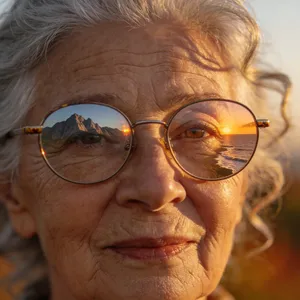
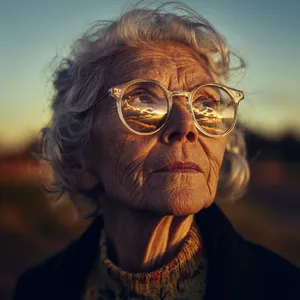
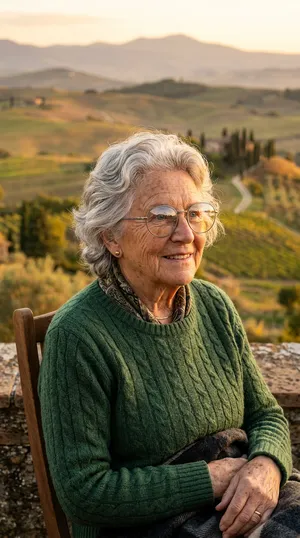
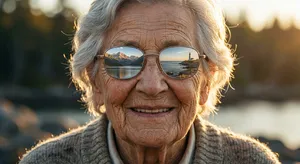
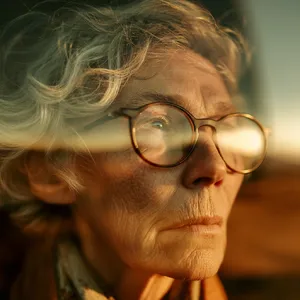
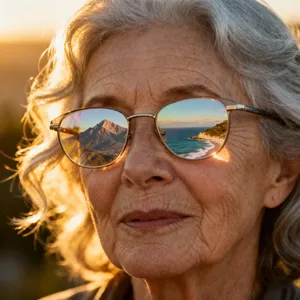
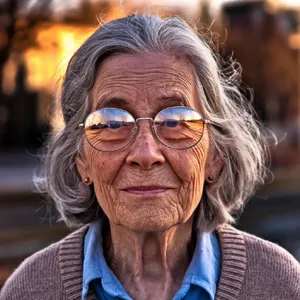
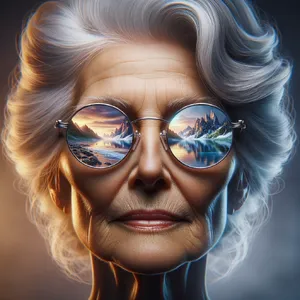
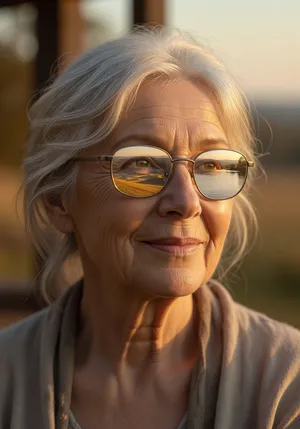
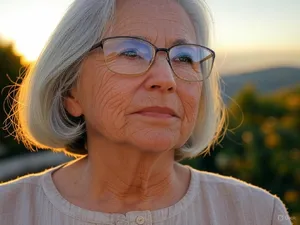
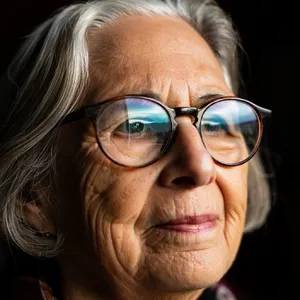
- The Uncanny Valley of Skin Texture: The most common failure mode across the board is the 'waxy' skin effect. In the Elderly Woman Portrait, models that rendered genuine wrinkles, sun spots, and sagging skin scored 9s and 10s. Conversely, models that airbrushed the elderly subject scored very poorly.
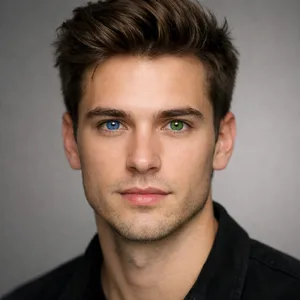
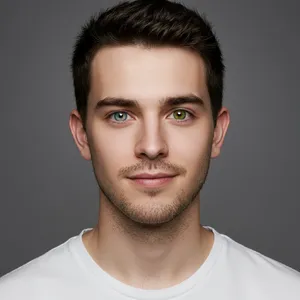
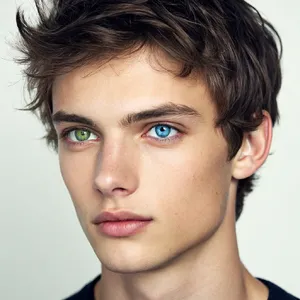
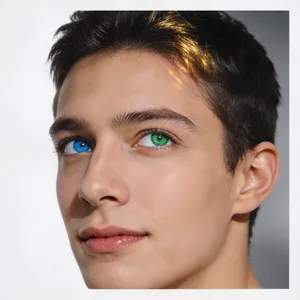
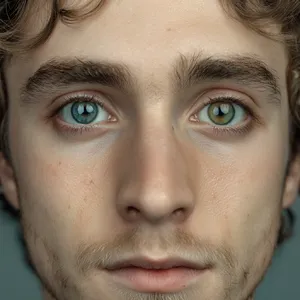
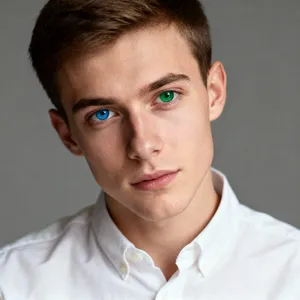
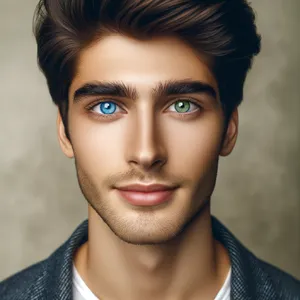
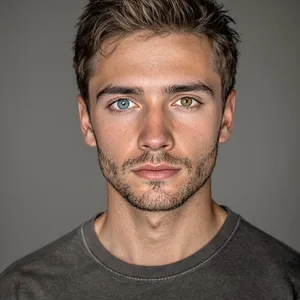
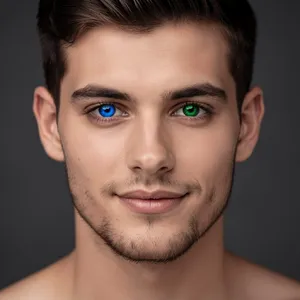
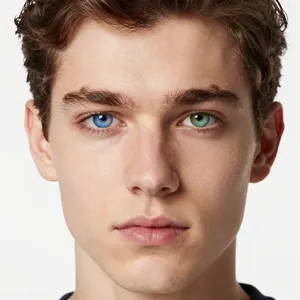
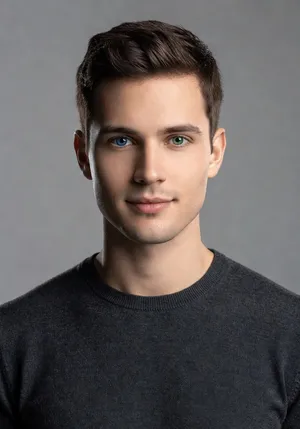
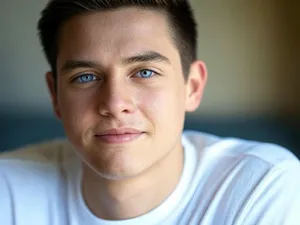
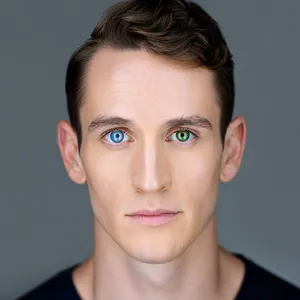
- Eyes are the Window to Realism: For the Heterochromia Portrait, top models didn't just color the eyes differently; they captured the wetness of the sclera, realistic tear ducts, and natural light reflections. Poor performers generated 'glowing' or neon eyes that immediately broke immersion.
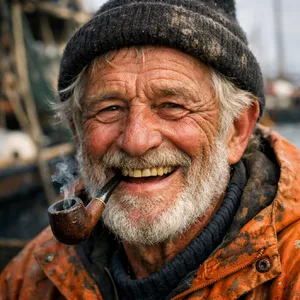
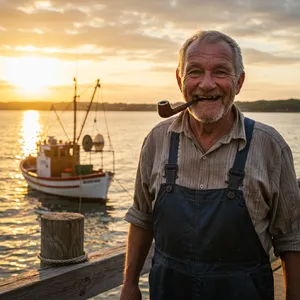
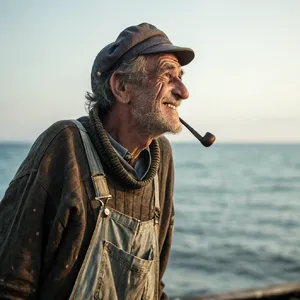
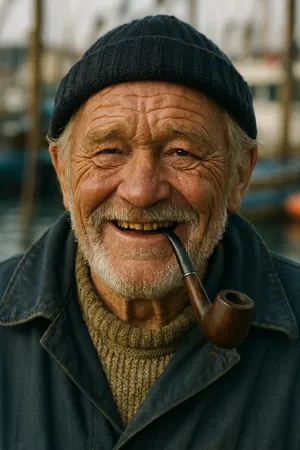
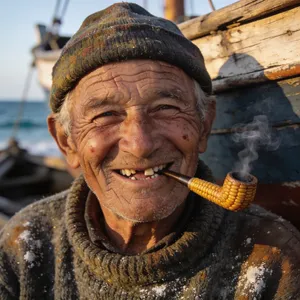
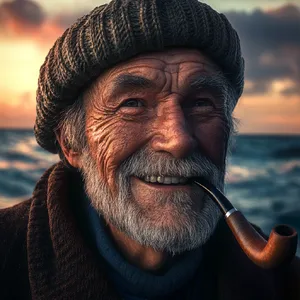
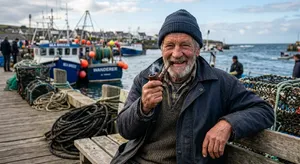
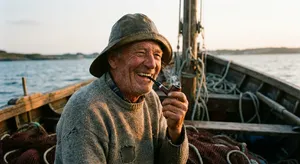
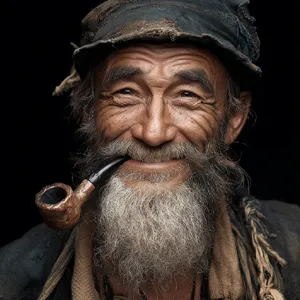
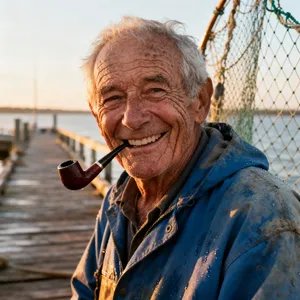
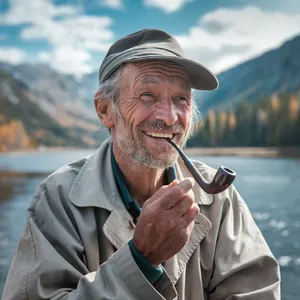
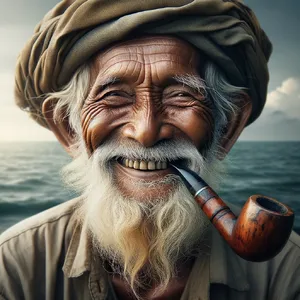
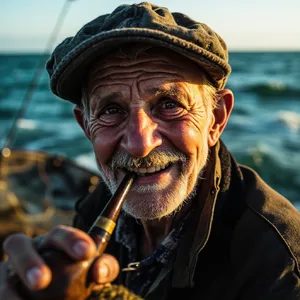
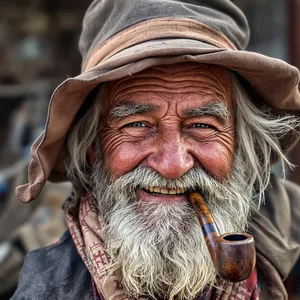
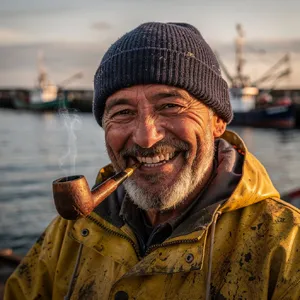
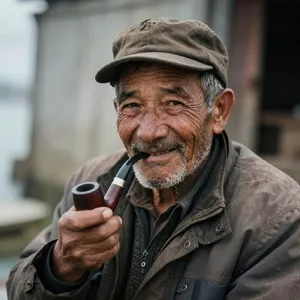
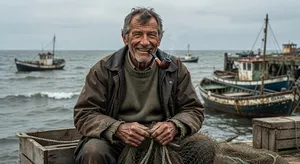
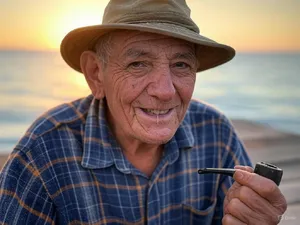
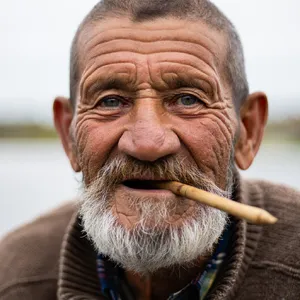
- Contextual Details Matter: In the Old Fisherman Portrait, Midjourney v7 and ChatGPT 4o excelled by adding environmental grime, weathered clothing textures, and natural interactions with props. However, hands remain a challenge—several models rendered malformed fingers when the subject was holding the pipe.
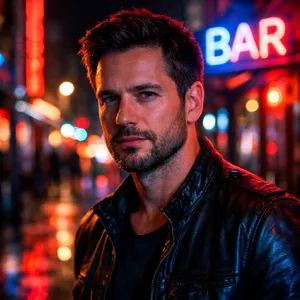
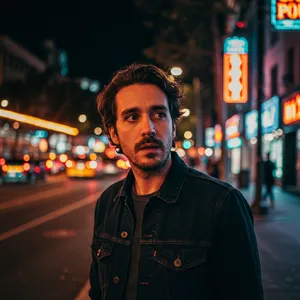
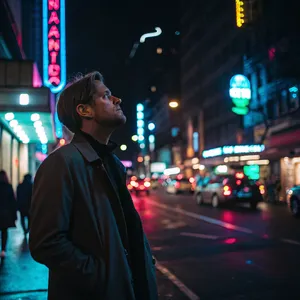
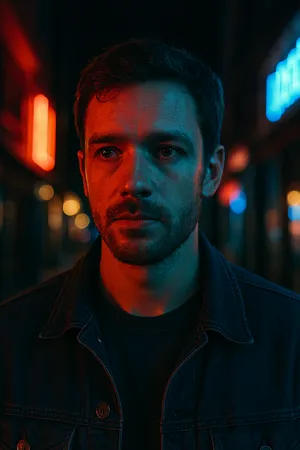
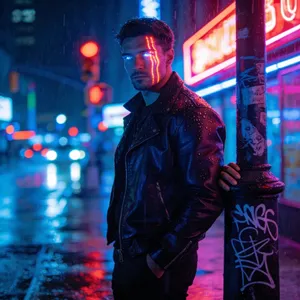
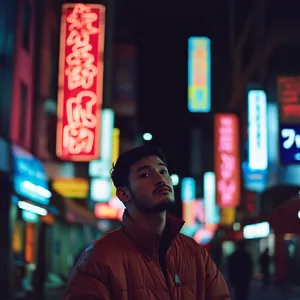
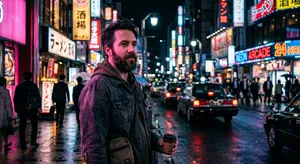
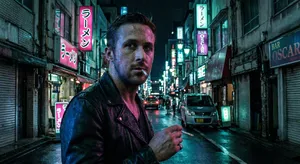
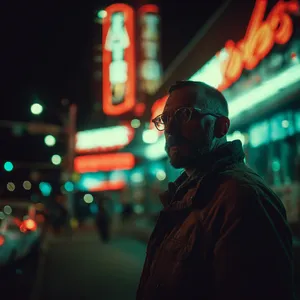
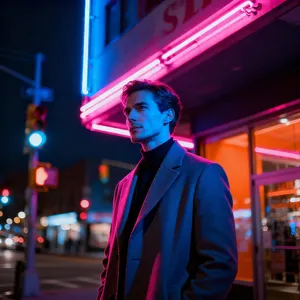
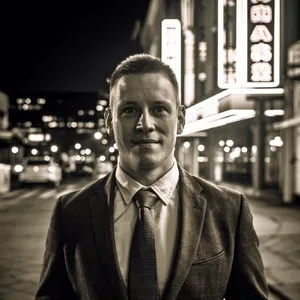
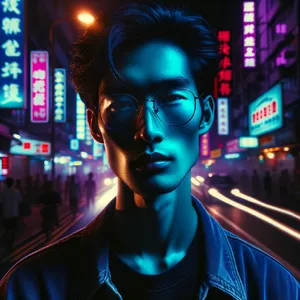
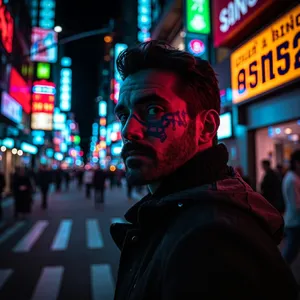
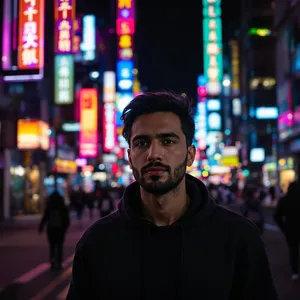
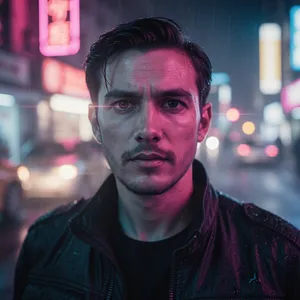
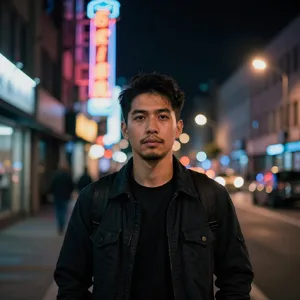
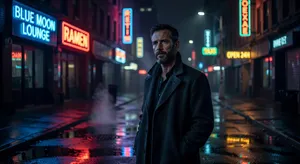
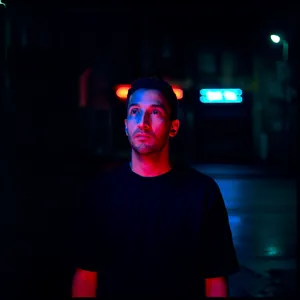
- Text & Lighting Struggles: The Neon Street Portrait highlighted a dual challenge. While many models nailed the cinematic lighting, they failed by including gibberish text in the background neon signs. Models like Ideogram 3.0 (Quality) and Grok Imagine stood out by rendering perfectly legible, coherent background text, securing top scores.
🎯 Best Model Analysis by Use Case
Based on the specific prompt data in this category, here are targeted recommendations for different portrait scenarios:
1. Raw, Gritty Photorealism 🧔
When you need unpolished, authentic human textures (pores, stubble, deep wrinkles, sun damage):
2. Candid Moments & Group Dynamics 📸
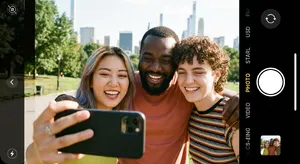
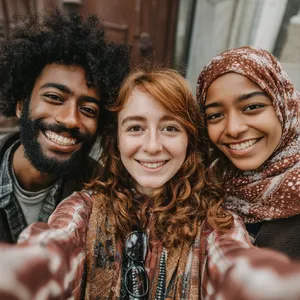
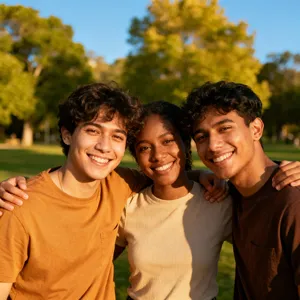
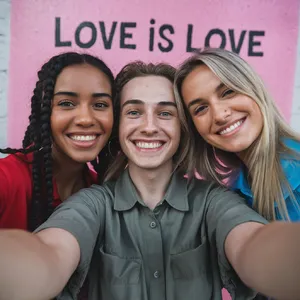
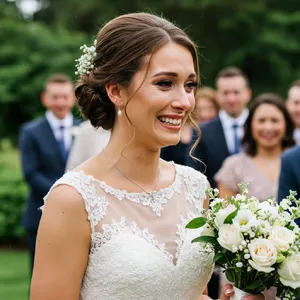
For capturing natural interactions, genuine smiles, and diverse groups of people:
- Top Picks: Imagen 3.0 and Nano Banana 2.
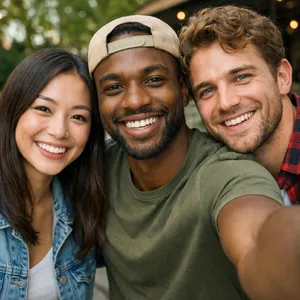
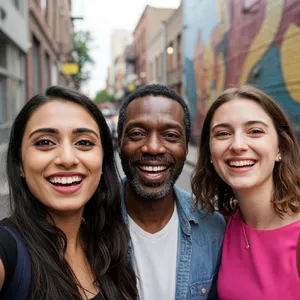
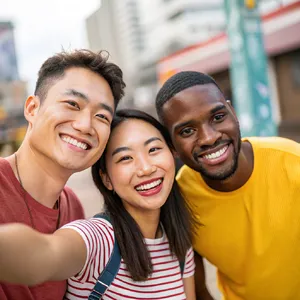
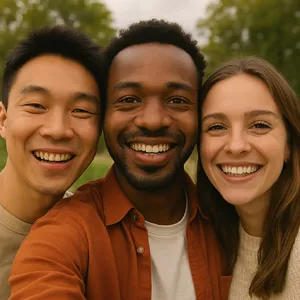
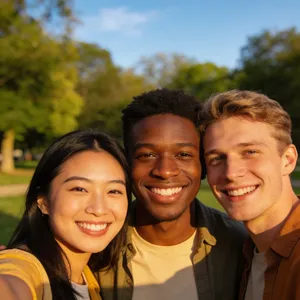
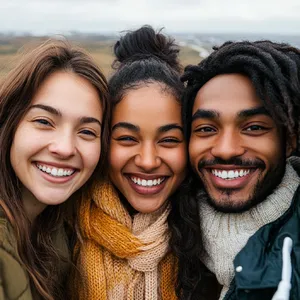
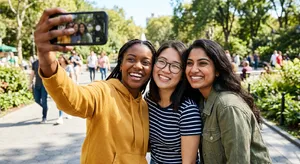
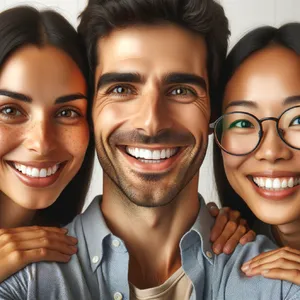
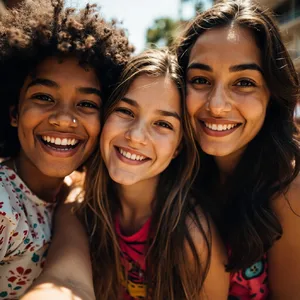
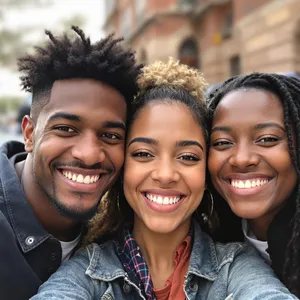
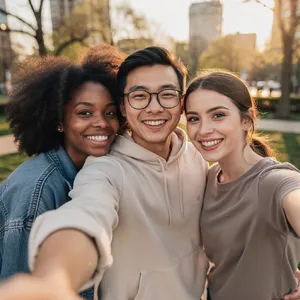
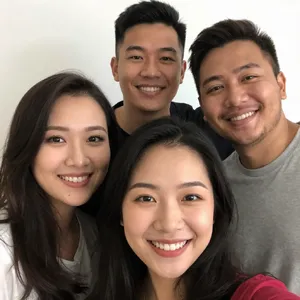
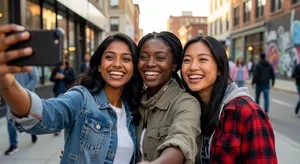
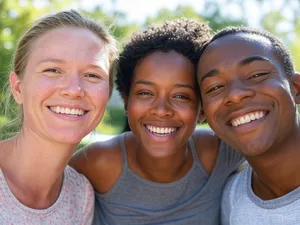
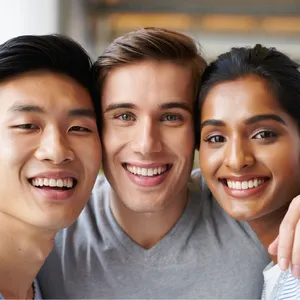
- Why: They handle spatial relationships incredibly well and avoid the 'copy-paste' face syndrome in group shots. Check out their results on the Group Selfie, where they successfully represented distinct ethnic backgrounds naturally.
3. Cinematic & Environmental Portraits 🌆
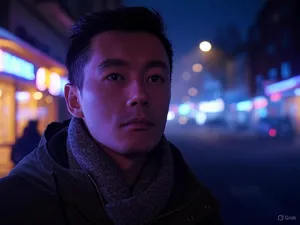
For dramatic lighting, intense depth of field, and complex background environments:
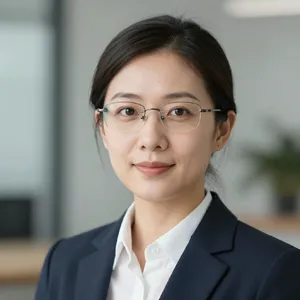
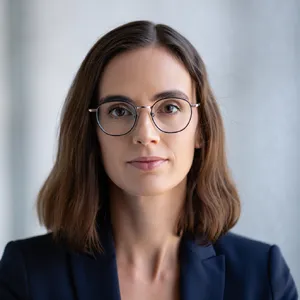
4. Studio Headshots & Professional Portfolios 👔
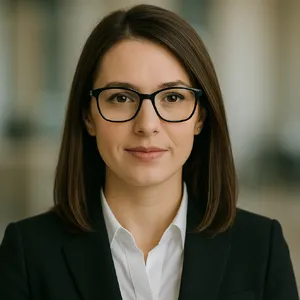
For clean, well-lit, professional aesthetics suitable for corporate use:
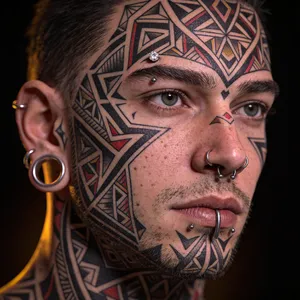
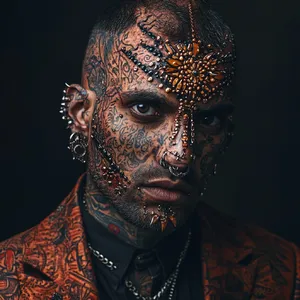
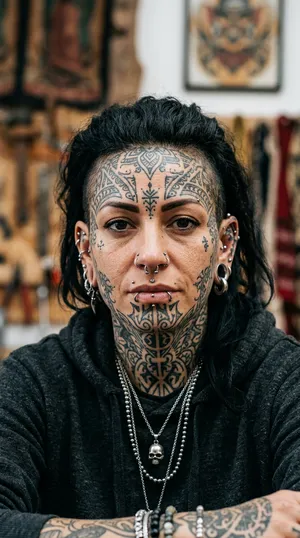
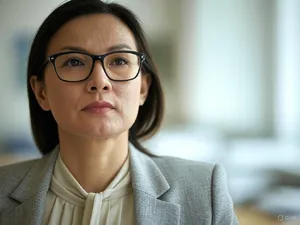
5. High-Detail Accessories & Modifications 🧷
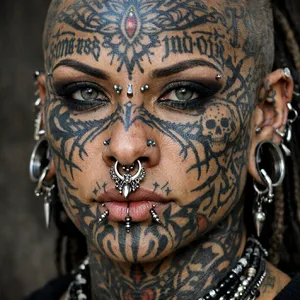
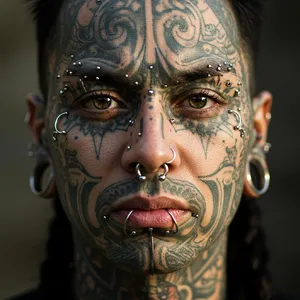
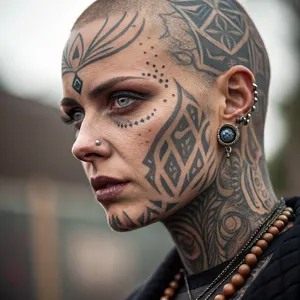
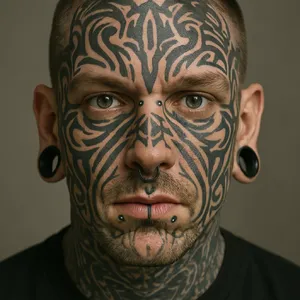
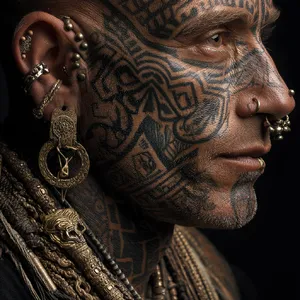
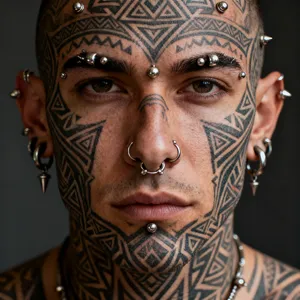
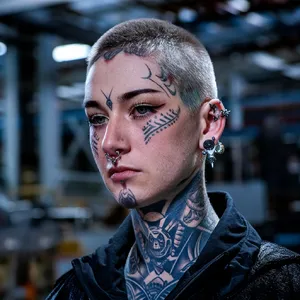
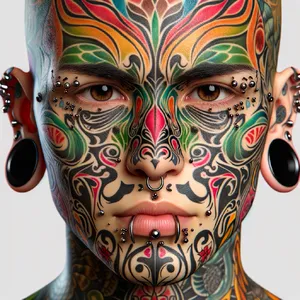
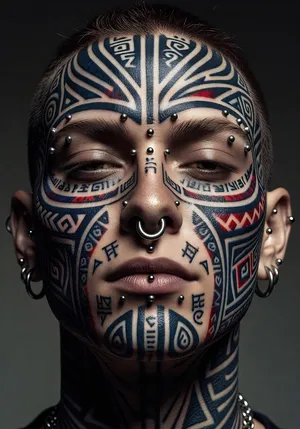
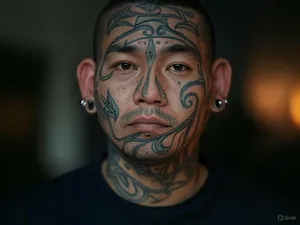
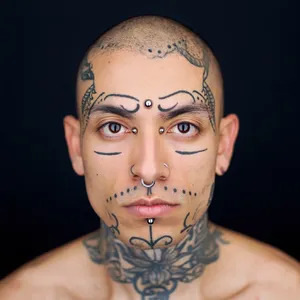
For prompts involving glasses, complex jewelry, or facial tattoos: