Summary for Hands & Anatomy
Welcome to one of the most challenging battlegrounds in AI image generation! 🖐️ Generating anatomically correct hands, limbs, and complex human interactions has historically been the "Achilles' heel" of AI, but this data reveals that top-tier models are finally crossing the uncanny valley.
🏆 Top-Performing Models
- Nano Banana Pro and Midjourney v7 emerged as top contenders for absolute photorealism, mastering micro-textures like dirt, veins, and pores.
- Flux 1.1 Pro Ultra and Recraft V3 proved highly reliable for structural coherence and maintaining accurate finger counts during complex interactions.
- Grok Imagine consistently delivered solid, natural-looking human subjects with excellent prompt adherence.
📈 Major Trends & Surprises
- The Plastic Skin Problem: Models that scored lower didn't necessarily fail at anatomy; they failed at texture. Images with correct finger counts were frequently penalized for looking like waxy 3D renders rather than photographs.
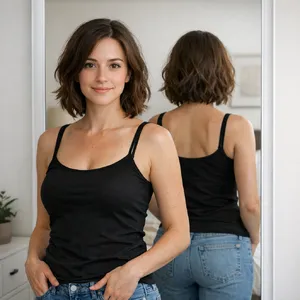
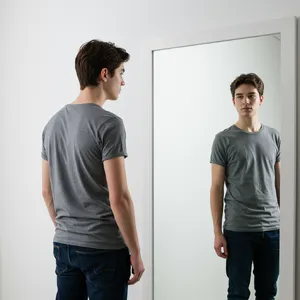
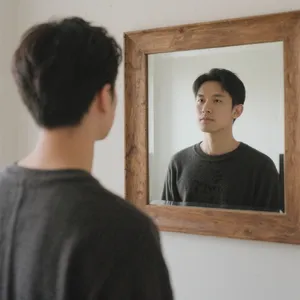
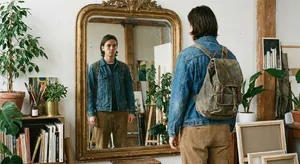
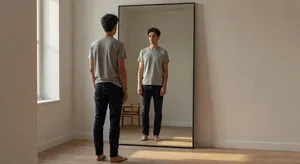
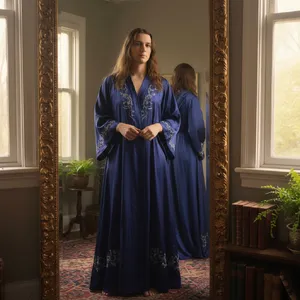
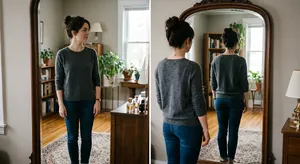
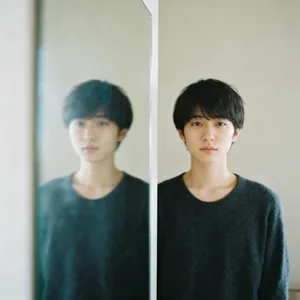
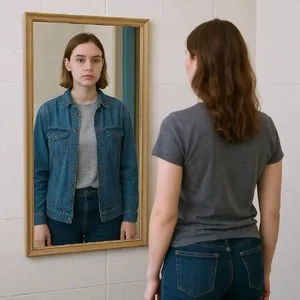
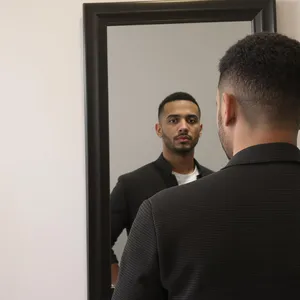
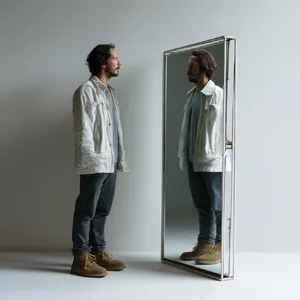
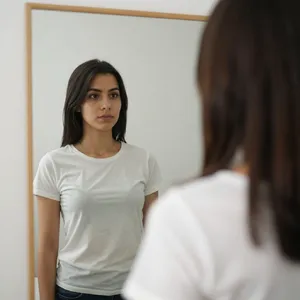
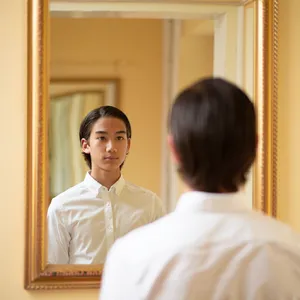
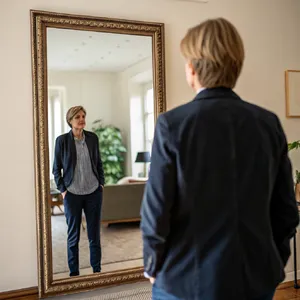
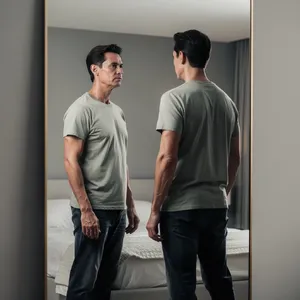
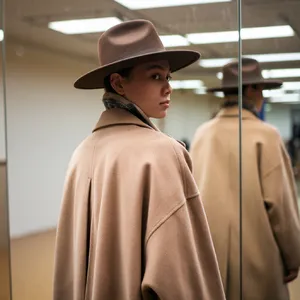
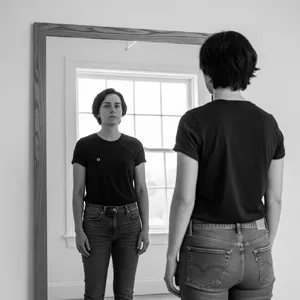
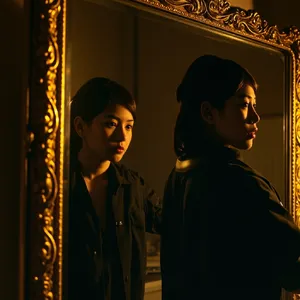
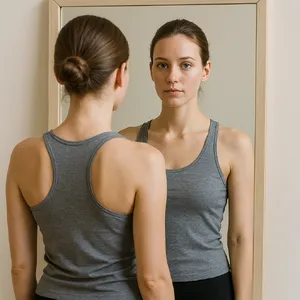
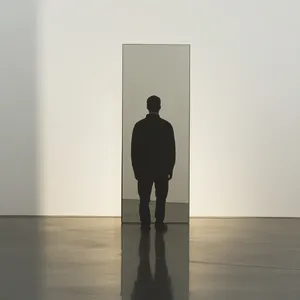
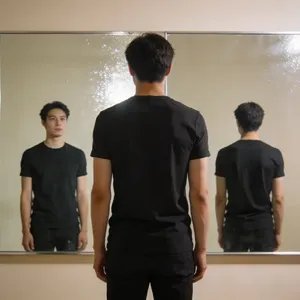
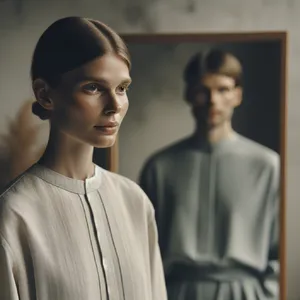
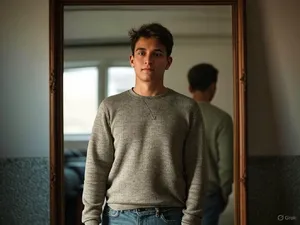
- Mirrors Break AI Brains: The Mirror Reflection prompt was a massive stumbling block. Many models struggled with the physics of reflections, either reversing the front/back logic or, in the case of DALL-E 3, hallucinating a completely different person in the mirror! 🪞
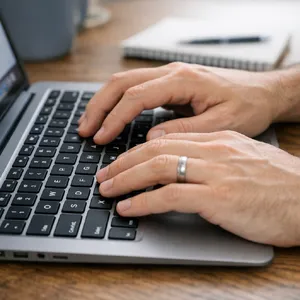
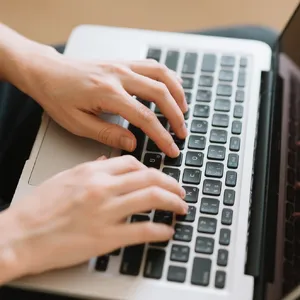
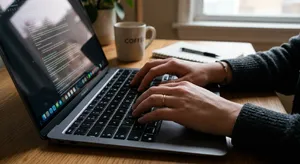
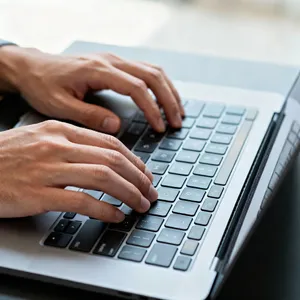
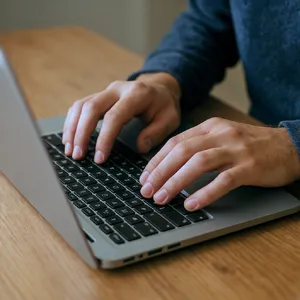
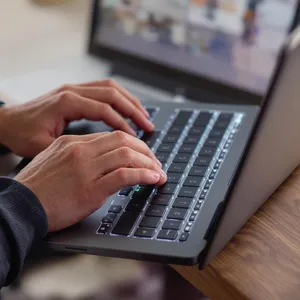
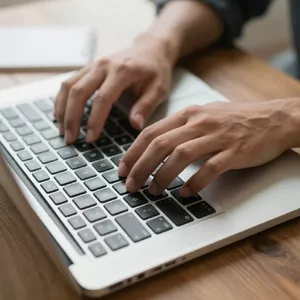
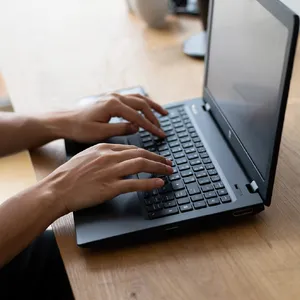
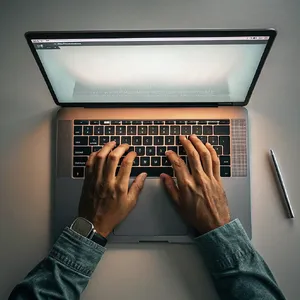
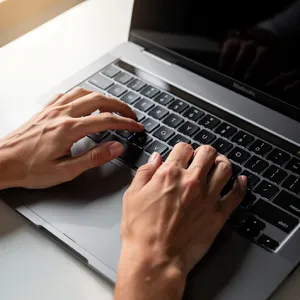
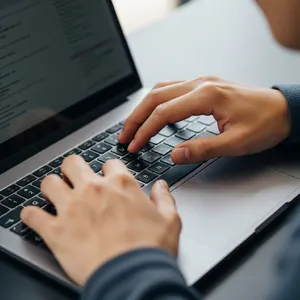
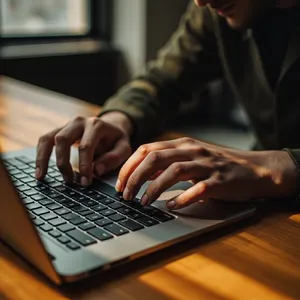
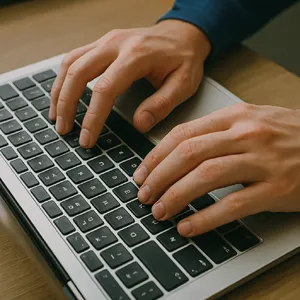
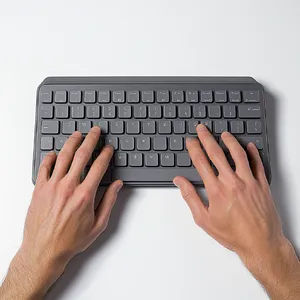
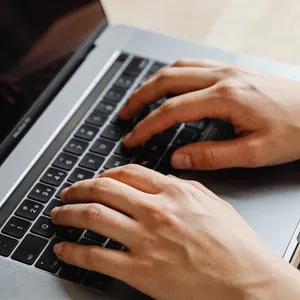
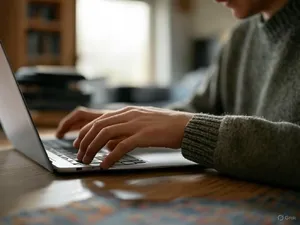
- Text on Keyboards: Surprisingly, models like Midjourney V6.1 are now able to render highly accurate QWERTY keyboard layouts, even while occasionally struggling with the hands typing on them.
🔍 Deep Dive: Patterns, Strengths, and Weaknesses
Anatomical generation exposes the true "understanding" of a model versus its ability to merely replicate patterns. Here is a breakdown of the core patterns observed in the data:
1. The "Uncanny Valley" of Skin Texture
A model's ability to render human anatomy is severely bottlenecked by its texture engine.
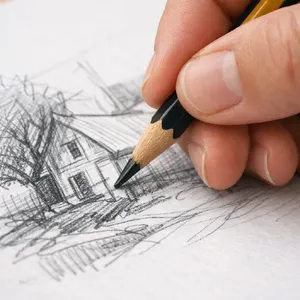
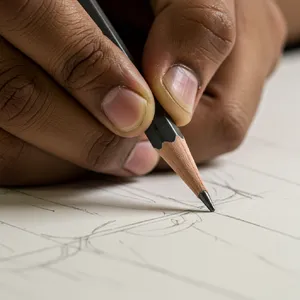
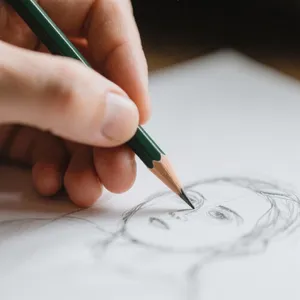
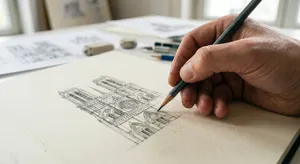
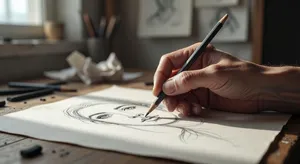
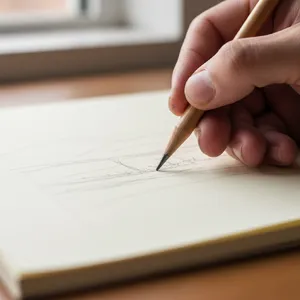
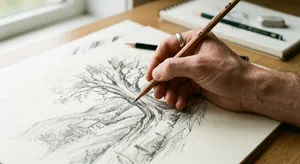
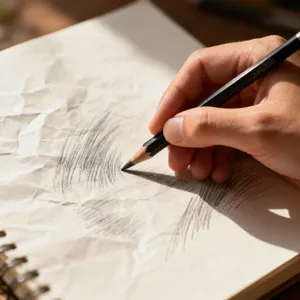
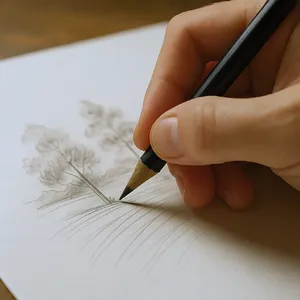
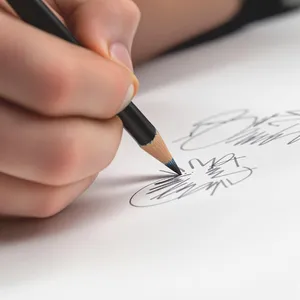
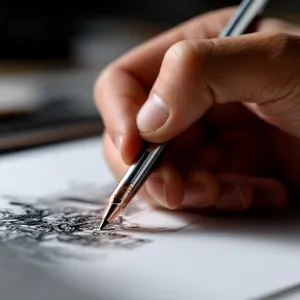
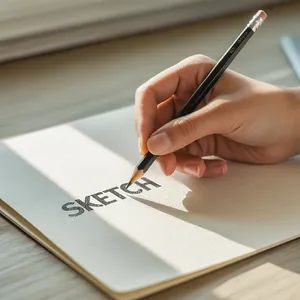
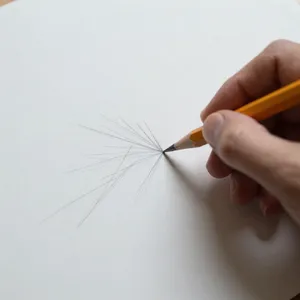
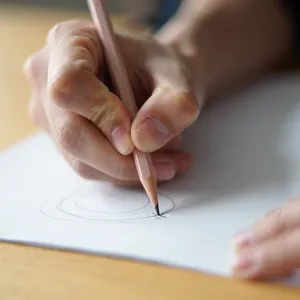
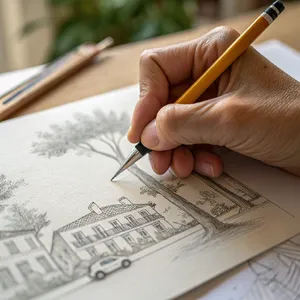
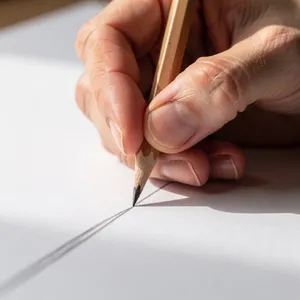
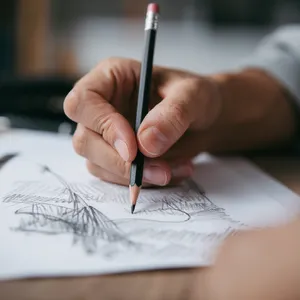
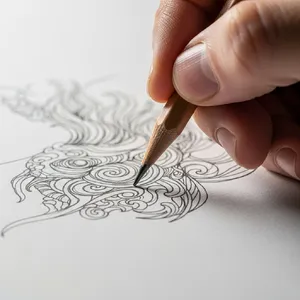
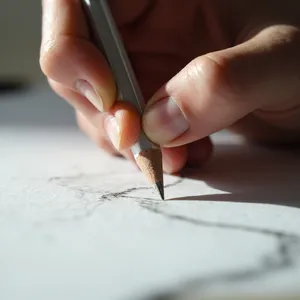
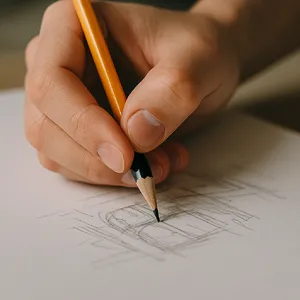
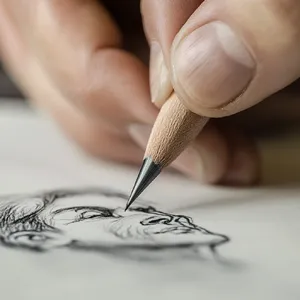
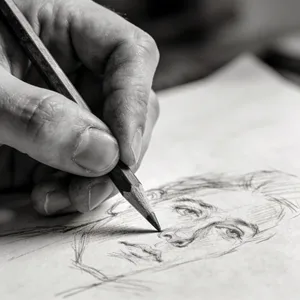
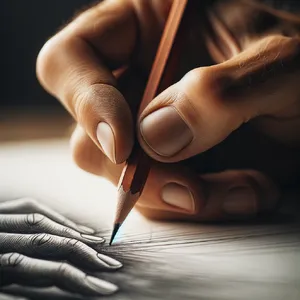
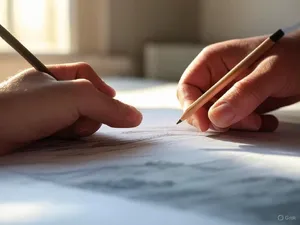
- Strengths: Models like Midjourney v7 and Nano Banana (2.5 Flash) excel because they introduce deliberate imperfections. For instance, in the Pencil Sketch prompt, Nano Banana Pro generated realistic graphite smudges on the hand, elevating the realism immensely.
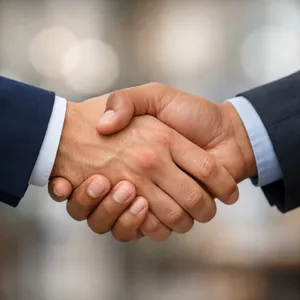
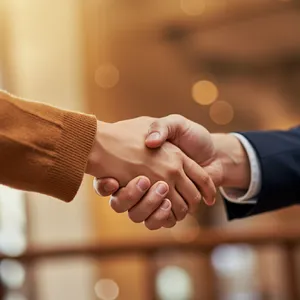
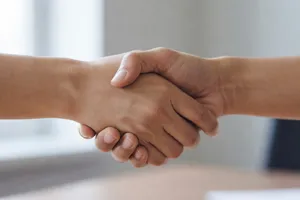
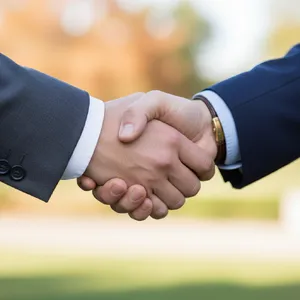
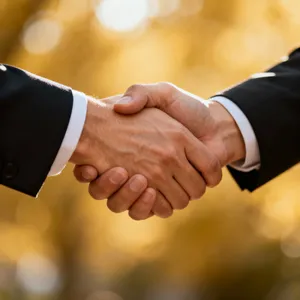
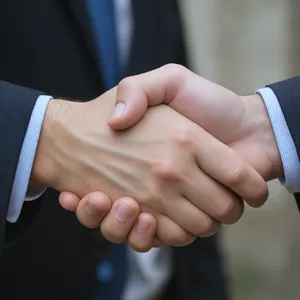
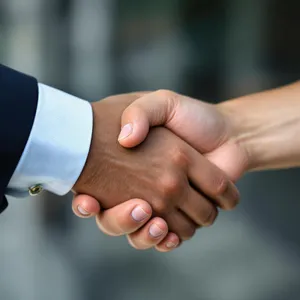
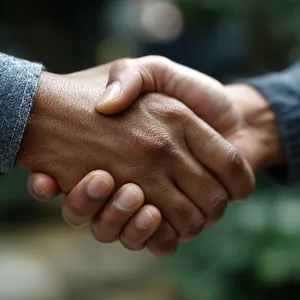
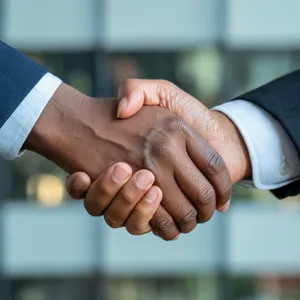
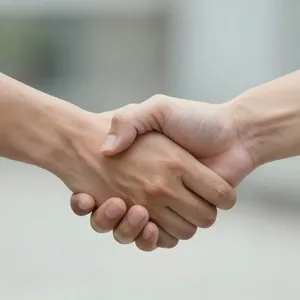
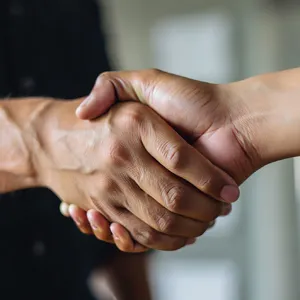
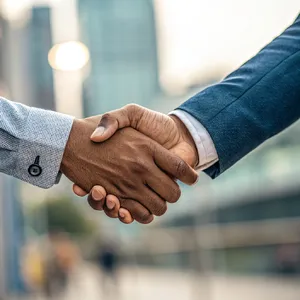
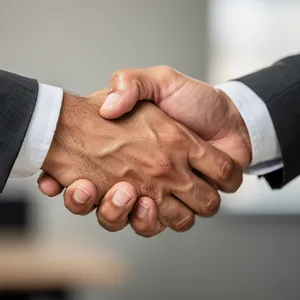
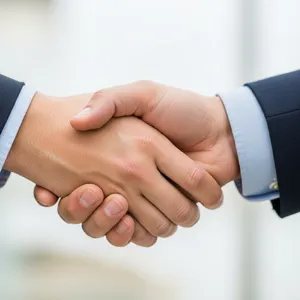
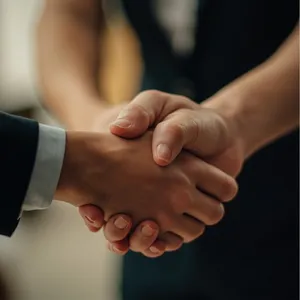
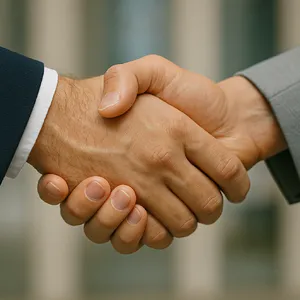
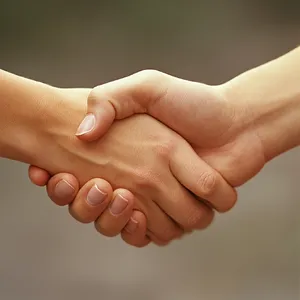
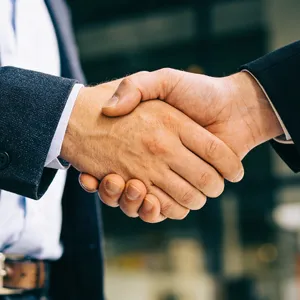
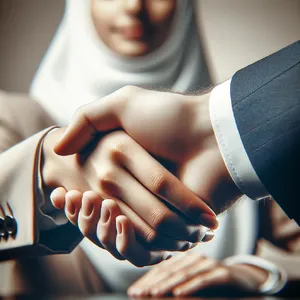
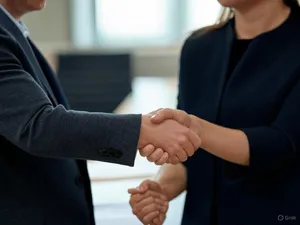
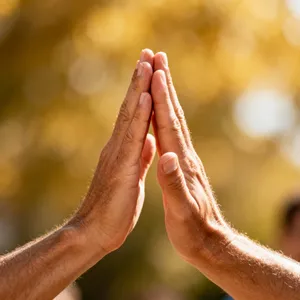
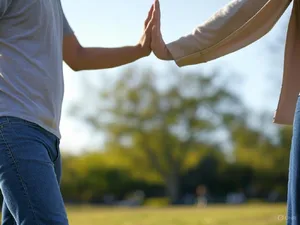
- Weaknesses: Conversely, DALL-E 3 and ChatGPT 4o frequently default to a "plastic" or "waxy" aesthetic. In the Handshake prompt, models with this issue were heavily penalized because their subjects looked like mannequins.
2. The "Alien Finger" Syndrome
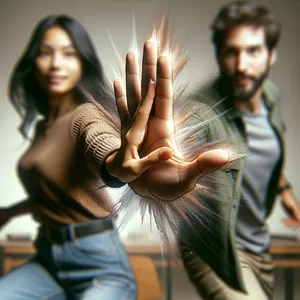
When hands overlap or interact dynamically, AI models often panic and generate extra-long, spindly fingers or fuse digits together.
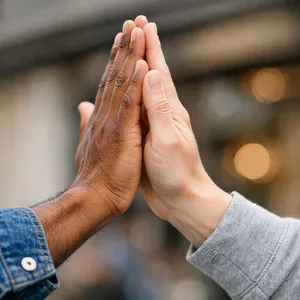
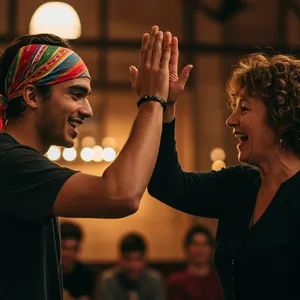
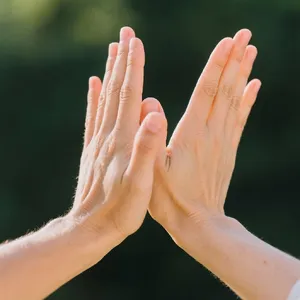
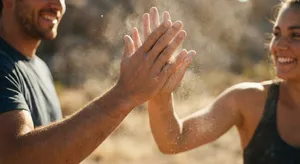
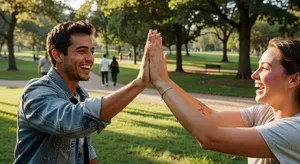
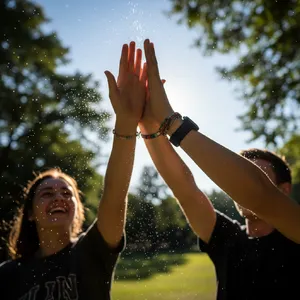
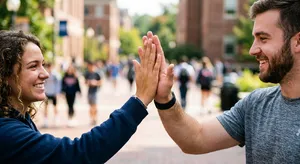
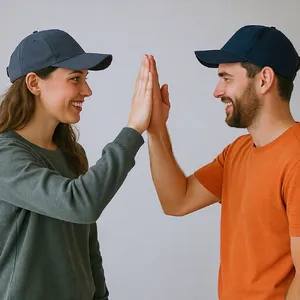
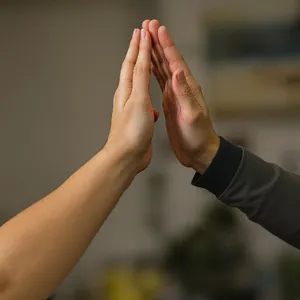
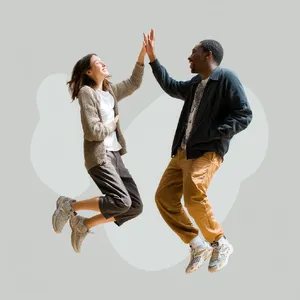
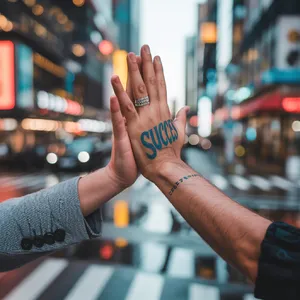
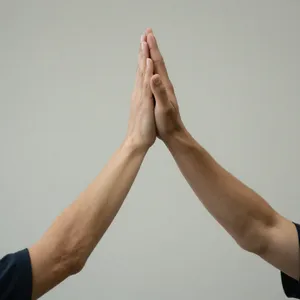
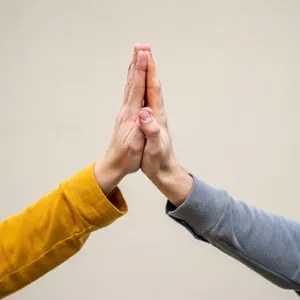
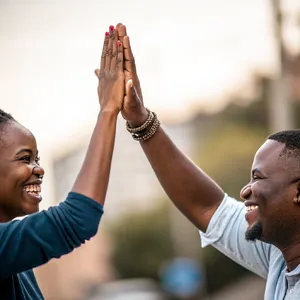
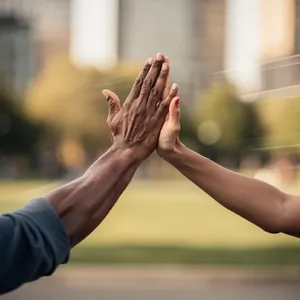
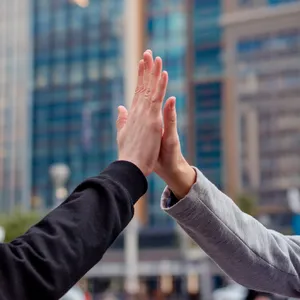
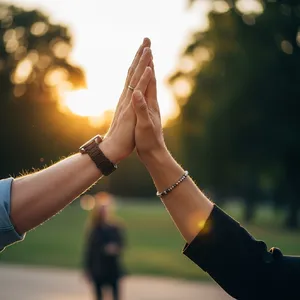
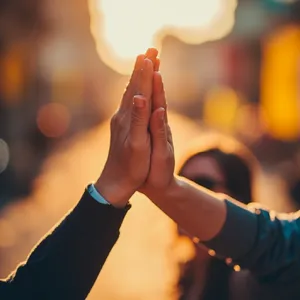
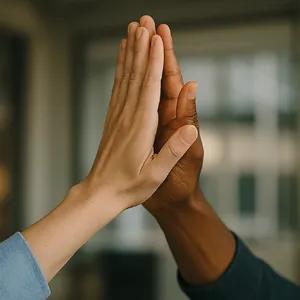
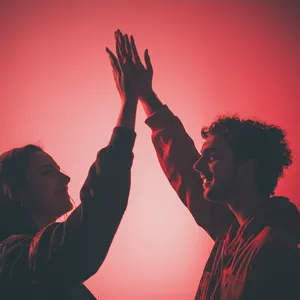
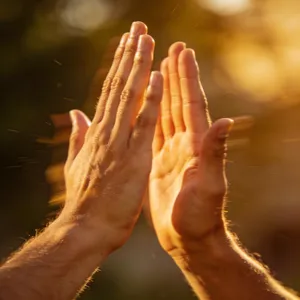
- This was highly evident in the High-Five prompt. Several models generated "spider hands" with bizarrely elongated palms to bridge the gap between two subjects.
- Seedream 3.0 broke this trend with an incredible High-Five generation that showcased flawless palm texture and perfect proportional anatomy.
3. Complexity Scaling
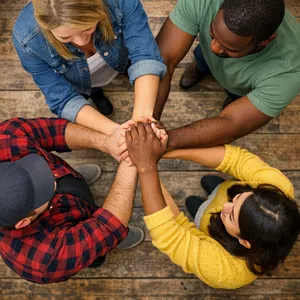
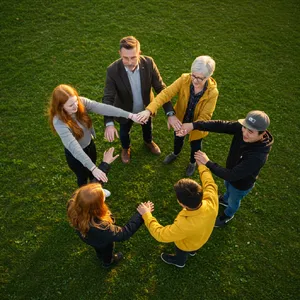
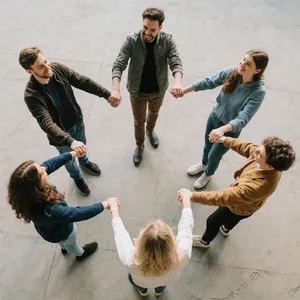
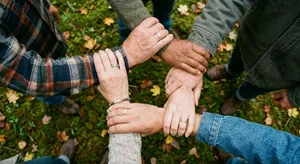
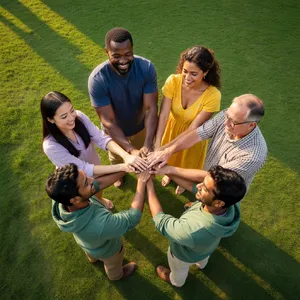
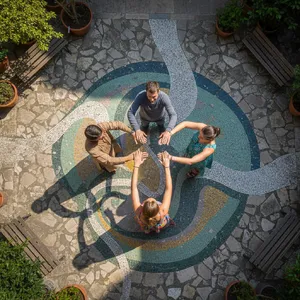
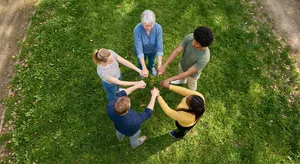
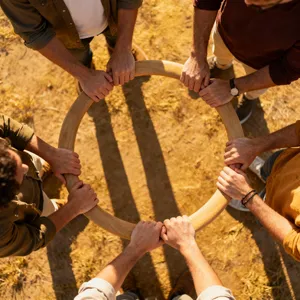
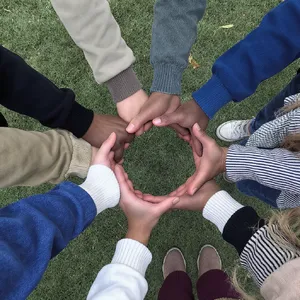
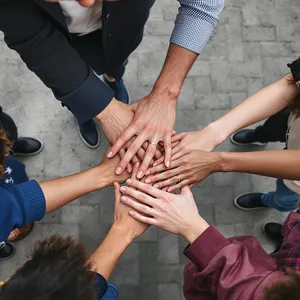
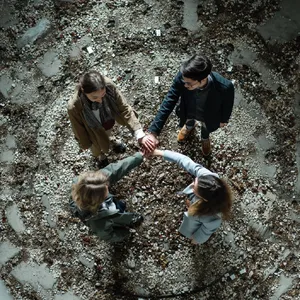
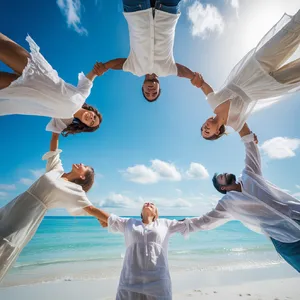
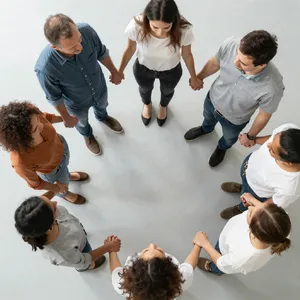
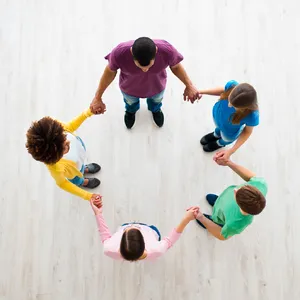
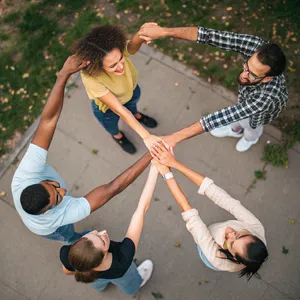
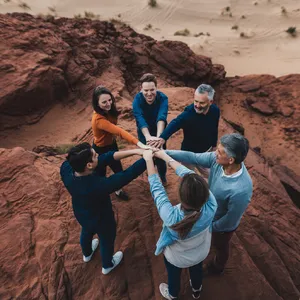
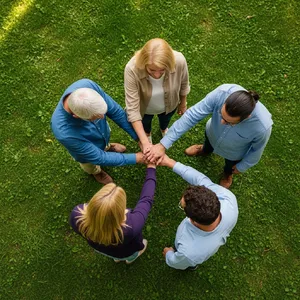
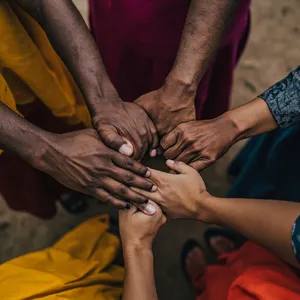
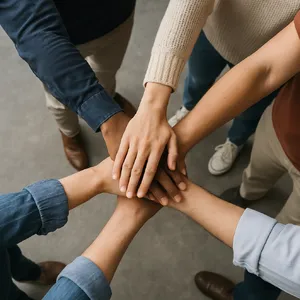
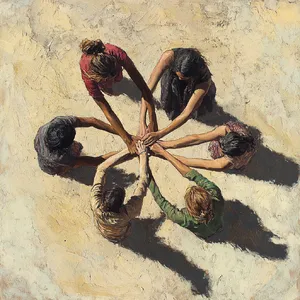
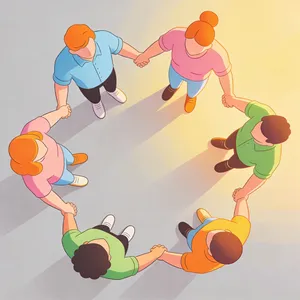
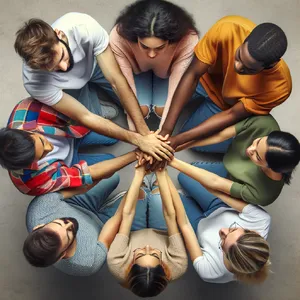
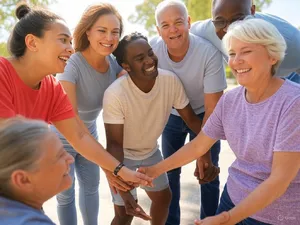
As the number of subjects increases, coherence rapidly drops. The Circle of Hands prompt, requiring five interacting people, broke most models. Many hallucinated 6-10 hands in a chaotic, tangled pile. Imagen 3.0 was one of the few to successfully map out 5 distinct people, mostly by smartly pulling the camera back.
🎯 Best Models by Specific Anatomical Use Case
Different models shine depending on the specific anatomical challenge. Here is a breakdown of where to turn based on your exact needs:
✍️ Macro & Close-Up Object Interaction
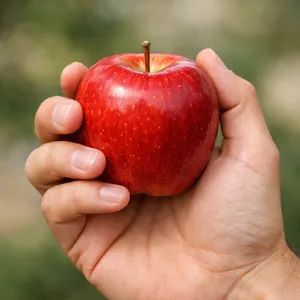
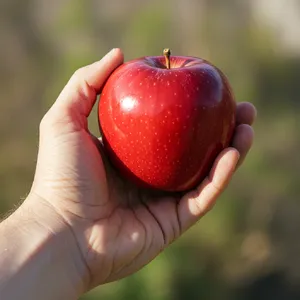
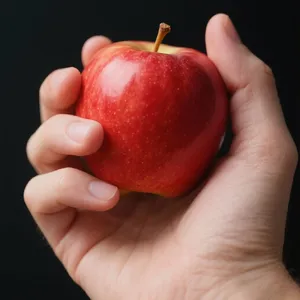
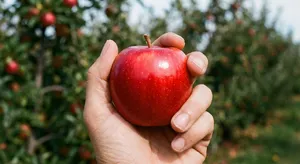
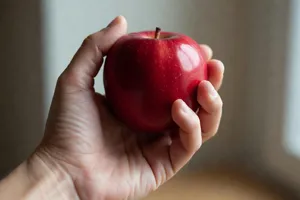
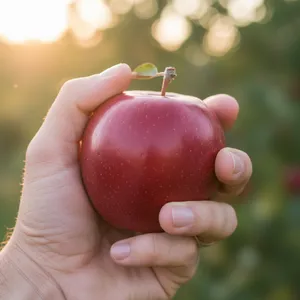
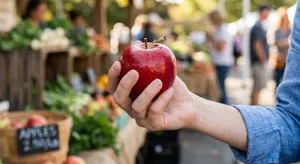
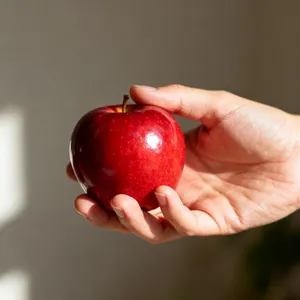
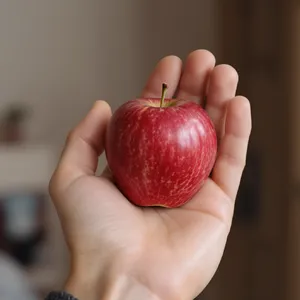
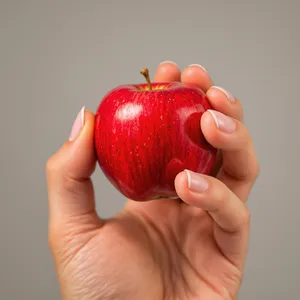
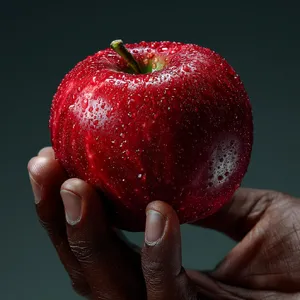
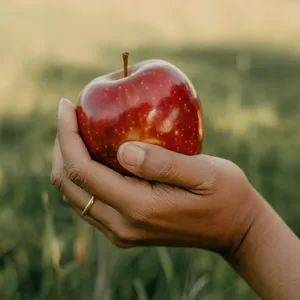
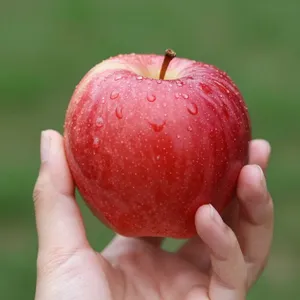
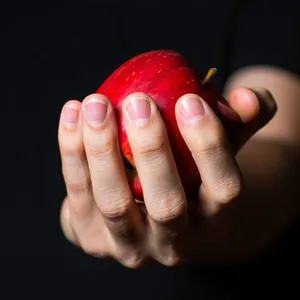
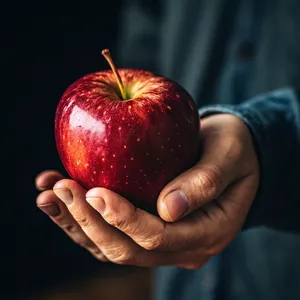
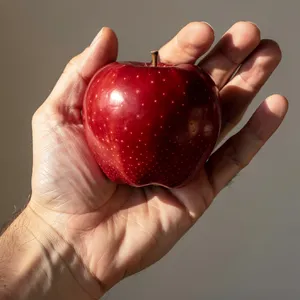
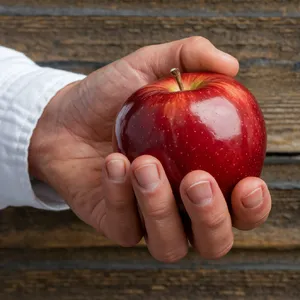
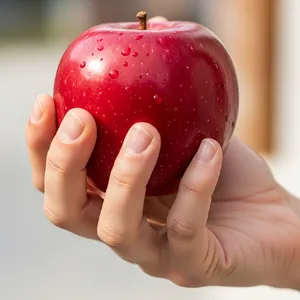
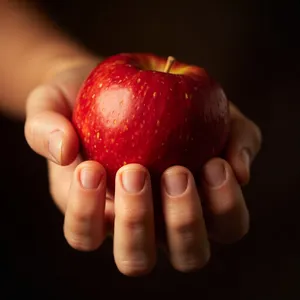
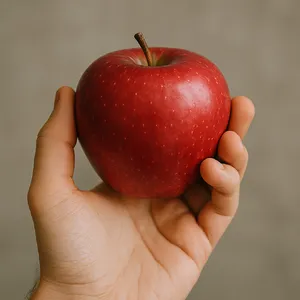
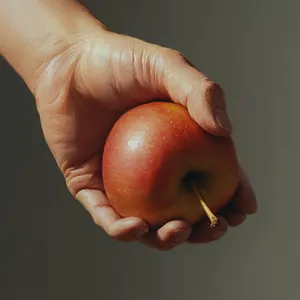
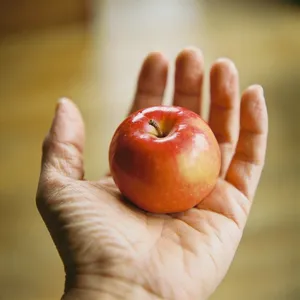
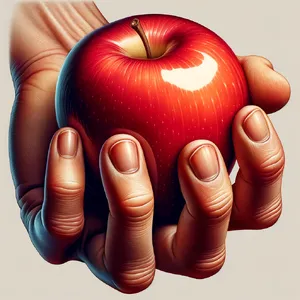
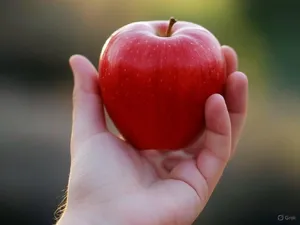
Prompts analyzed: Holding Apple, Pencil Sketch, Typing
- Top Pick: Nano Banana (2.5 Flash) and Ideogram V2.
- Why: These models excel at the intersection of organic skin and geometric objects. They render wood grain on pencils and specular highlights on apples just as well as they render knuckles and fingernails.
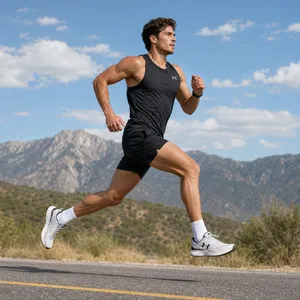
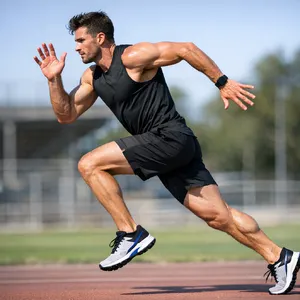
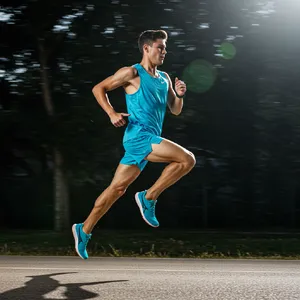
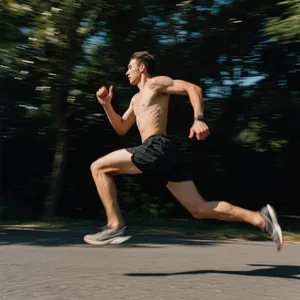
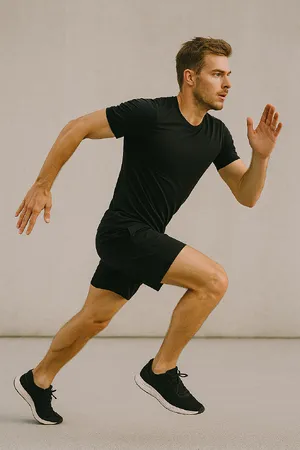
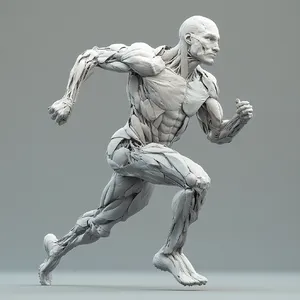
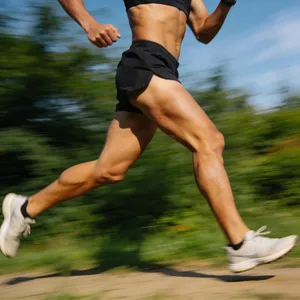
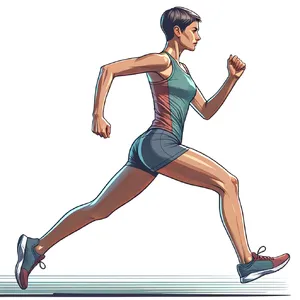
🏃 Dynamic Motion & Full-Body Biomechanics
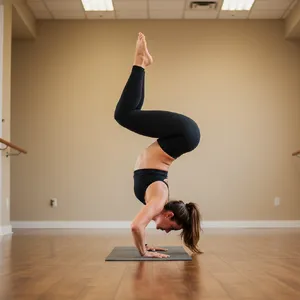
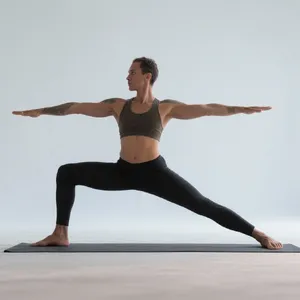
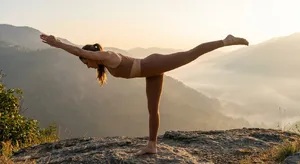
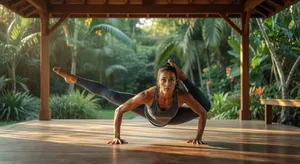
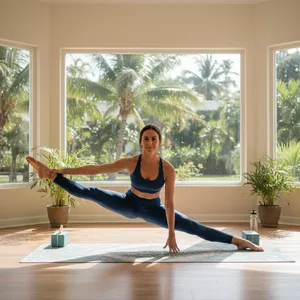
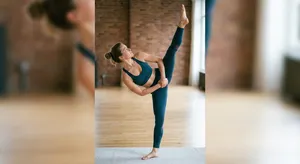
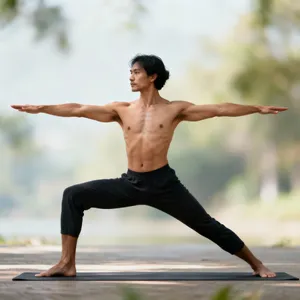
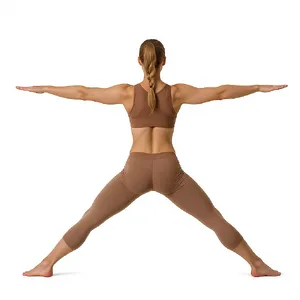
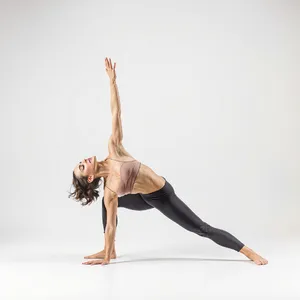
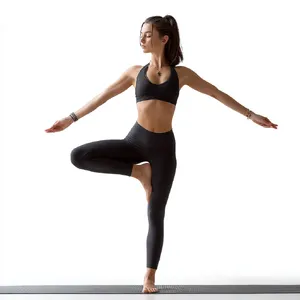
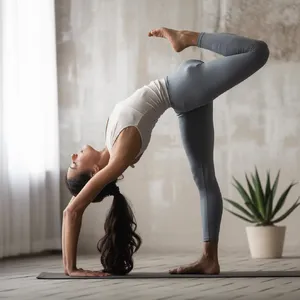
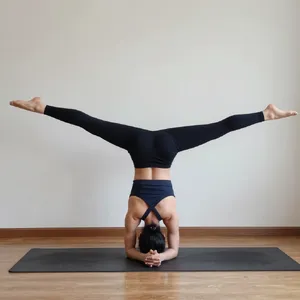
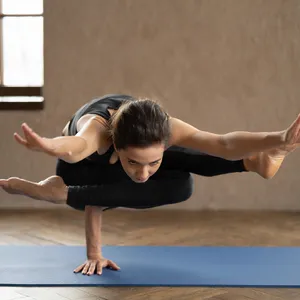
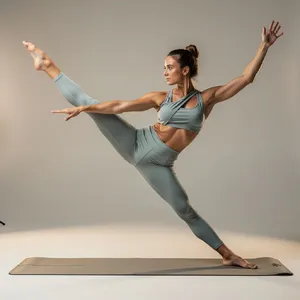
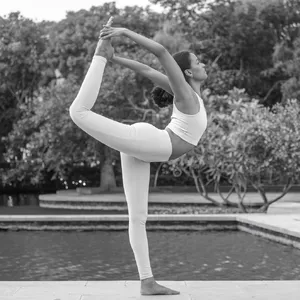
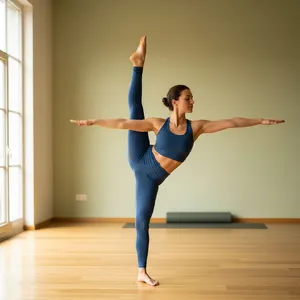
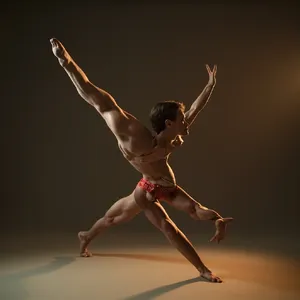
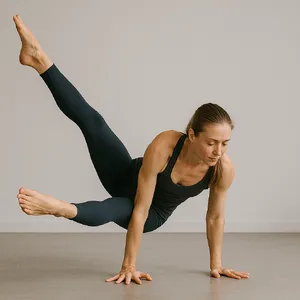
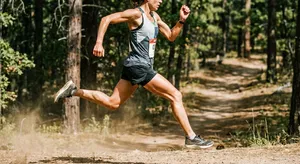
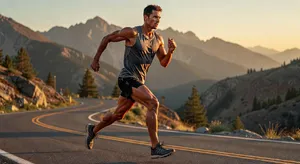
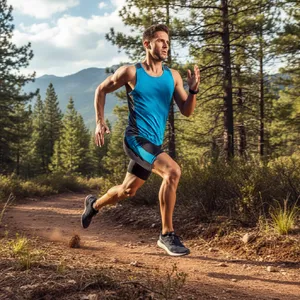
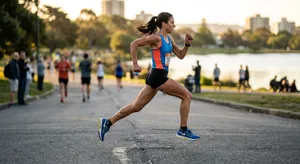
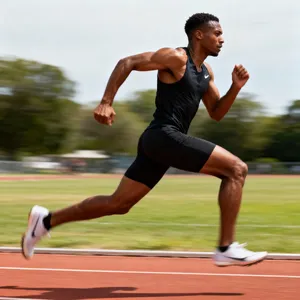
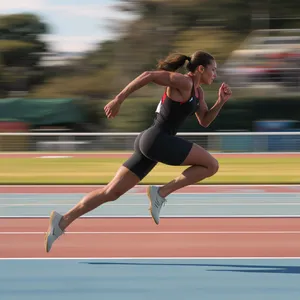
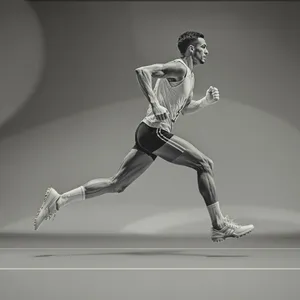
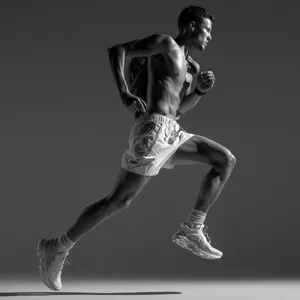
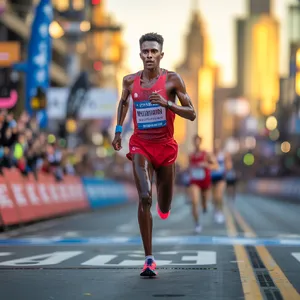
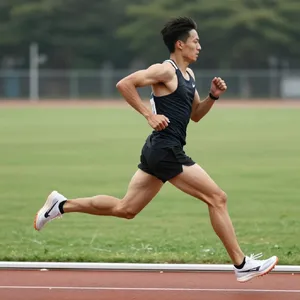
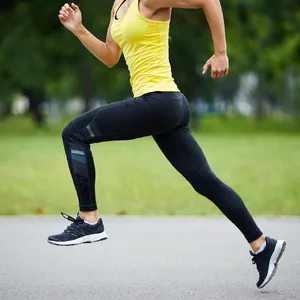
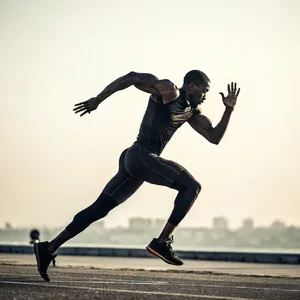
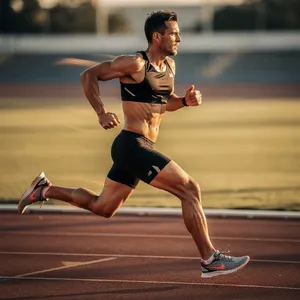
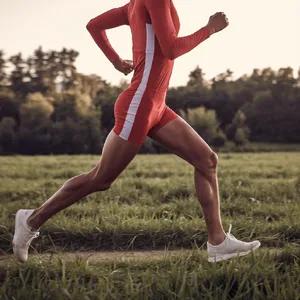
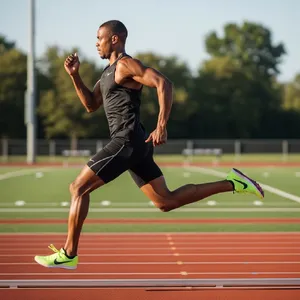
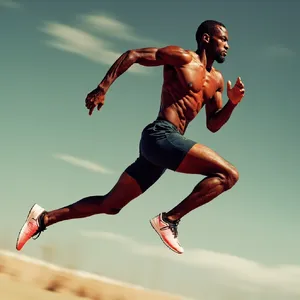
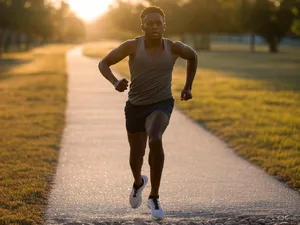
Prompts analyzed: Running Mid-Stride, Yoga Pose
- Top Pick: Flux 1.1 Pro Ultra and Recraft V3.
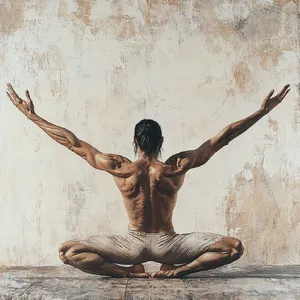
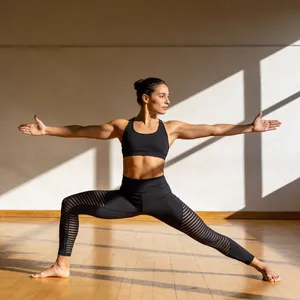
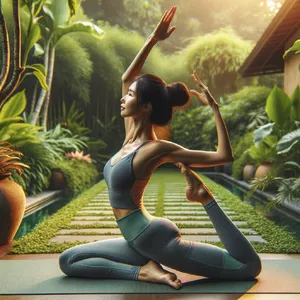
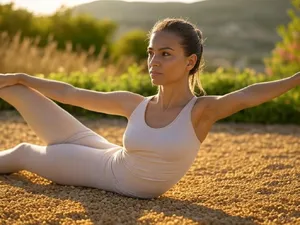
- Why: These models understand weight distribution and muscle tension. For the Yoga prompt, they correctly rendered flexed tendons and locked joints. For the running prompt, they perfectly captured the kinetic energy of a sprint without morphing the limbs into mush.
🤝 Multi-Subject Coordination
Prompts analyzed: Handshake, High-Five, Circle of Hands
- Top Pick: Grok Imagine and Imagen 3.0.
- Why: When two bodies touch, AI often blends their pixels. These models maintain strict boundaries between subjects. Grok Imagine created a stunningly natural High-Five image with distinct, well-proportioned hands that didn't bleed into one another.
🪞 Spatial Logic & Reflections
Prompt analyzed: Mirror Reflection