Summary for Seedream 3.0
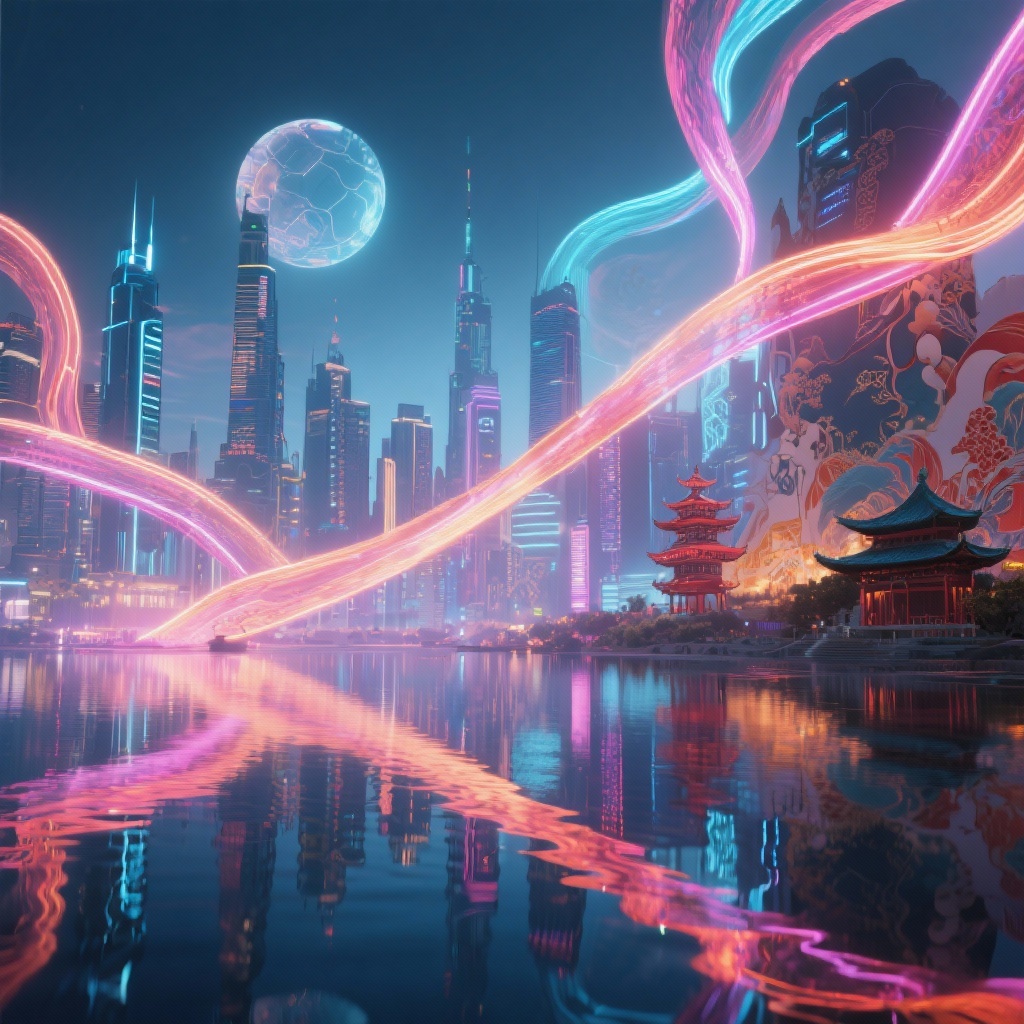
Seedream 3.0 establishes itself as a highly capable, stylized mid-tier model. With an Overall Score of 7.38, it holds its own against heavyweights, shining brightest in artistic, structural, and imaginative generations rather than pure photorealism.
📊 Comparative Strengths
Seedream 3.0 operates beautifully in structured and imaginative domains. It outpaces several competitors in creating lush, atmospheric environments. While it lags behind top-tier models like Nano Banana Pro or GPT Image 1.5 in complex instruction following, it easily competes with mid-tier favorites like FLUX.1 Kontext Max and Midjourney V6.1 when it comes to raw stylistic output.
🌟 Quality Factors
The model's highest quality output comes when it leans into a specific aesthetic rather than strict reality.
- Impeccable Textures: It handles structural and surreal materials beautifully, scoring a perfect 10 on the Avocado armchair with its hyper-realistic bump mapping.
- Lighting & Atmosphere: Soft, atmospheric lighting is a massive strength, as seen in the stunning B&W freckled woman (9/10).
🚩 Failure Modes
- The 'AI Plastic Glow': Skin textures often look overly smoothed or glowing, ruining realism. The Toddler curly hair generation suffered heavily due to this artifact.
- Background Gibberish: While it can render primary text decently, background text often turns into nonsense, dragging down otherwise great images like the Nighttime portrait and the Movie poster.
🏛️ Architecture & Structural Concept Art
Best Use Case: Seedream 3.0 dominates in Architecture & Interiors with a stellar score of 8.7/10. It profoundly understands spatial organization, natural lighting, and material rendering (wood, glass, marble). Highly recommended for architectural mockups, such as the flawless Scandinavian living room.
🎨 Stylized & Anime Illustration
Highly Recommended: If you need Ghibli style art or Anime & Cartoon Style graphics, this model consistently delivers. It perfectly captured the essence of Studio Ghibli in the Elder garden (10/10) and produced a charming Witch flying sunset.
✍️ Graphic Design & Typography
Use with Caution: In the Graphic Design and Text in Images categories, performance is a mixed bag. It can render simple text perfectly (e.g., Digital clock 10:45), but completely fails on multi-word prompts or complex typography layouts, such as the Billboard World Peace where it introduced typos.
📸 Photorealism & Human Anatomy
Avoid for Close-up Realism: For Photorealistic People & Portraits, look elsewhere. Seedream 3.0 struggles with natural skin imperfections, resulting in a waxy, digital look. However, for broader body anatomy and dynamic poses, it performs surprisingly well if the style is slightly artistic, delivering a flawless generation for the notoriously tricky High-fiving prompt.