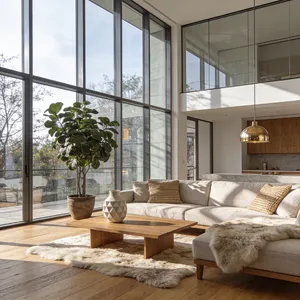
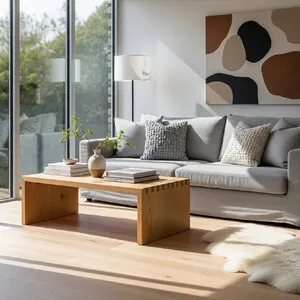
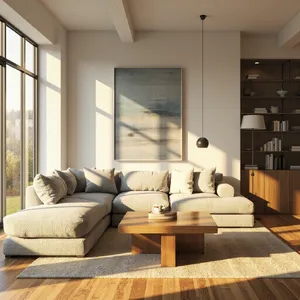
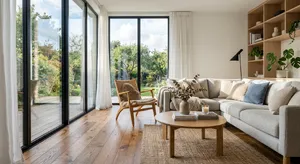
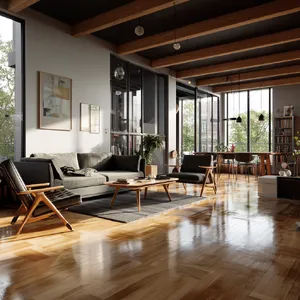
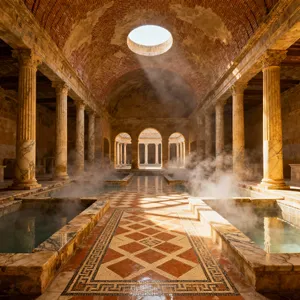
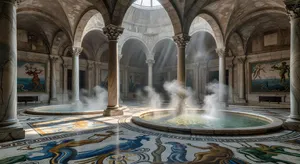
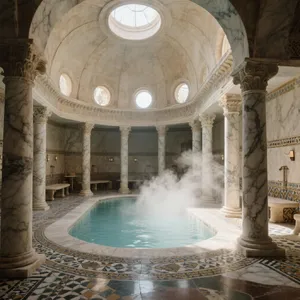
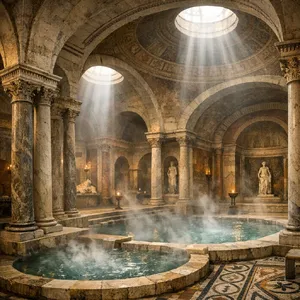
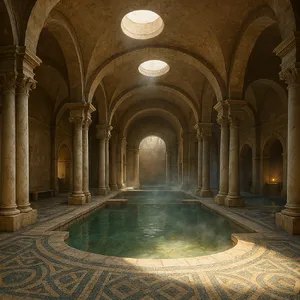
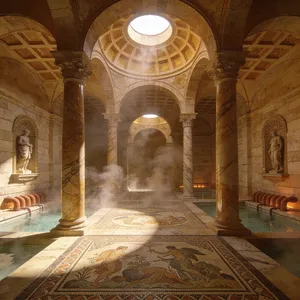
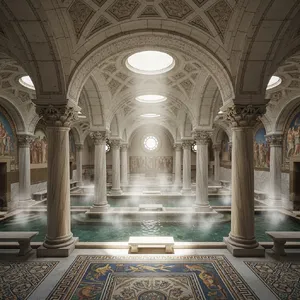
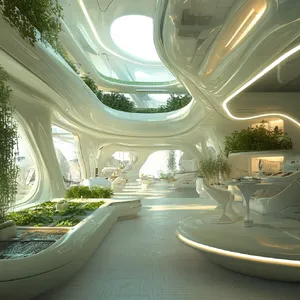
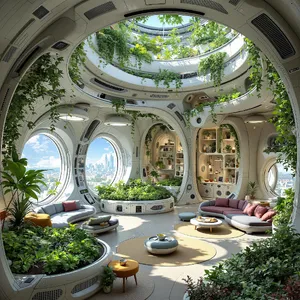
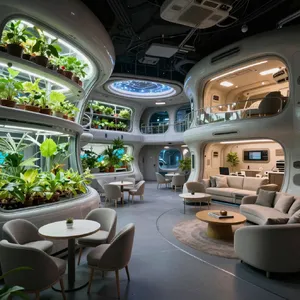
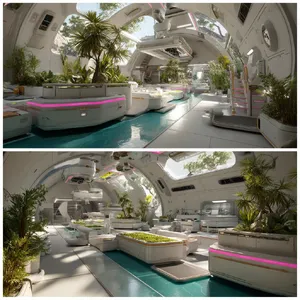
Summary for Architecture & Interiors
Here are the top-level findings from our architectural data analysis! 🏛️
- Top-Performing Models: Flux 2 Pro, GPT Image 1.5, and Nano Banana 2 consistently produced structural masterpieces with high realism and excellent prompt adherence.
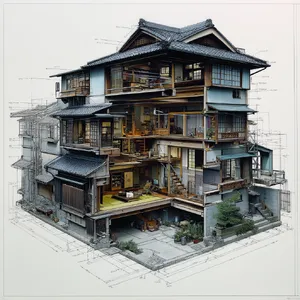
- Major Trends: Modern AI models are incredible at photorealistic lighting and material textures (like glass, marble, and wood grain). However, they face a steep learning curve when asked to produce technical diagrams or isometric cutaways.
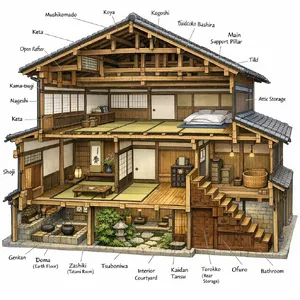
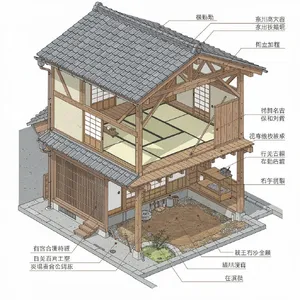
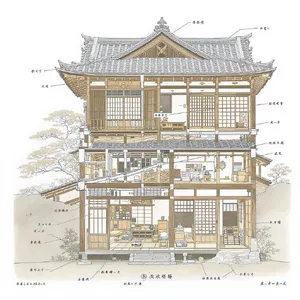
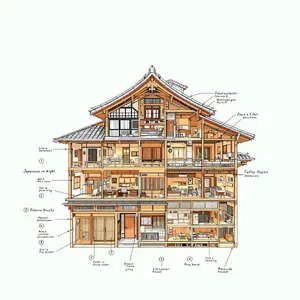
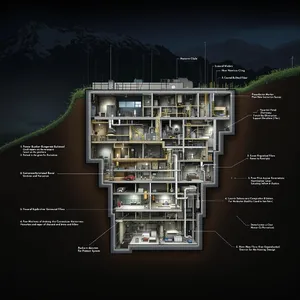
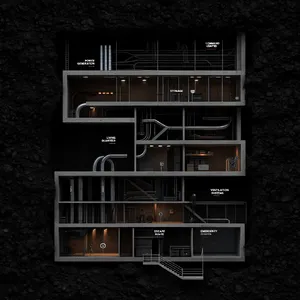
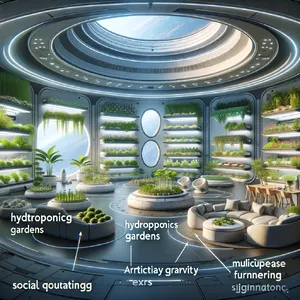
- Surprising Results: The biggest score killers were not bad graphics, but gibberish text! Many beautifully rendered technical drawings were heavily penalized because the models hallucinated unreadable text labels.
- Quick Takeaway: If you need a gorgeous interior, almost any top-tier model will dazzle you. If you need a labelled architectural diagram or a cross-section, you must carefully select models that excel at accurate text generation and structural coherence!
General Analysis & Insights
Let's explore the deeper trends, comparative strengths, and weaknesses across these AI image generators. 🏗️
🌟 Comparative Strengths
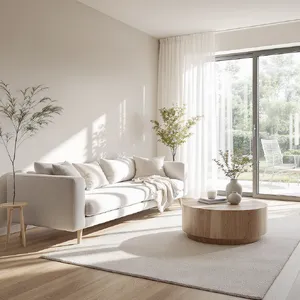
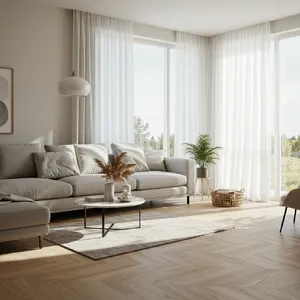
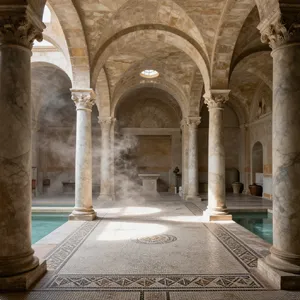
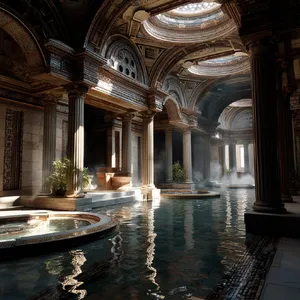
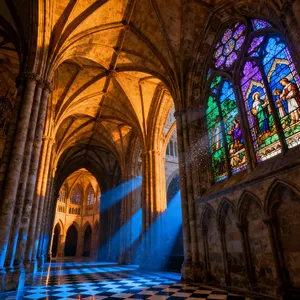
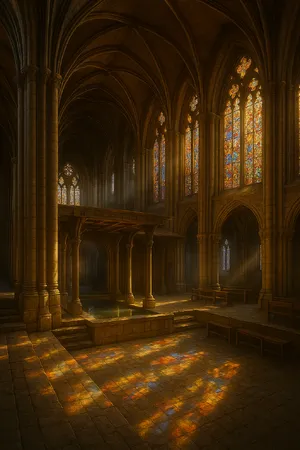
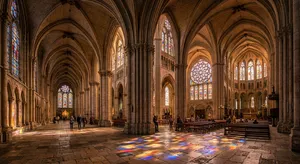
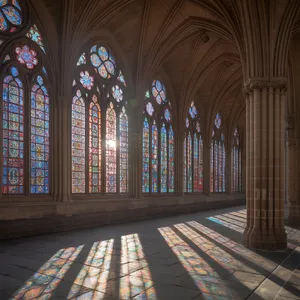
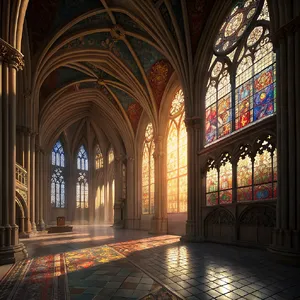
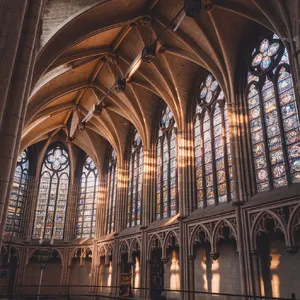
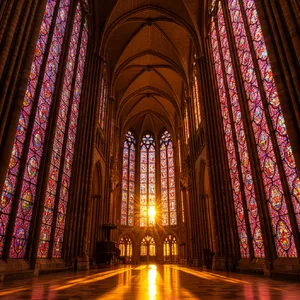
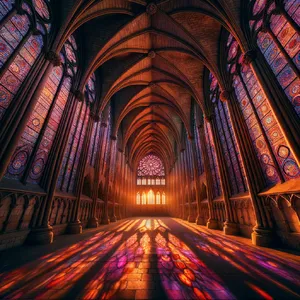
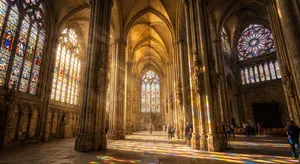
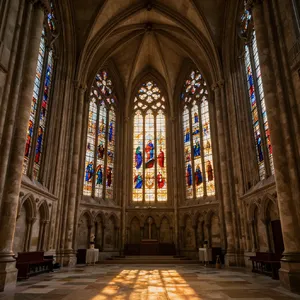
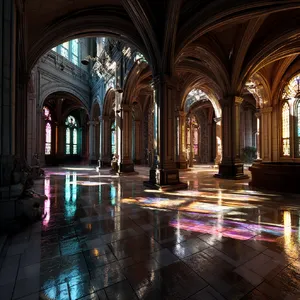
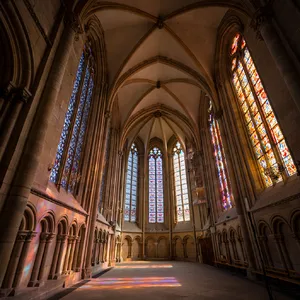
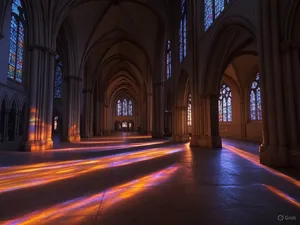
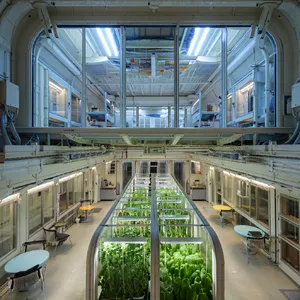
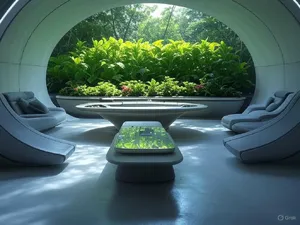
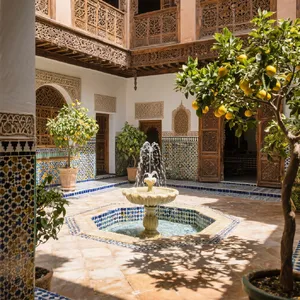
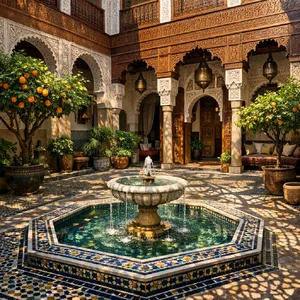
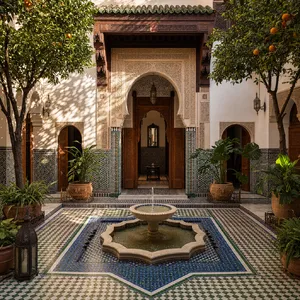
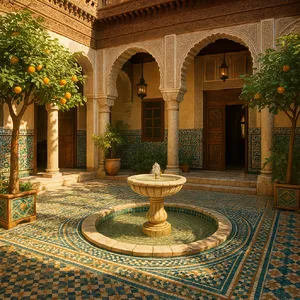
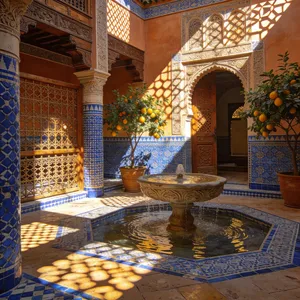
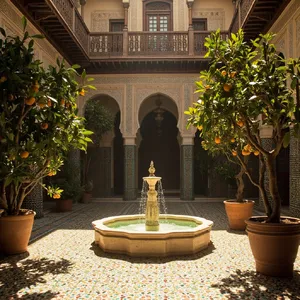
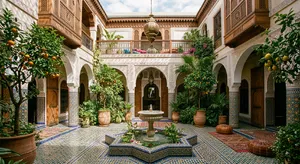
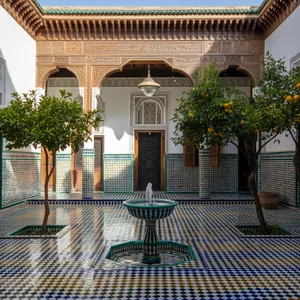
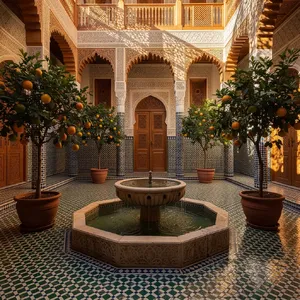
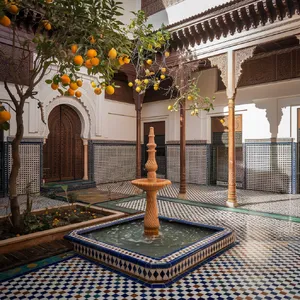
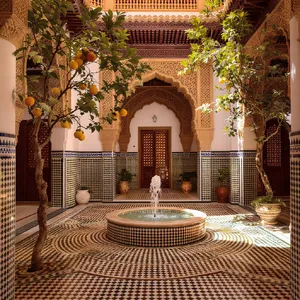
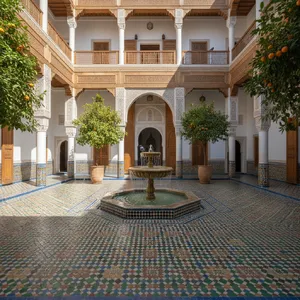
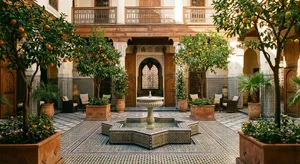
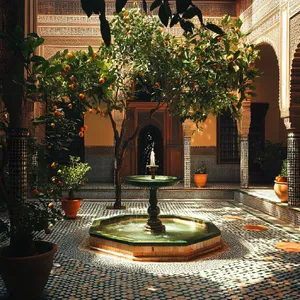
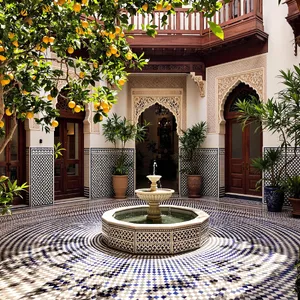
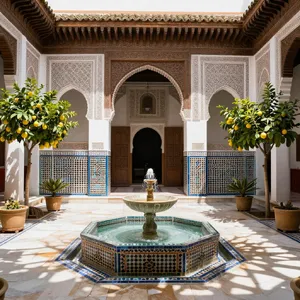
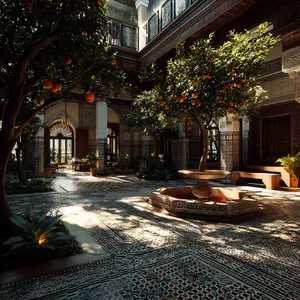
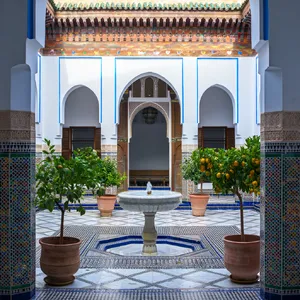
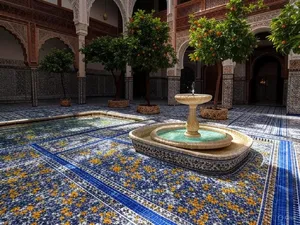
Top-tier models like Imagen 4.0 Ultra and Nano Banana Pro showed absolute mastery over lighting and material rendering. They perfectly captured the interplay of light and shadow, beautifully demonstrated in the Gothic Cathedral and the Moroccan Riad. These models inherently understand the difference between the rough texture of ancient stone, the translucency of sheer curtains, and the smooth gloss of modern glass.
⚠️ Common Failure Modes
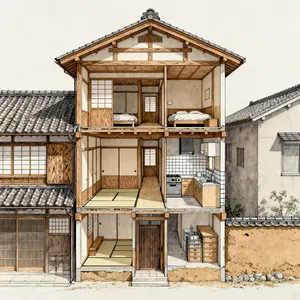
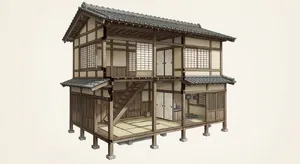
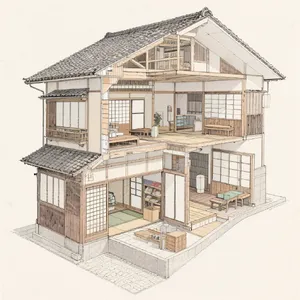
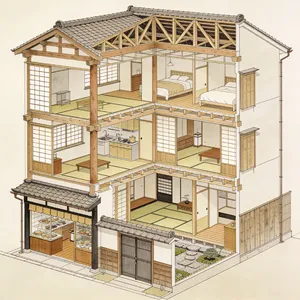
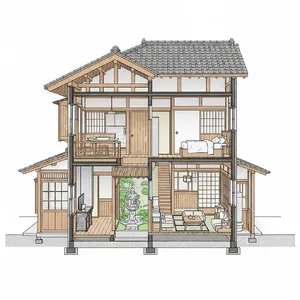
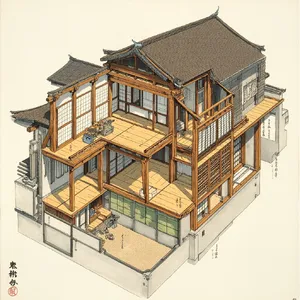
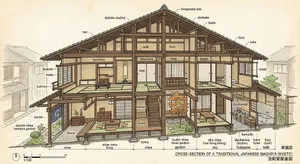
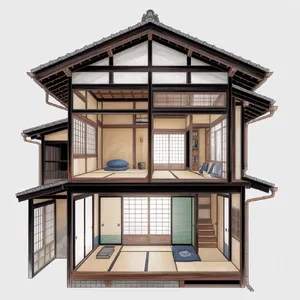
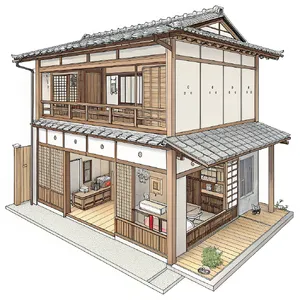
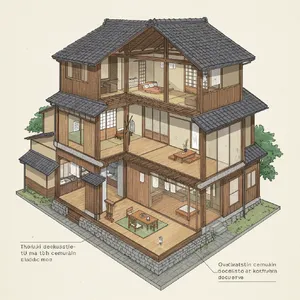
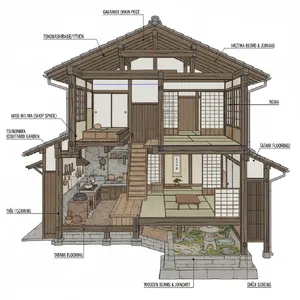
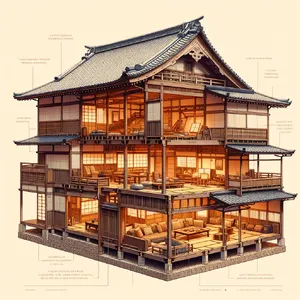
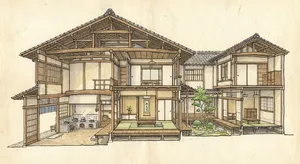
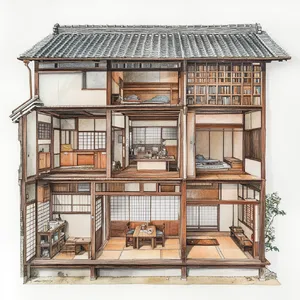
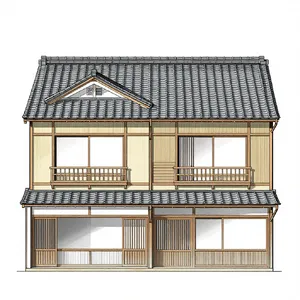
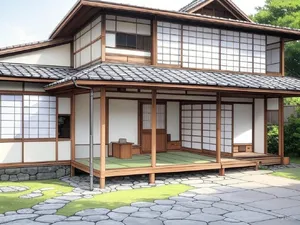
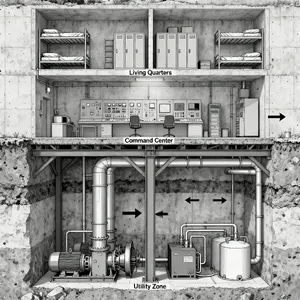
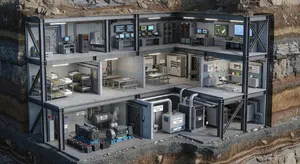
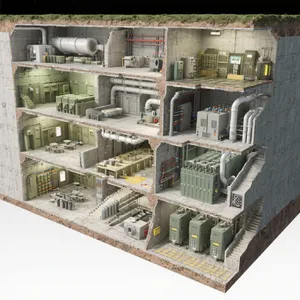
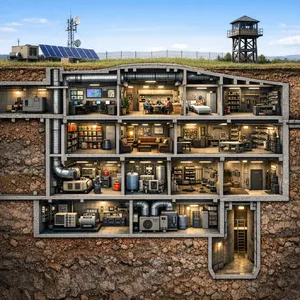
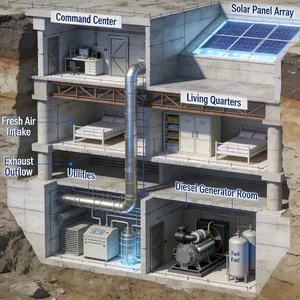
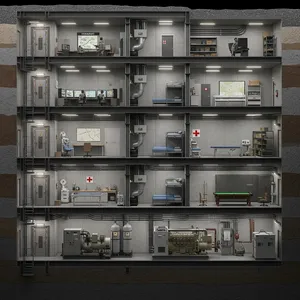
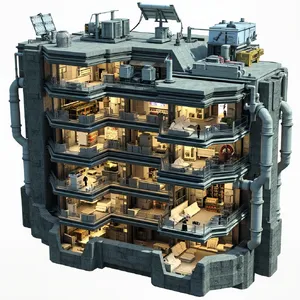
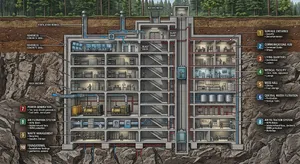
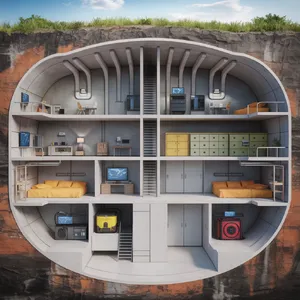
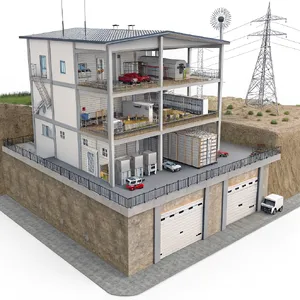
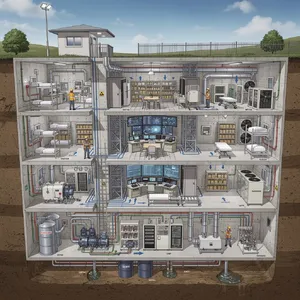
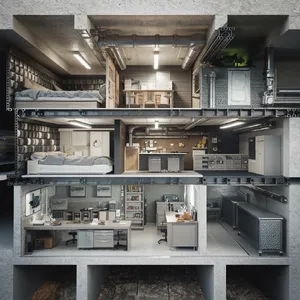
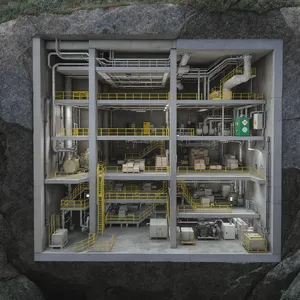
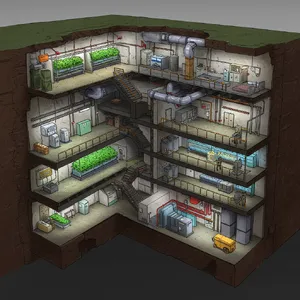
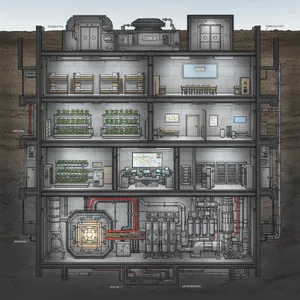
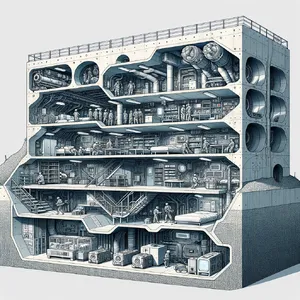
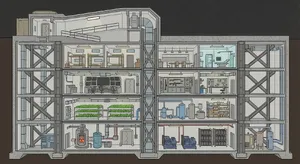
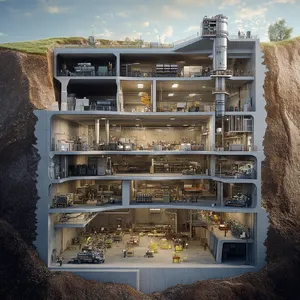
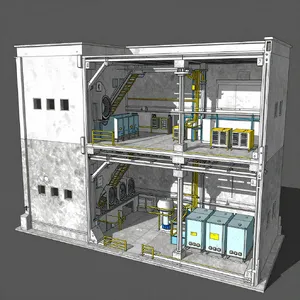
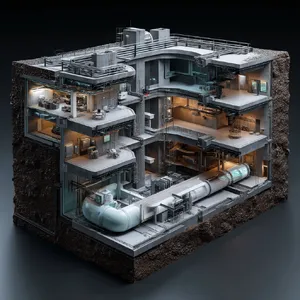
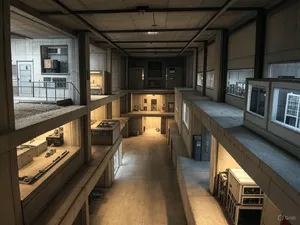
- Text Hallucinations: This was the #1 issue in the dataset! When given prompts like the Japanese Machiya or the Bunker Cross-Section, otherwise capable models like DALL-E 3 and Flux 1.1 Pro Ultra ruined beautiful images by adding nonsensical, gibberish text labels.
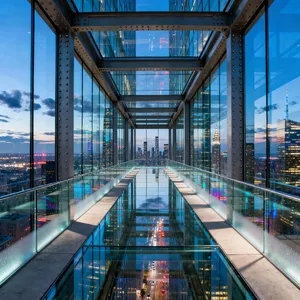
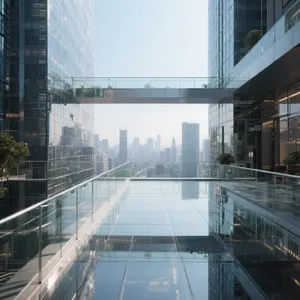
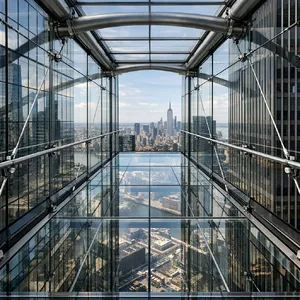
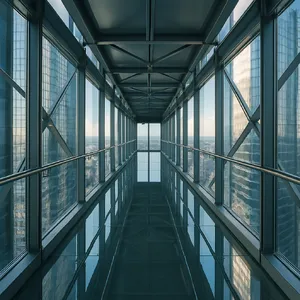
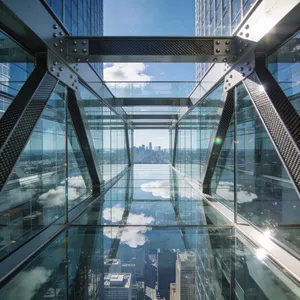
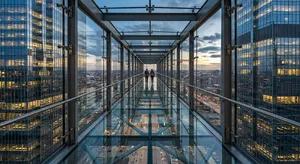
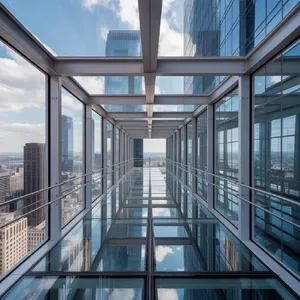
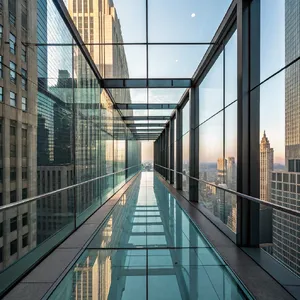
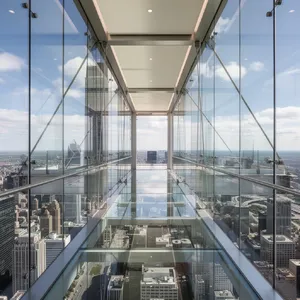
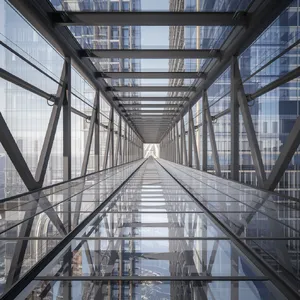
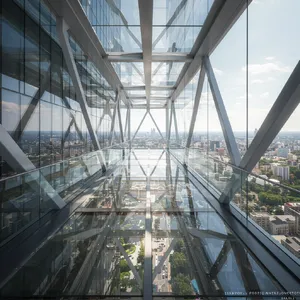
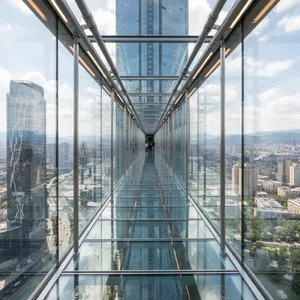
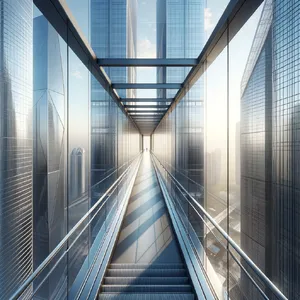
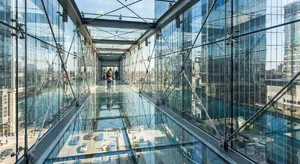
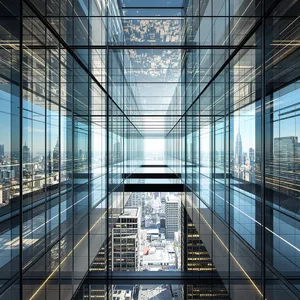
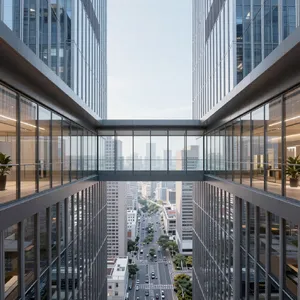
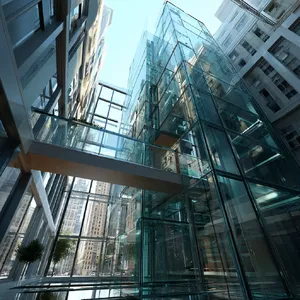
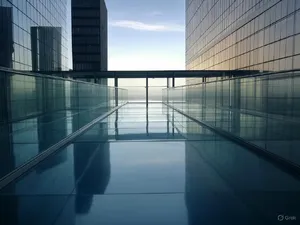
- Structural Logic: Models sometimes failed basic physics or spatial rules. In the Glass Skybridge prompt, several models generated impossible reflections or solid floors instead of the explicitly requested transparent glass floor.
💡 Distinguishing the Top Performers
What separates a 7-score from a perfect 10-score? Coherence. Models like GPT Image 1.5 achieved perfect scores because they didn't just make things look pretty—they made them look buildable. They included realistic structural supports, logical spatial layouts, and, crucially, correctly spelled text labels when context demanded it.
Best Model Analysis by Use Case
Different architectural projects require different AI superpowers. Here is the breakdown by use case! 📐
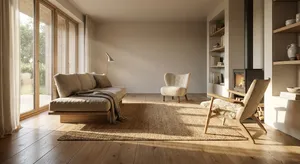
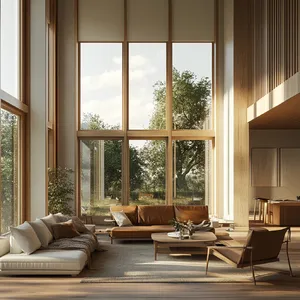
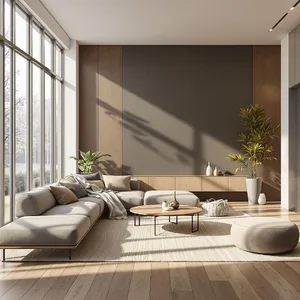
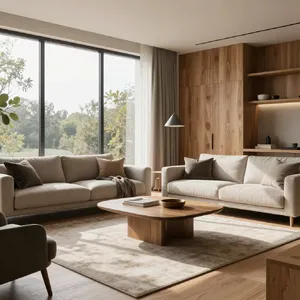
📸 Photorealistic Interiors
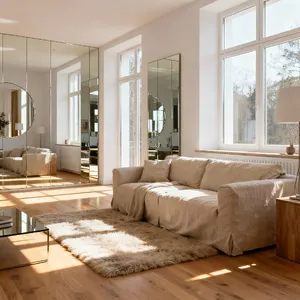
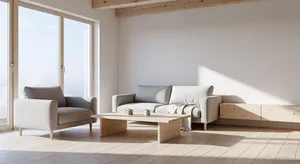
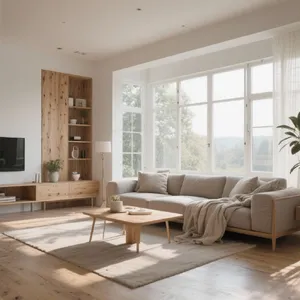
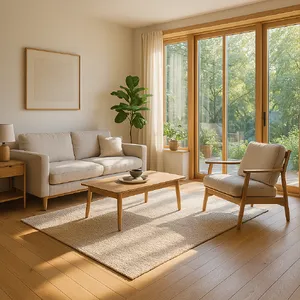
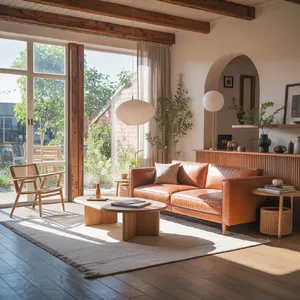
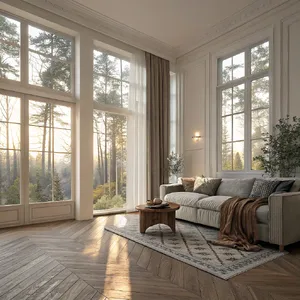
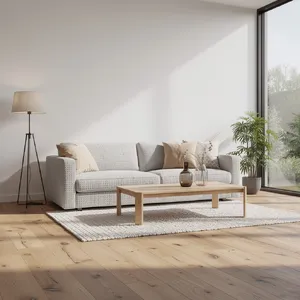
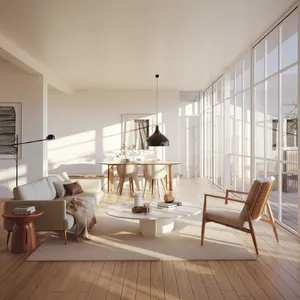
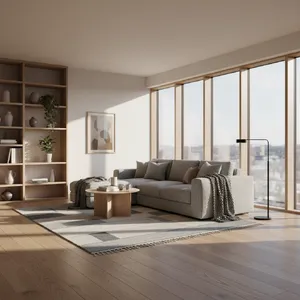
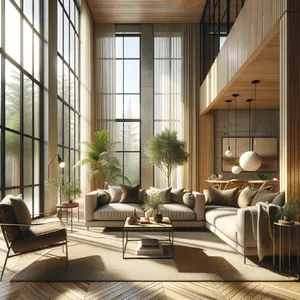
For stunning, magazine-quality interior design shots, you want models that handle natural light and soft textures flawlessly.
✏️ Technical Diagrams & Cutaways
This is the hardest architectural category! You need models that understand complex spatial relationships and can generate real text without hallucinating.
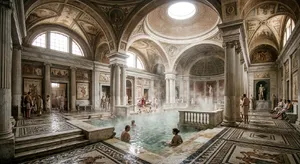
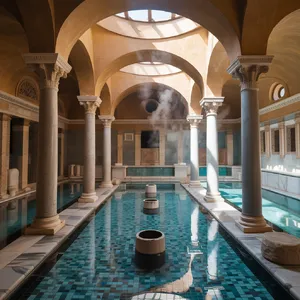
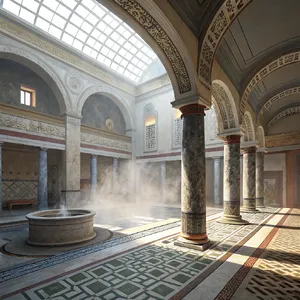
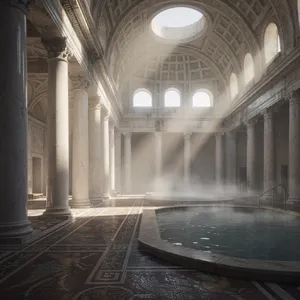
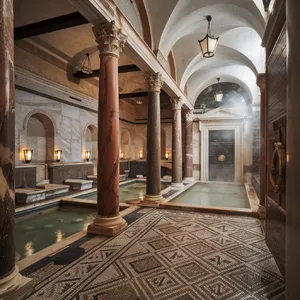
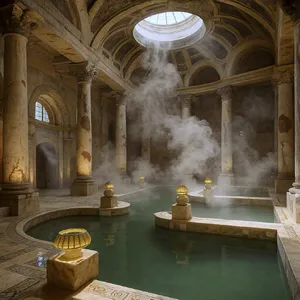
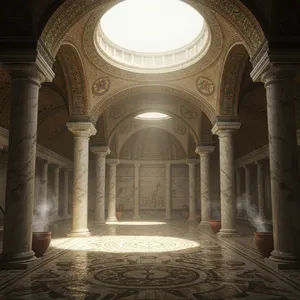
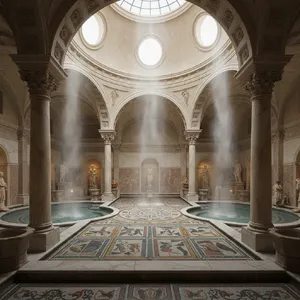
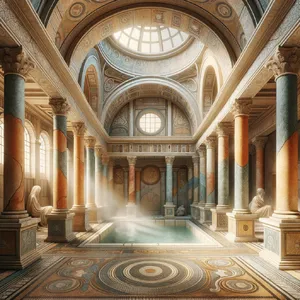
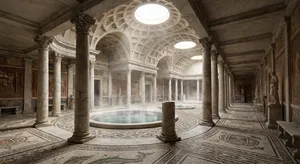
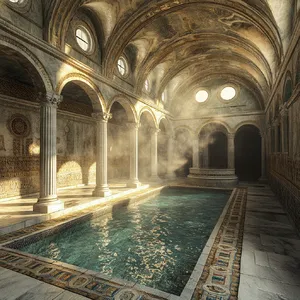
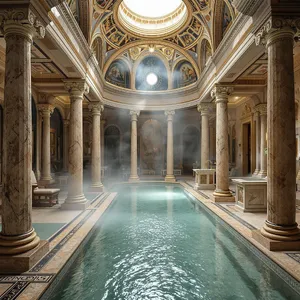
🏛️ Historical & Atmospheric Architecture
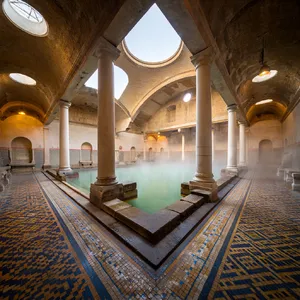
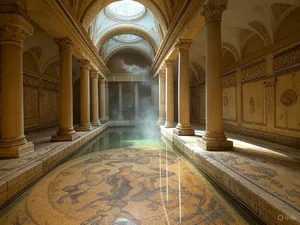
If your goal is to recreate ancient or highly ornate spaces, you need models that excel at geometric patterns, intricate details, and dramatic lighting.
🌿 Environmental & Landscape Integration
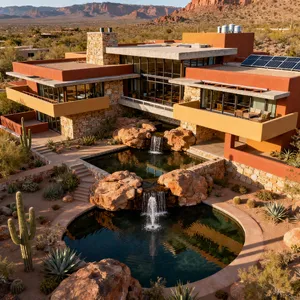
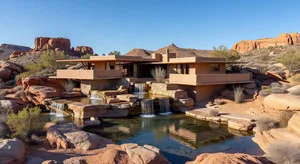
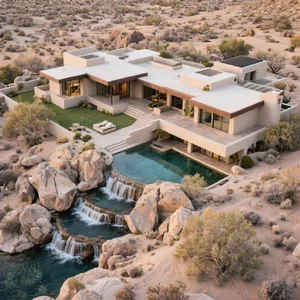
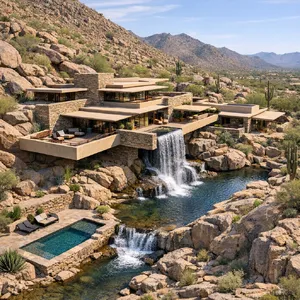
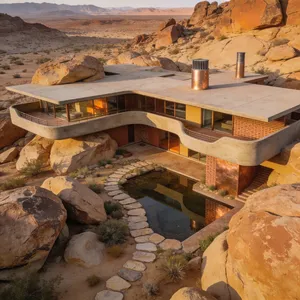
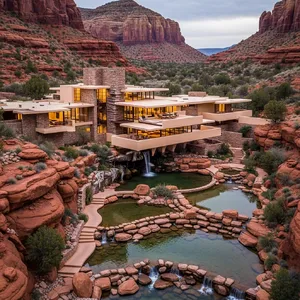
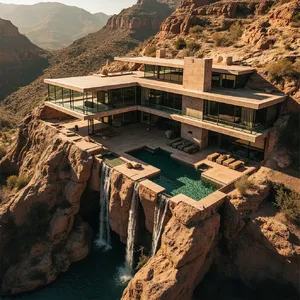
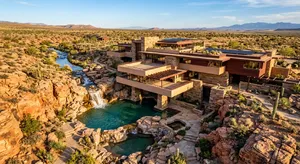
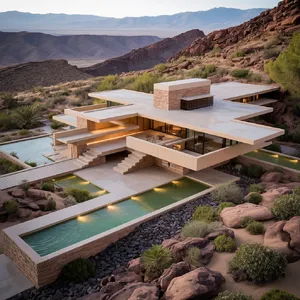
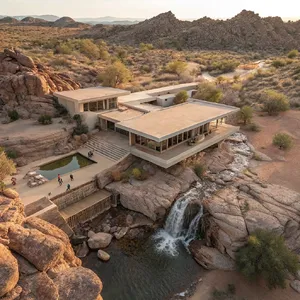
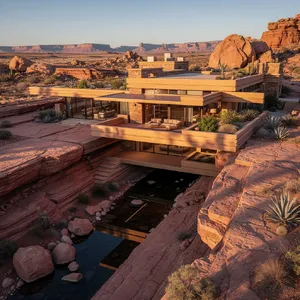
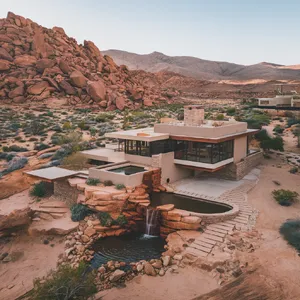
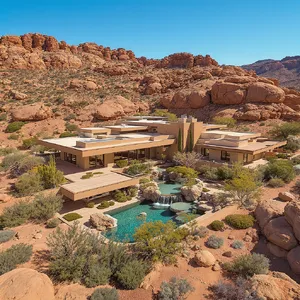
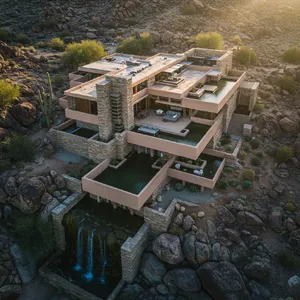
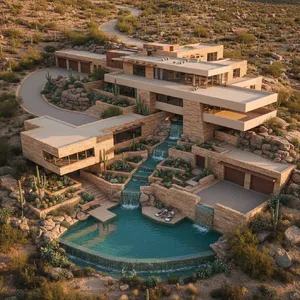
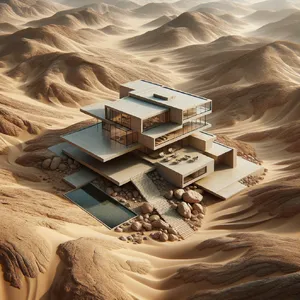
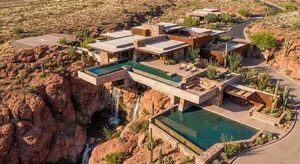
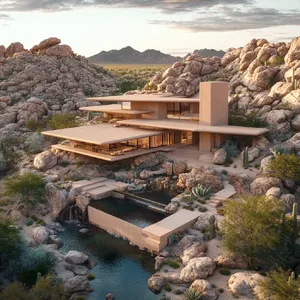
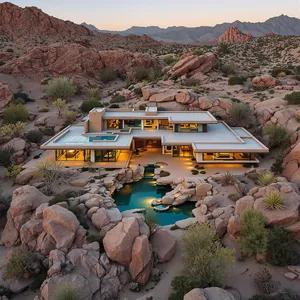
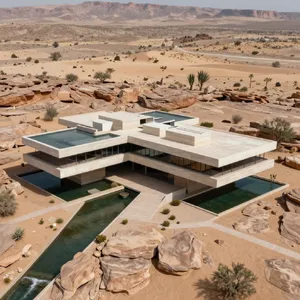
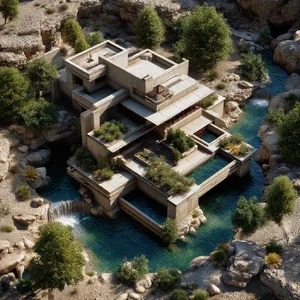
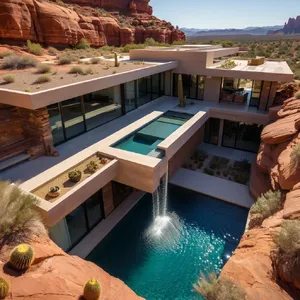
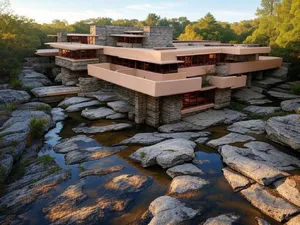
When buildings need to blend beautifully with nature, spatial context and terrain adaptation are key.